Sumatra Coffee Bean Varieties - Starbucks Tiger Packaging Features Story - Indonesian Mandheling Taste Flavor
Sumatran Coffee and the Sumatran Tiger

Using the Sumatran tiger on Sumatran coffee packaging is a very fitting choice. The Sumatran tiger is the only tiger subspecies that lives on an island far from the mainland, found exclusively on Indonesia's Sumatra. Its habitat stretches from lowland forest to high mountains, and only about 400-500 wild Sumatran tigers remain, mainly inside five national parks on the island.
Sumatran coffee is much the same: it is one of the most representative coffees of the Indonesian islands. FrontStreet Coffee specializes in freshly roasted premium coffee and carries five Mandheling coffees. Because their origins and processing methods differ, these beans show subtle differences in flavor.

Sumatran Coffee Regions
Sumatra is divided into two major growing regions. The southern region centers on Medan, Lake Toba and the Lintong area; this is the traditional "Mandheling" region where the Mandhelings we know originate. The Mandheling G1, Golden Mandheling, Tiger Mandheling and others we commonly see are all produced here.
Lintong-region Mandhelings are basically pure Arabica. It is said that some Robusta heritage has been mixed in in recent years, though the specifics are unknown. By bean appearance they look like pure Arabica, and processing is mainly the traditional washed method. In recent years, processing stations such as WHANA have begun using natural and semi-natural methods, with a marked improvement in quality.

FrontStreet Coffee's Mandheling Collection
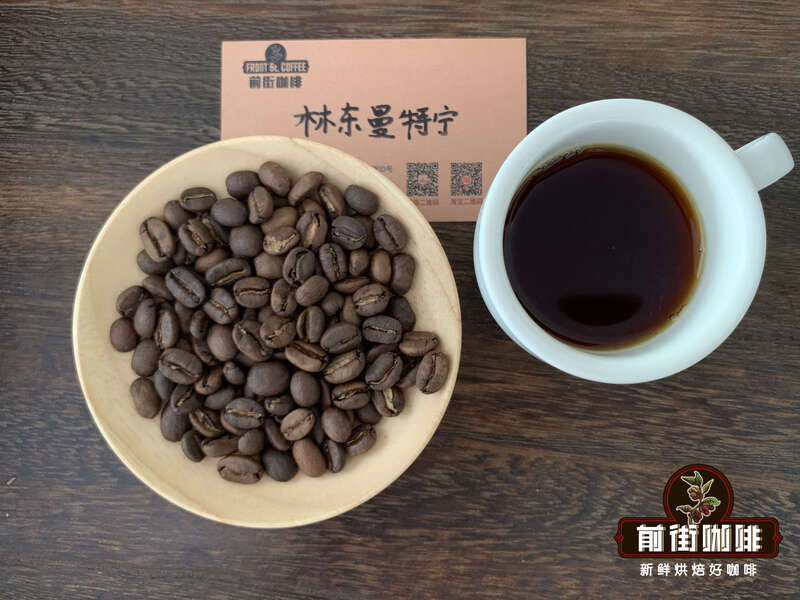
Lintong Mandheling: FrontStreet Coffee's Lintong Mandheling comes from the Sumatran Lintong region, grown at 1,100-1,600 meters. Its Typica and Caturra varieties use Indonesia's common wet-hulling method, with flavor notes of toasted bread, nuts, caramel, pine and herbs.
Golden Mandheling: FrontStreet Coffee's Golden Mandheling comes from Aceh Gayo Mountain in Sumatra, grown at 1,100-1,600 meters. The Ateng variety uses wet-hulling, with flavor notes of spices, herbs, caramel, pine, nuts and chocolate.
Unlike other Mandhelings, Golden Mandheling undergoes G1-grade selection with three rounds of hand sorting, which yields very uniform bean sizes. Golden Mandheling is graded 18 mesh or above, with fewer than 3 defective beans in a 300 g green-bean sample, placing it in the top G1 grade. The color is dark green and the shape is a uniform flat bean. After such strict selection, Golden Mandheling not only removes the earthy impurities typical of regular Mandheling but also tastes cleaner and more transparent, with stronger sweetness.

Tiger Mandheling: FrontStreet Coffee's Tiger Mandheling comes from Sumatra, grown at 1,500 meters. Its Caturra, Typica and Sidikalong varieties use wet-hulling, with flavor notes of nuts, cream, dark chocolate, caramel and pine.
Aged Mandheling: FrontStreet Coffee's Aged Mandheling comes from Sumatra, grown at 1,500 meters. Its Caturra and Typica varieties also use wet-hulling. The special processing gives Aged Mandheling a rounder, deeper flavor, as intoxicating as Pu'er tea.

Aged coffee actually has a long history in Indonesia. Because shipping was undeveloped in the early days, moving coffee from Indonesia to other countries took considerable time. As the months passed, the moisture-rich fresh beans gradually dried, and the sea winds added a very particular flavor. Modern shipping advances have sharply cut transport time, so that flavor has instead become a deliberate specialty processing method.
Roasting and Processing
Anyone who knows Mandheling well will know that it is mostly dark roasted. There are two reasons we commonly see Mandheling as a dark roast. First, because of its processing method and mixed varieties, the bean has a relatively high defect rate, and a dark roast masks that flaw perfectly. Second, Mandheling was first discovered and developed by the Japanese, who tend to prefer body-focused coffee in their tasting, which explains why Mandheling is roasted so dark.

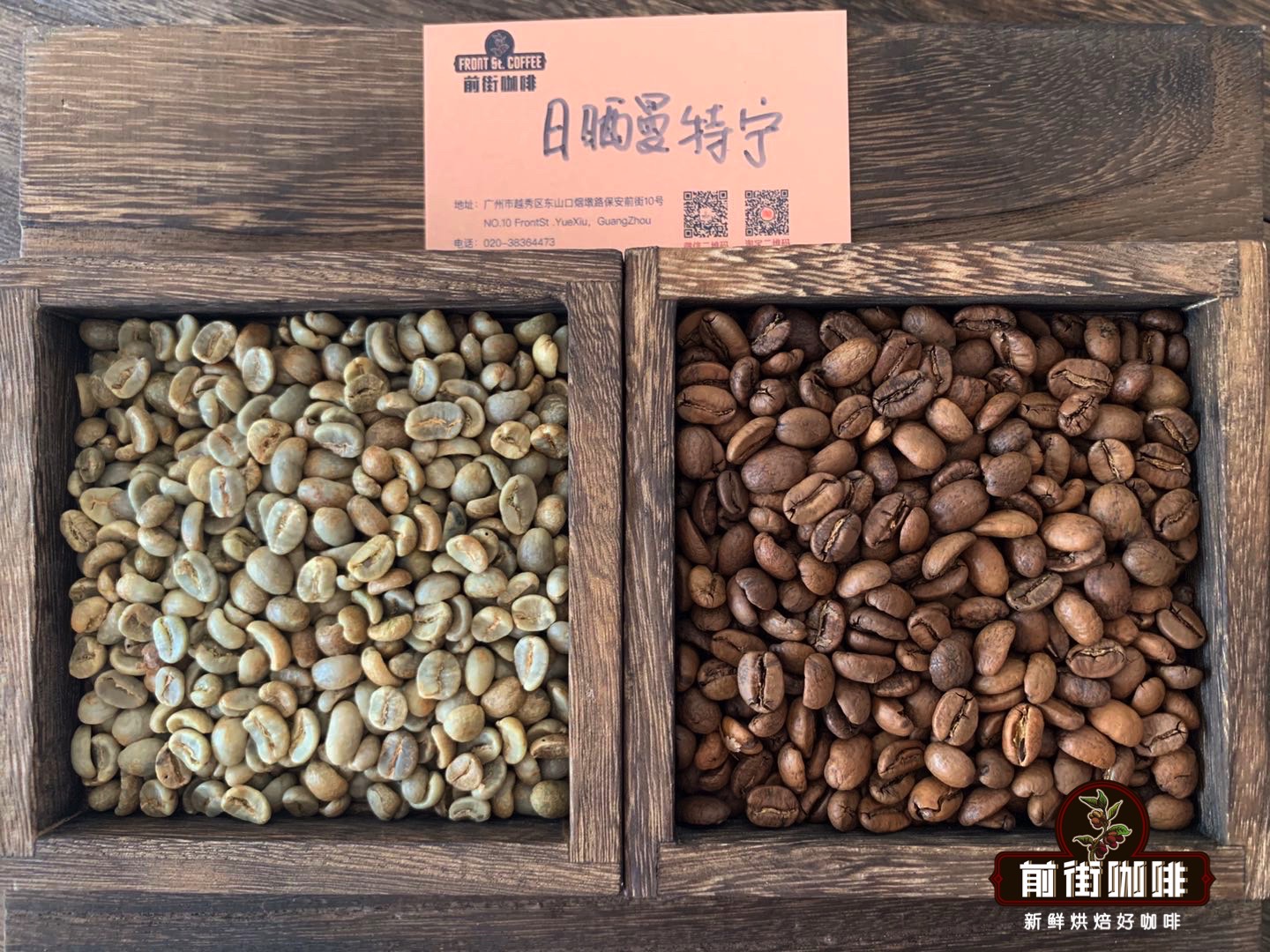
Besides the four wet-hulled Mandhelings above, FrontStreet Coffee carries another, less common Mandheling: Natural Mandheling.
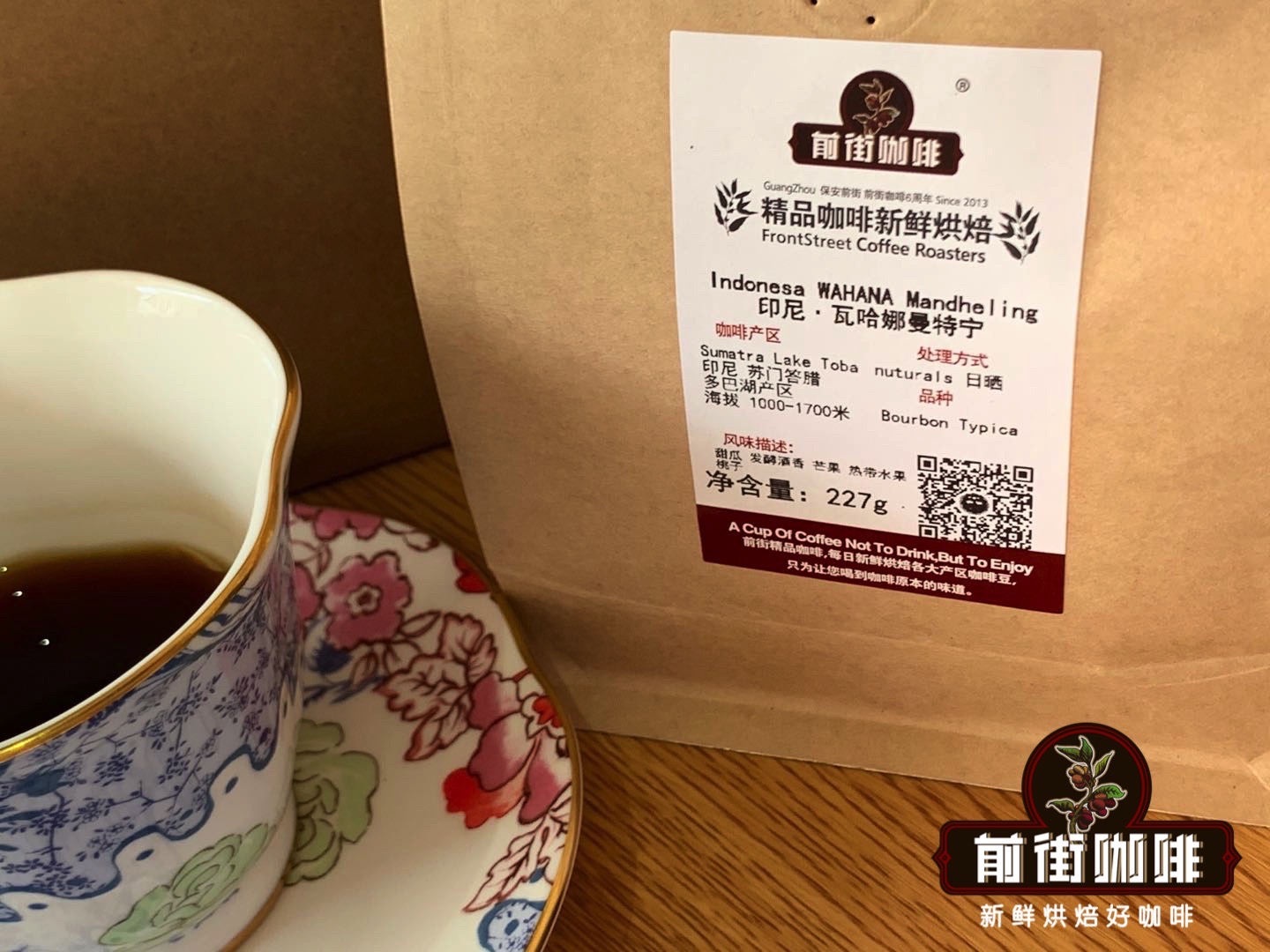
Natural Mandheling comes from the Lake Toba region of Sumatra, from the Wahana Estate. The area grows at 1,000-1,700 meters, and its Bourbon and Typica varieties use natural processing. On roast level, FrontStreet experimented with a medium-light roast for Natural Mandheling, with flavor notes of melon, a fermented aroma, mango, tropical fruits and peach.
Brewing Recommendations
FrontStreet Coffee's recommended brewing method for Sumatran coffee:
Hand Drip Method
FrontStreet Coffee recommends Kalita trapezoid drippers or KONO drippers with flannel filters, mainly immersion-based drippers, to brew these four wet-hulled Mandheling coffees.

Brewing Parameters
- Water Temperature: 86-88°C (because dark roasting makes over-extraction easy at high temperature)
- Grind Size: Medium grind (slightly coarser than for light-roast beans, to slow the extraction rate)
- Coffee-to-Water Ratio: 1:15 (a slightly longer ratio to highlight Sumatran coffee's rich body)
FrontStreet Coffee's Four Mandheling Coffees: Hand Drip Parameters
Brewing Parameters:
- Filter: KONO
- Water temperature: 86-88°C
- Grind: Fuji Royal R440 #4
- Roast level: Dark roast
- Bloom time: 30 seconds

Brewing Technique:
15 g coffee, 1:15 ratio, Fuji Royal R440 #4 grind, KONO dripper, 86-88°C water. First pour to 30 g for a 30-second bloom, second pour to 125 g, wait for the water level to drop halfway, then continue pouring to 225 g. Total extraction time 2 minutes.

Notably, because Natural Mandheling uses a medium roast, its brewing technique differs from that of the medium-dark roast Mandhelings.
FrontStreet Coffee has built up extensive experimental experience with brewing techniques and has unified brewing parameters for beans of different roast levels as far as possible.
For example, FrontStreet's light-medium roast brewing parameters are: V60 dripper, 1:15 ratio, 15 g coffee, 90°C water, grind with an 80% pass-through rate on a #20 standard sieve. For medium-dark roast beans: KONO dripper, 1:15 ratio, 15 g coffee, 88°C water, grind with a 70-75% pass-through rate on a #20 standard sieve.

Natural Mandheling Coffee: Brewing Parameters
Brewing Parameters:
- Filter: Hario V60 #01
- Coffee amount: 15 g
- Ratio: 1:15
- Water temperature: 90°C
- Grind size: fine sugar
Brewing Technique:
First pour 30 g water for a 30-second bloom, then a second pour of 95 g (125 g on the scale), completed in about 1 minute. Third pour of 100 g (225 g on the scale), completed in about 1 minute 40 seconds. Total extraction time 2 minutes 10 seconds; remove the filter to finish.

Flavor Profile Summary
Hand Drip Mandheling Flavor Descriptions
Golden Mandheling: Multi-layered, rich and clean, with high balance, an intense nut and caramel aroma and chocolate notes, plus a persistent aftertaste.
Lintong Mandheling: An herbal-medicine note on entry, dark chocolate and caramel, with a sweet aftertaste.
Tiger Mandheling: Pine and spice aromas, a relatively balanced palate with distinct cream, dark chocolate and nut flavors.
Aged Mandheling: Woody, malt and caramel aromas greet you. The palate lacks the wildness of traditional Mandheling, replaced with richness and refinement and a mature, composed feel. Lower acidity, with aged Pu'er tea, caramel, herbal and chocolate flavors and plenty of sweetness.
Natural Mandheling: Tropical fruits, fermented notes, moderate acidity, a smooth texture and obvious sweetness.
FrontStreet Coffee Recommendation
If you want to taste the best of the wet-hulled style, FrontStreet points to its PWN Golden Mandheling. PWN buys high-quality Mandheling green beans and puts them through one mechanical and several manual rounds of sorting to pick out only plump, defect-free beans. Golden Mandheling is the company's flagship: 18 mesh and above, fewer than 3 defective beans per 300 g sample, the top G1 grade, with three rounds of hand sorting. The beans are even, large and translucent with a low defect rate, and after a medium-dark roast they carry a rich roasted aroma and brew into a clean, full-bodied black coffee that suits anyone who dislikes acidic coffee. Much of the genuine Golden Mandheling is shipped to Japan and the United States, so supplies reaching other markets are limited.
FrontStreet's Lintong Mandheling daily drinker comes from Sumatra's Lintong region and shares that medium-dark roast profile, with black chocolate and caramel up front and the wild herbal side of Mandheling kept intact. For the range as a whole, Sumatra's humid climate, with year-round humidity of 70-90%, regular typhoons and annual rainfall above 2,000 mm, makes the long African-style sun-drying of 2-3 weeks impossible and full washing too costly, so growers developed the region's signature semi-washed wet-hulled method: the parchment is stripped off while the beans are still half-dry, exposing them to the air to speed drying and, in the process, picking up the microbes that create Mandheling's one-of-a-kind wild flavor.
To brew Golden Mandheling by hand, FrontStreet recommends 87-88°C water, 15 g of coffee, a 1:15 ratio and a coarse, granulated-sugar grind, poured in three stages. The first pour is a 30 ml bloom to wet all the grounds and let them degas; the second adds 100 ml to bring out the golden crema and lift the bed; the final 95 ml is poured gently down the centre to boost sweetness. The result is a thick, full body with caramel sweetness and chocolate and nut flavors. If you want Mandheling in milk drinks, FrontStreet's Classic Blend is its most repurchased espresso blend: it builds on Brazilian creamy, nutty notes with medium-dark Mandheling, adding butter, roasted chestnut and caramel, plus sandalwood, herbal and spice notes. A touch of Robusta rounds out the crema, so it works as easily for latte art as for a layered Dirty.
Important Notice :
FrontStreet Coffee is a long-established specialty coffee roaster in Guangzhou China, selling freshly roasted beans from its own farm in Yunnan as well as dozens of carefully selected single-origin beans from around the world for both pour-over and espresso. The products deliver consistently excellent quality and great value, with shipping within 24 hours. Guangzhou's FrontStreet Coffee shop is recommended by many coffee lovers, and the beans are now available online at the Tmall 。
FrontStreet Coffee has moved to a new address:
FrontStreet Coffee Address: 315,Donghua East Road,GuangZhou
Tel:020 38364473
 Scan and follow the En Gafei WeChat official account. Please indicate that the reprint comes from "En Gafei".