Which Yunnan Coffee Brand is the Best? Chinese Yunnan Arabica Coffee is of International Top-Tier Quality

The Origins and History of Yunnan Coffee
Yunnan small-grain coffee belongs to the Rubiaceae family, Coffea genus, Arabica species. It is primarily cultivated in areas such as Lincang, Baoshan, Pu'er, Dehong, Nujiang, and Xishuangbanna in Yunnan.
The first coffee tree in Yunnan was brought by a French missionary in 1892 and successfully trial-planted in Binchuan County. Since the Arabica coffee fruits were relatively small in size, this coffee variety was recorded as "small-grain coffee" at that time. Later, through plant genetic identification, the earliest Yunnan small-grain coffee was confirmed to be the Typica variety.
In today's Binchuan County, 20 of the originally trial-planted coffee trees are still flowering and fruiting, becoming the ancestors of Yunnan coffee. Initially, Yunnan coffee was not widely cultivated. It wasn't until China needed to repay debts to Russia that the government began encouraging farmers to plant coffee trees extensively, leading to coffee cultivation spreading to various regions of Yunnan during that period.


From Debt Repayment to Commercial Development
However, after the debt repayment was completed, due to limited domestic coffee demand, many farmers cut down their coffee trees and planted other crops. Yet Yunnan possesses an excellent environment for coffee cultivation, featuring suitable temperatures, fertile soil, and a location between the Tropic of Cancer and Tropic of Capricorn (commonly known as the golden coffee growing belt). Consequently, Nestle quickly recognized Yunnan as this precious land.
At the same time, they introduced the Catimor variety, which offers higher yields and better disease and pest resistance. Therefore, for the following 20-plus years, coffee beans cultivated in Yunnan were primarily supplied to Nestle as raw material. This is why, when people mention Yunnan coffee, they often associate it with instant coffee.
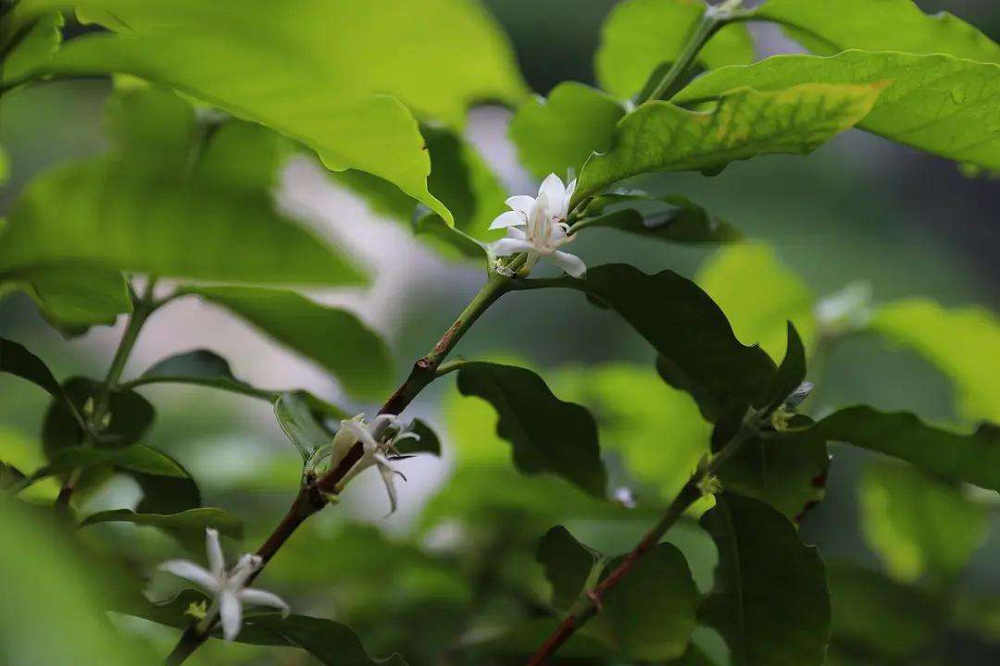
The Modern Renaissance of Yunnan Coffee
However, with the growing love and pursuit of coffee among Chinese people in recent years, Yunnan coffee beans are no longer just raw materials for instant coffee. Whether in cultivation or processing, they have received more scientific improvement. As a result, Yunnan coffee is gradually being accepted by people from other countries and regions, becoming one of the higher-grade coffee origins.
Currently, FrontStreet Coffee offers Yunnan small-grain coffee beans, including Catimor variety coffee beans cultivated at 1200m altitude in the Lujiangba area of Baoshan, as well as Typica variety coffee beans that FrontStreet Coffee itself cultivates at 1300m altitude in the Lincang region.
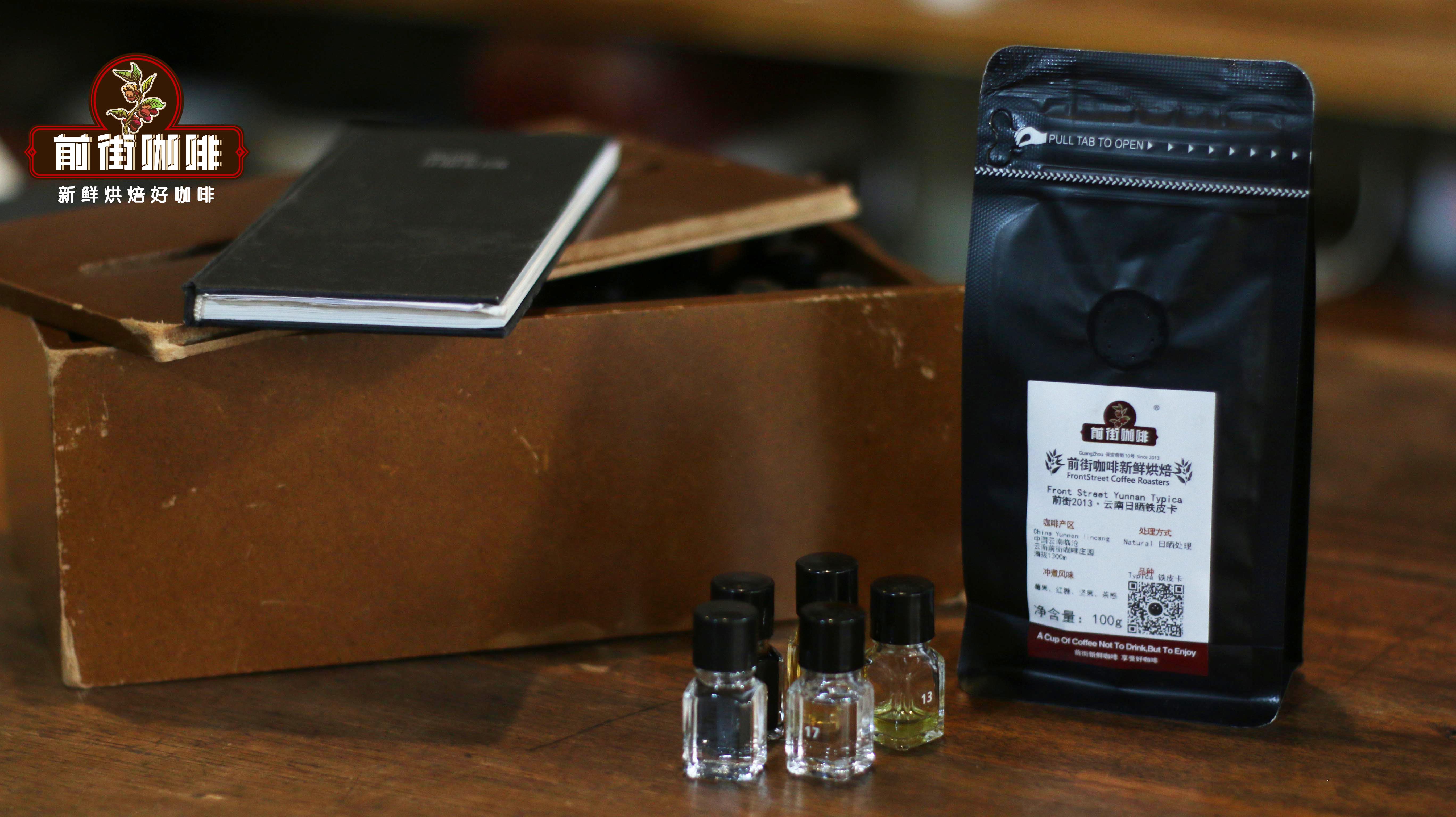
Distinctive Characteristics of FrontStreet Coffee's Yunnan Varieties
The biggest difference between these two coffee beans lies in the fact that the Catimor beans from the Baoshan region possess more prominent plum-like acidity, while the Typica beans cultivated by FrontStreet Coffee have a cleaner taste and clearer sweetness.
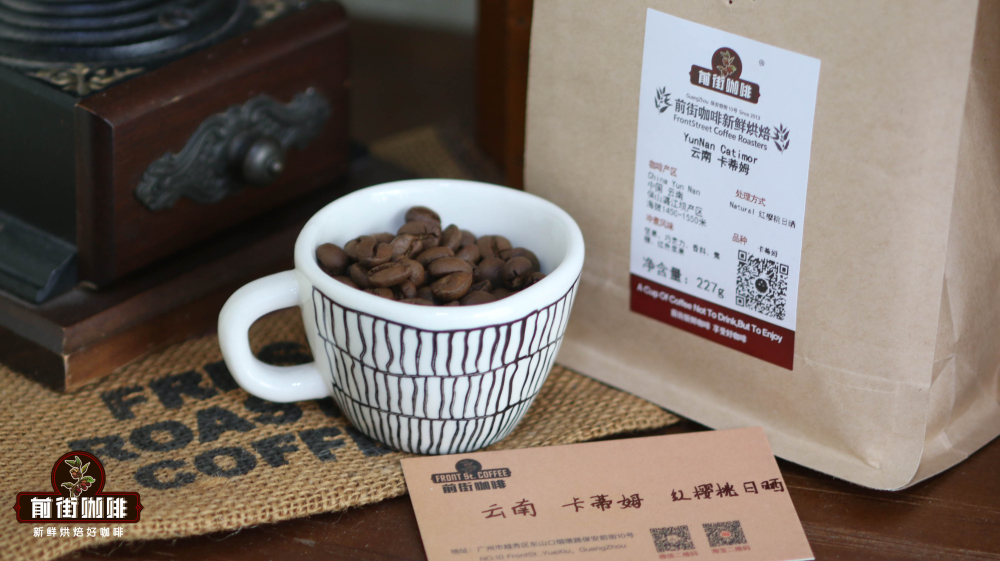
Regardless of which Yunnan small-grain beans you choose, under FrontStreet Coffee's medium roast they all express the unique flavors of the Yunnan region: plum, nuts, caramel, and tea notes. Both acidity and bitterness are moderate, with a rich aroma.
Brewing Method and Parameters
For brewing, FrontStreet Coffee uses the following equipment and parameters: Dripper: Hario V60; Dose: 15 grams; Water temperature: 90°C; Grind size: medium-fine (80% pass-through rate on China standard #20 sieve); Coffee-to-water ratio: 1:15; Segmented extraction.

Because the V60 dripper's ribs are distributed in a curved pattern from top to bottom with varying lengths, degassing during brewing is smooth and the flow rate is quite fast. Precisely because of this, the extracted coffee flavors show more distinct layers.
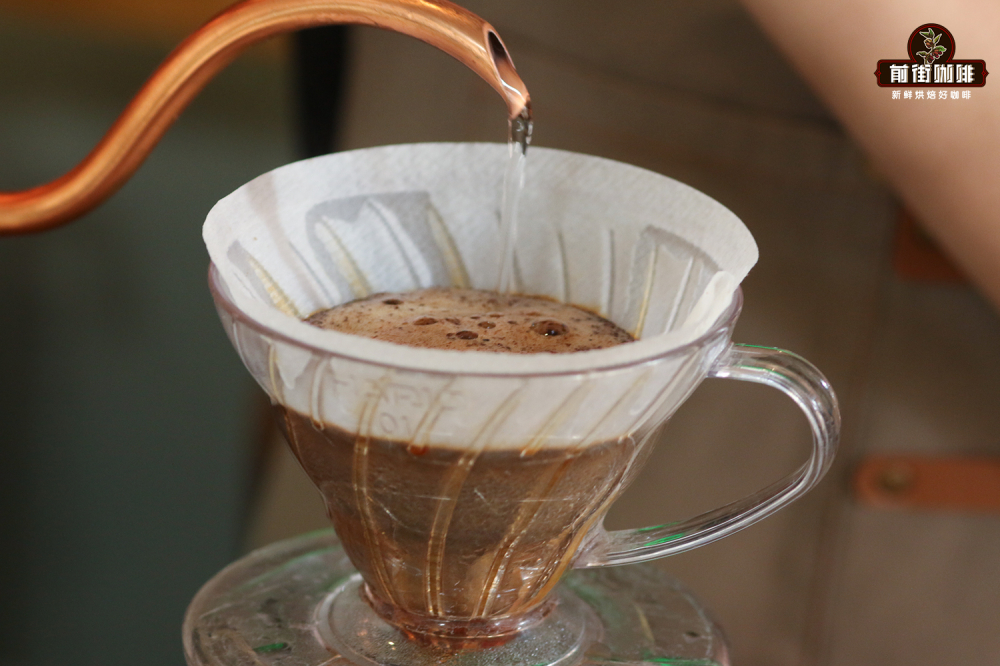
Use 30 grams of water to bloom for 30 seconds, then continue with a small water stream center pour to 125 grams in segments. When the water level drops and is about to expose the coffee bed, continue pouring to 225 grams and stop. When the water level again nearly exposes the bed, remove the dripper. (Timing starts from the beginning of the bloom.) Extraction time is 2 minutes.
Flavor Profiles
FrontStreet Coffee Yunnan Typica Flavor Profile: The dry aroma has subtle caramel and nutty fragrances. When tasted, it presents a plum-like dominant note with brown sugar sweetness and slight fruit acidity. The aftertaste carries black tea notes. The overall flavor layers are rich, with a clean mouthfeel.
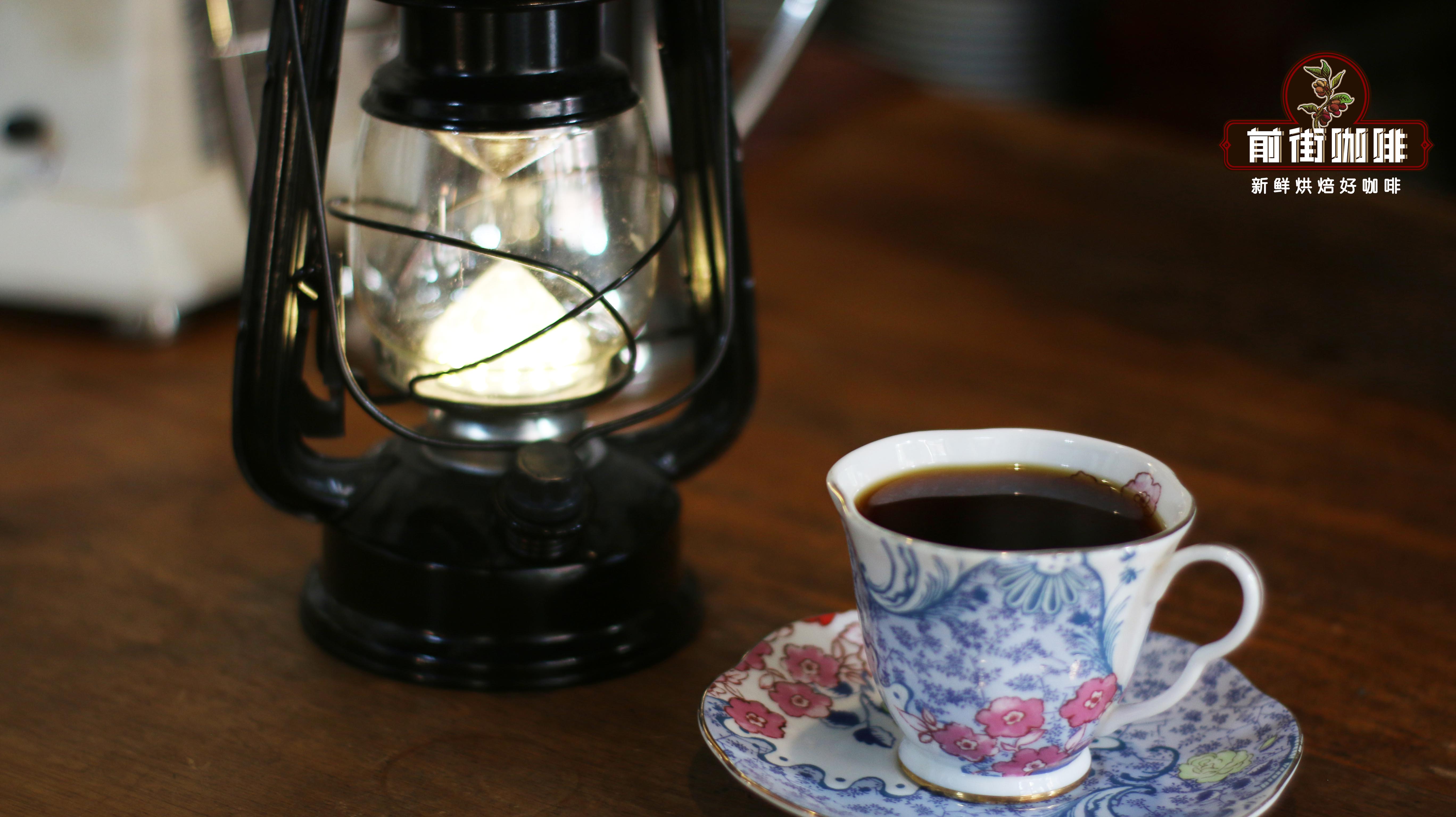
Yunnan Baoshan Full Red Cherry Natural Catimor Flavor Profile: The dry aroma has subtle fermentation fragrance and roasted nut flavors. When tasted, it presents a plum-like dominant note with roasted nuts and caramel sweetness. The aftertaste carries fermented tea notes. The overall flavor is rich, with a solid mouthfeel.
FrontStreet Coffee Recommendation
For an entry into Chinese specialty coffee, FrontStreet Coffee's Yunnan small-grain beans are the natural starting point. "Small-grain" is simply the local name for Arabica, whose fruits are the smallest of the three original coffee species. Yunnan's terrain of fertile sloping soils, abundant sunshine and rainfall, and big day-night temperature differences sits squarely in the world's golden coffee belt, and the province's main growing areas - Baoshan, Dehong, Pu'er, and Lincang - all lie in its southwest.
The Baoshan small-grain daily bean uses washed processing and a medium roast, presenting soft nut and chocolate sweetness with a touch of plum acidity at a friendly price - a faithful rendering of Yunnan's terroir. If you want clearer, more layered flavors, step up to FrontStreet Coffee's 2013 Yunnan natural Typica: grown from one of the oldest and purest Arabica varieties, its full red-cherry natural process brings deep berry tones, citrus, caramel sweetness, chocolate, a hint of dried apricot, and a black tea finish.
For espresso, the FrontStreet Coffee black cocoa blend pairs Yunnan small-grain with Brazil Cerrado: Brazil supplies mixed nut aromas and balance while Yunnan adds chocolate and citrus, making an americano with balanced sweet, sour, and bitter notes and a latte with smooth almond and cream - an excellent choice for beginners.
Important Notice :
FrontStreet Coffee is a long-established specialty coffee roaster in Guangzhou China, selling freshly roasted beans from its own farm in Yunnan as well as dozens of carefully selected single-origin beans from around the world for both pour-over and espresso. The products deliver consistently excellent quality and great value, with shipping within 24 hours. Guangzhou's FrontStreet Coffee shop is recommended by many coffee lovers, and the beans are now available online at the Tmall 。
FrontStreet Coffee has moved to a new address:
FrontStreet Coffee Address: 315,Donghua East Road,GuangZhou
Tel:020 38364473
 Scan and follow the En Gafei WeChat official account. Please indicate that the reprint comes from "En Gafei".