Honduras Coffee Price How to Drink Honduras Drip Bag Coffee Honduras Coffee Growing Conditions
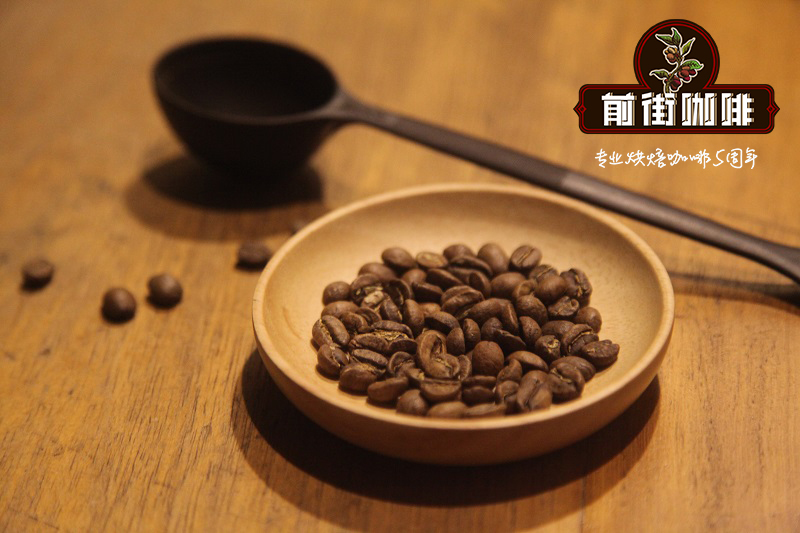
FrontStreet Coffee knows that for many coffee lovers there is nothing better than a good cup during a break. It relaxes body and mind and delivers an energy boost, making it the perfect fuel for office professionals. But brewing fresh coffee requires both equipment and technique, which can feel like a luxury for many people. The answer is drip coffee bags. And when people ask which drip bags taste best, the answer is obvious.
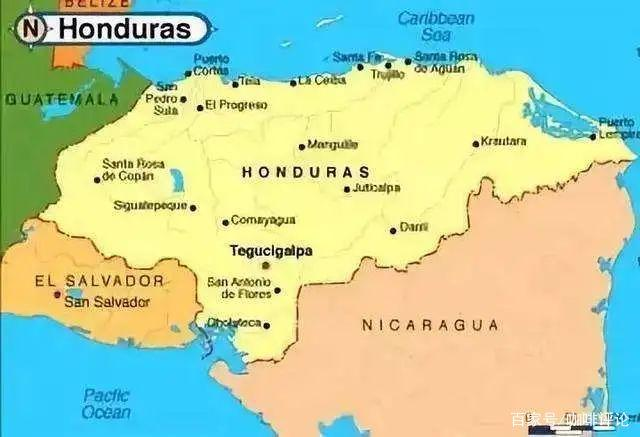
Honduras
Honduras sits in northern Central America, bordered by the Caribbean Sea to the north and the Pacific Ocean's Gulf of Fonseca to the south. It shares borders with Nicaragua and El Salvador to the east and south, and Guatemala to the west, and consists mostly of mountains and highlands.
Honduras has 280,000 hectares of coffee plantations, predominantly small farms, most of them smaller than 3.5 hectares. These small plantations account for sixty percent of the country's total coffee production.
Because the growing areas are mountainous, coffee is harvested by hand and then carefully processed to produce higher-quality beans. Honduras harvests three million bags of coffee a year, supplying the market with abundant, high-quality coffee, and has now become one of the world's top ten coffee-exporting countries.
Honduran coffee can be divided into six major producing regions, mainly in the west and south: Copan, Opalaca, Montecillos, Comayagua, Agalta Tropical, and El Paraiso. The average altitude for specialty coffee cultivation in these regions is above 1,100 meters. Of the coffee grown there, 69% is HG grade, 12% is SHG, and 19% is CS.
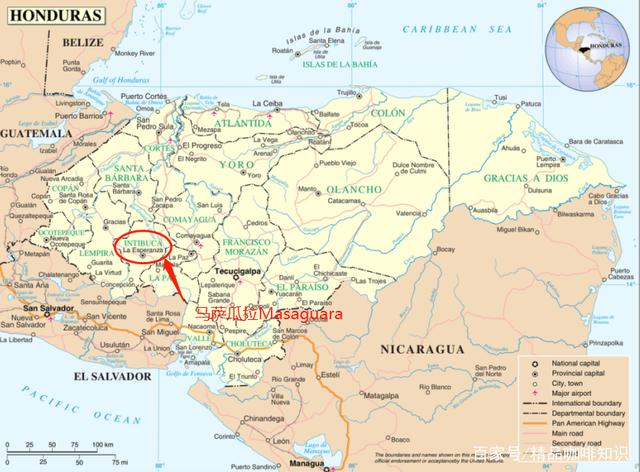
Masaguara
Masaguara is a municipality in the Intibuca department of Honduras, situated in the southern part of the Jesus de Otoro valley and surrounded by mountains and hills. It is dedicated mainly to coffee cultivation, which is the main driver of the local economy. The corresponding valley areas, by contrast, are given over to basic grains and livestock. As for the name: according to Mr. Alberto Membreo's "Indigenous Place Names," Masaguara means "place of deer."
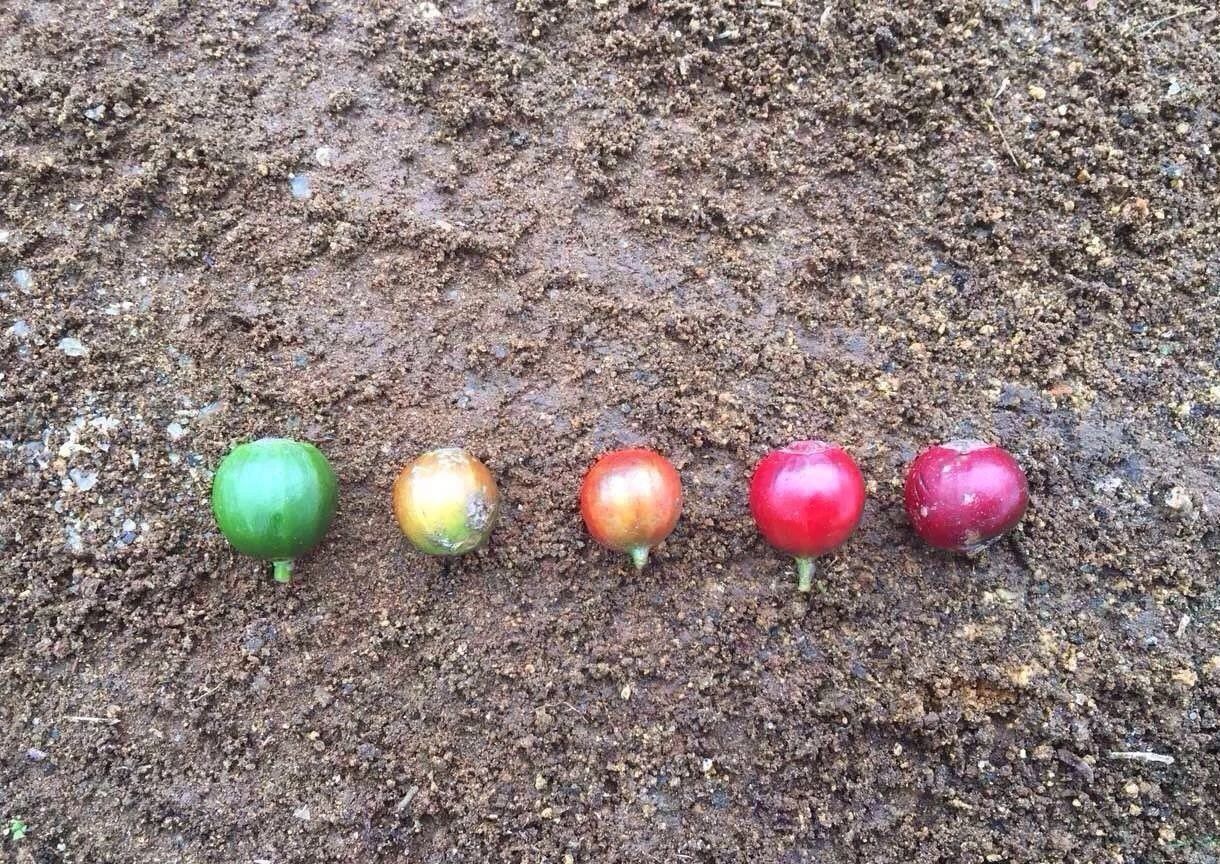
Varieties (Caturra, Catuai, Pacas)
Caturra is a natural variant of Bourbon, discovered in Brazil in 1937. Its plant is not as tall as Bourbon and is more compact. Because it inherits Bourbon's lineage, it has relatively weak disease resistance but higher yields than Bourbon. Although discovered in Brazil, Caturra is not suited to growing conditions there, so it was never widely cultivated in Brazil. Instead, it became popular in Central and South America, particularly in Colombia, Costa Rica, and Nicaragua.
Catuai is a variety hybridized from Caturra and Mundo Novo. It has good resistance to natural disasters, especially wind and rain. The Catuai plant is relatively compact, and compared with other coffee trees its fruits grow more densely and are harder to harvest. The fruits come in both red and yellow varieties.
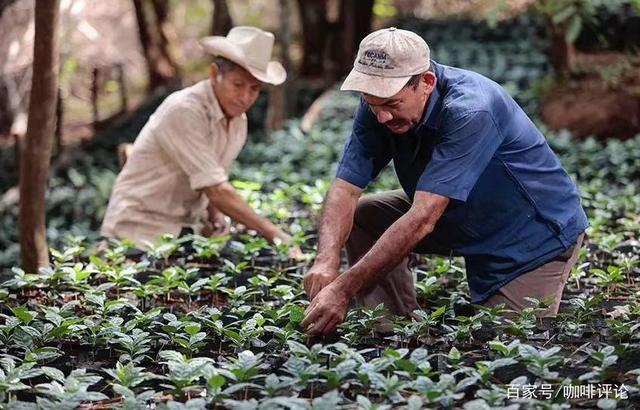
Pacas is a natural variant of Bourbon. Like other widely planted Bourbon variants, Pacas is a single-gene mutation. Its main advantages are a small plant with high yield potential that can be intercropped with other plants and fruits, thereby increasing cherry yields.
This variety was discovered in 1949 on a farm owned by the Pacas family in the Santa Ana region of El Salvador. In 1960, the Salvadoran Coffee Research Institute (ISIC) began a pedigree selection program for Pacas, selecting individual plants through continuous generations, also known as single-plant selection. It is popular in Central America and widely cultivated in El Salvador, where it accounts for about 25% of production. In 1974, the Honduran Coffee Research Institute introduced the variety and began cultivating it in Honduras.
Processing Method
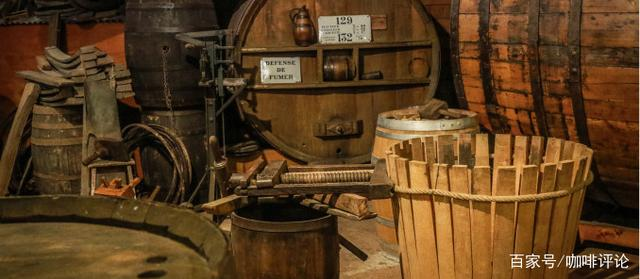
The refined washed whiskey sherry barrel fermentation method begins with a refined wash of freshly harvested coffee cherries. They are then placed in whiskey oak barrels that previously aged sherry wine for low-temperature fermentation over 30 to 40 days at approximately 15 to 20°C, followed by shade drying.
Sherry barrels are barrels used by sherry wineries and in the whiskey industry for aging. Sherry is a famous fortified wine produced in the sunny Jerez region of southern Spain. Its production process must include the Solera System aging process.
The Solera System essentially refers to blending and aging different vintages of sherry after it has been fortified. In the Solera System, all barrels are stacked in layers by vintage, with the oldest sherry at the bottom and the youngest at the top. Each year, a portion of the liquid is drawn from the bottom barrels for bottling and sale, then the corresponding proportion is drawn from the upper barrels to replenish them, creating what is known as the uniqueness of sherry.
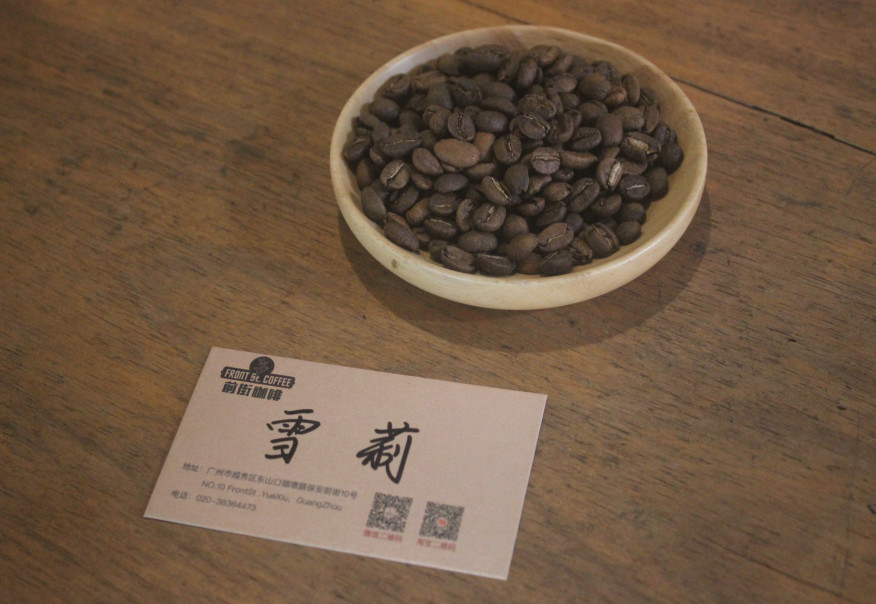
Representative Coffee Beans
[Honduras · Sherry]
Country: Honduras
Region: Masaguara
Estate: Moca Estate
Altitude: 1500-1700m
Varieties: Caturra, Catuai, Pacas
Processing Method: Refined washed whiskey sherry barrel fermentation
FrontStreet Coffee Honduras Sherry Coffee Bean Cupping Notes
Recommended Brewing Method: Drip Coffee Bag
Many people ask whether drip coffee bags should be bloomed. The answer is that either way works, but the results differ slightly.
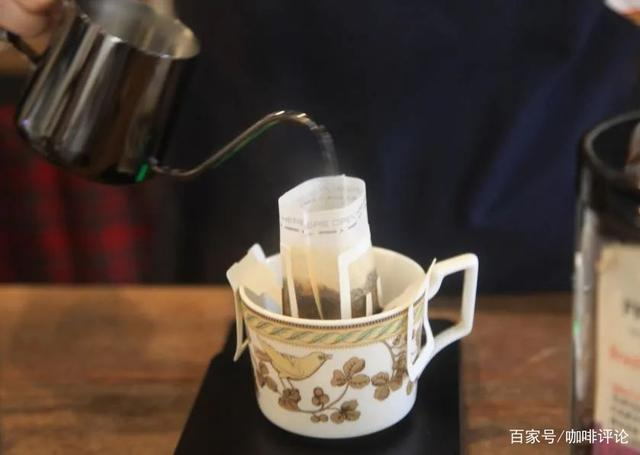
No Blooming
Drip-style center pour
Parameters: 1:15 ratio; water temperature 91°C; 10g per bag; extraction time 1 minute; total extraction water 150g
Flavor: Vanilla, berry, chocolate; overall a fairly light coffee flavor with a clean mouthfeel.
Immersion-style center pour
Parameters: 1:15 ratio; water temperature 91°C; 10g per bag; total extraction time 2 minutes; total extraction water 150g
Flavor: Vanilla, honey, berry, chocolate, with a juice-like sensation and a relatively light mouthfeel.
No Blooming Summary
Comparing the two, the drip style does produce some flavor, but the filter paper of a drip bag has good ventilation and a fast flow rate, so extraction is shorter. Many of the coffee's compounds are not fully extracted, leaving the overall cup fairly light. The immersion method, on the other hand, soaks the coffee in water and reaches the mouthfeel you want within 2 to 3 minutes.
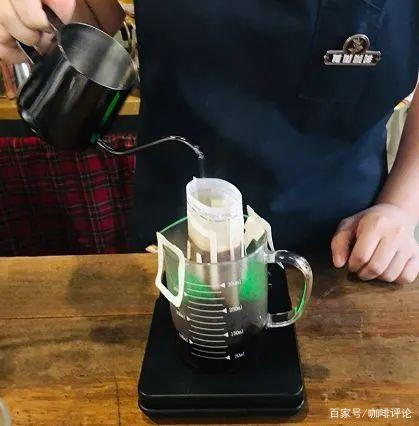
With Blooming
Drip-style single pour
Parameters: 1:15 ratio; water temperature 91°C; 10g per bag
Technique: Pour 26g water, bloom for 30S, then pour to 150g and stop, time: 1'34".
Flavor: Vanilla, honey, berry, chocolate, fermented wine aroma; overall acidity is very gentle, with noticeable honey sweetness in the aftertaste.
Immersion-style single pour
Parameters: 1:15 ratio, water temperature 91°C, 10g per bag
Technique: Pour 20g water, bloom for 30S, then pour to 150g and stop, time: 2'00".
Flavor: Vanilla, honey, berry, chocolate, with more prominent honey sweetness at slightly cooler temperatures.
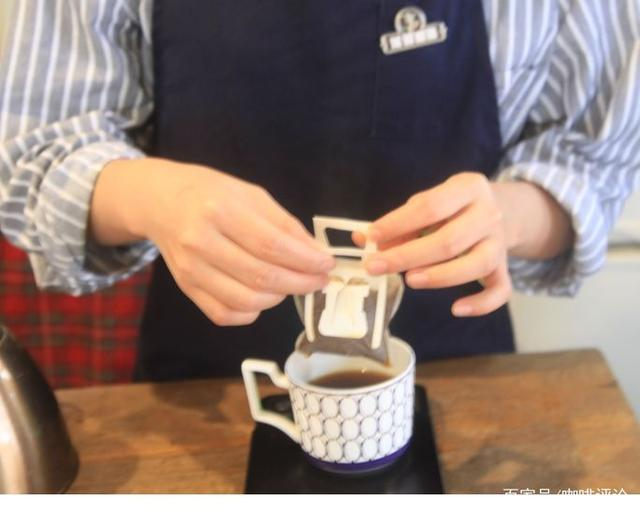
Drip-style segmented pour
Parameters: 1:15 ratio; water temperature 91°C, 10g per bag
Technique: Bloom with 20g water for 30s, then pour to 100g, and when the coffee bed is visible, pour to 150g, time: 1'40".
Flavor: Vanilla, honey, berry, chocolate, honey, fermented wine aroma, with distinct flavor layers.
Immersion-style segmented pour
Parameters: 1:15 ratio; water temperature 91°C, 10g per bag
Technique: Bloom with 25g water for 30s, then pour to 100g, and when the coffee bed is visible, pour to 150g, time: 2'00".
Flavor: Vanilla, honey, berry, chocolate, honey, fermented wine aroma, with a relatively rich, full mouthfeel.
Blooming Summary
On blooming, we compared drip-style and immersion-style single pours against drip-style and immersion-style segmented pours. After blooming, the degassed coffee particles can absorb water more uniformly, making the subsequent extraction more even. Even with different extraction methods or techniques, the coffee flavors come out relatively richer. The drip style tends to highlight fruity acidity with rich, distinct layers, while the immersion style leans toward nuts and chocolate. This is mainly because immersion extracts more large molecules like nuts and chocolate, covering the small fruit-acid molecules that water readily pulls out, resulting in a coffee that is overall more mellow and balanced.
Should Drip Coffee Bags Be Steeped in the Cup?
At the start of brewing, most of the flavor compounds extracted from the grounds are fruit acids and floral aromas, followed by nut and chocolate flavors, and finally sweetness, while the concentration gradually decreases.
When we steep the drip bag in a cup for extraction, the liquid soaking the bag already contains a relatively high concentration of these initial compounds, so the concentration difference is relatively small. That means fewer of the later large-molecule compounds, such as nuts, are extracted.
What is more, at the same coffee-to-water ratio, the steeped cup tastes more intense and mellow than the non-steeped one. This is because immersion extraction is more complete and uniform overall, with a higher extraction rate than non-immersion extraction. Because of the high concentration, however, other flavors become harder to perceive, making the fruit acidity more prominent when tasting.
FrontStreet Coffee Recommendation
Choosing a drip bag comes down to the flavor you enjoy, and coffee beans generally fall into three directions. For a fresh, floral cup, FrontStreet Coffee's Yirgacheffe Gedingding drip bag is a good pick: this washed Yirgacheffe has a clean, refreshing body with bright, uplifting citrus acidity, a crisp jasmine aroma, and a honeyed finish. It is ideal for beginners and for anyone who likes a light, elegant style.
For tropical fruit, FrontStreet Coffee's sun-dried Guifei drip bag is one of the best sellers, with pronounced tropical fruit aromas and a black tea finish. It is high in sweetness, low in acidity, and barely bitter, grown in Ethiopia's Guji region above 2,300 meters, where large day-night temperature swings let the cherries absorb more flavor compounds before a meticulous natural process concentrates the sweetness.
And for a deeper, roastier profile, FrontStreet Coffee's Indonesian Mandheling seasonal drip bag is the one. Mandheling, also called Sumatran coffee, carries herbal, spice, and woody notes that a dark roast brings forward, showing rich spice, nut, chocolate, and caramel flavors with a strong but not bitter, sweet and full body. It is perfect for anyone who does not enjoy acidity.
Important Notice :
FrontStreet Coffee is a long-established specialty coffee roaster in Guangzhou China, selling freshly roasted beans from its own farm in Yunnan as well as dozens of carefully selected single-origin beans from around the world for both pour-over and espresso. The products deliver consistently excellent quality and great value, with shipping within 24 hours. Guangzhou's FrontStreet Coffee shop is recommended by many coffee lovers, and the beans are now available online at the Tmall 。
FrontStreet Coffee has moved to a new address:
FrontStreet Coffee Address: 315,Donghua East Road,GuangZhou
Tel:020 38364473
 Scan and follow the En Gafei WeChat official account. Please indicate that the reprint comes from "En Gafei".