How to Make Brazilian Coffee with Pour-Over for Better Taste? Why Does Medium-Roasted Brazilian Black Coffee Have a Bitter Burnt Flavor?

A reader brewed a bag of Brazilian beans, found the cup far too bitter, and asked FrontStreet Coffee how to fix it. Here is how to pour-over Brazilian coffee properly—and why that bitterness appears in the first place.
Understanding Brazilian Coffee's Bitterness
Brazilian beans are usually roasted medium-dark, so bitterness is baked into their fundamental profile—a bitter Brazilian coffee is normal. But not all bitterness is equal. Good bitterness comes from nuts, chocolate, and caramel: positive flavors. Negative bitterness shows up as smoky, woody, medicinal, or burnt notes, felt as harsh, throat-catching, and unpleasant.
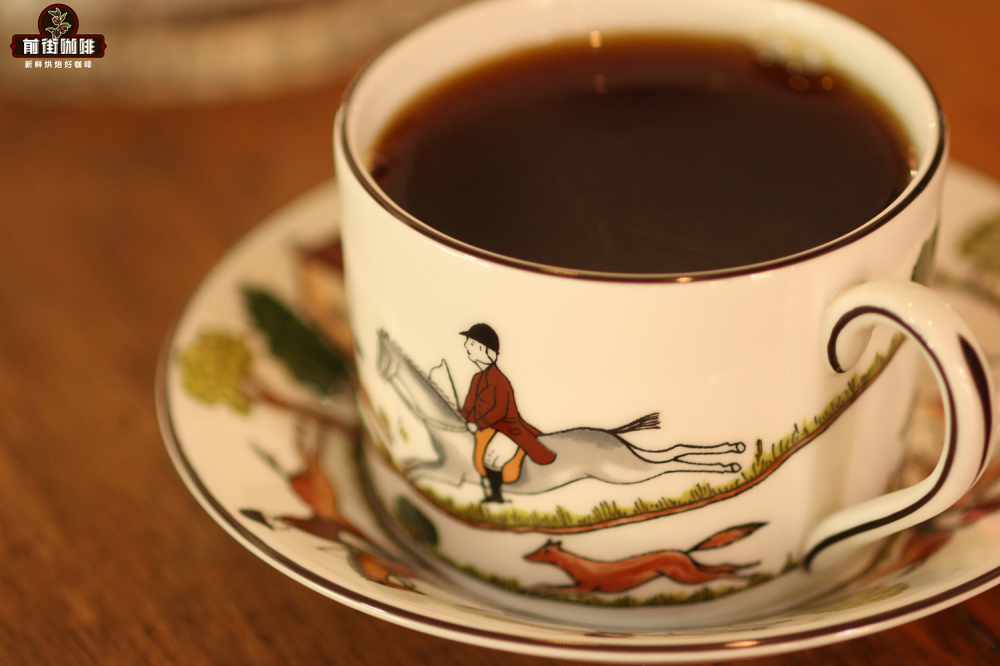
If your cup lands on the positive side, all is well. If it tastes of the negative side, read on.
What Makes Brazilian Coffee Appealing
That classic "coffee aroma" people fall in love with originally described exactly this kind of rich, dark-roasted cup: a complex blend of nuts, caramel, roasted chestnuts, cream, and spices. Plenty of people become coffee drinkers through that smell alone. And the creamy, full mouthfeel is a signature of Brazilian and other dark-roast coffees that nothing else quite matches.
How to Brew Brazilian Coffee
FrontStreet Coffee demonstrates with beans from Brazil's Cerrado region—the representative Brazilian bean in its everyday selection. Both the Brazilian Cerrado and the Brazil Queen Manor Farm beans share rich nutty aromas and a balanced body, which makes them versatile: moka pot, americano, siphon, drip bags—they work across them all.

Equipment
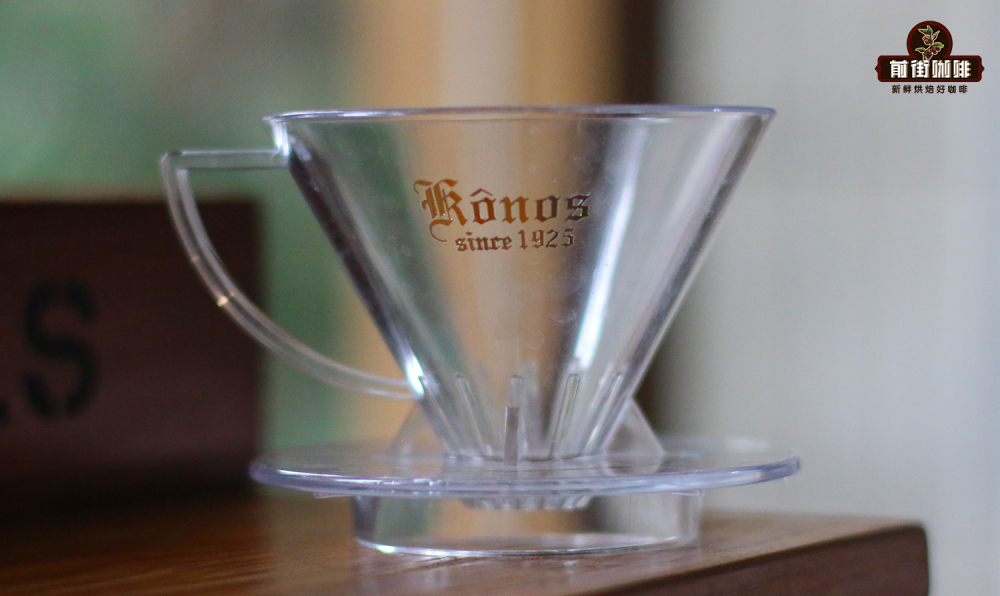
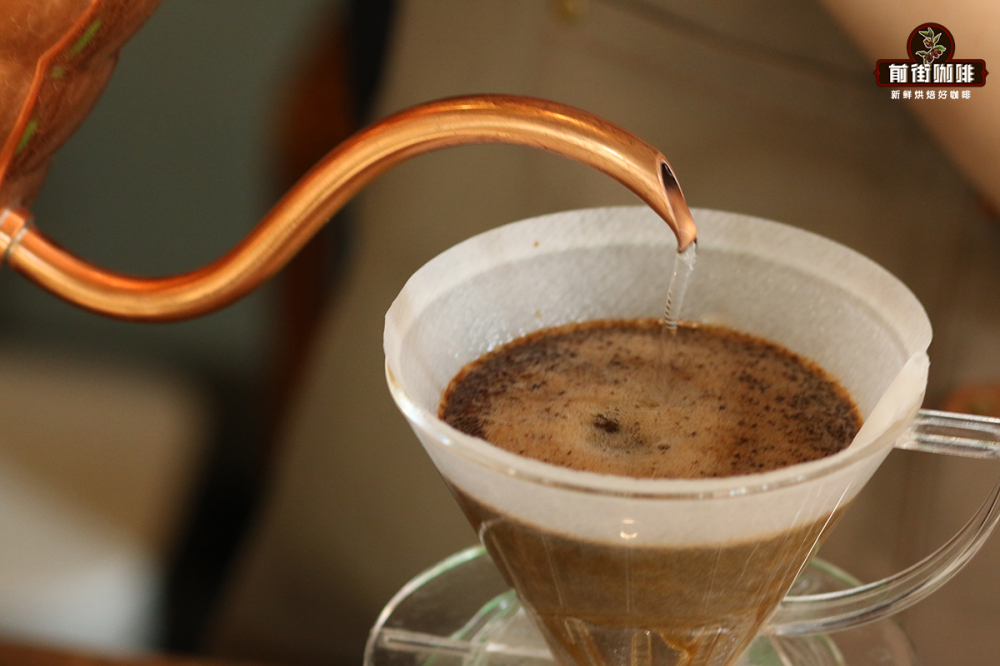
For the dripper, FrontStreet Coffee chose the Kono. Its defining feature is that the ribs run only from the bottom to the midpoint, leaving the upper wall smooth. When the filter paper presses against that smooth wall, water cannot sneak around the coffee grounds and escape—every drop works, and the mouthfeel gains richness.
Parameters
Dose: 15g of coffee. More isn't automatically better—the dose should match the dripper. FrontStreet Coffee uses a 1-2 cup dripper, where 15-20g is the sensible range; brewing outside that range gets awkward.

Ratio: 1:15. Some recipes call for 1:13 or tighter, but concentration and richness aren't directly linked, and overly strong coffee can be unpleasant. At 1:15 the Brazilian beans' rich body still comes through fully.
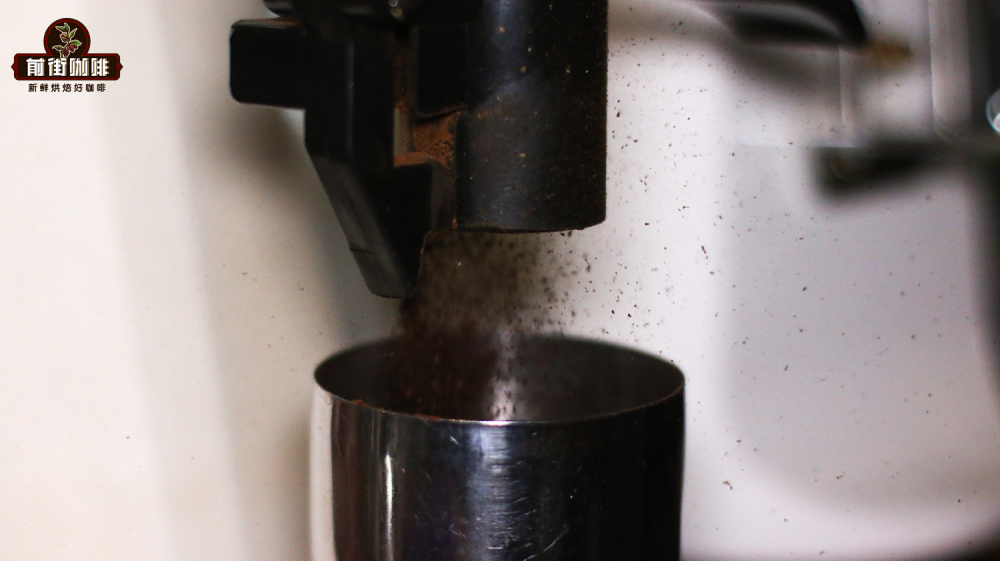
Grind size: 70% pass-through on a #20 sieve—slightly coarser than you'd use for light roasts. Because these beans are dark roasted, their structure is more porous, absorbing water and releasing flavor faster. Grind them to light-roast fineness and you'll pull out burnt bitterness; go even coarser and the coffee turns thin and watery.
Water temperature: 87-88°C. The logic mirrors the grind: too hot invites burnt bitterness, too cool flattens the cup and can draw out unpleasant sourness.
Three-Stage Pour
A three-stage pour best expresses Brazilian coffee's rich body and caramel sweetness. First stage: bloom with 30ml of water, fully wetting the grounds so they degas and set up the following stages. Second stage: pour 100ml. Final stage: pour 95ml to lift the sweetness—overall, a substantial, rich cup with caramel sweetness and chocolate-nut flavors.
FrontStreet Coffee Recommendation
For a first taste of Brazil, FrontStreet Coffee's pulped natural Cerrado Red Bourbon is the classic choice: a celebrated Red Bourbon from a region known for high-quality coffee, roasted medium to bring out creamy peanut, toast, caramel, and hazelnut aromas—round, non-acidic, with only a light bitter note. It suits pour-over, moka pot, single-origin espresso, siphon, and French press alike.
For something rarer, the Brazil Queen Estate Yellow Bourbon from Mogiana—grown in fertile red volcanic soil near southern Minas—offers a cleaner fruit character with sugarcane sweetness and chocolate, a flavor no other origin quite replicates. And espresso drinkers will find Brazil at the heart of FrontStreet Coffee's blend series: the crema-rich classic blend, the nut-forward signature blend, the balanced Dark Cocoa, and the café-focused commercial blend all use Brazilian beans for their chocolate-cream aromatics and gentle sweetness-acidity-bitterness balance that keeps extraction stable.
Important Notice :
FrontStreet Coffee is a long-established specialty coffee roaster in Guangzhou China, selling freshly roasted beans from its own farm in Yunnan as well as dozens of carefully selected single-origin beans from around the world for both pour-over and espresso. The products deliver consistently excellent quality and great value, with shipping within 24 hours. Guangzhou's FrontStreet Coffee shop is recommended by many coffee lovers, and the beans are now available online at the Tmall 。
FrontStreet Coffee has moved to a new address:
FrontStreet Coffee Address: 315,Donghua East Road,GuangZhou
Tel:020 38364473
 Scan and follow the En Gafei WeChat official account. Please indicate that the reprint comes from "En Gafei".