Detailed Introduction to Yirgacheffe-Michelle Coffee Cooperative
FrontStreet Coffee Ethiopian Yirgacheffe-Michelle Coffee Cooperative
Ethiopia is where coffee was first discovered, and wild coffee still grows in its original forests, harvested by farmers to this day. It is a country weighed down by poverty, drought, and recurring civil conflict, yet it remains one of the most important coffee producers in both quality and volume — and the source of many of the world's very best lots. Nearly all of its coffee is traditional Arabica, with annual output of about 350,000 tons, more than 70% of which is exported. Roughly 15 million Ethiopians work in coffee-related industries, and over 90% of farms and cooperatives are smallholders.
In 2008, Ethiopia's agricultural commodities — wheat, corn, sesame, and coffee among them — were folded into the ECX trading system (Ethiopian Commodity Exchange), replacing the existing auction and export channels. Farmers or cooperatives deliver coffee to centralized ECX warehouses, where beans of the same grade from the same producing region are blended together and auctioned — with no way of knowing which specific farm or cooperative grew them. Estates that had built direct relationships with foreign green importers, such as the Misty Valley operation, could no longer develop those ties. The system doesn't harm production or quality per se, and it makes "you get what you pay for" more reliable — coffee merchants can no longer snap up exceptional lots cheaply, because beans traded outside the ECX system face heavy taxation. Today more than 90% of Ethiopian coffee moves through this system. But for specialty buyers, it was a real problem — which is why, starting in early 2010, the ECX introduced the DST (Direct Specialty Trade) system. DST holds irregular auctions in which only coffees scoring above 80 points on the SCAA cupping scale may trade under their own farm or cooperative name with foreign green buyers — making consistently high-quality small estates the prime targets for purchase.
Ethiopian Coffee Processing Methods
Ethiopian coffee comes in two major processes: washed and natural (dry). Today, cooperatives and even small farms in every producing region turn out both — whether in Yirgacheffe or Sidamo. And in Ethiopia, currently the fastest-developing coffee country, process is only part of the story: even within a single process, different techniques and adjustments yield strikingly different aromas and flavors. Washed Ethiopian beans tend to show gentle, understated aromatics, soft lemon acidity, restrained flavors, high consistency, and excel in mouthfeel. Natural Ethiopian beans show bold, prominent aromatics with less obvious lemon acidity, complex and varied flavors, and a floral or fruity signature.
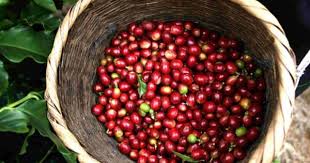
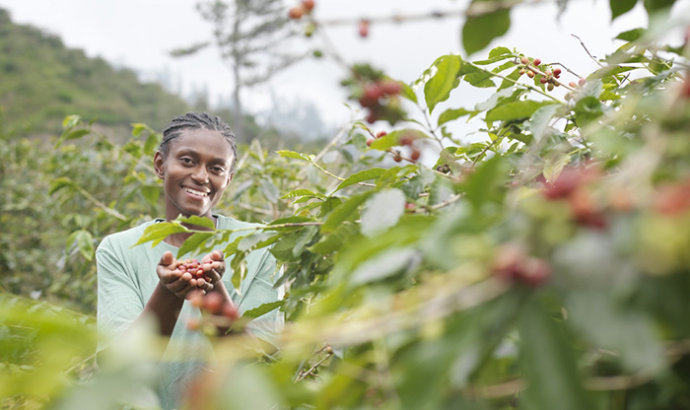
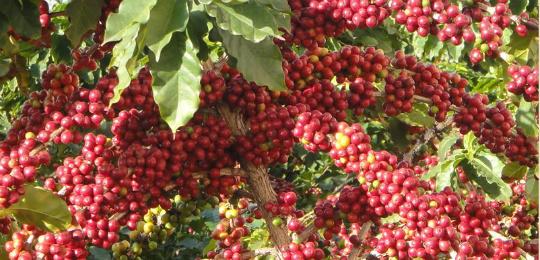
The Michelle Coffee Cooperative sits in the Dilla Zuria district on the north shore of Lake Abaya in Yirgacheffe. It has 2,191 member producers who together output 7,900 bags of coffee annually (about 475 tons), in both natural and washed lots. The coffee grows at 1,900-2,300 meters from local traditional varieties, and the cooperative is a Fair Trade Association partner in Ethiopia.
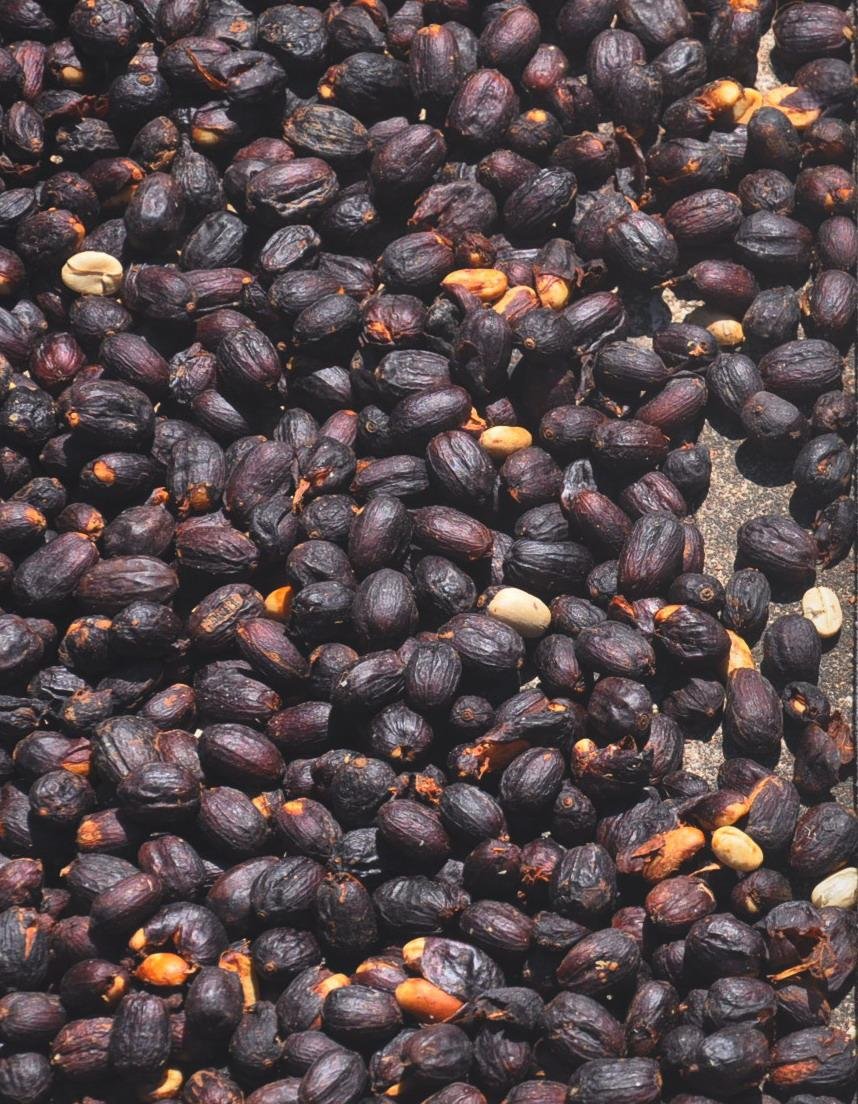
From the rice-like shape of the green beans alone you can identify them as Ethiopian; from their color you can tell they're washed.
Their unique jasmine-tea fragrance and very clean, long-lasting sweetness make the contrast with other washed Yirgacheffe and Sidamo lots immediately clear.
Property Characteristics
Farm Name: Michelle Coffee Farmers Cooperative Union
Farmers: Various small producers
District: Dilla Zuria
Region: Yirgacheffe
Country: Ethiopia
Altitude: 1,900-2,300 meters
Farm Size: 2,191 member producers
Certification: Fair Trade Association
Coffee Characteristics
Variety: Heirloom local traditional varieties
Processing: Washed, dried on raised beds
Aroma/Flavor: Rice straw, tea, jasmine, bergamot, peach, rose perfume, chamomile, herbal and floral notes
Acidity: Very fresh, clean, elegant; citrus, lemon, berry notes; well-structured, lively
Complexity & Other: Well-balanced, complex, long-lasting aftertaste, very sweet, silky smooth
FrontStreet Coffee Recommendation
Yirgacheffe is a small town in Ethiopia's southern Sidamo province at roughly 1,700-2,100m, with coffee grown above 1,800m — among the highest coffee altitudes anywhere. Its unmistakable white florals and lemon-citrus acidity made the name so famous that in 2010 the Ethiopian Commodity Exchange formally separated it from Sidamo. If you're new to Ethiopian coffee, start with the classic washed Yirgacheffe — jasmine, bright citrus and lemon, and tea-like clarity at an approachable price; it's the bean most people begin their specialty journey with.
Within Yirgacheffe there are many micro-regions and villages, some with long-established cooperatives whose refined processing takes the cup to another level. The Worka-area cooperative in Yirgacheffe's southeast — once part of the Yirgacheffe Union (YCFCU) and later isolated as a traceable "single micro-region" — is a prime example: fully washed, with none of the traditional bitterness, just fresh bright citrus, lemon acidity, and jasmine fragrance. For natural-process fans, a full red-cherry natural lot — only perfectly ripe cherries, sun-dried three to five weeks on raised beds and turned every 2-3 hours early on — delivers classic Yirgacheffe character plus tropical fruit: citrus acidity, berry juice, honey sweetness, and creamy smoothness.
Brewing suggestion: V60, 15g dose, 90-91°C water, 1:15 ratio, medium-fine grind (about 80% pass-through on a #20 sieve). Bloom with 30g of water for 30 seconds, pour to 125g by about one minute, then finish to 225g around 1:35, with drawdown complete by 2:00-2:10.
Important Notice :
FrontStreet Coffee is a long-established specialty coffee roaster in Guangzhou China, selling freshly roasted beans from its own farm in Yunnan as well as dozens of carefully selected single-origin beans from around the world for both pour-over and espresso. The products deliver consistently excellent quality and great value, with shipping within 24 hours. Guangzhou's FrontStreet Coffee shop is recommended by many coffee lovers, and the beans are now available online at the Tmall 。
FrontStreet Coffee has moved to a new address:
FrontStreet Coffee Address: 315,Donghua East Road,GuangZhou
Tel:020 38364473
 Scan and follow the En Gafei WeChat official account. Please indicate that the reprint comes from "En Gafei".