Introduction to Costa Rican Coffee Estates - Tres Milagros Estate in Tarrazu
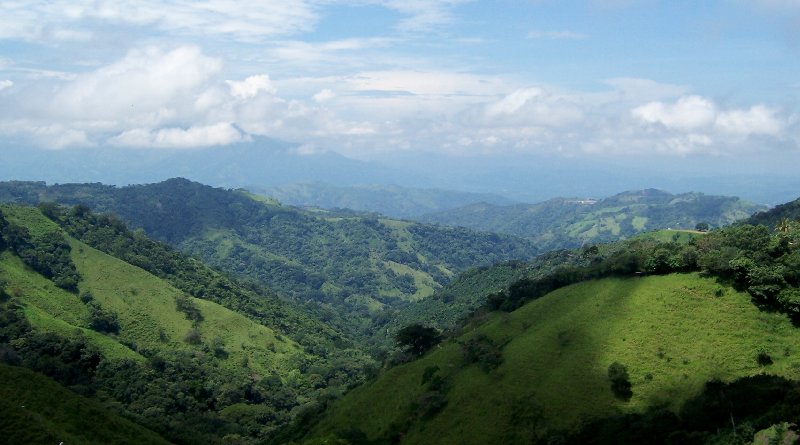
Costa Rica's coffee regions enjoy volcanic terrain with fertile volcanic ash, mild, suitable temperatures, and stable, abundant rainfall — all of which help make coffee one of the country's primary agricultural products. Every coffee bean from Costa Rica is Arabica. The flavor is pure, the aroma pleasant, and the balance between acidity and mouthfeel impeccable.
Costa Rica's Premium Coffee Regions
Coffee from Costa Rica's high-altitude regions is world-renowned: rich and mild, yet extremely acidic. The beans there are carefully processed, which is precisely why they reach such high quality. Tarrazú lies south of the capital, San José, and is one of the country's most valued coffee regions — and one of the world's major coffee-producing areas.
A Rich Coffee Heritage
In 1729, coffee was introduced to Costa Rica from Cuba. Today its coffee industry is one of the best organized in the world, with yields reaching up to 1,700 kilograms per hectare. Costa Rica has a population of only 3.5 million but more than 400 million coffee trees, and coffee exports account for 25% of the country's total export value. Costa Rica's volcanic soil is extremely fertile and well drained, particularly in the Central Plateau, where the soil consists of several consecutive thick layers of volcanic ash and dust. Costa Rican beans are full-bodied, with ideal acidity and a uniquely intense aroma.
Costa Rica Finca Tres Milagros
In the specialty coffee world, when the name of Finca Santo Aurelio's owner Camilo comes up, most people agree that his extraordinary passion for coffee cultivation and innovative, experimental spirit have made him a collaborative partner for top baristas worldwide for many years. In 2013, the Facusse family, long the operators of the Costa Rican food company Dinant, decided to draw on Camilo's success in Colombian estate cultivation and start a brand-new estate project together in Costa Rica, naming it Finca Tres Milagros. The name "Three Miracles" came from Camilo's belief that every successful estate requires three factors to work together: coffee trees, farmers, and land.
Estate Location and Cultivation Philosophy
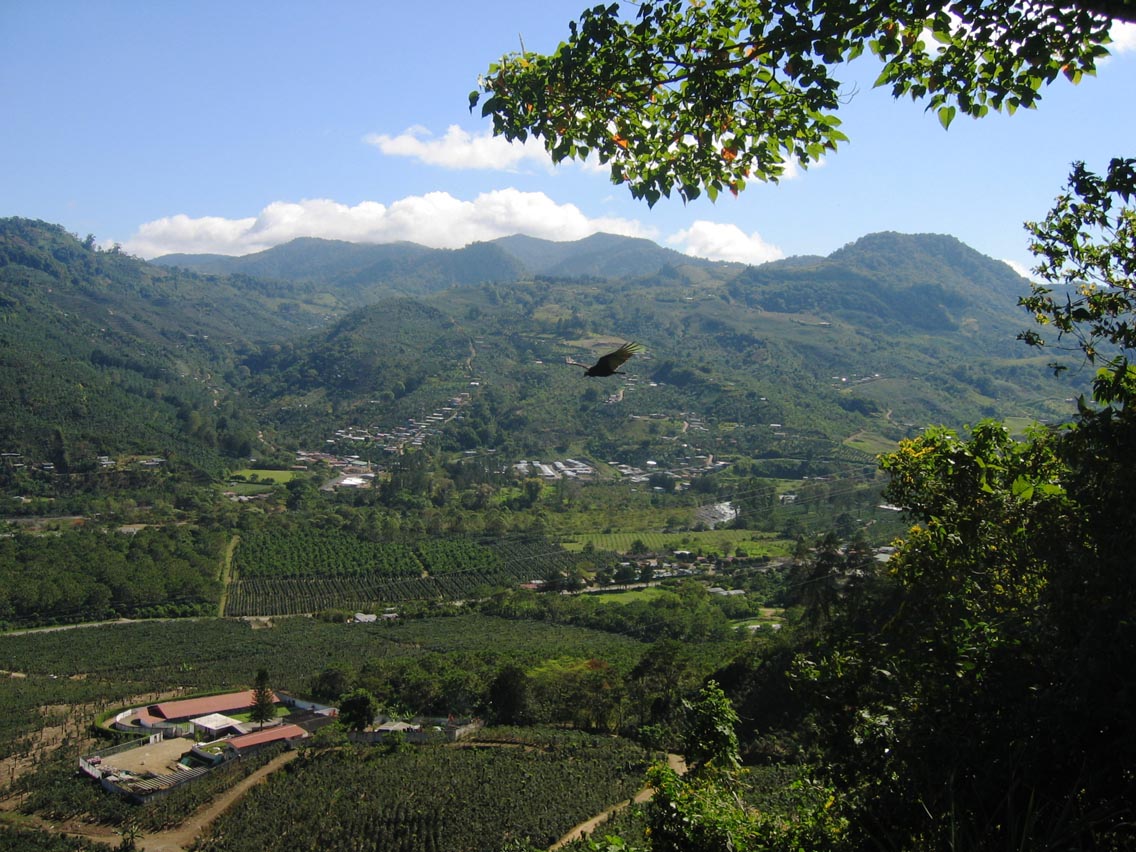
When they decided to start the Costa Rica project, location was the most crucial factor. After lengthy discussion and land evaluation, they chose Tarrazú, Costa Rica's highest-altitude growing region. The estate's altitude ranges from 1,450 to 1,750 meters, with volcanic ash soil from Irazú Volcano providing abundant nutrients for the trees. Camilo also insisted that the estate maintain low-density planting, which aids nutrient absorption and growth and improves cupping quality. Finca Tres Milagros currently covers about 120 hectares, with annual top-tier micro-lot production of only around 300 bags. The estate's facilities are planned around four key systems:
Four Key Cultivation Systems
First: The Green House System, providing better humidity, temperature, and ventilation for green beans during the sun-drying stage.
Second: The Environmental Intercrop System, growing different plants to build estate biodiversity while helping farmers manage the farm's ecosystem.
Third: The Shade Grown System, where most of the estate uses Inga tree species along with other local trees, ensuring the coffee grows in a fully shaded environment that protects its development.
Fourth: The right choice of varieties. From the start, Camilo decided to use traditional, lower-yielding but better-flavored varieties. The excellent options include Bourbon and Geisha, as well as F1, a new variety developed in recent years by the French research organization CIRAD in Costa Rica. F1 is a hybrid of Villa Sarchi + Sachimor and Sudan Rume, carrying not only the traditional Central American Villa Sarchi flavor but also the citrus notes characteristic of the African Sudan Rume.

FrontStreet Coffee Recommendation
Costa Rica's clean, balanced, honey-sweet profile sits comfortably alongside these FrontStreet beans — all Arabica, all worth trying:
FrontStreet Flower Queen — a natural-processed Ethiopian star whose signature is an emphatic tropical-fruit aroma: creamy strawberry, mango, jackfruit, citrus, blueberry. Sweetness is clear and bitterness very low, the cup smooth and full of juice, the ripe-tropical-fruit character of the Sidamo natural beans. It pairs great flavor with a reasonable price.
FrontStreet Panama Red Label Geisha — if Flower Queen is the star of specialty coffee, Geisha is its legend. Grown at Hacienda La Esmeralda in the Boquete area of Chiriquí Province — fertile volcanic soil, old-growth forest, and year-round mist with ample rain create ideal growing conditions — it shows fragrant, elegant florals, citrus, peach, and saturated fruit acidity, a creamy smooth mouthfeel, and a finish of oolong sweetness. The profile is so refined it feels less like coffee than a fragrant fruit tea.
FrontStreet Brazil Queen Estate — Yellow Bourbon, a variety as old as Typica and part of the Arabica family, named after the island of Bourbon (now Réunion) where it was first grown. Bourbon leaves are broad and closely set, and its yield runs about 30% higher than Typica's, with round, short beans that are easy to identify. Ordinary Bourbon cherries ripen red, but as its range expanded many mutations appeared — including a yellow-orange cherry called Yellow Bourbon. This estate is one of the earliest Yellow Bourbon discoveries, with notes of cream, peanut, toast, and sugarcane, rich and sweet, and it works for pour-over, the moka pot, and home espresso machines alike.
Important Notice :
FrontStreet Coffee is a long-established specialty coffee roaster in Guangzhou China, selling freshly roasted beans from its own farm in Yunnan as well as dozens of carefully selected single-origin beans from around the world for both pour-over and espresso. The products deliver consistently excellent quality and great value, with shipping within 24 hours. Guangzhou's FrontStreet Coffee shop is recommended by many coffee lovers, and the beans are now available online at the Tmall 。
FrontStreet Coffee has moved to a new address:
FrontStreet Coffee Address: 315,Donghua East Road,GuangZhou
Tel:020 38364473
 Scan and follow the En Gafei WeChat official account. Please indicate that the reprint comes from "En Gafei".