Panama Coffee Estate El Burro Geisha Located in Panama's Ethiopian Heaven
Finca La Mula: An Ethiopian Paradise in Panama
Finca La Mula was founded in 2006 by Willem J. Boot, who was born in the Netherlands. In 2014 it entered the Best of Panama competition for the first time and made a stunning debut, taking first place and 11th place in the natural Gesha category as well as 4th place in washed Gesha, causing a sensation in the specialty coffee world. Since Gesha originally comes from Ethiopia, Boot himself describes La Mula as "an Ethiopian paradise in Panama."
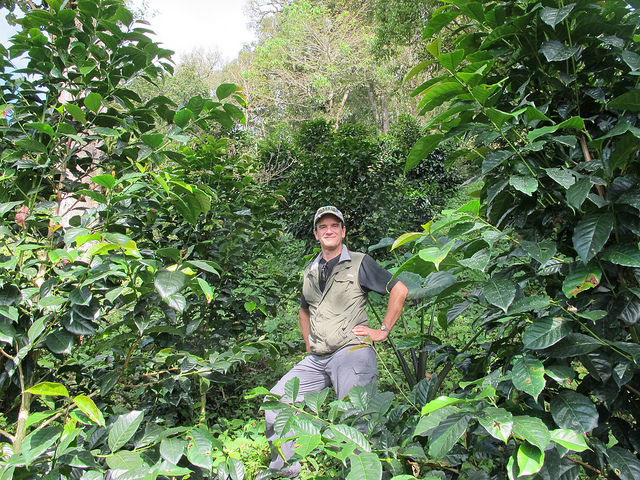
This paradise sits on the southern slopes of the Baru Volcano in Panama, above the town of Portrerillos, at an altitude of 1,700-1,800 meters. From Finca La Mula one can see the Atlantic Ocean. The farm itself is tiny, only 5 hectares, making it a micro-farm. The hillsides were originally covered in primeval forest, and the tall trees provided the best possible shade-grown environment for coffee. In some spots the vegetation was so dense that sunlight could not penetrate and coffee growth suffered, so in the past two years the team had to clear overly thick brush to let the Gesha trees grow fully. The farm's volcanic soil is high in potassium and phosphorus and holds a great deal of organic matter.
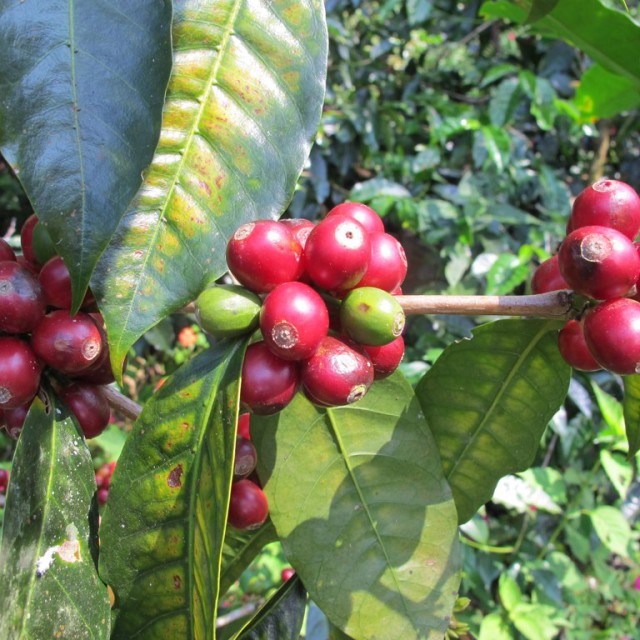
To run the farm, Boot brought in Kelly Hartmann, the youngest son of Panama's most renowned coffee family, the Hartmanns, to manage farming operations. He also recruited coffee-savvy agronomists to strengthen the team's cultivation expertise. The actual fieldwork is carried out by 15 Ngöbe-Buglé indigenous farmers who come from the "Coffee School" (Escuela de Café) founded by the celebrated Panamanian coffee farmer Graciano Cruz. Graciano personally teaches a range of coffee farming skills, and part of the curriculum he designed includes internships at La Mula. Since the 19th century, the Ngöbe-Buglé have been essential labor on high-altitude farms across Panama. La Mula keeps two permanent resident employees, for whom Willem Boot built quite comfortable staff housing, said to be a rare benefit among nearby farms. Four-fifths of the farm grows coffee, while the remaining one-fifth grows beans and vegetables to feed the employees.
After the coffee cherries are harvested, they are sent to the Hartmann Estate processing plant for post-processing. The natural drying process takes 14 days. During natural processing, canopies are used to slow the heating rate, and once dried the beans are stored undisturbed. In Boot's own experience, because La Mula faces the Atlantic Ocean, it develops different flavor characteristics from farms facing the Pacific. These Gesha beans also have particularly high density, which makes them quite challenging to roast.
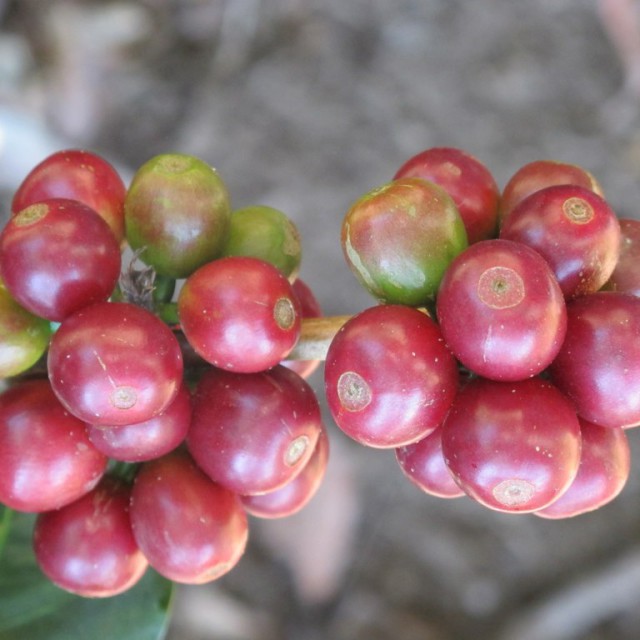
If you assume this first prize was an unexpected gift from heaven, that is not quite right. Willem Boot is himself a roaster, born in the Netherlands into a family that runs the Golden Coffee Box café in Baarn, making them a true coffee family. He earned a master's degree in economics from the University of Amsterdam and began working in his father's café in 1989. Boot later moved to the United States, first to San Francisco, joining the German roasting machine brand Probat. In 1999 he founded his own coffee consulting company, Boot Coffee Consulting, advising coffee institutions and professionals worldwide, with projects in Colombia, Panama, El Salvador, Honduras and Yemen. Besides running coffee training courses that teach people how to evaluate green beans, cup and roast, he has also coached farms to improve green bean quality. In short, he was already a seasoned coffee expert long before he established his own estate.
When FrontStreet Coffee roasts La Mula Gesha, it can go light to preserve more floral and fruit aromas. Cupping notes: white ginger flower, jasmine, citrus, sweet orange, sucrose, cream.
To achieve more sweetness, FrontStreet Coffee can choose a medium roast for greater sweetness and a relatively rich body. Cupping notes: floral, sweet orange, toffee, pineapple.
FrontStreet Coffee Recommendation
Panama's Gesha took the world by storm after Esmeralda's record-breaking Best of Panama score, and FrontStreet Coffee brings that experience home in several expressions. FrontStreet Coffee's Boquete Gesha is the friendliest place to start, offering the classic Panamanian orange-blossom honey sweetness, oolong-tea body and fine fruit acidity at an accessible price. For collectors, FrontStreet Coffee's Esmeralda Red Label and Green Label Gesha come straight from the estate that made the variety famous, while FrontStreet Coffee's Grana Gesha Farm is the rare Ethiopian-grown counterpart, roasted medium-light for jasmine, ginger flower and ripe stone fruit.
Important Notice :
FrontStreet Coffee is a long-established specialty coffee roaster in Guangzhou China, selling freshly roasted beans from its own farm in Yunnan as well as dozens of carefully selected single-origin beans from around the world for both pour-over and espresso. The products deliver consistently excellent quality and great value, with shipping within 24 hours. Guangzhou's FrontStreet Coffee shop is recommended by many coffee lovers, and the beans are now available online at the Tmall 。
FrontStreet Coffee has moved to a new address:
FrontStreet Coffee Address: 315,Donghua East Road,GuangZhou
Tel:020 38364473
 Scan and follow the En Gafei WeChat official account. Please indicate that the reprint comes from "En Gafei".