FrontStreet Coffee's Guide to Colombian Coffee Beans: Roasting Records, Selection, Grading, and Major Growing Regions

When you visit FrontStreet Coffee, our baristas recommend beans not only by flavor preference but also by mood and season. Through the hot summer, they suggest FrontStreet Coffee's Ethiopian Yirgacheffe Gedeb—brewed hot or cold, it always leaves everyone feeling refreshed. As the crisp autumn arrives, they turn to FrontStreet Coffee's Colombian Sidra, which undergoes double anaerobic natural processing and delivers the rich fruit and almond flavors that have stayed with so many customers. What follows is the story of how this bean became famous.
The Rise of Sidra Coffee
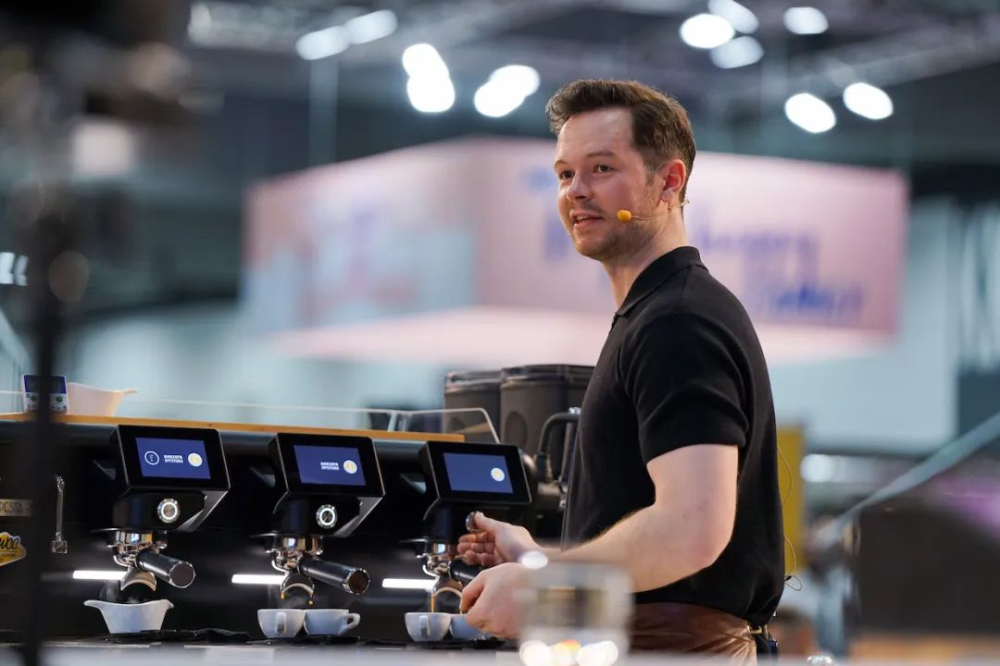
At the 2022 World Barista Championship, champion barista Anthony Douglas chose Colombian Sidra for his competition. Coincidentally, the 2019 world champion Jooyeon Jeon had also chosen Sidra—though hers came from Ecuador. Together, those results pushed the coffee world to ask what Sidra actually is.
FrontStreet Coffee's research traces Sidra back to Pichincha Province in Ecuador, where locals call the variety Sydra. Studies describe Sidra as a laboratory variety, a hybrid cross between Typica and Red Bourbon. Genetic comparison later showed that Sidra shares genes with Ethiopian native varieties, leading some scholars to speculate that it was hybridized from Ethiopian experimental varieties exported to Ecuador and crossed with local Bourbon coffee. Today Sidra is grown mainly in producing countries such as Ecuador and Colombia.
Finca El Diviso Estate
After Anthony Douglas's win, people began hunting for the champion's beans. The Sidra he used came from Finca El Diviso in Colombia's Huila region.
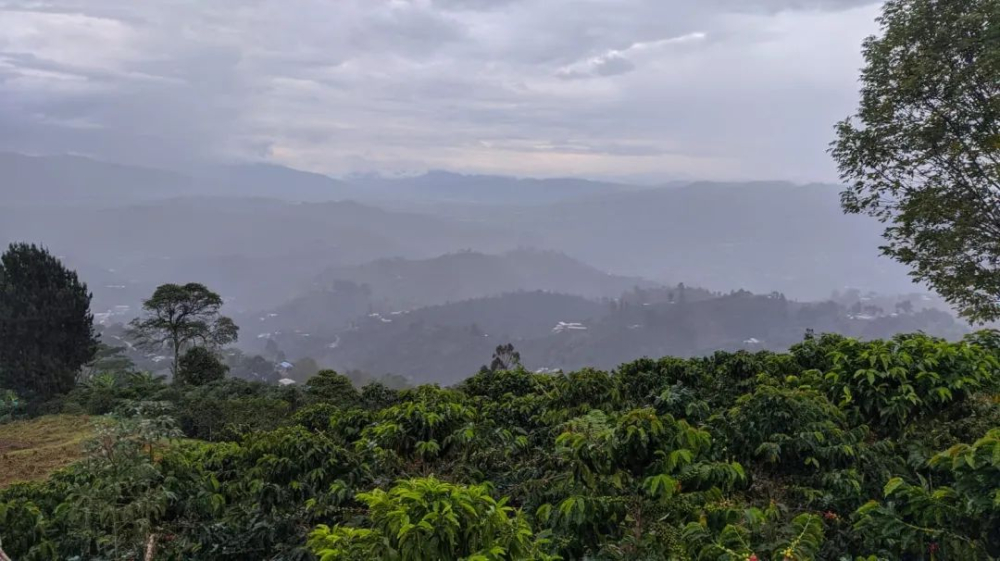
Where is Finca El Diviso Estate?
Finca El Diviso sits in Huila, one of Colombia's most famous coffee regions, at an altitude of approximately 2,100 meters and covering an area of 14 hectares. It is a family-run estate founded by Jose Uribe Lasso in 1996, with over 25 years of coffee cultivation behind it.
It is now run mainly by Nestor Lasso, who is young and full of energy. His grandfather introduced him to coffee, and his father inherited the farm with outstanding cultivation skills. Raised in that family, Nestor keeps pushing for excellence in growing and processing, cultivating twelve varieties that include Caturra, Colombia, Sidra, Castillo, Geisha and Bourbon.
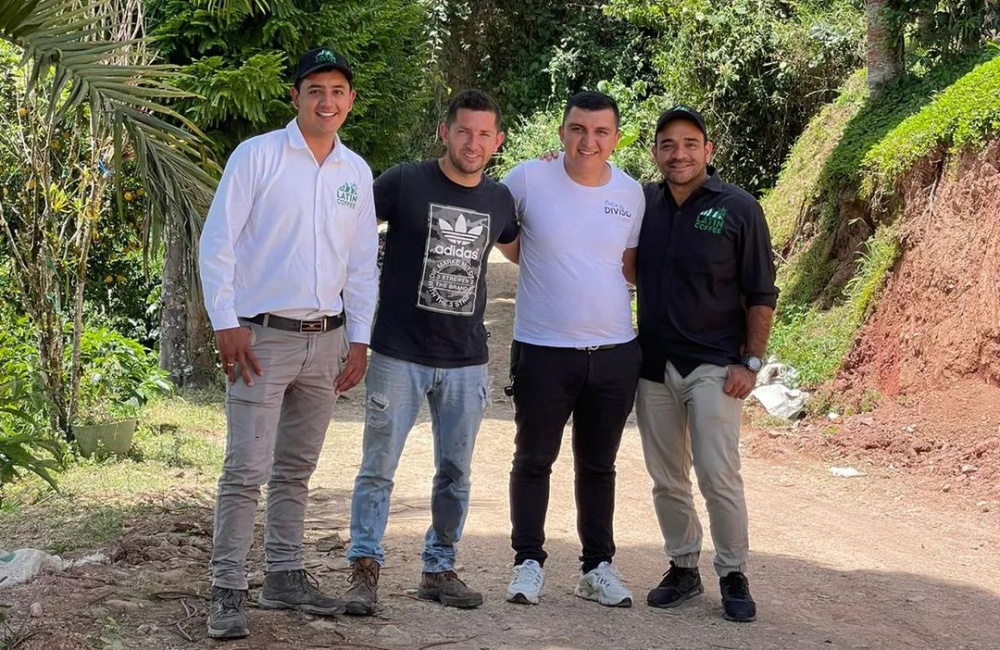
Nestor's family manages the estate together and keeps raising bean quality, which in turn brings the family better returns. They have successfully established a new, larger farm producing even higher-quality coffee, and they continue working to build a great family estate.
For Nestor, Finca El Diviso represents a fortunate new beginning. He believes Huila's land is very fertile, and that anyone willing to work hard can escape poverty by growing coffee on such nutrient-rich soil.

Sidra's "Highlight Moments"
Sidra rose to fame largely on the strength of two World Barista Champions. At the 2019 World Barista Championship, South Korea's Jooyeon Jeon won using Sidra from Colombia's La Palma y El Tucan estate, and third-place finisher Cole Torode also chose a Sidra lot from the same estate.

The following year's new world champion, Anthony Douglas of Australia, took the top prize with an anaerobic fermented Sidra lot from Colombia's Finca El Diviso. After his victory, the reputation of both Finca El Diviso and the Sidra variety kept climbing in the specialty coffee community.
What are the Characteristics of Sidra Coffee?
Although genetic testing links Sidra to Ethiopian varieties, it is currently grown mainly in Colombia and Ecuador, at altitudes ranging from 1,650 to 1,800 meters. A few producing regions also plant Sidra on a small scale for experimental purposes.

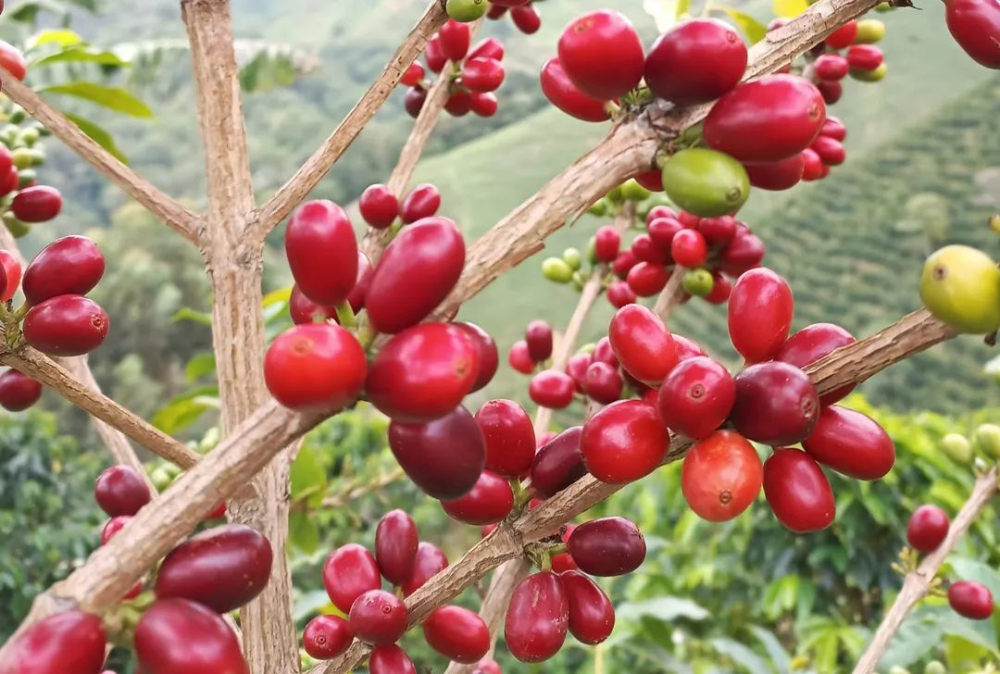
Sidra plants have stout trunks that can reach up to 4 meters in height. They need appropriate shade and are immune to several pests, but they are susceptible to leaf rust and coffee berry disease. The leaves are long and narrow and the flowers have five petals. Fruit sets densely for high yields, and the cherries are larger and rounder than those of most Arabica varieties; the green beans are elongated, somewhat like Geisha.

Because Sidra is still scarce in cultivation and carries floral and fruity characteristics comparable to Geisha—peach, citrus, grape and honey, with moderate acidity and a rounded mouthfeel—its price tends to run high.
FrontStreet Coffee has also imported Sidra beans from Finca El Diviso. This coffee undergoes double anaerobic washed processing that highlights its rich acidity, and FrontStreet Coffee roasts it medium-light; cupping notes show rich fruit flavors of apricot, citrus and grape.
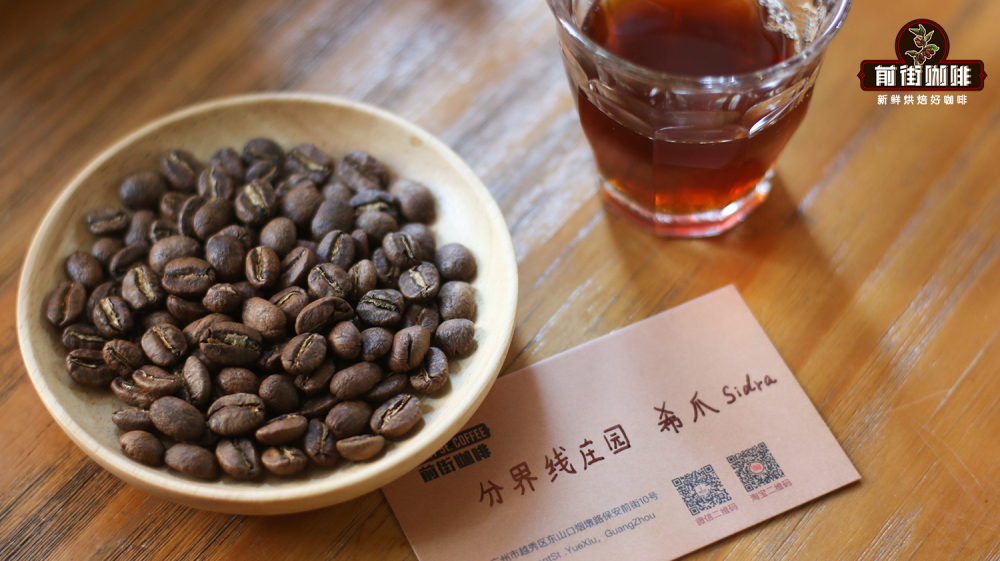
FrontStreet Coffee's Sidra Pour-over Recommendations
Dose: 15g
Ratio: 1:15
Water Temperature: 91°C
Grind Size: Medium-fine (80% pass-through on #20 sieve)
Pouring Technique: Three-stage pour

First stage: pour 30ml and bloom for 30 seconds. Second stage: using a small stream, pour in a circular motion to 120ml. When the water level drops halfway, third stage: using a small stream, pour 90ml in a circular motion. Total extraction time is 2 minutes.
FrontStreet Coffee Recommendation
The same care that goes into a Colombian Sidra shapes everything FrontStreet Coffee imports, and the house favorite for learning the Ethiopian profile is FrontStreet Washed Yirgacheffe. It is known for white jasmine, bright citrus and lemon acidity, and a tea-like body—an affordable, approachable bean that has become the first specialty coffee for countless drinkers. Yirgacheffe is a town in southern Ethiopia's Sidama zone at roughly 1,700-2,100 meters, with the coffee trees planted above 1,800 meters, making it one of the highest coffee regions in the world. In 2010 its reputation grew so large that the Ethiopia Commodity Exchange separated it from Sidama, and the name became what it is today.
Within the town, FrontStreet Guodingding Cooperative is the standout. It sits in the Worka region at the southeastern edge of Yirgacheffe and was originally part of the Worka cooperative under the YCFCU alliance; as buyers chased traceability, it was singled out as a single-origin lot, often called the last clean corner of Yirgacheffe. It follows traditional washed processing and, as a FrontStreet washed Guodingding, carries no traditional bitterness—only crisp, bright citrus and lemon acidity with jasmine fragrance.
FrontStreet Sun-Dried Red Cherry comes from the same region but takes the opposite route: fully ripe cherries only, sorted at the mill, then dried on raised beds and turned every 2-3 hours in the first days to prevent uneven heat and over-fermentation. After three to five weeks of drying, the outer pulp is removed mechanically and the beans are moved to storage. Because the fruit dries on the bean, the cup keeps its classic Yirgacheffe character alongside tropical fruit from the drying—citrus acidity, a berry-juice quality, honey sweetness and a creamy smoothness.
Brew any of these as a pour-over: V60, water at 90-91°C, 15g of coffee at a 1:15 ratio, ground to EK43s setting 10—about fine sugar, with 80% passing a #20 sieve. FrontStreet's method: pour 30ml and bloom for 30 seconds, then pour 95ml (around 125g on the scale) over about one minute; when the water drops to two-thirds of the bed, pour the remaining 100ml (around 225g on the scale) over about 1 minute 35 seconds. Drawdown finishes between 2 and 2 minutes 10 seconds—remove the dripper and extraction is complete.
Important Notice :
FrontStreet Coffee is a long-established specialty coffee roaster in Guangzhou China, selling freshly roasted beans from its own farm in Yunnan as well as dozens of carefully selected single-origin beans from around the world for both pour-over and espresso. The products deliver consistently excellent quality and great value, with shipping within 24 hours. Guangzhou's FrontStreet Coffee shop is recommended by many coffee lovers, and the beans are now available online at the Tmall 。
FrontStreet Coffee has moved to a new address:
FrontStreet Coffee Address: 315,Donghua East Road,GuangZhou
Tel:020 38364473
 Scan and follow the En Gafei WeChat official account. Please indicate that the reprint comes from "En Gafei".