【90+ Torchlight】 Ethiopia Natural Sidamo, A Premier Selection from World-Class Specialty Coffee Brand 90+
For professional barista exchange, follow Coffee Workshop on WeChat (public account: cafe_style).
ETHIOPIA, SIDAMO, Drima Zede
FrontStreet Coffee · Ethiopia Natural Sidamo
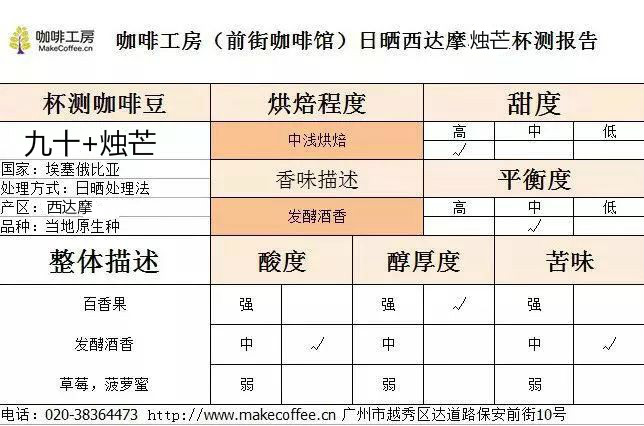
90+ Candlelight
Country: Ethiopia
Region: 90+ SNNP, Sidama
Altitude: 1,750-2,000 meters
Processing: Natural
Variety: Ethiopian Heirloom
Roast Level: Light Roast
Flavor: Floral aroma, nectarine, tropical fruits, blackberry, blueberry, plum, cream, cinnamon
Acidity: Medium-high
01 | Region Introduction
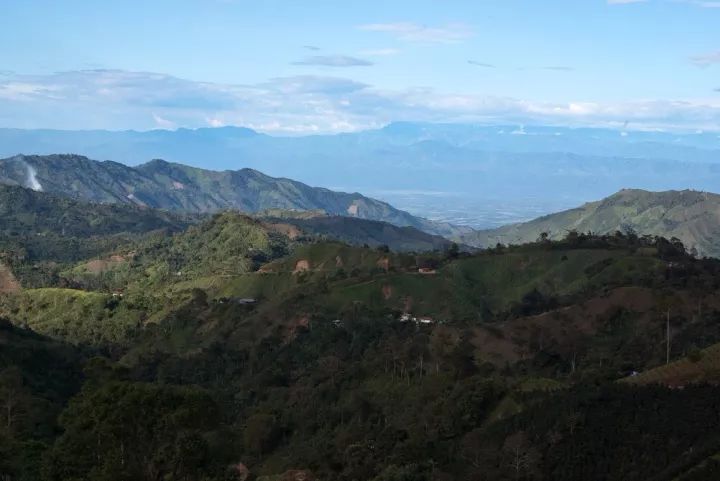
Sidamo grows in the southernmost highlands of Ethiopia, at altitudes between 4,600 and 7,200 feet, in Sidamo province. It is a famous specialty coffee region in southern Ethiopia, bordering Kenya, southeast of Jimma and directly south of the capital. It typically has a distinct sweetness that wins it many fans, with an annual production of about 225,000 bags of 60 kg each.
The coffee flavor of Sidamo is very diverse. Different soil types, microclimates, and countless native coffee varieties, combined with towering mountains, highlands, plateaus, valleys, and plains across the region, create a varied topography. The geology is nutrient-rich, well-drained volcanic soil nearly two meters deep, with surface soil in dark brown and brown tones. The region's greatest advantage lies in maintaining soil fertility through organic matter cycling, using fallen leaves from surrounding trees and plant residues as fertilizer.
90+ · What Exactly Is 90+ Coffee?
Ninety Plus Coffee, a specialty coffee supplier from the United States, was founded in 2006.
"90+" does not refer to every coffee that scores above 90 points in an evaluation. Good coffee appears one year and may not the next, and sometimes it appears at different estates with different flavor characteristics. "90+" refers to a premium coffee series with 13 flavor profiles. These coffees come exclusively from the American specialty coffee creator Ninety Plus Coffee. They are all Ethiopian heirloom old varieties, cultivated to maturity in ecological environments and processed to artistic standards for flavor optimization.
Processing is 90+'s specialty: separating these coffees by variety, microclimate, and harvest timing, tasting each one individually, and designing a specific processing method for each flavor profile to achieve a characteristic taste, much like the way a major fashion house is run, meticulously researched and crafted with dedication to complete an artistic work. A natural product undergoes extensive refinement and improvement before it is presented in its most beautiful form.

90+ Ninety Plus Coffee founder Joseph Brodsky
Starting in 2006, Ninety Plus founder Joseph Brodsky set out to change the deeply entrenched commercial coffee cultivation model. Ninety Plus saw an opportunity to cultivate shade-loving, flavorful Ethiopian heirloom varieties on tropical land while also creating a new model to incentivize and improve the quality of life of coffee professionals.
The Ninety Plus team currently owns or operates over 1,500 hectares of coffee forest restoration projects in Panama and Ethiopia, and has established an international brand promoting the success of taste-driven models in ecologically and socially oriented agricultural economies.
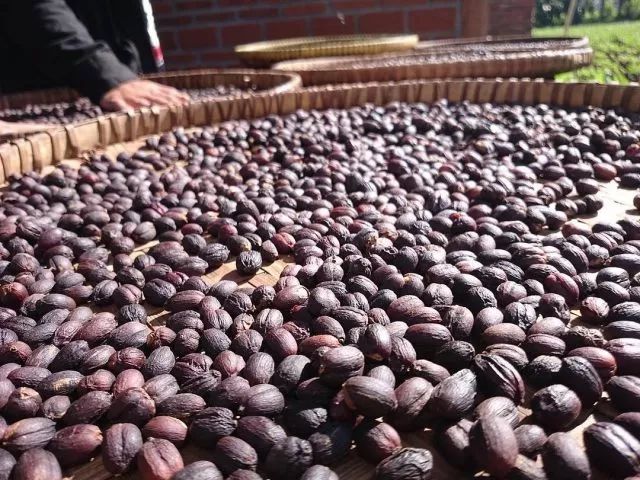
90+ Profile Processing
As coffee gradually moved toward the high-priced specialty market, 90+ pioneered its own green bean production system, Profile Processing. To ensure quality, 90+ works in a cooperative model with local estates, maintaining complete control from planting, sampling, and harvesting through subsequent processing and cupping. 90+'s exclusive Profile Processing ensures that every coffee bean released has unique, stable flavor profiles and quality. 90+ coffee adopts a marketing approach similar to that of premium wines, which makes it stand out.
When 90+ first started, it selected only the most outstanding coffee cherries from various Ethiopian coffee farmers, applying the most refined treatment to already good beans through processing methods. This led to the debut of the early famous 90+ representative beans Aricha and Beloya. Even those early experiments were astonishing, with incredibly rich fruit flavors and high quality that shocked the specialty coffee community.
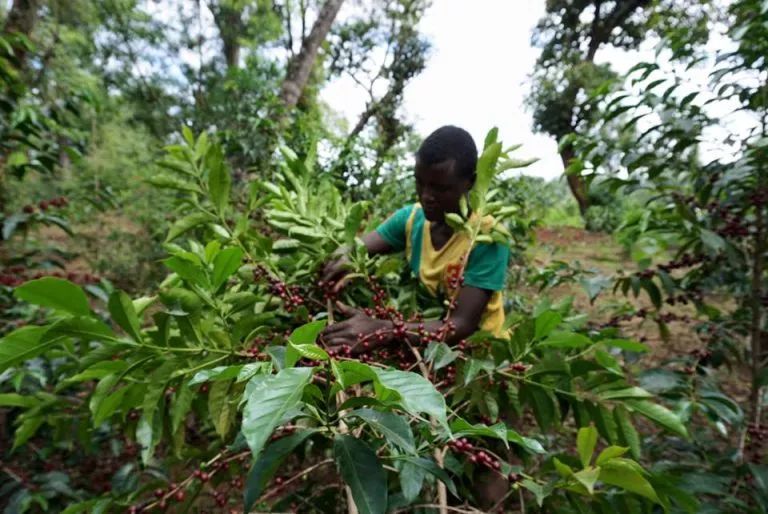
Simply put, Profile Processing extends management upstream, controlling everything from the varieties farmers plant, the origins, climate, cultivation methods, harvesting, and processing, allowing the production of high-quality beans according to personal preferences. What makes Profile Processing remarkable is mastery of the technology that controls flavor expression, enabling the planning and setting of the highest standards and surpassing the luck-based selection and purchasing of typical green bean merchants. Exceeding quality standards is not luck but the average, which has always been the core value upheld by 90+.
New season products may retire the original L grading system (formerly L7, L12, L39, L139), with product and product-line divisions based on more significant taste differences. The line is divided into four major series: NinetyPlus Ethiopia, NinetyPlus Panama, Ninety Levelup, and NinetyPlus Limited.

90+ beans are named completely differently from conventional specialty beans, without region or estate names. Each 90+ bean is named according to its flavor. Candlelight, for instance, means "best approach" in the local dialect. Starting from a flavor concept, then naming, then selecting regions and cooperative farms, all show that 90+ is a brand with boutique management style.
02 | Processing Method
High Rack Natural Processing
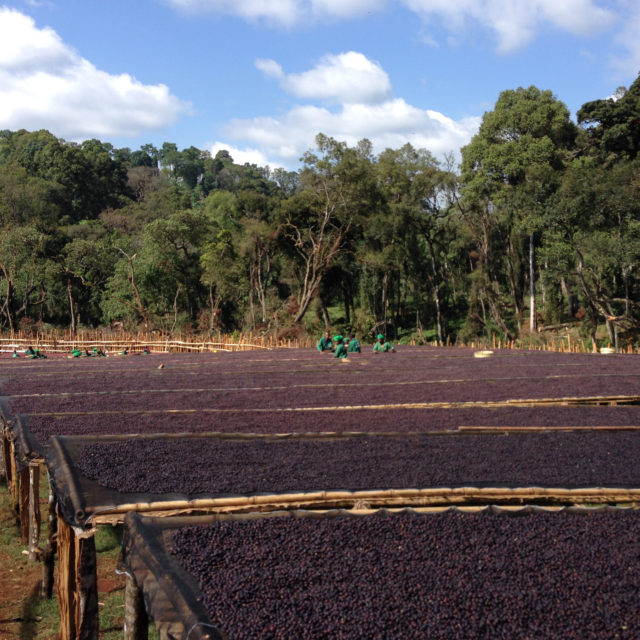
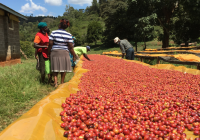
Drima Zede (Candlelight) means "Best Approach" in the local dialect. According to information provided by the producer, this Ethiopian coffee is a specialized product series developed from 90+'s years of experience. The ancient natural method makes pure flavors hard to obtain, but Drima Zede, with 90+ technical support, hand-selects only the most mature coffee cherries. The natural drying process requires constant, careful stirring to ensure uniformity. The final result is a very transparent and pure taste with significant changes between cold and hot, and charming fruit, floral, and oak barrel aromas.
Also an Ethiopian natural bean, FrontStreet Coffee's 90+ Candlelight, after strict supervision and selection, avoids the annoying earthy impurities common in natural beans and the high defect rate, instead highlighting the charming sweetness that natural processing is known for.
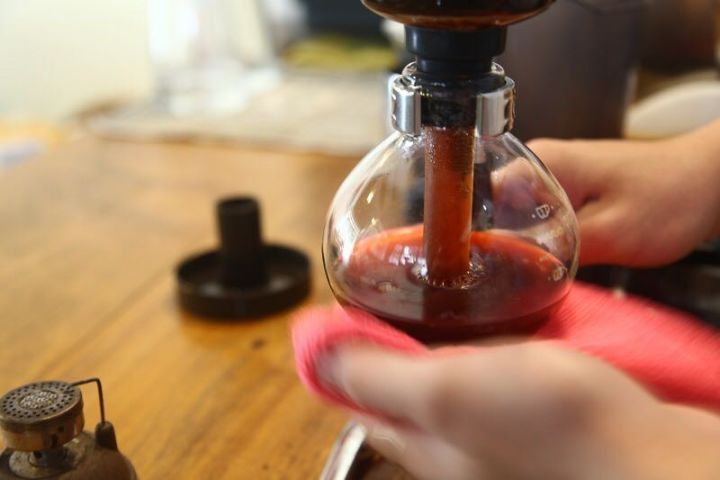
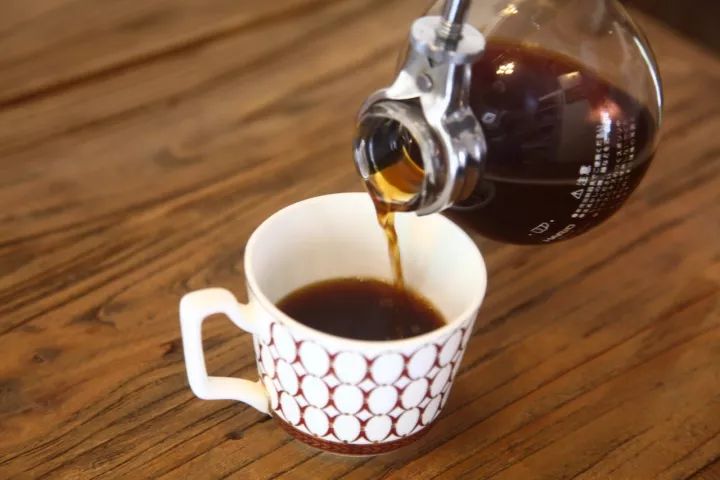
FrontStreet Coffee's Candlelight inherits the charming aroma of traditional Ethiopian natural processing, unreservedly expressing a round, full-bodied sweetness with a lingering aftertaste and a perfectly balanced, mouth-watering fruit acidity. FrontStreet Coffee's 90+ Candlelight is also quite easy to brew day to day. The beans themselves are rich in flavor, and whether you use clean drip brewing or a rich siphon, they showcase their inherent character perfectly.
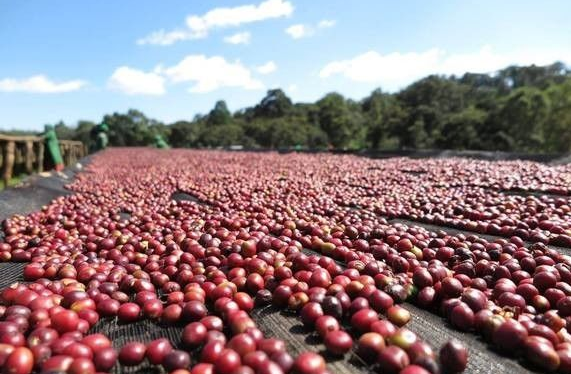
Traditional Ethiopian natural processing involved spreading wild-picked coffee cherries directly on the ground for sun exposure. This method has two drawbacks:
1. After picking, beans are not specially screened or processed, with appearance and ripeness mixed unevenly together, making the process relatively crude, producing unstable quality, and tending toward defects.
2. Farmers usually find an open patch of ground near their homes for processing, so the surface often holds many impurities or dirt, and the coffee easily picks up undesirable flavors.
The improved natural method addresses both drawbacks:
1. When picking, only fully mature, deep-red cherries are taken. Before sun exposure, the beans are first screened for defects at the processing plant, making bean size and ripeness more uniform.
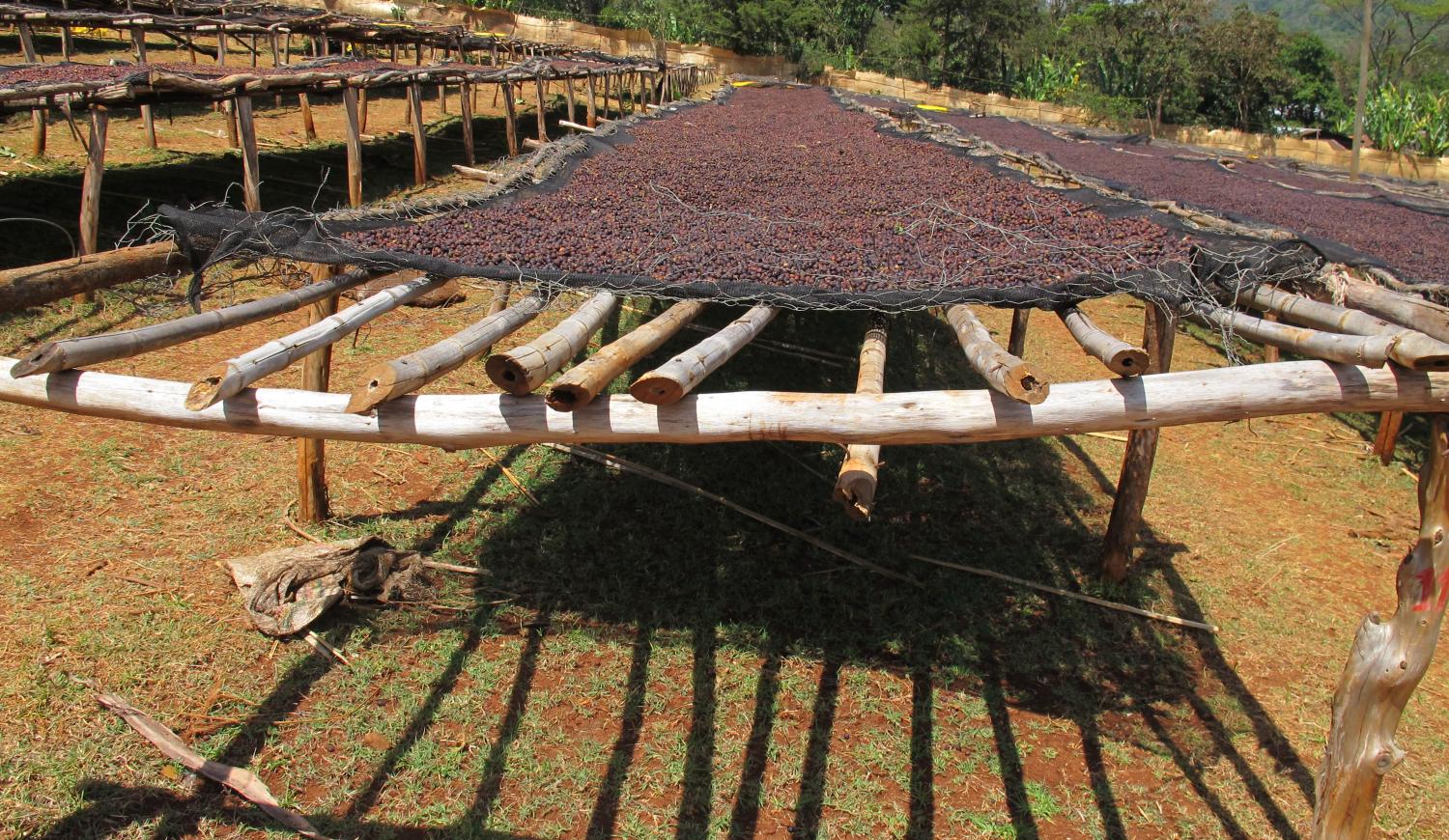
2. Elevated wooden frames or full trellis structures are then used for drying, avoiding the risk of beans picking up impurities from the ground. During drying, the beans must be carefully monitored for even dehydration; every three to five days, workers manually remove defective and moldy beans. By the time drying is complete and the beans enter depulping, the beautifully sun-dried deep-red cherries are already of very low defect grade.
03 | Green Bean Analysis
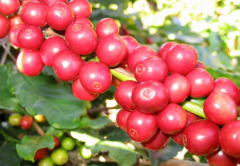
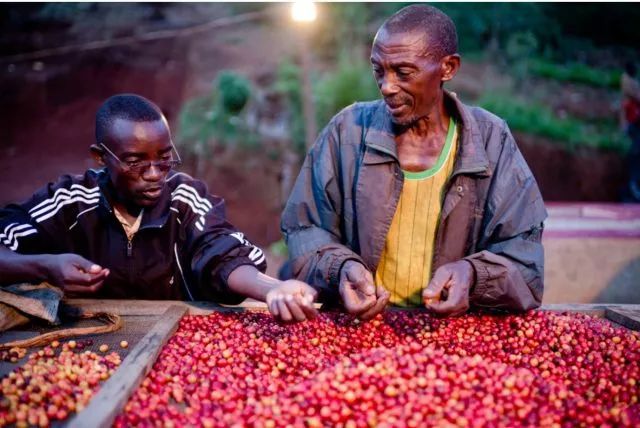
At 90+ farms, pickers carefully select only red cherries. This is the color of a mature coffee cherry. As coffee matures, sugars develop to create the best flavors.
It is crucial to help workers understand the physical changes the cherries undergo. He told me that if they squeeze a cherry and count how many drops escape, they can see how much mucilage there is. One study found this can explain 20% of cupping score variation, with higher mucilage levels meaning better-tasting coffee. More than three drops is a good sign.
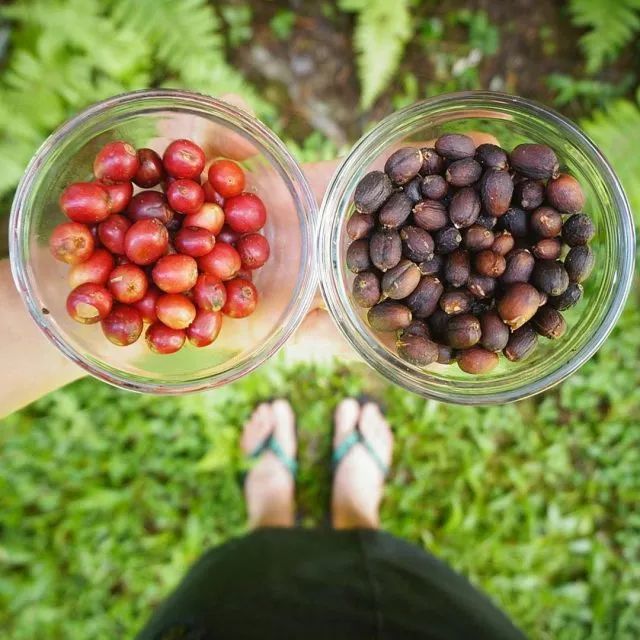
After picking, Carlos and his team measure cherry weight and density in one-liter containers. Results are divided by variety for comparison, and yield records are kept in logs.
Coffee cherries are hand-sorted before and after being placed on raised beds. Workers must remove any unripe cherries and look for any with coffee berry borer (broca) holes.
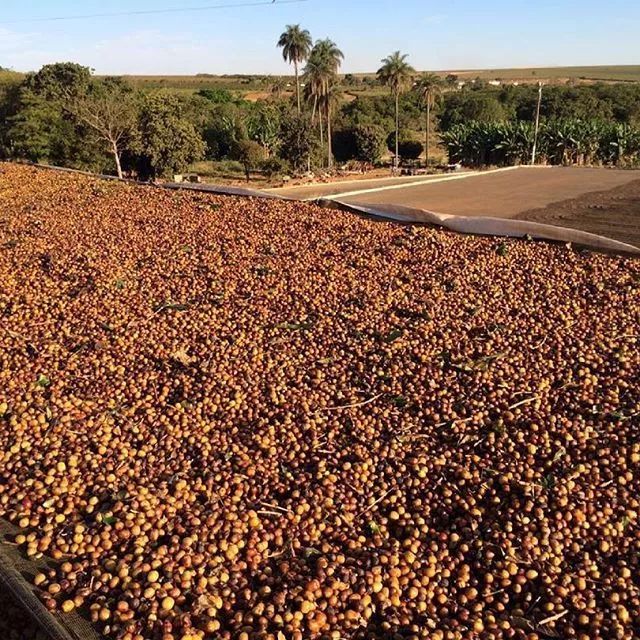
Raised beds keep the cherries on a clean surface with air circulation, helping them dry evenly. The key is keeping the cherries in thin layers and moving them regularly.
Drying period:
For the first three days, the cherries are exposed to sunlight and cold nights. After the third day, they are shaded between 12 PM and 2 PM, when the day is hottest. When the coffee is shaded, it is important to leave space on the beds.
After 20-25 days, the coffee reaches ideal moisture content: 10.5% for natural coffee, rather than the more common 11-12%. He explained that high sugar levels still reacting inside the cherry mean a greater risk of over-fermentation.
He checks his coffee with a moisture meter. He also recommends measuring humidity during the coldest part of the day for greater accuracy.
Cherry Storage
When stored, coffee cherries are placed in GrainPro bags to protect them from insects, then kept in warehouses away from direct sunlight. Raised wooden courtyards keep the bags off the floor. Moisture content (60-65%) and temperature (19-25°C) inside the warehouse are carefully controlled.
Coffee takes an average of three months to prepare for export. During this time it continues to stabilize, any herbal flavors disappear, and acidity and sweetness continue to develop.
90+ coffee is famous for its processing. But great coffee does not happen without significant investment, and professional-grade natural processing is no exception.
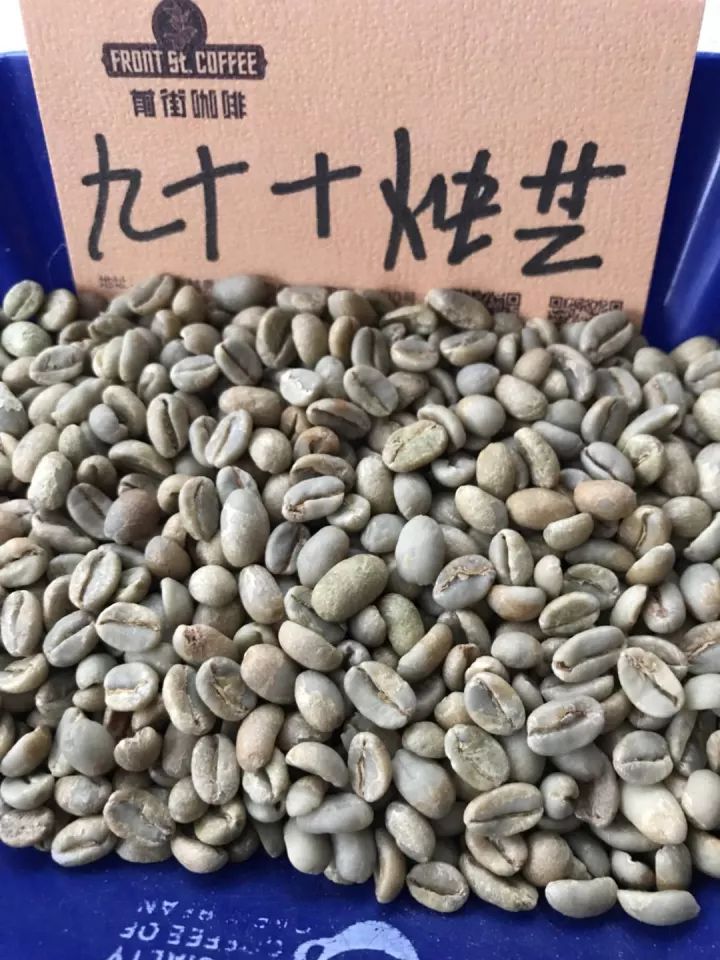
FrontStreet Coffee's Sidamo green beans are slightly grayish, some large and some small, combining a gentle yet bright acidity, an appropriate body, and a sweet, spicy aroma that places them among the courtyard coffees of the southern Ethiopian highlands. Unlike typical African coffees, FrontStreet Coffee's Sidamo has clear fruit acidity, a smooth mouthfeel, and delicate floral and herbal aromas.
04 | Roasting Analysis
Beans with such brilliant flavors are naturally not suited to medium-dark roasting, so this FrontStreet Coffee 90+ Candlelight is given a light, slow roast to best showcase its round, sweet character with rich floral and fruit aromas.
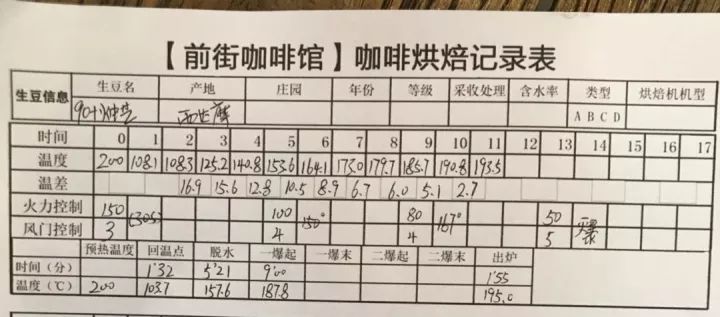
Roasting machine: Yangjia 600 g semi-direct heat
Using quick stir mode, preheat to 200°C and set the air damper to 3. After 30 seconds, adjust heat to 160°C, leaving the air damper unchanged. At 150°C, adjust heat again; at this point the bean surface turns yellow, the grassy aroma disappears completely, and dehydration is complete, so adjust heat to 120°C and the air damper to 4.
At the 8th minute, ugly wrinkles and black spots appear on the bean surface, and the toast aroma clearly changes to coffee aroma, which can be defined as the prelude to first crack. Listen carefully for the first crack sound. At 8'49" first crack begins; reduce heat to 70°C and open the air damper fully to 5 (adjust heat very carefully, not so low that the cracking sounds stop). 1'48" after first crack, unload at 195°C.
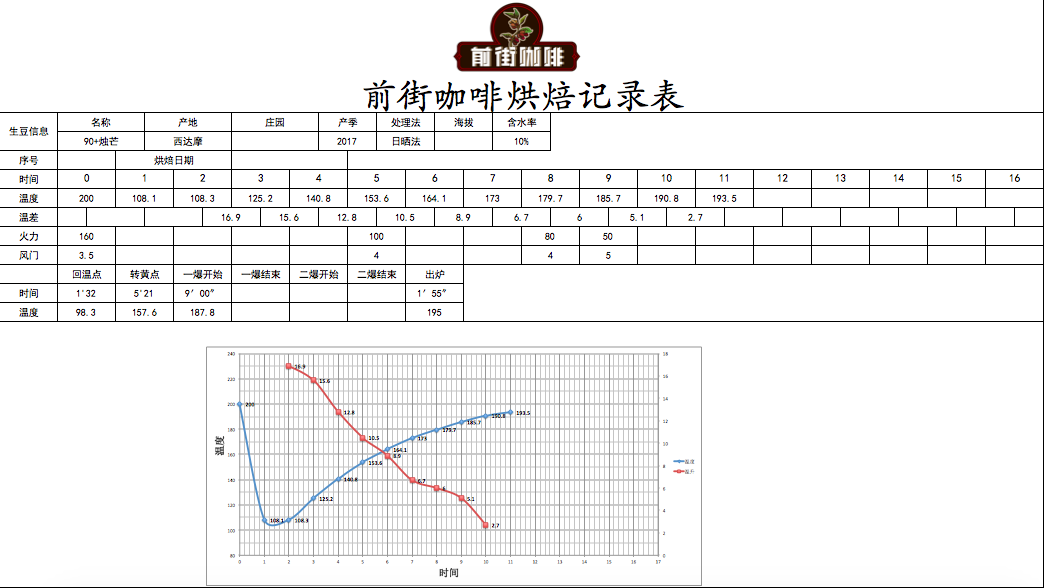
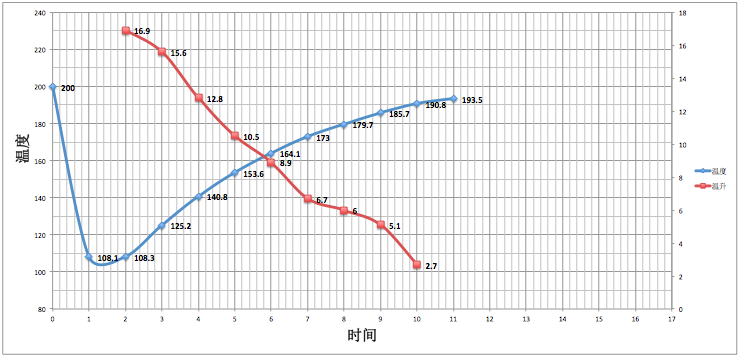
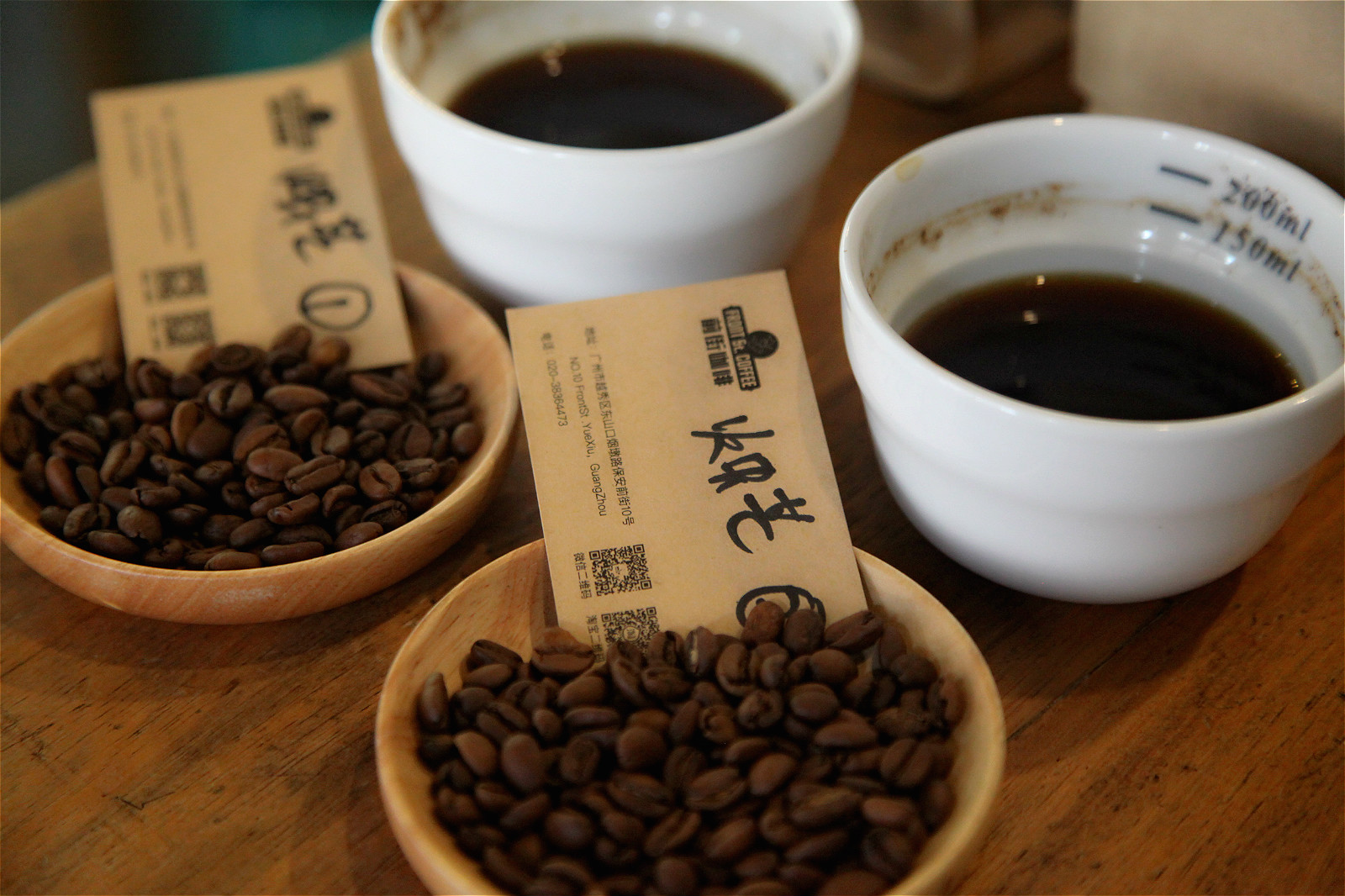
After optimization, FrontStreet Coffee's 90+ Sidamo Candlelight has further enhanced sweetness, with subtle citrus notes and vanilla aroma, while nectarine, mango, and other tropical fruit flavors become more prominent.
05 | Brewing Analysis
Hand Brewing FrontStreet Coffee 90+ Candlelight Reference
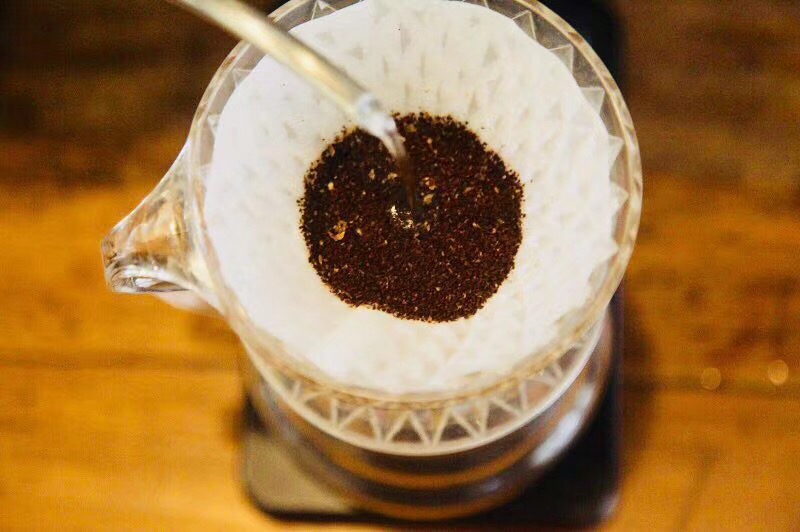
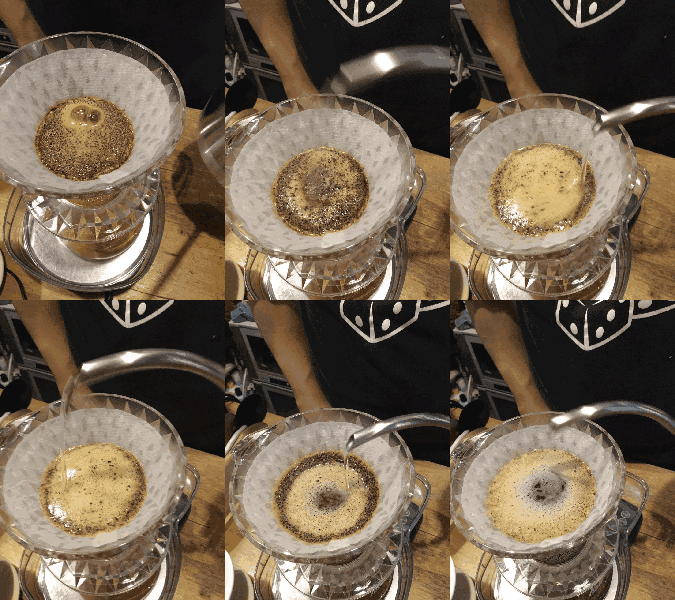
Using Key's dripper, 16 g coffee to 32 g water, bloom for 30 seconds, then extract with 89-90°C water at a 1:15 ratio, medium-fine grind (small Fuji 3.5). Second pour to 110 ml and pause, wait for the water to drop before slowly pouring again, maintaining an even speed; the water level should not be too high. Third pour to 233 ml and stop. Extraction time 2:15. Rich natural sweetness; everyone can fine-tune according to personal taste.
Siphon Brewing FrontStreet Coffee 90+ Candlelight Reference
25 g coffee with 310 g water
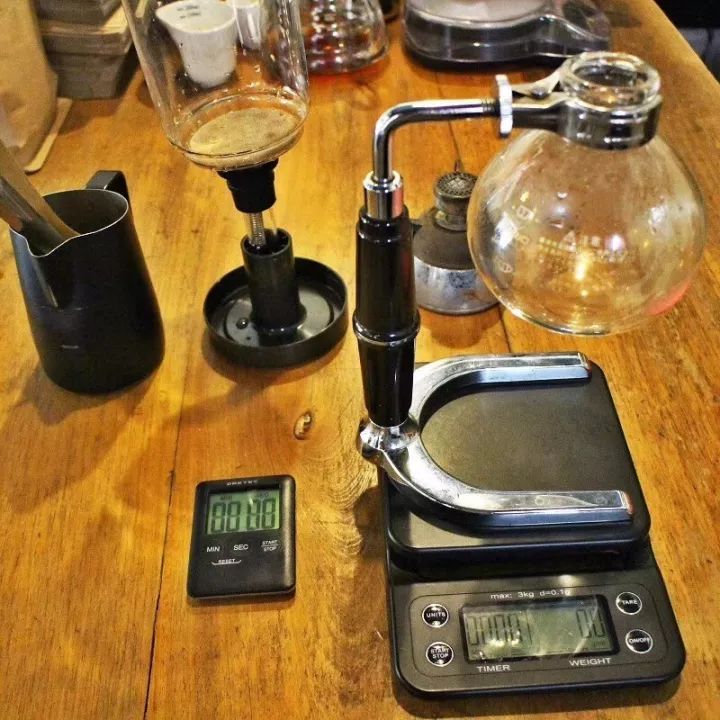
Small Fuji ghost teeth 4, medium grind, fine sugar texture
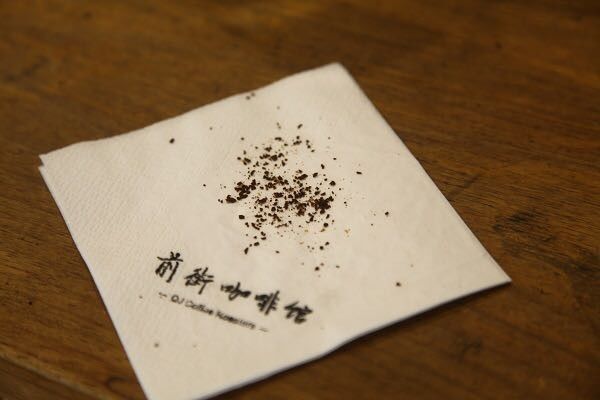
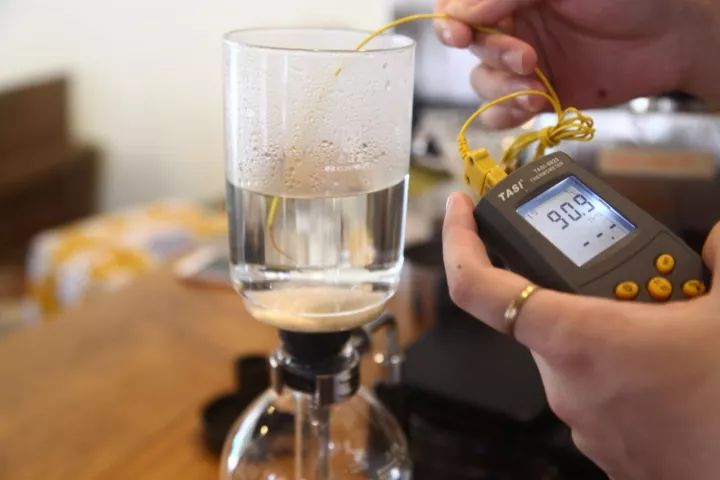
Water temperature 90-91°C. Reduce heat, add the grounds and stir 3-5 times for thorough wetting; at 45 seconds, stir gently for 5 seconds
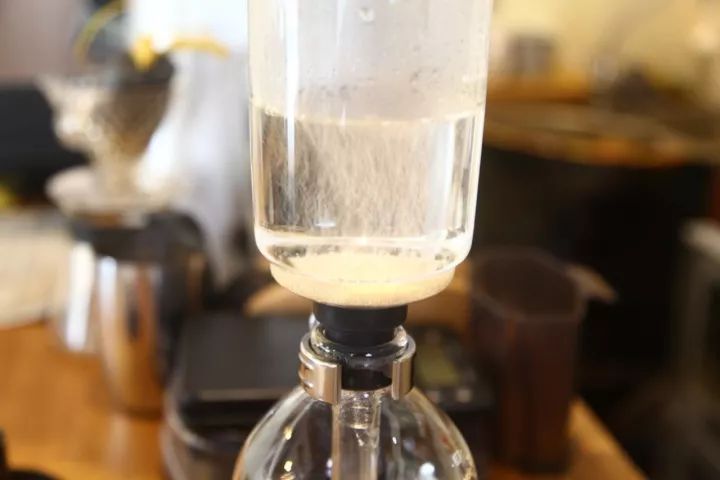
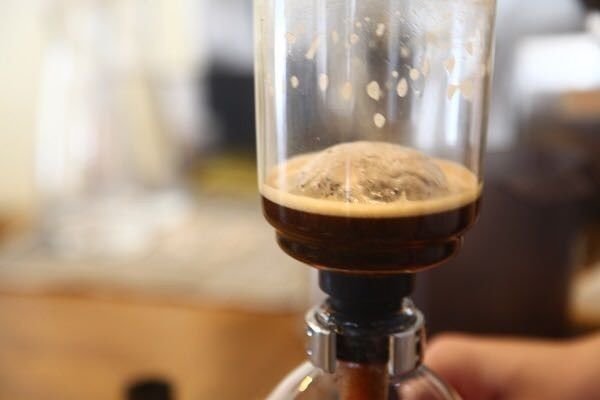
Turn off the heat and stir once more. Fresh citrus aroma, rich mouthfeel, prominent sweetness in the finish, excellent aftertaste
FrontStreet Coffee 90+ Candlelight Sidamo Natural Imported Freshly Roasted Coffee Beans Pure Black Specialty Coffee Can Be Ground to Order
Taobao link: https://item.taobao.com/item.htm?spm=a1z10.5-c-s.w4002-15673140460.35.594226db6V60kM&id=539597297862
FrontStreet Coffee Recommendation
If you enjoy the natural Sidamo style described here, FrontStreet's own natural Sidamo offerings are a natural next step. FrontStreet Huakui comes from Hambella in Guji, Sidama, and is dried whole on raised beds for 21 days with regular turning so the fruit sugars soak into the bean; after a light-medium roast it shows a light fermented wine aroma, florals, citrus, and mango, with honeyed sweetness, cocoa, a hint of spice, and a thick body with a long finish.
For a slightly different take on the same region, FrontStreet Hamashu 74158 is processed at the Hamashu station in Sidamo from JARC 74-series varieties. Its smaller beans carry a striking floral and fruit aroma with sweet notes reminiscent of perfumed lemon, strawberry, and star fruit on the nose, and clear strawberry, star fruit, and green grape sweetness on the palate before a delicate floral note emerges. Both are excellent ways to explore the natural processed character of southern Ethiopia.
Important Notice :
FrontStreet Coffee is a long-established specialty coffee roaster in Guangzhou China, selling freshly roasted beans from its own farm in Yunnan as well as dozens of carefully selected single-origin beans from around the world for both pour-over and espresso. The products deliver consistently excellent quality and great value, with shipping within 24 hours. Guangzhou's FrontStreet Coffee shop is recommended by many coffee lovers, and the beans are now available online at the Tmall 。
FrontStreet Coffee has moved to a new address:
FrontStreet Coffee Address: 315,Donghua East Road,GuangZhou
Tel:020 38364473
 Scan and follow the En Gafei WeChat official account. Please indicate that the reprint comes from "En Gafei".