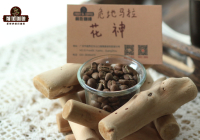
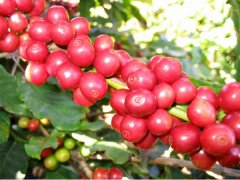
Colombia Finca San Jose Estate Oak Barrel Fermentation Processing Coffee Flavor and Taste Characteristics Description
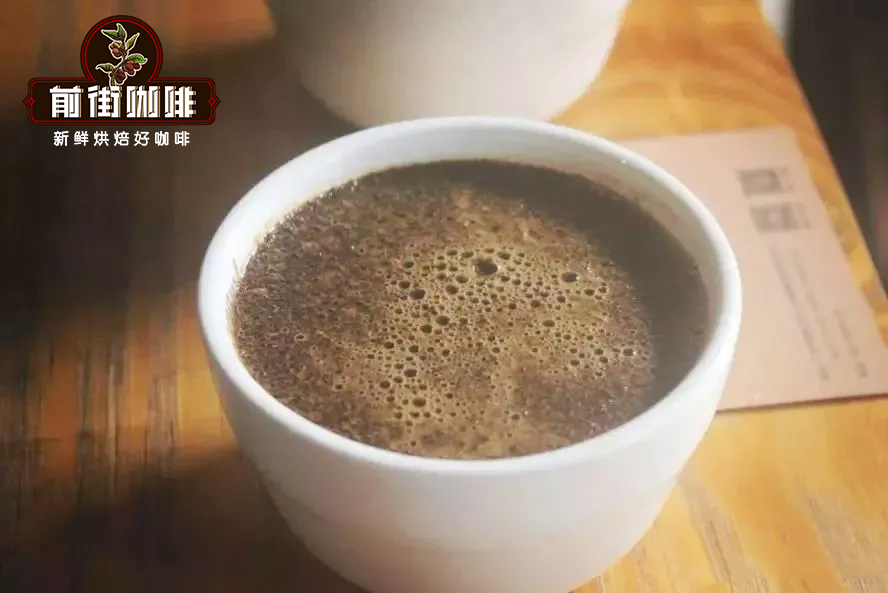
For professional coffee knowledge exchange and more coffee bean information, please follow Cafe Style (WeChat official account: cafe_style).
The quality of Colombian coffee ranks among the very best in the world. Its excellent geographical environment and cultivation standards have fueled the development of specialty coffee. Colombia is also home to beans processed with all kinds of modern methods, whose distinctive flavors leave a lasting impression on many coffee enthusiasts. The Colombian San Jose coffee featured today is exactly such a bean.
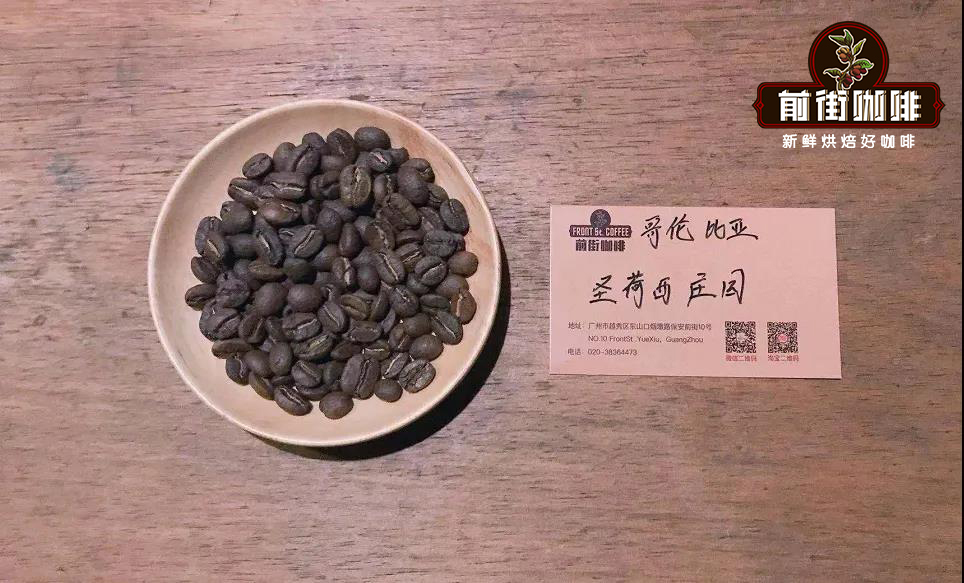
FrontStreet Coffee - Colombia San Jose Estate
Region: Caldas, Colombia
Estate: San Jose Estate
Altitude: 1750 meters
Grade: Supremo
Variety: Castillo
Processing: Refined Washed Rum Barrel Fermentation
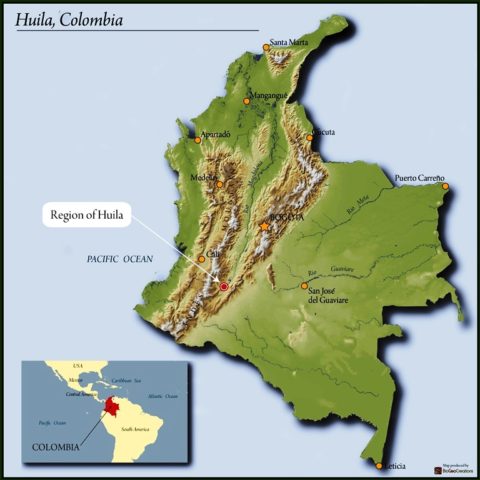
Caldas lies in central-western Colombia, in the Cordillera Central of the Andes, with the Magdalena River to the east and the Cauca River to the west. San Jose Estate (Finca San Jose) is a historic farm in Caldas Province with abundant sunshine and an average annual temperature between 21°C and 25°C.
San Jose Estate
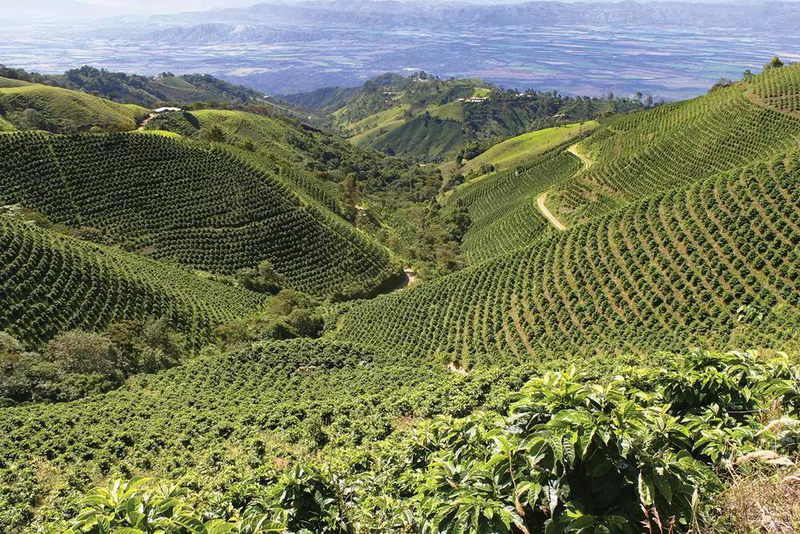
The century-old San Jose Estate sits in an area rich in volcanic ash near the Nevada del Ruiz volcano, enjoying abundant sunshine with average annual temperatures of 21°C-25°C. The estate spans 18 hectares in total, with 16.5 hectares dedicated to coffee cultivation.
During the recent wave of specialty coffee, San Jose Estate has actively sought breakthroughs to carve out a path of its own.
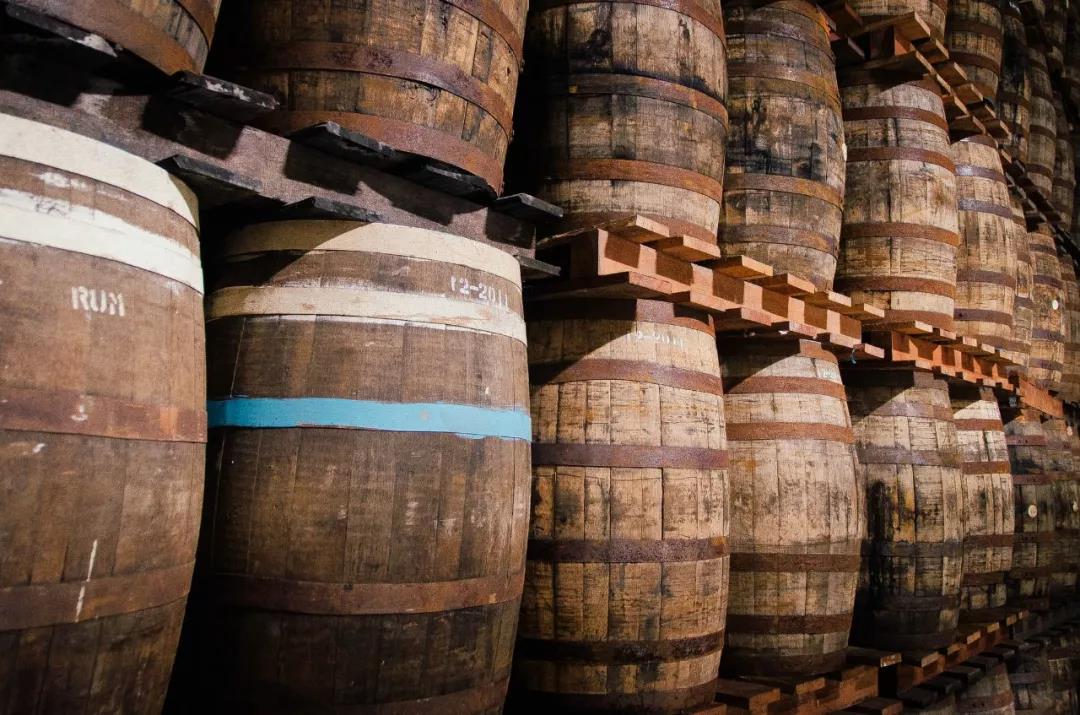
The estate owner, Monsalve Botero - whose husband specializes in manufacturing rum oak barrels and brewing rum - had an epiphany one day while filling casks with distillate for fermentation. She wondered whether aging green coffee beans in oak barrels might bring out even more distinctive flavors.
And so, beginning in 2013, Monsalve Botero started experimenting with rum barrel fermentation of varying durations at low temperatures, finally arriving at the ideal method in 2018 to produce this coffee bean - something quite different from typical washed processing.
The Coffee Variety
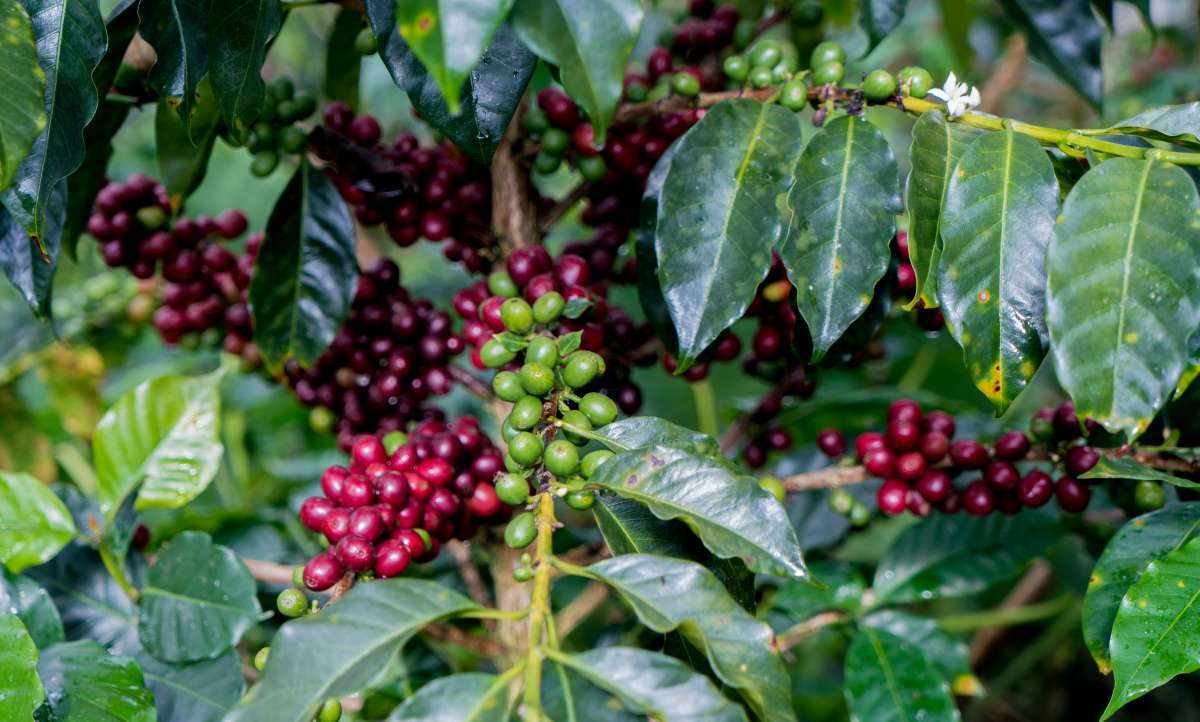
Castillo is a new-generation leaf rust-resistant variety jointly developed by the Colombian Coffee Growers Federation (FNC) and Colombia's National Coffee Research Center, Cenicafé. Cenicafé's goal was to further improve the variety for higher yields, greater disease resistance, and quality and flavor comparable to Caturra.
In the latter half of the last century, Caturra gradually replaced Colombia's older varieties as the main cultivated variety. In 1982, the Coffee Research Center released the Colombia variety. In 1983, leaf rust was first discovered in Colombia, which allowed the disease-resistant Colombia variety to be widely promoted. In 2005, building on that research, the Center introduced the Castillo variety. The FNC strongly backed the new varieties, promoting their adoption through comprehensive agricultural and financial policies. Within just a decade, by 2015, articles indicated that Castillo already accounted for 40% of Colombia's total coffee cultivation area. The leaf rust outbreak of 2008-2010 further accelerated its popularization.
The vigorous promotion of Castillo once sparked considerable controversy between coffee farmers and roasters. The debate often centered on the Robusta genes in the new variety and its cupping performance versus Caturra. In December 2014 and January 2015, world-renowned coffee organizations and research institutions, together with famous coffee companies, conducted a sensory test comparing Castillo and Caturra. The analysis covered 25 farms in Colombia's Nariño region, with samples of both varieties provided. As for the results: broadly speaking, Castillo showed good cupping performance.
Refined Washed Rum Barrel Processing
The coffee used for refined washed rum barrel fermentation consists of carefully selected Castillo beans of approximately 17-18 screen size. After pulping, the cherries are placed in aged oak barrels for low-temperature fermentation. Following this, the beans undergo washed processing and are finally dried on raised drying racks.
FrontStreet Coffee Roasting Analysis
FrontStreet Coffee's roasters believe this rum oak barrel-fermented coffee should be roasted to showcase its wine-like aroma, so a medium-light roast was chosen.
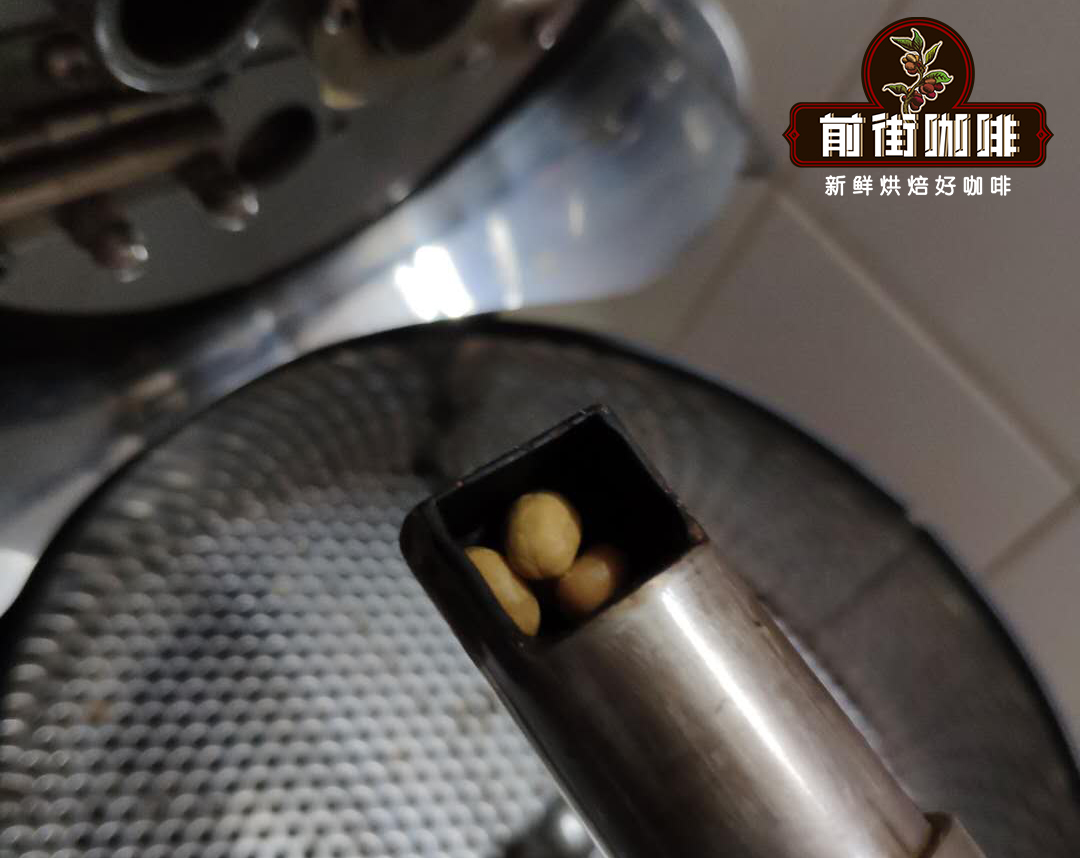
Using the Yang Jia semi-direct heat 800N with 300g of green beans as an example: preheat the drum to 190°C, set the heat to 140, and open the air damper to 3. Turning point at 1'42"; when the drum temperature reaches 140°C, open the damper to 4 and keep the heat unchanged. At a drum temperature of 151.8°C, the bean surface turns yellow and the grassy aroma disappears completely, marking the start of the dehydration stage. When the drum temperature reaches 150°C, reduce the heat to 120, keeping the damper unchanged.
At 8'38", pronounced wrinkles and black spots appear on the bean surface and the toast aroma clearly shifts toward coffee aroma - the prelude to first crack. Listen carefully for the sound of first crack from here. At 9'07", first crack begins; open the damper to 4. Develop for 2'10" after first crack, then drop the beans at 195°C.

FrontStreet Coffee Brewing Guide
Dripper: Hario V60
Water temperature: 90°C
Dose: 15 grams
Coffee-to-water ratio: 1:15
Grind size: Medium-fine (BG6M: 78% pass-through rate on Chinese standard #20 sieve)
Method: Multi-stage pouring
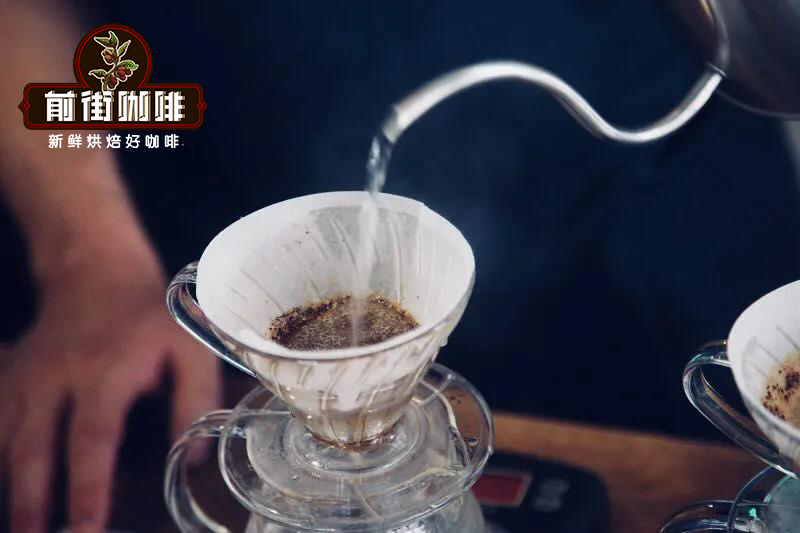
Bloom with 30g of water for 30 seconds. Continue pouring in small circles to 125g, then pause. When the water level drops and the coffee bed is about to be exposed, pour up to 228g and stop. Once the level drops again and the bed is about to show, remove the dripper. (Timing starts from the bloom.) Total extraction time is 1'50".
Flavor Description
Notes of rum, liqueur chocolate, tropical fruits, and grapes, with maple sweetness and a creamy mouthfeel.
For more specialty coffee beans, please add FrontStreet Coffee on WeChat: kaixinguoguo0925
FrontStreet Coffee Recommendation: More Colombian Gems from the Same Roaster
If San Jose's barrel-aged creativity intrigues you, Colombia has plenty more to offer. For a taste of the country's classic profile, FrontStreet Coffee's washed Huila is grown in the hills of Huila Province at over 1500 meters and roasted medium-dark, highlighting black chocolate and nutty sweetness with a full, silky body - equally at home in a pour-over, French press, moka pot, or espresso machine. For something closer to San Jose's experimental spirit, the Fenjiexian Estate Sidra undergoes anaerobic natural processing: sealed, oxygen-free fermentation transforms the beans into a tropical fruit festival of passion fruit, grape, apricot, and dried fruit. And for espresso fans, FrontStreet Coffee's signature blend marries Brazilian cream-and-nut sweetness with Colombian dark chocolate for a golden-creamed shot that loves milk.
Important Notice :
FrontStreet Coffee is a long-established specialty coffee roaster in Guangzhou China, selling freshly roasted beans from its own farm in Yunnan as well as dozens of carefully selected single-origin beans from around the world for both pour-over and espresso. The products deliver consistently excellent quality and great value, with shipping within 24 hours. Guangzhou's FrontStreet Coffee shop is recommended by many coffee lovers, and the beans are now available online at the Tmall 。
FrontStreet Coffee has moved to a new address:
FrontStreet Coffee Address: 315,Donghua East Road,GuangZhou
Tel:020 38364473
 Scan and follow the En Gafei WeChat official account. Please indicate that the reprint comes from "En Gafei".