America's Specialty Costa Rica Coffee: Regional Introduction and Pour-Over Flavor Profile

Costa Rican coffee is renowned for its sweet profile, and honey processing is its most famous method. The three common techniques — washed, natural, and honey — are all represented here, along with anaerobic and raisin-honey processing. Our beloved Musician Series coffee, for instance, uses a special variant, raisin-honey processing. Of course, while FrontStreet Coffee also notes that washed processing best reflects a coffee's local terroir, specially processed coffees offer another dimension of flavor.
Costa Rica: Premier Coffee Region
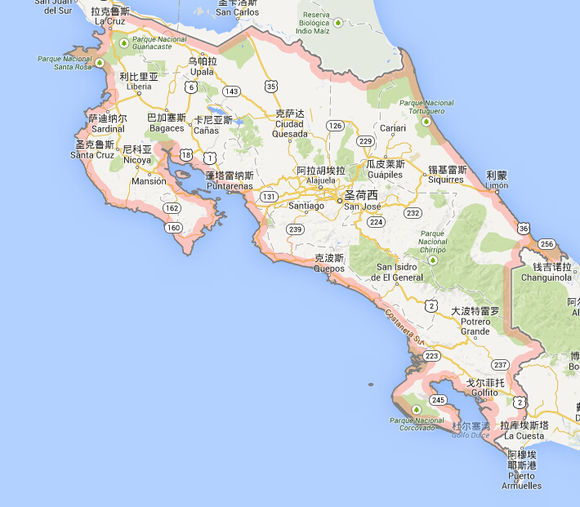
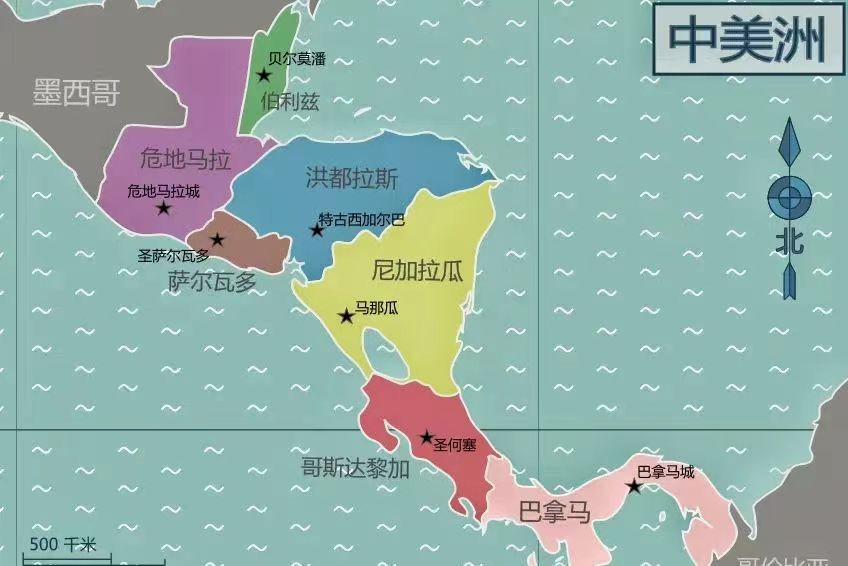
Costa Rica, set on the Central American isthmus, is one of Latin America's most renowned coffee-producing regions. Beans grown at high altitude are world-famous for being rich and mild in flavor yet intensely acidic. Every bean here receives meticulous processing, which is how such high quality is achieved. Costa Rica's Tarrazú region lies south of the capital, San José, making it one of the country's most valued growing areas.

Costa Rican Coffee Regions
Costa Rica was the first country in Central America to introduce and cultivate coffee, and it has a long history with a complete system from production to sales. Located on the Central American isthmus at 1,200–1,600 meters, particularly on the Central Plateau, its growing areas feature volcanic terrain with fertile volcanic ash, mild and suitable temperatures, and steady, abundant rainfall, making coffee one of the country's primary agricultural products. The harvest runs November to March across three sub-regions: San José, Heredia, and Alajuela. The area holds three high-altitude volcanoes — Irazú, Barva, and Poás — that supply rich nutrients to the surrounding coffee. The superior microclimate, combined with the fertile soil of the Poás and Barva volcanoes, gives beans from this region exceptional chocolate and cocoa flavors, bright fruit acidity, and elegant aromas.
Costa Rica has eight main coffee-growing regions: Western Valley (Valley Central Occidental), Central Valley (Valley Central), Tarrazú, Tres Ríos, Orosi, Brunca, and Turrialba. Most of the country's specialty coffee comes from Tarrazú.
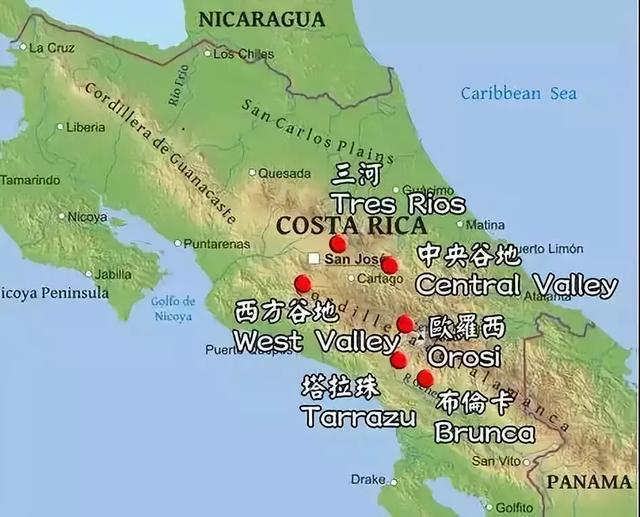
Tarrazú lies south of the capital, San José, at 1,200–1,700 meters, with clearly divided dry and rainy seasons. The ideal soil composition and terrain, together with a harvest from December to March, yield high acidity, dense, full-bodied beans, and rich aromas. This world-renowned region is defined by high-altitude growing conditions that create an incomparably complete cup.
Tarrazú is Costa Rica's most important and highest-quality specialty coffee region. Beyond micro-lots, it also produces large quantities of high-quality bulk coffee. Set in the picturesque Central Valley, the region is farmed without pesticides or artificial fertilizers. Taken together, these factors make it a truly ideal growing area for arabica. The name "Tarrazú" comes from the ancient Huetar people who once settled here.
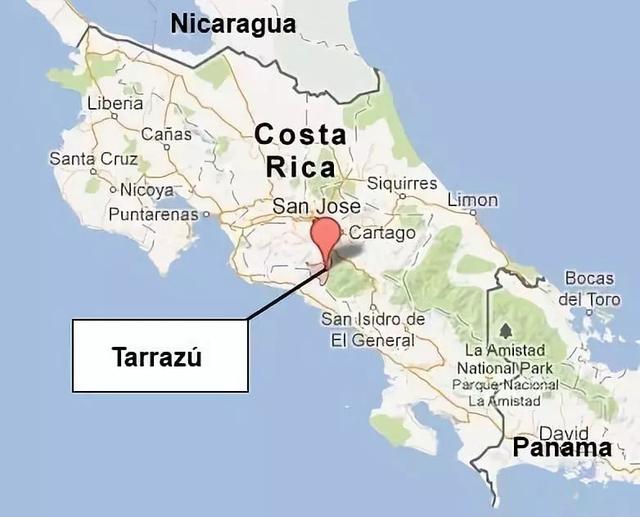
Meanwhile, Tarrazú enjoys enormous prestige in the specialty coffee world and is one of the globe's major producing regions. In the 2014 Cup of Excellence competition, 17 of the 23 winning coffees came from Tarrazú — a striking demonstration of the region's quality.
FrontStreet Coffee's Costa Rican Mirazu, along with the Musician Series Mozart and Bach, all come from Tarrazú. FrontStreet Coffee has also selected Tarrazú coffee as one of its house-blend components.

Mirazu Estate
Esteban Sanches, owner of Mirazu Estate, was originally on staff at La Candelilla Estate, where he learned a great deal about coffee machinery and green-bean post-processing. Later, driven by his own ideas about coffee, he left La Candelilla to found his own estate, naming it Mirazu. In the local language, Mirazu means "overlooking Tarrazú." Esteban Sanches believes coffee quality begins at the tree.

The owner of Mirazu Estate is an agricultural doctor highly skilled in processing and post-processing who later fulfilled his dream of building his own facility and estate. The farm grows many different varieties. Mirazu natural Geisha has delicate floral aromas and light cooked-fruit notes, with brown sugar and stone fruit bringing out abundant sweetness.
This Costa Rican Mirazu is a Geisha blend: it contains 50% Geisha beans and 50% ET47, SL28, and Maico.
Musician Series: Mozart and Bach Coffee
Canet Estate
Canet Estate lies in the highest-altitude part of the Tarrazú region and is Costa Rica's most densely cultivated fruit-growing area. It mainly grows passion fruit, and its coffee production is quite limited, planted only in specific spots with special care. Every cherry is hand-picked, and only ripe red fruit is taken. Even so, after harvest and before processing, the cherries get an extra screening to remove under-ripe and over-ripe beans.
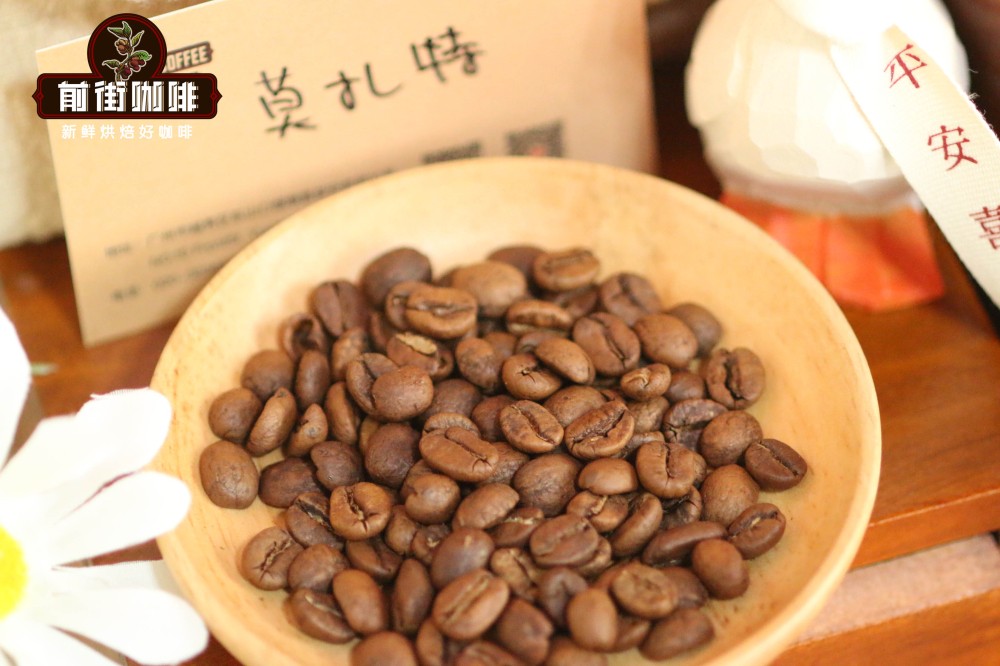
Canet Estate's Musician Series grew out of the owner's love of classical music, which is why every coffee it produces is named after a musician.

Canet Estate mainly grows Caturra and Catuai, using raisin-honey and washed processing to make its world-renowned Musician Series beans, named after "Beethoven," "Bach," "Chopin," and "Mozart." Grown at 1,700–1,950 meters, these are all SHB (Strictly Hard Bean) grade high-altitude beans with sweet flavors, rich fruit aromas, wine-like notes, and a strong tea-like quality.
Main Costa Rican Coffee Varieties
Costa Rica's main varieties, like those of other Latin American countries, are primarily Bourbon, Caturra, and Catuai. The country also produces Villasarchi and Villalobos locally. FrontStreet Coffee introduces the characteristics of each below.
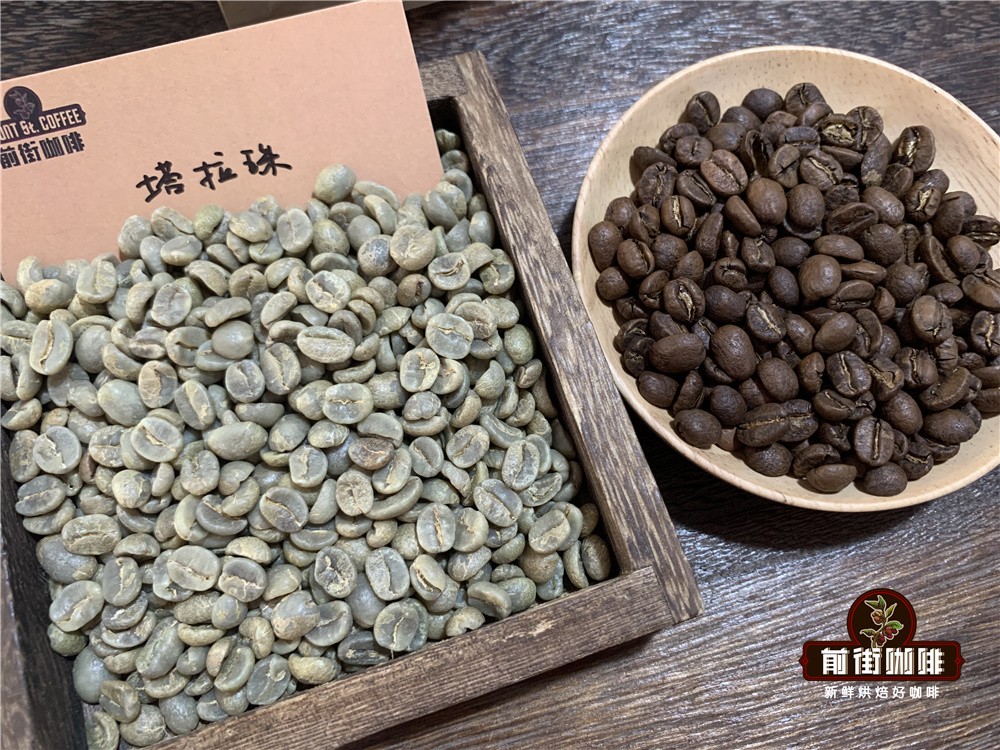
Bourbon
Bourbon is a variant of early Typica that was brought to Yemen, with the bean shape changing from slender and pointed to round. In 1715, after the French transported Yemen Mocha's round beans to Bourbon Island off the east coast of Africa (renamed Réunion Island after the French Revolution), the variety took that name. Bourbon round beans spread to Brazil and Central and South America in 1727. In 1732, when the British carried Yemen Mocha to St. Helena Island (where Napoleon was later imprisoned), these too were Bourbon round beans. Bourbon is a consistent champion in American specialty coffee cupping competitions.

Most Brazilian coffee beans today are Bourbon. FrontStreet Coffee's house-blend Brazilian coffee and its single-origin Brazilian Queen Estate coffee are both Bourbon.
Caturra
Caturra is a natural variant of the arabica Bourbon variety, discovered in Brazil in 1937. Its plant is shorter and smaller than Bourbon. Although it shares Bourbon's lineage, it has relatively weak disease resistance but higher yields than Bourbon. Despite being discovered in Brazil, Caturra is not suited to growing there and so was never widely cultivated in the country. It became popular instead across Central and South America, with large-scale planting in Colombia, Costa Rica, and Nicaragua.

Catuai
Catuai is a hybrid of Mundo Novo and Caturra — a true second-generation hybrid. It inherits Caturra's low plant height while compensating for Caturra's weakness of fruit that drops easily in strong wind. Catuai's fruit sets firmly and holds on in gusts. Its biggest drawback is that its overall flavor is slightly more monotonous than Caturra's. Catuai also has red- and yellow-fruit forms, and red fruit generally tastes better than yellow.

Villasarchi
Villasarchi is a Bourbon variant. This green-topped dwarf natural mutant was discovered in Costa Rica in 1950 and subsequently underwent pedigree selection (selecting individual plants across successive generations). It was not widely planted in Costa Rica, however; in 1974 it was introduced to Honduras by the Honduran Coffee Institute (IHCAFE). In aroma terms it is a highly complex coffee, best suited to a medium-dark roast. The dry fragrance after grinding carries notes of floral nectar and cherry, mixed with sweet spices such as cinnamon.
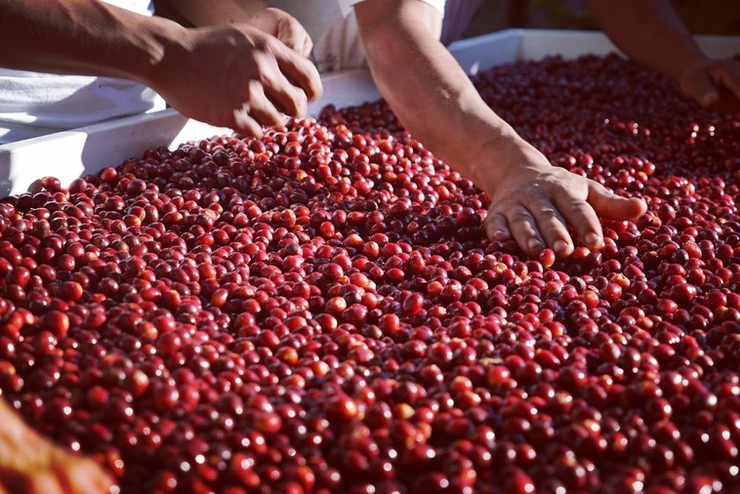
Villalobos
Villalobos originated in Costa Rica and is a Typica variant. Like Typica, it has a 60-degree angle between branches and trunk, with bronze-colored leaves. It grows particularly well at high altitude and has strong wind resistance, tolerating poor soil though performing better under shade trees. Its most prominent flavor trait is excellent sweetness and pleasant acidity.
Costa Rican Coffee Bean Processing Methods
In 1830, Costa Rica began adopting washed processing, and washed coffee quality gradually improved. To raise quality and increase sales, Costa Rican farmers began experimenting with new methods. During that innovation, they discovered a technique between natural and washed that significantly shortened processing time — and honey processing was born.

The most widely used processing method in Costa Rican coffee regions is undoubtedly honey processing, which means drying green beans with the mucilage (also called pectin) still attached. After the outer pulp is removed from the beans, a sticky, gelatinous layer of pectin remains. Traditional washed processing would use water to rinse it away, but because water is limited in some high-altitude areas, this direct-drying approach was developed instead.
Because of water and climate constraints, honey processing has become increasingly popular throughout Costa Rica. This "sweet as honey" method actually builds on Brazil's pulped natural technique to enhance sweetness. Its key is to preserve as much of the pectin layer attached to the parchment coffee as possible. It is a precise method: the color of the beans depends on how much mucilage is left before drying. The mucilage content determines the coffee's sweetness; traditionally, the more mucilage or "honey" left on, the greater the sweetness and depth.

Screened cherries go into a pulper to remove the skin and pulp while preserving the mucilage. They are then laid out in shaded, ventilated areas for natural air-drying, typically 12–14 days. Finally, the green beans' moisture content and fermentation level are checked. Preserving the mucilage makes honey-processed beans sweet as honey, which is why Costa Rican coffee has so many loyal fans. The mucilage content and fermentation time also change the coffee's appearance and flavor, so Costa Ricans further classify honey coffee into black honey, gold honey, red honey, yellow honey, and white honey.
Costa Rican honey-processed beans retain the cleanliness of washed processing. The coffee's brightness decreases, but it gains sweetness and caramel notes. By honey-processing level, Costa Rican beans are divided into yellow honey, red honey, and black honey.

FrontStreet Coffee's Bach and Mozart beans use raisin-honey processing — a special honey technique that starts by drying the whole cherries, skin and pulp intact, until they reach a raisin-like state, then removing the skin and pulp before drying to completion. Beans processed this way carry rich flavors of raisins, dark berries, and fermented fruit wine.
The biggest difference between Bach and Mozart is the degree of fermentation. Bach is fermented more deeply, giving it some fermented-wine aromas and air-dried beef flavors. Mozart is fermented slightly less, featuring dark fruit flavors.
FrontStreet Coffee's Costa Rican Brewing Parameters:
The specific parameters FrontStreet Coffee uses are: V60 dripper, water at 91°C, a 1:15 ratio, a 15 g dose, and a medium-fine grind (80% retention on a China #20 standard sieve).

FrontStreet Coffee's split-pour technique: first, use 30 g of water to wet the grounds thoroughly into a "hamburger" shape for a 30-second bloom. For the second pour, at 1'00" on the timer, add water to 125 g, then wait until the level drops to two-thirds of the coffee bed before the third pour. For the third pour, at 1'40" on the timer, add water to 225 g and wait for the coffee to finish dripping, with a total extraction time of 1'59". Total brewing time is 2'00". Once extraction is done, gently swirl the coffee to mix it thoroughly before tasting.

FrontStreet Coffee Bach flavor characteristics: berries, strawberry, citrus, cream, cocoa, caramel, tropical fruits.
FrontStreet Coffee Mozart flavor characteristics: berries and fermented aromas, with raisin and sweet orange on entry. As the temperature changes, fermented wine and osmanthus aromas become more apparent.
FrontStreet Coffee Mirazu flavor characteristics: rich rose florals, strawberry, raisin, almond.
FrontStreet Coffee Brewing Suggestions:
Whatever you are brewing, bean freshness matters enormously. FrontStreet Coffee has always held that freshness greatly affects flavor, so all beans ship within 5 days of roasting. Its roasting philosophy is "Freshly Roasted Good Coffee," ensuring every customer receives the freshest possible coffee. The resting period is about 4–7 days, so by the time customers receive their coffee it is at peak flavor.
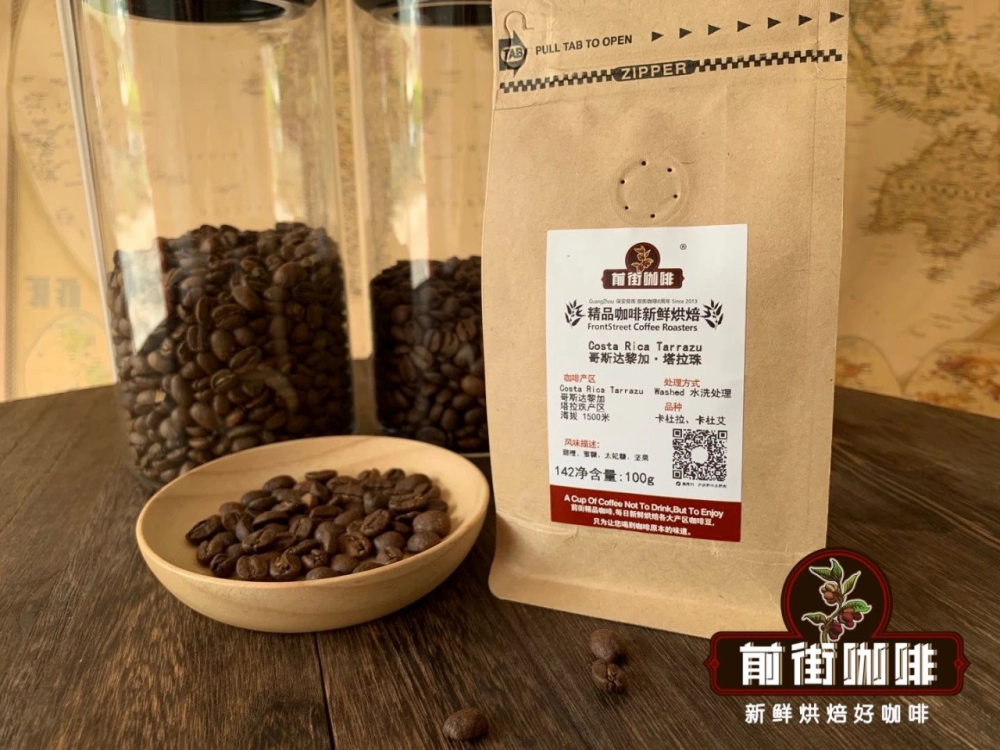
For those who need ground coffee, FrontStreet Coffee offers a gentle reminder: once beans are ground in advance, no further resting is needed, because the pressure from carbon dioxide buildup in the packaging during transport also helps round out the flavor. You can therefore brew a cup immediately upon receiving ground coffee. Ground coffee must be brewed promptly, however, since powder oxidizes quickly when exposed to air — the flavor fades faster and the coffee tastes less good. FrontStreet Coffee therefore recommends buying whole beans and grinding fresh for each brew to enjoy the coffee's flavor at its best.
For professional coffee knowledge exchange and more coffee bean information, follow Coffee Workshop (WeChat: cafe_style).
For more specialty coffee beans, add FrontStreet Coffee's private WeChat: qjcoffeex
FrontStreet Coffee Recommendation
If Costa Rican coffee is your goal, FrontStreet Coffee's Mirazu is a fine place to start. Grown in Tarrazú, the country's most celebrated region, it is a Geisha blend — 50% Geisha with ET47, SL28, and Maico — and it shows rich rose florals, strawberry, raisin, and almond in the cup.
For the Musician Series, both come from Canet Estate in the highest part of Tarrazú. The estate grows mostly Caturra and Catuai and names its lots after composers. Bach is fermented more deeply, so it brings berries, strawberry, citrus, cream, cocoa, caramel, and tropical fruit with a fermented-wine lift; Mozart is fermented a touch less and leads with berries and a fermented aroma, plus raisin and sweet orange on entry and evolving fermented-wine and osmanthus notes as it cools.
All three are beans with bright, layered aromatics, and a V60 is the ideal way to show them off. Its conical, 60-degree design forces the water toward the center before it drips through, lengthening contact between water and grounds so aroma and flavor extract fully, while its single large hole lets the brewer's pour control the flow — and the fast extraction flatters precisely the floral, fruit-acid, and clean-sweet notes these coffees carry. FrontStreet Coffee recommends 15 g of coffee, water at 91°C, a 1:15 ratio, and a medium-fine grind (80% passing a #20 sieve), poured in three stages: 30 g for a 30-second bloom, then water to 125 g, then to 225 g.
Important Notice :
FrontStreet Coffee is a long-established specialty coffee roaster in Guangzhou China, selling freshly roasted beans from its own farm in Yunnan as well as dozens of carefully selected single-origin beans from around the world for both pour-over and espresso. The products deliver consistently excellent quality and great value, with shipping within 24 hours. Guangzhou's FrontStreet Coffee shop is recommended by many coffee lovers, and the beans are now available online at the Tmall 。
FrontStreet Coffee has moved to a new address:
FrontStreet Coffee Address: 315,Donghua East Road,GuangZhou
Tel:020 38364473
 Scan and follow the En Gafei WeChat official account. Please indicate that the reprint comes from "En Gafei".