How Long Do Coffee Bean Flavors Last: Best Shelf Life and Freshness Assessment Methods for Specialty Coffee Beans
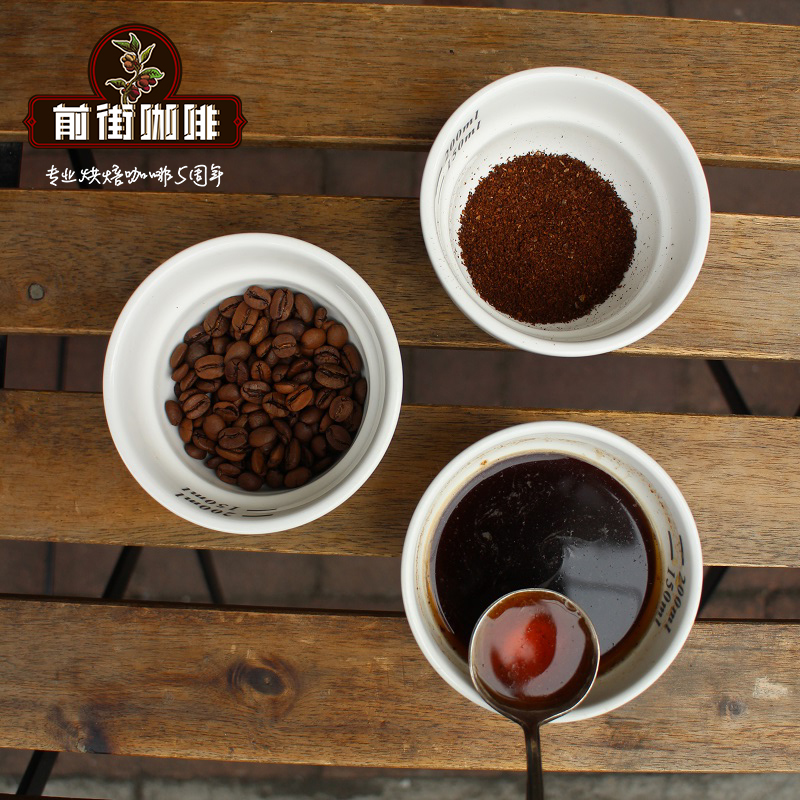
FrontStreet Coffee often hears from customers asking about shelf life, flavor period, and the best time to use coffee beans after buying them - a perfectly normal question, since everyone has their own reasons for not knowing these details. Freshly roasted beans are at peak freshness, yet brewing them right away cannot show their true flavor and texture. They need a few days of rest for carbon dioxide to escape before the flavor period climbs toward its peak - that is when to enjoy them. Without further ado, here is FrontStreet Coffee's guide to the flavor life of coffee beans.
The Bean Resting Period
Freshly roasted beans, once fully cooled, should go straight into bags fitted with one-way degassing valves. Freshness is highest at this point, but the texture is not yet stable - carbon dioxide is escaping in large quantities, so the beans need time to settle. This is what we call "bean resting," and 1-2 days is the minimum. After that, the beans are ready for drip brewing; for espresso extraction or cupping, extend the rest to 5-7 days. Moderation is key, though - resting too long brings nothing but drawbacks.
The Freshest Period
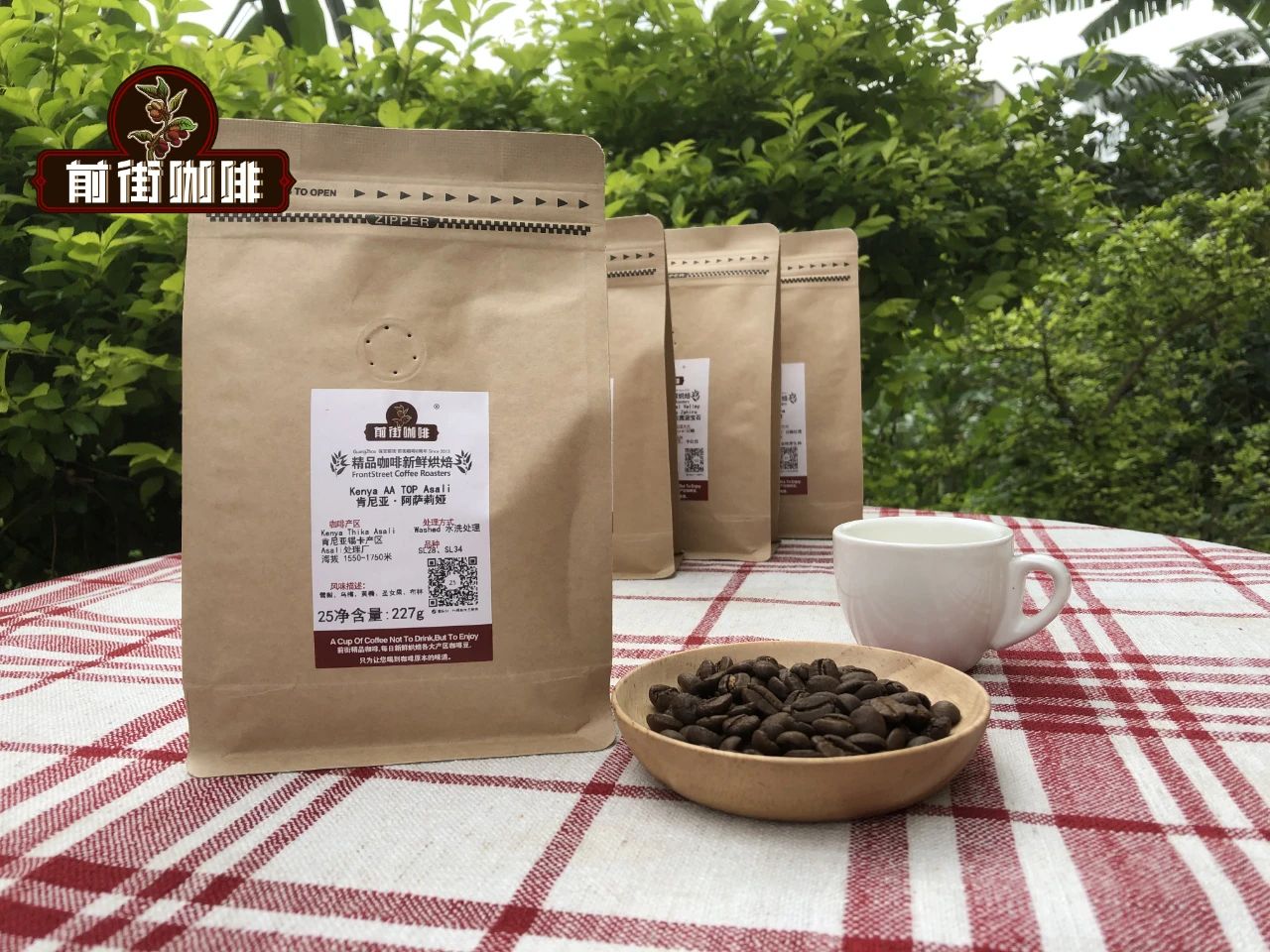
From the end of the resting period, once the bag is opened and the beans start being ground and brewed, they are undoubtedly at their flavor peak. Stored properly, this stage lasts about two weeks - the "freshest period."
The Relatively Fresh Period
After those two weeks, the beans begin a gradual decline from their peak. With proper storage, quality and flavor fall off slowly at first and freshness stays high - the "relatively fresh period," lasting about one month. Using up your beans before this period ends is the goal every coffee enthusiast and cafe owner should aim for.
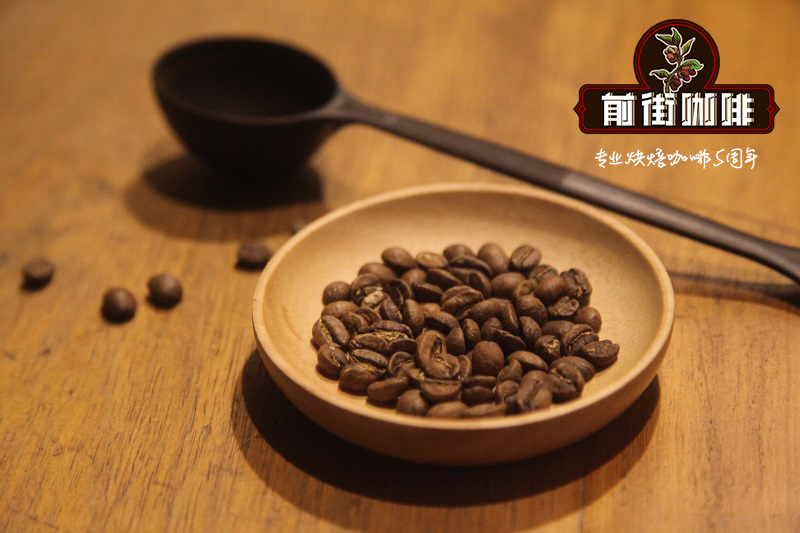
The Disposal Period
After roughly four weeks of relative freshness, the beans' quality and flavor are clearly diminished - calling them "fresh" would be a stretch, and they no longer meet professional standards. They still make fine morning coffee at home, everyday black coffee in a small shop, or the base for milk drinks with creamer, chocolate sauce, and the like, so there is no need to write them off. This stage lasts about one month, during which the beans should be opened and used up as soon as possible - the "disposal period."
All told, from freshest period to disposal period is ten weeks - neither long nor short, and worth using well. Past the disposal period, even sealed bags have lost most of their flavor and all of their freshness; there is little point in tasting them.
How to Judge Bean Freshness
1. The bloom during brewing
At any roast level, fresher beans bloom more vigorously. And the darker the roast, the more dramatic the bloom: the bean's fiber structure is looser and its density lower, so the grounds release more gas when they hit water, swelling into a shape that resembles a "hamburger."
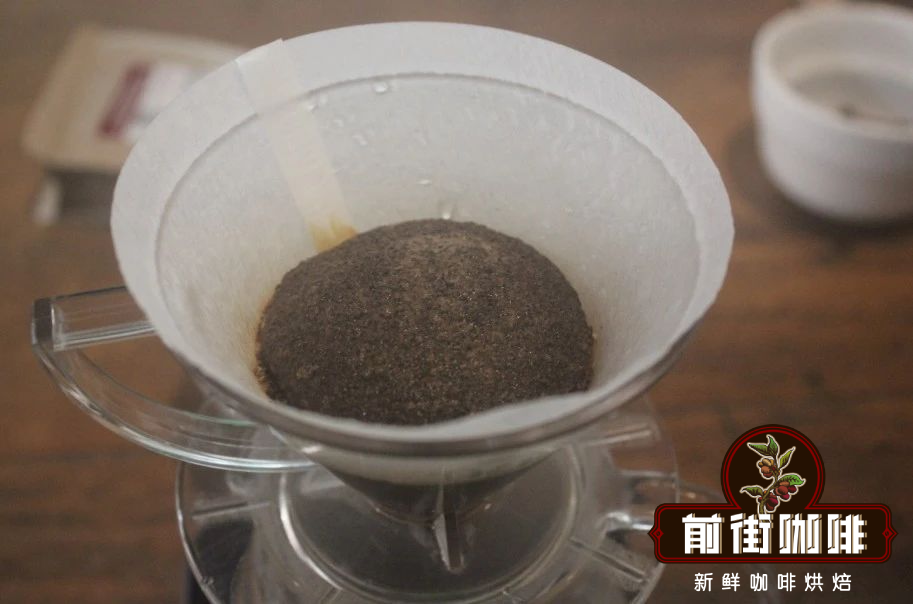
Bloom shape of dark roast beans
Light roasts do not swell as dramatically, simply because their roast is shallower: they release less gas, their respiration is weaker, and so the expansion is more modest.
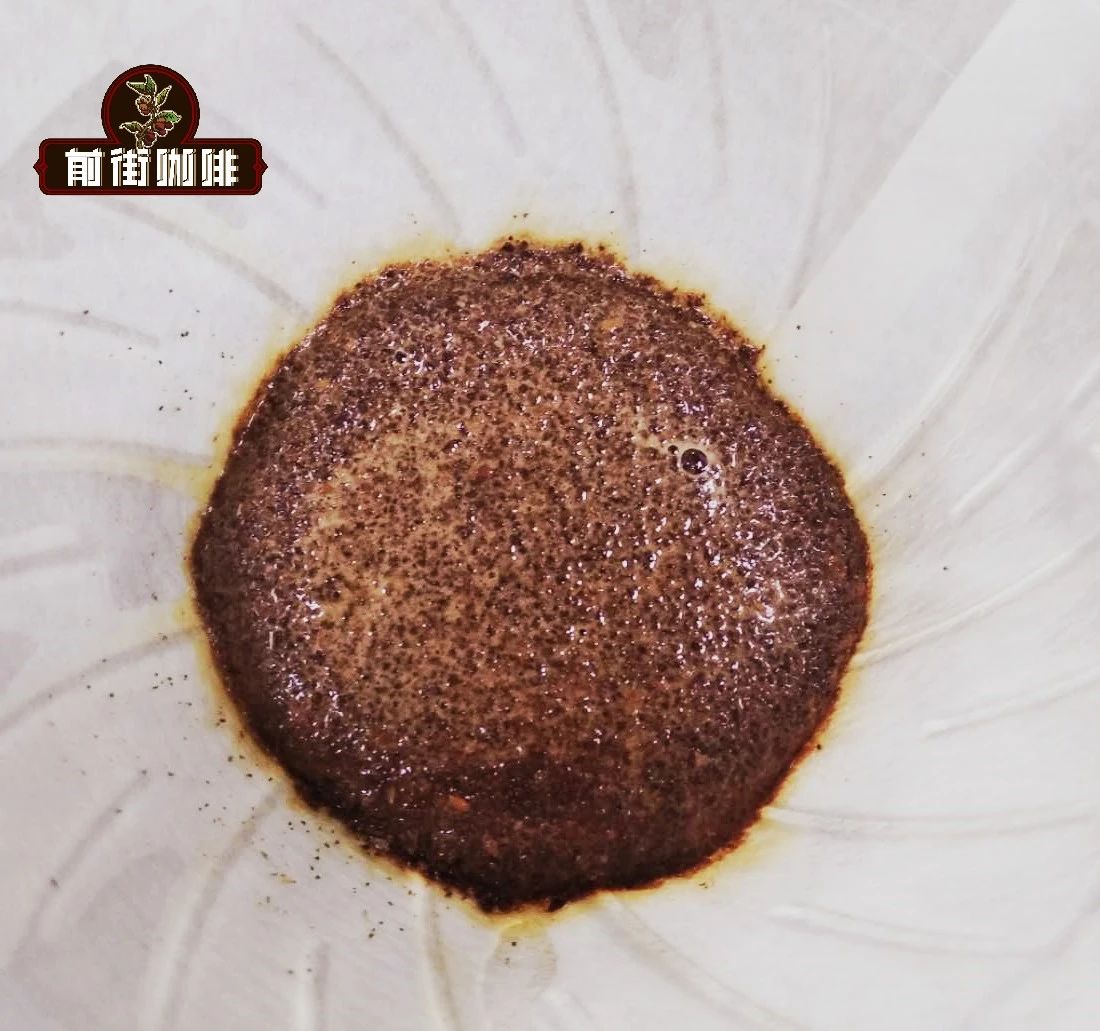
Bloom shape of light roast beans
2. The roast date on the bag
The roast date is printed when the beans leave the roaster, and it - not the expiration date - is what to check when judging freshness. If a bag shows a roast date of, say, November 21, 2019, and carries no other dating, the beans may have sat in storage for some time.
As a rule, properly stored coffee drunk past its expiration date poses no health risk; coffee past its flavor peak is still perfectly drinkable - it simply no longer tastes as good.
FrontStreet Coffee Recommendation
Freshness windows matter most for the coffees you drink daily, and for espresso-based routines FrontStreet Coffee's Classic Blend is built exactly for that rhythm: a traditional Brazilian-plus-Mandheling formula with a touch of Robusta, made for espresso machines and moka pots. It throws exceptionally thick golden crema - easy even for beginners on basic home machines - with a mellow body of butter, nut, spice, dark chocolate, and toast, ideal for lattes, cappuccinos, and Dirty drinks. Following the resting guidance above, it performs best after a few days of rest and through its two-week freshest period.
Shops and value-minded home brewers can reach for the 100% Arabica Black Cocoa Blend - ample crema, full body, gentle on the budget - or FrontStreet Coffee's Premium Blend of Brazil Cerrado and Colombia Huila, FrontStreet Coffee's store workhorse for nearly a decade, offering classic nut, chocolate, and caramel notes. For single-origin espresso, the medium-roasted Natural Huakui SOE (Guji Hambela, up to 2300 meters) shows cream, strawberry, cocoa, and black-tea tones - best enjoyed, like all beans, well inside its freshest period.
Important Notice :
FrontStreet Coffee is a long-established specialty coffee roaster in Guangzhou China, selling freshly roasted beans from its own farm in Yunnan as well as dozens of carefully selected single-origin beans from around the world for both pour-over and espresso. The products deliver consistently excellent quality and great value, with shipping within 24 hours. Guangzhou's FrontStreet Coffee shop is recommended by many coffee lovers, and the beans are now available online at the Tmall 。
FrontStreet Coffee has moved to a new address:
FrontStreet Coffee Address: 315,Donghua East Road,GuangZhou
Tel:020 38364473
 Scan and follow the En Gafei WeChat official account. Please indicate that the reprint comes from "En Gafei".