COE Honduras Sweet Orange Estate Coffee Beans Cinnamon Roast Brewing Suggestions
Professional coffee knowledge exchange and more coffee bean information. Please follow Coffee Workshop (WeChat official account: cafe_style).
Today FrontStreet Coffee introduces a coffee from a Central American country. Central American coffees share a common trait—rich floral and fruity aromas with a juice-like mouthfeel—but the country featured here also delivers balanced, layered flavor. It comes from the Sweet Orange Estate in Honduras.
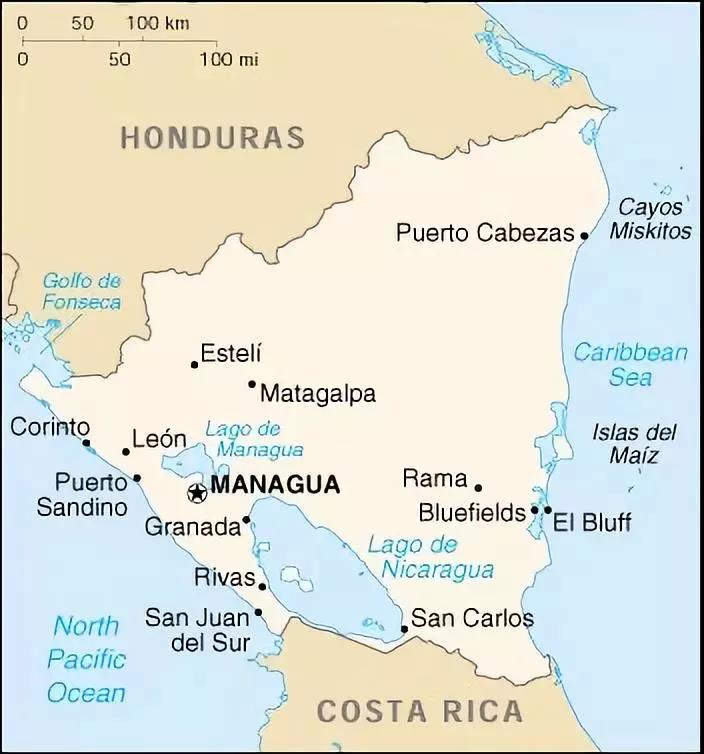
Honduras: Ideal Coffee Growing Conditions
Honduras produces such high-quality beans thanks largely to its geography. FrontStreet Coffee understands that the country's many mountains and plateaus, under a tropical climate, provide ideal growing conditions: microclimates, high altitudes, fertile soil, and abundant rainfall—the very advantages of lying within the coffee golden belt between the Tropics of Cancer and Capricorn.
This terrain suits varieties like Catuai and Caturra particularly well. Honduras generally grows Bourbon, Typica, Caturra, Catuai, and Pacas. Pacas may be less familiar: it was discovered in El Salvador and later transplanted to Honduras, and is ultimately a variant of Bourbon.
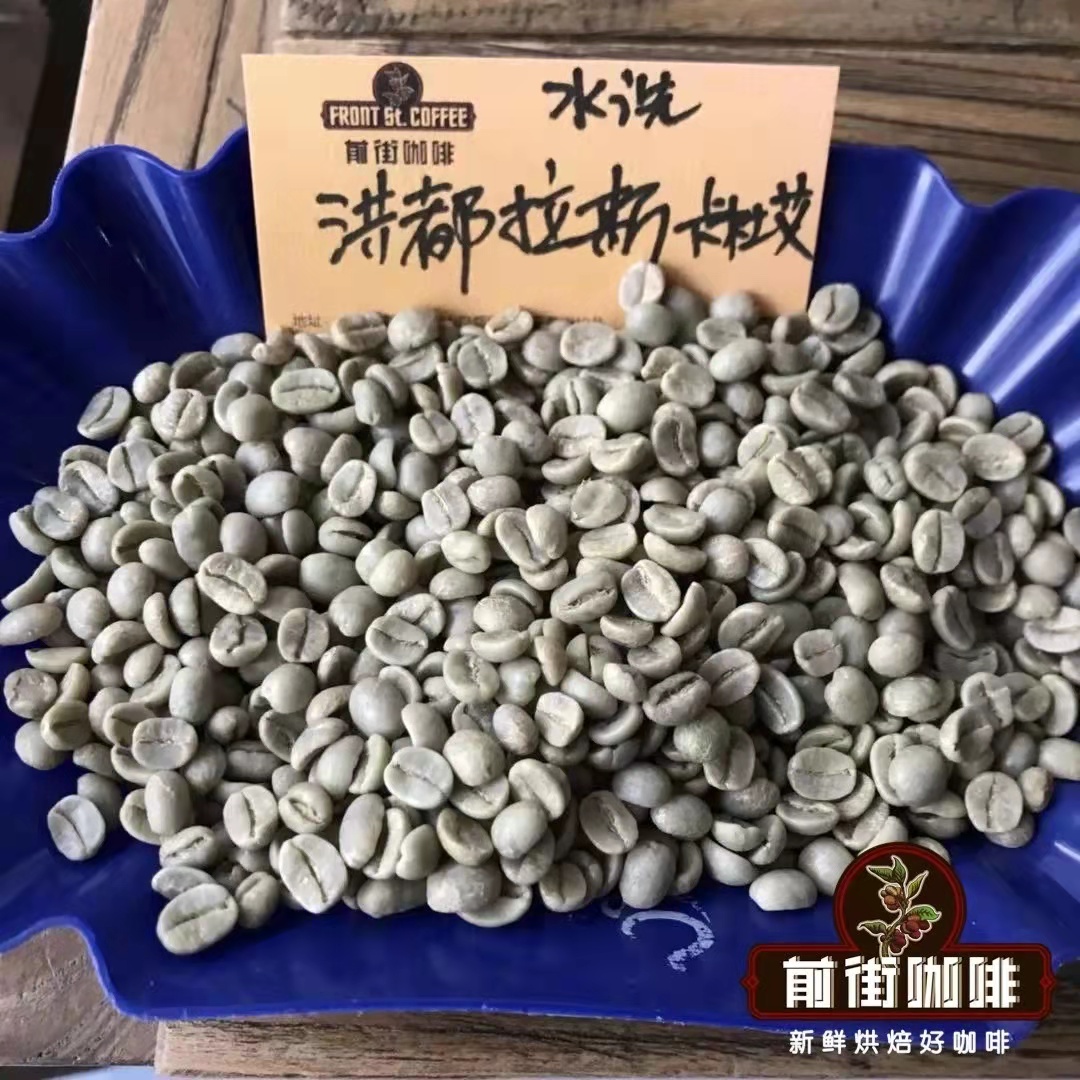
The Washed Processing Method
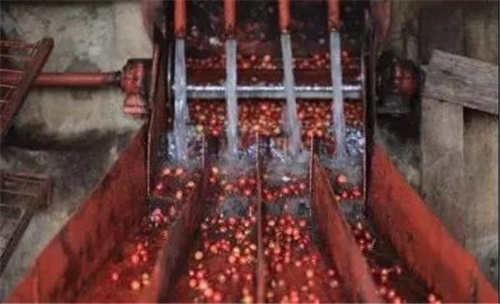
The Honduran beans FrontStreet Coffee introduces today are Catuai, processed with the washed method common across Central America. First, the cherries are poured into water tanks and floated to remove debris and underdeveloped beans. Then the pulp and skin are removed, and the parchment beans, still coated in mucilage, go into fermentation tanks for 18-36 hours. After fermentation removes the mucilage, the beans are washed again—fermentation bacteria and impurities remain on them—then dried until moisture reaches about 12%.
Roasting Characteristics
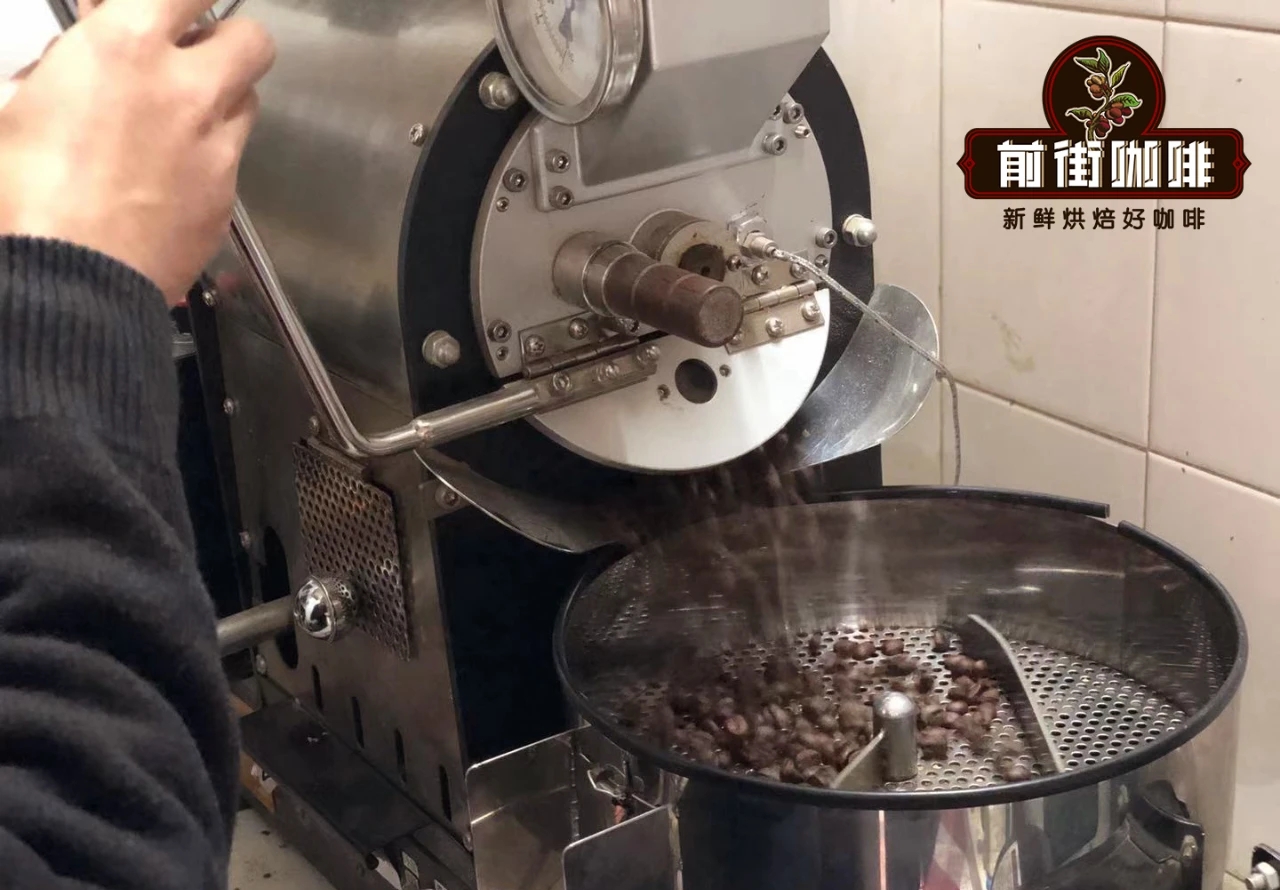
FrontStreet Coffee has roasted washed beans many times and noticed a pattern: lightly roasted, washed beans show very pronounced aroma with a bright mouthfeel and excellent sweetness. With Honduran beans specifically, we found that as the roast level shifts, so do the flavors and layers. At medium roast the beans develop a pleasant sweetness; at dark roast, like most beans, bitterness increases—yet the sweetness of Honduran coffee does not disappear. Our conclusion from roasting these beans: medium roast delivers the best mouthfeel with a rich, distinctive aroma.
Sweet Orange Estate Quality Control
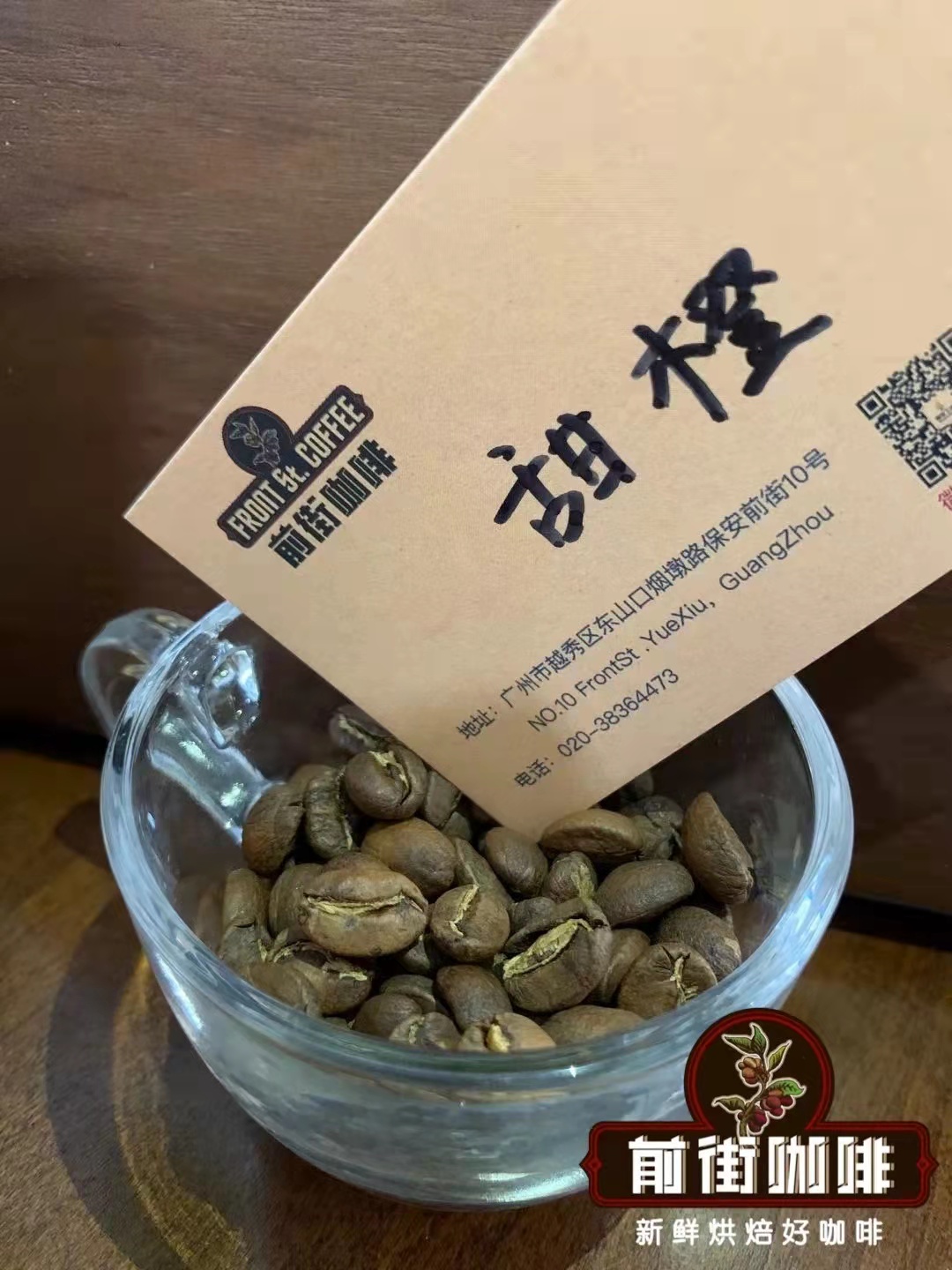
When the green beans from Honduras' Sweet Orange Estate arrived, FrontStreet Coffee observed that they were full-bodied, uniform in size, and beautiful in appearance. Still, to guarantee quality, our barista hand-sorts the beans a second time before roasting to remove defects. To preserve the sweetness and the fresh orange-like aroma of Sweet Orange Estate coffee, FrontStreet Coffee uses a light roast to express the regional character of Honduran coffee.
Cupping and Brewing Analysis
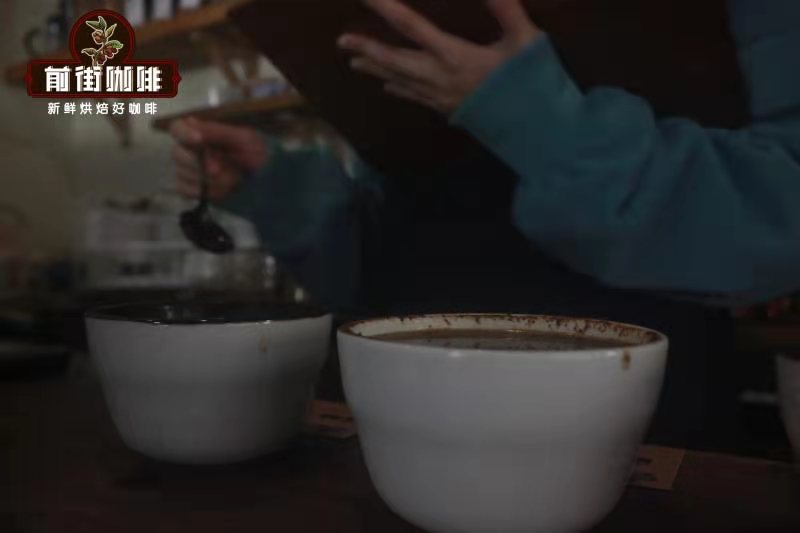
Right after roasting, our barista cupped the beans. The dry aroma showed spices and roasted peanut chocolate; with 94°C water added, the wet aroma in the first four minutes was herbaceous and fresh. Cupping done, FrontStreet Coffee moved on to brewing, testing different methods to see how the Sweet Orange Estate beans perform—stay tuned!
Optimal Brewing Parameters
To best express the fresh citrus-peel aroma, lemon acidity, and the smoothness of nuts and cocoa, FrontStreet Coffee uses 90-91°C water. This temperature lets the coffee release its acidity and nut-cocoa flavors properly: too hot extracts undesirable flavors, while too cool pulls only acidity and leaves other flavors behind. Parameters: water temperature 90°C, dose 15g, coffee-to-water ratio 1:15, grind at an 80% pass rate through the standard #20 sieve (fine-sugar size). FrontStreet Coffee uses its usual three-stage pour: bloom with 30g of water for 30 seconds, then pour in small circles to 125g and pause; pour again to 225g once the level drops to just above the coffee bed; remove the dripper when the bed is about to be exposed again (timing starts from the bloom). Total extraction time: 2'00".
Three Brewing Methods Compared
The first method uses the Hario V60 dripper. The V60's structure has three defining traits: the 60° conical shape, clockwise spiral ribs, and a single drainage hole. The ribs hold the filter paper off the dripper walls, and together with the single hole they let water flow down quickly.

The second method uses the wave dripper, also called the flat-bottom dripper. Its flat bottom evens out water flow and improves extraction rate, while the three small holes at the base slow the flow, letting the grounds saturate fully for more balanced extraction. The folded filter paper does not cling to the walls, maximizing the extraction area: hot water drips down evenly and smoothly on one hand, and heat loss is reduced on the other.
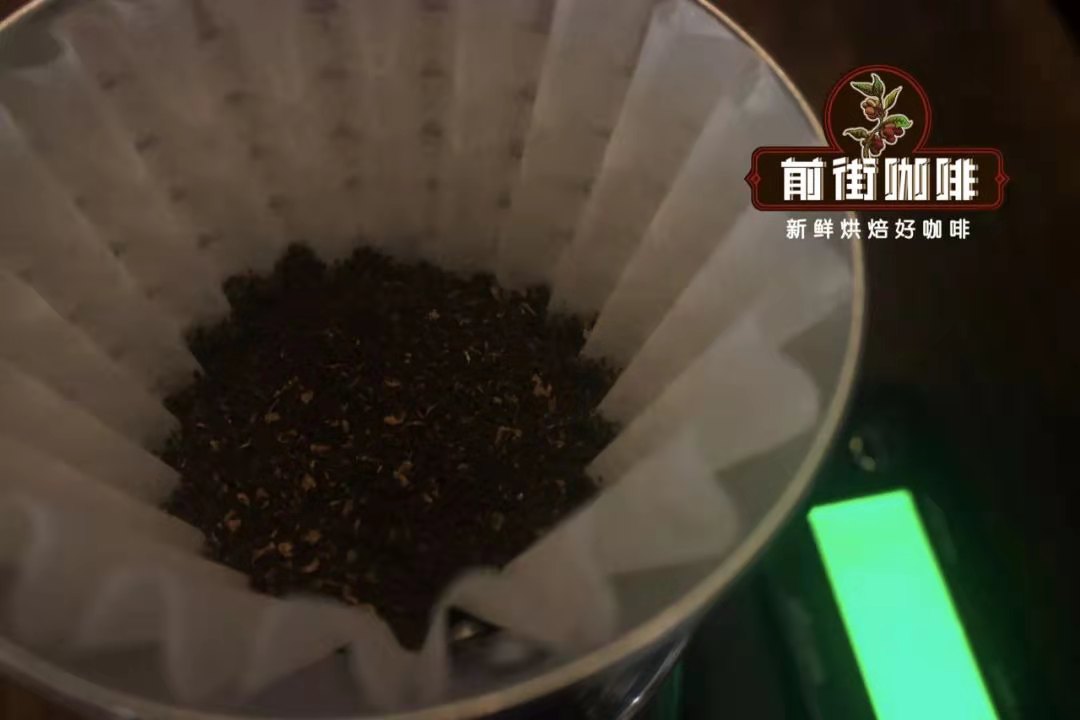
The third method uses the Kalita dripper. Seen from the side, it is wider at the top and narrower at the bottom, which concentrates the water flow, while the wide circular top spreads the grounds out evenly and reduces piling. The Kalita's straight-line ribs are evenly spaced to promote degassing and flow speed, yet the flow is relatively slow—it extracts primarily by immersion.
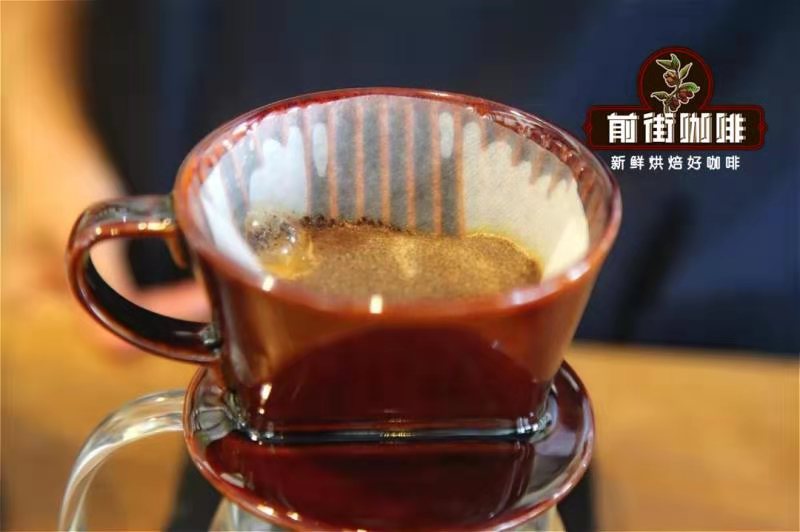
Brewing Results and Conclusion
FrontStreet Coffee's conclusions:
First method (V60) flavors: grapefruit peel, citrus acidity, nutty finish, a slight smoky note.
Second method (wave dripper) flavors: orange peel, grapefruit acidity with a tea-like feel, nutty finish, smoky note.
Third method (Kalita) flavors: grapefruit peel, grapefruit acidity, nutty and cocoa finish, smoky note.
So when brewing this coffee, feel free to use whichever method and technique you prefer. FrontStreet Coffee stocks this bean chiefly because its flavor is so representative of its origin: Honduran coffee can show exotic spice elements with a nutty-chocolate richness in the finish—balanced and layered throughout. Sweet Orange Estate especially expresses dark chocolate, roasted nuts, and subtle spice in the aroma; on the palate it opens with citrus peel and a lemon-tea acidity, moving through nuts and cream-like smoothness in the middle—rich and layered.
For more specialty coffee beans, please add FrontStreet Coffee on private WeChat, WeChat ID: kaixinguoguo0925
FrontStreet Coffee Recommendation: More Washed Beauties to Try
Washed processing is what gives beans like these their bright acidity and clean clarity, and FrontStreet Coffee carries several washed standouts worth exploring. The Ethiopia Yirgacheffe Guodingding Cooperative lot—processed by a skilled team from Guodingding village whose coffee is prized for refinement—shows jasmine florals and lively citrus acidity, with green-tea and honey tones after a medium-light roast; it suits pour-over, cold brew, and espresso alike. The Kenya Cherry Tomato showcases Kenya's signature double-wash fermentation, yielding a juicy cup of cherry tomato, dark plum, snow pear, black plum, and yellow sugar. And the Jamaica Blue Mountain No. 1—washed out of necessity on a sun-short island—delivers pure hazelnut, cream, chocolate, and caramel in a perfectly even balance where nothing dominates. All three, like Sweet Orange Estate, reward a gentle pour-over and a careful grind.
Important Notice :
FrontStreet Coffee is a long-established specialty coffee roaster in Guangzhou China, selling freshly roasted beans from its own farm in Yunnan as well as dozens of carefully selected single-origin beans from around the world for both pour-over and espresso. The products deliver consistently excellent quality and great value, with shipping within 24 hours. Guangzhou's FrontStreet Coffee shop is recommended by many coffee lovers, and the beans are now available online at the Tmall 。
FrontStreet Coffee has moved to a new address:
FrontStreet Coffee Address: 315,Donghua East Road,GuangZhou
Tel:020 38364473
 Scan and follow the En Gafei WeChat official account. Please indicate that the reprint comes from "En Gafei".