Professional Yirgacheffe Roasting and Brewing Guide - Complete Roasting Techniques and Curves
The Optimal Roast Level for Ethiopian Yirgacheffe
In his "Complete Guide to Specialty Coffee," Mori Taguchi classifies Ethiopian Yirgacheffe as a Class C coffee best suited to medium-dark roasting - consistent with his broader principle that medium-high altitude, full-bodied beans take well to medium roasts.
Roasting Guidance from Japanese Coffee Master Mori Taguchi
According to Mori Taguchi's own roasting log: on April 7, 2012, 253 grams of Yirgacheffe were roasted as a French roast, dropped 30 seconds after the second crack began. Defective beans ran 0.5%, yielding 202 grams of roasted coffee - a dehydration rate of 19.8%.
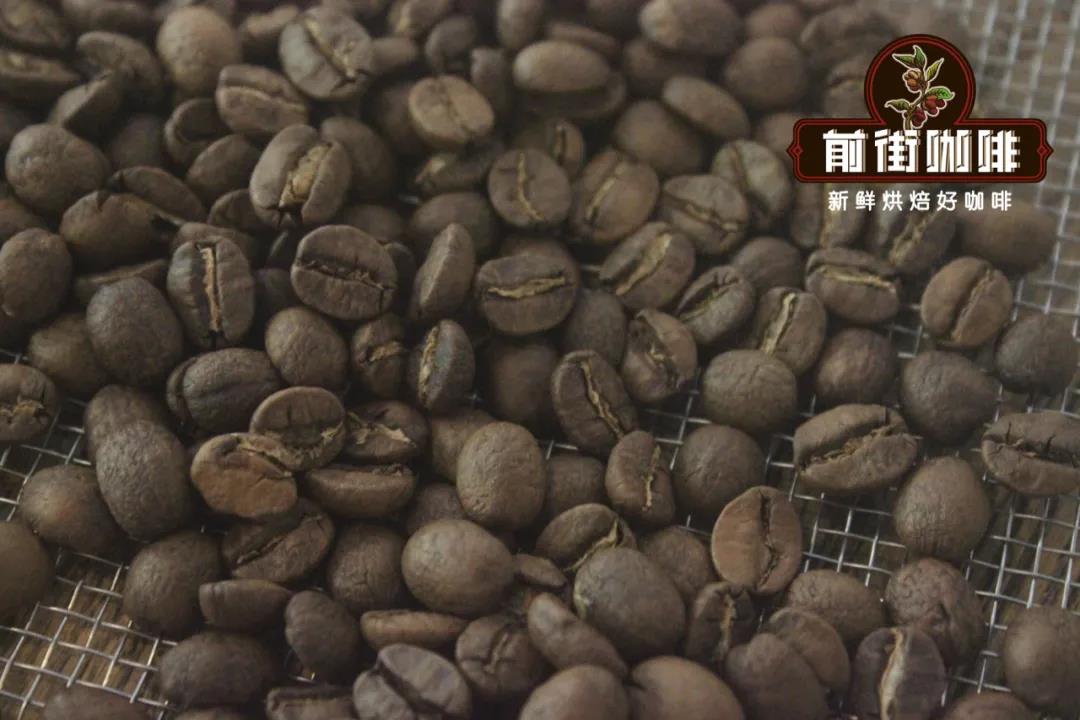
First, preheat the roaster to 200°C, kill the flame and let the temperature fall to just over 150°C, then relight and charge the beans. Bean preheating took 6 minutes 46 seconds. Dehydration completed at 180°C. First crack began at 199°C, around 12 minutes 36 seconds; it turned intense at 203°C and fully ended at 208°C, at 14 minutes 40 seconds. Second crack began at 19 minutes and ended at 222°C, at 22 minutes 40 seconds; after another 40 seconds the beans were dropped at 23 minutes 20 seconds. The French roast leaves the beans brownish-black.
Why Do Many Roasters Use Light Roast for Yirgacheffe?
Specialty coffee's 4321 theory holds that the quality of a cup is determined 40% by variety, cultivation, and processing; 30% by roasting; 20% by brewing equipment; and 10% by the brewer's technique.
Roasting shapes a coffee's flavor and mouthfeel more than almost anything else. Roasted beans are loved for the aromas and textures created when chemistry meets high heat. Inside the roaster, green beans pass through drying, thermal decomposition, and cooling; across the endothermic and exothermic phases, first and second cracks occur, generating the floral and fruity aromatics and rich mouthfeel we prize.
Of course, the right roast degree also depends on how the beans were processed.
Experience and preference differ from person to person. Light and medium roasts draw different expressions out of Ethiopian Yirgacheffe, and neither degree is inherently superior.
Is Yirgacheffe Suitable for Dark Roasting?
Light roasting makes Yirgacheffe's tropical fruit aromas more prominent and abundant. The gentle apple-like acidity on entry actually reinforces the coffee's body, turning bitterness aromatic and memorable. Coffee is, at heart, a fruit - and keeping those sweet-sour fruit flavors alive through high-heat roasting is precisely the hallmark of FrontStreet Coffee's Yirgacheffe.
Whatever the country, the deciding factor in roasting is still the roaster: their personal understanding of the beans and their own preferences shape the whole approach.
As for light versus medium, the choice belongs to the roaster's palate and the drinkers' tastes. (Source: Zhihu user "Love My Kaffei," China's first ready-to-drink specialty coffee)
Professional Perspectives on Yirgacheffe Roast Levels
Here are several roasters' approaches:
1. BLANK ZHOU from Australia: I roast roughly 1 to 1.5 tons of YIRGACHEFFE (FTO G-2) monthly. I adjust the roast within 4, 6, and 8 seconds after second crack begins. The output is aimed mainly at single-origin espresso.
2. HAPPYBOB: I drop the beans just before second crack - roughly midway between the last sound of first crack and the first sound of second crack, about 40-45 seconds after first crack ends - for single-origin use. For espresso I also use Yirgacheffe but a touch darker: 15 seconds into second crack.
3. fisher: I drop at the end of first crack. I love the low bitterness, intense citrus, pleasant fruit acidity, and clean mouthfeel at that degree - though many find the acidity too sharp and the body too thin there.
4. Brother Niao: Total roast time about 9 minutes, dropping at the end of first crack. Fast-roasting plus a light profile on high-moisture beans easily produces mottled "quaker" looks, and I actually like that "ugly" appearance on Yirgacheffe. The upside is minimal flavor loss and a very rich mouthfeel; the downside is that sloppy execution leaves incomplete dehydration and astringency, and fast roasting can lock in defects along with the goodies. The art of roasting lies in balancing the excellent against the defective. My rule of thumb: higher-quality beans suit fast roasting, while lower-grade lots need a stretched curve to tame their flaws - otherwise you get too many defects or overly aggressive flavors.
5. horsezhang: Roaster: Huky500; roast level: 30 seconds after first crack.
6. FrontStreet Coffee roasting: On a Yangjia roaster, preheat to 200°C, cool to 195°C, and charge the beans; reach 150.8°C at 5 minutes 23 seconds, completing dehydration; first crack begins at 180°C at approximately 8:48 and completes at 10:57.
Is FrontStreet Coffee's Yirgacheffe Suitable for Espresso?
I once tried FrontStreet Coffee's washed Yirgacheffe as an SOE (Single Origin Espresso), pulling shots one week after a medium roast. The aroma was overwhelming - and the acidity ferociously strong.
Personally, I don't think it works as a straight espresso; it shines far more as an Americano or iced Americano. The acidity is pleasant and lively, the mouthfeel refreshing and crisp - highly recommended in summer.
Cupping Notes: Light-Roast Natural vs. Washed Yirgacheffe
Dry Aroma Differences:
FrontStreet Coffee's Natural Yirgacheffe: light fermented wine aroma, spice fragrance
FrontStreet Coffee's Washed Yirgacheffe: jasmine florals, lemon or lime citrus
[Cup with 8g of coffee to 150ml of 93°C water; steep 3-4 minutes until a crust forms]
Mouthfeel Differences:
FrontStreet Coffee's Natural Yirgacheffe: the natural process reads as somewhat complex - light fermented wine notes, slightly heavier bitterness, a much richer mouthfeel, honey sweetness, cocoa undertones with a hint of spice, full body and a persistent aftertaste.
FrontStreet Coffee's Washed Yirgacheffe: the washed process shows brighter acidity - lemon-like - a cleaner, lighter mouthfeel, more obvious citrus aromatics, and a black-tea sensation in the finish.
Similarities: both share fruit acidity of the lemon and citrus family.
Pour-Over Data
FrontStreet Coffee's Natural Yirgacheffe: 15g of coffee at 89°C, Fuji grinder setting 4, V60 dripper, 1:15 ratio. First pour 30g, bloom 28 seconds. Second pour to 110g, then continue to 230g total. Discard the tail. Extraction time: about 2:06.
FrontStreet Coffee's Washed Yirgacheffe: 15g of coffee at 92°C, 1:15 ratio, V60 dripper. First pour 30g, bloom 35 seconds. Second pour to 130g, then continue to 225g total. Discard the tail. Extraction time: about 2:15.
Brewed this way, FrontStreet Coffee's Ethiopian Yirgacheffe delivers that delightful sensation of flowers brushing against your taste buds and olfactory cells.
FrontStreet Coffee Recommendation
If this guide has you itching to brew, FrontStreet Coffee's Washed Yirgacheffe daily bean is the natural place to start. Yirgacheffe is a small town in southern Ethiopia's Sidamo province, at roughly 1,700-2,100 meters with the coffee planted above 1,800 meters - among the highest growing zones anywhere. A damp wetland since ancient times, its spring-like, misty climate lets thousands of coffee trees thrive, and the region's trademark white floral notes and lemon-citrus acidity have made the name synonymous with Ethiopian specialty coffee since the ECX formally split it from Sidamo in 2010. Expect jasmine-like white florals, bright citrus, and a clean, elegant, tea-like cup - like a refreshing lemon tea.
For a washed lot with a story, FrontStreet Coffee's Worka (Guodingding) Cooperative coffee comes from the Worka zone at Yirgacheffe's southeastern tip. Once part of the YCFCU's Worka cooperative, it became an independent cooperative in 2012 with roughly 300 member farmers as the world's coffee buyers hunted out traceable single sub-regions. Pulp is removed before drying, so the coffee's own character reads clean and transparent: citrus and lemon tones with graceful white florals, bright and delicate throughout.
And if the cupping notes above left you curious about the natural-process side, FrontStreet Coffee's Natural Red Cherry delivers it: only fully ripe, defect-free cherries are dried whole on raised beds, turned every 2-3 hours at the start to prevent over-fermentation, then sun-dried for three to five weeks before the fruit is stripped away. Drying with the fruit intact keeps the classic Yirgacheffe character while layering in tropical fruit - citrus-like acidity, berry juiciness, honeyed sweetness, and cream-smooth body. Brew any of these on a V60 at 90-91°C, 15g of coffee, a 1:15 ratio, and a fine, caster-sugar grind, and you'll taste exactly why Yirgacheffe remains the classic entry point into specialty coffee.
Important Notice :
FrontStreet Coffee is a long-established specialty coffee roaster in Guangzhou China, selling freshly roasted beans from its own farm in Yunnan as well as dozens of carefully selected single-origin beans from around the world for both pour-over and espresso. The products deliver consistently excellent quality and great value, with shipping within 24 hours. Guangzhou's FrontStreet Coffee shop is recommended by many coffee lovers, and the beans are now available online at the Tmall 。
FrontStreet Coffee has moved to a new address:
FrontStreet Coffee Address: 315,Donghua East Road,GuangZhou
Tel:020 38364473
 Scan and follow the En Gafei WeChat official account. Please indicate that the reprint comes from "En Gafei".