Coffee from Central and South America: Guatemala's Eight Major Coffee Growing Regions - Bean Varieties, Flavor Profiles, Grading System and Stories
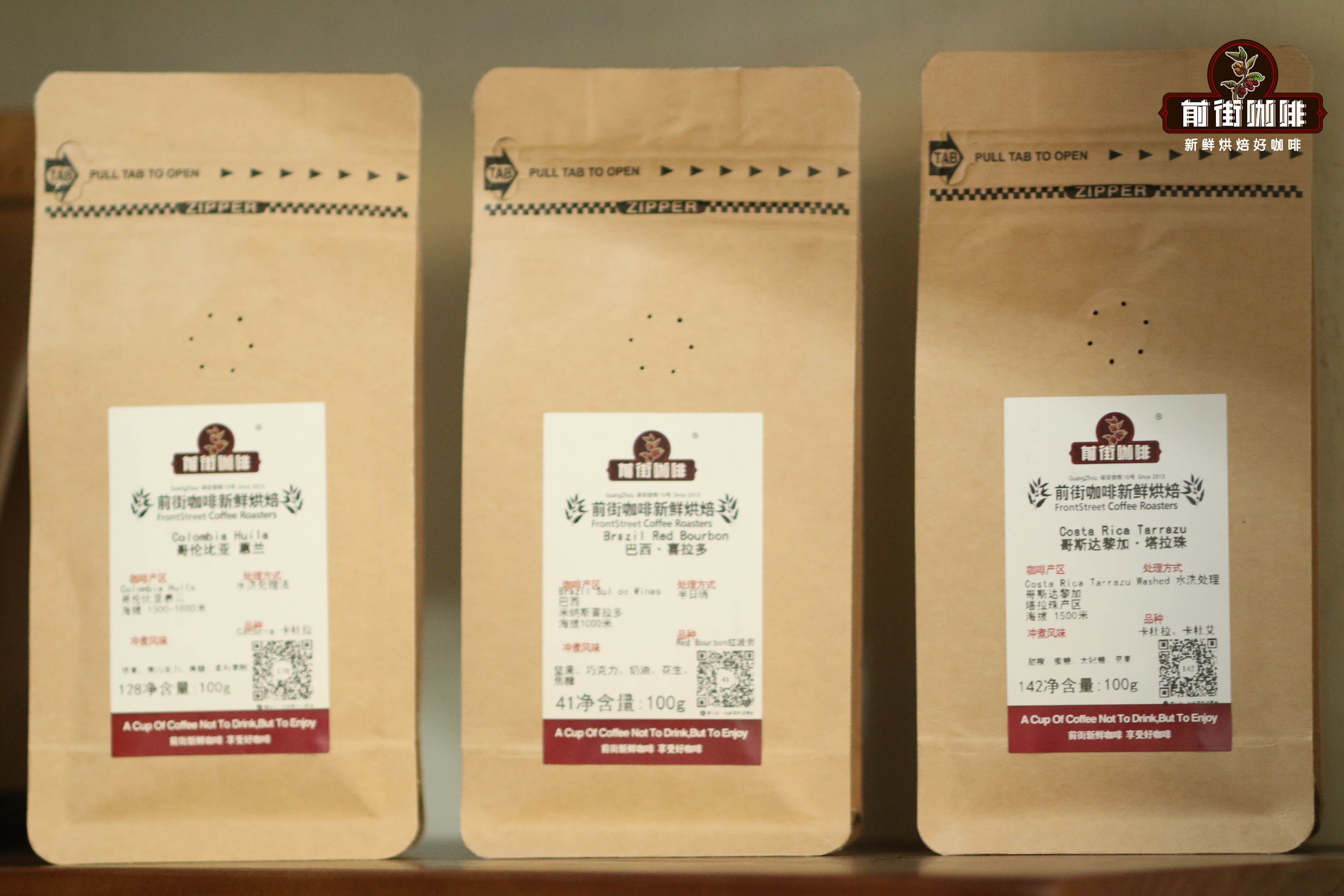 First-time visitors to FrontStreet Coffee are often surprised by how reasonable the prices are. Regulars, though, know the best value in the whole lineup is the daily bean series — beans hand-picked by FrontStreet Coffee to represent the most classic flavors of the world's great growing regions, each with a distinctly assertive character so that beginners can taste legendary coffee without guessing. Naturally, anyone who likes the daily beans asks: where do they come from?
Here is the short version. FrontStreet Coffee's daily beans are concentrated in Africa, Asia, and Central and South America. Beyond the classic washed Yirgacheffe and the Indonesian Mandheling beloved by fans of bold flavors, today we want to spotlight the FrontStreet Coffee Guatemala Huehuetenango. Latin America is one of the world's three great coffee zones, and Guatemalan coffee is one of its calling cards. The FrontStreet Coffee Guatemala daily bean captures this region's most typical profile — rich fruit with a full body and a distinctive smoky finish.

How Does This Special Coffee Flavor Come About?
FrontStreet Coffee likes to get to the bottom of things. A coffee's flavor reflects many factors — human decisions, processing, the environment the trees grow in. Setting aside whatever the barista contributes at the brew bar, let's focus on where Guatemalan coffee actually grows.
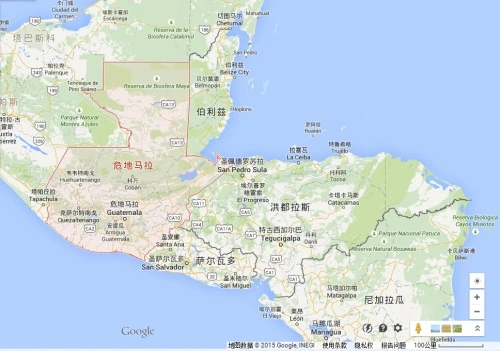
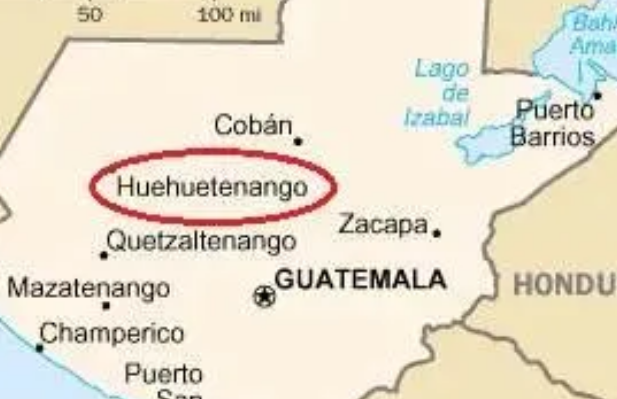
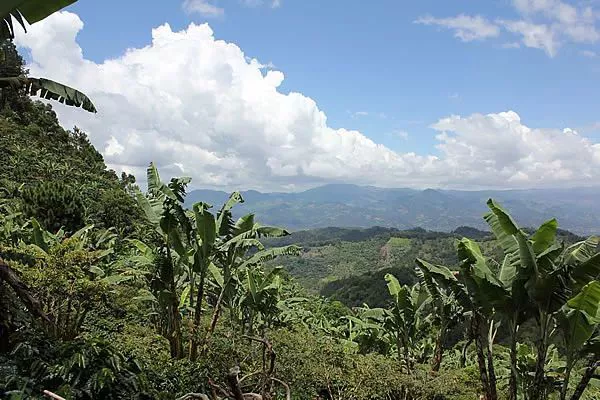
On the map, Guatemala borders Mexico to the north, Honduras and El Salvador to the south, the Caribbean to the east, and the Pacific to the west. It sits in the tropics: the northern and eastern coastal plains are tropical rainforest, while the southern highlands are subtropical, split into a wet season (May-October) and a dry season (November through April). The narrow, fertile Pacific coastal strip is tropical. The central highlands — also Guatemala's cultural heart — enjoy mild year-round temperatures at 1300-1800 meters of altitude, with daily readings between 18-28°C, though January and February can turn quite cold at higher elevations. Annual rainfall runs 2000-3000 mm in the northeast against 500-1000 mm in the south. With a high average altitude, coffee zones sit above 1500 meters between 14-16 degrees north latitude — ideal territory for strictly hard beans. Everything is washed processed, and a remarkable 45% reaches specialty grade, alongside a small amount of Robusta.
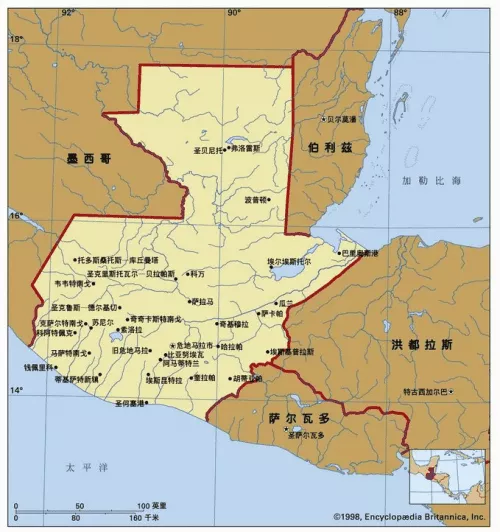
Guatemala's topography is startling: two-thirds of the country is mountains and plateau. The Cuchumatanes range runs through the west, the Madre range the south, and the western and southern volcanic belt holds more than 30 volcanoes — Tajumulco, at 4211 meters, is the highest peak in Central America. Earthquakes are frequent. The north holds the Petén lowlands, the Pacific coast a thin ribbon of plain, and the major cities cluster in southern mountain basins. The northern Petén plains are tropical rainforest, while volcanoes in the central highlands reach 4200 meters.
FrontStreet Coffee considers all of this the recipe for excellent coffee: mountains at your back, ocean at your feet, a tropical climate, and volcanic soil. Anyone who reads our educational pieces knows altitude is decisive for quality, and Guatemala's wide altitude span means a wealth of microclimates.
When FrontStreet Coffee cupped through a lineup of Guatemalan beans, the smoky impression stopped everyone. In beans from other regions, smoke would be flagged as a defect — it tends to catch in the throat. In Guatemala, it reads as strong, rugged, and somehow comfortable. If that sounds mystical, you can find the FrontStreet Coffee Guatemala at our online Taobao store and judge for yourself.
Historical Background
Guatemala knew how to grow and drink coffee as early as 1747. In 1750, Jesuit priests brought coffee trees into the country, and in 1845, with the founding of the Guatemalan Coffee Plantation and Promotion Committee, coffee became a pillar crop. Under aggressive government promotion, by 1880 coffee made up 90% of Guatemala's total exports.

But the road was anything but smooth. To squeeze out more production, those in power targeted indigenous land, forcing people to sell and resettle on poorer ground. The second wave of exploitation came from big business: during the Great Depression of 1930, the ruler Jorge Ubico chased export markets by slashing costs and handed still more power and land to the American United Fruit Company (UFC). His successor, President Arbenz, tried to reclaim some of that land for redistribution to farmers — and in 1954 his government was toppled in a coup initiated by the American CIA. Poverty, unequal land distribution, famine, and discrimination against indigenous people then ignited a civil war (1960-1966), and those wounds still shape Guatemalan coffee today.
Guatemala's Coffee Regions
Guatemala is divided into several coffee-growing regions — the map below gives the general picture. Using two beans currently in FrontStreet Coffee's stores, we'll introduce two of the most famous: Antigua and Huehuetenango.
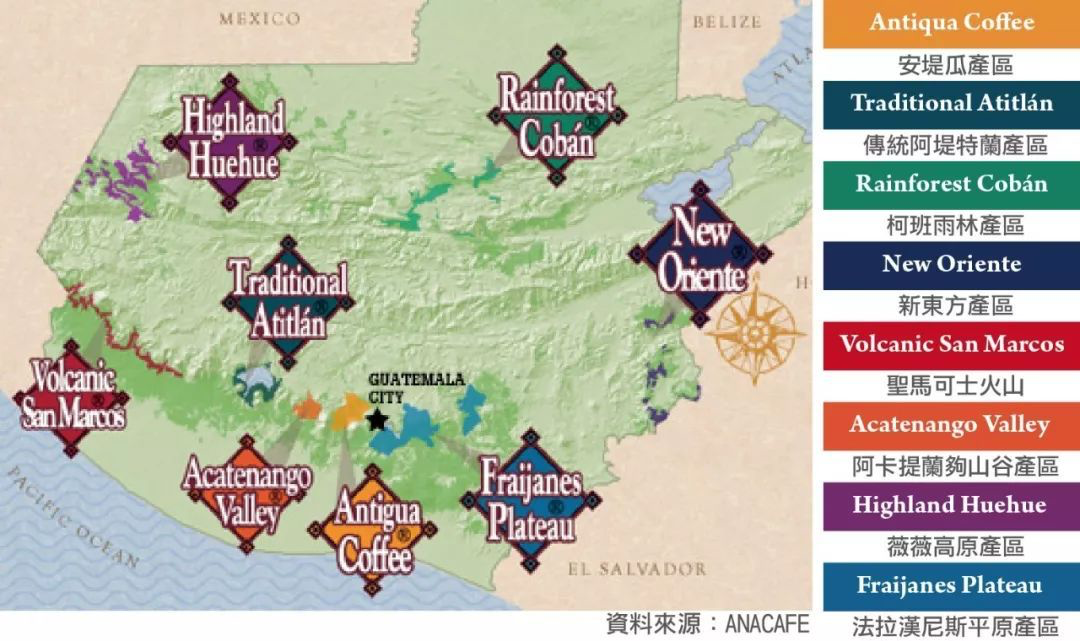
The FrontStreet Coffee daily bean comes from Huehuetenango, in the northwestern highlands, where cultivation reaches 1800-2100 meters — the highest-altitude coffee region in the country, famous for outstanding quality. Guatemala is laced with rivers and lakes, and Huehuetenango is rich in both mountains and water. The climate is dry but water is plentiful, and with well-developed irrigation the region's coffee is mostly washed. Harvest runs January-April.
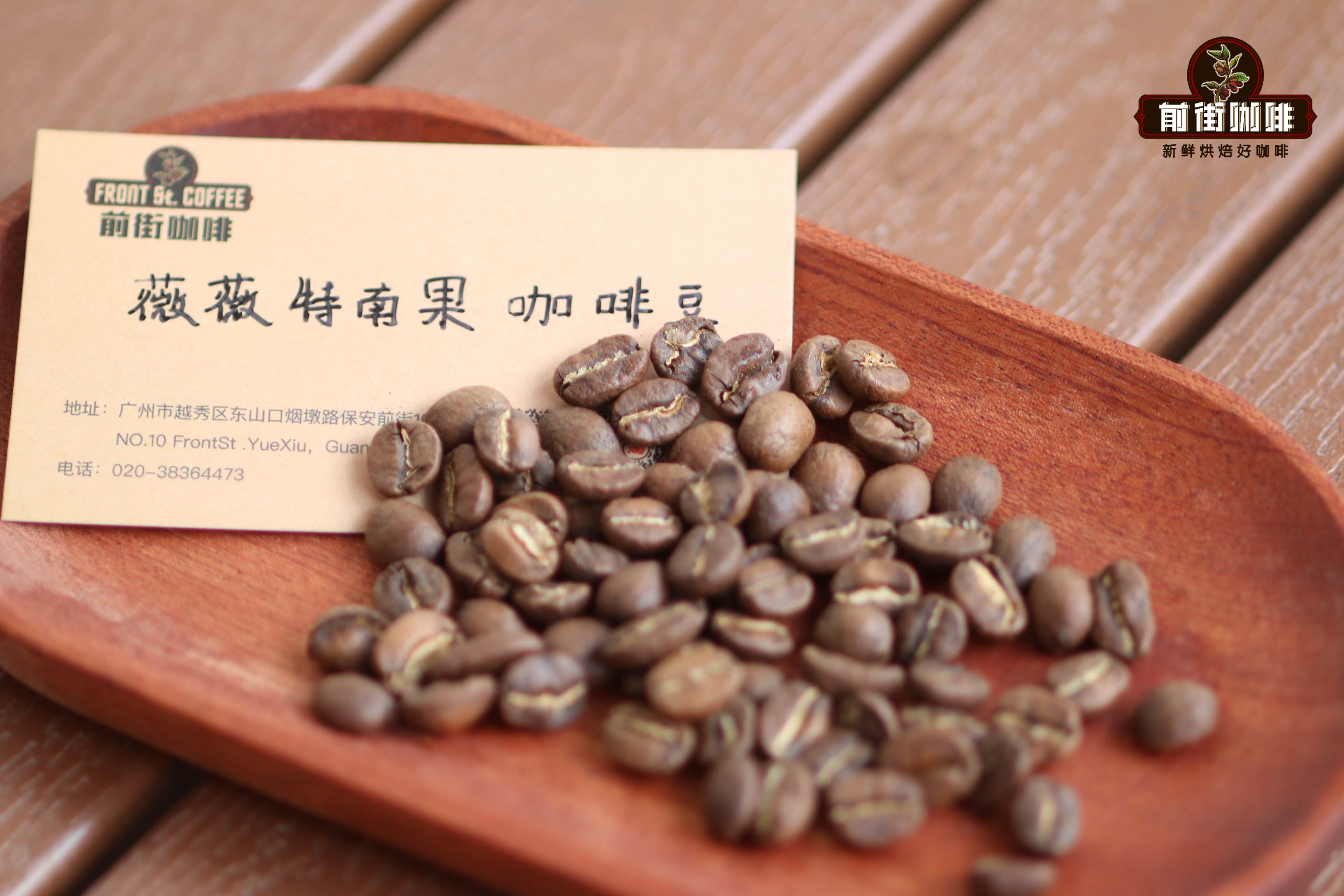
FrontStreet Coffee · Guatemala Huehuetenango Coffee Beans
Country: Guatemala
Region: Huehuetenango
Altitude: 1500-2000 meters
Varieties: Bourbon, Caturra, Catuai
Processing: Washed
Brewing Flavor: Citrus and berry acidity, lemon peel, with nutty aroma in the middle section, and a tea-like aftertaste.
The name itself is a delight: Huehuetenango comes from Nahuatl and means "land of ancestors (or ancient people)." Set in those northwestern highlands at 1800-2100 meters, the region consistently produces excellent beans — and when FrontStreet Coffee cupped lots from here, they showed aromatic, bright fruit and refreshing flavors. The altitude delivers quality, richness, and full, plump beans.

The Antigua region sits amid the Madre plateau in the mountainous spine that crosses Guatemala. Thanks to its natural endowment, Antigua is the most famous of Guatemala's eight major coffee-growing regions: high altitude, unique volcanic soil, and shade cultivation give its beans a regional signature all their own.
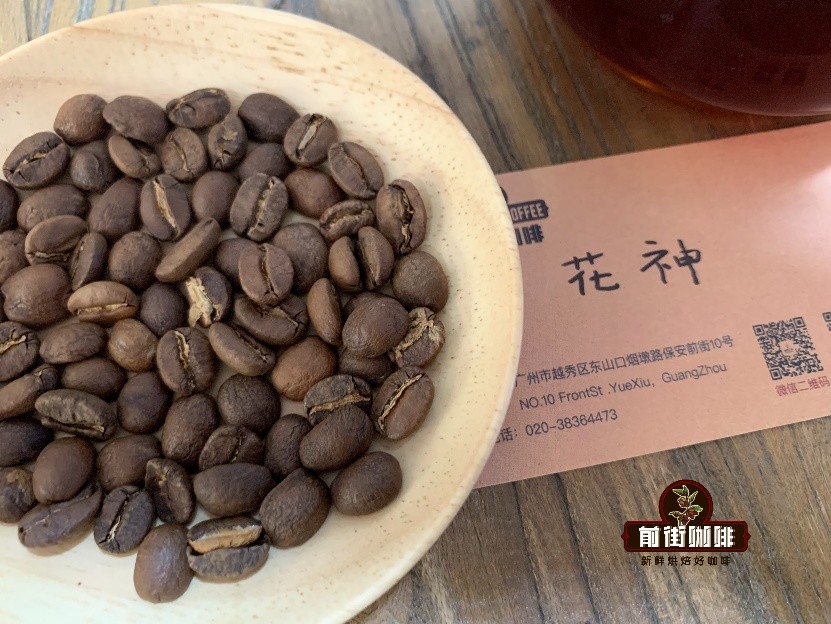
FrontStreet Coffee · Guatemala Antigua Flor de Jade
Origin: Antigua
Trader: La Minita
Altitude: 1200-1600 meters
Varieties: Bourbon, Caturra
Processing Method: Washed
Brewing Flavor: Hot, it shows bright lemon-like acidity; as it cools, a juice-like mouthfeel emerges with faint white florals, then cocoa and subtle smoke add layers, before a caramel-like aftertaste closes the cup perfectly.
Antigua gets little summer rain and can even frost in winter — conditions that should be hostile to coffee. Fortune intervenes in the form of the active volcanic zone: after eruptions, volcanic pumice settles into the soil and cools, and its fine pores make it a superb moisture reservoir. The estates' many shade trees protect the coffee from winter cold, and together with wide day-night temperature swings these factors create Antigua's unique microclimate — and that subtle smoky flavor and rich fruit aroma in the beans.
One note for newcomers to specialty coffee: processing method shapes flavor, sometimes substantially. FrontStreet Coffee takes this seriously — which is why most of our beans, daily beans included, are washed, special-process showpieces excepted. The goal is to let beginners build an honest sensory baseline for the world's classic growing regions.
Coffee Bean Classification
Coffee grading confuses plenty of people, because every producing country writes its own rules. Like its Central American neighbors Costa Rica, El Salvador, Mexico, and Honduras, Guatemala grades by altitude: high-grown coffee generally outperforms low-grown because temperature falls as altitude rises, the coffee grows more slowly, and beneficial compounds accumulate. That is the whole logic behind altitude-based grading.

SHB (Strictly Hard Bean): Grown at altitudes of 1500-1700 meters;
HB (Hard Bean): Grown at altitudes of 1350-1500 meters;
SH (Semi Hard): Grown at altitudes of 1200-1350 meters;
Extra Prime: Grown at altitudes of 1000-1200 meters;
Prime: Grown at altitudes of 850-1000 meters;
Good Washed: Grown at altitudes of 700-850 meters.
At the top of this article we mentioned that FrontStreet Coffee's café production follows fixed standards. Here are the house brewing parameters, for your reference:
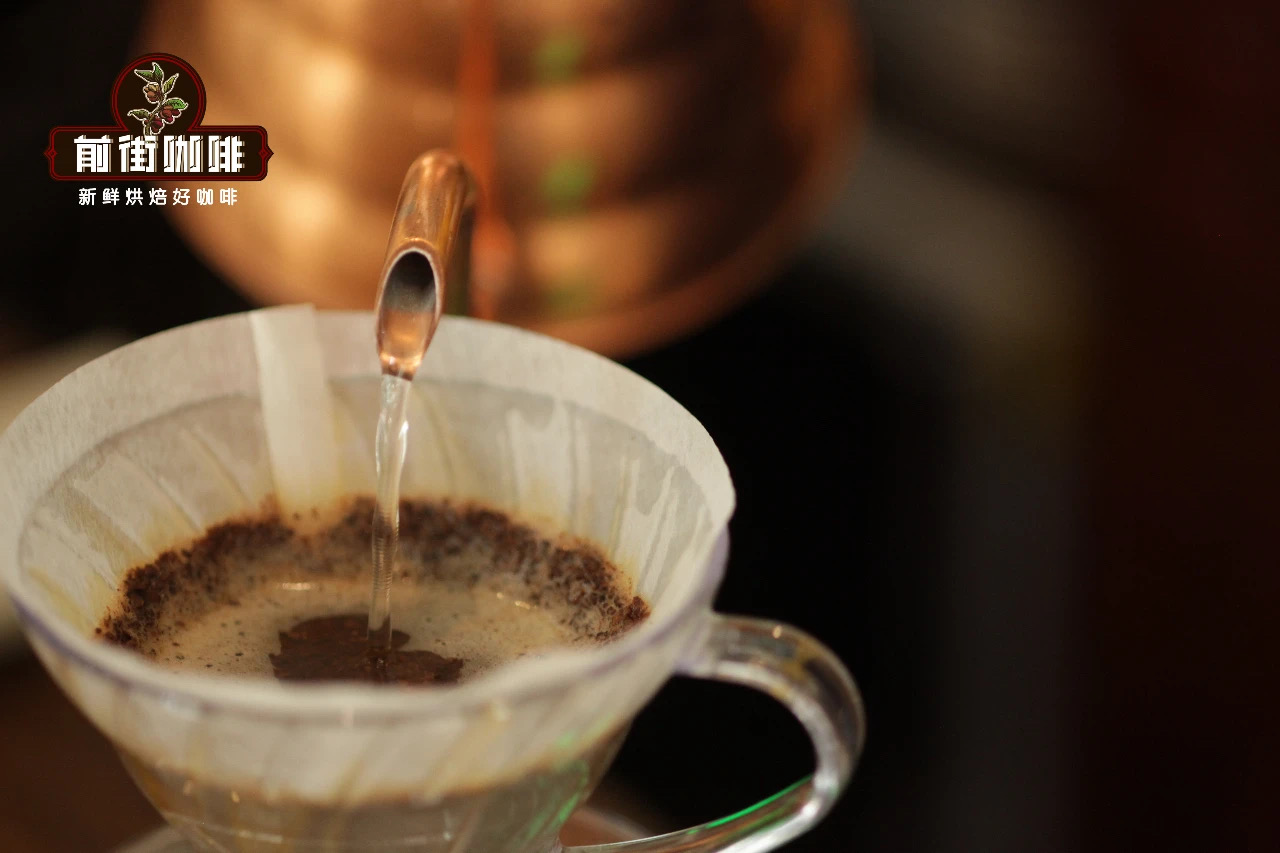
Dripper: Hario V60
Water Temperature: 90-91°C
Grind Size: Medium-fine grind/20-mesh sieve to 80%
Coffee-to-Water Ratio: 1:15
Coffee Dose: 15 grams
FrontStreet Coffee's Three-Stage Brewing Method
Preheat the dripper and server. Add 15g of coffee and tap gently to level the bed. First pour: 30g of water in circles from the center, then bloom for 30 seconds — the goal is every particle evenly wetted, forming a small "coffee dome." Second pour after 30 seconds: keep the stream 3-5cm high, pouring 95g in concentric circles from center outward for a running total of 125g, with the liquid surface covered in golden crema-like foam. As the bed starts to show, make the final pour: 100g in slow, steady concentric circles. Once the dripper drains into the server, remove it and end the extraction. Total time: 2 minutes and 8 seconds.
FrontStreet Coffee Recommendation
Both Guatemalan daily-bean lots are worth a place on your shelf. The FrontStreet Coffee Guatemala Huehuetenango — Bourbon, Caturra, and Catuai, washed, from the country's highest coffee region — pours a cup of citrus and berry acidity over lemon peel, a nutty mid-palate, and a tea-like finish. If you want something with more drama, the FrontStreet Coffee Guatemala Antigua Flor de Jade, traded by La Minita from volcanic soil at 1200-1600 meters, opens with bright lemon acidity hot, unfolds white florals and juice-like texture as it cools, and finishes with cocoa, a whisper of smoke, and caramel sweetness.
Important Notice :
FrontStreet Coffee is a long-established specialty coffee roaster in Guangzhou China, selling freshly roasted beans from its own farm in Yunnan as well as dozens of carefully selected single-origin beans from around the world for both pour-over and espresso. The products deliver consistently excellent quality and great value, with shipping within 24 hours. Guangzhou's FrontStreet Coffee shop is recommended by many coffee lovers, and the beans are now available online at the Tmall 。
FrontStreet Coffee has moved to a new address:
FrontStreet Coffee Address: 315,Donghua East Road,GuangZhou
Tel:020 38364473
 Scan and follow the En Gafei WeChat official account. Please indicate that the reprint comes from "En Gafei".