Americano vs Long Black vs Lungo: Differences and Best Coffee Beans for Americano
Understanding the Differences Between Americano, Long Black, and Lungo
Americano is a coffee beverage many people encounter frequently. We all know its English name is "Americano," but there are two other drinks often confused with it and difficult to tell apart: Long Black and Lungo. To help everyone distinguish them, FrontStreet Coffee will give a simple introduction.
Americano Coffee
Americano is a name familiar to both English speakers and coffee lovers, known as "American-style coffee." It originated during World War II, when American soldiers stationed in Europe found the extremely concentrated Espresso (popular in America as drip black coffee) too strong, so they added water to dilute it. Americano is essentially about diluting coffee concentration to a level suitable for Americans at that time. Later, when Italian immigrants came to America and Italian-style cafes became popular, espresso-based Americano flourished, with the order of pouring coffee first then water expressing the idea of diluting concentrated coffee. To this day, Americano preparation has no strict order requirement — it's merely a matter of whether to preserve the crema or disperse it.
Long Black Coffee
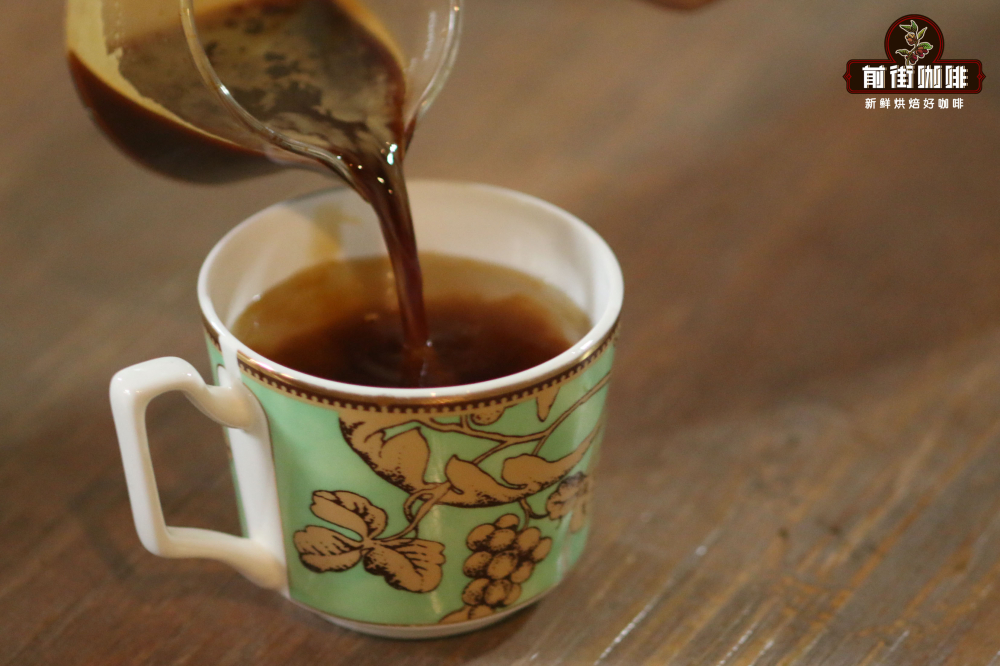
Long Black is a characteristic coffee native to Australia, also made from espresso and water. After the Australian version of latte, Flat White, became hugely popular, some cafes introduced Australia's Italian-style coffee products wholesale, folding them into existing Italian coffee menus. So for a period, Americano and Long Black coexisted on menus.
FrontStreet Coffee will first briefly explain what Long Black is. In Australia, people generally use Black Coffee for black coffee and White Coffee for coffee with milk. Espresso is called Short Black, and when Short Black is mixed with an appropriate amount of water, it becomes Long Black.
Although both Americano and Long Black are made from water and espresso, given the distinctive Australian character, there must be differences between them. FrontStreet Coffee learned that a widely circulated explanation online suggests the difference lies in preparation order: Americano involves adding espresso first, then diluting with water, while Long Black involves adding water to the cup first, then pouring espresso.
What's the basis for this? The biggest difference between these two methods is the degree of crema preservation. If you add espresso first then pour water, the crema gets dispersed; if you add water first then pour espresso, the crema stays completely intact on the surface. That layer of crema gives the coffee a rich mouthfeel.
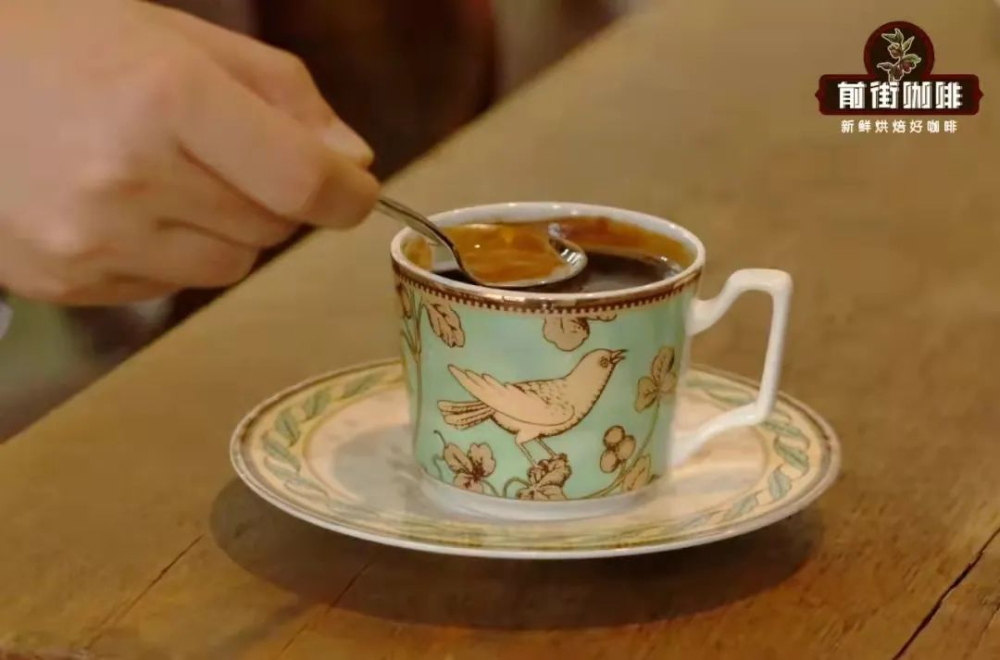
This sounds very reasonable, but it's not actually the difference between Americano and Long Black. Americano preparation doesn't specify whether to pour water or coffee first — both are acceptable. Long Black, however, does have specific requirements for the order: water goes into the cup first, then espresso is extracted directly into the water. FrontStreet Coffee suspects this explanation about order differences became popular simply to create a distinguishing point.
The most obvious difference between Americano and Long Black is the amount of water added. Americano typically uses more water, with coffee-to-water ratios usually between 1:5 and 1:8. This is because Americans were accustomed to drip coffee, which has very low concentration — just having some coffee flavor is enough. So after Italian-style coffee rose, Americano made with an espresso base also needs plenty of water to recreate that light coffee flavor.
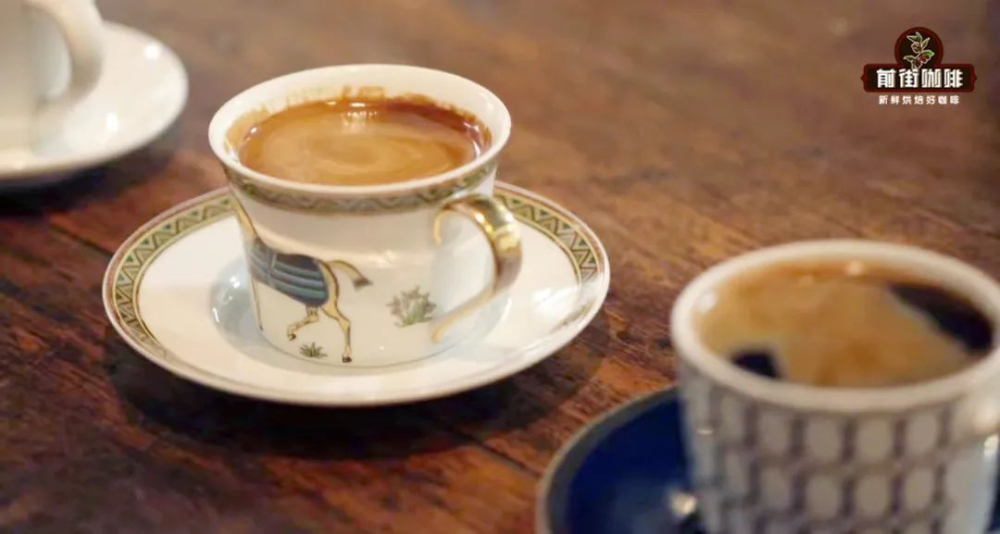
Australians are more particular about coffee flavor. As FrontStreet Coffee has shared before, the flavor difference between Flat White and latte is that Flat White has a more intense, rich coffee flavor. Compared with Americano, Long Black has a more concentrated coffee flavor and a smaller serving size. Long Black is typically made by extracting two shots of espresso (40g) into a cup containing 100-120ml of water, preserving abundant crema on the surface.
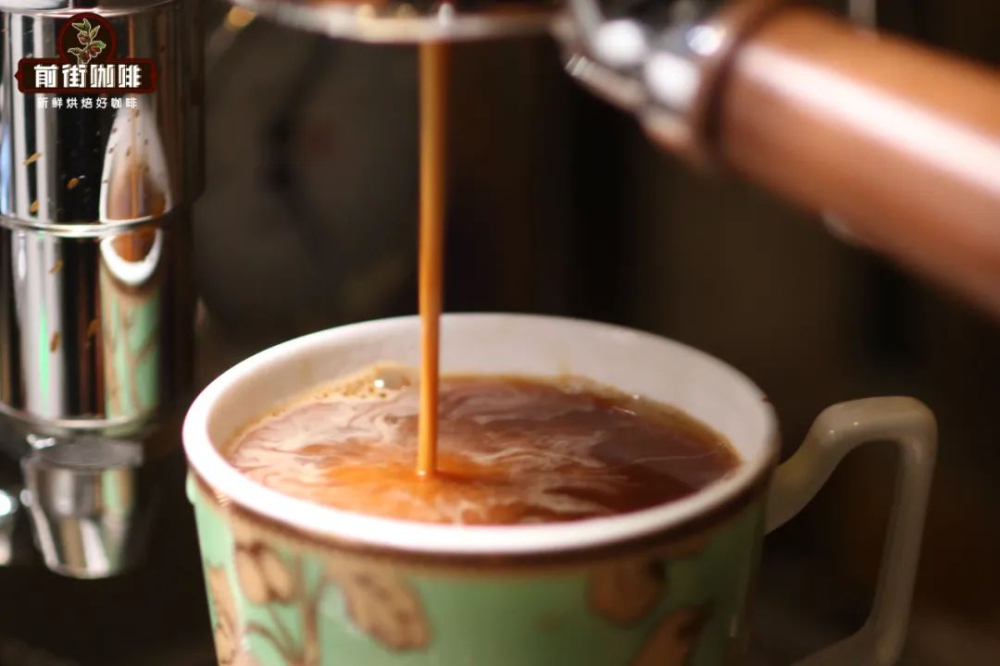
Adding water at a 1:3 ratio not only dilutes the espresso concentration to reduce its stimulating sensation but also makes the diluted coffee flavors easier to perceive. The preserved surface crema helps maintain a rich mouthfeel, creating a unique experience.
Lungo Coffee
After understanding the differences between Americano and Long Black, let's look at Lungo. Although its appearance resembles Long Black, its preparation differs from both Long Black and Americano. It doesn't require adding water — it's entirely coffee liquid.
"Lungo" means "long" or "extended" in Italian, clearly defined as an extended version of espresso. In fact, discussing flavor in espresso is a relatively recent development. Previously, beans were typically roasted so dark that finding flavors in them was like searching for vibrant colors in darkness. A good espresso was about satisfying mouthfeel, stimulating concentration, and leaving a lingering burnt aroma without residual bitterness — that was all.
Because Lungo has a longer extraction time, its caffeine content is higher. For those who drink coffee purely for caffeine intake, it's more effective. And since it extends the time and water flow based on the espresso formula, its concentration isn't as high as espresso, making it correspondingly milder. Importantly, its serving size is larger, making it more substantial to drink. As for flavor, it's bitter regardless. If you ask why not drink Americano instead, it's because traditional Europeans looked down on the dietary habits of the emerging American nouveau riche.
How can we discuss Lungo using modern extraction-rate theory? Its preparation undoubtedly represents over-extracted espresso, but espresso extraction theory is constantly evolving, so naturally we should update our understanding of Lungo as well.
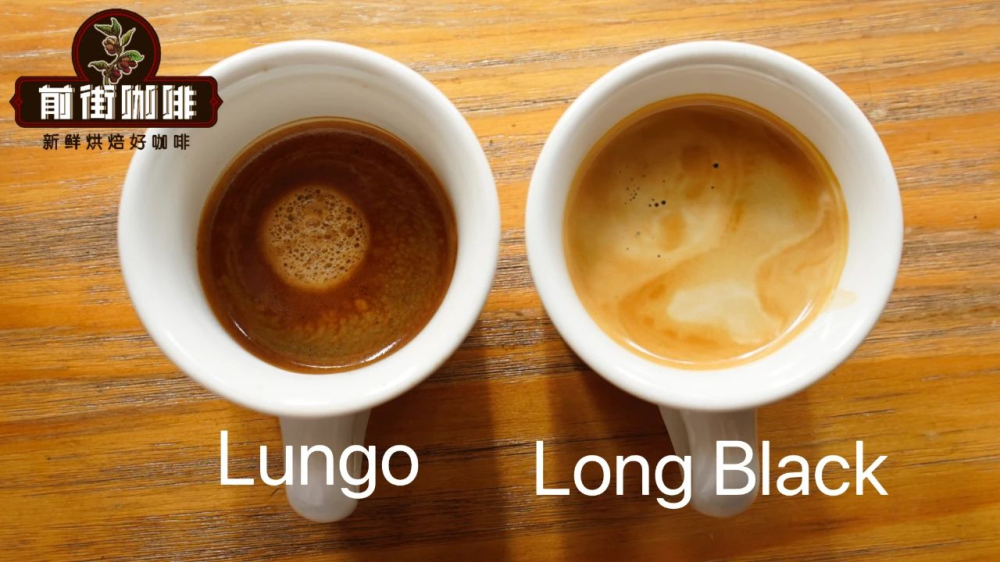
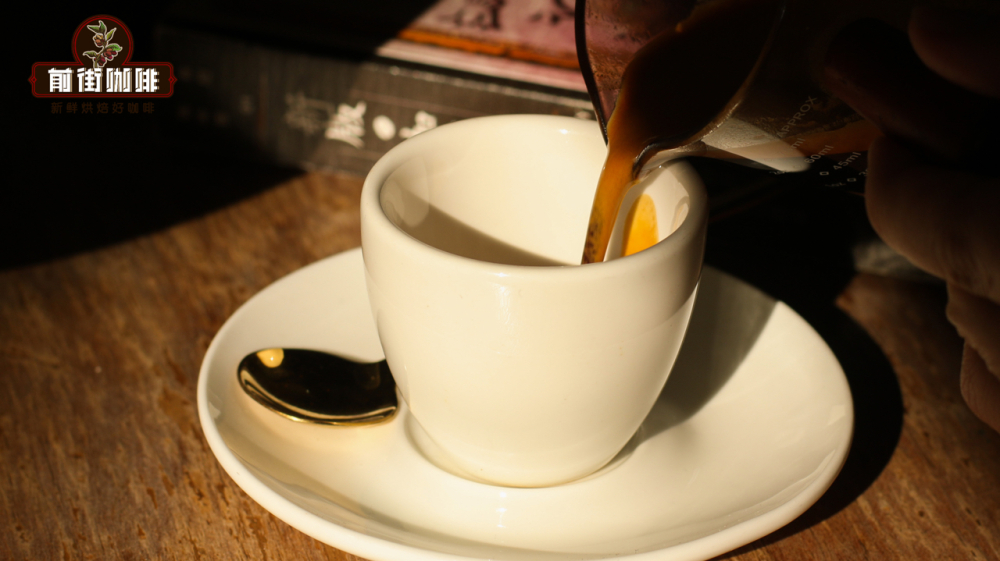
Using FrontStreet Coffee's espresso extraction method with a 1:2 ratio and 25-28 seconds, the tested concentration was 9.8% with an extraction rate of 20.3%. According to Golden Cup theory, there's still 2% of positive flavor compounds that can be extracted. Using FrontStreet Coffee's 1:5 ratio to extract Lungo for 56 seconds, unsurprisingly the measured concentration was 4.45% with an extraction rate of 23.06%, exceeding the Golden Cup range. During tasting, bitterness indeed lingered persistently on the tongue. FrontStreet Coffee then adjusted by coarsening the grind to control the extraction rate and ran taste tests for each attempt. Finally, we settled on a 1:5 ratio with a 42-second extraction time. The measured concentration was 4.22% with an extraction rate of 21.87%. On tasting, the flavor was slightly more burnt and bitter than espresso but didn't linger long. Thanks to FrontStreet Coffee's Warm Sun Blend, it still maintained rich crema and was much smoother overall.
Espresso Bean Selection
Making Americano, Long Black, and Lungo all requires espresso beans. Espresso beans are typically based on blends. Why blend? There are three reasons: price, stability, and flavor. These three form an "impossible triangle" — you can't have all three at once; you can only sacrifice one to pursue the other two.
Take FrontStreet Coffee's four espresso beans as examples. Blended coffee beans were initially created to stabilize and balance coffee flavor. For instance, FrontStreet Coffee's Specialty Blend uses Colombian and Brazilian beans. Both Brazil and Colombia are major producing countries with stable annual quality. The balance of Brazilian beans and the richness of Colombian beans give this blend excellent performance, prioritizing both stability and flavor. With a rich mouthfeel and a nut-dominant flavor with subtle fruit notes, it's suitable for specialty coffee shops.
FrontStreet Coffee's Basic Blend is developed primarily with cost-effectiveness in mind, using Yunnan and Brazilian beans. It ensures the flavor and stability of the extracted espresso while maintaining a price advantage. This espresso bean suits personal daily consumption or small-budget coffee shops.
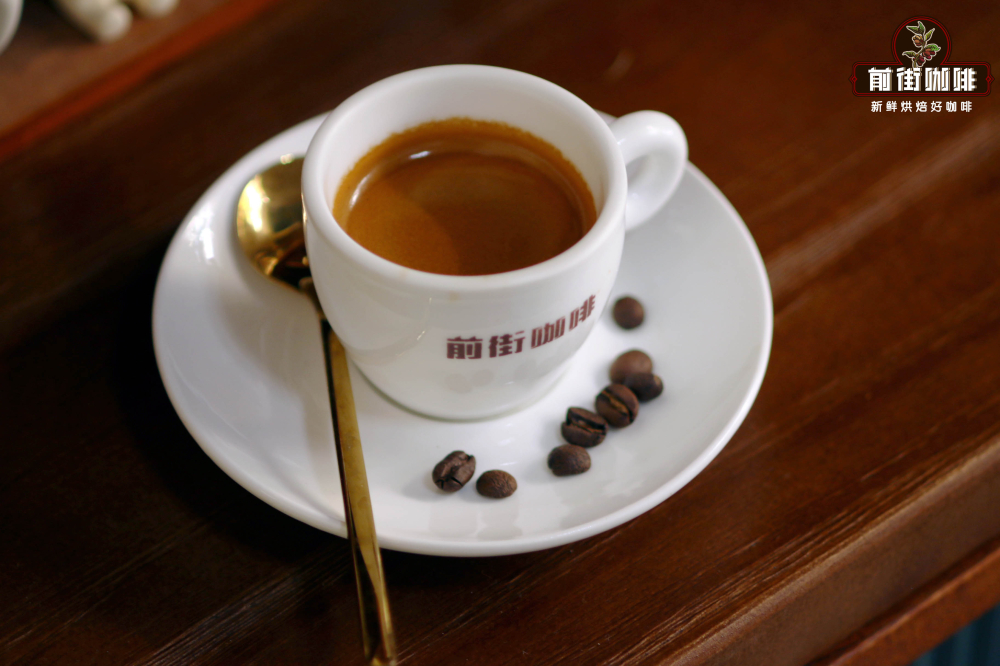
FrontStreet Coffee's Commercial Blend uses beans from Colombia, Brazil, and Vietnam, with Vietnamese Robusta accounting for 10%. Italian cafes like to add Robusta to their blends because Robusta provides richer crema and higher caffeine. Adding a small amount makes espresso more mellow and rich, and the extracted espresso paired with milk shows more intense caramel and chocolate flavors. This bean suits richness enthusiasts or businesses specializing in Italian-style coffee.
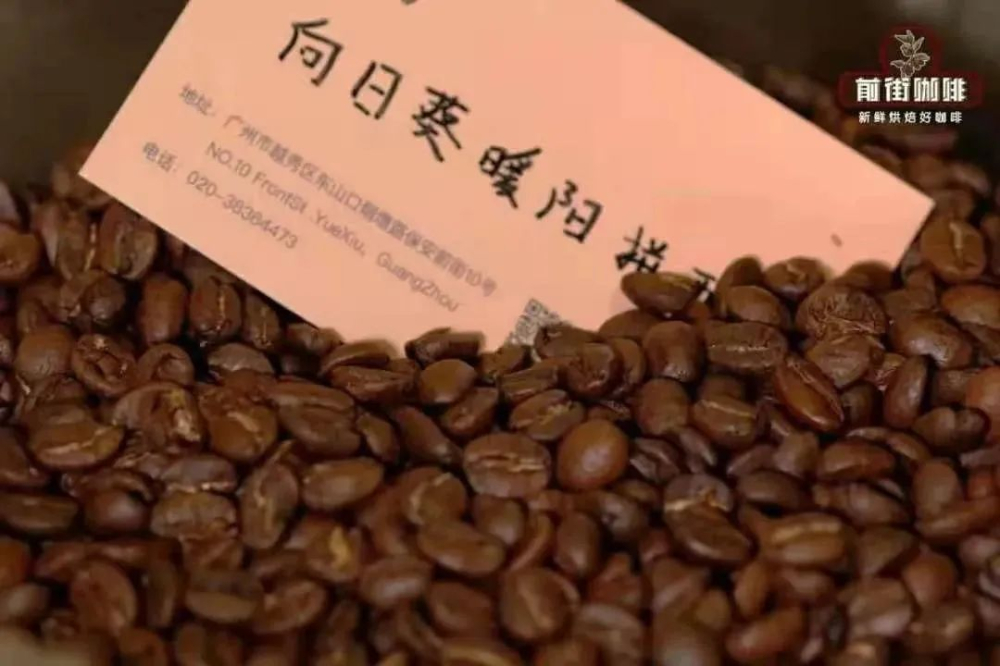
The last blend is developed with flavor as the priority — also the bean used at FrontStreet Coffee stores: the Sunflower Warm Sun Blend. It combines Yirgacheffe Red Cherry and Honduras Sherry Cask beans. With sherry aroma, chocolate, vanilla cream, and sherry flavors, it performs excellently whether as espresso alone, in an Americano, or in milk coffee. It's suitable for anyone who pursues coffee flavor excellence.
In simple terms, when choosing espresso beans, mainly consider your positioning needs — whether to prioritize cost-effectiveness, overall balance, or distinctive flavor characteristics.
FrontStreet Coffee Recommendation
Whatever you're making — Americano, Long Black, or Lungo — the espresso underneath is what carries the drink, so the bean choice matters most. FrontStreet Coffee's four espresso beans are built around that price-stability-flavor triangle: the Specialty Blend (Brazilian plus Colombian) is the balanced all-rounder with creamy, nutty sweetness; FrontStreet Coffee's Commercial Blend adds 10% Robusta for richer crema and more intense caramel and chocolate; the Basic Blend (Yunnan plus Brazilian) is the value option; and the Sunflower Warm Sun Blend (Yirgacheffe Red Cherry plus Honduras Sherry Cask) prioritizes flavor, with sherry aroma, chocolate, and vanilla cream.
If your real love is milk coffee rather than black, the same blends do beautiful work in a Flat White. A proper Flat White comes down to three things — less milk, thinner foam, and a stronger coffee flavor — so pick a bean with a high flavor memory. FrontStreet Classic Blend is the home favorite here: buttery and cheese-like, low in acidity, with full, fine crema and a rich, concentrated body under milk. If you lean toward floral and fruit, FrontStreet Strawberry Candy espresso blend has very low bitterness and pulls with a full grape and blueberry character, sweet-tart and balanced — paired with fresh milk it drinks like a strawberry milkshake.
Milk matters as much as the beans: too thin and the Flat White feels hollow, too strong and it buries the coffee. FrontStreet recommends chilled fresh milk, steamed on the machine to bring out its sweetness. A good reference recipe is FrontStreet Specialty Blend, using only the front and middle of the shot as a ristretto base — 20g of coffee extracted to 32g in 22-25 seconds — with 160ml of fresh milk. Keep the foam thin: FrontStreet's standard is 0.3cm, which means only 1-2 seconds of air intake before sinking the steam wand and building a tight whirlpool, stopping at 50-55°C. When the foam is ready it should look glossy, and the pour should stay low and steady to keep the surface silky.
Important Notice :
FrontStreet Coffee is a long-established specialty coffee roaster in Guangzhou China, selling freshly roasted beans from its own farm in Yunnan as well as dozens of carefully selected single-origin beans from around the world for both pour-over and espresso. The products deliver consistently excellent quality and great value, with shipping within 24 hours. Guangzhou's FrontStreet Coffee shop is recommended by many coffee lovers, and the beans are now available online at the Tmall 。
FrontStreet Coffee has moved to a new address:
FrontStreet Coffee Address: 315,Donghua East Road,GuangZhou
Tel:020 38364473
 Scan and follow the En Gafei WeChat official account. Please indicate that the reprint comes from "En Gafei".