How to Make Cold Drip Coffee at Home: Coffee-to-Ice Ratio, Grind Size, and Single-Origin Bean Recommendations
What Is Cold Drip Coffee?
Cold drip coffee has a light fermented aroma and a richer mouthfeel than pour-over. Because it is extracted over a long period and then fermented in the refrigerator, friends who want to order cold drip at FrontStreet Coffee need to reserve it in advance.
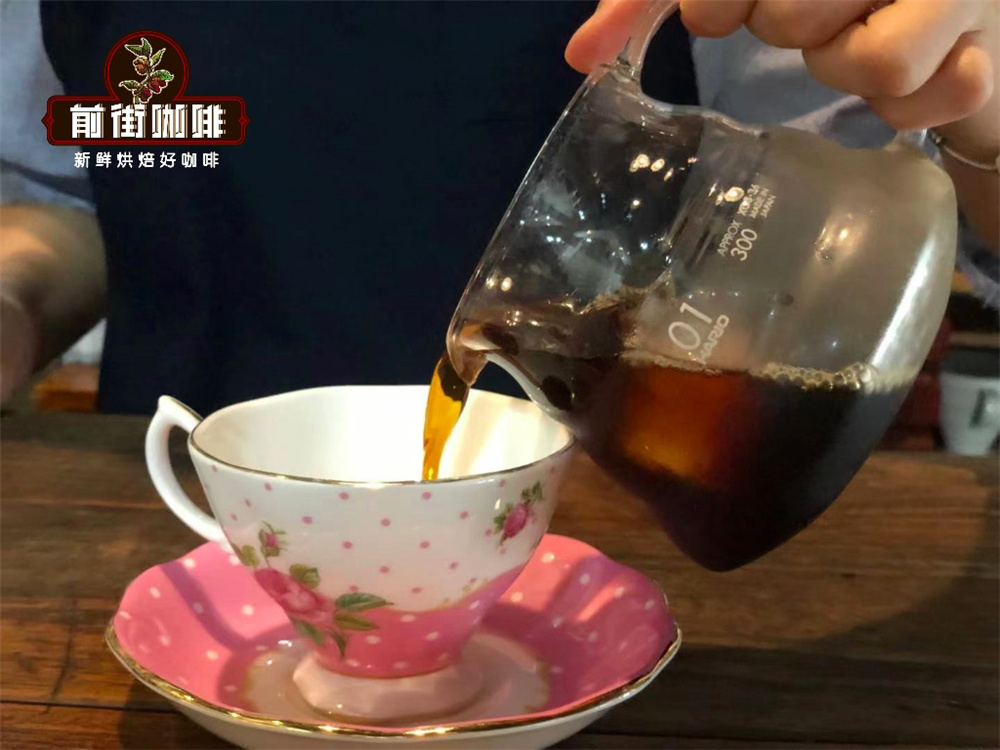
Some people say cold drip tastes better in a coffee shop. Is their homemade version simply not as good, or is there another reason? Is there a clear standard? FrontStreet Coffee believes there is no fixed standard for making cold drip - everyone has their own method and benchmarks. Even so, a few details in the process deserve attention.
What Is Cold Drip Coffee?
Cold drip coffee originated in Europe. Since the distillation apparatus was invented by the Dutch, some call it Dutch Coffee, distilled coffee or water-drip coffee. As early as the 17th century, the Dutch were already drinking coffee this way. With the expansion of Dutch colonialism it reached Korea and Japan, where it became popular - which is why it is also known as Dutch coffee.
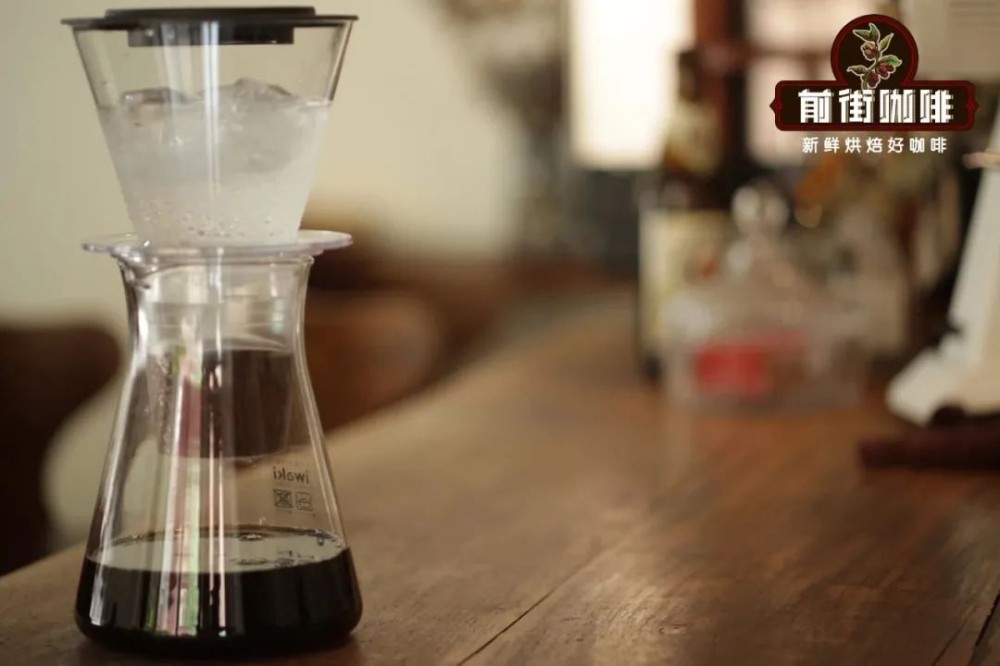
Cold drip coffee relies on the affinity between coffee and water, mainly using the natural osmotic pressure of condensed water at low temperature to extract drop by drop over roughly 8 hours. It is a coffee brewed with time, and different water temperatures yield different flavours. At low temperatures the astringent compounds in coffee dissolve less readily. Long extraction with ice water, followed by refrigeration after brewing, gives cold drip its light fermented aroma and fuller mouthfeel. FrontStreet Coffee puts it this way: put the coffee in the fridge at night and drink it the next morning for instant refreshment - isn't that a wonderful feeling?
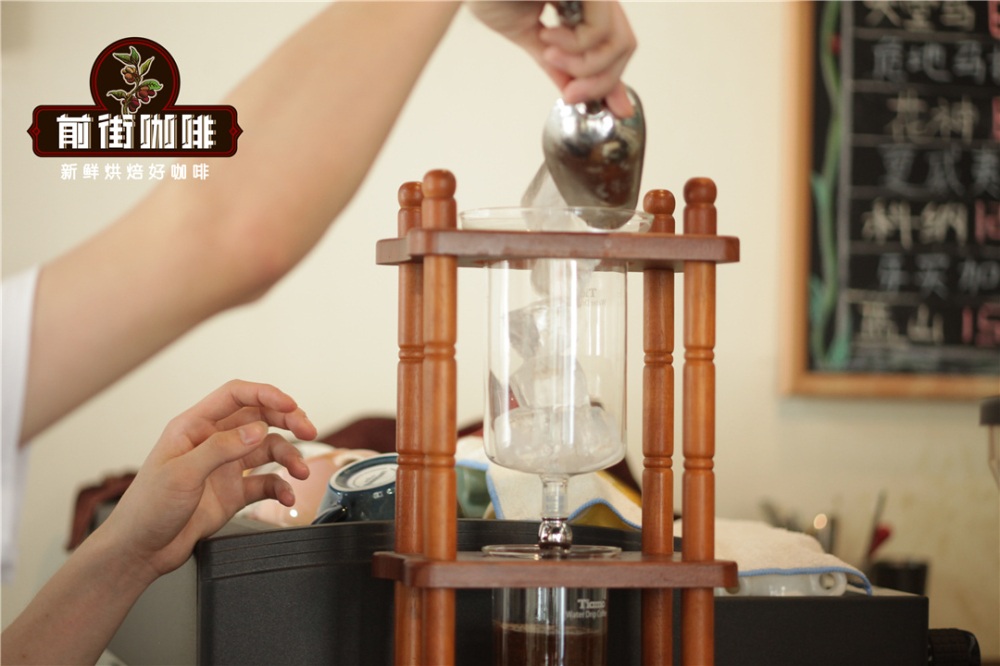
Because cold drip is never heated and is extracted over a long period, many flavour molecules are extracted but not fully released. After the extraction finishes, the coffee is sealed in a bottle and left in the refrigerator for 12-24 hours so carbon dioxide pressure builds and releases those molecules. That is why cold drip grows richer the longer it rests. Extraction with ice water reduces the coffee's acidity and creates a red-wine fermentation character. The cup is smooth and mellow, with balanced acidity and bitterness, a good aftertaste and a gentle effect on the stomach. It has low caffeine content and can extract the rich mouthfeel and complete aroma of the beans.
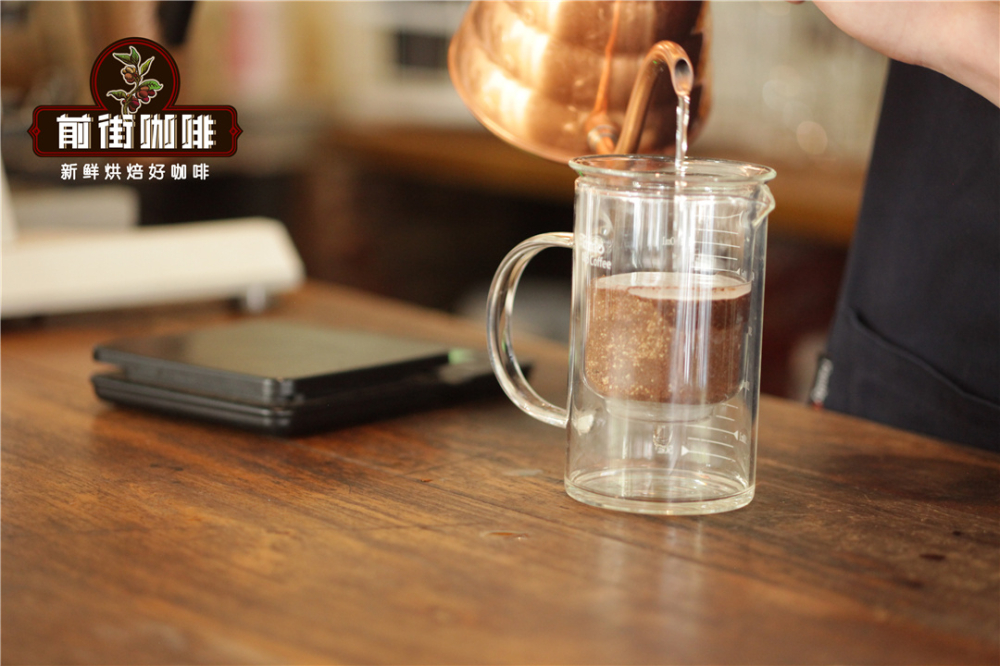
During cold drip production, tannic acid barely breaks down in cold ice water. Caffeine decomposes only slightly in ice water - roughly 90% less than with hot-water extraction - while the other main components of coffee remain intact. Because cold drip has essentially no astringency and minimal bitterness, the mouthfeel is particularly pure.
FrontStreet Coffee's Cold Drip Coffee Details
FrontStreet Coffee wants to share the details that matter in cold drip: bean selection, grind size, powder-to-water ratio, drip rate, and storage and shelf life. FrontStreet Coffee's cold drip tower has six parts: upper pot, lower pot, adjustment valve, coffee filter cup, snake-shaped conduit and all-wood stand.
1. Coffee Beans
Cold brew and cold drip are both low-temperature methods, controlling the water in contact with the grounds between 0-7°C. The benefit of low-temperature extraction is that its low efficiency reduces the release of large-molecule bitter compounds, which is why the cold drip we drink is refreshing with rich sweet-and-sour flavours. Beans are the single most important factor - different beans produce completely different cold drip. Choosing the right beans is therefore crucial. Generally, lightly roasted beans are preferred, since their sweet, fruity acidity is more comforting when cold. Beans with distinctive, unusual flavours also work very well - for example, FrontStreet Coffee's Honduras Sherry, FrontStreet Coffee's Costa Rica Giant Rock Blueberry, the FrontStreet Coffee Musician Series, FrontStreet Coffee's Colombia Rose Valley, FrontStreet Coffee's Flower Moon Night and others.
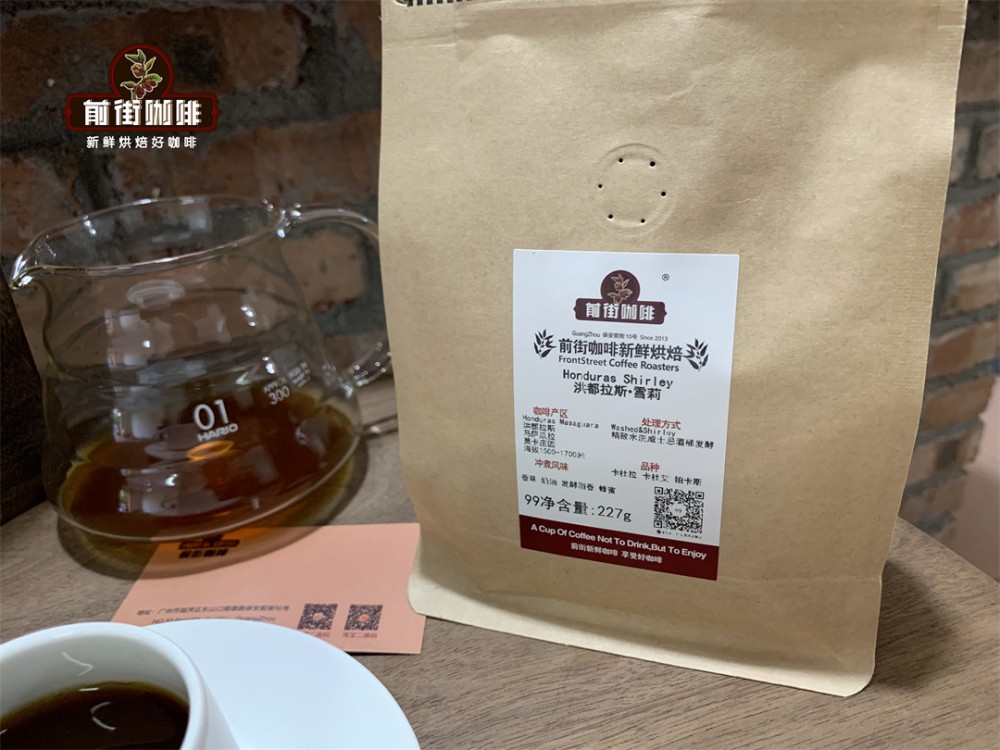
FrontStreet Coffee recommends beans roasted about 20 days earlier for cold drip. Freshly roasted beans release large amounts of carbon dioxide; when ice water drips onto the grounds, that gas keeps escaping, the coffee bed expands and channels form, leading to uneven extraction and a noticeably weaker flavour.
2. Pre-Wetting
Using ice water to "pre-soak" is much like the bloom in pour-over: it improves extraction efficiency and consistency. In cold drip's low-temperature, filtration-based extraction, dripping straight in can leave the bed unevenly wetted, with some grounds over-extracted and others not participating at all. Pre-wetting in advance also saves production time.
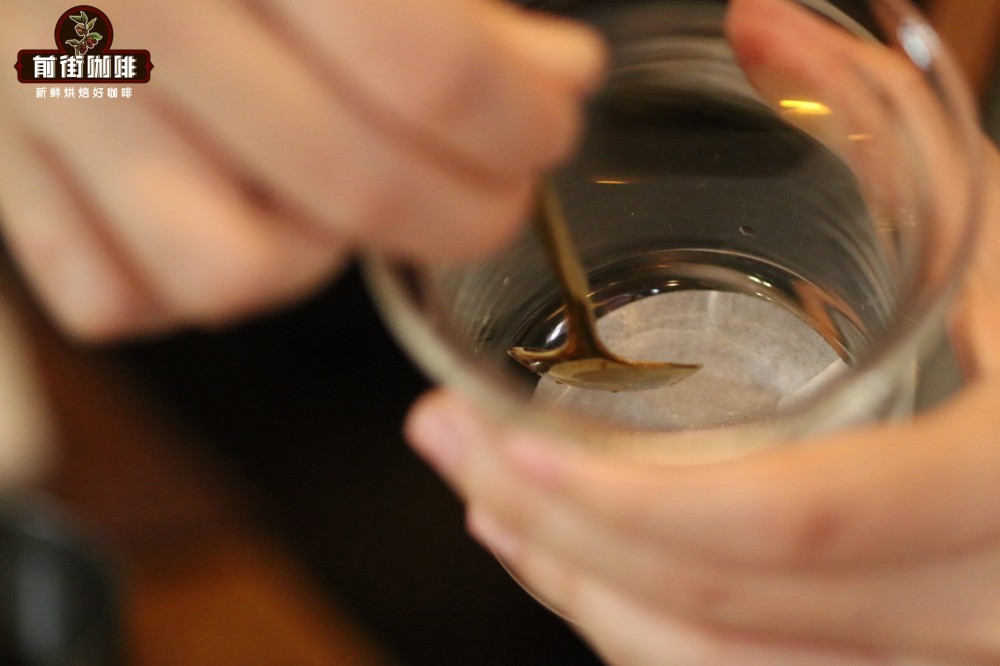
3. Place a Round Filter Paper on the Coffee Grounds
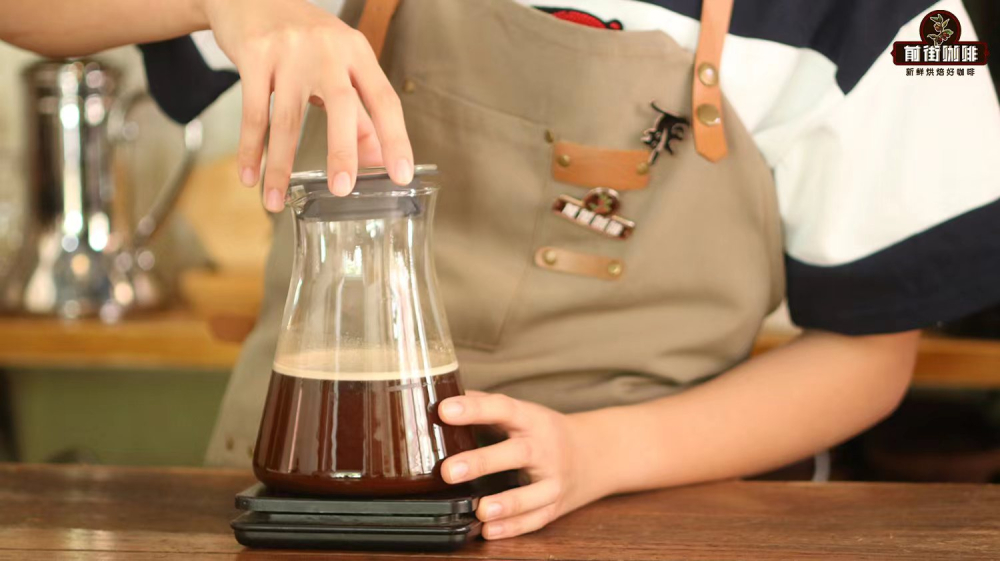
To leave enough breathing space for pre-wetting and make the extracted coffee more complete and clean, we cover the levelled grounds with a filter paper. This increases the contact area between the water drops and the grounds and ensures even extraction. When drops hit the grounds they slowly form a small pit, and water then flows down that pit rather than spreading sideways, so grounds across the whole powder bottle may never be fully soaked and the extraction ends up insufficient. A layer of filter paper prevents this.
4. Grind Size
There are two things to note about grind size. If it is too coarse, the bed offers little resistance and water passes easily into the lower pot; combined with the low efficiency of cold water, the result is weak coffee with insufficient flavour. Too fine is also a problem: resistance rises, blockages and pooling become likely, and prolonged soaking brings out bitterness. FrontStreet Coffee therefore recommends a grind that passes 80-85% through a #20 standard sieve. Choose an 85% pass rate for a richer flavour, or 80% for a cleaner taste.
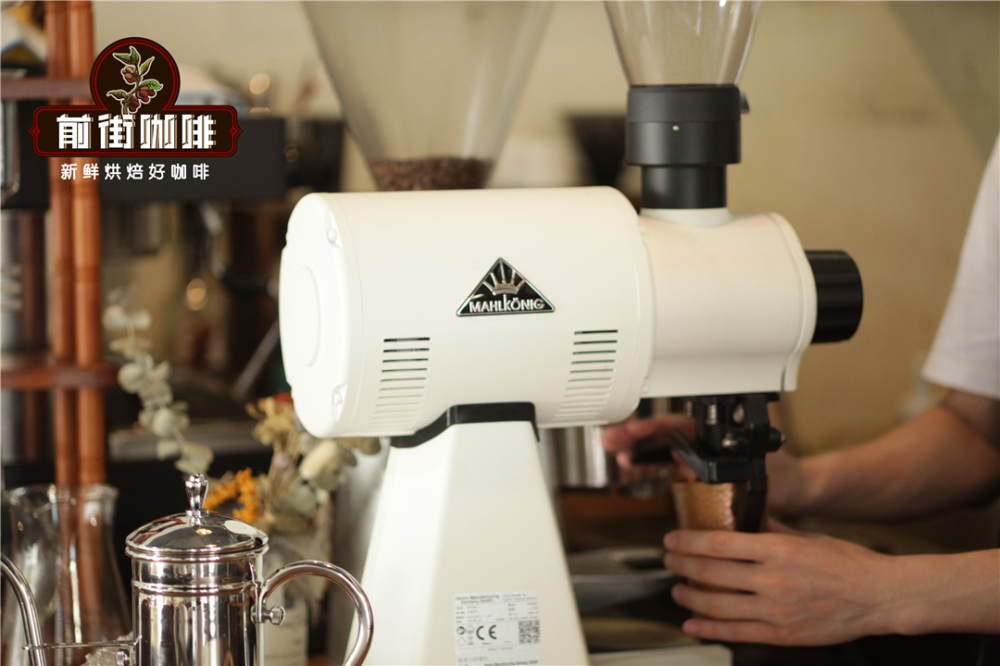
This time FrontStreet Coffee used the refreshing FrontStreet Coffee Kenya Assalia beans. Because extraction is slow at cold temperatures, FrontStreet Coffee's barista recommends a slightly finer grind than for pour-over. Here we use an 85% pass rate, which is 9.5 on the shop's EK43S grinder.
5. The Importance of Leveling the Coffee Grounds
Cold drip grounds must be levelled. Many people wonder why leveling matters here too. Note that cold drip leveling is not about pressing firmly: first gently tap the powder to keep an even structure in the filter cylinder, then use a flat tamper to level it lightly. Remember to press gently, not with the force of espresso tamping. Press too firmly and, since cold drip has no pump pressure to drive extraction, water pools in the bed and the coffee liquid cannot filter through. In addition, cold drip filter paper or discs sit at the bottom, unlike a filter cup with ventilation grooves, so once the grounds are soaked the exhaust effect is also affected and the whole puck extracts unevenly.
6. Control Drip Speed and Powder-to-Liquid Ratio
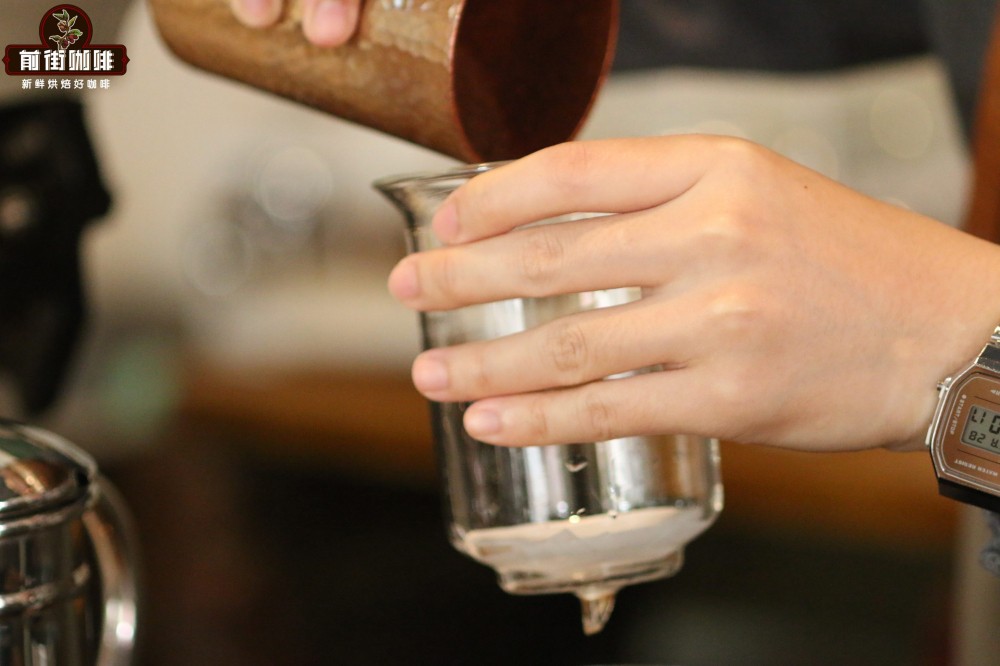
This is a little like pour speed in pour-over. Some people prefer one drop per second, others one drop every two seconds. That directly changes the finish time: a slower drip takes longer, a faster drip less. FrontStreet Coffee typically uses 7 drops every 10 seconds, but you can adjust the flow to taste. The powder-to-liquid ratio is 1:10. Because FrontStreet Coffee serves cold drip diluted with ice cubes, we use a higher concentration; at home you can extract at 1:12-1:14.

FrontStreet Coffee makes cold drip by grinding 60g of beans, placing a round filter paper in the powder cup, pouring in the grounds, covering with another filter paper and then wetting the grounds with water. This shortens the dripping time while avoiding uneven extraction. Fill the upper pot with an ice-water mixture (ice to water at 1:1) to extract a total of 600g of coffee liquid.
7. Serve Cold After Refrigeration
Some say pour-over should be drunk immediately and finished within a set time, because it becomes harsh and unpleasant if left too long. What about cold drip? Freshly made cold drip can be drunk at once, but FrontStreet Coffee recommends refrigerating it for 12 hours first, which lets the flavour reach its best. Pouring into glass bottles also helps blend liquids of different concentrations, and a well-sealed container keeps out contamination. A refrigerator may look clean, but it holds many microorganisms invisible to the eye. Twelve hours of low-temperature fermentation gives cold drip an aromatic fermented fragrance while the original flavours grow richer. Fermentation is common in daily life, but uncontrolled fermentation leads to spoilage; a cold environment effectively slows that. FrontStreet Coffee has verified that most cold drip made from various beans tastes best after 12 hours of refrigeration.
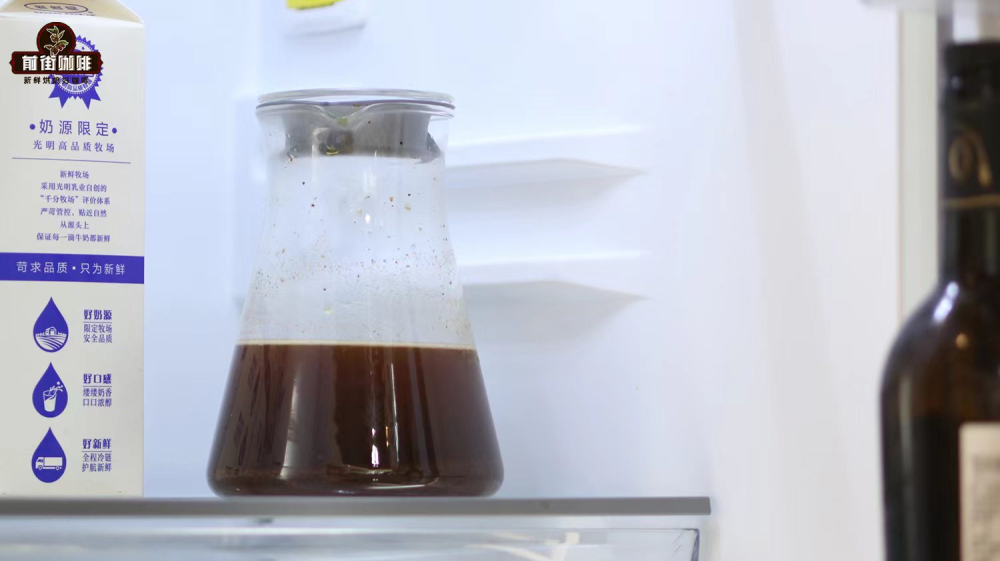
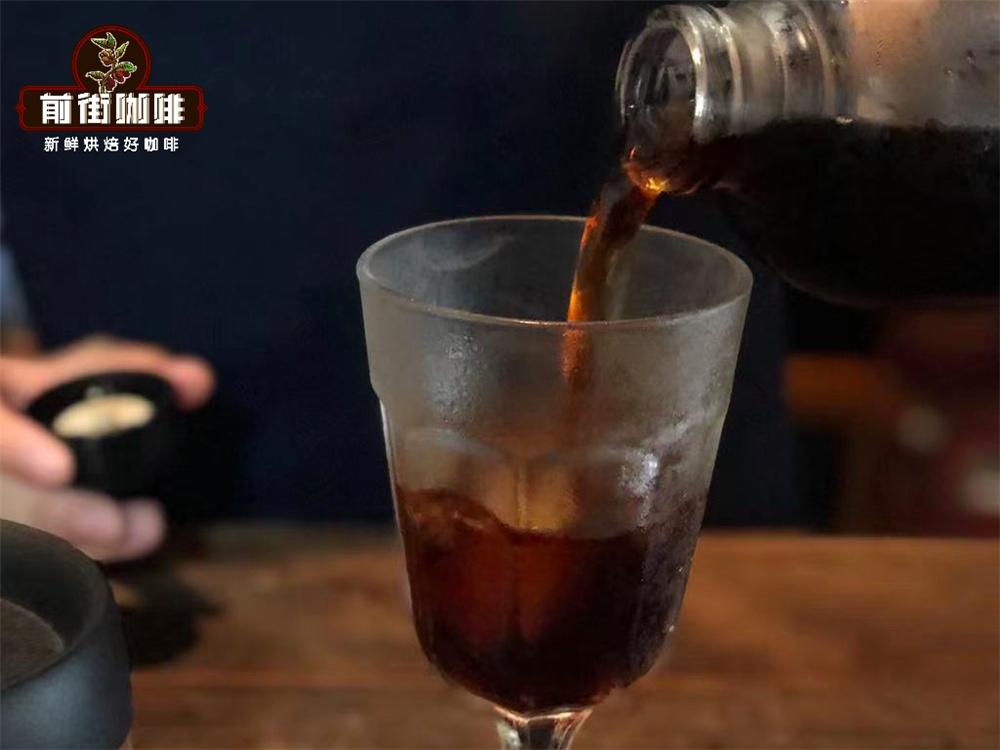
Just as the cold drip FrontStreet Coffee makes at a 1:10 ratio is very concentrated, FrontStreet Coffee adds 40g/200ml of ice cubes when serving, diluting it while keeping it chilled.
How Does FrontStreet Coffee's Cold Drip Taste?
At FrontStreet Coffee, baristas typically blend two coffees for cold drip to better highlight and balance each flavour. The goal is to emphasise certain characteristics - one bean provides aroma, another provides flavour.
20g [FrontStreet Coffee Honduras Lychee Lan] + 40g [FrontStreet Coffee Geisha Village Red Label]
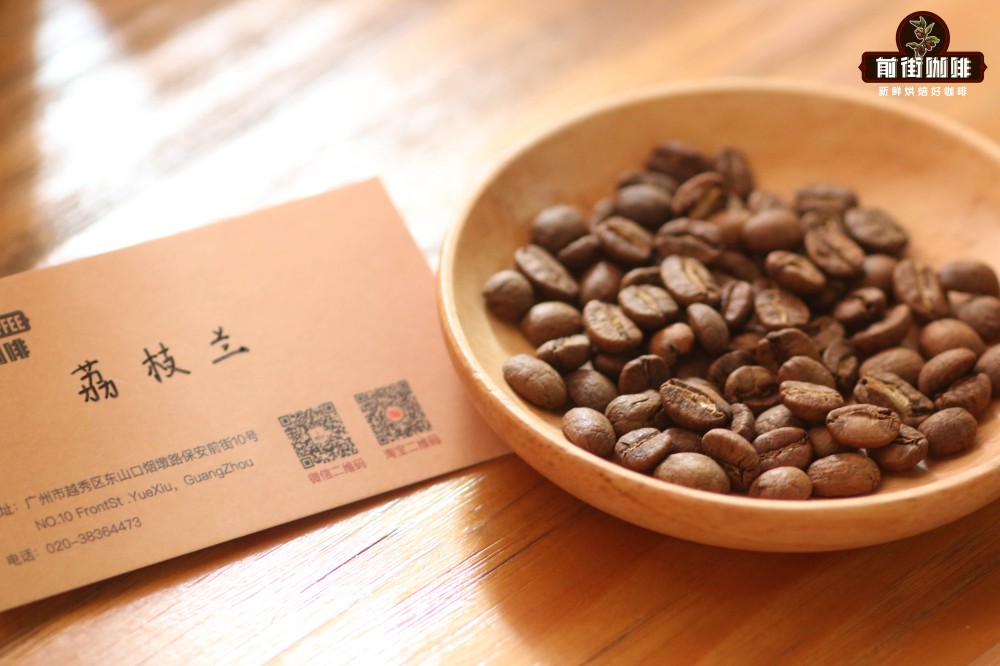
Barrel-processed FrontStreet Coffee Lychee Lan plus natural-processed FrontStreet Coffee Geisha Village Red Label, with a light brandy fragrance and plum-like acidity paired with maple sweetness.
FrontStreet Coffee's brandy barrel-processed Lychee Lan has a rich brandy aroma, a chocolate finish and a honey aftertaste.
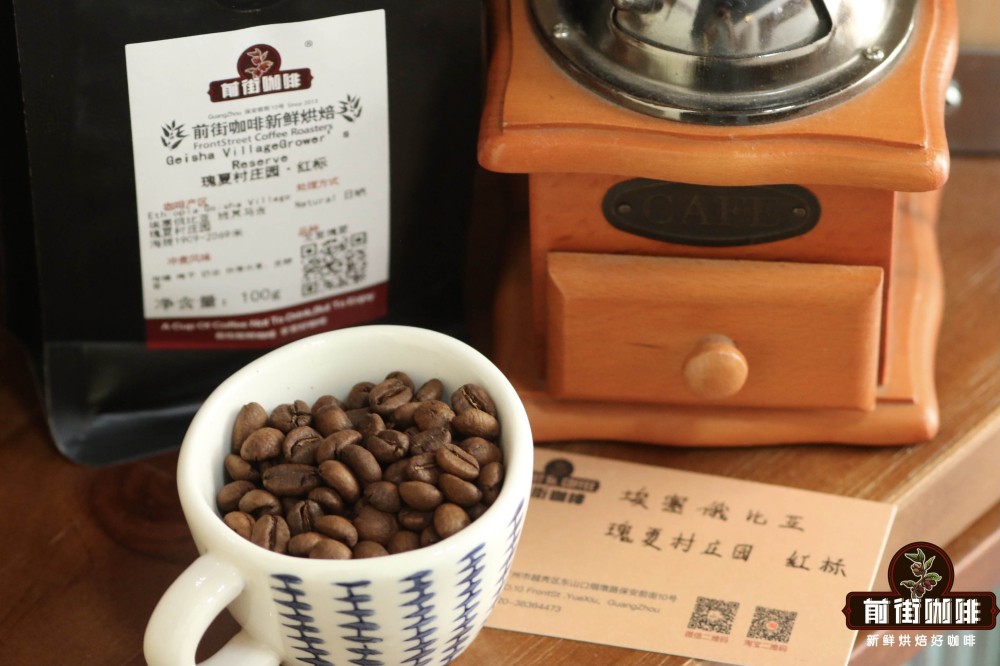
FrontStreet Coffee's natural-processed Geisha Village Red Label has plum and citrus fruit acidity with maple sweetness and a creamy, smooth mouthfeel. Made into cold drip, it brings a light brandy aroma, rich fruit acidity leading into honey sweetness and a creamy texture.
FrontStreet Coffee's Brewing Suggestions:
Whatever type of coffee you brew, bean freshness matters greatly. FrontStreet Coffee has always believed freshness strongly affects flavour, which is why all beans ship within 5 days of roasting. FrontStreet Coffee's roasting philosophy is "Freshly Roasted Good Coffee," ensuring every customer receives the freshest coffee when they order. The resting period is about 4-7 days, so by the time customers receive their coffee it is at its peak.
For friends who need ground coffee, a kind reminder: pre-ground coffee does not need further resting, because during transit the pressure from carbon dioxide in the packaging also rounds out the flavour, so you can brew a cup as soon as it arrives. Ground coffee should be brewed promptly, however, since it oxidises quickly in air and the flavour dissipates faster. FrontStreet Coffee therefore recommends buying whole beans and grinding fresh for each brew to better appreciate the coffee's flavour.
Brewing coffee is an art too, and FrontStreet Coffee believes that with practice you can make delicious cold drip at home as well.
FrontStreet Coffee Recommendation
Which beans make the best cold drip? FrontStreet Costa Rica Mozart is a natural match: an anaerobic honey coffee with a distinct raisin aroma that, cold-dripped, shows pronounced blueberry, black grape and a wine-like fermented character with a crisp, mouth-filling finish. FrontStreet Kenya Cherry Tomato is a classic Kenyan specialty given a 72-hour washed process - 48 extra hours of rinsing and soaking - so its acidity is very lively; as cold drip it brings cherry-tomato and grapefruit freshness, light and clean, perfect for summer. If you want something sweeter and fuller, try FrontStreet PWN Golden Mandheling. Few shops cold-drip a dark roast, but this medium-dark Indonesian develops black chocolate, cocoa and toasted-bread aromas; after 24 hours in the fridge over ice it drinks sweet and clear with just a hint of chocolate bitterness and a rich, comfortable fermented note.
Important Notice :
FrontStreet Coffee is a long-established specialty coffee roaster in Guangzhou China, selling freshly roasted beans from its own farm in Yunnan as well as dozens of carefully selected single-origin beans from around the world for both pour-over and espresso. The products deliver consistently excellent quality and great value, with shipping within 24 hours. Guangzhou's FrontStreet Coffee shop is recommended by many coffee lovers, and the beans are now available online at the Tmall 。
FrontStreet Coffee has moved to a new address:
FrontStreet Coffee Address: 315,Donghua East Road,GuangZhou
Tel:020 38364473
 Scan and follow the En Gafei WeChat official account. Please indicate that the reprint comes from "En Gafei".