Introduction to Robusta Coffee Bean Origin Regions and Elevation Characteristics: Which Countries Are the Largest Producers
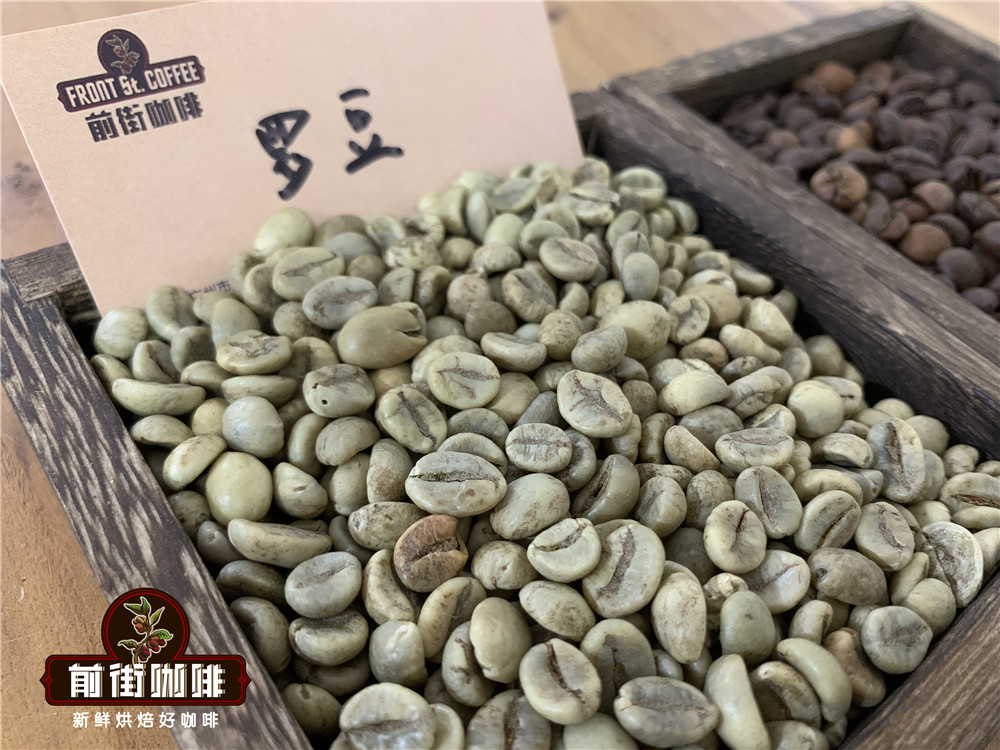
Robusta's defining traits are high yield, rich body, pronounced bitterness, high caffeine content (1.7%~3.0%), and a low price tag. Little wonder that during the first and second waves of coffee, most instant coffee and blends leaned heavily on Robusta. Vietnam, the world's second-largest coffee producer, grows 80% Robusta — which makes it today's largest Robusta producer on the planet.
Botanical Classification
Botanically, Robusta belongs to the Coffea canephora species, also called the Congo species or medium-seed coffee. Just as we say Geisha belongs to the Arabica species, Robusta is the only commercially cultivated member of the canephora lineage — to the point where Robusta has practically become a synonym for the species itself. Timor and Catimor, descended from natural hybrids between Robusta and Arabica, are now widely grown and filed under the broader Arabica umbrella.
Cultivation Characteristics
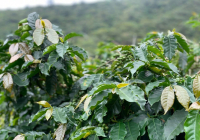
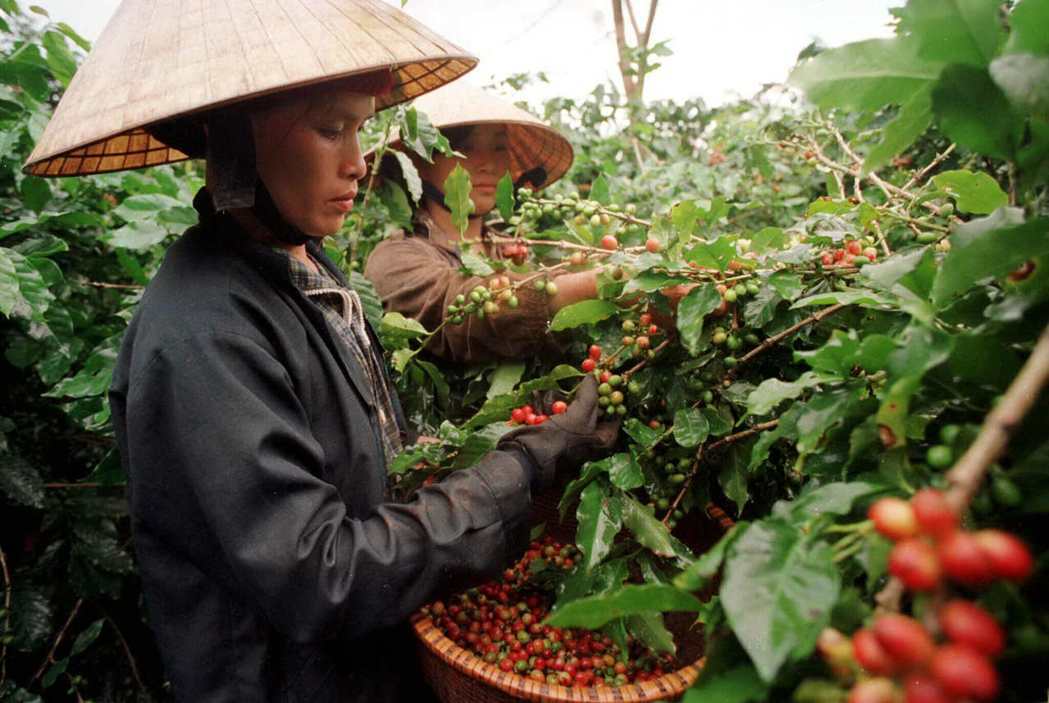
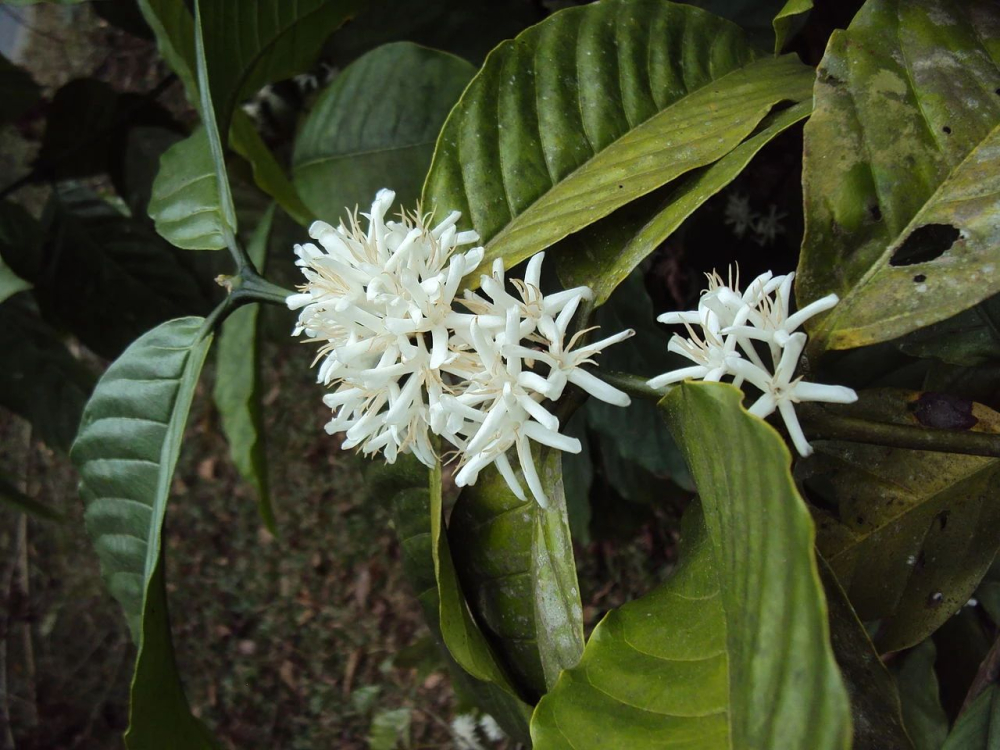
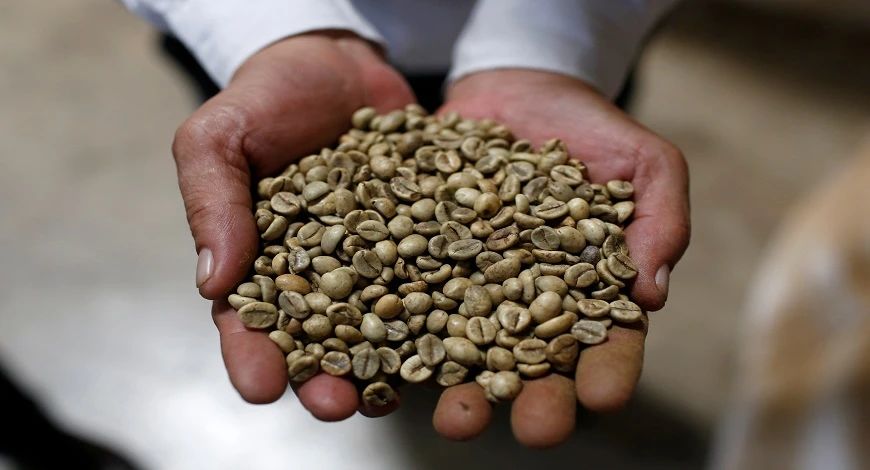
In the field, Robusta trees shrug off heat, cold, drought, and humidity alike, with survival rates that would make an Arabica farmer weep with envy. Their caffeine content (1.7%~3.0%) runs roughly twice that of Arabica, and caffeine is the plant's natural pesticide, shielding the tree from most insect damage. Individual plants bear heavily, with fruits slightly rounder and smaller than Arabica cherries, and beans that are flat and round with a straight center crease.
Commercial Advantages
Robusta's virtues — high yield, cold and drought tolerance, disease resistance, quick maturation — mean it can be planted on lowland plains below 800 meters and managed entirely by machine. Lower production costs make it the natural choice for commercial mass production, and the price reflects it. Most of the coffee grown in China's Hainan province, for instance, is Robusta. In everyday life we constantly see Arabica marketed as "100% Arabica," but you will almost never see "100% Robusta" on a label — which brings us to Robusta's flavor.
Flavor Characteristics
Analysis shows Robusta beans carry very high chlorogenic acid and low sucrose. Chlorogenic acid is where coffee's bitterness comes from, while sucrose is the raw material for the aromatics we perceive in the cup. The result: Robusta typically shows low acidity, a rich body, and deeper bitterness, with notes of walnut, peanut, hazelnut, barley tea, and grain — and, when processed carelessly, harsh earthy and rubber-like taints. That cluster of traits is what people mean by "Robusta flavor." It's also why Yunnan's ubiquitous Catimor, which carries 25% Robusta genetics, so often gets criticized in the cup.
Role in Modern Coffee Culture
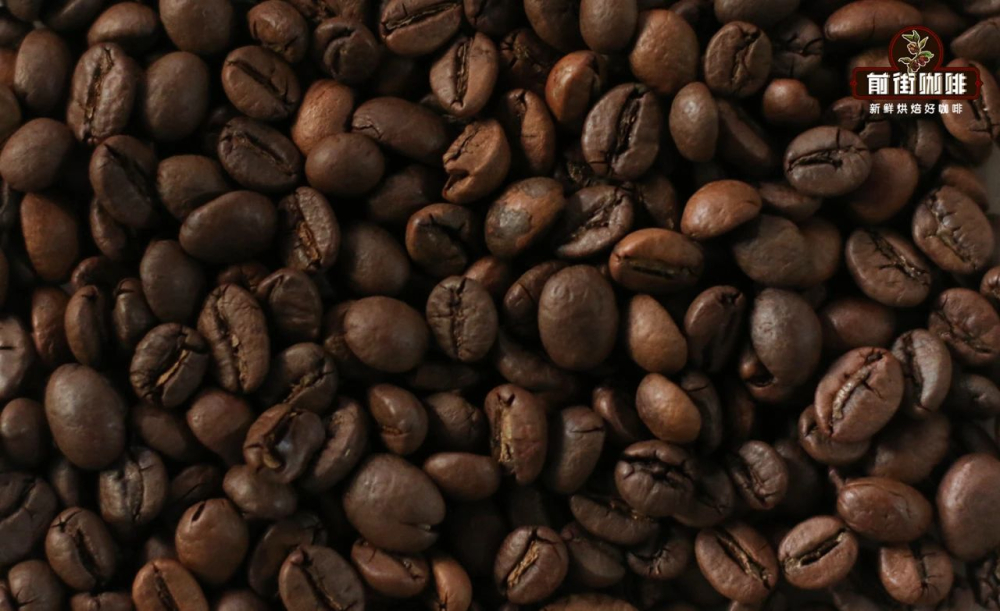
Dark-roasted Robusta traps enormous amounts of gas, and when pulled as espresso it releases a thick, rich crema — while its solid flavor backbone adds real body. Traditional coffee tastes ran toward strong bitterness and richness with little acidity, which matches dark-roast Robusta perfectly; that compatibility is why Robusta still survives in the specialty era. Arabica may dominate today, but worsening climate and growing conditions across the coffee belt pose real challenges for the future, and Robusta's natural toughness suggests more Robusta-lineage hybrids are on the way.
FrontStreet Coffee's Recommendation
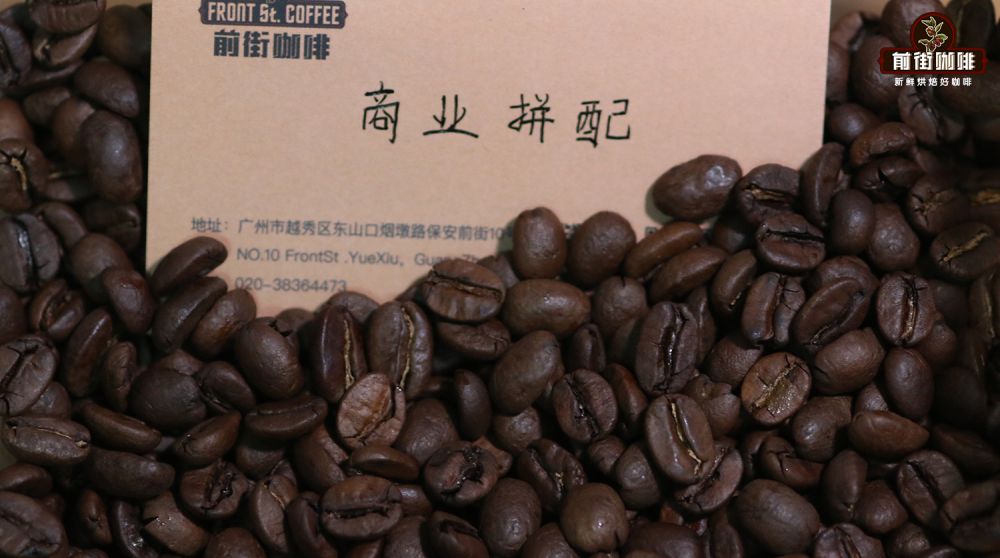
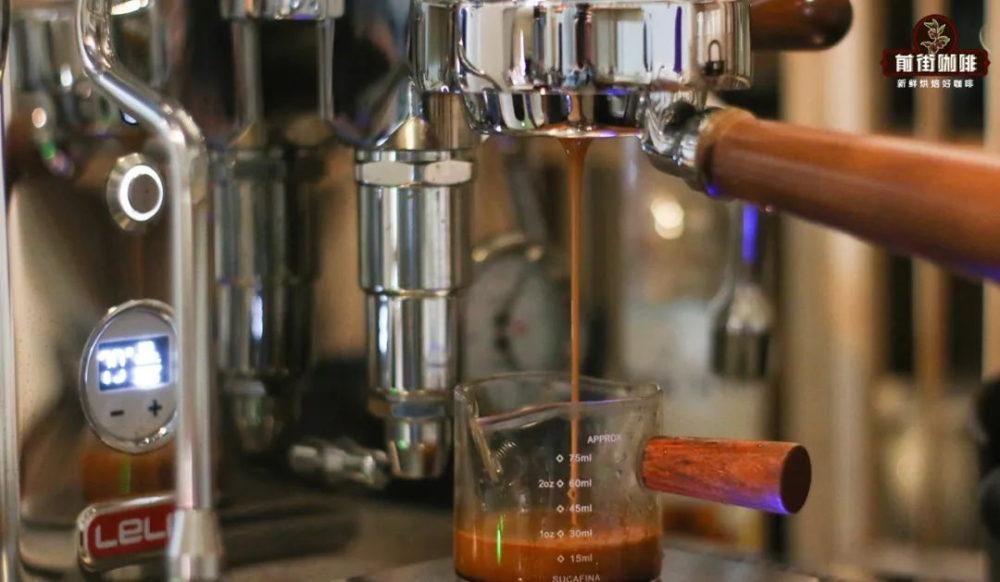
If you want to taste Robusta, FrontStreet Coffee doesn't recommend going straight to 100% Robusta — the flavor is heavy and the bitterness pronounced, good Robusta is expensive, and the value proposition is poor. Instead, our menu carries a "Commercial Espresso Blend" built on 10% washed Robusta, combined with Colombian washed coffee (30%) and Brazilian natural-process coffee (60%). The resulting espresso throws abundant golden crema with nutty aromatics; on the palate you get caramelized bitterness, but what stays with you is a creamy, full-bodied mouthfeel — and once swallowed, the bitterness fades into a pleasant aftertaste.
FrontStreet Coffee Recommendation
Prefer to experience the other side of the coffee family tree? FrontStreet Coffee's Gesha lineup makes a fine contrast to Robusta's blunt power. The entry-level FrontStreet Boquete Gesha from Panama delivers the classic orange-blossom honey sweetness, oolong tea-like body, and delicate fruit acidity at an accessible price, while the FrontStreet Granana Gesha Estate from Ethiopia's Yirgacheffe — medium-light roasted, naturally dried 14-20 days on raised beds — offers bright citrus acidity, ginger-flower fragrance, and the signature refined Gesha finish.
Important Notice :
FrontStreet Coffee is a long-established specialty coffee roaster in Guangzhou China, selling freshly roasted beans from its own farm in Yunnan as well as dozens of carefully selected single-origin beans from around the world for both pour-over and espresso. The products deliver consistently excellent quality and great value, with shipping within 24 hours. Guangzhou's FrontStreet Coffee shop is recommended by many coffee lovers, and the beans are now available online at the Tmall 。
FrontStreet Coffee has moved to a new address:
FrontStreet Coffee Address: 315,Donghua East Road,GuangZhou
Tel:020 38364473
 Scan and follow the En Gafei WeChat official account. Please indicate that the reprint comes from "En Gafei".