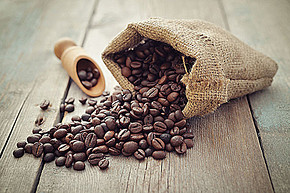
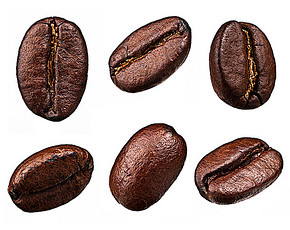
Characteristics of Geisha Coffee from Various Growing Regions and Main Flavor Descriptions - Where is Geisha Coffee Grown?
Understanding Gesha Coffee: A Comparative Analysis
People's understanding of Gesha coffee is largely defined by its rich, captivating floral aroma. However, those rich floral notes are found mainly in Panamanian Gesha. Gesha grown in other regions may show floral notes too, but they are less prominent, or only a subtle hint of flowers. Since Gesha became famous through Panama's Hacienda La Esmeralda, the variety has been planted in other major coffee-producing countries as well, with distinctly different results. FrontStreet Coffee will now compare its Panamanian Gesha, its Costa Rican Gesha and its Ethiopian Gesha to show how they differ.
FrontStreet Coffee's Ethiopian Gesha Coffee
Ethiopia is the birthplace of Gesha coffee, but the Gesha beans grown today at Ethiopia's Gesha Village have little genetic relationship to the Panamanian Gesha we know now.

Ethiopian Gesha is divided into three varieties. Gori Gesha (GG) replicates the genetic diversity found within the Gori Gesha coffee forest. Illubabor Forest 1974 (IF) was discovered during a 1974 expedition to the Illubabor forest and was later developed by the Ethiopian research center into a disease-resistant variety. Gesha 1931 (G31) combines different forest varieties and is very similar to Panamanian Gesha, selected by observing plant morphology, bean appearance, screen size and cupping results.

The first two varieties in FrontStreet Coffee's Gesha line are genetically completely different from FrontStreet Coffee's Panamanian Gesha. Although Gesha 1931 is officially described as closest to Panamanian Gesha in plant shape and cup performance, the actual genetic consistency is very low. As a result, the flavors of Ethiopian and Panamanian Gesha can be said to be completely different.

FrontStreet Coffee's Gesha Village Oma 059 Batch
Grade: Rarities (Gold) Label
Processing Method: Natural (32 days)
Variety: Gesha 1931
Country: Ethiopia
Region: Bench Maji
Altitude: 1,931-2,040m
FrontStreet Coffee's Ethiopian Gesha Village Gold Label Gesha brewing flavor: Noticeable fermentation on entry, citrus aroma, floral notes, berry-like sweetness and acidity, a cream-like smoothness, gentle acidity, moderate sweetness and a medium-long finish.
FrontStreet Coffee's Panamanian Gesha Coffee
Panamanian Gesha is where the definition of Gesha coffee began. The line "Gesha coffee has captivating floral notes and berry-like sweetness" originated with Hacienda La Esmeralda's Gesha. Discovered in 1931 in the Gesha forest of Ethiopia, Gesha was then sent to Kenya's Coffee Research Institute. In 1936 it was introduced to Uganda and Tanzania, in 1953 to Costa Rica, and around 1960 to Panama. In 2004, Hacienda La Esmeralda's Gesha shot to fame at the BOP competition, cementing the estate's place in specialty coffee.

Hacienda La Esmeralda's Gesha is divided into three categories. Red Label lots are grown at 1,600-1,800 meters, score 90+ points in cupping and come mainly from the Jaramillo and Canas Verdes areas. The Red Label Gesha that FrontStreet Coffee sourced comes from Canas Verdes, processed naturally, with distinct rose aromas and berry-like sweetness.

Green Label lots do not enter auctions but keep excellent quality. Green Label Gesha is grown at 1,600-1,800 meters and is mainly a blend of batches from different plots, including Jaramillo and Canas Verdes. On FrontStreet Coffee's bean list, the Green Label Gesha comes in both natural and washed processing. The washed version has floral, fruit and citrus aromas with a fresh, clean mouthfeel, while the natural version keeps the washed base character and adds a thick, juicy mouthfeel.
FrontStreet Coffee's Blue Label is grown at 1,400-1,500 meters, blending Gesha beans from three different plots: Jaramillo, Canas Verdes and El Velo. In previous years Blue Label Gesha was only available washed, but in 2020 natural processing was added to the Blue Label batch. FrontStreet Coffee sourced Blue Label Gesha in both natural and washed varieties. The washed Blue Label has light floral notes and bright acidity, while the natural Blue Label has subtle floral notes and a full, juice-like sensation.
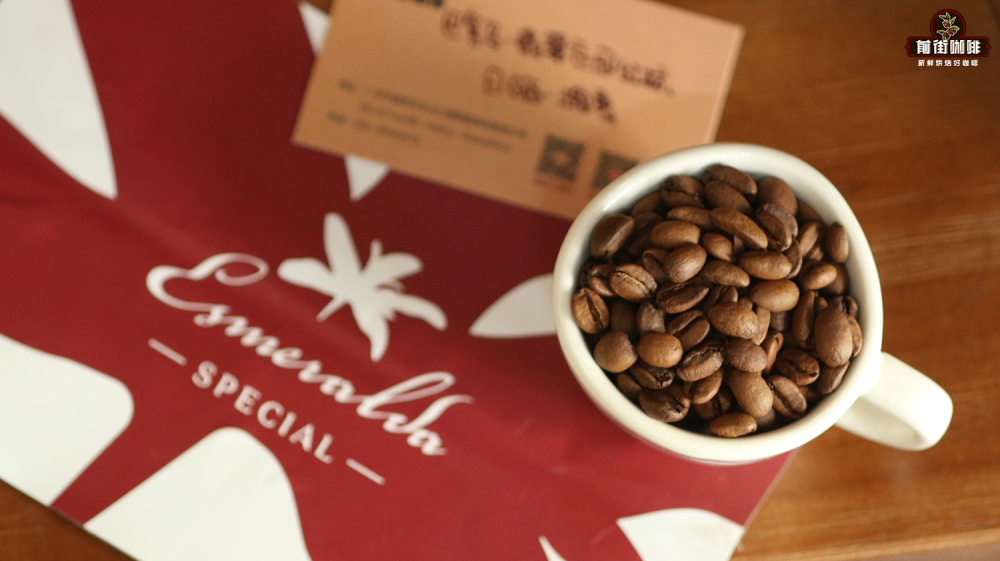
FrontStreet Coffee's Hacienda La Esmeralda Red Label Gesha Beans
Region: Boquete, Panama
Estate: Hacienda La Esmeralda
Plot: Canas Verdes, Mario's Plot
Altitude: 1700m+
Processing Method: Natural Processing
FrontStreet Coffee's Panamanian Hacienda La Esmeralda Red Label Gesha brewing flavor: Bright rose and citrus aromas, brown rice, berries, apricots, complex fruits and honey, with a thick, juice-like mouthfeel, rich flavor layers and noticeable sweetness.
FrontStreet Coffee's Costa Rican Gesha Coffee
As FrontStreet Coffee noted above, Panamanian coffee was introduced from Costa Rica. Costa Rica has grown coffee for nearly two hundred years, and as an important economic crop it has built a very mature industry. Today there are many newly established estates, most of which have the resources and the willingness to grow Gesha. Among them, the most famous is the Gesha from La Candelilla Estate.
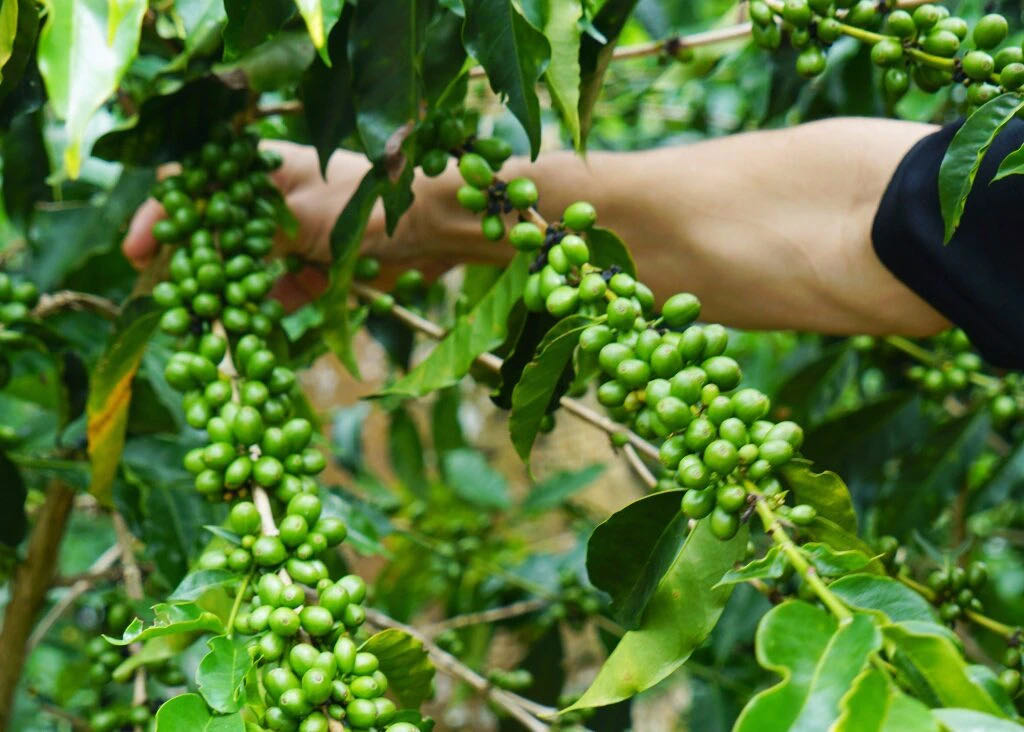
La Candelilla Estate enjoys a microclimate well suited to coffee. In the dry season, mornings can reach 9 degrees Celsius, rising to 35 degrees Celsius by noon and dropping back to 9 degrees Celsius by dusk. That wide day-night temperature swing lets the cherries accumulate nutrients better and produce more refined flavors.
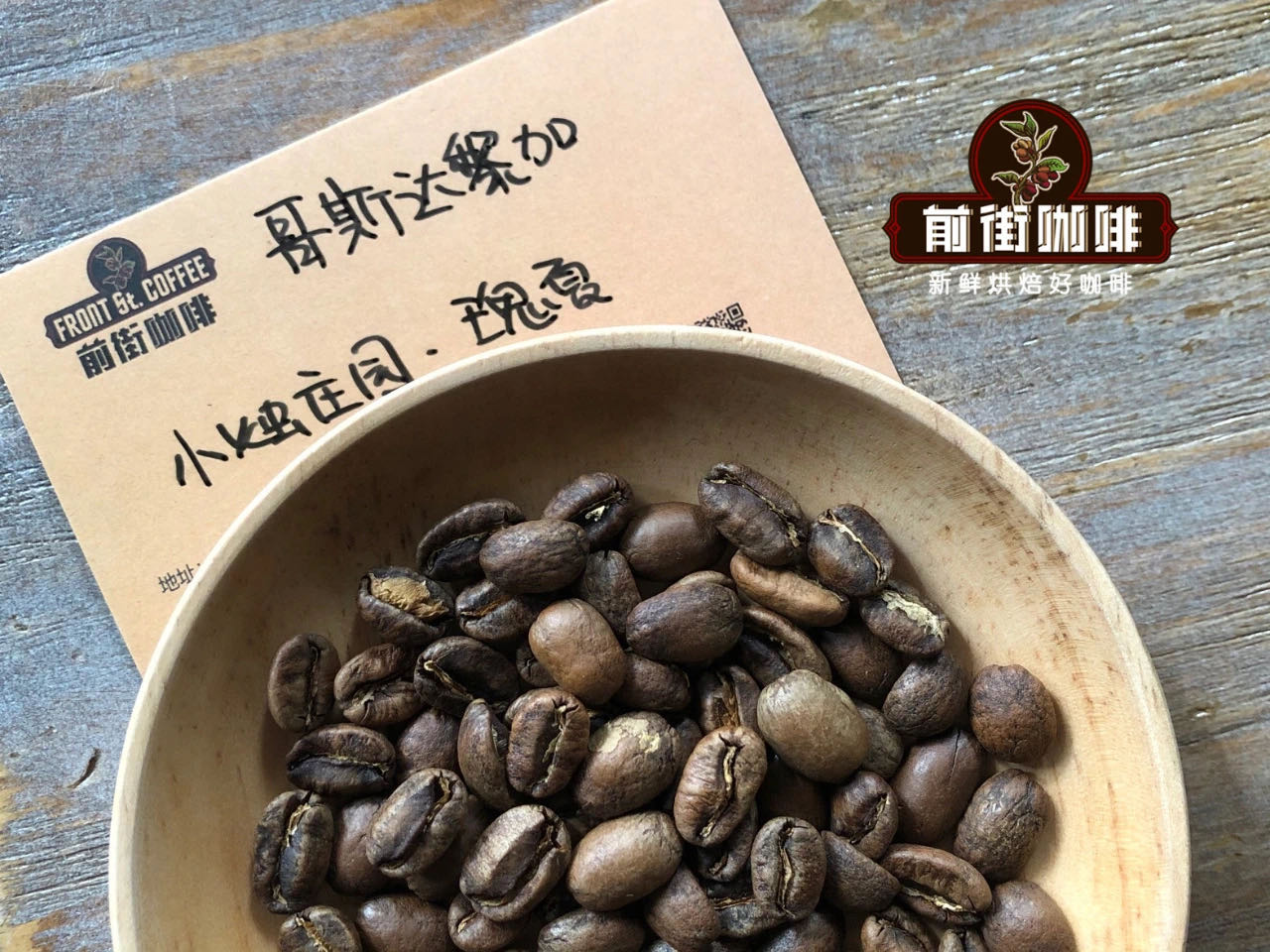
FrontStreet Coffee's Costa Rican La Candelilla Estate Gesha Beans
Region: Tarrazú, Costa Rica
Estate: La Candelilla Estate
Variety: Gesha Variety
Processing Method: Washed Processing
Altitude: 1750m
FrontStreet Coffee's Costa Rican Gesha brewing flavor: An aroma of jasmine flowers, distinct lemon acidity on entry, high cleanliness, a juice-like mouthfeel, honey sweetness in the middle and a green tea finish.
FrontStreet Coffee Recommendation
Across the Gesha range, FrontStreet Coffee's Esmeralda lots follow the estate's own grading. Red Label, properly called Esmeralda Special, is grown at 1,600-1,800 meters and cups at over 90 points, with each lot numbered and drawn from a single small plot so buyers can pick the flavor they want; Green Label, or Private Collection, blends several plots and focuses on the estate's signature high-altitude Gesha character at a friendlier price, and FrontStreet carries it in both washed and natural versions.
From Ethiopia, FrontStreet's Gesha Village Gold Label belongs to the Gesha 1931 variety and makes up about 10% of the village's output, the top coffee it produces outside its auctions and a frequent choice for competition baristas; it is processed with a refined natural method for a complex, layered cup. The Gesha Village Red Label is the Gori Gesha variety, about 15% of output, scores 88 points or above on the SCA 100-point scale and is a single-terroir series with fully traceable lot information covering block, variety and processing date. Also in the range is FrontStreet's Granada Estate Gesha, a rare single-variety farm in Yirgacheffe whose processing station was founded in 2014 by Israel Degefa; the cherries are hand-picked fully ripe and dried on raised beds for 14-20 days, then roasted medium-light to show bright citrus acidity, elegant ginger flower, ripe fruit sweetness and a fine, refined finish.
Gesha is a medium-light, floral and fruit-forward type with a hard bean that tends to sink and clog the dripper, so FrontStreet recommends a grind of 78% passing a China standard #20 sieve, roughly fine granulated sugar, at 91°C. Use 15 g of coffee in a small Hario V60 with a 1:16 ratio, poured in three stages: 30 g for a 30-second bloom, then a small circular pour to 125 g, and once the bed drains halfway, continue in gentle circles to 225 g, with a total extraction time of about 2 minutes 10 seconds to 2 minutes 20 seconds.
Gesha also makes an excellent SOE. FrontStreet suggests the medium-roast Granada Estate Gesha SOE, which carries Gesha's floral-fruit character and dried-fruit sweetness along with the white flowers and lemon-like bright acidity of Ethiopian coffee; as espresso it turns to dried apricot, caramel and nuts. Pull it at 20 g of coffee, a 1:2 liquid ratio and 25 seconds for 40 g of liquid: with 200 g of hot water at 1:5 it becomes an Americano with orange, nut and blueberry notes, and with 200 g of milk it becomes a latte with a creamy cookie texture.
Important Notice :
FrontStreet Coffee is a long-established specialty coffee roaster in Guangzhou China, selling freshly roasted beans from its own farm in Yunnan as well as dozens of carefully selected single-origin beans from around the world for both pour-over and espresso. The products deliver consistently excellent quality and great value, with shipping within 24 hours. Guangzhou's FrontStreet Coffee shop is recommended by many coffee lovers, and the beans are now available online at the Tmall 。
FrontStreet Coffee has moved to a new address:
FrontStreet Coffee Address: 315,Donghua East Road,GuangZhou
Tel:020 38364473
 Scan and follow the En Gafei WeChat official account. Please indicate that the reprint comes from "En Gafei".