SCAA New Coffee Flavor Wheel High-Definition Chart - Differences Between New and Old Specialty Coffee Flavor Wheels
Understanding Coffee Flavors
Coffee flavors are familiar to many people, but when it comes to naming exactly what they taste - citrus, berries, nuts, chocolate, and so on - plenty of drinkers draw a blank. FrontStreet Coffee always asks customers about their taste preferences before taking an order. If someone likes acidity, FrontStreet Coffee recommends Yirgacheffe with its citrus-lemon acidity. For even more intensity, FrontStreet Coffee suggests Kenyan coffee beans. For a fuller body, FrontStreet Coffee points to Brazilian Bourbon beans with their rich chocolate and nut flavors. For something heavier still, there is Indonesian Mandheling, with its herbal notes, rich body and pleasant sweet aftertaste. Each of these beans has distinct regional characteristics and specific descriptive terms. How do those terms come to mind quickly after tasting a cup? It takes repeated flavor correction and training. FrontStreet Coffee will walk through how coffee flavors actually show up, based on its daily training practice.
What Are Coffee Flavors?
When FrontStreet Coffee tastes coffee, the focus is on the four basic tastes: sour, sweet, bitter and salty, all closely tied to roast degree. The flavor wheel therefore groups flavors by light-to-medium roast and dark-to-heavy roast. As it happens, the sour and sweet compounds in light-to-medium roasts have lower molecular weights and higher polarity, so they are highly water-soluble and are usually extracted early. The bitter and salty compounds have higher molecular weights and lower polarity, so they are less water-soluble and typically extracted late.
The flavors of light-to-medium roasted coffee are dominated by low-to-medium molecular weight sour and sweet tastes. If there are too many defective beans, or the roast goes wrong, even a light-to-medium roast can develop unpleasant bitter and salty notes. Dark roasts, by contrast, are dominated by high-molecular-weight bitter and salty compounds. That said, dark roasts are not without merit - the most prized dark roast profile is "rich but not bitter, mellow and smooth on the throat."
Proportion of Water-Soluble Flavor Compounds in Coffee
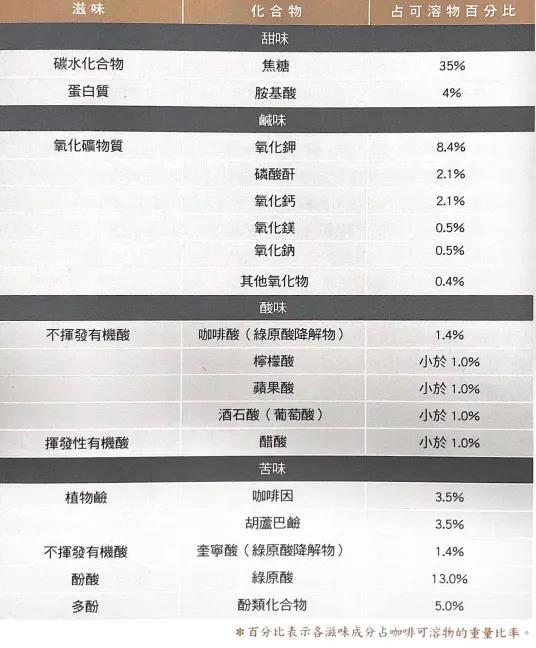
The data above shows the weight proportion of soluble flavor compounds - sour, sweet, bitter and salty - in roasted coffee beans. Sweet components are the most abundant at 39% of soluble compounds, followed by bitter compounds at 26.4%, salty taste at 14%, and sour taste last at no more than 5.4%. Together they total 84.8%, with the remainder likely flavor compounds present only in small amounts.
Don't assume coffee is as sweet as honey just because sweetness accounts for such a large share. In black coffee, the bitter, sour or salty tastes easily interfere with the underlying sweetness. The four flavors have a complex relationship of mutual cancellation and reinforcement.
The Four Major Flavor Spectrums
FrontStreet Coffee divides sour, sweet, bitter and salty into four flavor spectrums.
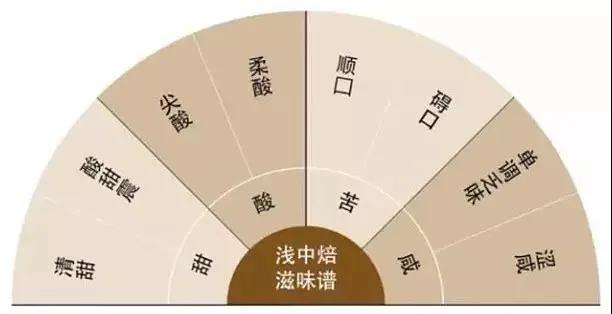
1. Sour Flavor Spectrum
Sourness is originally the greatest characteristic of light-to-medium roasted coffee. Coffee beans contain various organic acids, with phenolic acids, aliphatic acids and amino acids having the biggest impact on taste.
Sucrose degradation products also develop during roasting. As the roast moves from light to medium, sucrose gradually breaks down and acetic and lactic acid concentrations rise - though at a certain point they suddenly drop sharply. Light-to-medium roasted coffees therefore generally show more pronounced sour flavors.
2. Bitter Flavor Spectrum
Coffee's bitterness can be categorized as either pleasant or harsh. The pleasant kind is the natural mild bitterness of caffeine, trigonelline, aliphatic acids and quinine acetate. The harsh kind comes from chlorogenic acid degradation products (chlorogenic acid lactones), defective beans and carbonized particles.
3. Sweet Flavor Spectrum
Although the volatile aroma of caramel is easy to enjoy through retronasal olfaction, tasting sweetness in black coffee is not easy. Sweetness is often interfered with by other sour, bitter and salty components, so it struggles to stand out. Only when the sweet components in roasted beans are above average can they break through and be perceived as sweet. In other words, smell is far easier than taste when it comes to enjoying coffee's sweetness.
The "sweet flavor spectrum" in light-to-medium roasts refers to the interplay of sweet and sour tastes, most commonly found in high-altitude (above 1300 meters) washed coffees. If citric acid, malic acid and acetic acid content is not low, there will be sharp acidity. If the coffee's sugar content is high, however, it can neutralize some of the fruit acids, smoothing that sharp acidity into something lively and dynamic, with fruit flavors and an interesting "sweet-sour vibration."
4. Salty Flavor Spectrum
Although saltiness is everywhere in coffee, it is often masked by the interaction of sour and sweet flavors. When you can taste saltiness in black coffee, it signals that the organic compounds responsible for sour and sweet flavors have been completely oxidized, letting the inorganic salty taste come forward. Treat it as a warning sign that the coffee has lost its flavor or is no longer fresh.
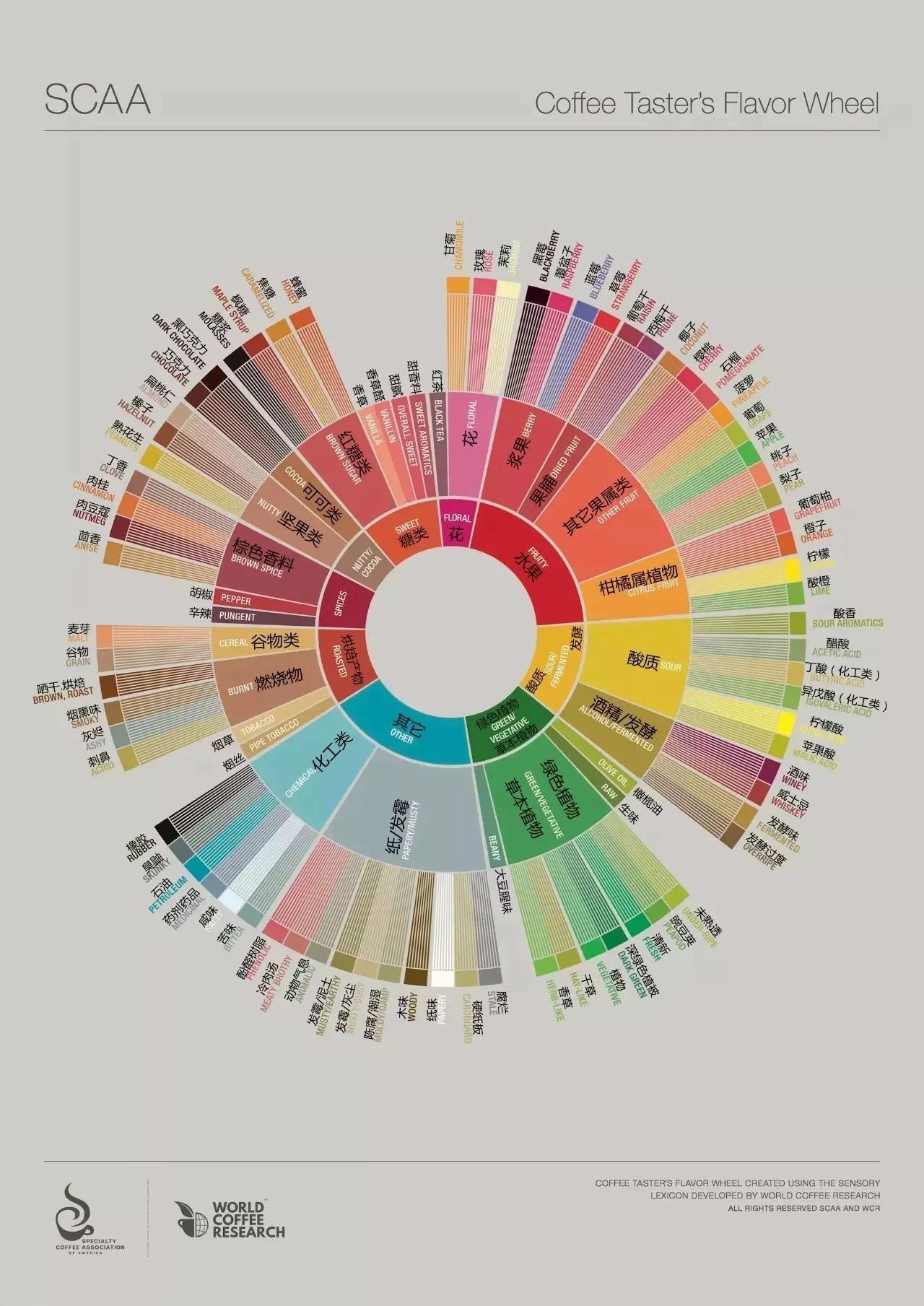
How to Read the Coffee Flavor Wheel
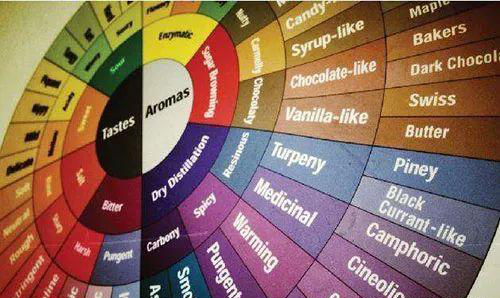
First, let's look at a complete coffee flavor wheel.
Floral and Fruity Aromas
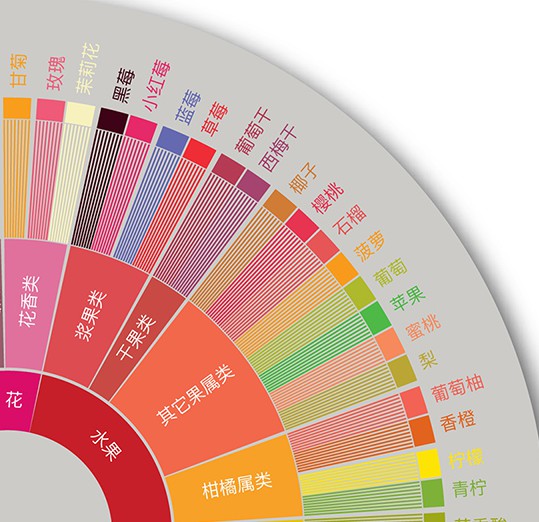
Floral: Light, slightly sweet, elegant aromas
Fruity: A mix of slightly sweet and fruit-floral aromas from various ripe fruits
In specialty coffee, floral aromas are relatively rare. The most representative ones are:
1. Chamomile - an enclosed fragrance type, slightly pungent, and a little sharp to the nose at first. Another representative floral aroma is osmanthus, which is more pronounced in Guatemala's Bosque Lya.
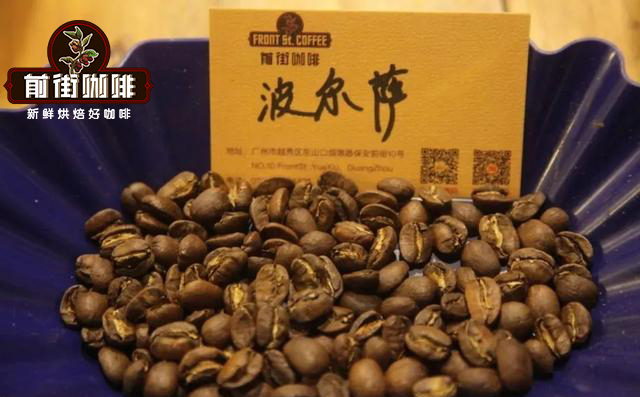
FrontStreet Coffee's Guatemala Bosque Lya coffee beans
2. Rose - a subtle fragrance type, with a peaceful, soothing feeling. Another representative floral aroma is lavender. Colombia's Rose Valley is the most prominent for its rose fragrance.
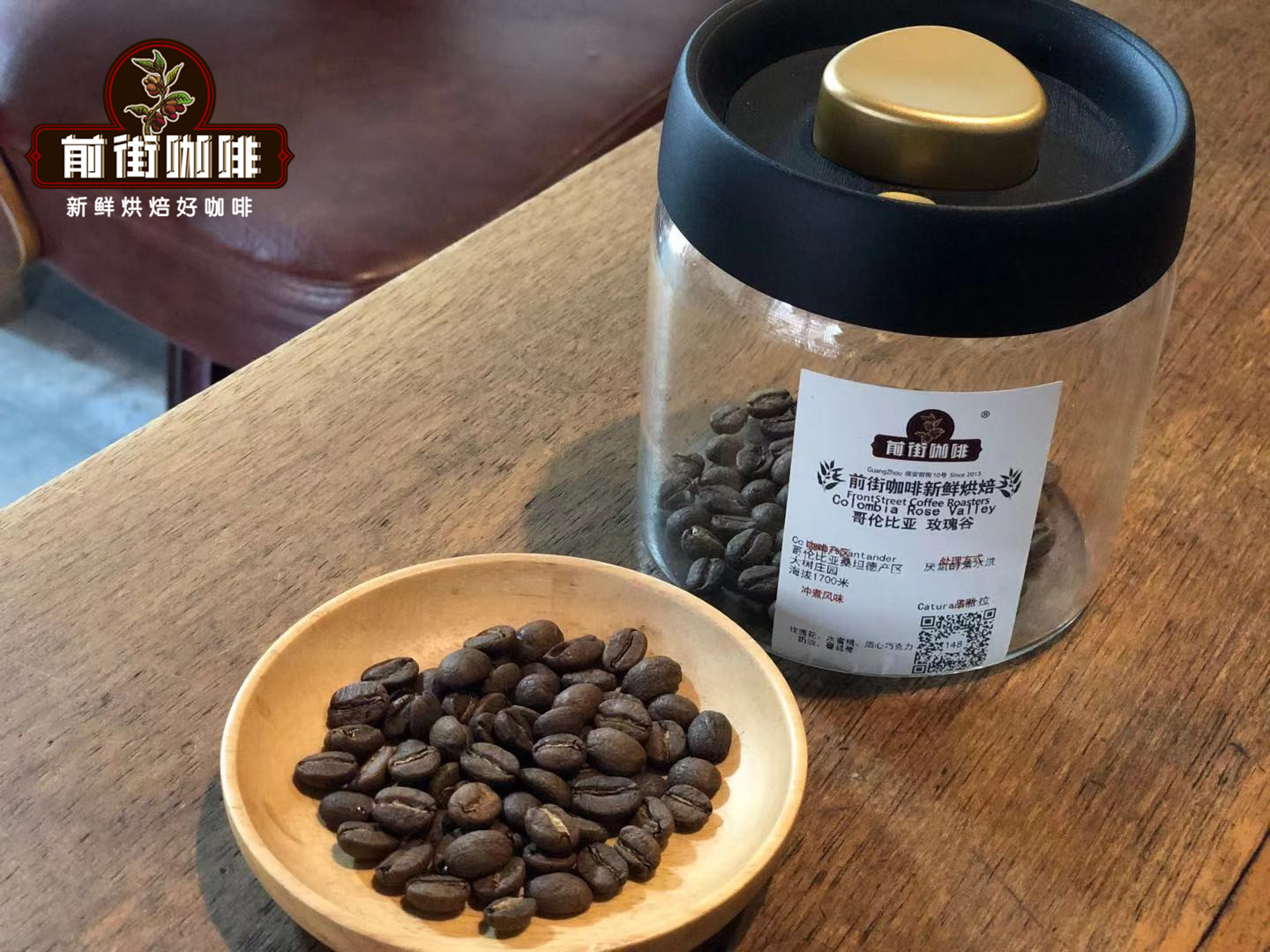
FrontStreet Coffee's Buku coffee beans
3. Jasmine - a fresh fragrance type, with an uplifting, energetic aroma. Another representative floral aroma is coffee flowers. This type is more common in coffees such as Panama's Blue Label Geisha and Yirgacheffe Aricha, which are jasmine-scented.
Panama's Hacienda La Esmeralda Red Label Geisha carries both jasmine and rose floral aromas.
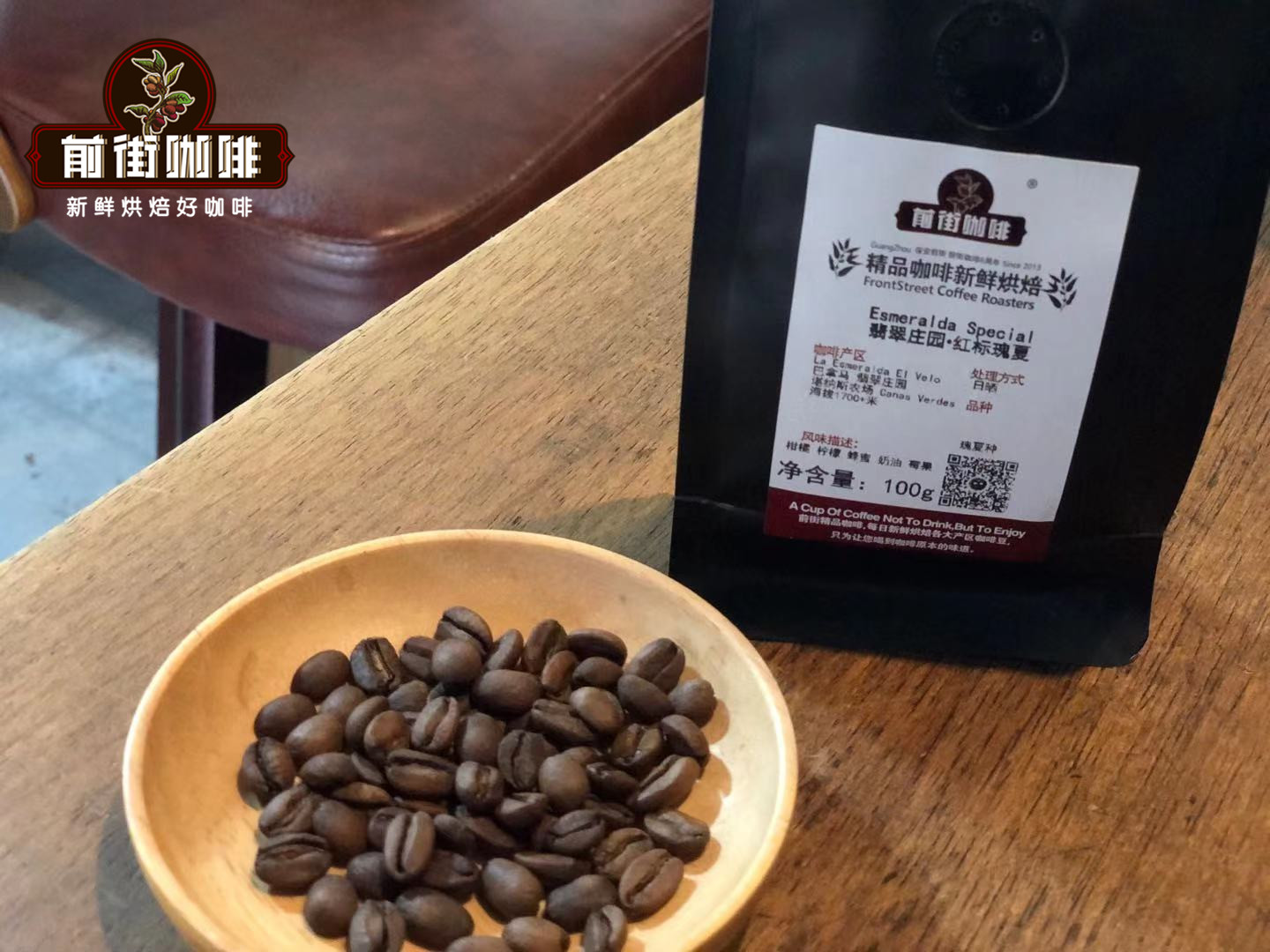
FrontStreet Coffee's Panama Hacienda La Esmeralda Red Label Geisha coffee beans
The most representative fruit acids are:
1. Yirgacheffe Red Cherry emits intense fruit aromas of dried fruit, plum, strawberry and lemon.
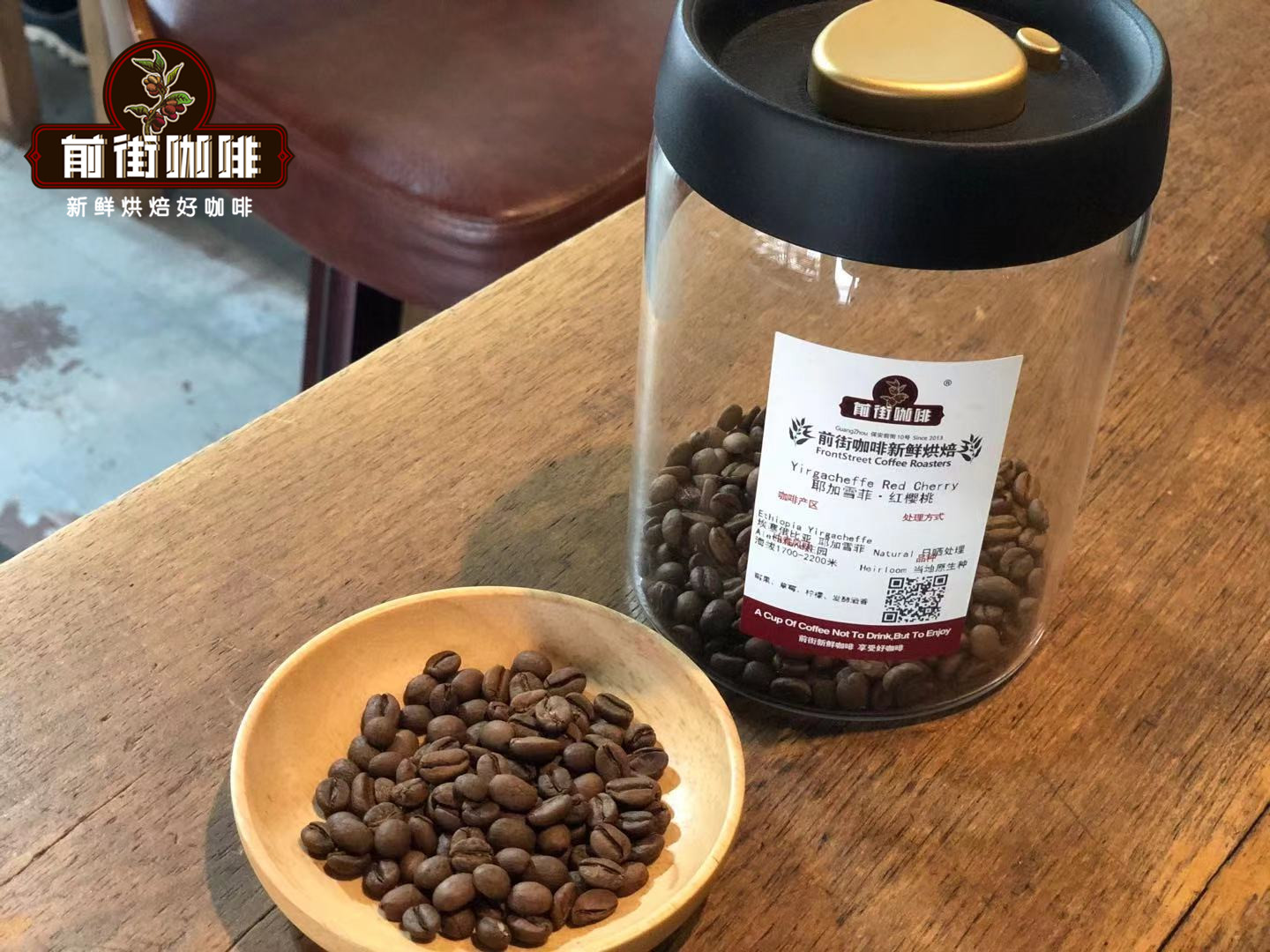
FrontStreet Coffee's Yirgacheffe Red Cherry coffee beans
2. Buku 4.0 has a fresh grass aroma on entry, with apple and dried plum sour notes and a berry aftertaste.
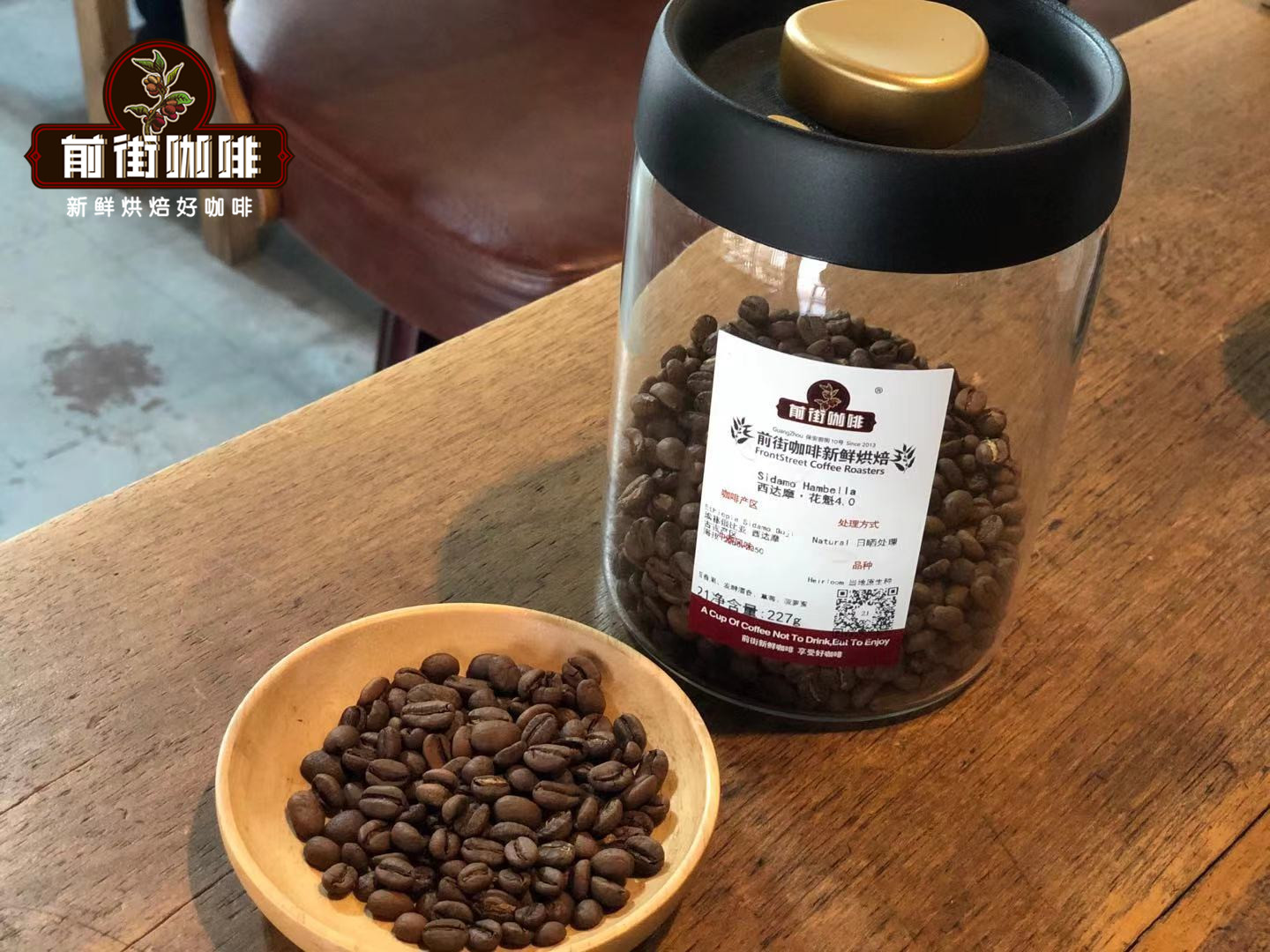
FrontStreet Coffee's Buku 4.0 coffee beans
3. Ethiopian Yirgacheffe has a citrus sour aroma and tea fragrance, with light acidity and a rich texture, plus plum, kumquat, lemon, dried fruit and caramel.
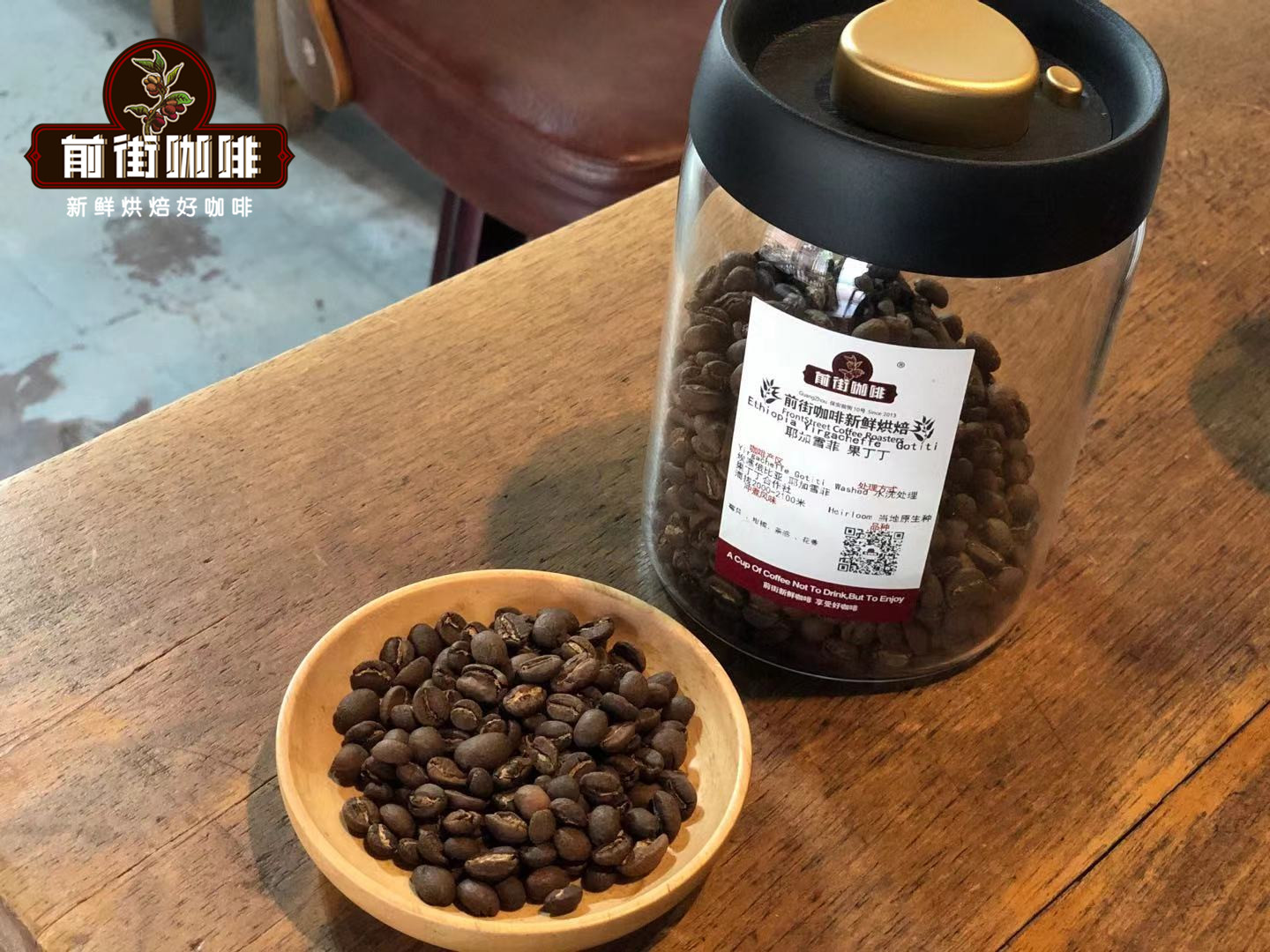
FrontStreet Coffee's Yirgacheffe coffee beans
Green/Vegetal
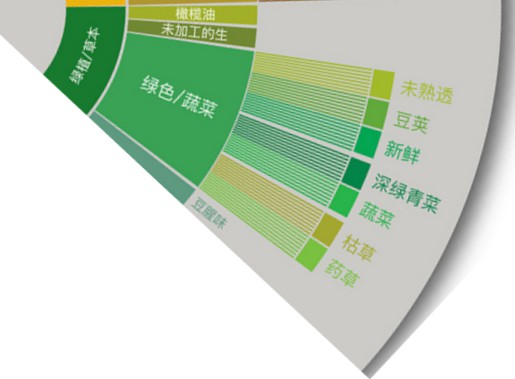
From this category onward, the flavors need some explanation.
Under-Ripe: Fruits not yet ripe on the tree, tasting similar to grapefruit peel.
Fresh: The smell of freshly cut grass.
Dark Green: Cooked green vegetables, like the canned spinach Popeye eats to gain strength.
Vegetative: The slightly spicy taste of green vegetables, with canned asparagus as a reference.
Herb-like: More accurately, spice leaves such as bay leaves, basil and thyme.
Peapod: The taste of beans and bean products. (Note: the aromatic acids in the sour category are also beans, but those focus more on sourness.)
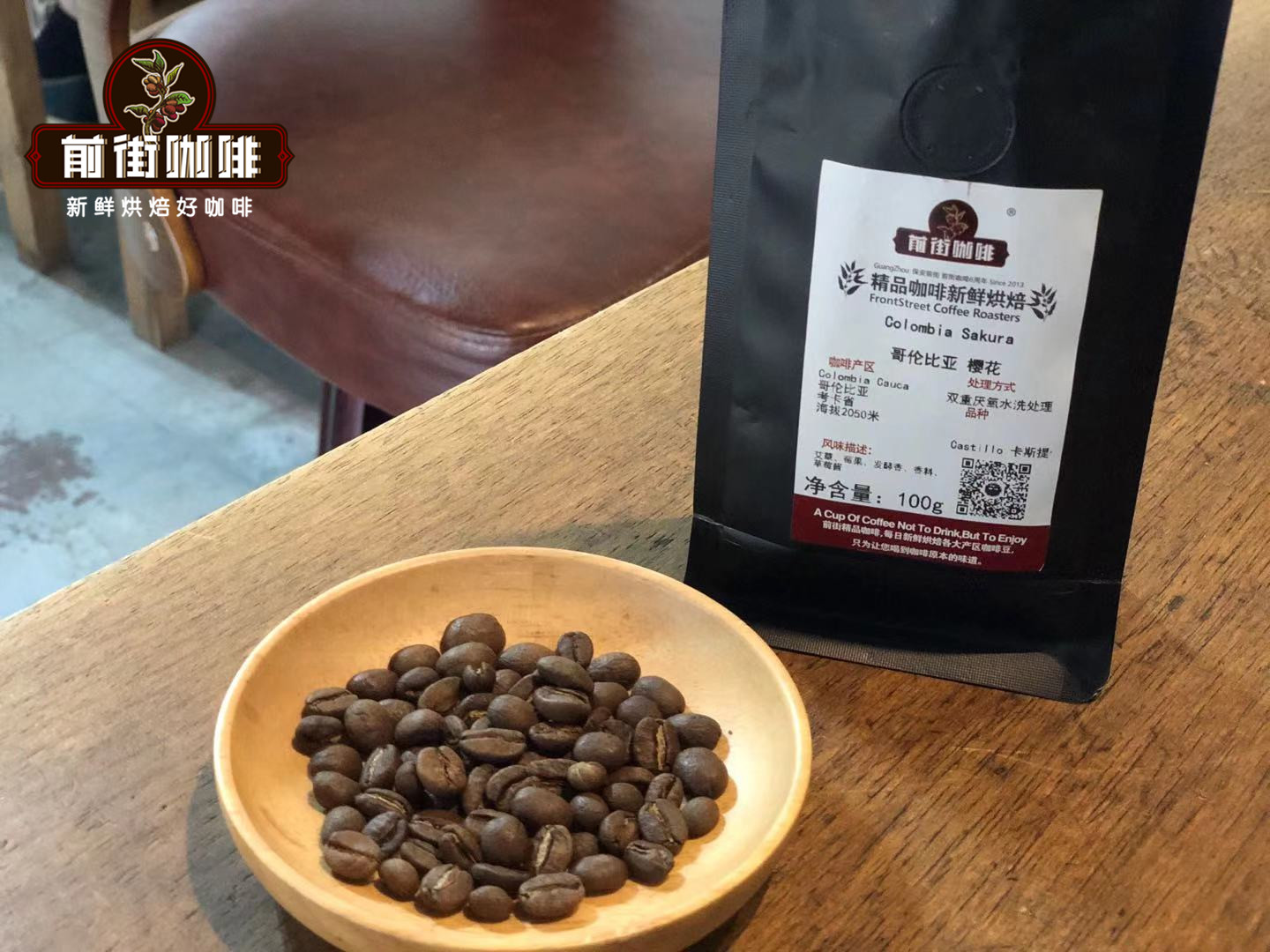
FrontStreet Coffee's Colombia Sakura coffee beans
Among single-origin coffees, Colombia's El Paraiso Sakura is a representative example. Roasted light-to-medium, it can still sometimes emit basil and mint aromas, which is quite unusual.
Nuts/Cocoa
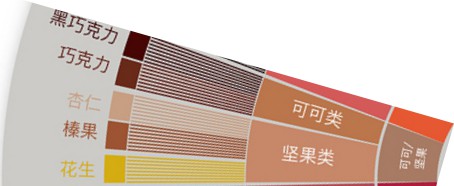
These aromas are produced in medium-roasted beans through the Maillard reaction. This type is quite common and includes:
Nut category: Roasted Almonds, Roasted Peanuts, Roasted Hazelnuts, Walnuts.
Cocoa category: Dark Chocolate.
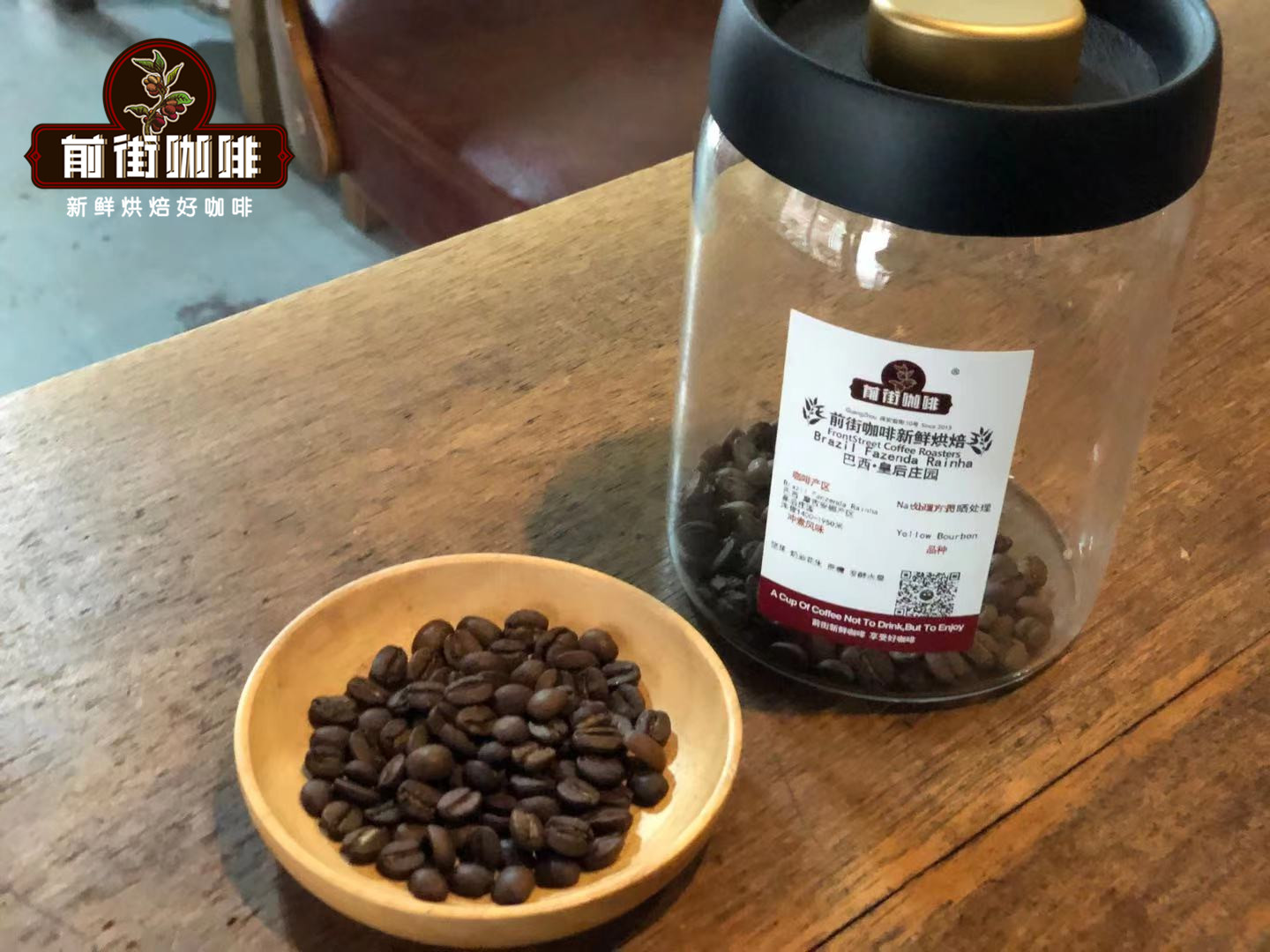
FrontStreet Coffee's Brazil Queen's Farm coffee beans
Brazil's Queen's Farm is a representative example: intense chocolate, smoky and nutty flavors with a creamy body, plus caramel, berry and pineapple sweetness.
Sweet
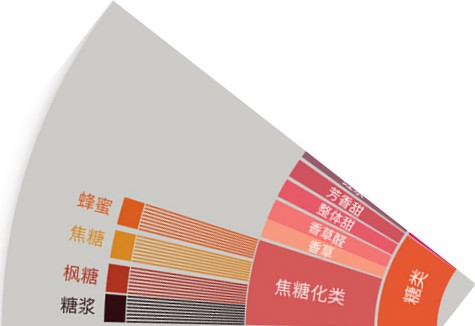
During medium roasting, acid and aroma compounds break down, producing caramel aroma through the sugar browning reaction (caramelization).
FrontStreet Coffee divides coffee "sugars" into two major categories:
1. Toffee, Caramel, Honey, Maple Syrup
The distinguishing feature of this first category is its "viscosity," which relates to both mouthfeel and sweetness level and can also be confirmed by smell. We can rank them simply as toffee > caramel > honey > maple syrup in terms of viscosity. This viscosity shows up after drinking coffee - when you smell the bottom of the cup, does it feel thick and rich or relatively light? Honey also has a slight sour, fermented taste, while maple syrup smells relatively light with woody notes.
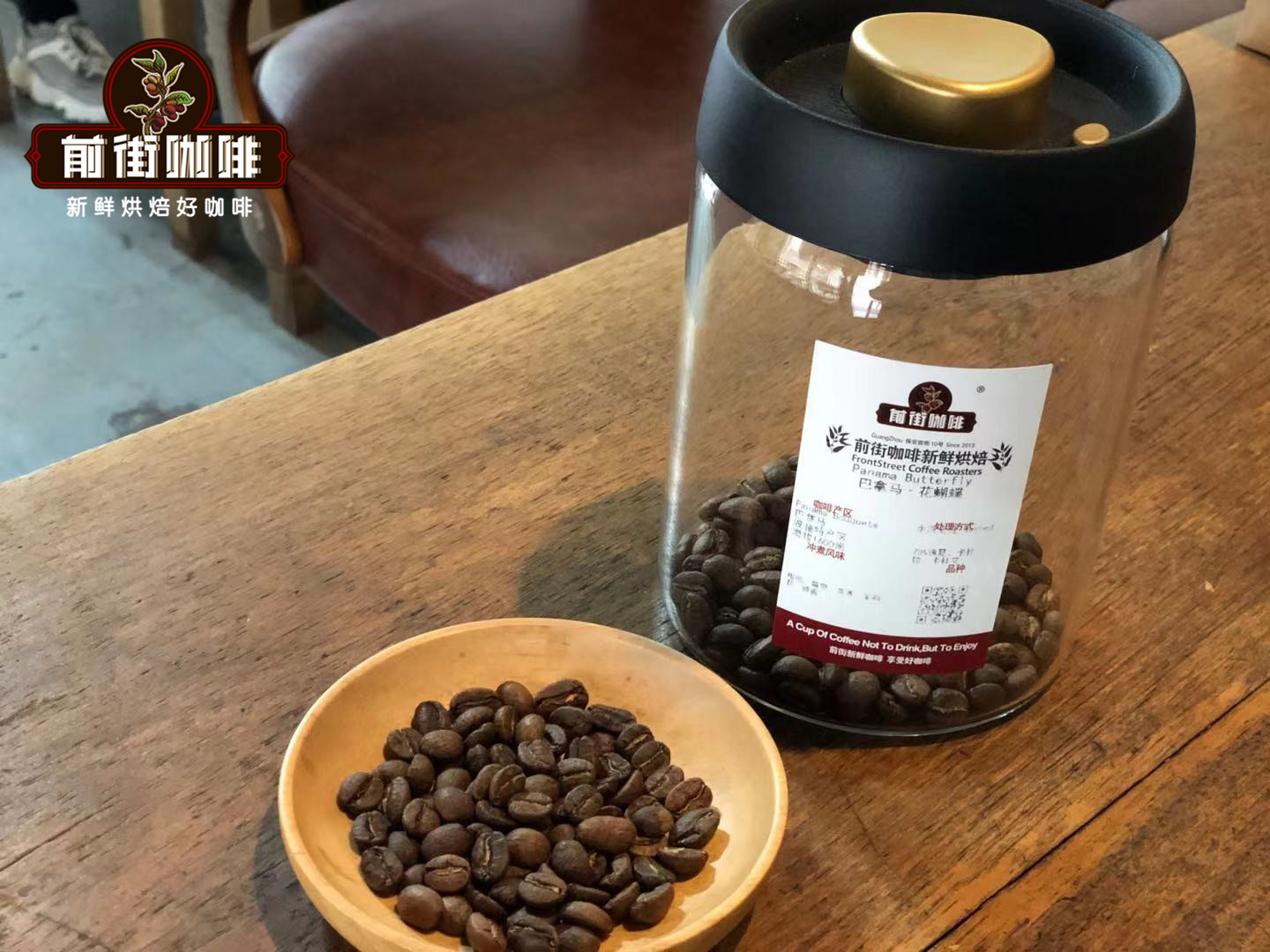
FrontStreet Coffee's Flower Butterfly coffee beans
Panama natural-processed Flower Butterfly is a representative example: floral, citrus, lemon, sucrose, honey, hazelnut and oolong tea.
2. Brown Sugar, Yellow Sugar, White Sugar
The second category distinguishes sugars by their different purity and sweetness levels of sucrose. In terms of purity, white sugar > yellow sugar > brown sugar, but in coffee we need to consider smell, which makes the perceived sweetness intensity brown sugar > yellow sugar > white sugar. These different intensities of sweetness give us different sensations.
Spices

These are generally produced in dark roasts and include:
Pungent: Sharp, nose-stinging flavors, with orange essential oil as a reference. Aged Mandheling with its traditional herbal medicine aroma is a representative example.
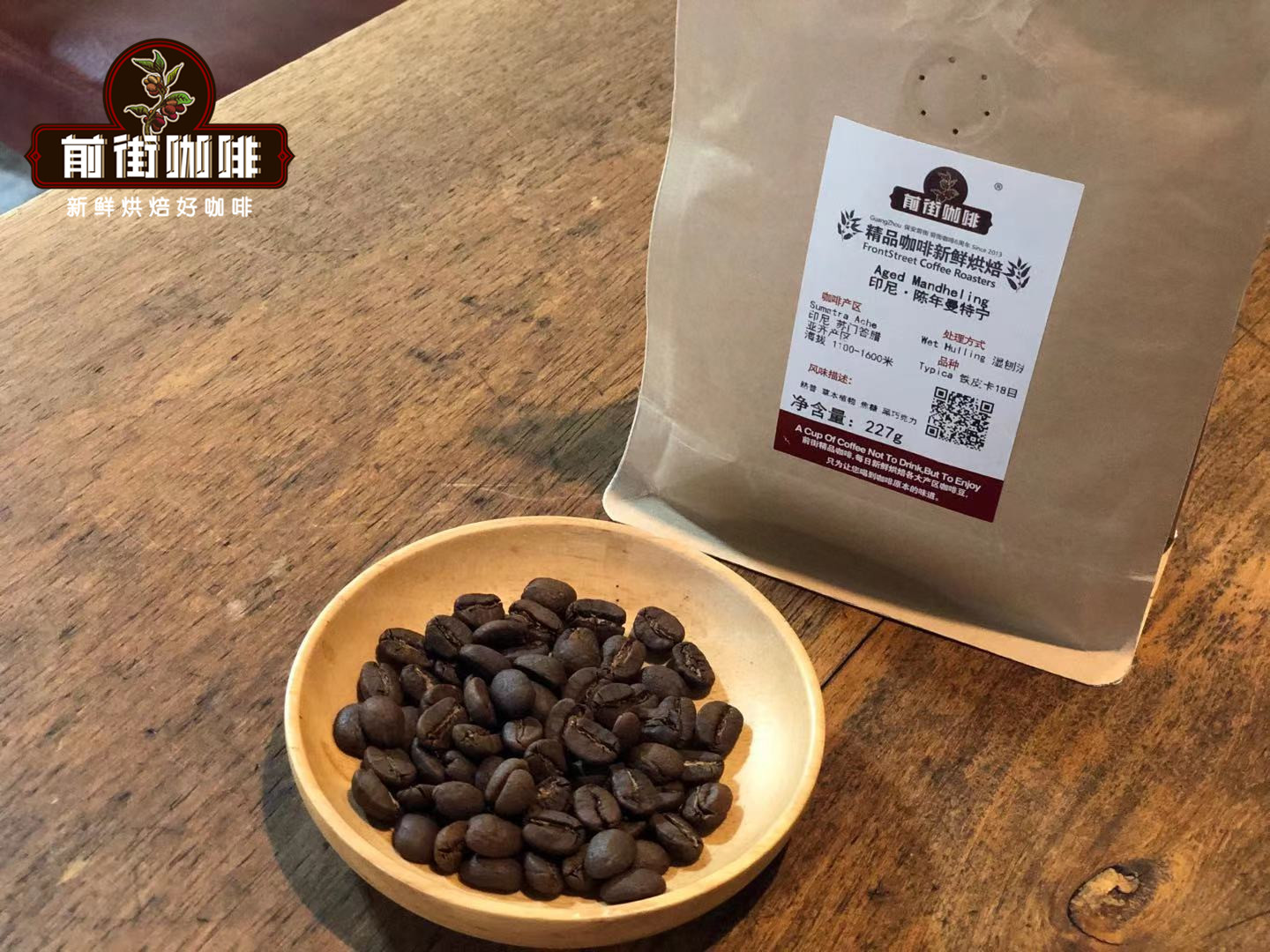
FrontStreet Coffee's Tiger Mandheling coffee beans
Sour/Fermented
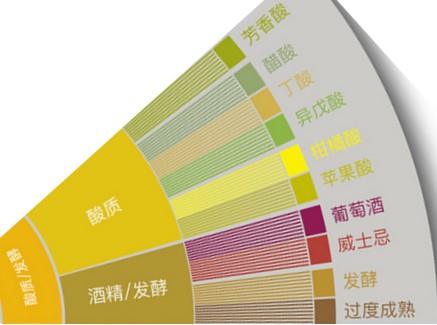
Sour Aromatics: Acidic products, such as canned pinto beans (Bush's Pinto Beans).
Citric Acid and Malic Acid: More focused on sour and astringent tastes, and more intense.
Butyric Acid: The taste of certain aged cheeses, such as Parmesan.
Isovaleric Acid: Also the taste of certain aged cheeses, such as Romano.
Geisha Village CHAKA, with citrus, lemon, grapefruit, nut and almond flavors, is a representative example.
Alcohol/Fermented
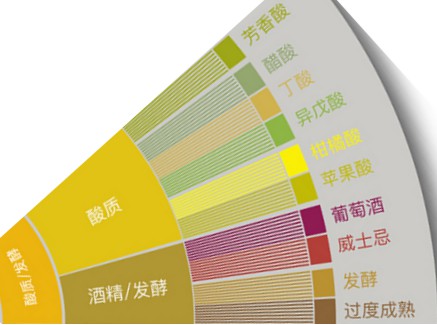
Overripe: Although the reference is banana, this actually refers to the sweet, slightly sour, moist, moldy or earthy taste of other overripe fruits or vegetables.
Winey: Reference is Yellow Tail Cabernet Sauvignon.
Whiskey: Reference is Jack Daniel's Tennessee Whiskey Old No. 7.
Fermented: Reference is Guinness Extra Stout beer.
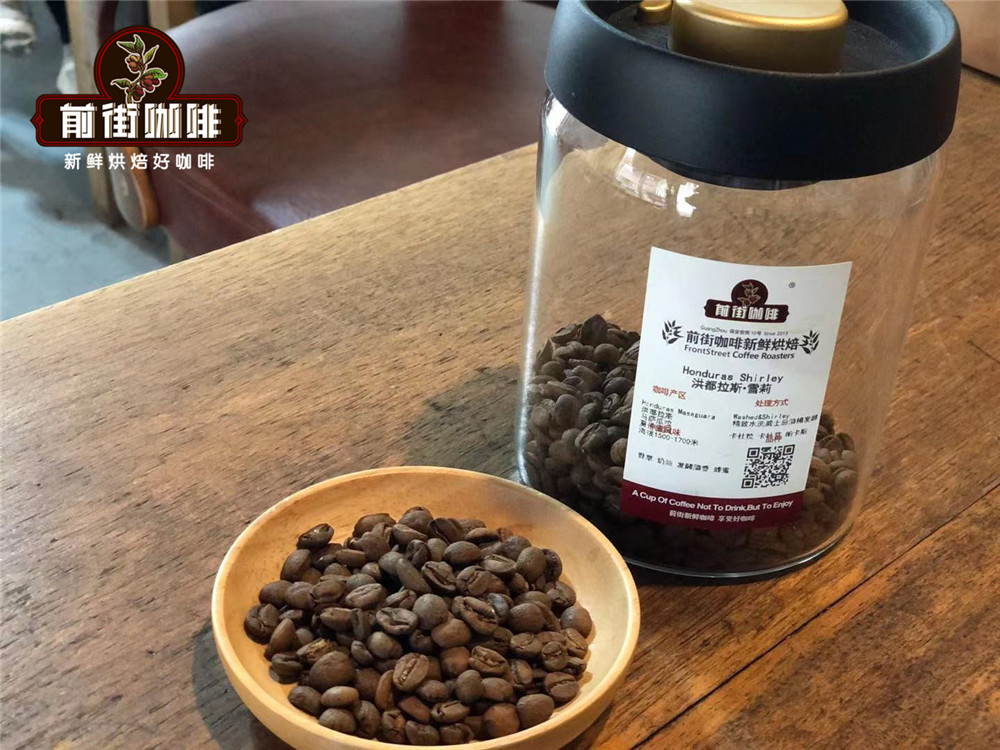
FrontStreet Coffee's Honduras Sherry coffee beans
Whiskey-fermented Honduras Sherry is a representative example. It smells of vanilla and cream, with whiskey, berry, almond and dark chocolate flavors on entry, and a maple syrup aftertaste.
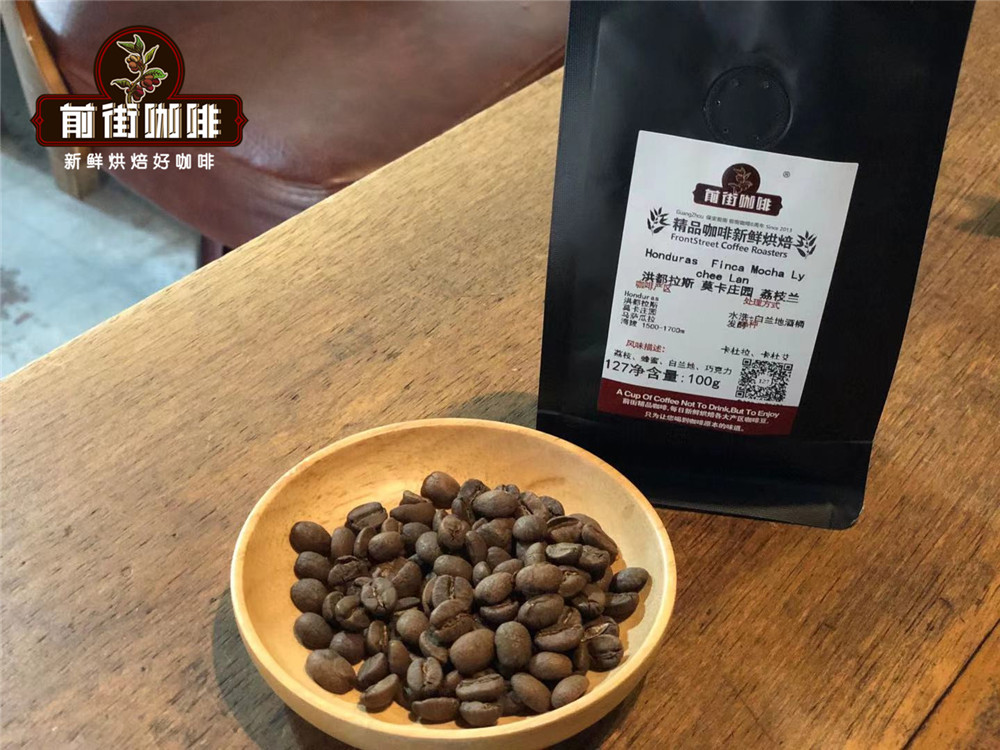
FrontStreet Coffee's Honduras Lychee Lan coffee beans
Brandy barrel-fermented Honduras Lychee Lan is another. Beans processed in brandy barrels carry soft lychee and honey sweetness, along with full-bodied brandy aroma and oak barrel fragrance.
Roasted
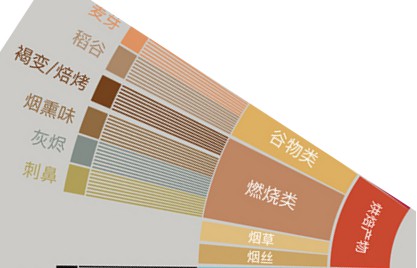
Acrid: Specifically bitterness after burning. The bitterness we normally taste is caffeine bitterness, not necessarily the burnt kind.
Smoky: The taste of wood ash after burning wood.
Brown, Roast: Purely the sensation of being roasted.
Other
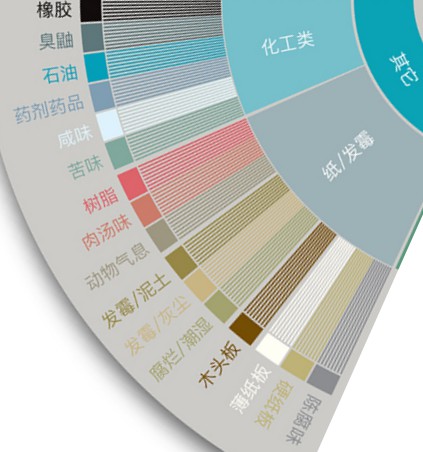
Stale: Lacking freshness, the taste of fermented or expired bread.
Moldy/Damp: A damp basement smell.
Musty/Dusty: Wheat germ, similar to a cereal crumb taste.
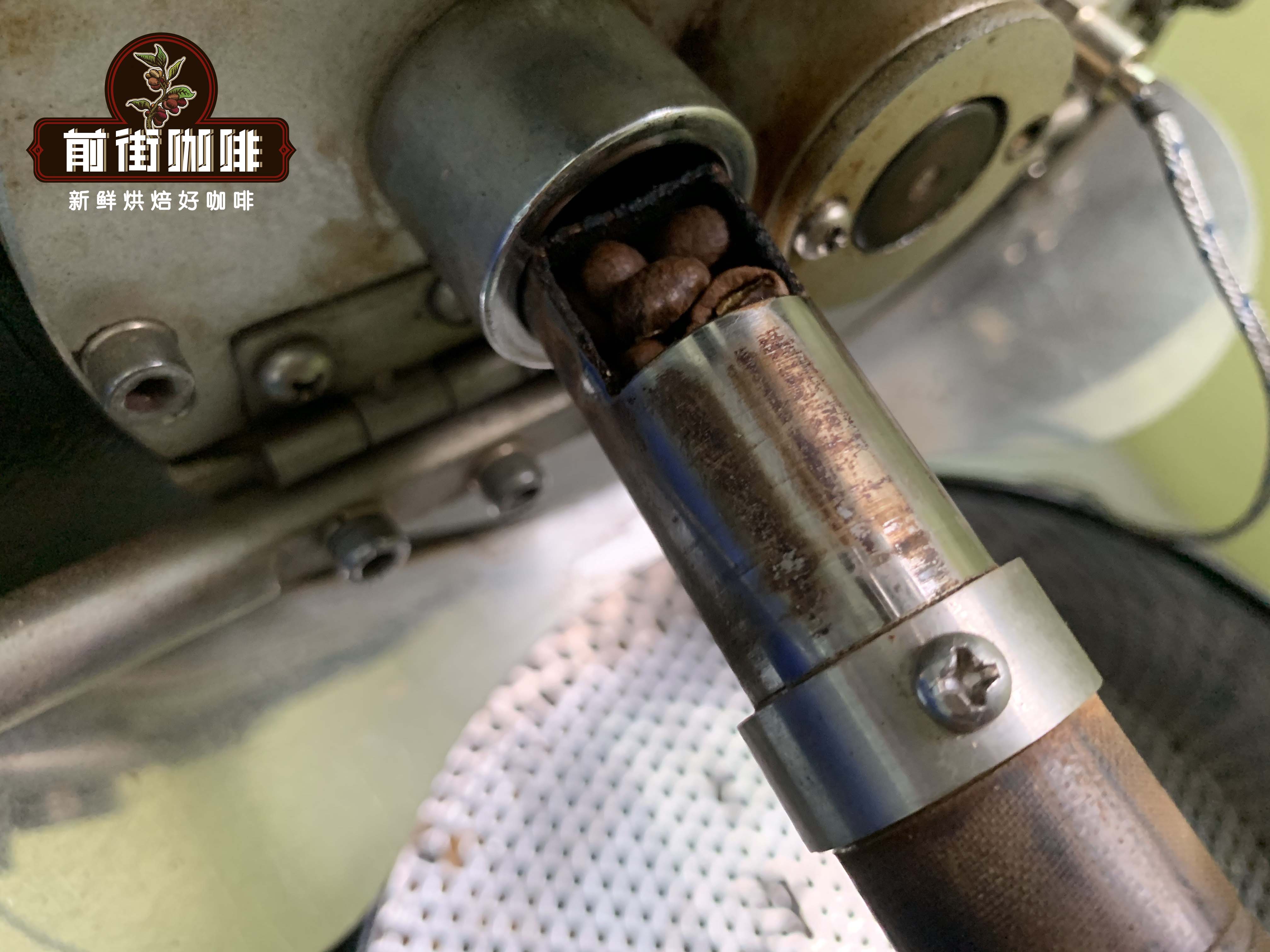
Phenolic: This is not a wrong image, nor a still from Fifty Shades of Grey. It is an old-fashioned tack room - a damp space with animal smells.
Among these, woody aroma is produced during deep roasting through dry distillation. It divides opinion - those who love it enjoy the woody notes in coffee, while others feel it masks the coffee's original flavor.
These 85 coffee flavors do not represent 85 different types of coffee, but rather the different flavors produced throughout coffee's cultivation, processing and roasting, shaped by environment, genetics, processing methods, storage and transport, roast degree, and the roaster's skill.
Coffee flavors are complex and multi-layered. To truly understand coffee, three conditions help:
First: whether you have experienced similar taste and smell sensations before. If you have never eaten a peach, you naturally cannot identify peach flavors.
Second: wait until the coffee has completely cooled before tasting. Coffee's fruity characteristics are often more recognizable when cooled, and its flavors unfold as the temperature drops.
Third: coffee concentration also affects a cup's character. For light-roasted coffees with floral characteristics, it's best to brew them lighter to expand the flavor spectrum, making specific flavors easier to identify (which explains why cupping uses a 1:18.18 coffee-to-water ratio).
How FrontStreet Coffee Tastes a Good Cup
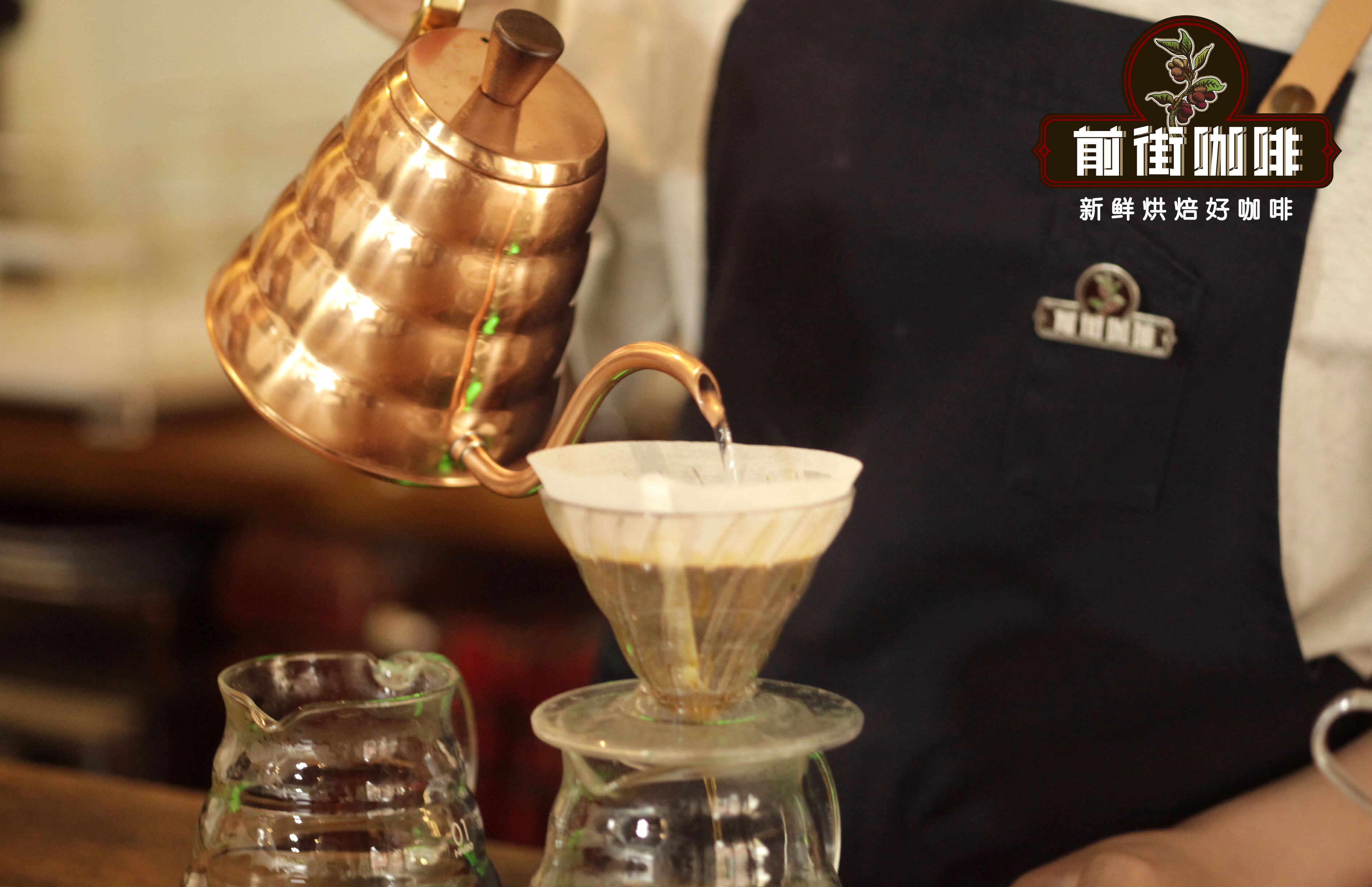
1. Drink in small sips, slowly, even swishing gently in your mouth to move the coffee liquid lightly.
2. Each sip reveals different layers as temperature changes. The first few sips may taste bitter at the back of the tongue. As the coffee cools, it gradually shifts from bitter to sour, with subtle citrus acidity.
3. Halfway through, the coffee transitions from sour to sweet, from bitter to pleasant, developing aftertaste. Sweetness appears on the tongue surface, finally returning to a caramel sweetness that lingers between mouth and nose - coffee's aftertaste experienced through retronasal olfaction.
4. Don't rush to wash the cup when you finish; smell the sweet, pleasant aroma at the bottom of the cup.

How FrontStreet Coffee Identifies Aromas
The full process of identifying an aroma runs: the brain receives information, compares it, analyzes it, remembers it.
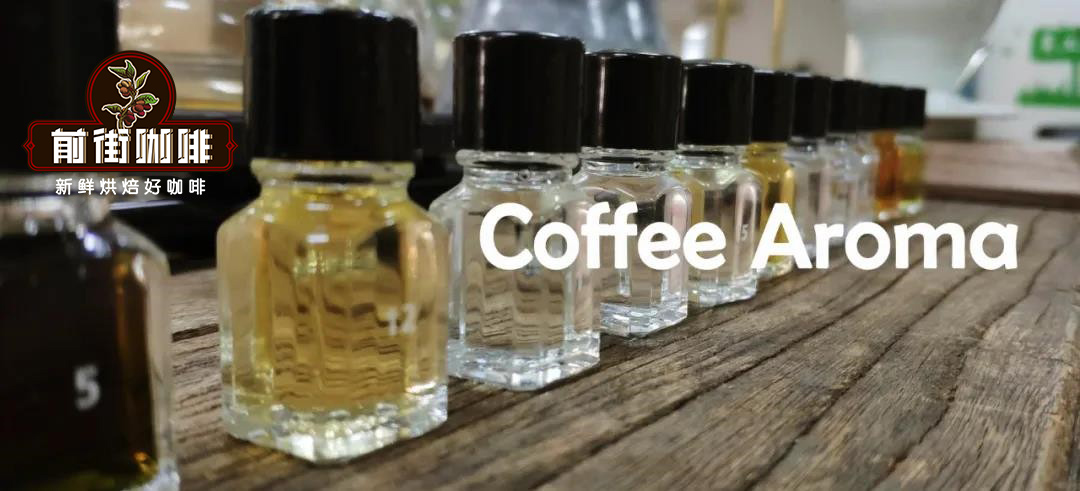
We can smell an aroma and taste a flavor, yet perhaps we cannot describe it accurately. The flavor wheel categorizes everything humans perceive by taste, and it corresponds to an aroma wheel for the olfactory system. Practicing with both together lets you clearly perceive the most subtle differences among all aromas.
Many people, when they first encounter coffee, think bitter equals strong and strong equals fragrant. With such customers, FrontStreet Coffee patiently explains what flavors exist and that strong doesn't necessarily mean fragrant, nor does it mean bitter. For someone who has never studied coffee, the best approach is simply to refer to the flavor wheel above, or read it for interest. Not everyone has that kind of professional perception. The differences come down to different descriptions of the same compound, shaped by culture, lifestyle, diet and region. FrontStreet Coffee believes coffee tasting is ultimately about communication - sharing personal feelings about a particular bean. Different cultures and experiences naturally lead to different descriptions, and that exchange brings a lot of joy.
FrontStreet Coffee Recommendation
A flavor wheel makes more sense once you have a few reference coffees on hand, and Yirgacheffe is one of the clearest examples of the floral-and-citrus corner of the chart. FrontStreet Coffee's washed Yirgacheffe daily bean delivers white jasmine, bright citrus and lemon acidity, and a clean tea-like finish, while FrontStreet Coffee's Gedeb Cooperative lot, from the Worka area, adds a silkier body to the same jasmine and citrus core.
If you want a fruitier, more layered reference, the sun-dried FrontStreet Coffee Red Cherry - whole ripe cherries dried on raised beds - brings berry juice, honey sweetness and a creamy mouthfeel. Brew any of them at 90-91°C with 15g of coffee and a 1:15 ratio to keep the delicate florals intact.
Important Notice :
FrontStreet Coffee is a long-established specialty coffee roaster in Guangzhou China, selling freshly roasted beans from its own farm in Yunnan as well as dozens of carefully selected single-origin beans from around the world for both pour-over and espresso. The products deliver consistently excellent quality and great value, with shipping within 24 hours. Guangzhou's FrontStreet Coffee shop is recommended by many coffee lovers, and the beans are now available online at the Tmall 。
FrontStreet Coffee has moved to a new address:
FrontStreet Coffee Address: 315,Donghua East Road,GuangZhou
Tel:020 38364473
 Scan and follow the En Gafei WeChat official account. Please indicate that the reprint comes from "En Gafei".