Kenya Coffee Bean Brewing Guide: Temperature, Grind Size & Water Ratio - Kenya Coffee Flavor Characteristics

For those who want to go deeper into professional coffee knowledge and bean selection, this guide is a useful starting point.
Beans from African origins are known above all for their excellent acidity. Ethiopian Yirgacheffe's acidity is mainly citrus and lemon, while Kenya's is tomato-like. Everyone knows that lightly roasted Yirgacheffe suits pour-over, and Kenyan coffee is no exception. This article explains why Kenyan coffee suits pour-over and what its flavor is like.
Kenyan Coffee Bean Growing Conditions
FrontStreet Coffee has often noted that a coffee's flavor depends mainly on the growing region, variety, and processing method, with the growing region mattering most. Beans are an agricultural product, after all, and altitude, climate, and soil all heavily influence flavor. Only good growing conditions let variety and processing shine.
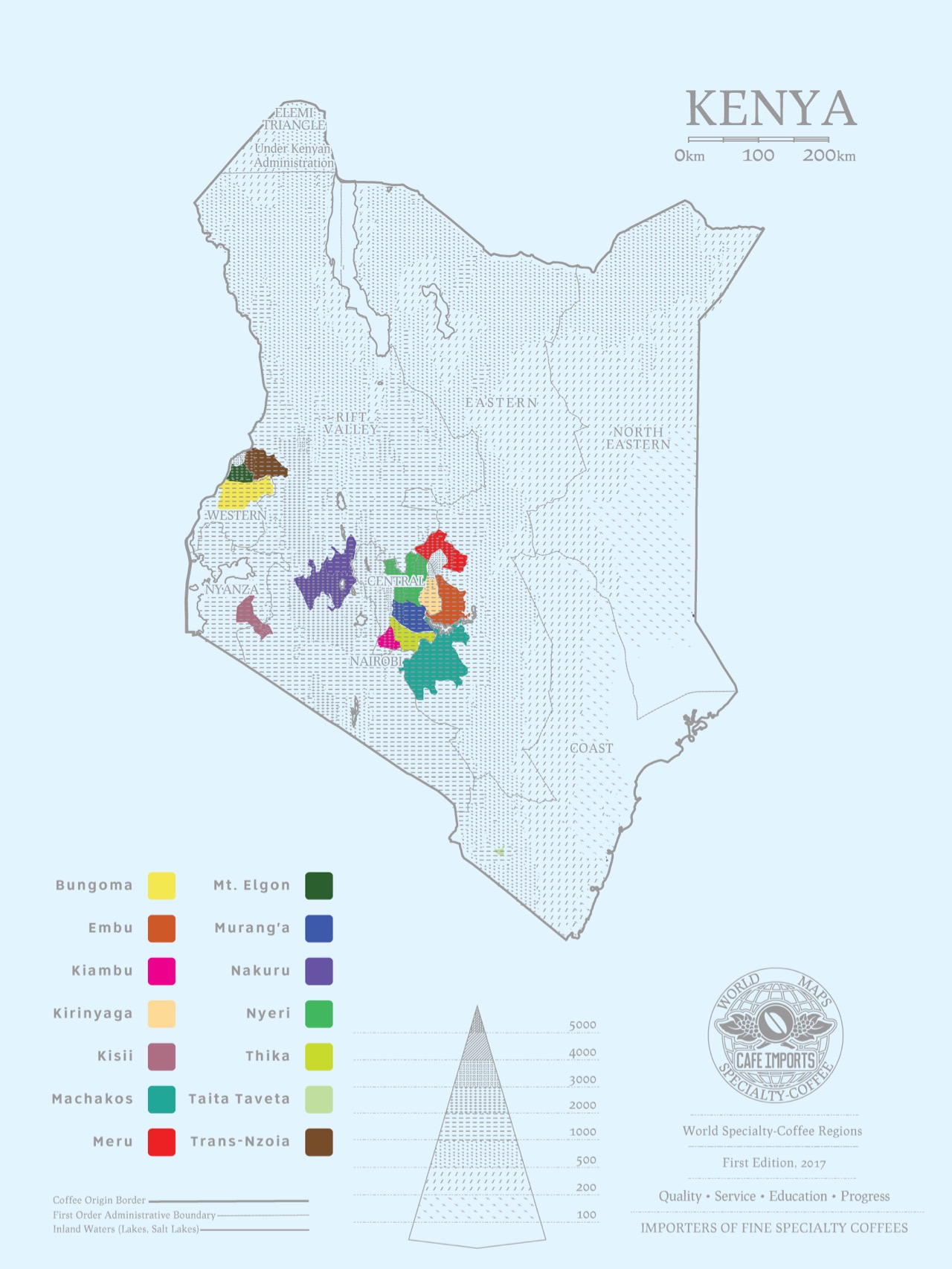
Kenya lies in eastern Africa, with the equator crossing its center and the East African Rift Valley running north to south. It borders Somalia to the east, Tanzania to the south, Uganda to the west, and Ethiopia and Sudan to the north, with the Indian Ocean to the southeast. The country is mostly plateau with an average altitude of 1,500 meters. Mount Kirinyaga (Mount Kenya) in the center reaches 5,199 meters, snow-capped at the summit, making it Africa's second-highest peak.
The equator runs through Kenya, placing the country within ten degrees north and south latitude. It falls in the tropics, with two rainy seasons a year allowing two harvests: 60% concentrated from October to December, and the remaining 40% from June to August. Coffee is grown mainly in volcanic areas at altitudes of 1,600-2,100 meters, from around the capital, Nairobi, to the Kenya mountain region. This altitude suits flavor development because the mountains are cooler and growth is slower, letting aromatic compounds develop fully, with more prominent fruit acidity and harder density. This crescent-shaped, fertile coffee zone is the main production area for Kenyan specialty beans.
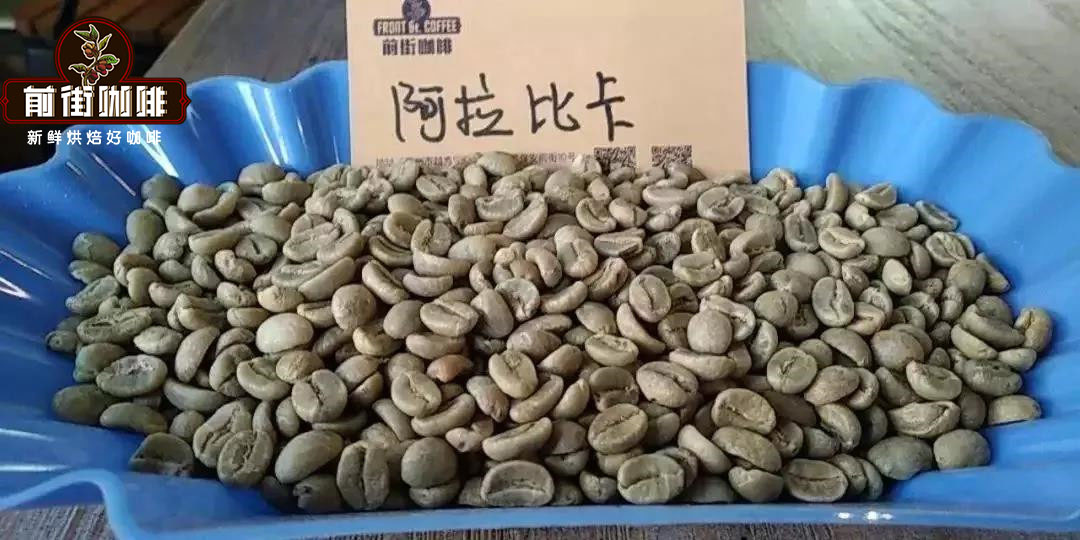
As the above shows, Kenya's growing regions are genuinely well suited to coffee. Given conditions like these, the beans produced are naturally high quality. Kenya also grows mainly Arabica, regarded as one of the world's finest coffee species, and Arabica has the trait that the higher it grows, the richer its acidity, which is one reason Kenyan beans have such pleasant acidity.
Kenyan Coffee Bean Varieties
Kenyan beans' excellent acidity is inseparable from the varieties developed in the country. After all, flavor comes mainly from growing region, variety, and processing. This section introduces Kenya's distinctive varieties and processing methods.
Common Kenyan varieties include SL28, SL34, Batian, and Ruiru 11. All four were developed by the Kenyan Coffee Research Foundation, which is itself one of Kenya's coffee characteristics.
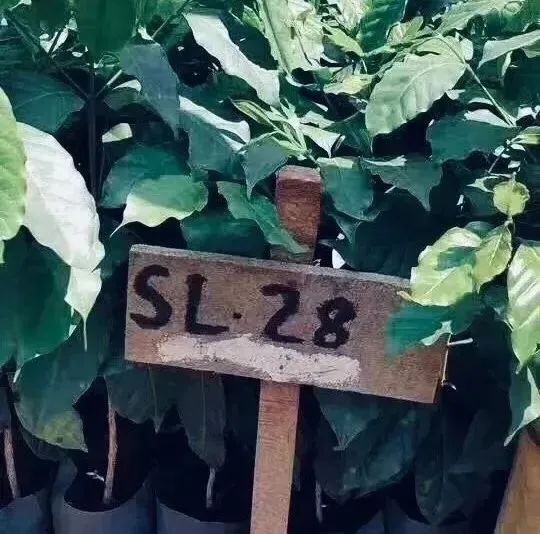
SL28
Historically, senior coffee officials at Scott Laboratories (A.D. Trench) noticed a variety growing in the Modi region of Tanzania that seemed tolerant of drought, disease, and pests. Seeds were collected and brought back to Scott Laboratories, where its drought resistance was confirmed.
Recent genetic testing has confirmed that SL28 belongs to the Bourbon genetic group, so SL28 beans resemble Bourbon in their round, robust shape. In FrontStreet Coffee's experience, its flavor is complex and varied in acidity with excellent sweetness.
SL34
SL34 was first selected from the Loresho estate as "French Mission" (a Bourbon variety). According to FrontStreet Coffee's research, current genetic testing confirms it has Typica genetic groups and plant characteristics similar to Typica, so SL34 selection is believed to originate from Typica. Because it is close to Typica, its beans are elongated and oval, appearing flatter from the side.
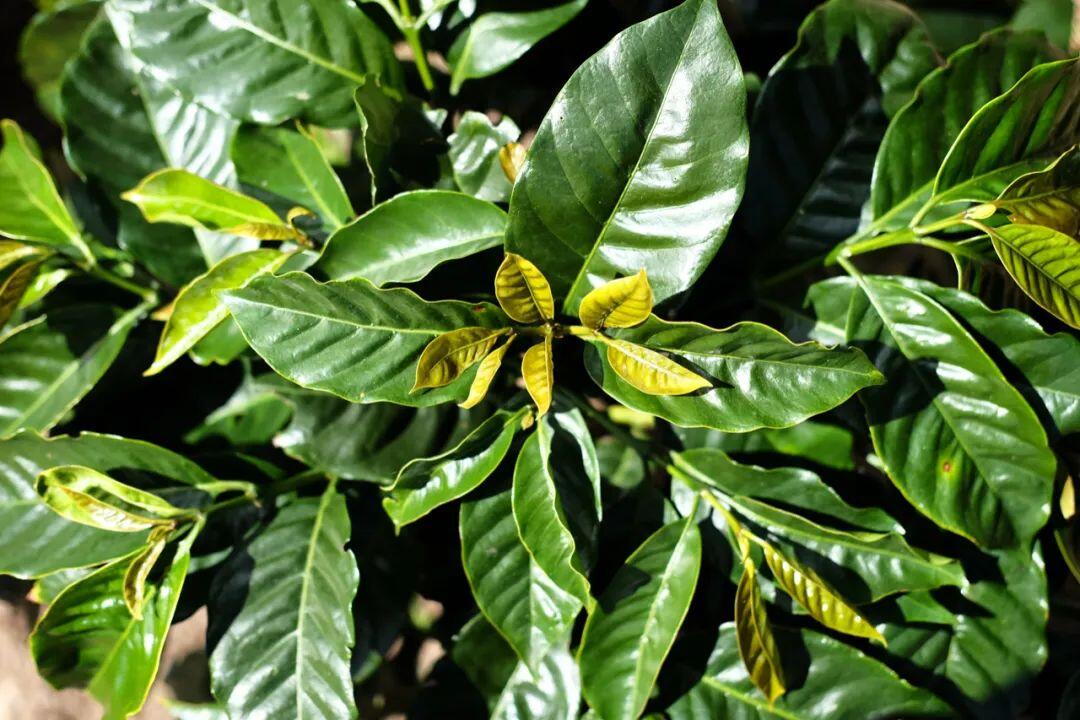
Ruiru 11
Ruiru appeared after SL28 and SL34. In the 1970s the Ruiru station began breeding for different CBD- and rust-resistant varieties, producing Ruiru 11, released in the 1980s. High yield plus CBD and rust resistance looked like the answer to all of Kenya's production problems.
Batian
The Batian variety was released by the Coffee Research Institute (CRI) on September 8, 2010, and is Kenya's latest variety. It built on lessons from Ruiru 11. Genetically it was selected from backcrosses of SL28 and SL34, making it closer to SL28 than Ruiru 11, which removed the problematic Robusta elements and improved cup quality.
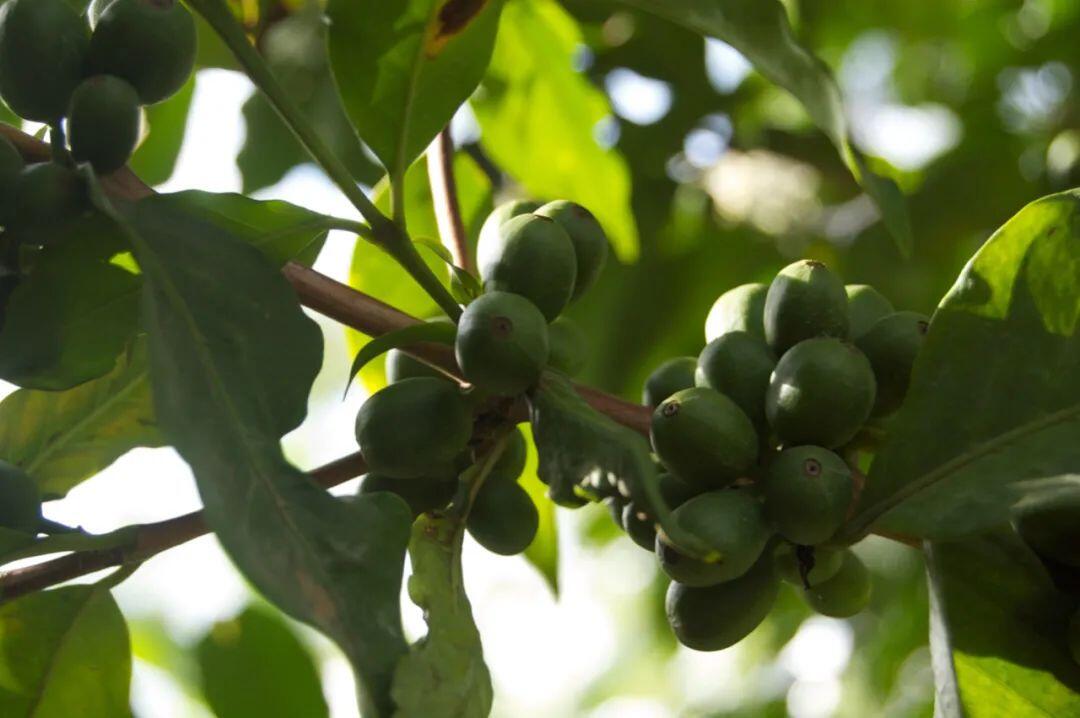
Those are the Kenyan varieties. They are the major contributors to Kenyan flavor: grow other varieties in Kenya and the beans likely wouldn't show that plum and tomato acidity. In the same way, Panama Esmeralda estate Geisha in FrontStreet Coffee's shop tastes different from the rest of Panama because the Geisha variety carries its own pleasant floral and fruit aromas.
Kenyan Coffee Processing Method
Kenya's distinctive processing also amplifies the plum and tomato flavors, further lifting the character of its varieties. That method is the K72 double-washed process.
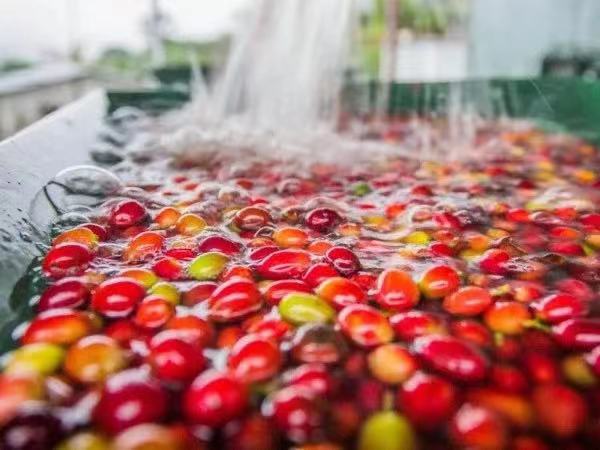
K72 Washed Processing Method
The process: fully ripe cherries are washed, pulped, dry-fermented for 24 hours, washed, dry-fermented again for 24 hours, washed, and dry-fermented once more for 24 hours. The cycle runs for 72 hours of strong fermentation. After washing, the beans soak in clean water tanks overnight, and drying begins in the sun-drying yard the next morning. Because fermentation lasts 72 hours, it is called K72.
Those are the three major factors behind Kenyan flavor. So why does FrontStreet Coffee say Kenyan coffee suits pour-over? The answer lies in the roast degree.
The Connection Between Coffee Roast Degree and Brewing Methods
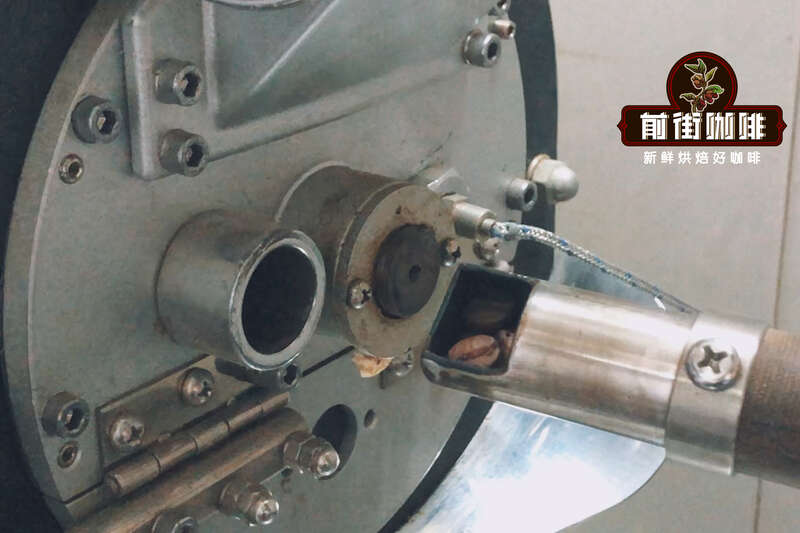
Anyone who knows roast degrees knows they divide mainly into light, medium, and dark, distinguished chiefly by bean color. Generally, the darker the color, the richer the flavor; the lighter the color, the more the bean's acidity comes through. Kenyan beans are characterized by pleasant, bright acidity, and to highlight it FrontStreet Coffee's baristas use a light roast.
Lightly roasted beans, however, don't suit espresso, because an espresso machine amplifies the bean's original flavors. With light-roasted beans especially, the result turns extremely acidic. It isn't impossible to extract them on an espresso machine, but it takes adjusting both roast and brew parameters, which is cumbersome and offers no guarantee of flavor stability. This is also why espresso usually uses blends, to balance the flavors.
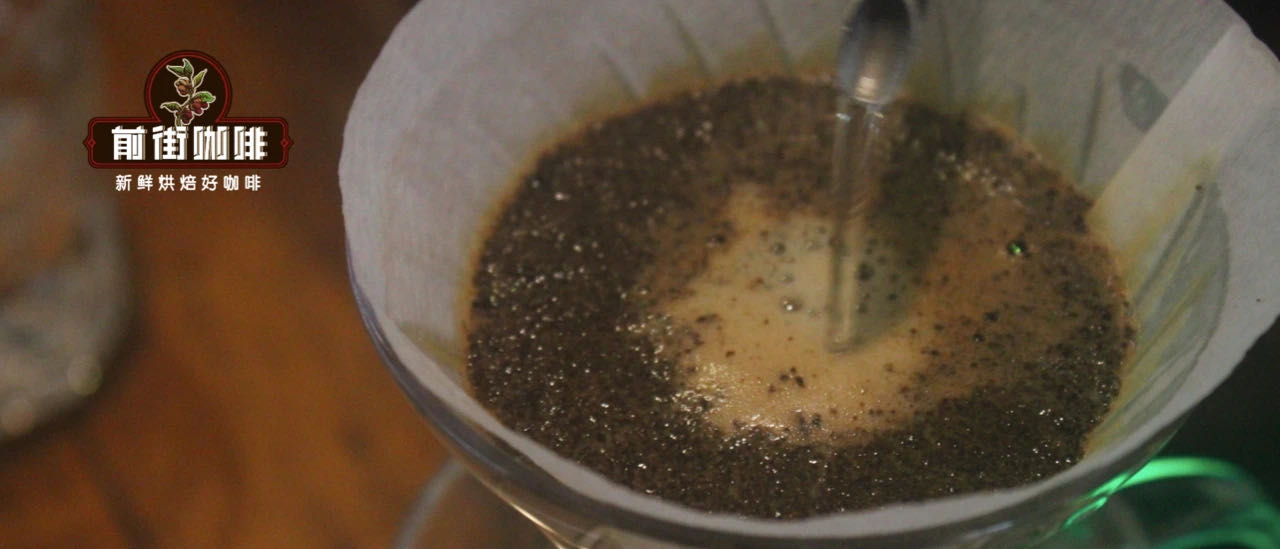
Pour-over, by contrast, displays the layers of coffee flavor well, and beans of any roast degree can be brewed as pour-over. With lightly roasted Kenyan beans, for instance, pour-over lets the fruit acidity and fruit aromas come through clearly and vividly. FrontStreet Coffee therefore considers Kenyan beans very well suited to pour-over. Below are the pour-over parameters, using Kenyan Asalia beans for the demonstration.
FrontStreet Coffee has selected Kenyan Asalia coffee beans for the pour-over demonstration:
FrontStreet Coffee Kenyan Asalia Coffee Beans
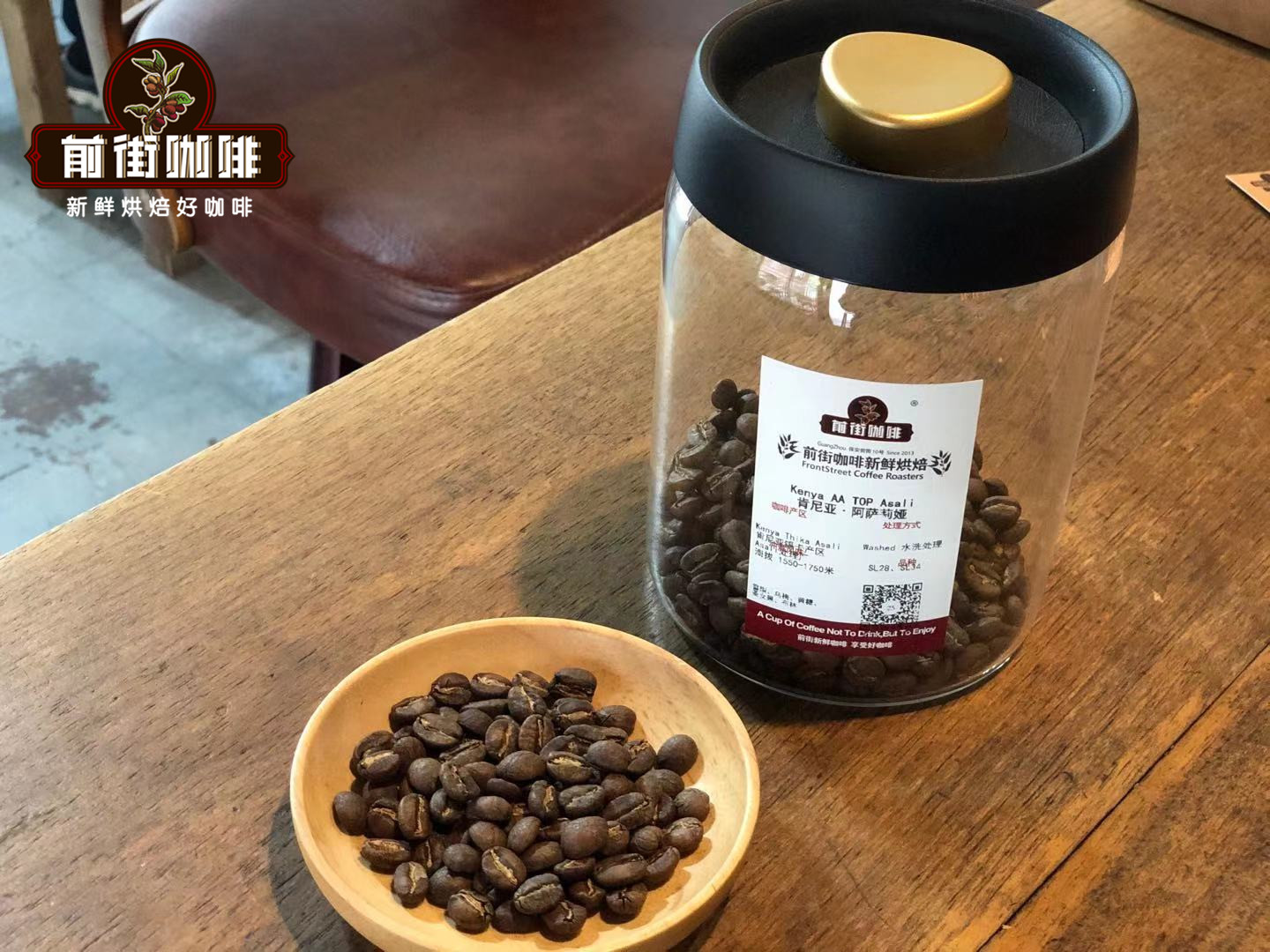
Country: Kenya
Region: Asali (Honey Processing Station)
Altitude: 1550-1750m
Varieties: SL28, SL34
Processing: 72-hour washed processing
Flavor: Snow pear, plum, brown sugar, tomato, berry
FrontStreet Coffee Roast Parameter Sharing
Kenyan Asalia coffee beans: these beans are full and round. As noted above, to express their bright, rich acidity fully, FrontStreet Coffee uses a light roast.
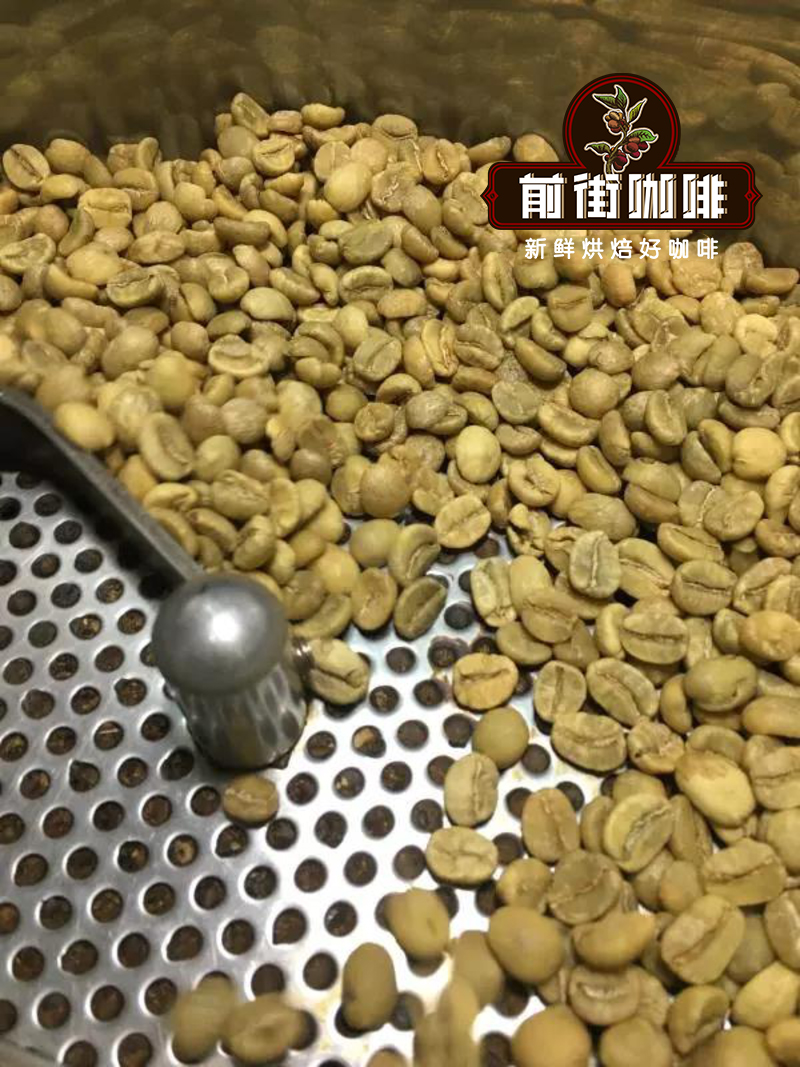
Yangjia 800N semi-direct flame, 480g charge: preheat the roaster to 160°C, open the air damper to 3, heat power 120. Return point: 1'28". When the temperature rises to 130°C, open the air damper to 4. At 6'00", 154.6°C, the bean surface turns yellow, the grassy smell disappears entirely, and dehydration is complete. When ugly wrinkles and black spots appear and the toast aroma clearly turns to coffee aroma, this marks the prelude to first crack. Listen carefully for the crack. At 9'28" first crack begins; the damper is unchanged, first-crack development runs 2'20", and the beans discharge at 193.8°C.
FrontStreet Coffee Brewing Recommendations
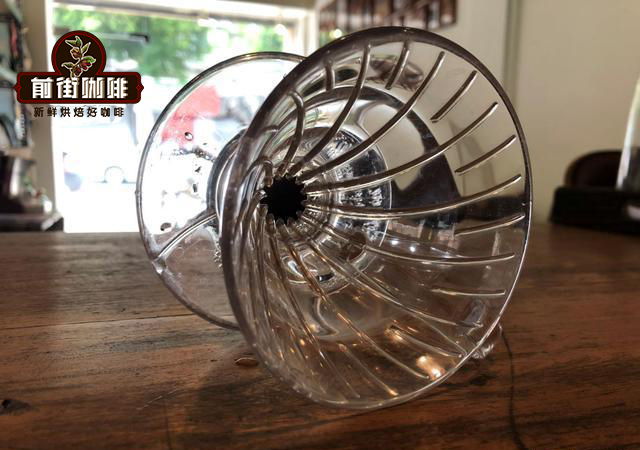
Dripper: V60 or flat-bottom dripper
Water Temperature: 90-91°C
Coffee-to-Water Ratio: 1:15
Grind Size: Fine grind (Chinese standard 20-mesh sieve 80% pass-through)
Brewing Method:
Segmented extraction. Use 30g of water for a 30-second bloom, then pour in small circles to 124g and pause. When the water level drops and is about to expose the bed, continue pouring to 228g and stop. Wait for the level to drop until the bed is about to be exposed again, then remove the dripper. (Timing starts from the bloom.) Extraction time: 1'55".

Asalia Coffee Bean Flavor:
The wet aroma carries ripe tomato and floral notes. On entry come tomato and plum flavors with bright acidity and a clean, rich mouthfeel. The mid-palate shows prominent sweetness with a juicy sensation. The aftertaste carries berry aroma and brown sugar sweetness with a green tea fragrance.
Below, FrontStreet Coffee recommends a few Ethiopian beans that share the same bright, juicy African character.
FrontStreet Coffee Recommendation
Ethiopia and Kenya share Africa's signature vivid acidity, so FrontStreet's Yirgacheffe selections are a natural companion for anyone who loves this style.
FrontStreet Washed Yirgacheffe
The classic introduction to the region, known for white jasmine, bright citrus and lemon acidity, and a tea-like quality. It is a small town in southern Ethiopia at about 1700-2100 meters where trees grow above 1800 meters, making it one of the world's highest coffee regions. Approachably priced, it is many drinkers' first specialty bean.
FrontStreet Banko Gotiti Cooperative
From the southeastern end of Yirgacheffe in the Worka area, once part of the Worka Cooperative under the YCFCU and now its own single origin. Its traditional washed processing earns it the name "Yirgacheffe's last pure land," and it has no traditional bitterness, bringing clean, bright citrus and lemon acidity with jasmine fragrance instead.
FrontStreet Natural Red Cherry
Processed as whole-cherry natural from only fully ripe, sound fruit. The cherries sun-dry on raised beds for three to five weeks, turned every 2-3 hours in the first days, then the outer pulp is removed. Because the cherries dry with the fruit on, the cup blends classic Yirgacheffe character with tropical fruit: citrus-like acidity, a berry-juice quality, honey sweetness, and creamy smoothness.
Important Notice :
FrontStreet Coffee is a long-established specialty coffee roaster in Guangzhou China, selling freshly roasted beans from its own farm in Yunnan as well as dozens of carefully selected single-origin beans from around the world for both pour-over and espresso. The products deliver consistently excellent quality and great value, with shipping within 24 hours. Guangzhou's FrontStreet Coffee shop is recommended by many coffee lovers, and the beans are now available online at the Tmall 。
FrontStreet Coffee has moved to a new address:
FrontStreet Coffee Address: 315,Donghua East Road,GuangZhou
Tel:020 38364473
 Scan and follow the En Gafei WeChat official account. Please indicate that the reprint comes from "En Gafei".