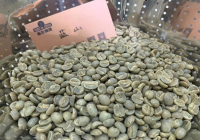
Introduction to Ethiopian Coffee, Flavor Characteristics of Ethiopian Sidamo Guji Coffee
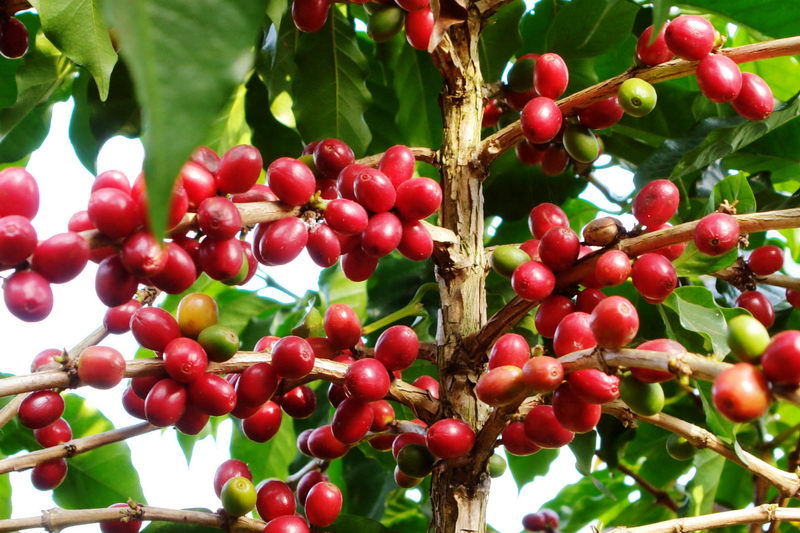
The Evolution of Coffee Appreciation
In the past, people's pursuit of coffee might have been simply avoiding bitterness and acidity, chasing the familiar flavor profile of Blue Mountain coffee. As understanding deepened, though, expectations grew more sophisticated. Particularly with the arrival of Ethiopian coffees, people discovered that coffee could carry truly extraordinary flavors. The deeper our knowledge of coffee grows, the deeper our understanding of coffee culture and its rich heritage becomes.
Ethiopia: The Birthplace of Coffee
There are many coffees in the world, but Ethiopia stands as coffee's birthplace, the genetic repository from which all coffee varieties originate. The mysterious legends surrounding coffee only add to Ethiopia's charm. Ethiopia is currently Africa's largest coffee-producing nation, yet only 60% of its coffee beans are exported; the remainder is used in various ceremonial contexts. At weddings, for instance, people create medicinal mixtures using coffee beans and fruit pulp, and coffee blended with honey and various herbs, to ward off misfortune. This shows how inseparable coffee is from daily life in Ethiopia. Among all coffee-producing countries, Ethiopia may be the most remarkable. Ethiopian coffees, with their exuberant floral and fruity aromas, have opened many coffee professionals' eyes to the incredible diversity of coffee flavors.

Ethiopia's Climate
Ethiopia's climate is polarized: half of it is humid rainforest, while the other half is arid desert and Gobi terrain. The main rainy season spans June, July and August, with coffee-growing regions receiving 1000-2000mm of annual rainfall and average temperatures between 15-30°C. Ethiopia has numerous high mountains that create tropical cloud forests, with coffee cultivated primarily on highland plateaus. The lower temperatures at altitude mean fewer pests and less need for pesticides, while slower maturation gives the coffee trees more time to absorb nutrients. The rainforests provide tall trees that shade the coffee plants, and fallen leaves serve as protective mulch and nutrients, creating an ideal growing environment.
The Concept of Terroir in Ethiopian Coffee
Ethiopian coffees are usually named after their growing regions, and because climate and environment vary, each region's coffee shows distinct characteristics, much like the concept of terroir in wine. The term "terroir" originated at the Cîteaux Abbey in Burgundy, France, where monks discovered through repeated experimentation that wines made from grapes grown in different plots tasted different. Terroir, then, exists not only in the world of wine but applies just as well to the world of coffee.
FrontStreet Coffee's Ethiopian Collection
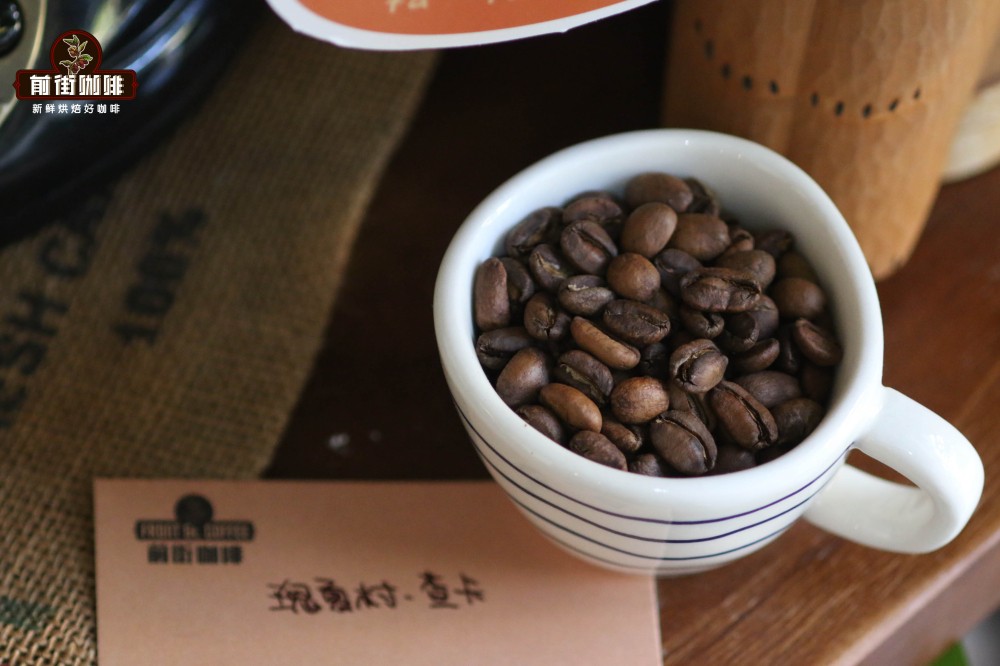
Because of this diversity, FrontStreet Coffee has sourced dozens of different Ethiopian coffees from various regions to help coffee lovers better understand and taste the flavors of coffee's birthplace. These include Yirgacheffe Red Cherry, Yirgacheffe Kochere, Sidamo Guji, Yirgacheffe Chaka, Washed Yirgacheffe, and Yirgacheffe Geisha Village Red Label and Gold Label, among others. Each region's coffee highlights its own terroir. The most representative examples are the washed Yirgacheffe and the natural processed Guji from Sidamo.
Ethiopian Coffee Cultivation Systems
Ethiopian coffee cultivation is divided into four main systems based on scale and mode:
Forest Coffee (8-10%)
Coffee trees coexist with other crops in natural forests without any artificial management. Farmers harvest the coffee cherries regularly.

Semi-Forest Coffee (30-35%)
Coffee trees are planted in the areas between forests and farmers' living areas. Like forest coffee, these are naturally occurring varieties, but farmers manage the growing areas and plant other cash crops.
Garden Coffee (50-55%)
Coffee trees are planted around farmers' homes, mostly cultivated by the farmers themselves.

Plantation Coffee (5-6%)
Large private growers with more processing facilities and production capacity.
Major Ethiopian Coffee Regions
Ethiopia has nine major coffee-growing regions: Yirgacheffe, Sidamo, Limu, Harrar, Jimma, Illubabor, Gimbi-Lekempti, Tepi-Bebeka and Lake Tana. Among these, Yirgacheffe and Sidamo are the most famous, and each region contains numerous micro-regions.
Yirgacheffe (Specialty Region): 1800-2000 meters altitude (Garden coffee system)
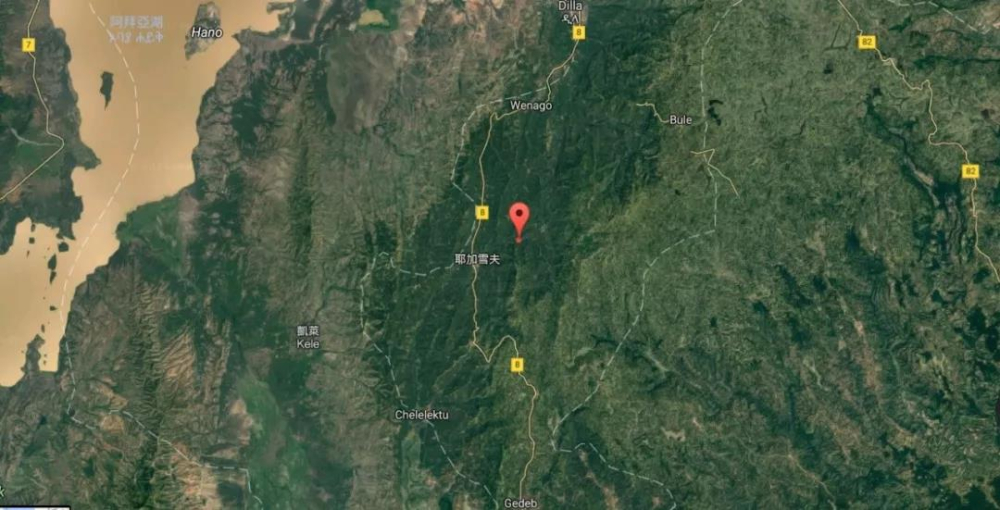
Located northwest of Sidamo, Yirgacheffe was once part of the larger Sidamo region but became independent because of its outstanding flavor profile. To Ethiopia, Yirgacheffe is just a small town, but as a coffee region it encompasses far more than the town itself, taking in legal areas such as Wenago, Yirgacheffe town, Kochere and Gelana Abaya.

Beyond being a coffee region, Yirgacheffe has become synonymous with a particular flavor profile: bright, lively citrus acidity with distinctive, delicate floral and fruit aromas. It represents specialty coffee and serves as the entry point for many into the world of premium coffee. Yirgacheffe is actually made up of surrounding coffee communities and cooperatives, including Idido, Harfusa, Hama and Beloya near Misty Valley. While most are washed, some exceptional beans are intentionally natural processed to heighten their captivating fruity aromas and body.
Sidamo (Specialty Region): 1400-2200 meters altitude (Garden coffee system)
Today the most noteworthy coffee from Sidamo is arguably the Hambela Guji, with its wonderful strawberry cream flavor. It made a stunning debut at the Ethiopian Taste of Harvest (TOH) competition in 2017, breaking Geisha's monopoly in brewing competitions and becoming the only coffee capable of challenging it.

Guji comes from Hambela, a sub-region under the Guji zone. Like Yirgacheffe, Guji was originally part of Sidamo but became independent because of its distinctive regional flavors, though among coffee lovers Guji is still considered part of Sidamo. There are currently about 20 processing stations in Hambela, spread across villages and estates of varying sizes. Because coffee is an agricultural product and flavors vary from year to year, the Guji name evolved from Guji 2.0, 3.0 and onward to the current Guji 6.0 to distinguish one year's flavors from another.
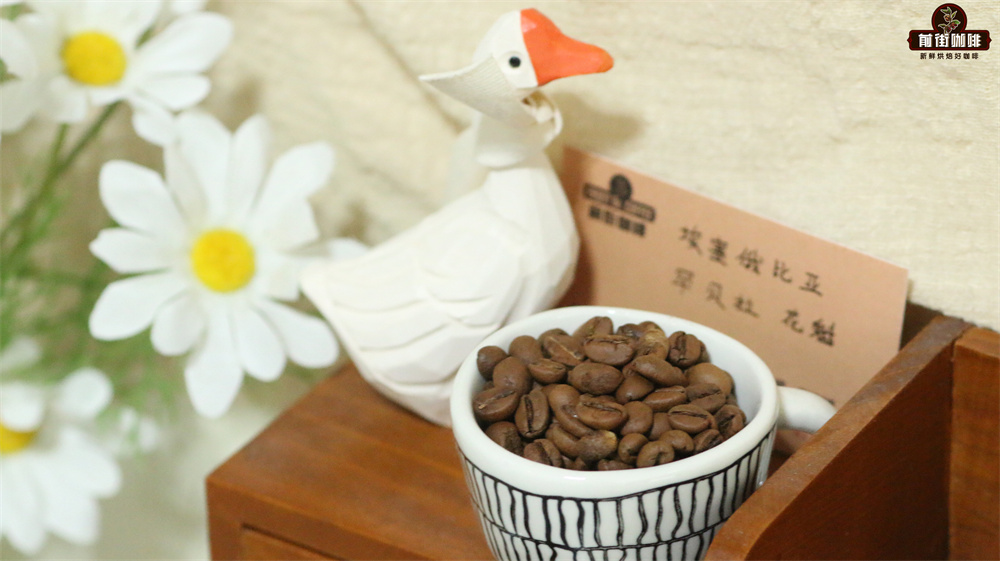
Ethiopian Coffee Varieties
As coffee's birthplace, Ethiopia has an astonishing variety of local coffee cultivars. To date, nearly 2000 varieties have been recorded, 1927 indigenous and 128 introduced. That staggering number makes classification difficult, and the Ethiopian government has been reluctant to disclose detailed variety information for protection reasons, so they are collectively called "Heirloom varieties." That is why Ethiopian coffee beans on the market are all labeled as Heirloom, and exported Ethiopian beans are generally referred to as "local heirloom varieties."
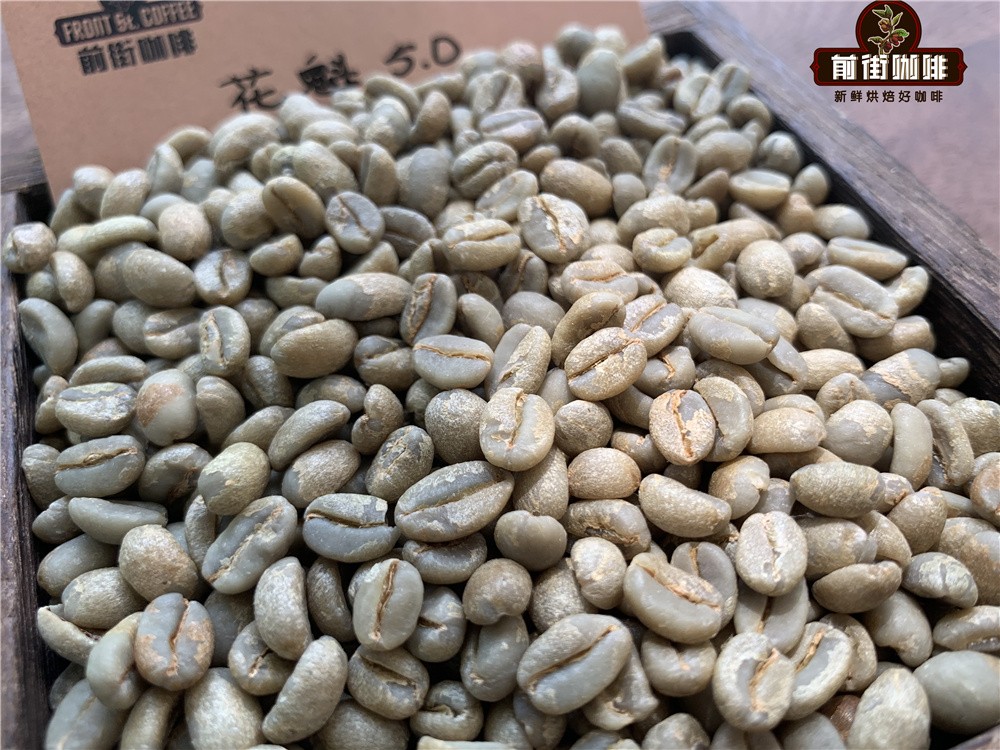
Ethiopian Coffee Processing Methods
Ethiopia initially used the most traditional and primitive method for processing beans: natural processing. In 1972, though, the Ethiopian government and growers brought washed processing in from Central and South America to improve bean quality and command better prices. Yirgacheffe, being Ethiopia's most water-rich region, benefited especially from this method, which made its jasmine and citrus aromas clearer and brighter. That is why Yirgacheffe quickly became representative of world specialty coffee, and after the 1970s the region focused primarily on washed processing, becoming Ethiopia's most prominent washed coffee region.

FrontStreet Coffee believes the fundamental difference between washed and natural processing is that washed processing presents coffee's most basic flavors, directly reflecting each region's special characteristics, while natural processing adds sweetness and fermentation notes on top of that foundation.

Both natural and washed processing have their own merits. As Lorenzo Perkins, Education Director at Cuvée Coffee, puts it: "The delicate floral aromas and sweet fruit flavors that a washed Yirgacheffe can bring are unparalleled; or a natural processed Sidamo, sweet and bold, both are classic top-tier representatives of Ethiopian coffee."
FrontStreet Coffee's Brewing Parameters for Sidamo Guji
Because Sidamo Guji is lightly roasted, the beans are quite hard and need 91°C water to extract their floral and fruity flavors. FrontStreet Coffee recommends a medium-fine grind, 80% pass-through on China's #20 standard sieve. Too coarse a grind fails to extract body and leaves a thin cup, while too fine a grind easily over-extracts at high water temperatures and turns the coffee bitter.

FrontStreet Coffee's specific brewing parameters are: V60 dripper, water temperature 91°C, water-to-coffee ratio 1:15, 15g coffee, medium-fine grind (80% pass-through on China's #20 standard sieve).
FrontStreet Coffee's staged extraction technique: First, use 30g of water to fully saturate the coffee bed, forming a "hamburger" shape, and bloom for 30 seconds. In the second stage, at 1:00, inject water to 125g, then wait for the water level to drop to two-thirds of the coffee bed before starting the third stage. In the third stage, at 1:40, inject water to 225g. Wait for the coffee to finish dripping completely, with a total extraction time of 1:59, and total brewing time of 2:00. Once extraction is done, gently swirl the server to mix the coffee evenly before tasting.

FrontStreet Coffee's Natural Sidamo Guji 5.0 Flavor Profile:
Light fermented wine aroma with more prominent caramel notes. The flavor is much richer and more complex, with honey sweetness, cocoa hints and some spice notes, a full body and a persistent aftertaste.
FrontStreet Coffee's Brewing Suggestions
To brew a delicious cup, attention to bean freshness is essential. FrontStreet Coffee has always believed that freshness greatly affects flavor, so it ships all coffee beans within 5 days of roasting. FrontStreet Coffee's roasting philosophy is "Freshly Roasted Good Coffee," making sure every customer receives the freshest coffee possible. The degassing period is about 4-7 days, so by the time customers receive their coffee it is at peak flavor.
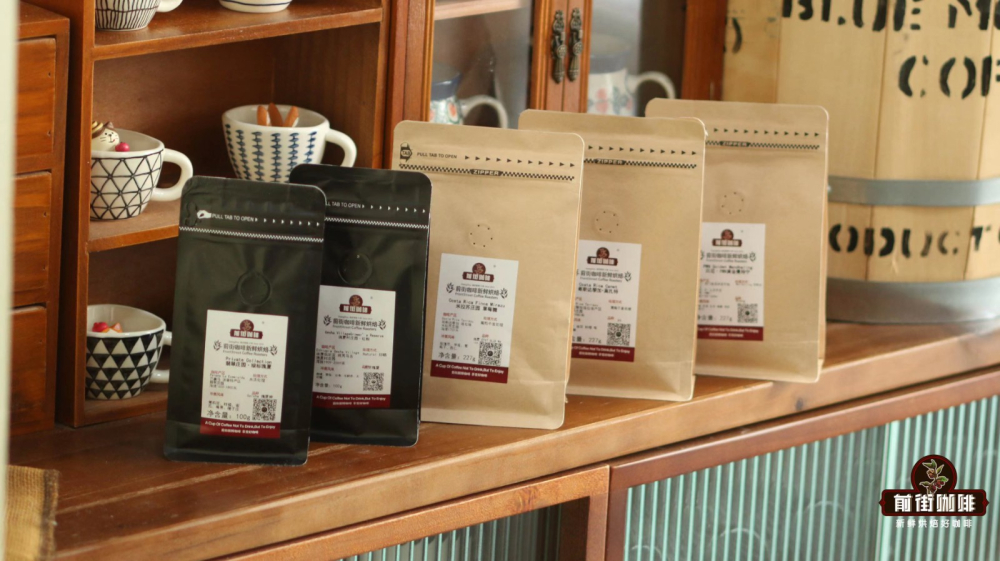
For those who need ground coffee, FrontStreet Coffee offers a gentle reminder: pre-ground coffee doesn't need additional degassing time, because the pressure from carbon dioxide buildup in the package during transport helps mellow the flavor. So you can brew a cup immediately upon receiving ground coffee. Ground coffee should be brewed promptly, though, as it oxidizes quickly when exposed to air, meaning its flavor fades fast and won't be as good. FrontStreet Coffee therefore recommends buying whole beans and grinding fresh before brewing to better experience the coffee's flavor.
Ethiopian coffee's floral and fruity notes are remarkably light and leave an endless aftertaste, making it feel less like a cup of coffee and more like a cup of fruit tea.
FrontStreet Coffee Recommendation
Since the source materials for this guide cover Jamaican Blue Mountain rather than Ethiopia, the best guidance here comes from FrontStreet's own Ethiopian line. To taste the birthplace of coffee in its clearest form, start with the Washed Yirgacheffe, the benchmark for bright, lively citrus acidity with delicate jasmine and fruit aromas. If you want to explore further, the Yirgacheffe Kochere and Yirgacheffe Chaka each show a slightly different side of the region, while the Yirgacheffe Red Cherry uses the natural process to layer in sweeter, fruitier depth.
For the strawberry-cream character that wowed the 2017 Taste of Harvest competition, reach for the Sidamo Guji. FrontStreet's current natural Guji lot, Guji 5.0, brings a light fermented wine aroma with more prominent caramel, a honey sweetness and cocoa hints touched with spice, a full body and a long, persistent finish. And if you want to compare levels within a single village, the Yirgacheffe Geisha Village comes in both a Red Label and a Gold Label, an easy way to taste how grade shapes the cup.
Whichever you choose, brew Sidamo Guji at 91°C with a V60, 15g of coffee at a 1:15 ratio and a medium-fine grind, 80% passing China's #20 sieve. Bloom 30g for 30 seconds, pour to 125g at 1:00, and finish at 225g by 1:40 for a drawdown of about 2:00. Beans are best rested 4-7 days from the roast date, and whole beans ground fresh just before brewing will always beat pre-ground.
Important Notice :
FrontStreet Coffee is a long-established specialty coffee roaster in Guangzhou China, selling freshly roasted beans from its own farm in Yunnan as well as dozens of carefully selected single-origin beans from around the world for both pour-over and espresso. The products deliver consistently excellent quality and great value, with shipping within 24 hours. Guangzhou's FrontStreet Coffee shop is recommended by many coffee lovers, and the beans are now available online at the Tmall 。
FrontStreet Coffee has moved to a new address:
FrontStreet Coffee Address: 315,Donghua East Road,GuangZhou
Tel:020 38364473
 Scan and follow the En Gafei WeChat official account. Please indicate that the reprint comes from "En Gafei".