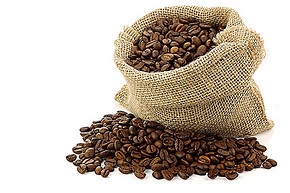
Ethiopia Washed Yirgacheffe Worka G1
Yirgacheffe G1: The Premium Grade
Yirgacheffe G1 is a grade specially requested from the Ethiopia Coffee & Tea Authority by Japan's Mitsubishi Corporation, and it first appeared on the market in 2002-2003. Unlike typical sorting methods, G1 beans are produced through strict manual selection of green beans from the Knoga area of Yirga village, which sits at the highest altitude and has excellent soil. The green beans are nearly uniform in size, with a beautiful appearance and almost no defective beans. After drinking one, you can appreciate the characteristics of Yirgacheffe all the better. Because of this rigorous process, the annual production of Yirgacheffe G1 is quite scarce, averaging around 600 bags.
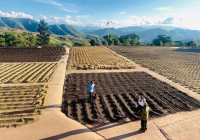
Yirgacheffe Processing Methods
Most Yirgacheffe coffee is processed using the washed method, in which beans are fermented in washing tanks for about 72 hours to remove the parchment, then dried directly outside the plant. After manual selection of the green beans and quality inspection approval by the Ethiopian Coffee and Tea Authority, the beans are traded and exported through bidding. Annual production is around 225,000 bags (60kg each), historically exported mainly to Northern Europe (above all Germany) and Japan, though it has recently drawn attention from North America.
Product Information
Manufacturer: FrontStreet Coffee
Ingredients: In-house roasted
Shelf Life: 90 days
Net Weight: 227g
Packaging: Bulk coffee beans
Roast Level: Roasted coffee beans
Sugar Content: Sugar-free
Origin: Ethiopia
Roast Degree: Light roast
Ethiopia Washed Yirgacheffe Worka G1
Country: Ethiopia
Grade: G1
Region: Worka
Roast Level: Light roast
Processing Method: Washed
Variety: Local native varieties
Processing Station: Worka Cooperative
Flavor Notes: Lemon, kumquat, white grape juice
Yirgacheffe Region and Characteristics
Yirgacheffe itself is a small town of about 20,000 people. The three neighboring small regions - Wenago, Kochore and Gelena Abaya - produce coffee with flavors almost identical to Yirgacheffe's, so they are also classified under the Yirgacheffe regional category. Yirgacheffe shares a similar culture and geography with the neighboring Sidamo region, but it seems to be more favored with unique natural conditions. Top-quality Yirgacheffe features floral aromas, bright citrus acidity, lemon notes and a silky smooth mouthfeel.
Brewing Recommendations
For pour-over brewing of the washed Worka: use 15g of coffee ground medium-fine (Fuji ghost tooth grinder setting 3.5), a V60 dripper, and water at 90-92°C. First pour 30g of water for a 27-second bloom, then pour to 105g and pause. Wait until the water level drops halfway before continuing, slowly pouring to a total of 225g. Avoid the tail end. Water-to-coffee ratio 1:15, extraction time 2:00.
Processing Comparison
Compared with the traditionally sun-processed Harar region, sun-processed Yirgacheffe is not as common. As the region where Ethiopia's first washing station was located, coffee enthusiasts are more familiar with the washed Yirgacheffe known for its elegant lemon and citrus character.
Washed coffee flavors are less likely to carry wild characteristics, possessing a purity and freshness that suits light roast levels. This washed Ethiopian coffee can reach the highest G1 grade, which indicates it is already a grade with very few defects.
FrontStreet Coffee Recommendation
A washed Yirgacheffe is the clearest expression of the region's jasmine-and-citrus character, and if this Worka G1 appeals to you, FrontStreet Coffee's washed Yirgacheffe daily bean offers the same core profile - white jasmine, bright citrus and lemon acidity, and a clean tea-like finish - at a price that suits everyday drinking. FrontStreet brews it at 90-91°C with 15g of coffee, a 1:15 ratio, and a medium-fine grind (about 80% passing a No. 20 sieve).
For a look at other Yirgacheffe styles, the FrontStreet Coffee Gedeb Cooperative lot, from the Worka area southeast of town, keeps the citrus, lemon and jasmine core with a silkier body, while the sun-dried FrontStreet Coffee Red Cherry turns up the sweetness with berry juice, honey and a creamy texture.
Important Notice :
FrontStreet Coffee is a long-established specialty coffee roaster in Guangzhou China, selling freshly roasted beans from its own farm in Yunnan as well as dozens of carefully selected single-origin beans from around the world for both pour-over and espresso. The products deliver consistently excellent quality and great value, with shipping within 24 hours. Guangzhou's FrontStreet Coffee shop is recommended by many coffee lovers, and the beans are now available online at the Tmall 。
FrontStreet Coffee has moved to a new address:
FrontStreet Coffee Address: 315,Donghua East Road,GuangZhou
Tel:020 38364473
 Scan and follow the En Gafei WeChat official account. Please indicate that the reprint comes from "En Gafei".