Brazilian Coffee Growing Regions Introduction, Brazilian Coffee Flavor Profile
FrontStreet Coffee: A Guide to Brazil's Coffee Growing Regions and Flavor Characteristics
Brazilian coffee means, simply, coffee grown in Brazil. The country's range of varieties is enormous, and the great majority of it is unwashed and dried in the sun rather than washed. Beans are classified by the state they come from and the port they ship out of.
Brazil is made up of 21 states, 17 of which produce coffee. Four states account for the largest volumes: Paraná, São Paulo, Minas Gerais and Espírito Santo. Paraná, in the south, is the most astonishing of them, contributing 50% of the total. Taken together, these four states supply 98% of the country's output.
Flavor Profile
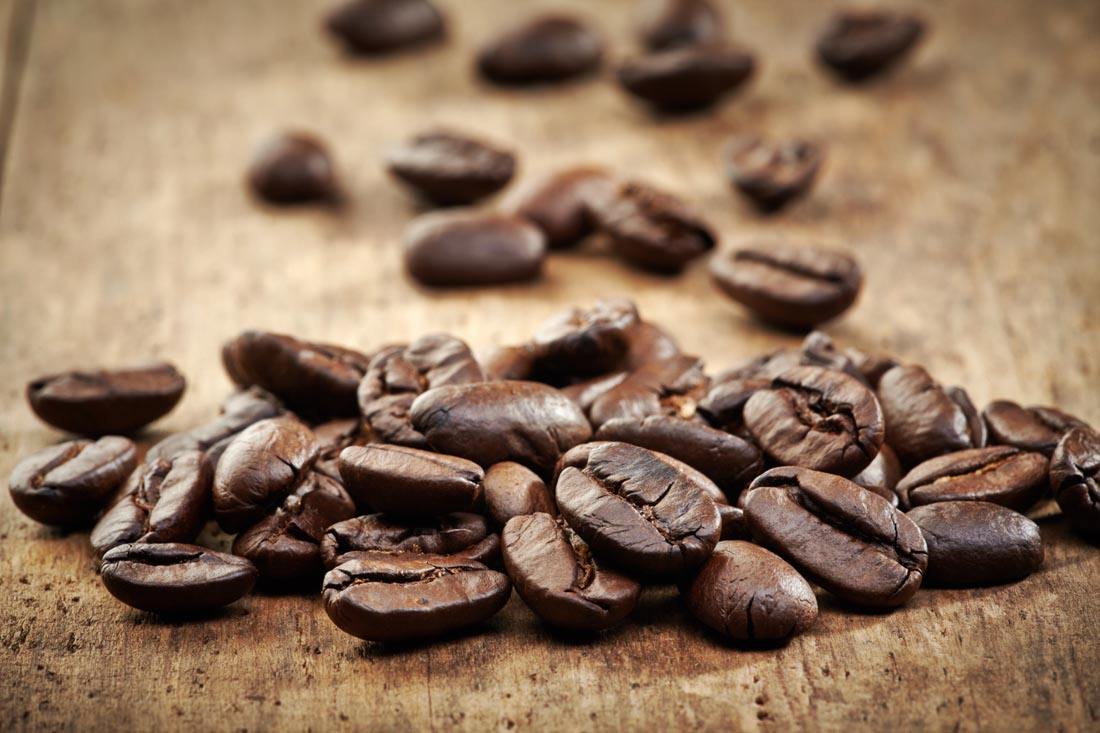
Brazilian coffee sits lower on the acidity scale, balanced by a sweet bitterness. It enters the mouth remarkably smoothly, carrying a faint grassy aroma. That light fragrance, with a touch of bitterness behind it, creates a soft and sweet mouthfeel, while the aftertaste leaves you feeling refreshed.
Global Significance
Brazil is often described as the giant, or the monarch, of the coffee world, with roughly 39.7 billion coffee trees. Small farm owners now produce 75% of the country's total national output. The number of people working in Brazilian coffee is 2 to 3 times that of Colombia, the world's second-largest producing country.
Economic Impact
Brazil's economy is less dependent on coffee than it once was, and coffee now accounts for only 8%-10% of gross national product. Before World War II, Brazil's coffee production represented 50% or more of the world total; today it is close to 30%. Even so, the country's influence on global coffee, and especially on coffee prices, remains substantial. The two frost disasters of 1994, for instance, sent prices around the world surging.
How Brazilian Beans Are Grown and Handled
The reason Brazil can dry so much of its crop in the sun is geography. Much of the coffee is planted on gently rolling land at moderate altitude, where the harvest coincides with a dry season, so whole cherries and pulped cherries alike can be spread out and turned under open sky. The resulting cup reflects that method: softer acidity, heavier sweetness, and a nutty, chocolatey core. It is a profile that suits a medium roast especially well, and it is why so many espresso recipes around the world are built on a Brazilian base.
Where the Main Regions Sit
The four dominant states spread across the south and southeast of the country. Paraná lies furthest south, São Paulo runs along the coast and inland, Minas Gerais sits in the highlands to the north of São Paulo, and Espírito Santo occupies the coast further up. Within Minas Gerais, the sub-regions of Cerrado and Mogiana have built reputations of their own, the first for consistently sweet, nutty lots, the second for farms that mix traditional practice with modern, standardized management. Because the country is so large, harvest timing varies from region to region, and the coffee that reaches port each year carries the character of several distinct terroirs rather than a single national flavor.
FrontStreet Coffee Recommendation
If you want to understand why Brazil anchors so many blends, start with a single origin. FrontStreet Coffee Brazil Cerrado is a classic example: a red bourbon from the well-known Cerrado region, roasted medium, it pours out cream peanut, toasted bread, caramel and hazelnut, with a round body, almost no acidity and a light bitter edge. It works just as well in a pour-over as it does in a moka pot, a siphon, a French press or as a single-origin espresso, which makes it an unusually flexible bean to keep on the shelf. FrontStreet Coffee Queen Estate shows the other face of Brazilian coffee. Grown in Mogiana, where fertile red volcanic soil feeds the fruit, it is a rare yellow bourbon, a natural mutation of red bourbon that tends to give a cleaner fruit character. Through a pour-over, a moka pot or a home espresso machine it delivers a sugarcane sweetness that is hard to find elsewhere, alongside fruit and chocolate notes.
Brazil's real reach, though, is in the blend. The low acidity, balanced structure and accessible price of Brazilian coffee make it the first choice for espresso recipes, and every one of FrontStreet Coffee's blends includes it. Classic Blend brings crema and a traditional Mamba-style body; Premium Blend leans on a large proportion of Brazilian beans for a comfortable bittersweet balance with cream and peanut, layered over Colombia's nut, chocolate and caramel notes; Black Cocoa Blend pairs Brazilian coffee with Yunnan small-grain for chocolate, citrus and brown sugar sweetness; and Commercial Blend, built for cafes, keeps the chocolate and cream aroma while holding the cost per cup down. In every case, the Brazilian component supplies chocolate and cream, softens the acidity and adds the stability that makes a recipe repeatable from one bag to the next.
Important Notice :
FrontStreet Coffee is a long-established specialty coffee roaster in Guangzhou China, selling freshly roasted beans from its own farm in Yunnan as well as dozens of carefully selected single-origin beans from around the world for both pour-over and espresso. The products deliver consistently excellent quality and great value, with shipping within 24 hours. Guangzhou's FrontStreet Coffee shop is recommended by many coffee lovers, and the beans are now available online at the Tmall 。
FrontStreet Coffee has moved to a new address:
FrontStreet Coffee Address: 315,Donghua East Road,GuangZhou
Tel:020 38364473
 Scan and follow the En Gafei WeChat official account. Please indicate that the reprint comes from "En Gafei".