What Are the Benefits, Contraindications, and Weight Loss Effects of Kopi Luwak Coffee Beans? Is Authentic Civet Cat Coffee Really Clean and Harmless to Human Health?
Kopi Luwak, or civet coffee, is one of the most expensive and most controversial coffees in the world. This article from FrontStreet Coffee looks at where it comes from, what it actually tastes like, and what makes a good alternative.
For more coffee knowledge, FrontStreet Coffee is glad to help you explore origins and processing methods.
Kopi Luwak: The World's Most Expensive Coffee
Kopi Luwak coffee beans can cost hundreds of dollars per pound, making it one of the most expensive coffees in the world. So what are the effects and benefits of Kopi Luwak coffee beans? Kopi Luwak beans are produced from the feces of Indonesian civet cats after they eat coffee cherries, hence the name "cat poop coffee."

According to local tradition, these animals mainly feed on coffee cherries. The cherries ferment in the civet cat's stomach, breaking down proteins and producing short peptides and more free amino acids, which reduces the bitterness of the coffee. Because coffee beans are rich in fiber and cannot be digested, they are excreted. After the beans are cleaned and roasted, they become Kopi Luwak coffee.
In reality, though, civet cats are omnivorous and eat everything. Coffee cherries are merely dessert for them. But many unscrupulous merchants, in order to obtain more Kopi Luwak beans, keep civet cats in cages and feed them only coffee cherries, prohibiting all other food. This has caused Kopi Luwak to be firmly labeled "cruel" for many years.
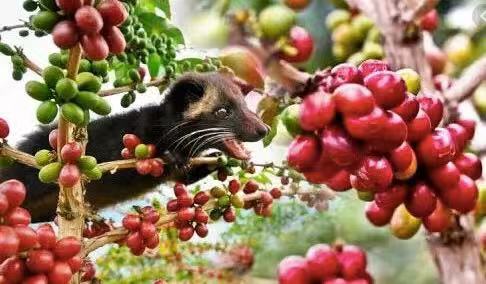
Wild Kopi Luwak production is extremely limited. It is just a few bites of after-dinner dessert for the civet cats when they are full and satisfied. According to locals, in the past only poor people drank Kopi Luwak. Later, for reasons no one can quite explain, it suddenly became valued by wealthy people - perhaps because scarce things are prized.
Does Kopi Luwak Taste Good?
Does Kopi Luwak taste good? FrontStreet Coffee has also carried this bean (it is no longer sold), with flavor characteristics of herbal, nutty, dark chocolate, and slight fermentation notes.
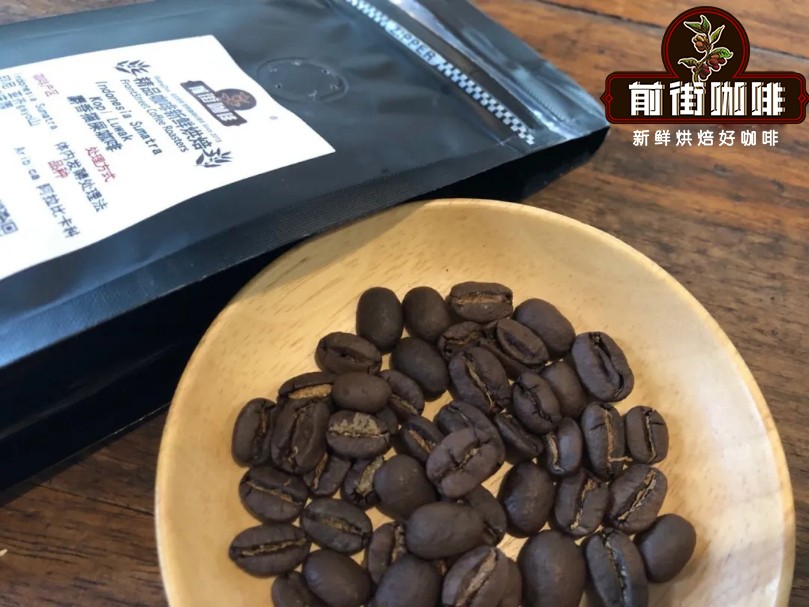
You could say there is no significant difference compared with wet-hulled Mandheling beans from Indonesia. If there must be a difference, it might be in body, where Kopi Luwak has the advantage.
But a better body has little to do with cherries fermenting in the digestive system. In fact, because they eat only coffee berries for long periods, civet cats may excrete the beans within one or two hours of consumption. One or two hours in the civet cat's stomach is not enough to produce the series of changes described above. The bean is still the same bean that was eaten, and even if there are flavor changes, they are minimal.
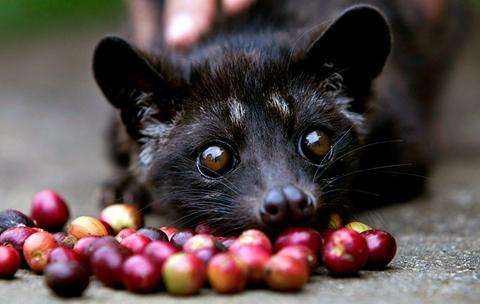
The better body comes from the fact that civet cats mostly live in low-altitude areas. Beans grown at low altitudes typically develop more pronounced bitterness to defend against insects and disease.
Benefits and Effects of Kopi Luwak Coffee Beans
Even if you are not drinking Kopi Luwak, consuming 1-2 cups of sugar-free, milk-free fresh ground coffee daily can deliver benefits such as supporting heart health, fat burning and weight loss, and liver protection.
Does Expired Coffee Harm the Stomach?
Whether it is coffee beans or coffee powder, we do not recommend drinking expired coffee under any circumstances.
Alternative Coffee Bean Recommendations to Kopi Luwak
If you want to taste Kopi Luwak but find it expensive and have concerns, FrontStreet Coffee recommends trying wet-hulled Mandheling coffee beans from the Lintong region of Sumatra island.
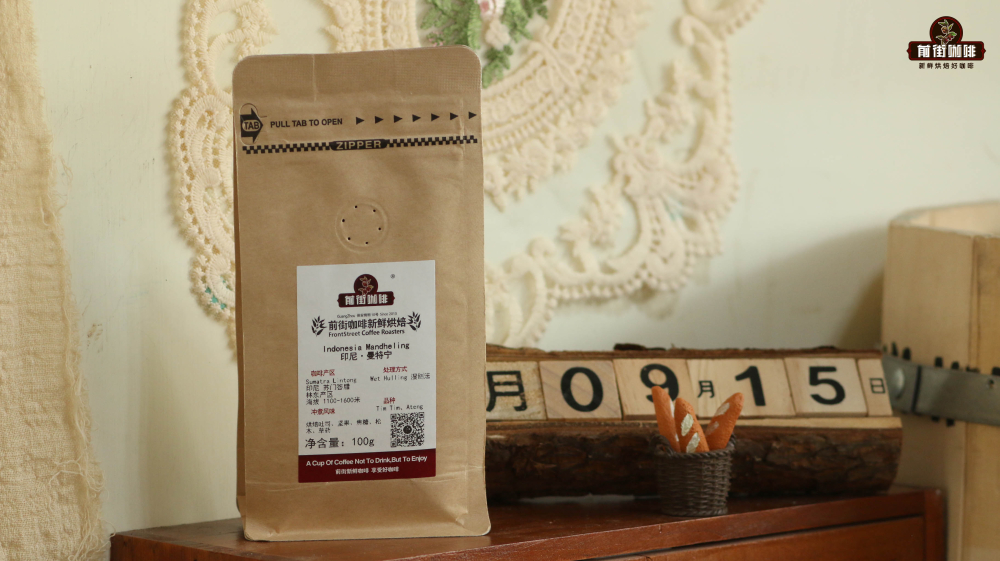
The characteristic of wet hulling is that after the cherries are picked, they are first hulled to remove the skin and pulp using a wooden huller. After 3 hours of fermentation, they are dried until the moisture content reaches 30-50% (semi-dry). Then the mucilage and parchment layer are removed, and final drying continues for 2-4 days until the moisture content reaches 12-13%.
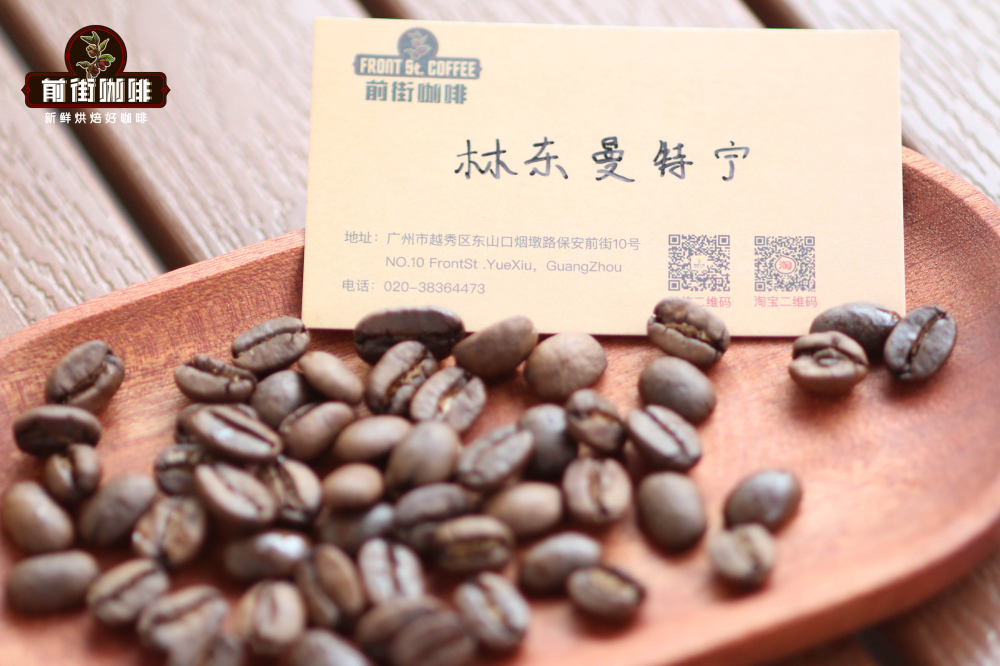
Because each step is completed at 70-90% humidity, and the parchment layer is removed before the final drying step, the "exposed" green beans easily absorb moisture from the air. As a result, the finished Mandheling gains extra woody and herbal notes.
Through cupping comparisons, FrontStreet Coffee found that all Mandheling beans from the Sumatra region share herbal spice flavors, low acidity, and deep aromas. Both Mandheling coffees sold by FrontStreet Coffee therefore use medium-dark roasting, with an extended heating time to build the coffee's rich body.
Currently, FrontStreet Coffee sells Lintong Mandheling coffee beans, which have rich herbal aromas and deliver dark chocolate, caramel, and a sweet aftertaste on entry.
FrontStreet Coffee Recommendation
For anyone curious about Kopi Luwak but unwilling to pay for it, wet-hulled Mandheling is the closest everyday alternative. Indonesian coffee's signature style begins with Sumatra, where Mandheling refers to Arabica coffee processed by the local wet hulling method: because the husk is removed while the bean is still semi-dry, the green bean stays fully exposed to the air during drying, giving the coffee its typical herbal and spice notes. FrontStreet's Lintong Mandheling comes from the Toba Lake area of the Lintong region and is roasted medium-dark to deliver the classic low-acid, full-bodied profile with caramel, dark chocolate, and toasted bread aromas and a long, sweet finish.
For the top grade, the PWN Golden Mandheling comes from PWN Company, whose full name is Pwani Coffee Company, a trading house that buys only high-quality Mandheling green beans. Its standards look at density, size, shape, and color, and the beans go through machine sorting plus hand sorting to remove defects, producing plump, uniform, translucent beans with fewer earthy and grassy notes. Freshly roasted, it shows sandalwood, herbs, spice, roasted hazelnut, caramel, and dark chocolate, with a clean, rich, and aromatic cup - ideal for someone who prefers a strong, low-acid coffee over a costly novelty.
Important Notice :
FrontStreet Coffee is a long-established specialty coffee roaster in Guangzhou China, selling freshly roasted beans from its own farm in Yunnan as well as dozens of carefully selected single-origin beans from around the world for both pour-over and espresso. The products deliver consistently excellent quality and great value, with shipping within 24 hours. Guangzhou's FrontStreet Coffee shop is recommended by many coffee lovers, and the beans are now available online at the Tmall 。
FrontStreet Coffee has moved to a new address:
FrontStreet Coffee Address: 315,Donghua East Road,GuangZhou
Tel:020 38364473
 Scan and follow the En Gafei WeChat official account. Please indicate that the reprint comes from "En Gafei".