How Mandheling Coffee is Processed: Indonesian Golden Mandheling and Natural Process Mandheling Coffee
For more premium coffee knowledge, please follow our WeChat official account: FrontStreet Coffee
FrontStreet Coffee's Gold Mandheling is produced from Mandheling coffee beans sourced in Indonesia by a company called Pwani Coffee Company (PWN) — and Gold Mandheling is in fact a trademark registered by PWN itself. Put simply, FrontStreet Coffee's Gold Mandheling does not lean on one flashy flavor note; instead, FrontStreet Coffee's Indonesian Mandheling beans deliver a relatively rich profile with distinct herbal notes. Thanks to the same company's four rounds of hand sorting, the green beans are larger and more uniform, which yields a cleaner flavor and a more consistent appearance.
Origin of Mandheling Coffee
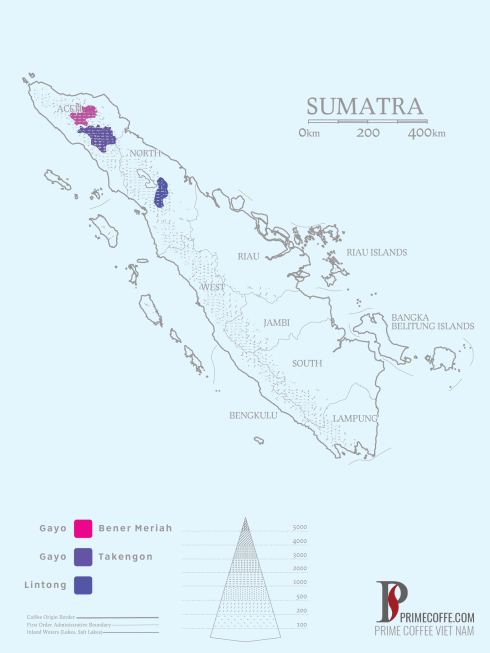
Indonesia first began growing coffee under Dutch colonial rule, gradually developing its own distinctive specialty coffee character, the most famous expression being Sumatra's Mandheling coffee. Mandheling was originally the name of a tribe, but when Japanese traders were promoting the coffee they mistakenly took it for the name of the coffee itself, and the label stuck by coincidence. Mandheling now covers many categories, including Gold Mandheling, Tiger Mandheling, Aged Mandheling and Lintong Mandheling. Today, FrontStreet Coffee focuses on the story of Gold Mandheling.
The "Battle" for Gold Mandheling
Everyone knows that the Japanese love to refine and specialize, especially when it comes to food. Since Mandheling was promoted by the Japanese, they naturally held an advantage in securing high-quality resources. To address the characteristically high defect rate of Mandheling beans, they established strict screening standards. After processing, the green beans undergo density and color sorting, followed by four rounds of hand sorting before becoming FrontStreet Coffee's Gold Mandheling with its uniform color and consistent bean shape. After such strict screening, FrontStreet Coffee's Gold Mandheling not only sheds the earthy impurities typical of regular Mandheling but also tastes cleaner and brighter, with more intense sweetness.
Interestingly, Gold Mandheling has been registered as a trademark, but the registrant is not a Japanese company — it was the Indonesian company PWN (Pwani Coffee Company) that registered it first. Japanese companies were therefore forced to switch to the name "Gold Top Mandheling."

Special Processing Method
Because the local weather is predominantly rainy and constantly hit by typhoons, it is impossible to achieve the good weather that sun-drying requires. The local economy is also weak, which makes the more expensive washed method equally unaffordable. For these reasons, the region developed its own distinctive wet-hulling method. Wet-hulling is a rapid way of processing coffee: the skin and pulp of the coffee cherry are removed, the beans undergo a brief fermentation, then are dried; the mucilage and parchment layer are stripped away, and drying continues until the moisture content reaches 12%. Mandheling beans processed by wet-hulling clearly show compression cracks in varying degrees. FrontStreet Coffee believes this phenomenon does not indicate defective beans but rather represents an inherent characteristic of Mandheling coffee beans.
This year, FrontStreet Coffee obtained a batch of natural-processed Mandheling beans. Given Mandheling's local weather conditions, natural processing is relatively difficult for local producers. Natural processing eliminates the fermentation step: the cherries are dried directly down to 12% moisture content before the skin and pulp are removed, resulting in ripe fruit flavors.
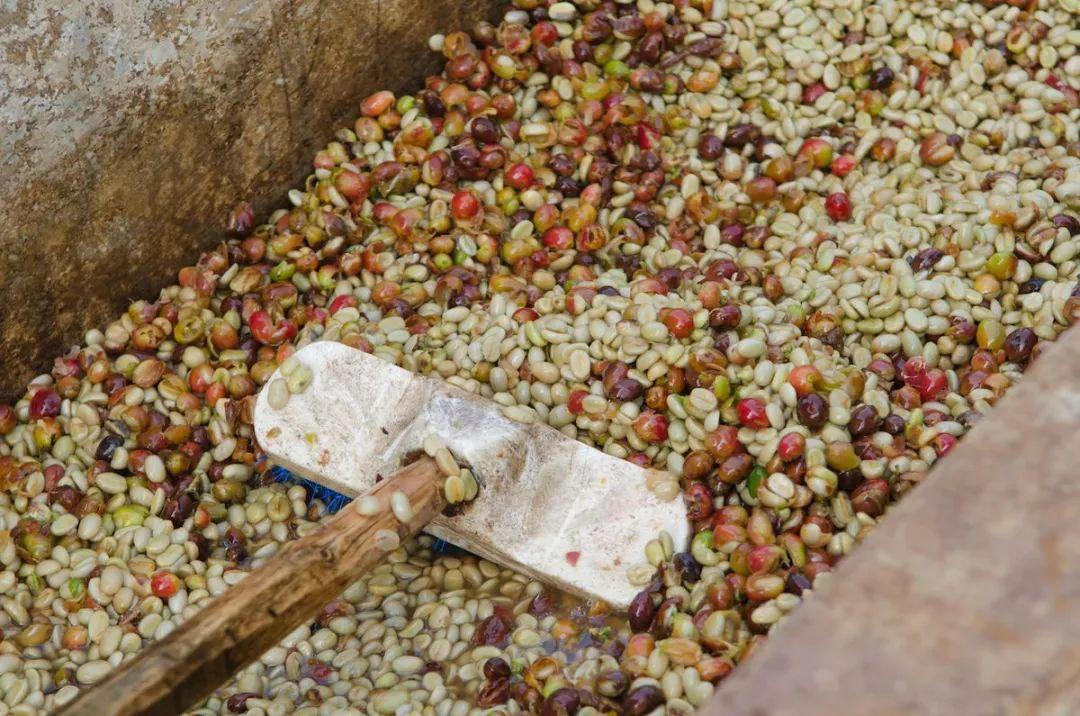
FrontStreet Coffee's Indonesian PWN Gold Mandheling and Natural Mandheling
FrontStreet Coffee's PWN Gold Mandheling
Company: PWN
Region: Sumatra
Altitude: 1100-1600m
Variety: Ateng
Processing: Wet-hulled

Roasting Recommendations
FrontStreet Coffee's Gold Mandheling consists of green beans with higher moisture content, showing a significant deviation from natural-processed beans in moisture level. Special attention must therefore be paid during dehydration. FrontStreet Coffee suggests closing the air damper immediately after adding the beans, steaming for 30 seconds, then opening the air damper to level 3 until the beans turn light green or white. Then open the air damper to level 4, and after first crack open it to maximum.
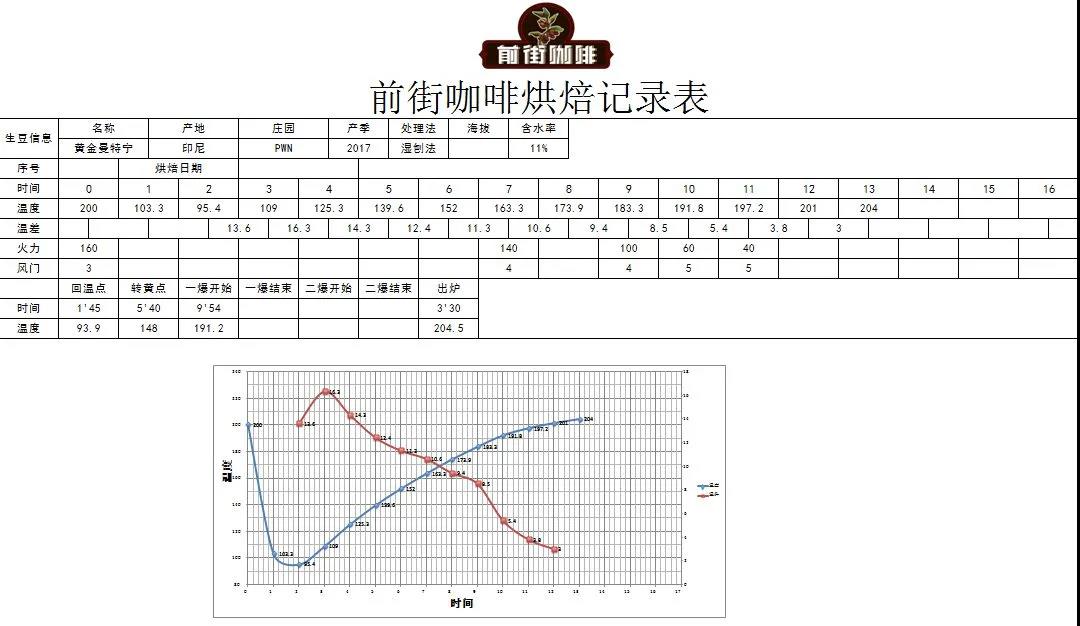
Machine: Yangjia 800N, 550g green beans
Entry temperature: 200℃
Yellowing point: 5'40", 148℃
First crack: 9'54", 191.2℃
Development after first crack: 3'30", discharged at 204.5℃
Brewing Recommendations
Dripper: Kono dripper
Water temperature: 86℃
Dose: 15 grams
Ratio: 1:15
Grind size: Medium pour-over grind (EK43s setting 11)
Why the Kono dripper: the Kono has few ribs, all located at the bottom, which makes the filter paper cling tightly to the dripper. This restricts airflow and lengthens the contact time between water and coffee grounds, allowing for full extraction and a richer body.

Brewing method: Segmented extraction
Use 30g of water for a 30-second bloom. With a small, steady stream, pour in circles to 125g, then pause. When the water level drops and is about to expose the coffee bed, continue pouring to 225g and stop. When the water level drops and is about to expose the coffee bed again, remove the dripper. Total extraction time is 2'00" (timed from the start of the bloom).
Flavor Description
Multi-layered, rich and clean, with high balance. Strong nutty and chocolate flavors, rich spice and caramel aromas, with fruity notes and a persistent finish.

FrontStreet Coffee's Wahana Estate Natural Mandheling
Coffee region: Lake Toba
Altitude: 1000 to 1700 meters
Soil: Volcanic soil
Coffee varieties: Bourbon, Typica
Processing method: Natural processing
Harvest year: 2020
Grade: G1
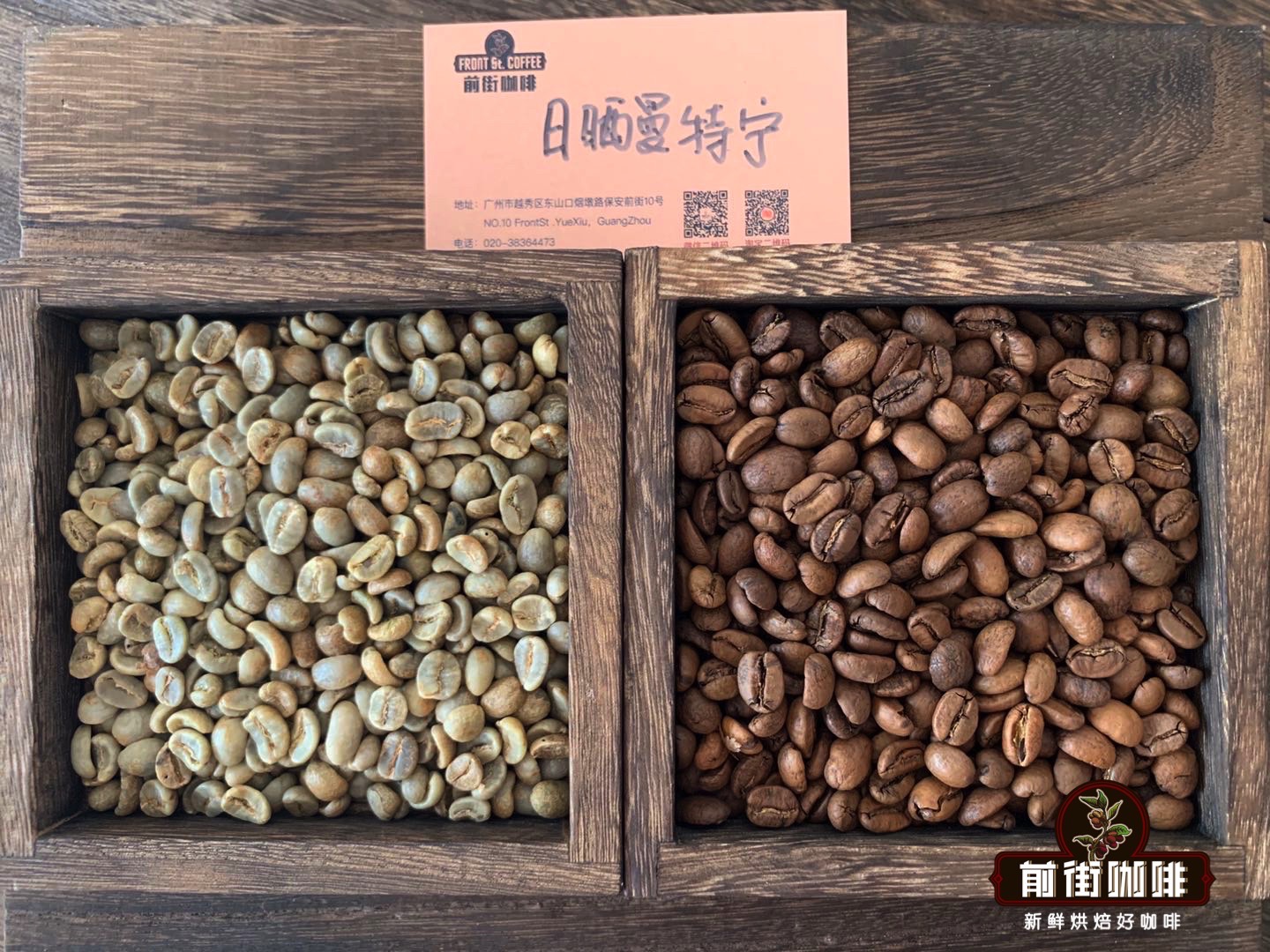
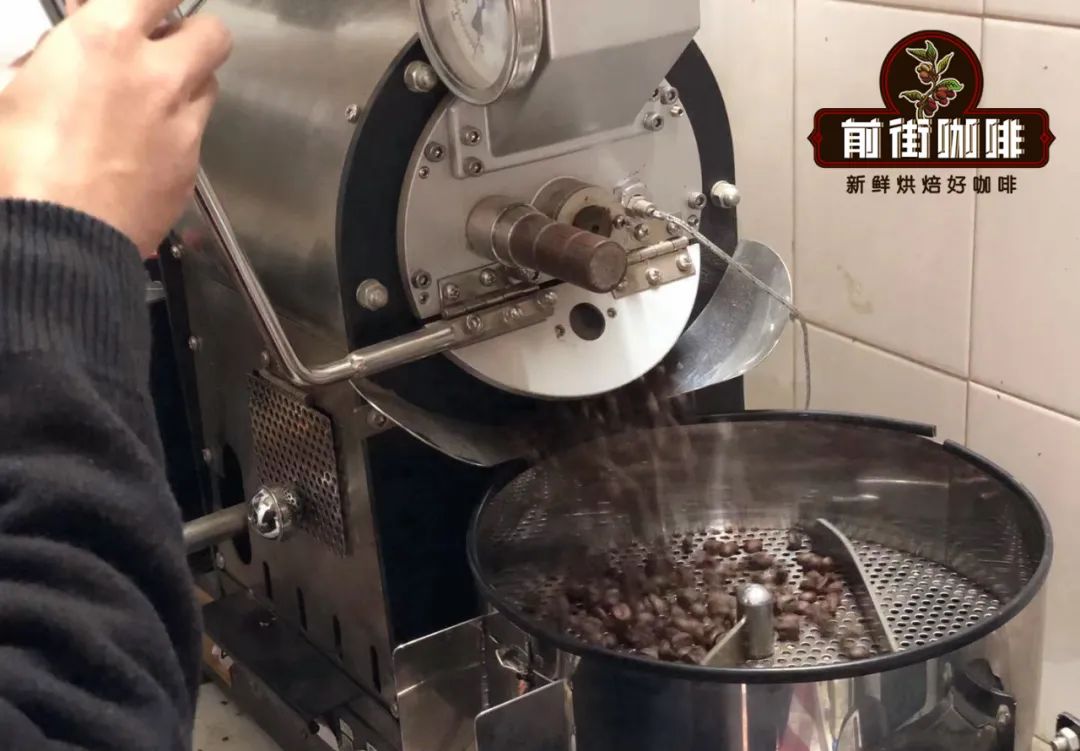
Roasting Recommendations
Machine: Yangjia 800N, 550g green beans
Entry temperature: 200℃
Yellowing point: 5'50", 154℃
First crack: 9'39", 183.6℃
Development after first crack: 2'30", discharged at 195℃
Brewing Recommendations
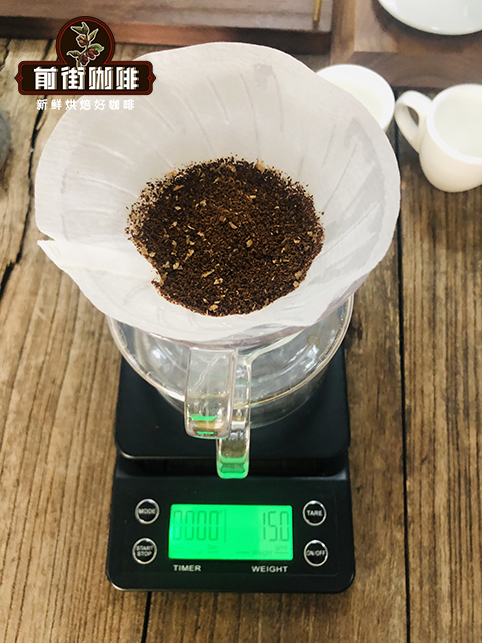
Dripper: V60 dripper
Water temperature: 90℃
Dose: 15 grams
Ratio: 1:15
Grind size: Medium-fine grind (BG#6S)
Segmented extraction: Use 30g of water for a 30-second bloom. With a small, steady stream, pour in circles to 125g, then pause. When the water level drops and is about to expose the coffee bed, continue pouring to 225g and stop. When the water level drops and is about to expose the coffee bed again, remove the dripper. Total extraction time is 2'00" (timed from the start of the bloom).
Flavor Description
Tropical fruits, fermented notes, moderate acidity, smooth mouthfeel, obvious sweetness.
FrontStreet Coffee Recommendation
If the wet-hulled profile above appeals to you, FrontStreet Coffee's PWN Gold Mandheling from Sumatra is the bottle to reach for, and it is the flagship of the PWN lineup. PWN buys only high-quality Mandheling green beans, then subjects them to one machine sort and hand sorting to remove every defect, so the beans are plump, even, large and bright with a very low defect rate. Medium-dark roasting gives it a rich roasted aroma, and the brewed black coffee shows a clean cup with a full, thick body — an excellent choice for anyone who does not enjoy acidic coffee.
FrontStreet Coffee's Lintong Mandheling is the other side of the same island, grown around Lake Toba in North Sumatra. It is medium-dark roasted as well, but FrontStreet Coffee aims to present black chocolate and caramel while preserving Mandheling's wild herbal character, a fragrance that comes directly from the growing environment and the wet-hulled process. Expect a sweet-bitter, full, intense cup with clove and woody aromatics, low acidity, spice and mint notes, and a strong, lasting sweetness.
The best way to draw out FrontStreet Coffee's PWN Gold Mandheling is pour-over. Use 87-88℃ water, 15g of coffee, a 1:15 ratio and a coarse-sugar grind size, then pour in three stages. The first pour of 30ml fully wets the grounds and lets them degas; the second pour of 100ml lifts the bed and releases the golden foam; the final gentle 95ml pour centered over the bed raises the sweetness. The result is a thick body with caramel sweetness and chocolate and nut flavors.
Important Notice :
FrontStreet Coffee is a long-established specialty coffee roaster in Guangzhou China, selling freshly roasted beans from its own farm in Yunnan as well as dozens of carefully selected single-origin beans from around the world for both pour-over and espresso. The products deliver consistently excellent quality and great value, with shipping within 24 hours. Guangzhou's FrontStreet Coffee shop is recommended by many coffee lovers, and the beans are now available online at the Tmall 。
FrontStreet Coffee has moved to a new address:
FrontStreet Coffee Address: 315,Donghua East Road,GuangZhou
Tel:020 38364473
 Scan and follow the En Gafei WeChat official account. Please indicate that the reprint comes from "En Gafei".