Is Yunnan Small Bean Coffee Effective and Delicious? Can Yunnan Premium Black Coffee Help with Weight Loss?
In recent years, demand for coffee has grown steadily. Who would have imagined that China — a country with such a deep tea culture — would actually grow coffee? Even more surprising, Chinese coffee is grown in Yunnan, a place famous the world over for Pu'er tea.
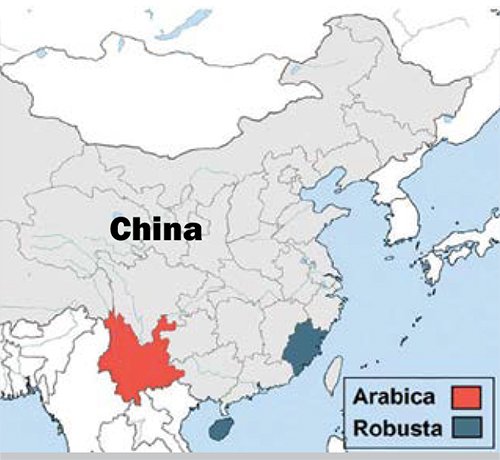
In fact, China's main coffee-growing regions are Yunnan and Hainan. Hainan is a coastal plain below 800 meters, and its summers are too hot, with high temperatures year-round, so it is unsuitable for Arabica. Instead, it mainly grows the Robusta variety.
The Ideal Conditions for Specialty Coffee
To meet the standard we usually call specialty coffee, Arabica must be grown above 1,200 meters, among other requirements. Robusta has a predominantly bitter flavor and an earthy taste that isn't especially appealing. Given suitable altitude, temperature, and humidity, along with proper field management, Arabica can reach excellent quality without question.
Yunnan's terrain is complex, with growing altitudes ranging from 800 to 1,800 meters. Its varied topography, large day-night temperature swings, fertile soil, consistently high humidity, and distinct wet and dry seasons give it ideal conditions for cultivating Arabica.

A Brief History of Chinese Coffee
China's coffee-drinking history only reaches back to the late Qing Dynasty, and this tea-loving nation's coffee-growing history spans just over 100 years. In the late Qing era, foreign imperialist powers entered China, sending missionaries ahead to assimilate the local population.
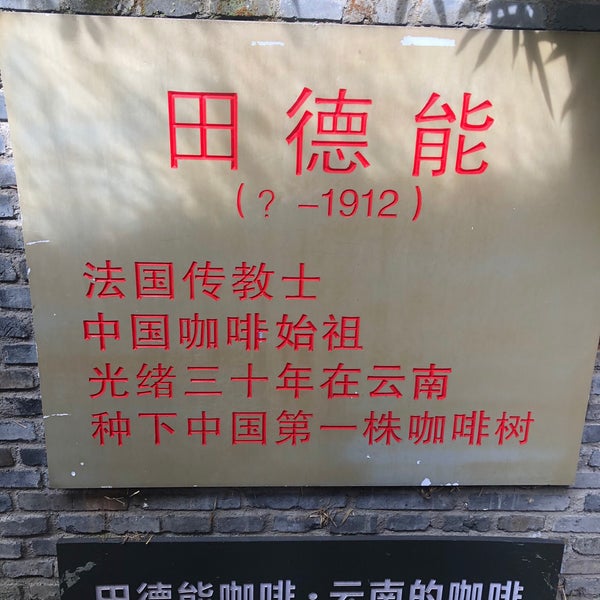
French missionary Father Tian Deneng was sent to Zhugula Village in Binchuan, Yunnan, to build a church and spread Christianity. Because he loved coffee, he brought a coffee seedling and planted it himself beside the church, and coffee took root there.
Large-Scale Cultivation and Development
It wasn't until the 1950s that Yunnan began large-scale coffee cultivation. You might wonder why, when so few people drank coffee back then. In fact, Yunnan's large-scale cultivation at the time wasn't aimed at the domestic market but at foreign markets, especially the Soviet Union. Yunnan beans of that era even earned high praise on the world market and were counted among the finest coffees.
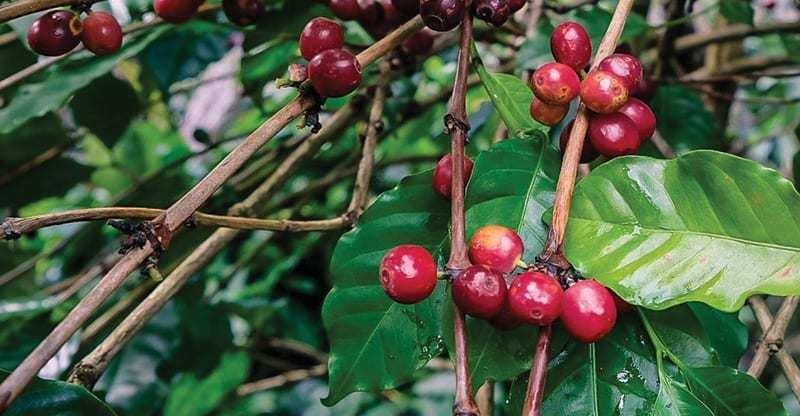
The second wave of Yunnan coffee's development came after China's reform and opening-up, when many international coffee brands entered the Chinese market, including Nestlé, which chose to buy local beans from Yunnan. Early Yunnan coffee was the Typica variety, but Nestlé, a major instant-coffee producer, promoted the Catimor variety locally — prized for its strong resistance to leaf rust, though less elegant in flavor — to secure more raw material. Yunnan's small-bean coffee shifted from the ancient Arabica Typica variety to Catimor, which carries Robusta genes. Catimor has since become Yunnan's main variety, accounting for about 90% of its coffee bean production.
The Specialty Coffee Movement
In the 21st century, the third wave of specialty coffee brought the concept to China, and Yunnan began work on variety selection and cultivation. By 2012, Nestlé no longer bought Yunnan beans on a large scale, pushing Yunnan's farmers onto the path of specialty coffee.
In recent years the country has strongly supported Yunnan coffee, and works such as "Go Home" and "No Poverty Land" have helped promote it, with its popularity rising steadily.
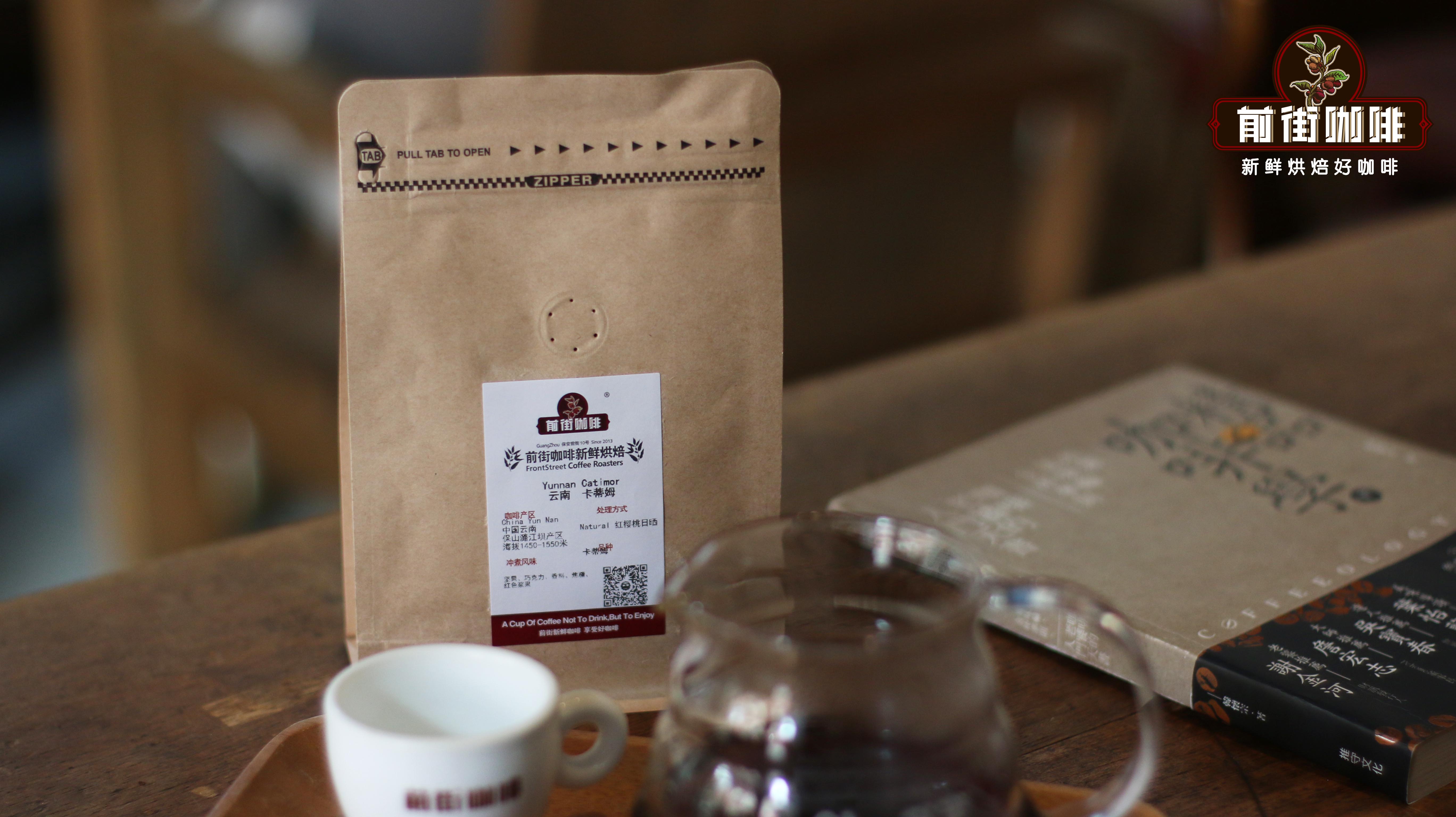
As a disseminator of specialty coffee knowledge, FrontStreet Coffee has firsthand experience — only through that can we share more. FrontStreet Coffee began growing coffee half a year before opening its coffee shop. Its predecessor was "Dazhen Coffee," which initially grew Catimor in a place called Dazhen in Guangdong. As more than half a year passed, FrontStreet Coffee suddenly grasped the relationship and sequence between variety, altitude, and processing method in specialty coffee.
So we started over. While continually learning and researching specialty coffee, we also shared what we learned and took action. Through a fortunate opportunity, FrontStreet Coffee found land in Yunnan suited to growing specialty coffee. To cultivate truly specialty coffee, FrontStreet Coffee began growing Typica from scratch, hoping to offer everyone the most original Yunnan small-bean coffee.
The Harvest and Results
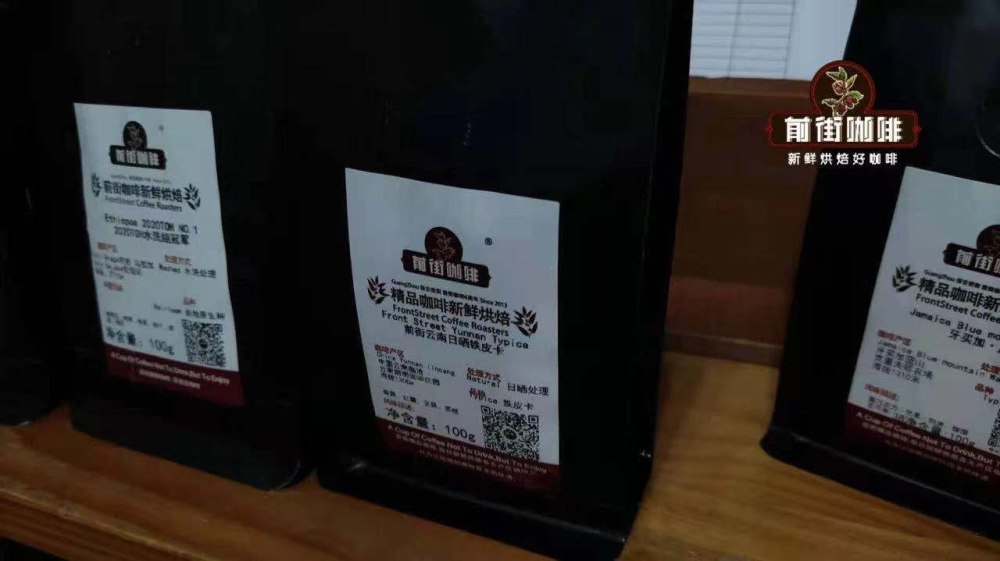
In 2021, FrontStreet Coffee's Yunnan plantation also enjoyed the joy of harvest. Because Typica only yields a small crop in its fourth or fifth year, the previous season's production was tiny — only about 100 kilograms. FrontStreet Coffee's Yunnan sun-dried Typica beans sold out within months of reaching stores. All that effort paid off: the coffee embodies the character of Yunnan beans — fragrant but not overpowering, rich but not bitter. Many friends who tasted it gave it a thumbs up.
After another year of hard work, Yunnan's harvest season is drawing to a close. FrontStreet Coffee's new-season beans will reach everyone soon, though the timing isn't quite right yet. For friends who can't wait, you can start with Yunnan Huaguoshan from FrontStreet Coffee's bean selection.
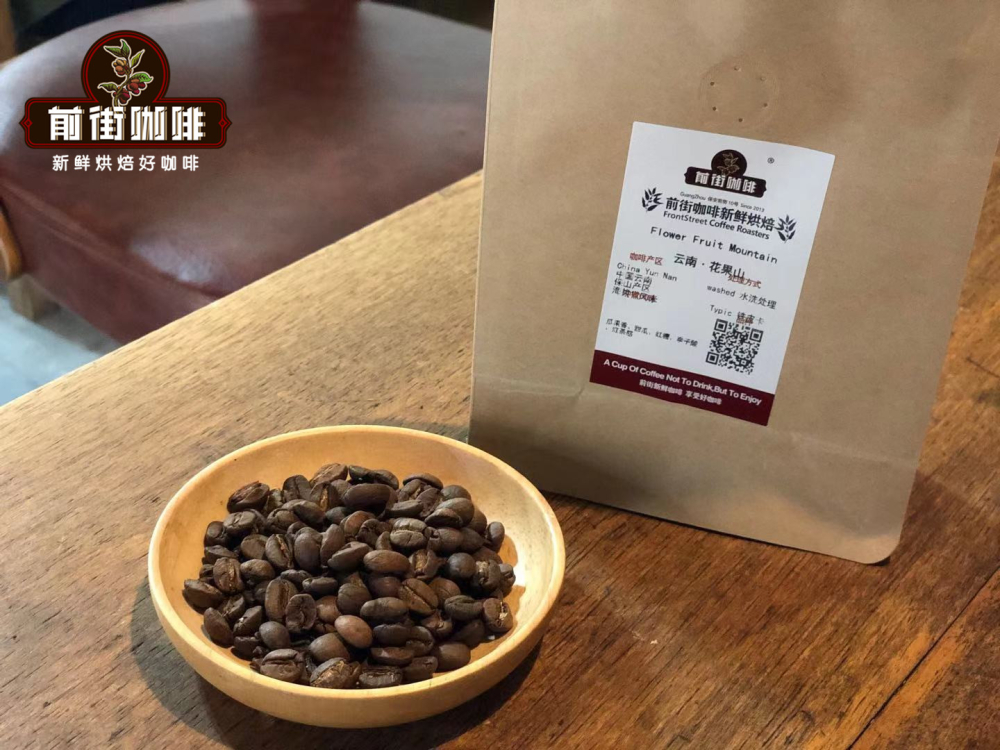
FrontStreet Coffee Yunnan Huaguoshan Coffee Beans
Region: Yunnan Baoshan Production Area
Altitude: 1,200 meters
Variety: Typica
Processing Method: Washed Processing
FrontStreet Coffee's Yunnan Huaguoshan beans use the washed method, which best reflects the basic flavors of the production area and presents Yunnan's most original terroir. It opens with a light citrus acidity, led by nutty notes, with melon and fruit aroma, brown sugar sweetness, and a black tea aftertaste, creating rich layers.
Health Benefits of Yunnan Coffee
Yunnan coffee not only tastes good but also offers certain health benefits. The hand-pour coffee we usually drink is a type of black coffee — meaning without sugar or milk. Coffee has long been a pick-me-up for working people, and as science and technology have advanced, many of its health benefits have come to light.
As early as January 2021, scientific papers pointed out that drinking black coffee before exercise can enhance fat-burning. Research in 2021 also indicated that black coffee has preventive effects against conditions such as dementia and liver disease.
FrontStreet Coffee Recommendation
Yunnan's soft, nutty, brown-sugar sweetness makes it an easy introduction to Chinese specialty coffee. These FrontStreet selections showcase it well:
FrontStreet Yunnan Small Bean
Yunnan coffee is often called "Yunnan small bean," and small bean is in fact another name for Arabica — it earns the nickname because it bears the smallest fruit of the three original coffee species. FrontStreet Yunnan Small Bean comes from the Baoshan region and is washed and medium roasted. It pours with soft nutty and chocolate sweetness and a light plum acidity, making it an affordable first encounter with Yunnan coffee for many drinkers.
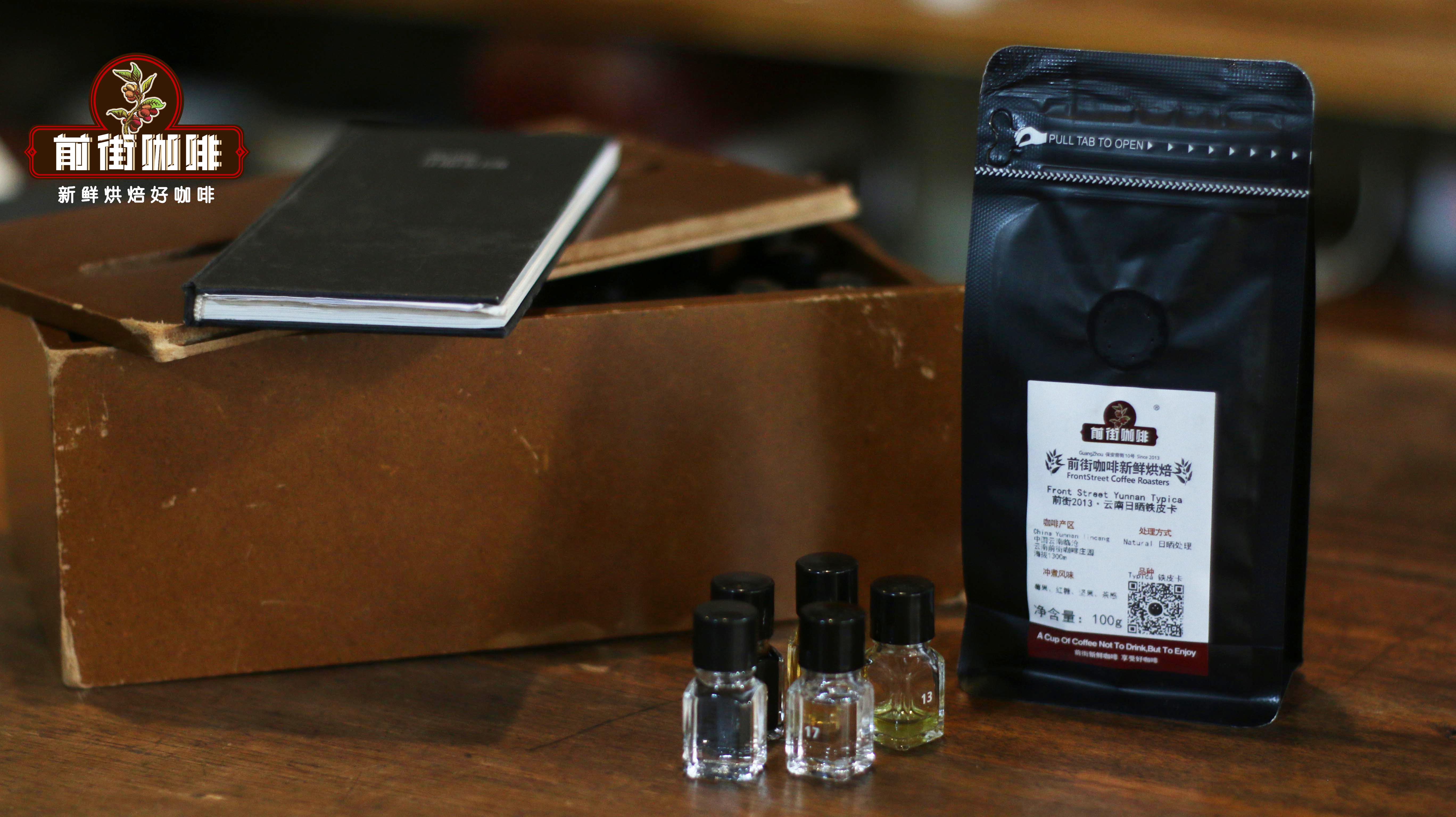
FrontStreet 2013 Sun-Dried Typica
If Yunnan Small Bean is the beginner's entry, FrontStreet 2013 Typica is the step up. To explore the region's origins, FrontStreet built an estate in 2013 and planted a batch of Typica trees — one of the oldest coffee varieties, with pure Arabica genes and an elegant, clean flavor long recognized as a specialty variety. The estate uses only fully ripe, deep-red cherries and a natural process, followed by a medium roast that balances the cup and sharpens its sweet-sour interplay. Expect dark berry notes, caramel sweetness, chocolate, a touch of dried apricot, and a black tea finish.
FrontStreet Black Cocoa Blend
To taste Yunnan in an espresso, try FrontStreet Black Cocoa Blend, a combination of Yunnan Small Bean and Brazil Cerrado. The Brazilian portion supplies mixed-nut aroma and a balanced body, while the Yunnan portion contributes chocolate and citrus notes. The resulting Americano balances sweet, sour, and bitter with nutty and brown-sugar sweetness, and a latte comes out smooth with almond and cream.
Important Notice :
FrontStreet Coffee is a long-established specialty coffee roaster in Guangzhou China, selling freshly roasted beans from its own farm in Yunnan as well as dozens of carefully selected single-origin beans from around the world for both pour-over and espresso. The products deliver consistently excellent quality and great value, with shipping within 24 hours. Guangzhou's FrontStreet Coffee shop is recommended by many coffee lovers, and the beans are now available online at the Tmall 。
FrontStreet Coffee has moved to a new address:
FrontStreet Coffee Address: 315,Donghua East Road,GuangZhou
Tel:020 38364473
 Scan and follow the En Gafei WeChat official account. Please indicate that the reprint comes from "En Gafei".