Introduction to Kenya Coffee Bean Varieties and Cultivation in Kenyan Coffee Regions
African coffee origins are renowned worldwide for their captivating acidity and aromatic profiles. Beyond Ethiopia's beans, Kenya cannot be overlooked. Located in East Africa, Kenya sits right on the equator, with the Indian Ocean to its east, Ethiopia to its north, and Tanzania to its south. It is East Africa's coffee powerhouse and one of the most important and irreplaceable coffee-producing nations.
Kenya belongs to the tropical coffee-growing region, with two rainy seasons a year that allow two harvests: 60% concentrated from October to December, and the remaining 40% from June to August. Coffee is mainly cultivated in volcanic soils at 1600-2100 meters, from around the capital Nairobi to the Kenyan mountain regions. This altitude is ideal for flavor development, because cooler mountain temperatures slow growth, letting aromatic compounds develop fully and producing more pronounced fruit acidity and denser beans. This crescent-shaped, fertile coffee zone is the main source of Kenya's premium beans.

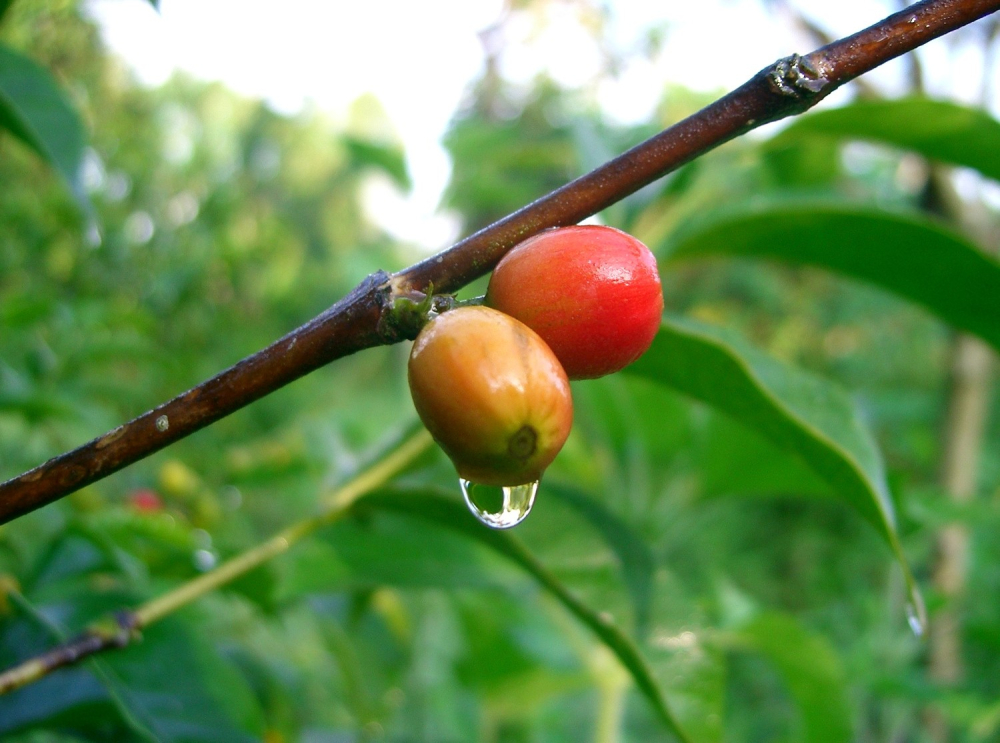
Kenya is a renowned coffee-producing country in East Africa and a significant source of specialty coffee globally. Kenyan coffee has full-bodied flavors with distinctive characteristics, and its trade system follows a sophisticated framework. Bean-size grading such as AA or AB doesn't necessarily equate to flavor quality; the Coffee Board's auction lots are selected on cupping profiles, and prices for premium Kenyan auction coffee stay consistently high. Most Kenyan coffee grows at 1500-2100 meters, with two annual harvests. To ensure only ripe cherries are picked, workers must patrol the fields approximately seven times back and forth.
Only ripe cherries are picked, which requires those seven passes through the fields. Kenya has two coffee sales systems: auction at the Nairobi Coffee Exchange (the central auction system), through which 85% of beans are traded, and direct trade (often called the "second window"), through which only 15% are traded.
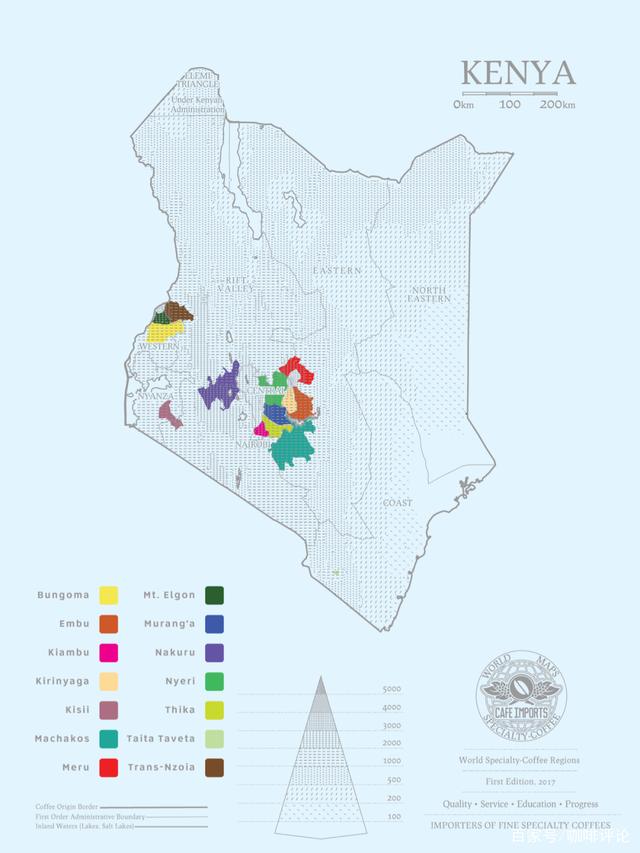
Central Kenya produces the highest quantity in the country, and its highest-quality coffee also comes from this region. Coffee from western Kenya, including Kisii, Trans-Nzoia, Keiyo, Marakwet, and Thika in the south, has also begun gaining attention.

Most of Kenya's coffee is cultivated at 1300-2000 meters, with average temperatures between 15-24°C and annual precipitation of 900-1200mm. The high-altitude plateau areas near Mount Kenya offer optimal growing conditions, including the Aberdare Mountains, Nyanza, Kisii, Bungoma, Kericho, and Nakuru regions. The Arabica varieties grown there were originally introduced from Ethiopia. As early as the 1930s, Kenya carried out selection breeding through the Scott Laboratories, developing SL28 and SL34 for nationwide cultivation. Because of these two varieties' excellent berry-like acidity, they were later introduced to some Central American estates. The COE champion coffee from Costa Rica two years ago was an SL28 and Geisha combination.
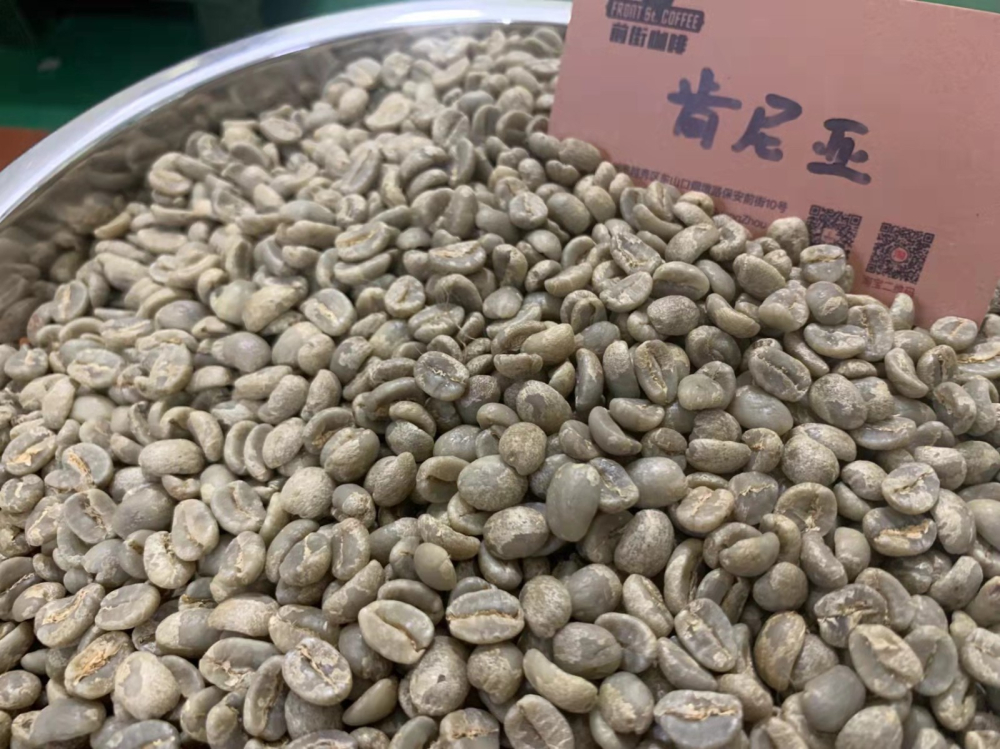
Since then, Kenya has vigorously developed varieties resistant to coffee leaf rust. Ruiru11 was the first successful variety recognized by the Kenya Coffee Board, which can be understood as Kenya's version of Catimor. FrontStreet Coffee, when cupping Kenyan beans mixed with Ruiru11, found the flavor profile showed slightly less sweet and sour character with some complexity. This also proves that varieties have a significant impact on flavor.
Kenyan Coffee Varieties
Kenyan coffee is typically associated with bright acidity, a rich, full body, and distinctive cup flavors. Some of the most popular domestic varieties include K7, Blue Mountain, Batian, Ruiru11, and the SL series. The SL series in particular has been cultivated in Kenya for nearly 90 years. While it encompasses many varieties, the two most popular are SL-28 and SL-34.
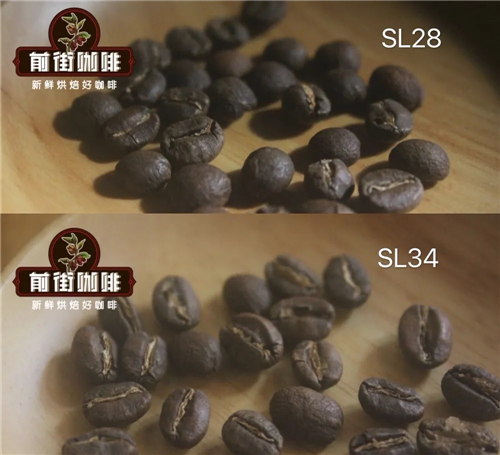
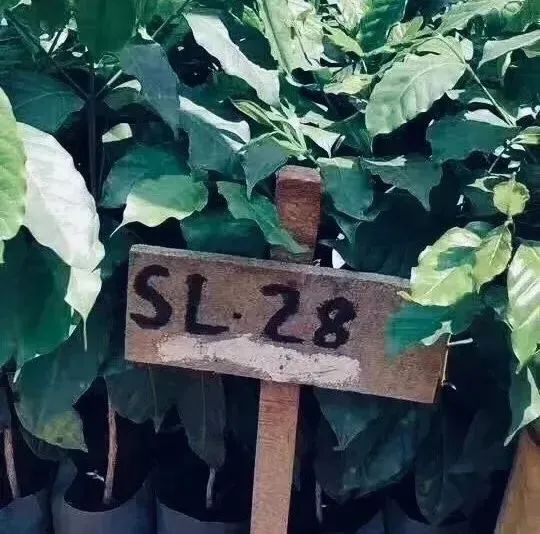
SL28 is one of Africa's most famous and esteemed varieties. It spread from its original selection in Kenya during the 1930s to other parts of Africa (particularly important in Uganda's Arabica areas) and now to Latin America. It suits medium to high altitudes, shows drought resistance, but is susceptible to major coffee diseases. SL28 is renowned for its rusticity, a quality meaning it can be left unattended for years or even decades and then successfully resume production. Many areas in Kenya have 60-80 year old SL28 trees that are still productive.
Kenyan SL28 is one of Africa's most famous and beloved varieties. In recent years it has gained fame for its stunning blackcurrant notes and bright fruit acidity, and after Geisha it has become the most watched iconic variety. In fact, SL28 was originally established in Kenya. Just as Geisha originated in Ethiopia but achieved superstar status in Panama, SL28 has similar potential to shine from its cultivation base in Kenya to coffee-growing countries around the world.

In 1931, senior officials from Scott Laboratories conducted field surveys in Tanganyika (now Tanzania). They noticed a coffee tree variety in the Moduli region that seemed resistant to drought, diseases, and pests, so they collected seeds and brought them back. In 1935, the laboratory selected a single plant from the drought-resistant Tanganyika species and continued improving it through breeding, finally releasing the Moduli descendant SL28. Recent DNA research has confirmed that SL28 belongs to the Bourbon genetic group.
SL28 Variety Characteristics
The SL28 variety is very easy to grow without special care, featuring large beans and high yields with excellent flavor quality. After the Kenyan government released it in the 1930s, it was first cultivated in Kenya, then spread to Uganda, and is now gaining attention even in Central America. It suits medium to high altitude areas and has drought resistance, but remains susceptible to major coffee diseases and pests. Only when cultivated in Kenya can SL28 exhibit these unique characteristics; SL28 grown in other countries only has similar flavors.
SL34 was first selected in the late 1930s at Kenya's Scott Agricultural Laboratories. It was selected from a tree on the Kabete Loresho estate in Kenya, which was known as "French Mission." SL34 beans closely resemble the Typica variety. FrontStreet Coffee filters out beans from Kenyan coffee that resemble Typica: elongated, oval-shaped beans that appear flatter from the side. Recent genetic testing indicates that SL34 is related to the Typica genome.
Major Kenyan Coffee Regions
Kenya's coffee regions are primarily divided into six major areas: Thika, Kirinyaga, Mt. Kenya West, Nyeri, Kiambu, and Muranga. Harvest periods for all six occur from October to December (main season) and June to August (secondary season). Among them, Nyeri and Kirinyaga are the most famous.

The Kirinyaga region is situated on the slopes of Mount Kenya at 1300-1900 meters. Adjacent to the Nyeri region, it is renowned worldwide for coffee with intense flavors, rich complexity, and solid mouthfeel. Together with Nyeri, it is recognized as one of Kenya's two most excellent regions.
Muranga
The Muranga region belongs to the Central Province and has approximately 100,000 coffee farmers. This inland region was among the first settlement areas chosen by missionaries, because the Portuguese prohibited them from living in coastal areas. It is another region benefiting from volcanic soils, with more smallholder farmers than estates. According to FrontStreet Coffee's cupping evaluation, coffee from this region exhibits bright acidity and a thick, juice-like mouthfeel.
Elevation: 1350-1950 meters
Varieties: SL-28, SL-34, Ruiru11, Batian
Kirinyaga
The Kirinyaga region is situated on the slopes of Mount Kenya, adjacent to the Nyeri region, renowned worldwide for coffee with intense flavors, rich complexity, and solid mouthfeel. Together with Nyeri, it is recognized as one of Kenya's two most excellent regions. Most producers here are small-scale farmers who have joined cooperatives, which provide washing stations where farmers bring their cherries for processing.
"Kirinyaga" originally referred to Mount Kenya, but British colonists found the name hard to remember, so they changed the mountain's name to "Mt. Kenya" and stopped calling it "Kirinyaga." Mount Kenya is Africa's second-highest peak. Although located in the tropics, its summit is often covered with snow. Kirinyaga originally means "white mountain peak." Mount Kenya is not only a UN protection zone but also a favorite tourist destination, with surrounding foothills and grasslands where wildlife gathers and feeds.
"Kirinyaga" comes from the Kikuyu people, meaning "white mountains," and is considered the dwelling place of gods. The Kikuyu are Kenya's largest ethnic group, accounting for one-fifth of the total population.

Kiambu Region
The Kiambu region is located in central Kenya. Traditionally a tea-growing area, it hosts the highest-altitude coffee cultivation within the district. The region takes its name from Nakuru town, has relatively low coffee production, and follows both estate and smallholder cultivation models. Coffee has two harvest seasons. FrontStreet Coffee believes this region's flavor profile, with bright acidity and rich body, is also loved by most people.
Elevation: 1850-2200 meters
Varieties: SL-28, SL-34, Ruiru11, Batian
Thika Region
Thika is a small town near Kenya's capital, Nairobi. There are many coffee fields around Nairobi, and while Thika is an industrial town, it is surrounded by agriculture and waterfalls. The Thika area has approximately 2,000 farmers. FrontStreet Coffee's cupping evaluation shows this region's flavor features bright fruit acidity, a thick berry juice sensation, and honey-like sweetness.
Elevation: 1550-1750 meters
Varieties: SL-28, SL-34

Kirinyaga Region
The Kirinyaga region is situated on the slopes of Mount Kenya, adjacent to the Nyeri region, renowned worldwide for coffee with intense flavors, rich complexity, and solid mouthfeel. Together with Nyeri, it is recognized as one of Kenya's two most excellent regions.
Most producers here are small-scale farmers who have joined cooperatives, which provide washing stations where farmers bring their cherries for processing. Elevation: 1300 to 1900 meters. Harvest period: October to December (main season), June to August (secondary season). FrontStreet Coffee's cupping evaluation shows this region features berry-dominant flavors with moderate sweetness, honey, and cream notes.
Elevation: 1300-1900 meters
Varieties: SL-28, SL-34, Ruiru11, Batian
Nyeri Region
Nyeri is located in the high mountain area near Mount Kenya and is an important specialty coffee region in Kenya, with average elevations exceeding 1500 meters. Many fine Kenyan coffees are produced here. Nyeri's sufficient elevation, its position east of the Aberdare Mountains, and its location on the peninsula between Mount Kenya and the mountain itself make it a key town in central Kenyan coffee, thanks to its high terrain and fertile soil. Coffee-related facilities are also well developed. The area's high-altitude beans enjoy widespread fame and excellent quality. FrontStreet Coffee's cupping evaluation shows beans from this region exhibit dark berry flavors, bright plum sweetness and acidity, and a delicate aftertaste.
Elevation: 1200-2300 meters
Varieties: SL-28, SL-34, Ruiru11, Batian

Mt. Kenya West Region
The Mt. Kenya West region includes Kisii and the Bungoma area of Mount Elgon. Kisii is located in southwestern Kenya, not far from Lake Victoria, and is a relatively small producing area where most beans come from a cooperative of independent small producers. The coffee flavor here differs significantly from central region coffees. According to FrontStreet Coffee's cupping evaluation, this region features roasted nuts and gentle fruit acidity, widely favored by buyers who dislike bright acidity.
Elevation: 1450-1800 meters
Varieties: SL-28, SL-34
Coffee Processing Methods
Beyond variety, coffee flavor is directly related to processing. Kenyan beans undergo a 72-hour washed processing method. Generally, washed processing removes the cherry's skin and pulp, leaving only a thin mucilage layer for 24-48 hours of fermentation washing, followed by machine or sun drying. Kenyan-style washed processing differs: the entire fermentation process reaches 72 hours.

Kenyan-style washed processing uses a repeated fermentation and washing cycle. On harvest day, the finest cherries are selected for depulping and fermentation for 24 hours, then washed with clean river water. Next, fermentation continues for another 24 hours with clean river water, followed by washing again. This cycle repeats three times to reach 72 hours, hence the name Kenyan-style 72-hour fermentation washed processing, abbreviated as K72. FrontStreet Coffee believes this method lets the beans ferment for extended periods at low temperatures, resulting in brighter, cleaner yet fuller flavors.
FrontStreet Coffee's Kenyan Coffee Brewing Parameters
To highlight Kenyan coffee's acidity, FrontStreet Coffee uses high-temperature water for brewing.
FrontStreet Coffee uses a medium-fine grind (sugar granule size, 80% pass-through rate with the Chinese #20 standard sieve). Using 15g of grounds with a V60 dripper, 91°C water temperature, a 1:15 coffee-to-water ratio, and a three-pour technique.
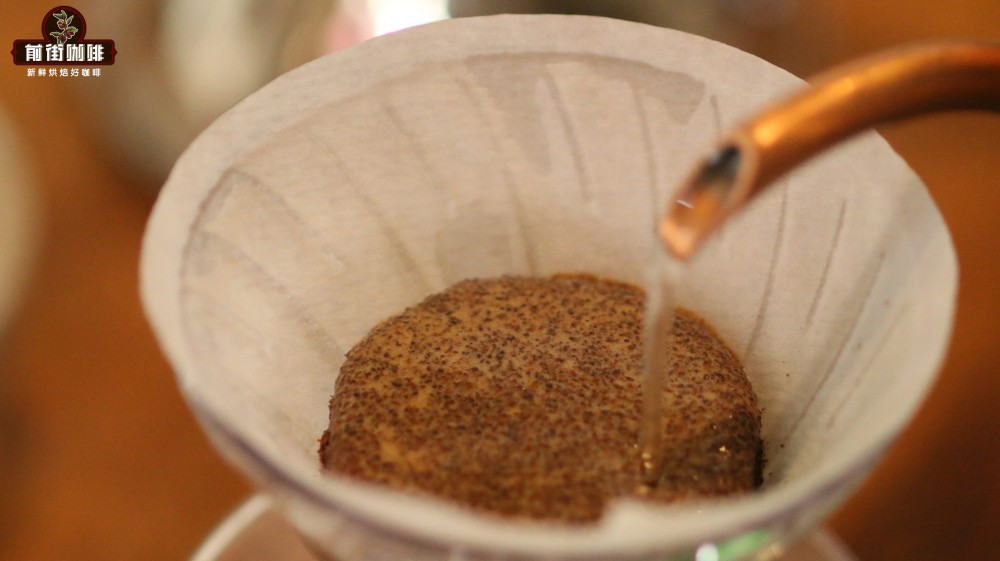
Using segmented extraction, bloom with twice the amount of water as coffee grounds: 30g water for 30 seconds. Blooming is necessary to let the grounds release internal carbon dioxide, making subsequent extraction more stable. With a small water flow, pour in circles to 125g, then continue pouring to 225g and stop. Remove the dripper when the water finishes dripping. Time from the start of pouring: 2'00''. Then take the whole cup and shake it well before pouring into cups for tasting.
Kenya Assalia Coffee Bean Flavor Profile
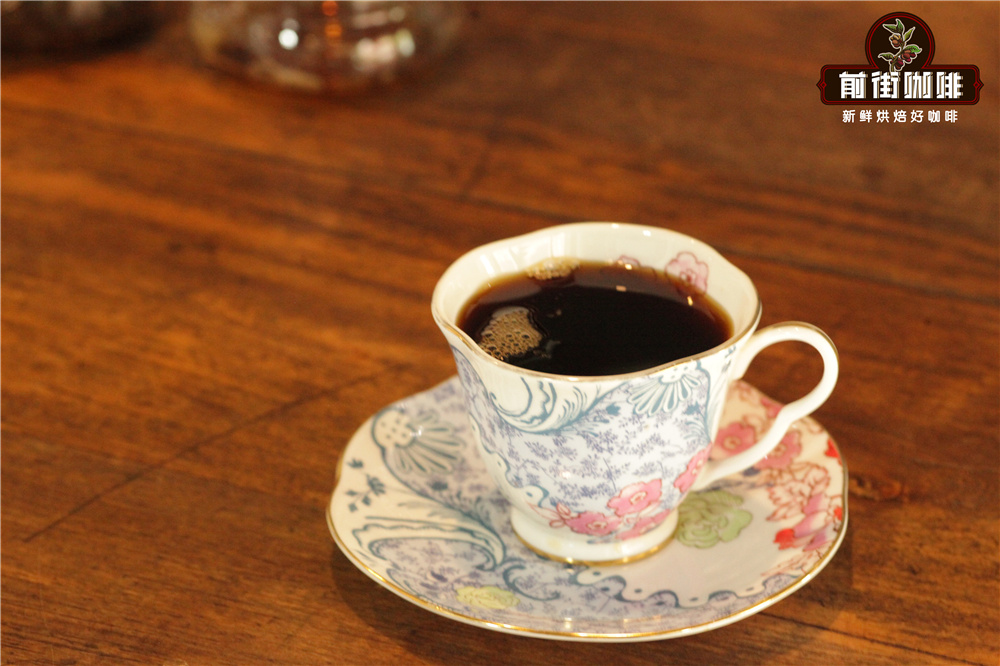
The wet aroma features ripe tomato and floral notes. The palate reveals cherry tomato and plum flavors, with bright acidity and a clean, rich mouthfeel. The mid-palate shows prominent sweetness with a juice-like sensation. The aftertaste carries berry aromatics and brown sugar sweetness, with a green tea fragrance.
FrontStreet Coffee's Brewing Recommendations
On brewing, FrontStreet Coffee has always believed that bean freshness greatly affects flavor. Therefore, all beans shipped by FrontStreet Coffee are roasted within 5 days. FrontStreet Coffee's roasting philosophy is "Freshly Roasted Good Coffee," ensuring every customer receives the freshest coffee when their order arrives. The resting period is about 4-7 days, so when customers receive their coffee, it is at peak flavor.
For those who need ground coffee, FrontStreet Coffee kindly reminds: pre-ground coffee doesn't need resting, because the pressure from carbon dioxide buildup in the package during transport also helps mellow the flavor, so you can brew a cup immediately on receiving it. However, ground coffee needs to be brewed promptly, as grounds oxidize quickly when exposed to air and the flavor will dissipate relatively quickly. FrontStreet Coffee therefore recommends buying whole beans and grinding fresh before brewing to better appreciate the flavor.
For professional coffee knowledge exchange and more coffee bean information, please follow Coffee Workshop (WeChat public account: cafe_style).
FrontStreet Coffee Recommendation
Kenya's bright, juicy blackcurrant acidity is the calling card of East African coffee, and FrontStreet Coffee's Gediding washed cooperative coffee is a close relative in spirit. The team works from Woka on Yirgacheffe's southeastern edge, and its traditional washed process lets jasmine and bright citrus acidity come through fully, with a light-medium roast adding green tea and honey notes. It brews well as pour-over, cold brew, or espresso.
For a cup that echoes Kenya's lemon-and-bergamot brightness from a wilder setting, FrontStreet Coffee's Kaffa Forest coffee is intriguing. Unlike garden-style cultivation, Kaffa Forest is best known for wild coffee, with trees growing in shade at 1,400-2,100 meters. Its original ecosystem, microclimate, red soil, and abundant rainfall give the trees an excellent environment. Roasted light-medium, it shows obvious white florals after grinding, bright lemon acidity on entry, sweet orange and bergamot, a faint melon-and-nut sweetness in the finish, and a green-tea-like body.
Important Notice :
FrontStreet Coffee is a long-established specialty coffee roaster in Guangzhou China, selling freshly roasted beans from its own farm in Yunnan as well as dozens of carefully selected single-origin beans from around the world for both pour-over and espresso. The products deliver consistently excellent quality and great value, with shipping within 24 hours. Guangzhou's FrontStreet Coffee shop is recommended by many coffee lovers, and the beans are now available online at the Tmall 。
FrontStreet Coffee has moved to a new address:
FrontStreet Coffee Address: 315,Donghua East Road,GuangZhou
Tel:020 38364473
 Scan and follow the En Gafei WeChat official account. Please indicate that the reprint comes from "En Gafei".