Yirgacheffe Woka Coffee Bean Origin Flavor Description Growing Information Growing History
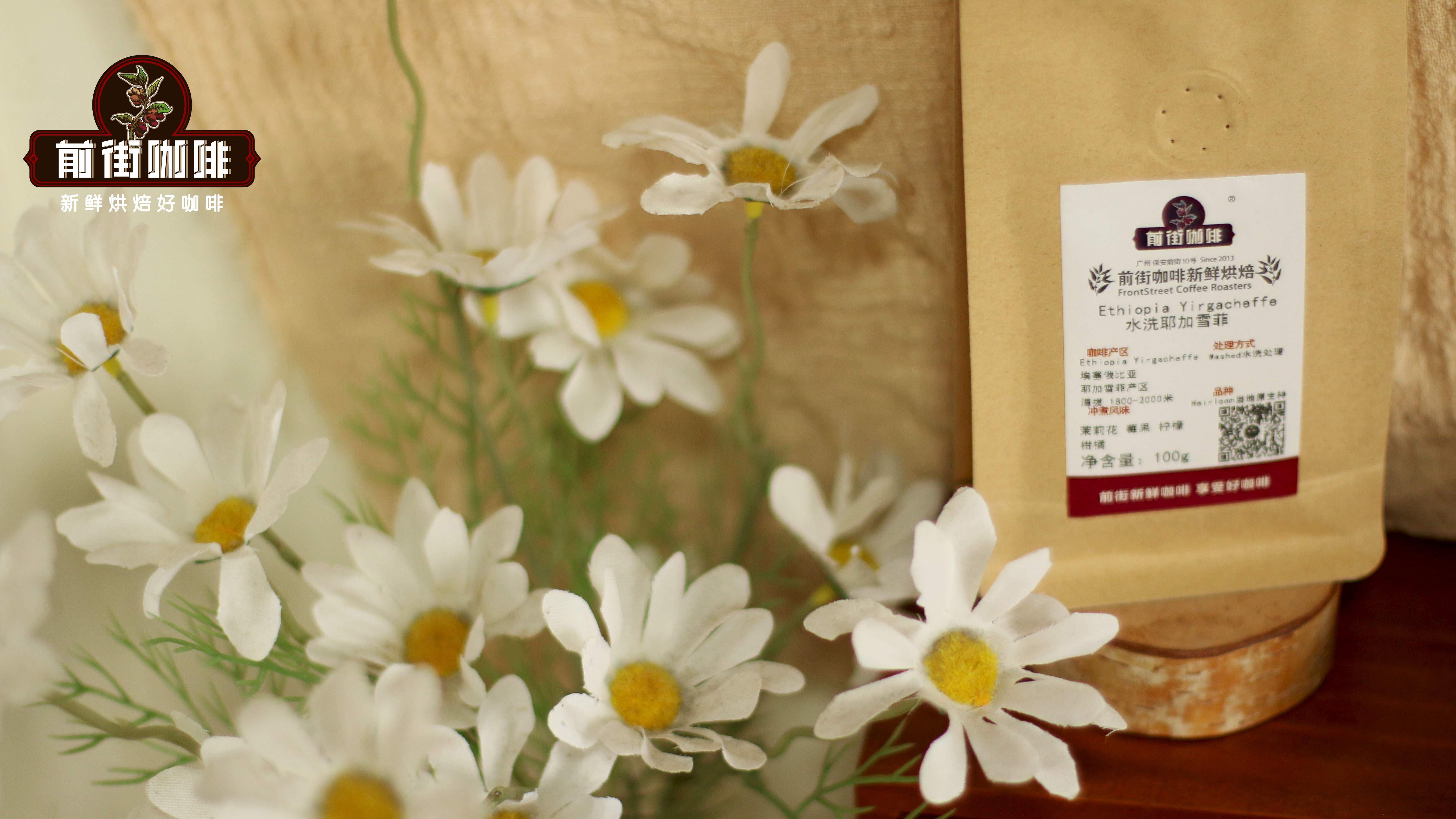
Yirgacheffe Worka Washed G1
Country: Ethiopia
Grade: G1
Region: Worka
Roast Level: Light Roast
Processing Method: Washed
Variety: Heirloom
Processing Station: Worka Cooperative
Flavor Notes: Lemon, Kumquat, White Grape Juice
01 | Region Introduction
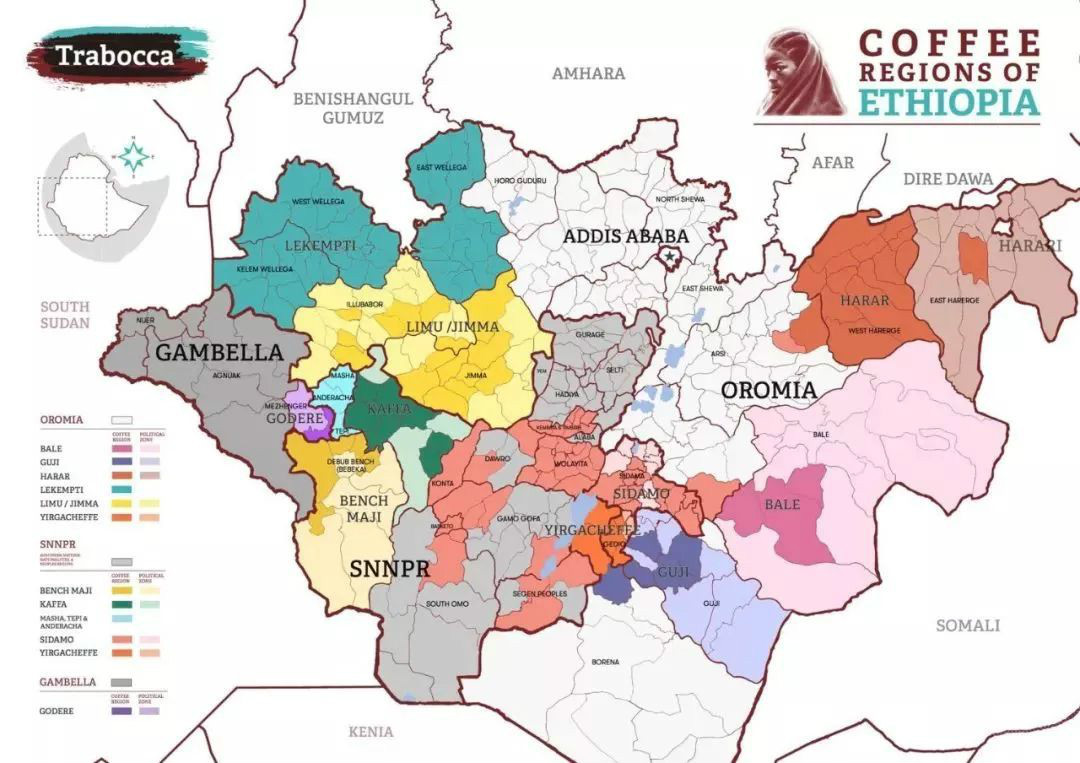
Yirgacheffe is a small Ethiopian town sitting at 1,700-2,100 meters, and it has become a byword for Ethiopian specialty coffee. The area was historically wetland — in the ancient language, "Yirga" means "to settle" and "Cheffe" means "wetland," so Yirgacheffe means something like "let us settle and thrive in this wetland."
Yirgacheffe (Specialty Region): Altitude 1,800-2,000m | Garden Coffee System
Administratively, Yirgacheffe belongs to the Sidamo region, but it has been set apart on the strength of its unique flavor. Besides the town itself, the region encompasses the surrounding sub-regions of Wenago, Kochere, Gelena, and Abaya.
Yirgacheffe contains countless villages, micro-regions, cooperatives, and processing stations. Across most of Ethiopia, coffee farmers still live in difficult conditions and lack the means to build their own processing facilities. Many washing stations have therefore emerged to buy cherries from surrounding smallholders, process them centrally, and sell the green coffee to exporters.
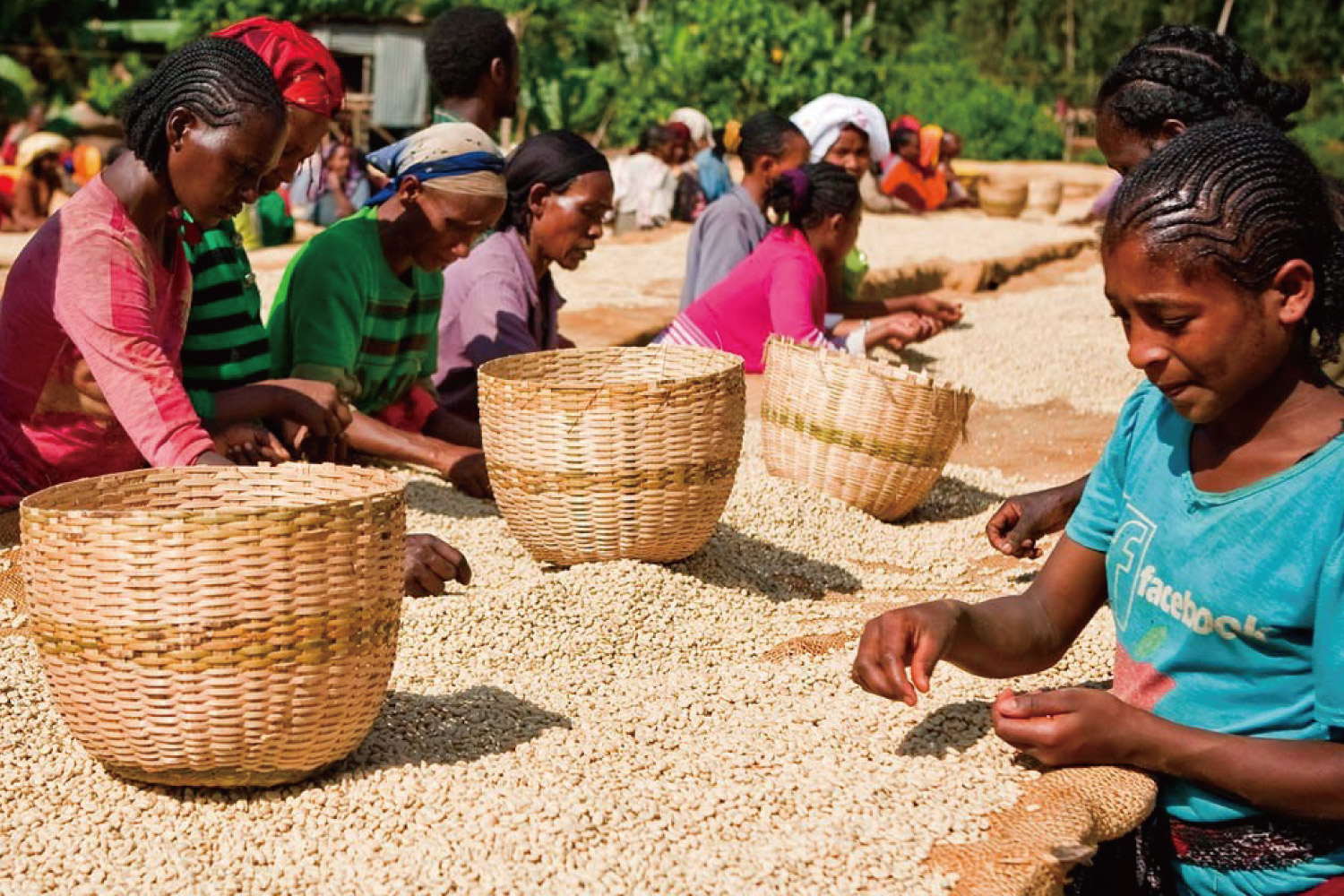
Coffee trees grow mostly in farmers' backyards or interplanted with other crops, each household producing only small quantities — the classic garden coffee system. Award-winning Yirgacheffe lots almost always come from these coffee villages. The so-called "Yirgacheffe flavor" means intense jasmine florals, lemon or lime acidity, and notes of peach, almond sweetness, or tea. The phrase "flowers bloom as the coffee enters the mouth" captures it perfectly — that pleasant sensation of flowers waking up both the taste buds and the nose. Beyond the aromatics, the delicate body feels like silk moving through the mouth. Coffee chemists have even begun studying the microclimate and soils around Yirgacheffe to decode the formula for growing specialty coffee.
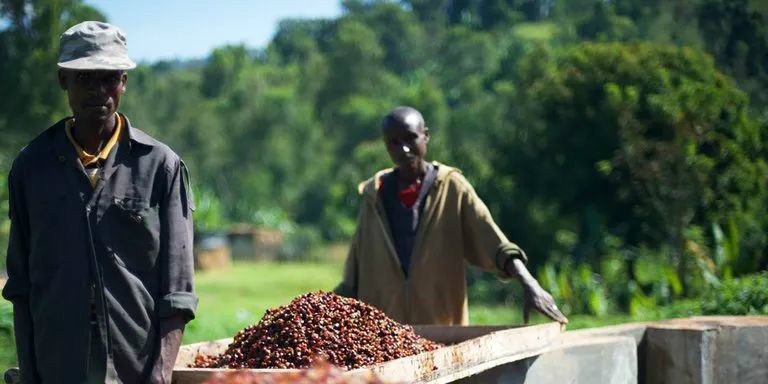
Strictly speaking, Yirgacheffe is a sub-region of Ethiopia's Sidamo province, in its northwest, ringed by mountains and lakes and among Ethiopia's highest-altitude coffee zones. Yirgacheffe itself is a town of about 20,000 people. The neighboring sub-regions of Wenago, Kochere, and Gelena Abaya produce coffees so close in flavor that they are classified under Yirgacheffe too. The quality here is such that Ethiopian farmers compete proudly to have their coffee linked with the Yirgacheffe name — so much so that it has broken away from Sidamo to become its own distinctive style and Africa's most celebrated coffee region.
02 | Worka Cooperative
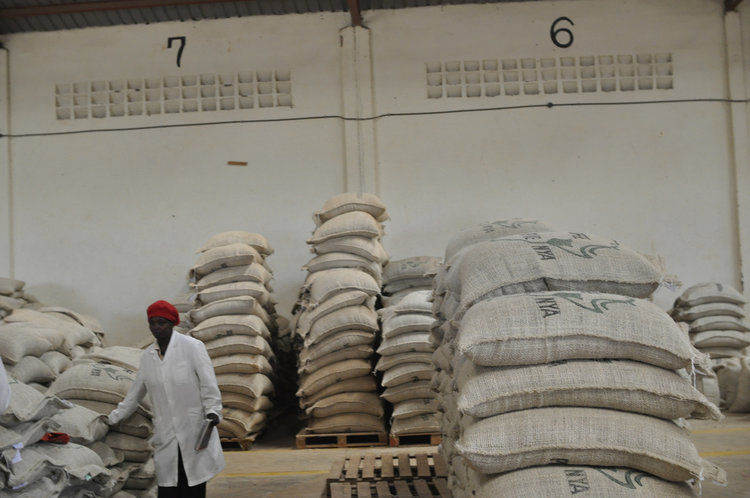
Washed Ethiopian coffee can reach the highest grade of G1 — a genuinely rare find.
This coffee comes from a single farm in Ethiopia, processed through the Worka Cooperative — the Alemayehu Alako farm is a Worka Cooperative member.
The Worka Cooperative was established in 2005 and joined the prestigious Yirgacheffe Coffee Farmers Cooperative Union (YCFCU) that same year, building its reputation on high-quality natural-processed Yirgacheffe. It counts roughly 300 coffee farmer members. YCFCU itself was founded in 2002 and brings together 26 other member cooperatives, serving more than 45,000 coffee farmers.
Worka lies at the far southeastern tip of Yirgacheffe, in the Gedeb region. In earlier years, this area exported its green coffee simply under the name "Worka," or processed it through the Worka Cooperative. But over the past two to three years, individual single-origin sources have been discovered one after another by coffee hunters from around the world — Banko Gotiti, Banko Dadhato, Halo Bariti, and more. Gotiti was one of the first villages to separate out on its own, and many of its independent smallholders were once Worka Cooperative members, with excellent production skills to show for it.
The Worka Cooperative sits in the southern part of the Gedeb district, was founded in 2005, and joined the Yirgacheffe Coffee Farmers Cooperative Union (YCFCU) in the same year, becoming known for its high-quality natural-processed Yirgacheffe. It has about 300 coffee farmer members, while YCFCU — established in 2002 — includes 26 other member cooperatives serving over 45,000 farmers in total.
03 | Processing Method
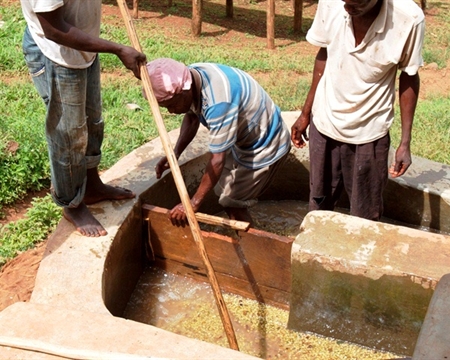
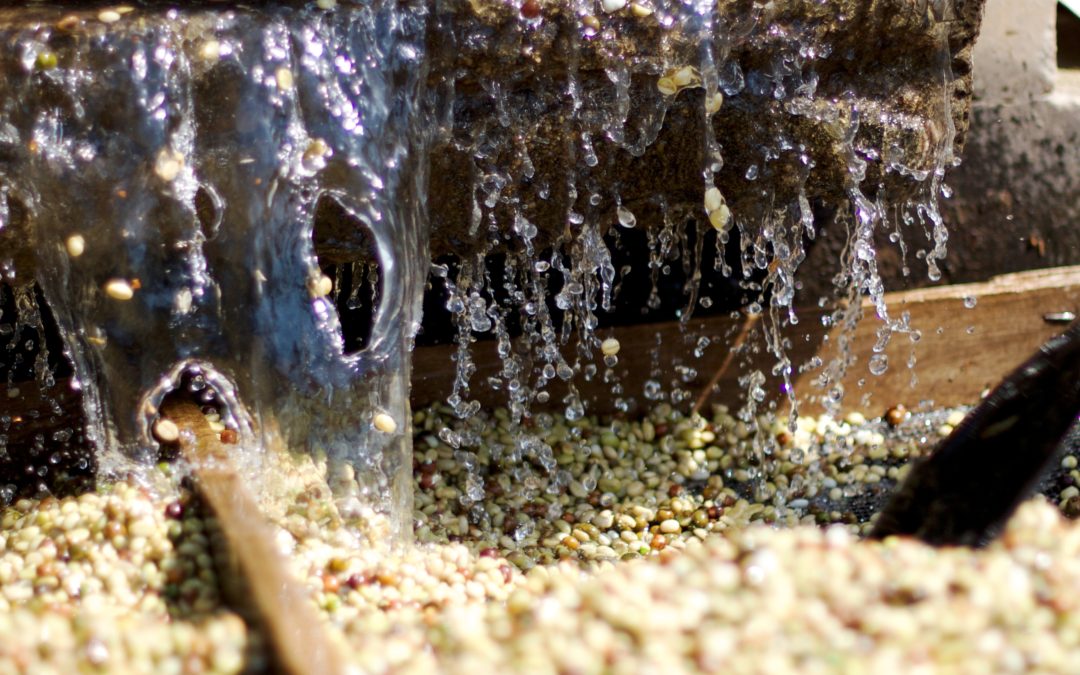
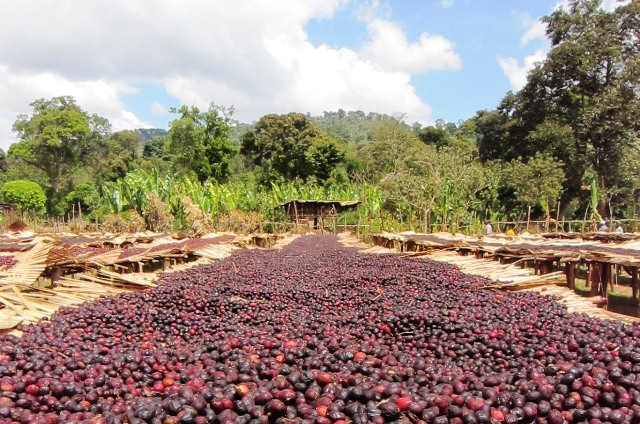
Most Yirgacheffe coffee is washed. Cherries are placed in fermentation tanks for about 72 hours to ferment and remove the pulp; some of the acids produced during mucilage fermentation work their way into the bean. Because the pulp and mucilage are no longer attached to the parchment during drying, the fruity notes of natural-processed coffee are absent — instead the profile runs clean and bright, with more pronounced acidity. The coffee is dried outdoors at the facility, hand-sorted, inspected by the Ethiopian Coffee and Tea Authority, and exported through competitive bidding.
Annual production is approximately 225,000 bags (60kg each), traditionally sold mainly to Northern Europe (primarily Germany) and Japan, with North American buyers taking notice in recent years.
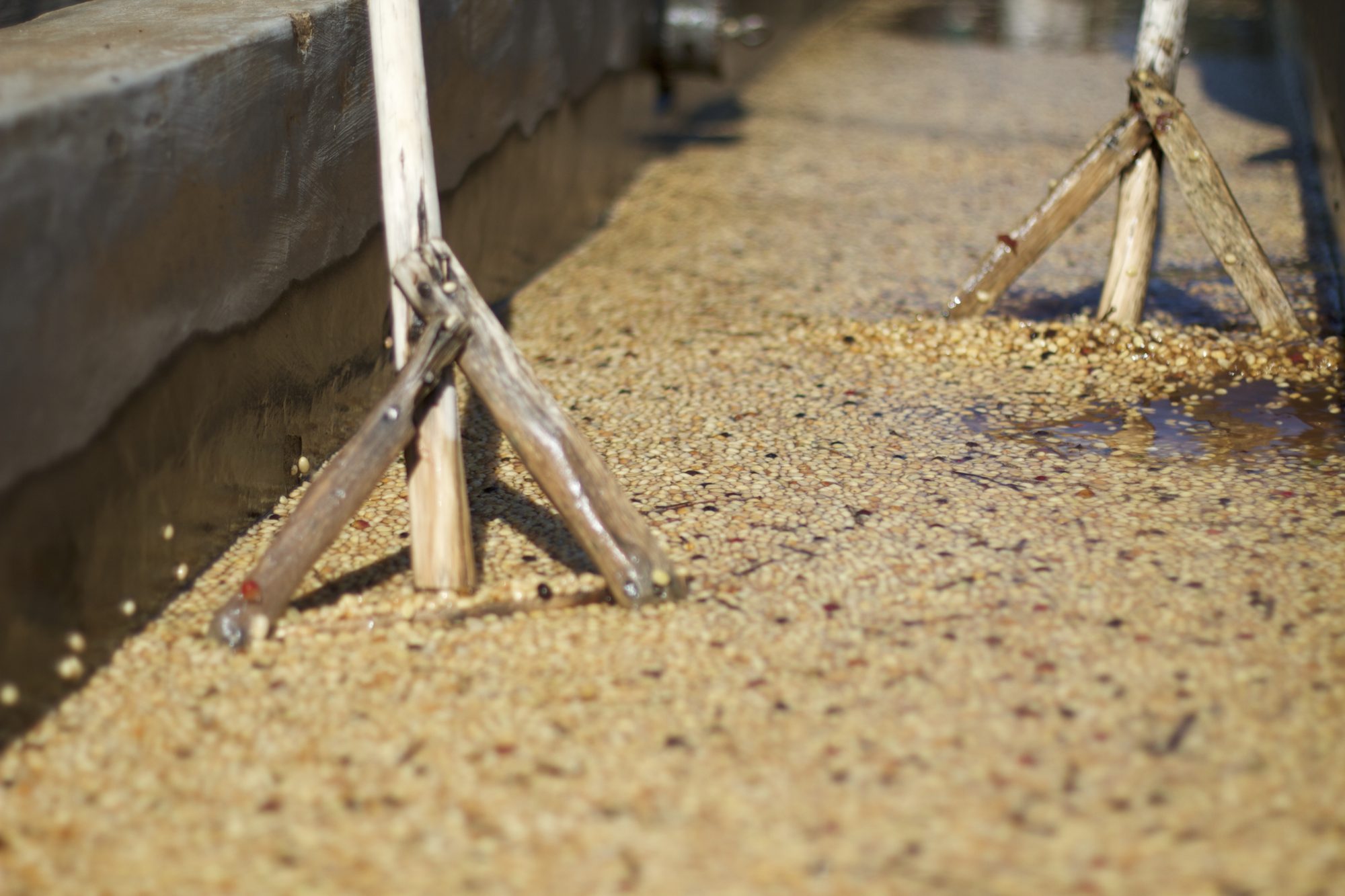
Washed coffees rarely show wild flavors; they are pure and refreshing, and well suited to light roasts. This washed Ethiopian coffee carries the highest grade of G1, meaning very few defects.
04 | Green Bean Analysis
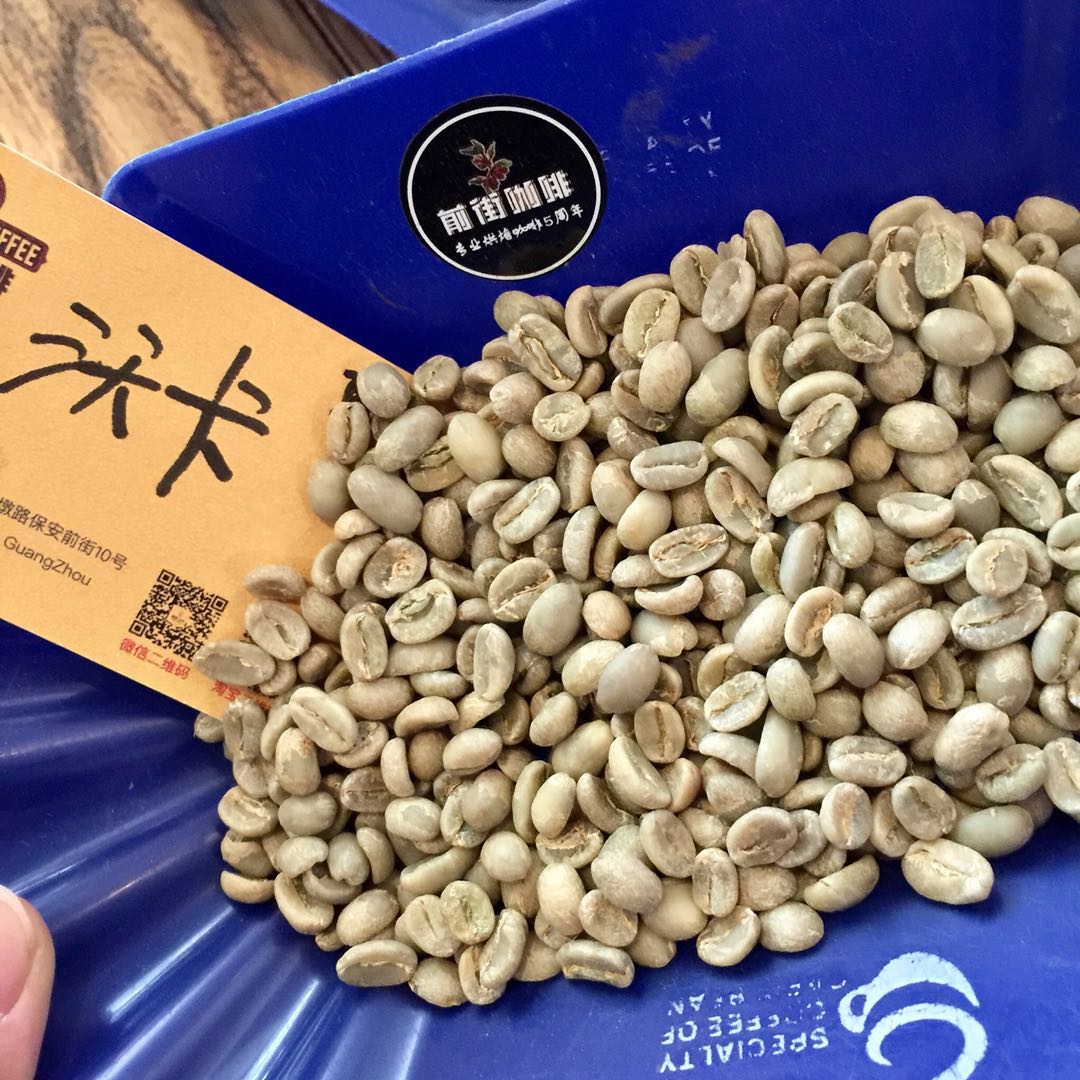
Heirloom is a uniquely Ethiopian designation, spanning a wide spectrum of varieties including Typica, Mocha, and Bourbon lines. The Kaffa Forest is the cradle of Arabica coffee: while the world's coffee varieties — original and derived — number only in the hundreds, this treasure trove holds tens of thousands, most still unclassified. "Heirloom" is Ethiopia's way of telling the world, in a single word, that its varieties encompass everything. The green beans here are blue-green in color and fairly uniform in size.
African coffee beans are graded by defect percentage, and Indonesian beans are mainly divided into 6 grades, G1-G6. The highest grades for washed coffee are G1 and G2; for natural-processed coffee, G1 and G3.
What does that mean? As follows:
Washed: Grade-1, Grade-2 (G1 > G2)
Natural: Grade-1, Grade-3, Grade-4, Grade-5 (G1 > G3 > G4 > G5)
Important notes:
a) Both washed and natural coffees can earn Grade-1, on the condition of "zero defects" and a Premium Cup. Whichever process, Grade-1 marks the best of the best — Cup of Excellence territory.
b) The lowest grade for natural Yirgacheffe and Sidamo is Grade-4.
c) Beans of the same grade — Limu Grade-2, say — can be good or bad, depending on the exporter's sorting effort and investment.
d) Given today's "zero defect" requirements, Grade-1 beans (washed or natural) are extremely rare: processing costs are very high and few suppliers are willing to do it.
05 | Roasting Analysis
These beans are quite dense. Roasting uses higher heat on the ramp-up, with the yellowing point at around 5 minutes 30 seconds, then reducing heat and opening the airflow to enter the Maillard reaction. At 160°C the heat is cut again to stretch out the Maillard stage. First crack comes at approximately 186.3°C. For this washed coffee, heat must be reduced before first crack to prevent an excessive temperature rise and bitterness. The beans are dropped at 194.2°C after 1 minute and 40 seconds of development.
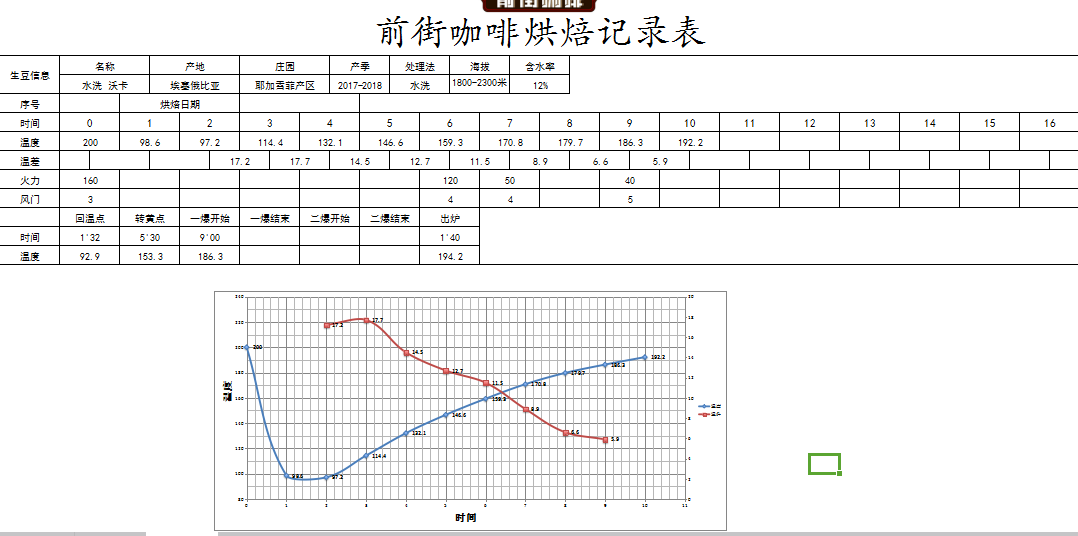
Roaster: Yangjia 600g Semi-direct Flame
Preheat the roaster to 200°C and load the beans with airflow at 3. After 30 seconds, ignite the flame at heat setting 160. Temperature recovery point at 1:32. Yellowing at 5:30 — the grassy aroma disappears and the drying phase ends. Reduce heat to 120 and open airflow to 4. At 170°C, cut heat again to 50.
After eight minutes, the beans show wrinkles and black spots on the surface as toasty aroma turns to coffee aroma — the prelude to first crack. Cut heat to 40 and listen carefully. First crack begins at 9:00; adjust heat to 40 and open airflow fully to 5. Development after first crack runs 1 minute 40 seconds, dropping at 194.2°C.
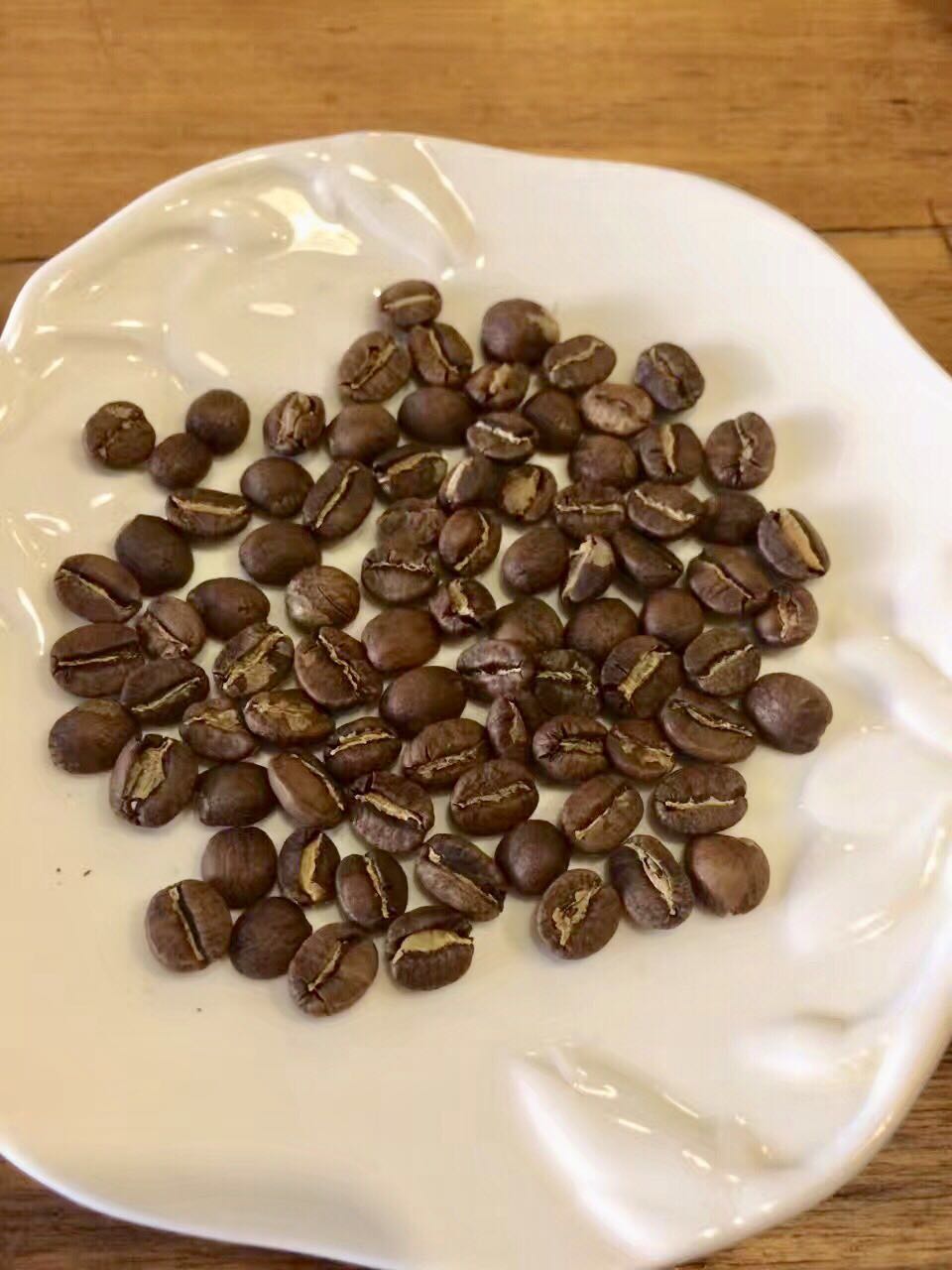
Flavor: This finely washed coffee makes the acidity more pronounced yet delicate — yellow lemon acidity, caramel sweetness, cream and lemon black tea, with a floral aftertaste.
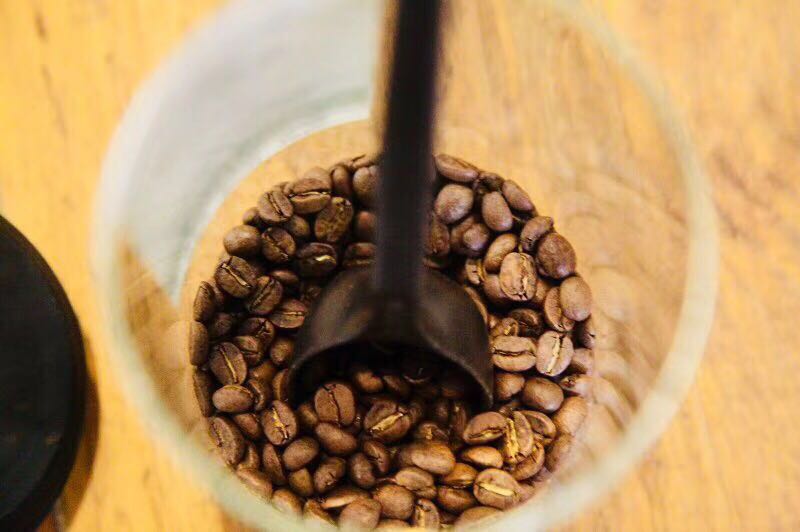
06 | Brewing Analysis
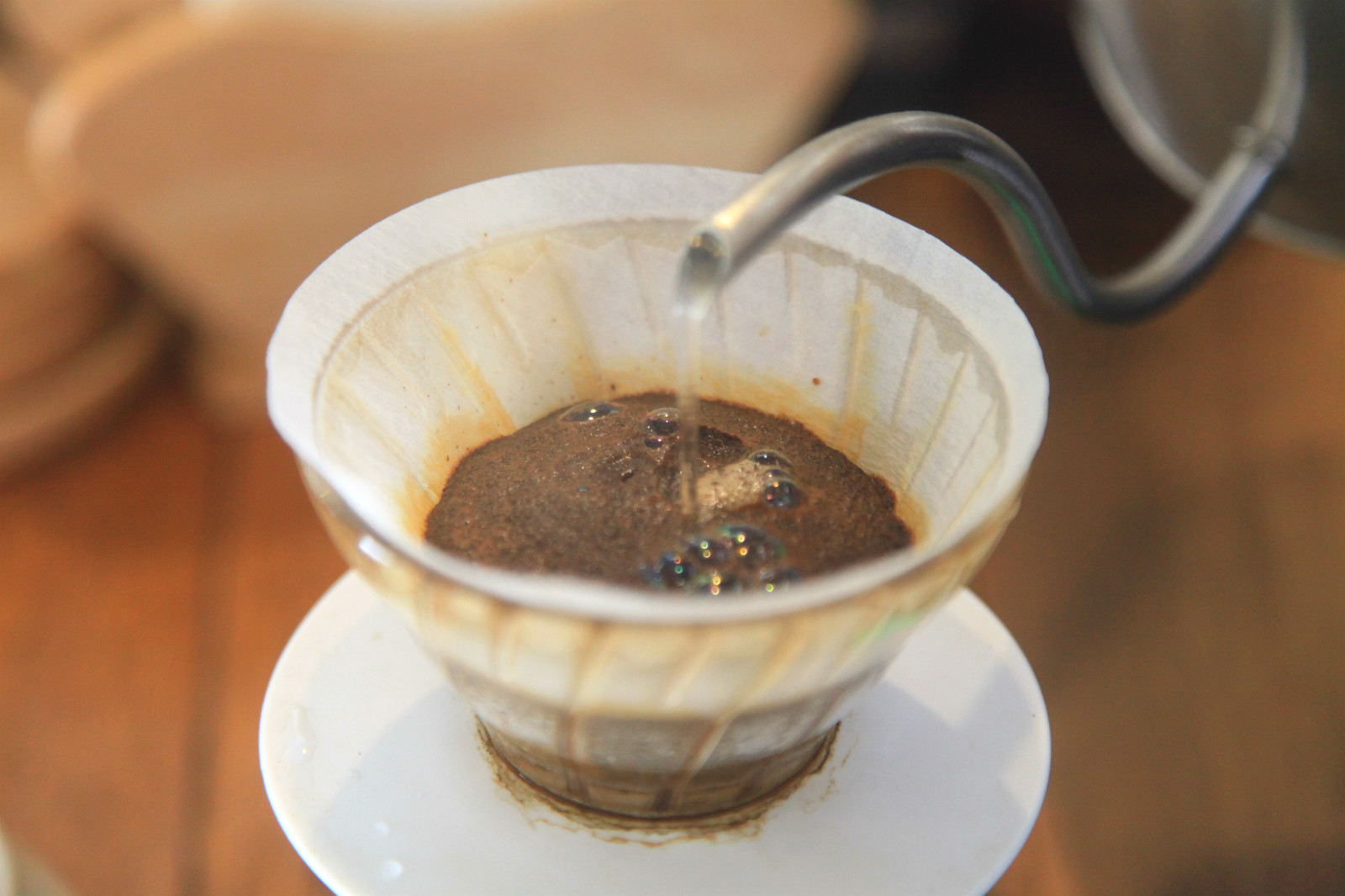
Three-pour brewing for segmented extraction
This method builds richer layers, drawing a clear line between the coffee's front, middle, and back-end flavors. The idea is to increase water volume after each bloom, typically pouring just before the water level drops to the surface of the coffee bed, using small, medium, and large flows across three stages:
Recommended brewing methods: Siphon, Pour-over
Grind size: 3.5 (Japan Fuji R440)
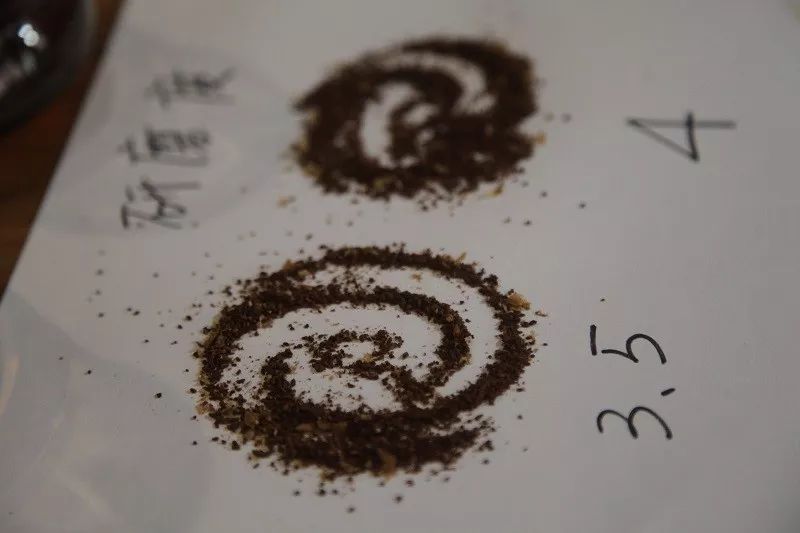
V60 dripper, 15g coffee, water temperature 90°C, grind 3.5, water-to-coffee ratio close to 1:15
30g water for bloom, bloom time 30s
Segments: Pour to 120g, pause, then pour slowly to 225g
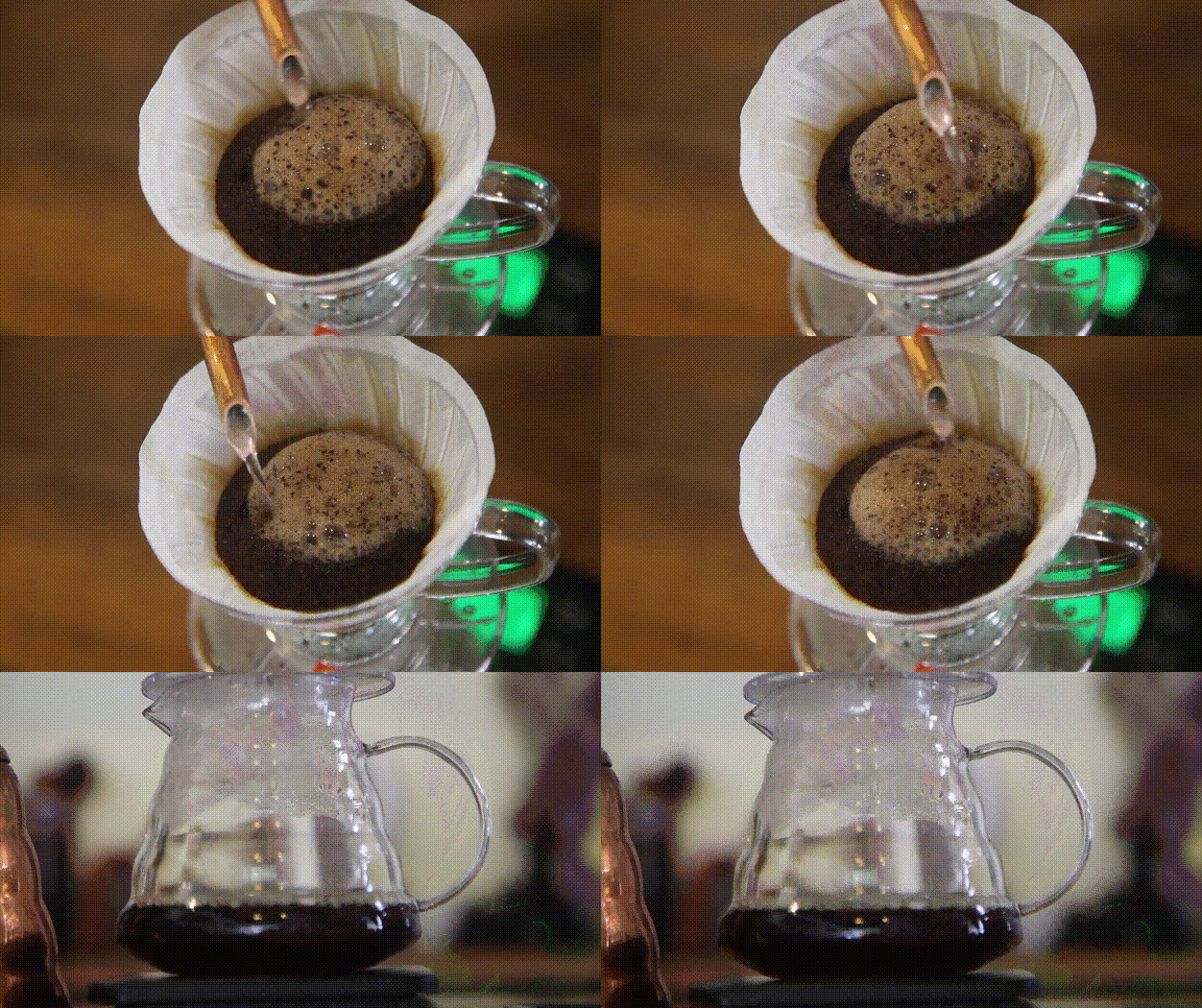
That is: 30-120-225
Other drip brewing recommendations:
French Press: recommend grind size 3.5-4, water temperature 86-88°C
AeroPress: recommend grind size 2.5, water temperature 86-88°C
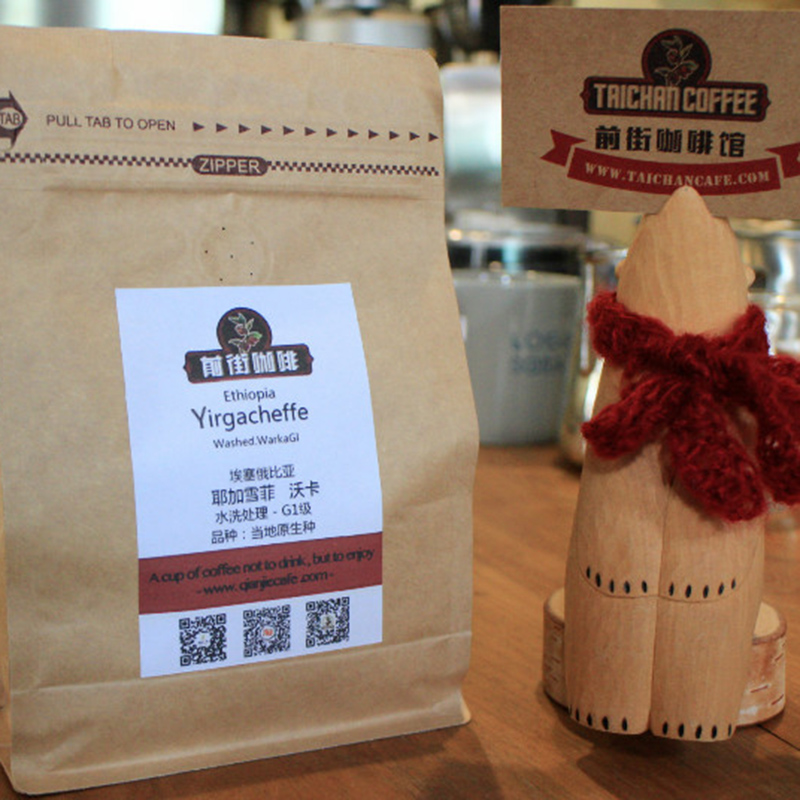
Ethiopia Yirgacheffe Washed Heirloom Worka G1 Single Origin Specialty Coffee Beans
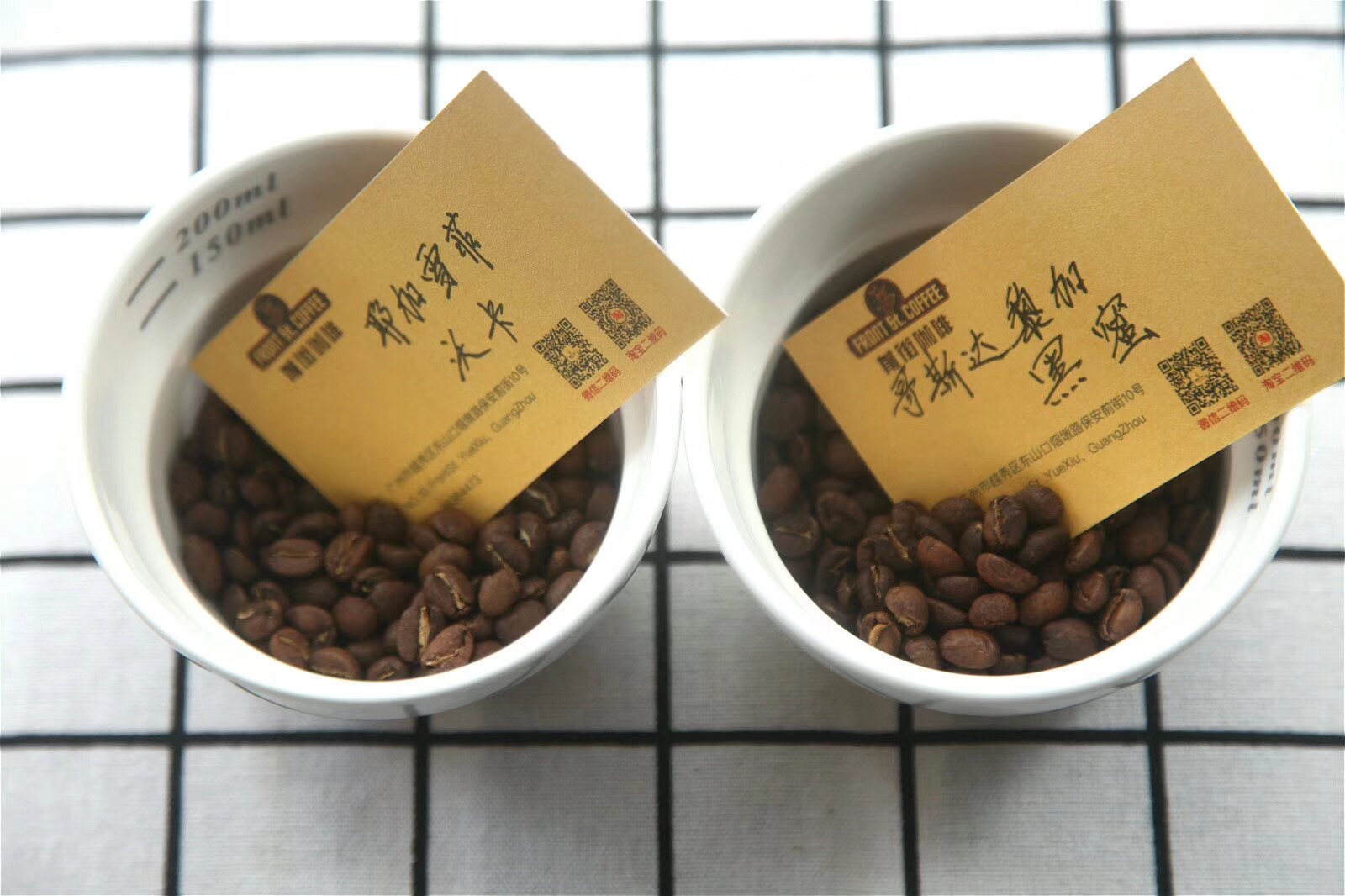
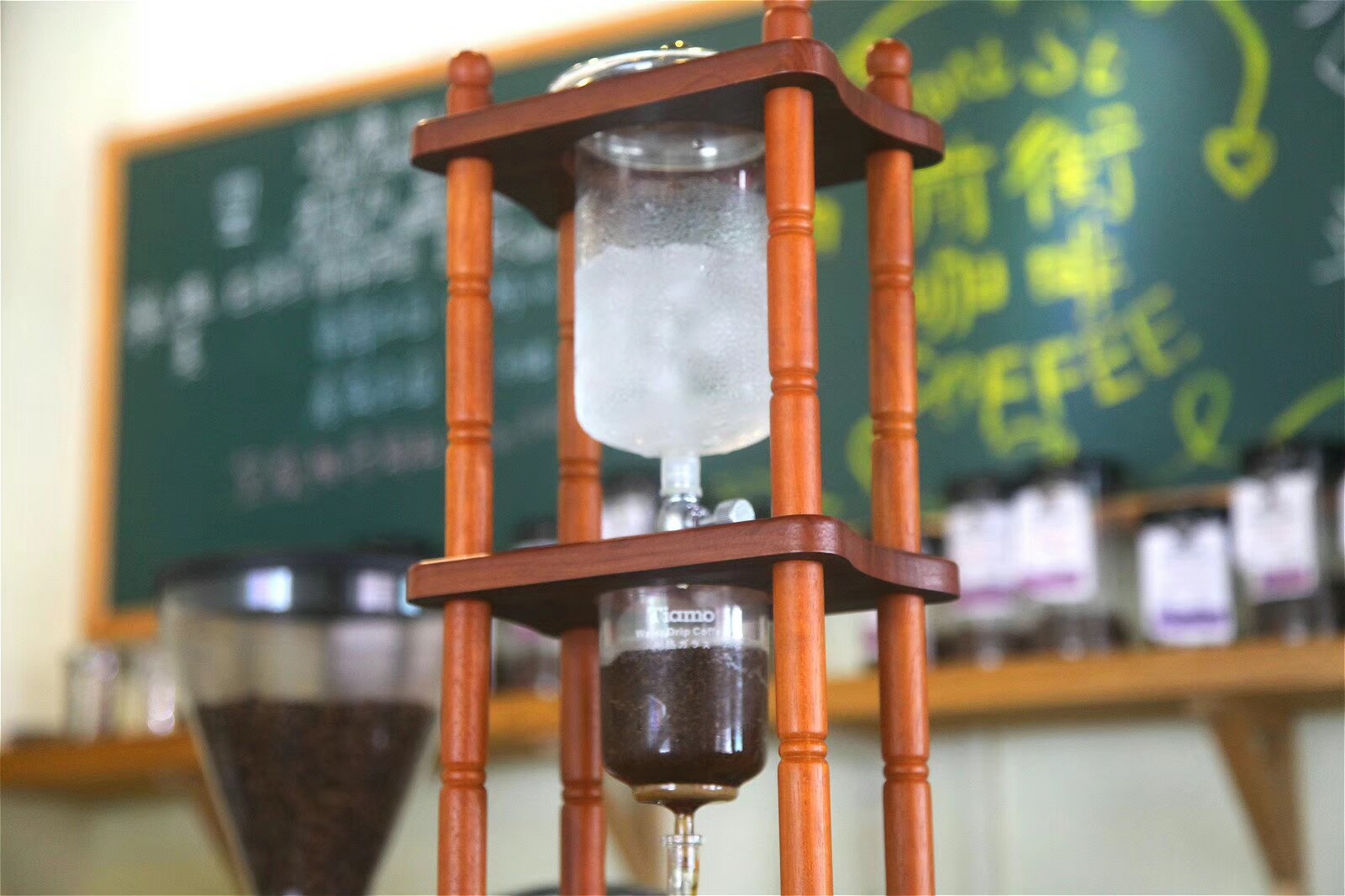
FrontStreet Coffee [Cold Drip Recipe]: 30g Yirgacheffe Worka + 30g Costa Rica Black Honey, coffee-to-water ratio 1:10, BG grind 3D (close to cupping grind size)
The Black Honey brings orange blossom aroma with prominent caramel and cream notes; adding the Yirgacheffe Worka reinforces the caramel character while lifting in some lemon acidity. It tastes wonderfully refreshing — perfect for a hot summer day.
FrontStreet Coffee Recommendation
If the Worka profile appeals to you, FrontStreet Coffee's washed Ethiopia Yirgacheffe Guodingding Cooperative lot is the natural next step. From the Worka area at the southeastern tip of Yirgacheffe — once part of the Worka Cooperative under the YCFCU — it carries the classic washed Yirgacheffe signature: fresh, bright citrus and lemon acidity with jasmine fragrance, and none of the traditional bitterness. It's a cup many coffee people fall in love with at first sip, and an affordable everyday single origin.
Prefer the natural side of Yirgacheffe? FrontStreet Coffee's Red Cherry uses only fully ripe cherries, sun-dried on raised beds for three to five weeks and turned every 2-3 hours early on to ensure even drying. The result keeps classic Yirgacheffe character while adding tropical fruit: citrus acidity, berry-like juiciness, honeyed sweetness, and creamy smoothness — a great partner to the Worka in any tasting flight.
Important Notice :
FrontStreet Coffee is a long-established specialty coffee roaster in Guangzhou China, selling freshly roasted beans from its own farm in Yunnan as well as dozens of carefully selected single-origin beans from around the world for both pour-over and espresso. The products deliver consistently excellent quality and great value, with shipping within 24 hours. Guangzhou's FrontStreet Coffee shop is recommended by many coffee lovers, and the beans are now available online at the Tmall 。
FrontStreet Coffee has moved to a new address:
FrontStreet Coffee Address: 315,Donghua East Road,GuangZhou
Tel:020 38364473
 Scan and follow the En Gafei WeChat official account. Please indicate that the reprint comes from "En Gafei".