Characteristics of Nicaraguan Coffee Beans - Is Nicaraguan Coffee Good? Pour-Over Features
Introduction to Nicaraguan Coffee
FrontStreet Coffee has noted before that Honduras is a coffee-producing country relatively unknown to those outside the industry. But some producing countries are not merely obscure: you may have heard the name, yet you likely could not pronounce it, let alone know it grows coffee at all. Nicaragua is one such country.
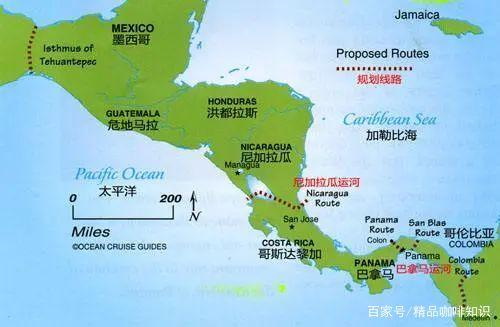
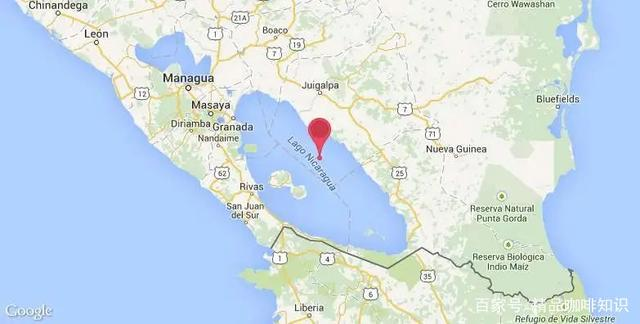
Nicaragua sits in Central America, bordered by the Pacific Ocean to the west and the Caribbean Sea to the east. The north-central region is highland, while the east is coastal plain, part of the Central American volcanic belt. The eastern plains see high temperatures and abundant rainfall, a tropical maritime climate that gives coffee an excellent growing environment. Nicaraguan coffee has superior quality and taste, ranking among the top beans globally and enjoying an excellent reputation. In flavor terms, it has moderate acidity, a mild taste and a rich, delicious aroma.
Nicaraguan beans cover a wide range of flavor attributes. Some coffees have a body similar to Mexican coffee, while others show the bright fruit acidity of African coffees. Most of the varieties grown in Nicaragua are the traditional Typica, with limited cultivation of Bourbon and Caturra.
High-quality Nicaraguan beans come from the northern and central parts of the country. Coffee is a pillar industry in Nicaragua, producing nearly 100,000 tons of beans a year. Many people who taste Nicaraguan coffee find it hard to distinguish from Salvadoran and Honduran coffees. It has a rich aroma and a smooth, delicate texture with a slightly bitter aftertaste, reminiscent of the subtle flavors found in wine.
The harvest season in Nicaragua runs from October to December. Processing varies by farm: some use African drying beds, others natural sun-drying or the traditional washed process followed by drying on patios. The widespread volcanic ash and shade-grown cultivation produce high-quality Nicaraguan coffee with a mild flavor, slight acidity and good body.
Nicaraguan beans are among the largest of all coffee varieties, and the Maragogipe giant beans of the Matagalpa region are especially distinctive. Maragogipe is a variety of Typica, the original Arabica species, with trees, leaves and fruit noticeably larger than typical Arabica. It is called "elephant bean" because its volume is 2-3 times larger than that of a regular coffee bean.
Nicaragua is divided into four main growing regions: Nueva Segovia, Matagalpa/Jinotega, Boaco and the Pacific Coast. The highest cultivation altitude is in the Segovia region at approximately 1,500-2,000 meters, producing the top grade SHG (Strictly High Grown) coffee.
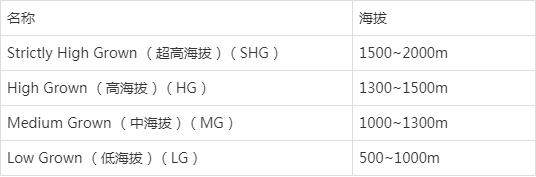
Nicaraguan Coffee Bean Grading by Altitude

FrontStreet Coffee: Finca El Bosque Coffee Beans
Origin: Nicaragua
Estate: Finca El Bosque
Variety: Maracaturra
Processing Method: Washed
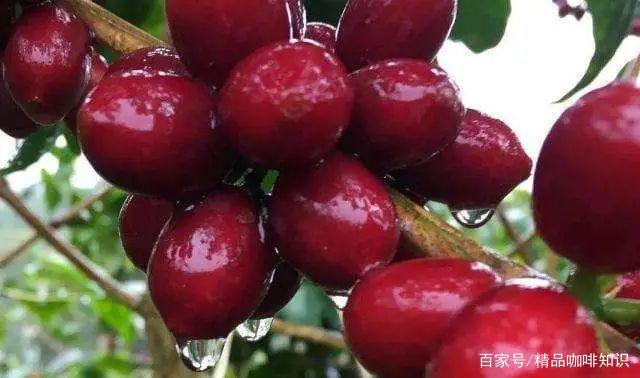
What is Maracaturra?
Maracaturra is a hybrid variety, a cross between Maragogype (elephant bean) and Caturra. It combines the full body of the former with the sweet flavor of the latter, and it is commonly found in Nicaragua.
FrontStreet Coffee Roasting Analysis
FrontStreet Coffee's roaster found that this coffee has relatively large beans with high density, so the dehydration phase was extended. Heat absorption during roasting is also slower, and the Maillard reaction proceeds more gradually. The yellowing point arrives at 6 minutes. In the first batch, the roaster used a higher drop temperature, starting at 200°C bean temperature with relatively high heat, then increasing the heat as needed during the roast. With this approach the dehydration time is relatively long, at a rate of rise of 6-8°C every thirty seconds.
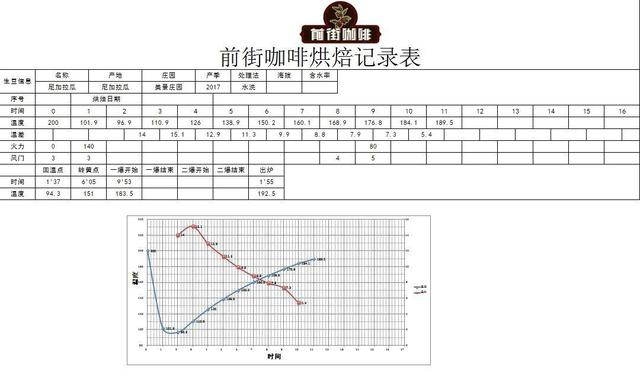
FrontStreet Coffee Roasting Recommendations
Roasting Machine: Yangjia 600g semi-direct heat
Preheat the roaster to 200°C and set the airflow to 3. After 1:00, adjust the heat to 140°C with the airflow unchanged. The temperature returns to the turning point at 1'37", holding heat as the bean surface turns yellow and the grassy aroma disappears completely, indicating that dehydration is complete. Keep the heat unchanged and adjust the airflow to 4.
At 6'05" dehydration completes. At 9'33" ugly wrinkles and black spots appear on the bean surface, and the toast aroma clearly transitions to coffee aroma, which we can define as the prelude to first crack. Listen carefully for first crack, which begins at 9'53". Reduce the heat to 80°C and open the airflow fully to 5 (adjust the heat very carefully, and not so low that cracking stops). Develop for 1'55" after first crack, then drop at 192.5°C.

FrontStreet Coffee Cupping Report
FrontStreet Coffee Brewing Parameters
Dripper: V60
Coffee-to-Water Ratio: 1:15
Temperature: 90°C
Grind Size: BG#5M

FrontStreet Coffee Brewing Method
Start with 30g of water for a 30-second bloom. After blooming, pour in a circular motion to 125g. Wait until the water level drops halfway, then continue pouring to 225g.
Flavor Description
Brewed with 90°C water in a V60 dripper, it shows flavors of citrus, orange peel, caramel and almond.
FrontStreet Coffee Recommendation
Nicaragua sits alongside Honduras and El Salvador as one of Central America's quieter origins, and if this overview has you curious about how those coffees respond to a pour-over, FrontStreet Coffee suggests pairing them with a brewer that reveals clarity. The Hario V60, with its 60-degree cone and single large aperture, forces the water through the center of the bed and extends the contact between water and grounds, which is exactly what draws out the floral and fruit notes these coffees can carry. It has been in production, in essentially its current form, since 2004, and it remains the reference dripper for anyone learning to control flow rate.
The V60 also rewards careful bean selection. FrontStreet Coffee's Yirgacheffe Gedingding Cooperative coffee is a natural match, a G1-grade washed Ethiopian lot with jasmine florals, citrus and lemon acidity and a green-tea sweetness that the brewer brings forward instead of burying. For something with more tropical fruit, the Ethiopia Huakui pours out strawberry, mango, jackfruit and blueberry over a syrupy body, and it holds up well when you slow the pour or stretch the ratio. On the darker side, FrontStreet Coffee's Indonesia PWN Golden Mandheling gives the V60 a very different task, since its wet-hulled, medium-dark character of herbal, dark chocolate and sandalwood notes needs a slower, more deliberate pace and a gentler pour. For a full-bodied brew, FrontStreet Coffee suggests 15g of coffee, a 1:15 ratio and 90-91°C water, keeping the flow low and the pours close to the bed so the V60's speed works for the coffee rather than against it.
Important Notice :
FrontStreet Coffee is a long-established specialty coffee roaster in Guangzhou China, selling freshly roasted beans from its own farm in Yunnan as well as dozens of carefully selected single-origin beans from around the world for both pour-over and espresso. The products deliver consistently excellent quality and great value, with shipping within 24 hours. Guangzhou's FrontStreet Coffee shop is recommended by many coffee lovers, and the beans are now available online at the Tmall 。
FrontStreet Coffee has moved to a new address:
FrontStreet Coffee Address: 315,Donghua East Road,GuangZhou
Tel:020 38364473
 Scan and follow the En Gafei WeChat official account. Please indicate that the reprint comes from "En Gafei".