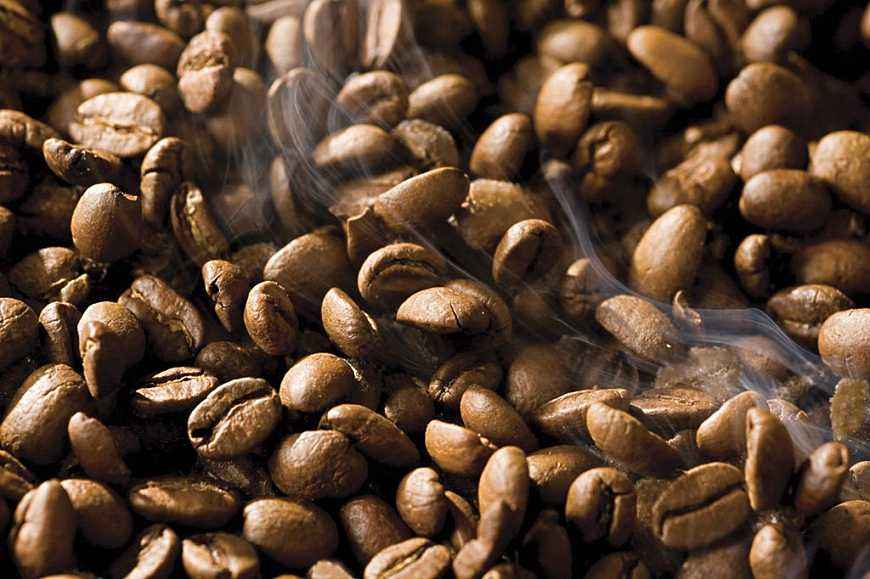
Golden Mandheling Flavor Profile and Introduction
Many coffee lovers have seen "Golden Mandheling" beans on the shelf — FrontStreet Coffee's own Golden Mandheling has a permanent spot on the shop's blackboard. But what exactly is "Golden Mandheling"? Some café owners of many years will tell you it's aged Mandheling. It isn't.
The story starts with PWN. Those letters appear constantly alongside Mandheling names, and they stand for Pwani Coffee Company, a famous Indonesian green-bean house that buys up Mandheling coffee across the archipelago. Virtually all of Indonesia's best producing areas are in its acquisition network, which is why PWN's coffees tend to be distinctive specialty products — and Golden Mandheling is one of them.
After acquiring Mandheling green beans, PWN puts them through repeated hand-sorting to keep only the plump, flawless beans. Only lots that survive this layered selection — like a talent-show cull — can be classified as Golden Mandheling. Crucially, PWN has registered "Golden Mandheling" as a trademark: in the strictest sense, only PWN's product is genuine Golden Mandheling, and similar beans from other producers should really be called Specialty Mandheling. So no — Golden Mandheling is not an aged bean at all, but a company's branded product.
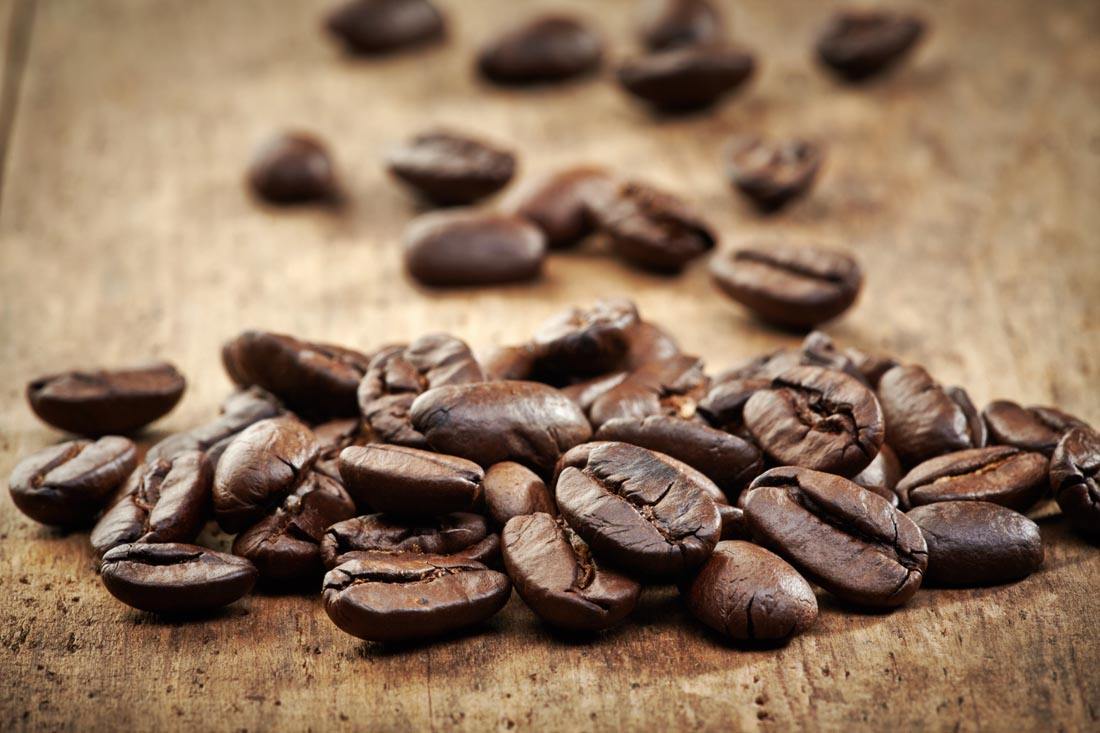
FrontStreet Coffee's Mandheling comes from Sumatra, Indonesia — hence the other common name, "Sumatran coffee." Indonesia's main growing islands include Java, Sulawesi, and Sumatra, with Robusta making up 90% of national output; the Arabica lots from northern Sumatra marketed as Lintong and Mandheling are the famous exception.
Strictly speaking, Lintong refers to coffee from a small area southwest of Lake Toba in the Lintong administrative region, where growing areas are scattered across a high, rolling clay plateau covered with ferns. Lintong coffee is grown without shade and without chemicals, almost entirely by small private holders. Mandheling is the broader term, covering Lintong plus similar growing areas such as Diari (capital Sidikalang) and the northern shores of Lake Toba.
Where the Name "Mandheling" Comes From
Mandheling is not a region, a place, a port, or a variety. The name is a phonetic accident of the Indonesian Mandheling ethnic group.
During World War II, while Japan occupied Indonesia, a Japanese soldier drank an exceptionally fragrant, mellow coffee in a small café and asked the owner its name. The owner misunderstood, thought he was asking about his own ethnicity, and answered: "Mandheling." After the war the soldier remembered that "Mandheling" coffee and commissioned an Indonesian trader to ship 15 tons to Japan — where it became a sensation. The name spread from there, and that trader grew into today's Pwani Coffee Company (PWN).
The famous Mandheling is produced around Lake Toba in northern Sumatra, and the finished cup carries the coffee's signature herbal, woody aromatics.
FrontStreet Coffee's Golden Mandheling traces to that Japanese-driven quality push: over a decade ago, Japanese buyers imposed stricter sorting — four rounds of hand-selection to remove defective beans — producing Golden Mandheling with a dark-green, uniform appearance that ignited a wave of demand across markets in Europe and America.
Aged Mandheling is a different product entirely. Its hallmark is honey-like sweetness: successful aging transforms Mandheling's less elegant acidity — the acid and astringent components mellowing toward sugar — so the coffee drinks rounder and sweeter. Failed aging, by contrast, yields a coffee zombie: a cup that is simply hard to swallow.
FrontStreet Coffee Recommendation
FrontStreet Coffee's PWN Golden Mandheling is the definitive expression of top-grade Mandheling. Production standards are exacting: only beans above screen size 18 are used, each 300g green sample must contain fewer than 3 defective beans to meet the top G1 standard, and three rounds of hand-sorting then strip out remaining flaws — raising both cleanliness and sweetness in the cup. Genuine Golden Mandheling is produced mainly for the Japanese and American markets, and authentic lots are scarce, which is why every FrontStreet bag carries the PWN mark and ships with its certificate: proof of quality you can check at a glance. Expect a thick, syrupy body with dark chocolate, herbal depth, and clean caramel sweetness — and if you want the rustic side of Sumatra, FrontStreet's Lintong Mandheling leans into wet-hulled earth, clove, and woody spice with a long, thick sweetness.
Important Notice :
FrontStreet Coffee is a long-established specialty coffee roaster in Guangzhou China, selling freshly roasted beans from its own farm in Yunnan as well as dozens of carefully selected single-origin beans from around the world for both pour-over and espresso. The products deliver consistently excellent quality and great value, with shipping within 24 hours. Guangzhou's FrontStreet Coffee shop is recommended by many coffee lovers, and the beans are now available online at the Tmall 。
FrontStreet Coffee has moved to a new address:
FrontStreet Coffee Address: 315,Donghua East Road,GuangZhou
Tel:020 38364473
 Scan and follow the En Gafei WeChat official account. Please indicate that the reprint comes from "En Gafei".