What Grade is Indonesian Mandheling Coffee? Introduction to Mandheling Coffee Beans and Which Brand Has the Best Flavor
Mandheling—named after an ethnic group, not a place—is counted among the world's most full-bodied coffees and stands as the face of Indonesian coffee. At FrontStreet Coffee, both the regular Mandheling and the Golden Mandheling are customer favorites, the Golden especially; one sip is said to be satisfaction enough, which tells you how rich and full this coffee really is.
Indonesia spreads across more than 17,000 islands along the equatorial volcanic belt. Straddling the equator, its hot, humid tropical rainforest climate brings abundant rainfall, and fertile volcanic soil feeds the trees. Asia's most famous growing regions lie in the Malay Archipelago: Sumatra, Java, and Kalimantan. Of these, Sumatran Mandheling enjoys the highest reputation, with two celebrated types: Sumatran Mandheling DP Grade One and Classic Sumatran Mandheling. The DP Grade One carries a long aftertaste with a wild mountain fragrance—that unmistakable earthy note of primeval forest. The richness of Mandheling has a distinctly masculine character.
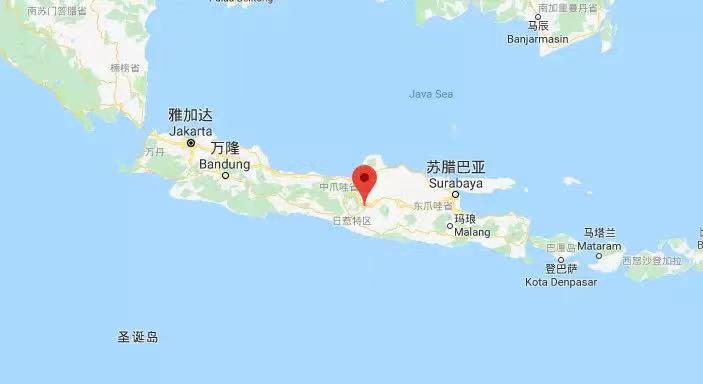
Mandheling is produced in Sumatra, Indonesia—hence the alias "Sumatran coffee." The country's main growing areas span Java, Sulawesi, and Sumatra, and about 90% of production is Robusta. Within that, the finest traditional Arabica from northern Sumatra is marketed under the names Lintong and Mandheling. Strictly speaking, Lintong refers to coffee from a small area of the Lintong administrative region southwest of Lake Toba, scattered across high, undulating clay plateaus covered with ferns. Lintong coffee is grown without shade or chemicals, almost entirely by small private farmers. Mandheling is the broader term, covering Lintong coffee plus similar growing regions in Diari (capital Sidikalang) and northern Lake Toba.
Where the Name "Mandheling" Comes From
Mandheling is not a region, a place, a port, or a variety. So where did the name come from?
It is the phonetic rendering of the Mandheling ethnic group of Indonesia.
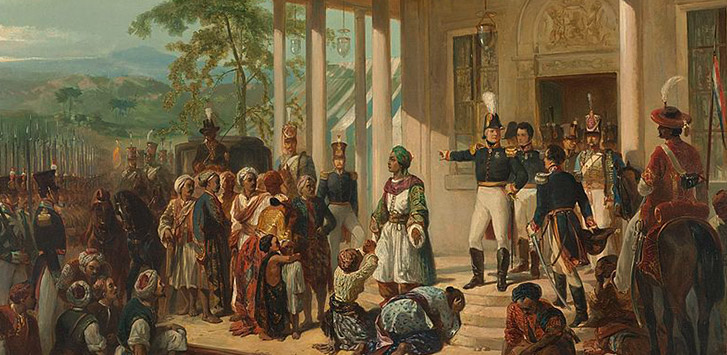
During World War II, when Japan occupied Indonesia, a Japanese soldier drank astonishingly fragrant coffee at a café and asked the owner its name. The owner misunderstood and thought he was asking about the soldier's own ethnicity—so he replied "Mandheling." After the war, remembering that "Mandheling," the soldier had an Indonesian coffee merchant ship 15 tons to Japan, where it sold remarkably well. The name spread from there, and that merchant was the now-famous PWN (Pabrik Kopi Wahana) coffee company. The famous Mandheling, grown around Lake Toba in northern Sumatra, carries a unique herbal, woody fragrance. As the saying goes, Mandheling beans may not look like much, but the taste is better for it—richer and smoother.
Lintong Mandheling
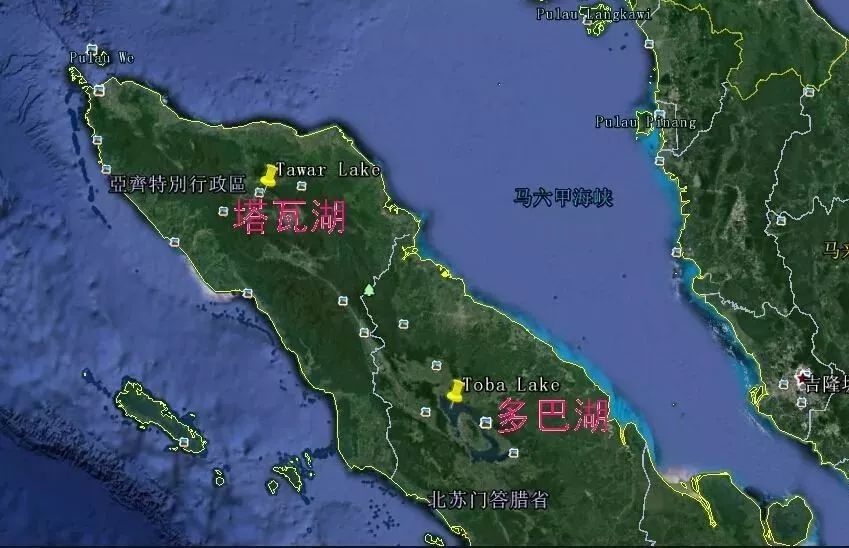
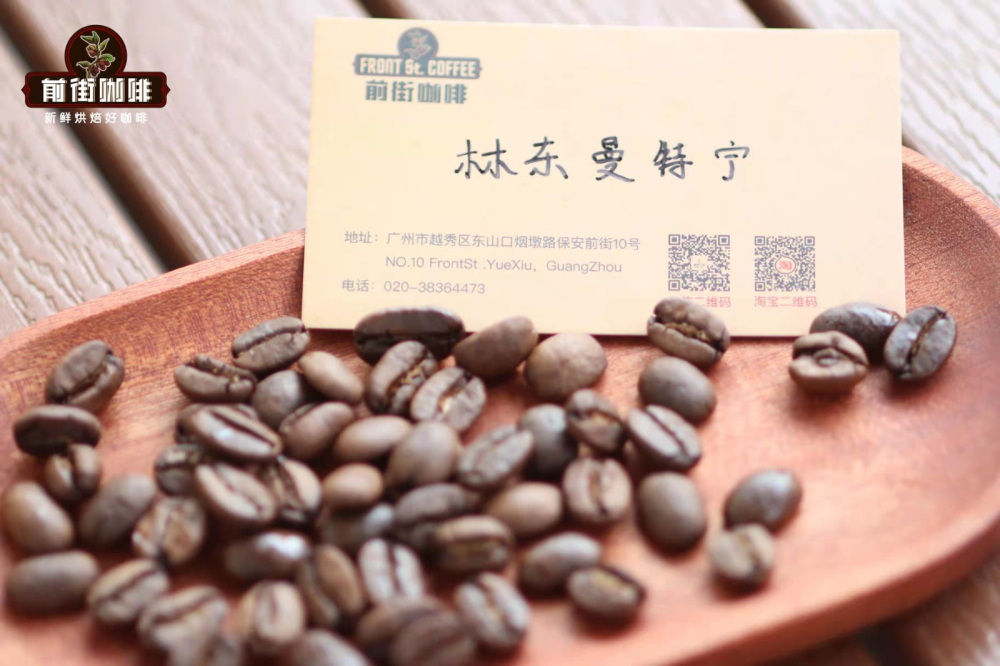
Lintong Mandheling comes from the Lintong highlands of north-central Sumatra near Lake Toba. It is the regular version of Mandheling—the typical flavor in its purest form—with larger, harder beans. If you are trying Mandheling for the first time, start here. FrontStreet Coffee's daily Indonesian Mandheling comes from Lintong.
Golden Mandheling
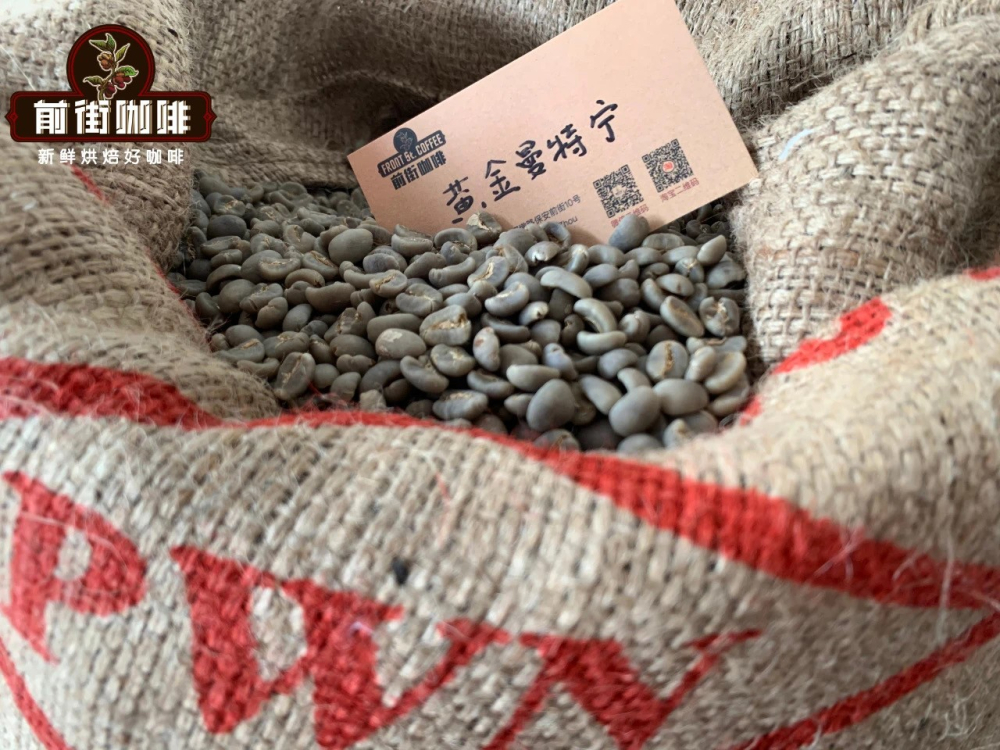
Golden Mandheling is PWN's flagship lot, sourced from the Gayo mountains around Lake Tawar in northwestern Sumatra. Its standards are stricter still: beans must be 19 screen and above, plump and uniform, meeting the highest G1 grade; the dark-green, flat, regular beans then pass one machine selection and three manual hand selections, with a defect tolerance of fewer than 3 beans per 300g green sample. The result is uniform color, shape, and size—and a cleaner, brighter cup with stronger sweetness. Golden Mandheling is effectively the upgraded Mandheling, alongside the entry-level Lintong. After strict comparison, FrontStreet Coffee found Golden Mandheling lacks the typical earthy impurities of regular Mandheling and tastes cleaner and sweeter.
The Ateng Variety
Ateng sounds obscure, but attentive readers will have spotted it on FrontStreet Coffee's Golden Mandheling packaging—FrontStreet's 2020 new-harvest Golden Mandheling is the Ateng variety.
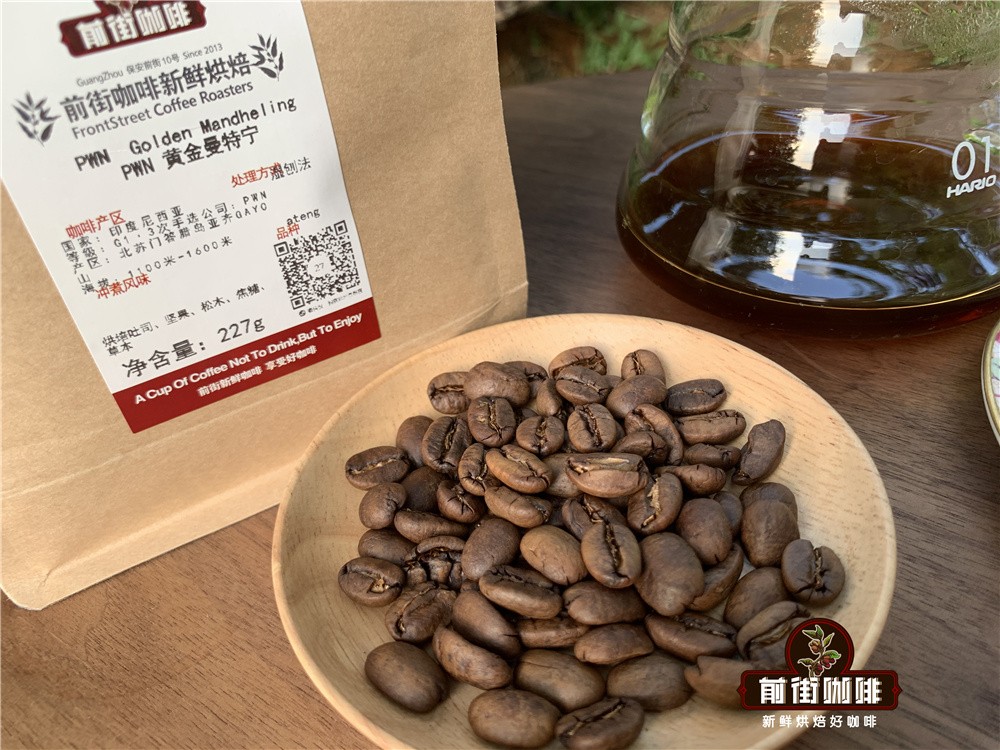
Ateng is simply the local name for Catimor—only Catimor grown in Sumatra and Indonesia's native islands may be called that. Catimor is not a pure Arabica: it is a hybrid of Timor (from the Robusta family) and Caturra, a Bourbon descendant, originally bred in 1959 and rolled out across Brazil through the 1970s and 1980s. Disease resistance and high yield earned it a place among Central and South American varieties, and the recurring leaf-rust outbreaks there only accelerated its adoption. It yields heavily, grows short enough for dense planting, and flushes reddish-brown new leaves—all traits that suit cultivation and flavor development in the Aceh region. The trade-off: such fast, heavy production demands ample fertilizer and shade, and its lifespan is short, averaging only about ten years.
For context: in the 17th century the Dutch brought Arabica seedlings to Ceylon (today's Sri Lanka) and Indonesia. In 1877 disaster struck—the coffee leaf rust epidemic destroyed nearly every coffee tree in the archipelago, and growers had to abandon their long-cultivated Arabica for disease-resistant Robusta brought from Africa. Today Indonesia remains a major producer, with coffee grown mainly in Java, Sumatra, and Sulawesi and Robusta at 90% of output. Sumatran Mandheling is the rare Arabica exception, planted on mountain slopes between 750 and 1,500 meters. Sumatra's mysterious terroir endows Mandheling with rich aroma, full body, and intense flavor.
Mandheling's Processing Method: Wet Hulling
Mandheling's signature process is wet hulling—Giling Basah in the local language—a traditional Indonesian method. The name suggests kinship with washed processing, but the two produce very different cups: wet-hulled coffee is typically full-bodied and intense with a striking personality.
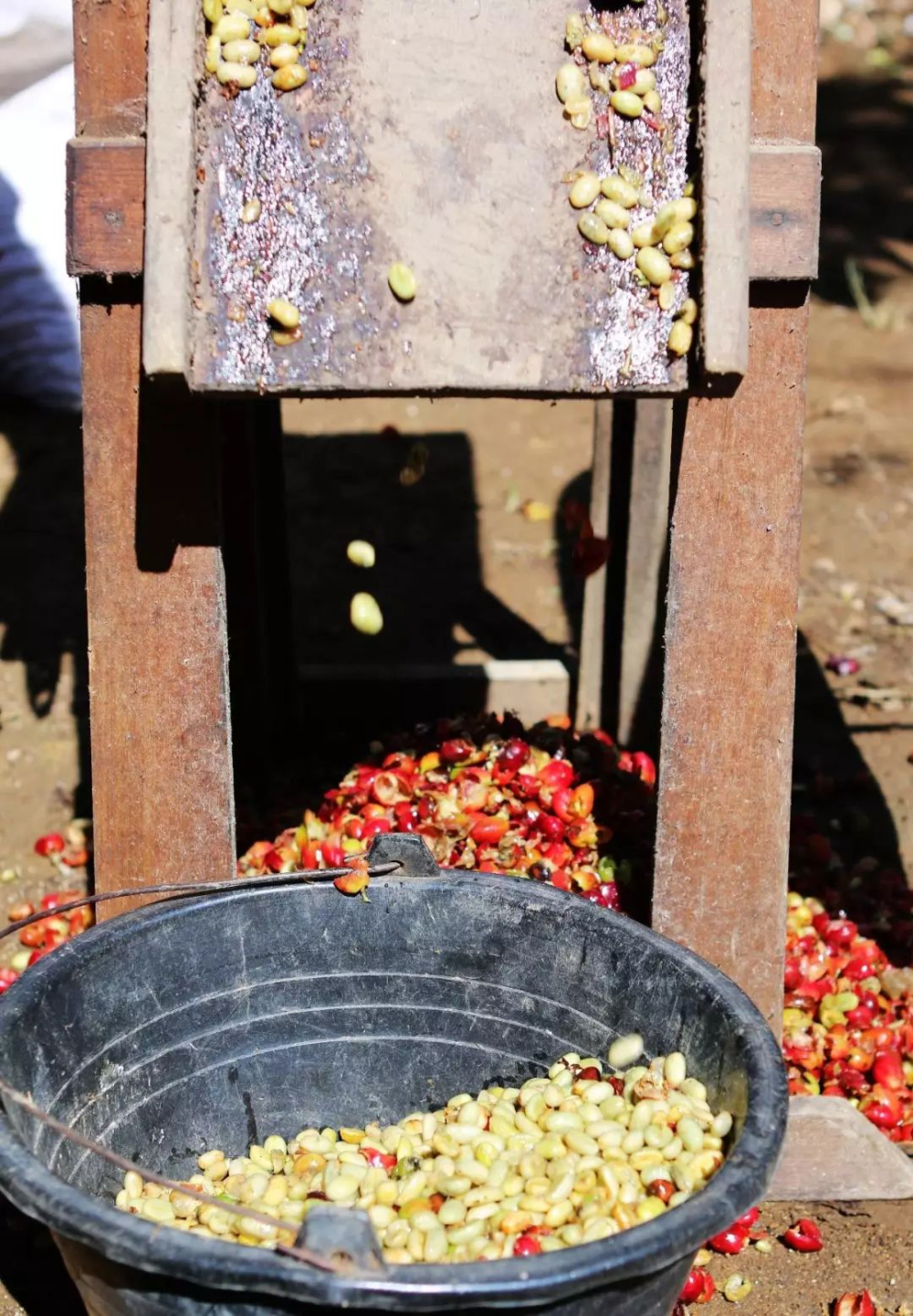
The local weather is rainy and typhoon-prone, without long stretches of sun, at 70-90% humidity year-round—pure sun-drying is impossible, and the more expensive washed method is beyond most smallholders' means. Hence wet hulling: after the usual washing steps, the parchment coffee is sun-dried intensively for just 1-2 days until moisture reaches 30-50%, then the parchment is hulled off and the exposed green beans finish drying in the air. This dramatically shortens drying time.
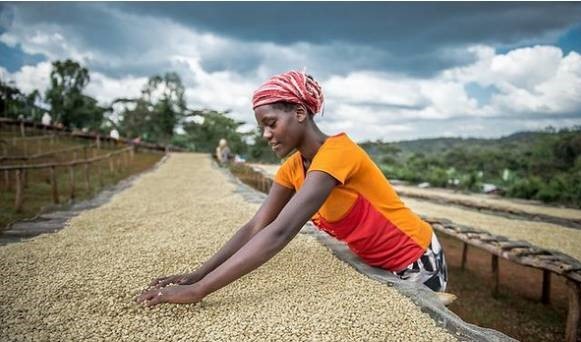
The defining trait of wet hulling is this phased, rapid drying and hulling while the beans are still moist. As the tea master Huang Huaizong put it: "This is a rare method worldwide that accidentally created Mandheling's special low-acidity, thick, mellow flavor."
What Wet Hulling Gives the Cup
1. The characteristic low acidity and high body.
2. A unique bean appearance. When the mucilage and parchment are stripped from the semi-soft, moist green beans, they bruise easily and split like sheep hooves—the famous "goat hoof beans." FrontStreet Coffee considers this a signature of Mandheling, not a defect.
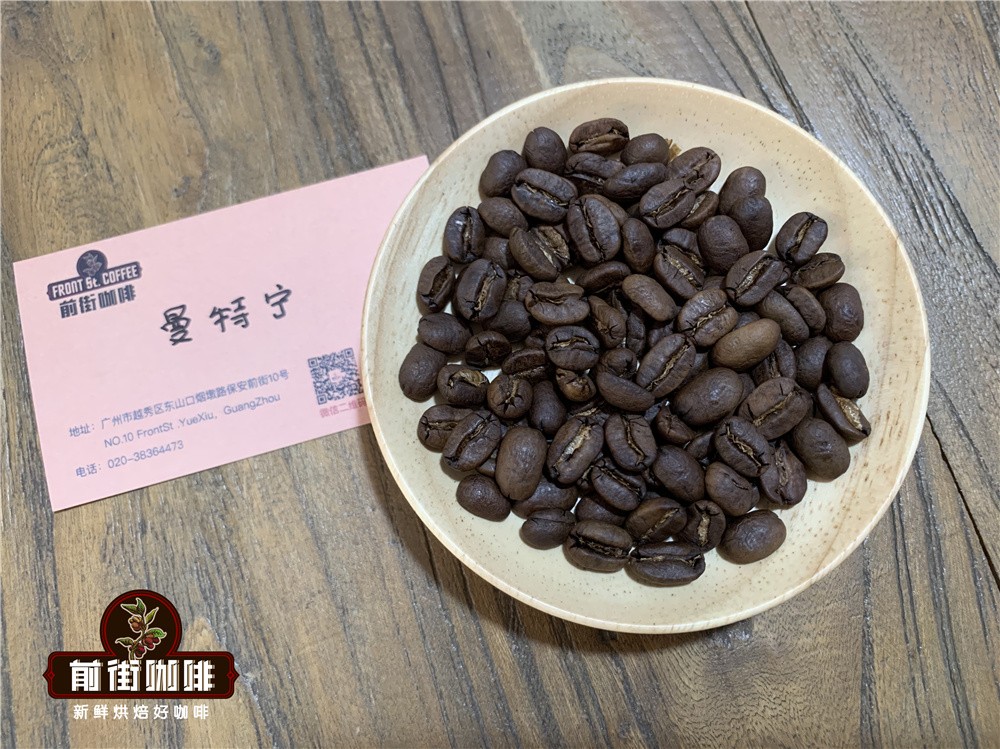
FrontStreet Coffee's Mandheling Brewing Parameters
FrontStreet Coffee brews Mandheling with a KONO dripper. The KONO's ribs stop below half the dripper's height, so the wetted filter hugs the wall and restricts airflow—extending contact time for a more even extraction and a fuller body.
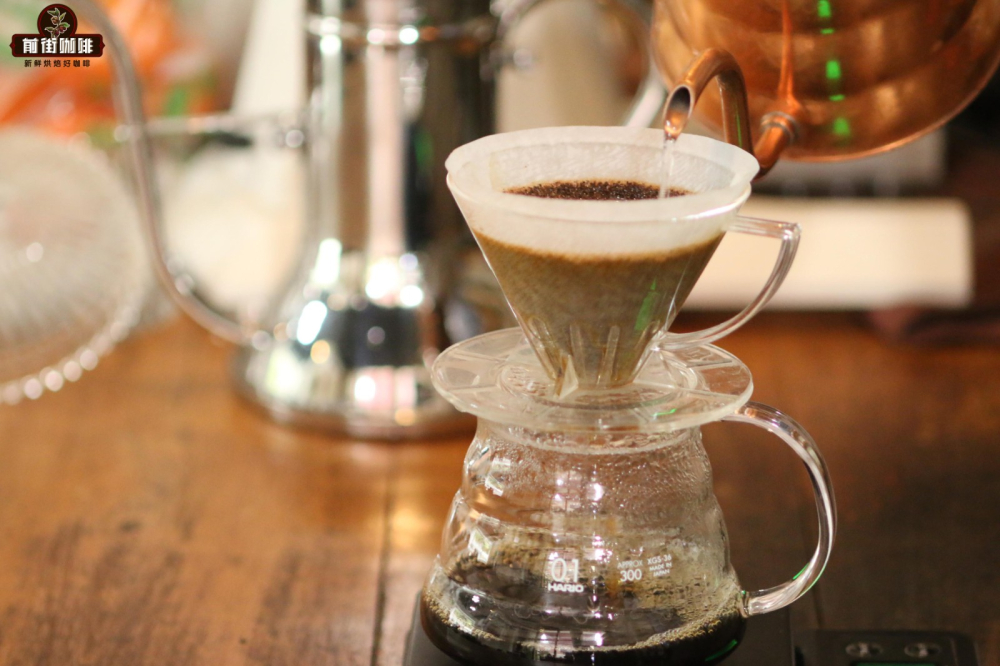
KONO dripper, 88°C water, 1:15 coffee-to-water ratio, 15g of grounds, grind at a 75% pass rate on a #20 standard sieve, three-stage extraction.
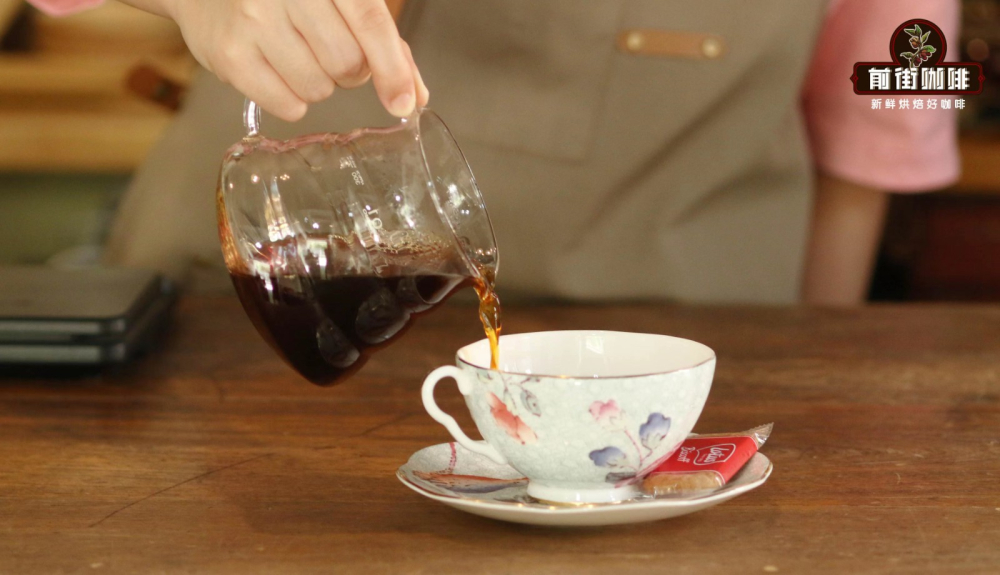
Bloom with twice the coffee's weight in water—30g for 30 seconds—so the grounds can degas and the later extraction stays stable. Then pour in small circles to 125g, continue to 225g, and stop; remove the dripper once dripping ends. Time from the first pour: 2'00". Shake the server well and pour to taste.
Lintong Mandheling flavor: herbs, chocolate, caramel—balanced overall.
Golden Mandheling flavor: nuts, spices, herbs, licorice, chocolate, caramel.
FrontStreet Coffee's Brewing Suggestions
Any brewing method starts with fresh beans. FrontStreet Coffee holds that freshness shapes flavor above all, so it ships beans roasted within 5 days under the philosophy "Freshly Roasted Good Coffee." Since coffee degasses for about 4-7 days, what arrives is at peak flavor.
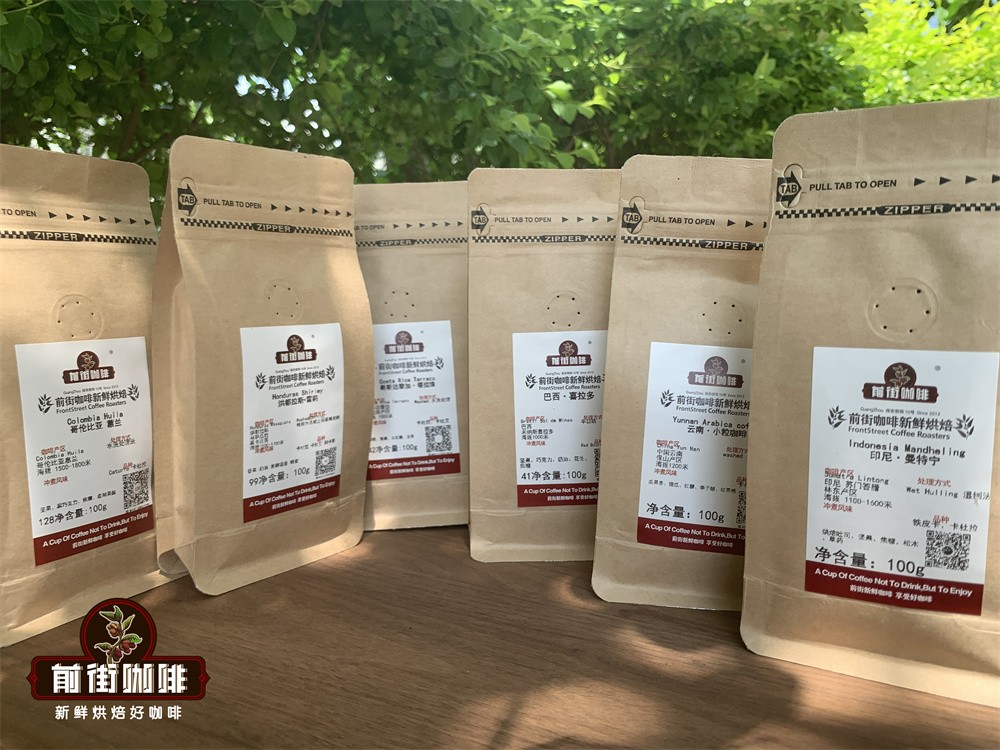
A note for those who need pre-ground coffee: ground beans don't need degassing—the CO2 pressure in the bag mellows the coffee in transit, so you can brew immediately on arrival. But ground coffee oxidizes fast, so brew it promptly. For the best cup, buy whole beans and grind fresh.
Flavors differ from origin to origin. FrontStreet Coffee stocks nearly fifty single origins—acidic, bitter, and everything between. If you are unsure what you like, start with the daily beans: Ethiopia's washed Yirgacheffe, Colombia's Huila, Brazil, China's Yunnan small-bean, Panama's Geisha, and more.
FrontStreet Coffee Recommendation
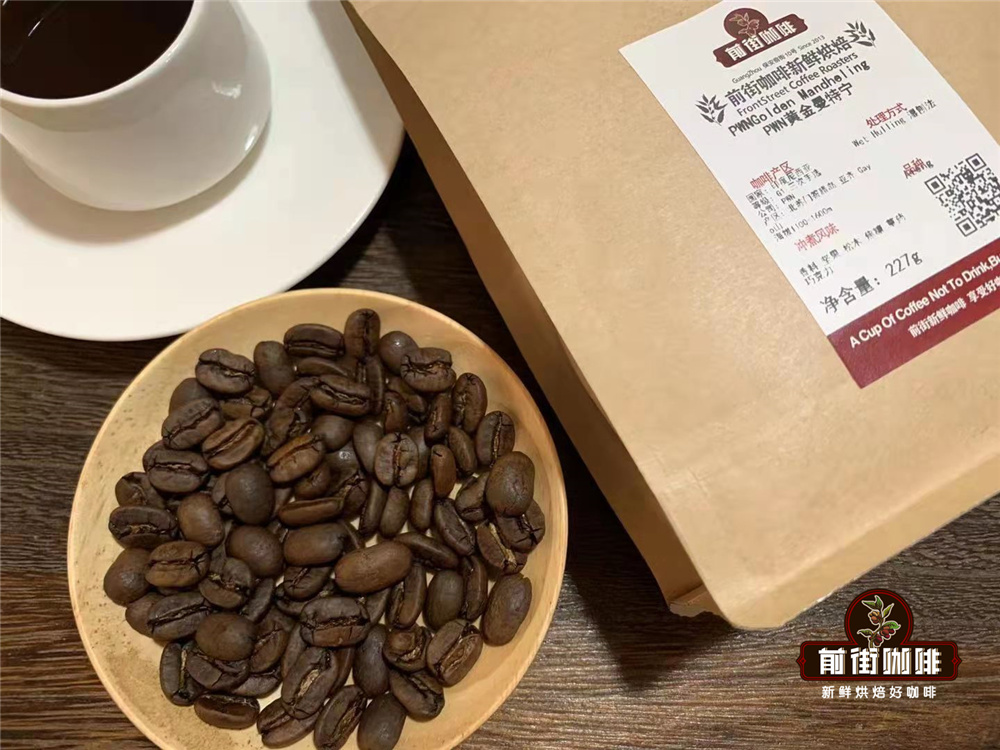
To taste the wet-hulled character at its best, buy the FrontStreet PWN Golden Mandheling, the highest-graded Mandheling FrontStreet Coffee carries. PWN sources high-quality Sumatran green beans and, after one machine selection and three rounds of hand sorting, produces beans that are plump, even, and nearly defect-free; roasted medium-dark, it brews into a black coffee of clean flavor and full body—ideal for anyone who dislikes acidic coffee. Brew it as pour-over at 87-88°C, 15g of coffee at 1:15, coarse-sugar grind, in three stages: 30ml to bloom and degas, 100ml to lift the bed and draw out the golden crema, then a gentle center pour of 95ml to raise sweetness—ending in thick body, caramel sweetness, and chocolate-nut flavor. If you would rather drink Mandheling through an espresso machine, the high-repurchase FrontStreet Classic Blend layers medium-dark Mandheling over Brazil's cream-and-nut base, adding butter, roasted chestnut, and caramel, with a little Robusta to boost crema—easy for latte art and Dirty layering alike.
Important Notice :
FrontStreet Coffee is a long-established specialty coffee roaster in Guangzhou China, selling freshly roasted beans from its own farm in Yunnan as well as dozens of carefully selected single-origin beans from around the world for both pour-over and espresso. The products deliver consistently excellent quality and great value, with shipping within 24 hours. Guangzhou's FrontStreet Coffee shop is recommended by many coffee lovers, and the beans are now available online at the Tmall 。
FrontStreet Coffee has moved to a new address:
FrontStreet Coffee Address: 315,Donghua East Road,GuangZhou
Tel:020 38364473
 Scan and follow the En Gafei WeChat official account. Please indicate that the reprint comes from "En Gafei".