Sidamo Shakiso Coffee Brands and Sidamo Coffee Brewing Steps
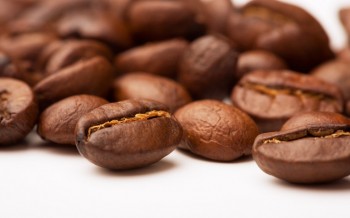
"Ethiopian Sidamo" is a type of single-origin coffee, Arabica coffee grown in the Sidamo province of Ethiopia. Like most African coffees, Ethiopian Sidamo features small grayish beans, but it is characterized by its rich, spicy, wine-like or chocolate-like flavors and floral aromas. The most distinctive flavors found in all Sidamo coffees are lemon and citrus, with bright, crisp acidity. Sidamo coffees include Yirgacheffe coffee and Guji coffee, both of excellent quality.
Variety: Local indigenous Heirloom
Producer: Local small farmers
Flavor: White grape juice, citrus, Earl Grey tea notes
Sidamo
Sidamo coffee flavors are very diverse, because different soil compositions, regional microclimates, and countless indigenous coffee varieties have created obvious differences and characteristics in the coffee produced by each town area. The Sidamo region is located in southern Ethiopia. The industry here is primarily agricultural, with coffee growing areas located around the Great Rift Valley.
Estate Introduction
Shakisso is located in the Guji region of Sidamo, in the southern part of the Oromia region, adjacent to Sidama and Gedeo. This area has many mine pits that were originally used for gold mining, so the coffee growing area has many pits. This makes walking between coffee growing areas dangerous. Shakisso is a unique region within Guji/Sidamo, and even within Sidamo it is a remote area far from most coffee origins, with gold mines as another famous local product. Factors such as miners, land, and ethnicity also made this region turbulent in 2006. The biggest problem this region faces today is the need for people to maintain the growing areas and harvest the coffee.
Local small farmers here began growing organic coffee in 2001 and worked closely with medium-sized coffee producers because they are familiar with how to grow forest coffee in highlands. It is one of the micro-regions with very distinct regional characteristics in the Sidamo area. Coffee from this region has considerable uniqueness, and the coffee produced has repeatedly drawn market attention. The original meaning of Ninety Plus' legendary bean (nekisse) is nectar from Shakisso, and both its origin region and its name come from Shakisso.
Flavor description: Lemon and citrus, bright crisp acidity, lemon, citrus, white grape juice, blackcurrant, and Earl Grey tea notes in the finish
Indonesian and African coffee beans use this defect ratio grading method. Indonesian beans are mainly divided into 6 grades, namely G1-G6. The highest grades for washed beans are G1 and G2; the highest grades for natural beans are G1 and G3.
What does that mean? As follows:
Washed: Grade-1; Grade-2 (G1>G2)
Natural: Grade-1 and Grade-3-Grade-5 (G1>G3>G4>G5)
Several points to note:
a) Regardless of whether the coffee is washed or natural, both have a Gr-1, with the condition being "zero" defects and a Premium Cup. Whether washed or natural, Gr-1 is a rating for the best of the best specialty coffees or Cup of Excellence coffees.
b) The lowest grade for natural Yirgacheffe and Sidamo is Gr-4.
c) Beans of the same grade, such as Limu Gr-2, can be good or bad, depending on the exporter's sorting level and investment.
d) According to the current "zero" defect requirement, Gr-1 beans (including both washed and natural) are extremely rare, because the processing cost is very high and very few suppliers will do this.
Factory Name: FrontStreet Coffee
Ingredients: Self-roasted
Shelf Life: 90 days
Net Content: 227g
Packaging: Bulk coffee beans
Degree: Roasted coffee beans
Contains Sugar: Sugar-free
Origin: Ethiopia
Coffee Type: Other
Roast Level: Light roast
Ethiopian Sidamo Shakisso Washed
Country: Ethiopia
Grade: G1
Region: Shakisso region, Guji zone
Roast Level: Light roast
Processing Method: Washed
Washed processed coffee flavors are less likely to have wild characteristics, featuring pure, refreshing qualities, and are suitable for City to Full City roast levels. Some excellent Ethiopian washed coffees sometimes show obvious rising lemon and citrus essential oils, jasmine floral aromas, and honey flavors, with more prominent acidity and a thinner body.
Pour-over Sidamo: 15g of grounds, medium-fine grind (small Fuji ghost tooth blade 3.5 grind), V60 dripper, 91-93°C water temperature. First pour 30g of water for a 27-second bloom, pour to 105g then stop, wait for the water level in the coffee bed to drop to half before pouring again, and slowly pour until 225g. Discard the tail end. Water-to-coffee ratio 1:15, extraction time 2:00.
Washed Sidamo like this Shakisso is prized for its clean, refreshing clarity, and if you enjoy that bright lemon and citrus profile, FrontStreet Coffee roasts several Ethiopian washed coffees in the same spirit. FrontStreet Washed Yirgacheffe is the classic example, with white jasmine, bright citrus and lemon acidity, and a tea-like body, and it is an affordable way to start exploring Ethiopian washed coffee.
For a similarly clean but slightly more floral cup, FrontStreet Gedeb Cooperative comes from the Worka area at the southeastern end of Yirgacheffe and is washed to highlight citrus, lemon, and elegant white flowers with a bright, fine structure. Both suit the same V60 methods and reward a light touch with the pour.
FrontStreet Coffee Recommendation
Sidamo's washed coffees are loved for their lemon-citrus clarity and Earl Grey finish, and FrontStreet Coffee's Ethiopian washed range captures that style. FrontStreet Washed Yirgacheffe is a bright, clean starting point with white jasmine, citrus and lemon acidity, and a tea-like body.
For a floral, finely structured counterpart, FrontStreet Gedeb Cooperative brings citrus, lemon, and elegant white flowers from the Worka area, while FrontStreet Yirgacheffe Natural Red Cherry offers a fruitier alternative with citrus acidity, berry juice, honey sweetness, and a creamy mouthfeel.
Important Notice :
FrontStreet Coffee is a long-established specialty coffee roaster in Guangzhou China, selling freshly roasted beans from its own farm in Yunnan as well as dozens of carefully selected single-origin beans from around the world for both pour-over and espresso. The products deliver consistently excellent quality and great value, with shipping within 24 hours. Guangzhou's FrontStreet Coffee shop is recommended by many coffee lovers, and the beans are now available online at the Tmall 。
FrontStreet Coffee has moved to a new address:
FrontStreet Coffee Address: 315,Donghua East Road,GuangZhou
Tel:020 38364473
 Scan and follow the En Gafei WeChat official account. Please indicate that the reprint comes from "En Gafei".