Is Brazil Fazenda Rainha Coffee Good? Brazil Coffee Brewing Methods
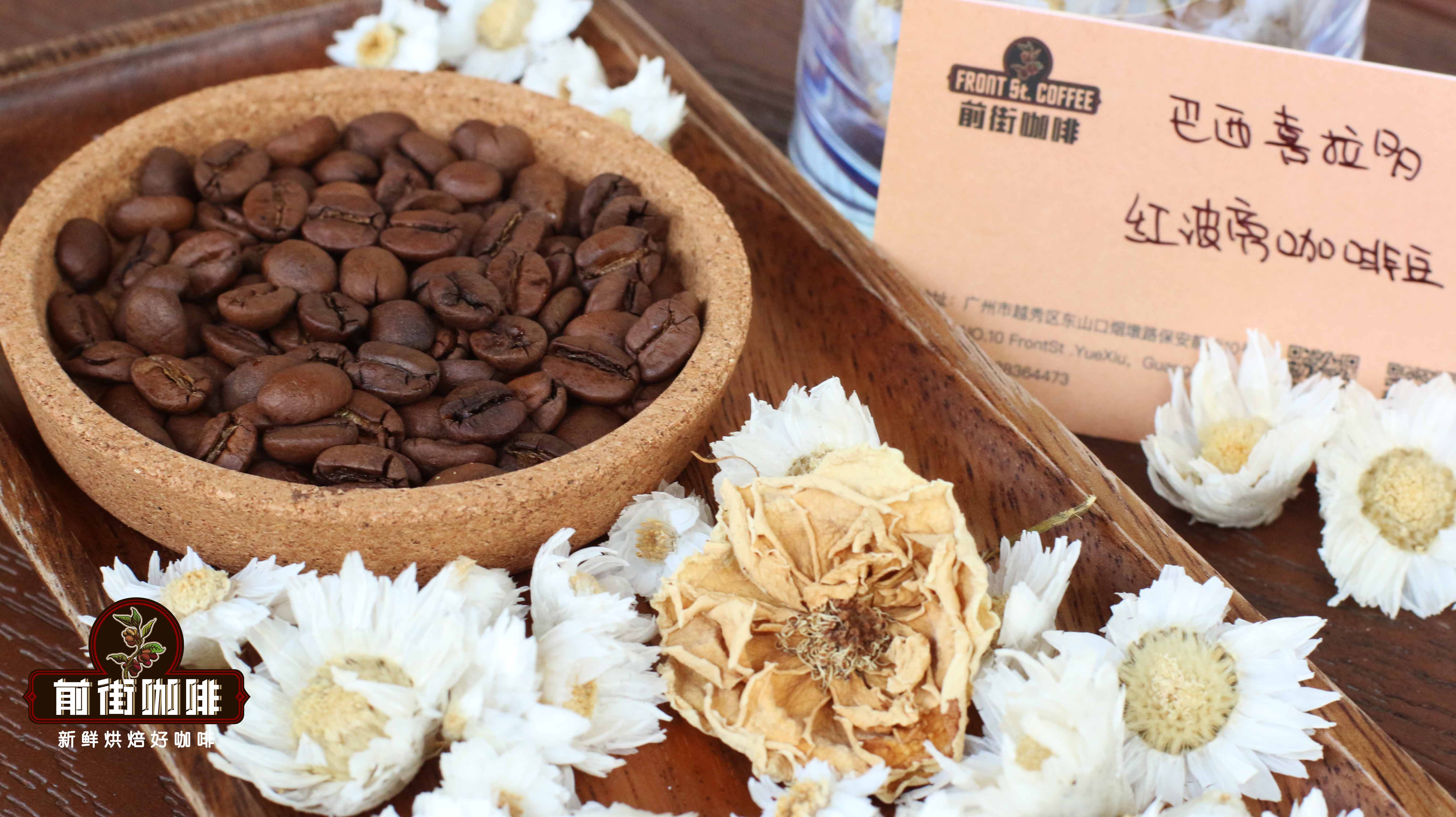
Yellow Bourbon beans are naturally sweet and clean. When processed with the pulped natural method, also called semi-dry, their acidity turns slightly bright while retaining tropical fruit aromas. The rich aroma during brewing is particularly delightful.
Fazenda Rainha: The Queen's Farm
Fazenda Rainha, the Queen's Farm, belongs to the Carvalho Dias family and has been running for over 116 years. Located in the highland region near the Minas border in Sao Paulo state, at altitudes from 1,200 to 1,400 meters, it enjoys abundant rainfall exceeding 1,800 mm a year without flooding. With an average annual temperature of only 19 degrees Celsius, the cherries grow slightly more slowly, producing denser beans. Production volume is lower, but the aroma and flavor are unmatched by typical Brazilian highland beans. The estate mainly grows Bourbon varieties, including some trees over 110 years old. Beyond the varieties, Fazenda Rainha's meticulous processing is the other key to its exceptional quality.
Brazil Queen's Farm Specifications
Country: Brazil
Region: Mogiana (Fazenda Rainha)
Estate Name: Fazenda Rainha (Queen's Farm)
Owner: Regina Helena Mello de Carvalho Dias of the Carvalho Dias family
Variety: Yellow Bourbon
Processing Method: Hand-picked, then pulped natural (semi-dry)
Harvest Period: Latest harvest arriving May 2006
Fazenda Rainha Coffee Beans Detailed Analysis
Origin: Brazil, Queen's Farm (Mogiana) region
Variety: Yellow Bourbon
Related Knowledge:
The Cup of Excellence (COE) program and its trademark are currently owned and managed by the Alliance for Coffee Excellence (ACE), a non-profit organization based in the United States. ACE works each year with COE host countries to run cupping screening and online auctions of specialty coffees, and also promotes initiatives related to coffee quality improvement. The goal is to identify exemplary specialty coffees in host countries and share the experience for the industry to learn from.
Flavor Profile:
The beans are naturally sweet and clean. Processed with the pulped natural method, their acidity turns slightly bright while blending harmoniously with sweetness. Some batches even show tropical fruit aromas, and the rich brewing aroma is especially delightful. The cup features delicate lemon acidity, fresh cane-juice sweetness, black tea notes, and a smooth, refined texture.
Hand Brewing Method: For Brazil Queen's Farm coffee, use 15 g of grounds with a medium grind (Fuji ghost-tooth grinder, setting #4), a V60 dripper, and 88 to 89 degrees Celsius water. First pour 30 g of water and let it bloom for 27 seconds. Continue pouring to 105 g and pause. When the water level drops to halfway, slowly pour until you reach 225 g. Avoid the tail section. The coffee-to-water ratio is 1:15, with an extraction time of 2:00.
Fazenda Rainha is located in the Alta Mogiana region of Sao Paulo state, north of Sao Paulo city. The estate is highly regarded in Brazil and is owned by the Carvalho Dias family. The family's four major estates have won awards every year since the first Brazil COE competition in 1999, collecting more than 12 awards in 7 years. In 2004 they even swept the championship, 9th place, and 11th place. Many Brazilian estates, large and small, have hoped to qualify for awards over the years but found it difficult; this family's estates have won repeatedly. Fazenda Rainha itself maintains a brilliant record: 2nd place in 2000, 3rd place in 2001, and 29th place in 2005. To date, Queen's Farm has won awards three times. Yellow Bourbon beans are naturally sweet and clean; processed the pulped natural way, their acidity softens slightly while blending harmoniously with sweetness, with tropical fruit aromas.
Estate Introduction:
Fazenda Rainha belongs to the renowned and respected coffee family Carvalho Dias. The family's four major estates have won awards every year since the first Brazil COE competition in 1999, collecting more than 12 awards in 7 years. In 2004 they even swept the championship, 9th place, and 11th place. Many Brazilian estates, large and small, have hoped to qualify for awards over the years but found it difficult; this family's estates have won repeatedly. Even Fazenda Rainha maintains a brilliant record: 2nd place in 2000, 3rd place in 2001, and 29th place in 2005. To date, Queen's Farm has won awards three times.
The Carvalho Dias family are also founding members of the Brazil Specialty Coffee Association, and their commitment to coffee quality and environmental protection is evident to all. On their family farms they use natural waterfalls to develop pollution-free hydroelectric power, becoming self-sufficient in electricity, and another of their award-winning estates is named after that waterfall. They have built churches, classrooms, nurseries, and medical stations, and they insist on preserving original native forest and continuous reforestation. At Queen's Farm, for example, environmental care runs deep: because the terrain is high and uneven, machines cannot be used for harvesting, so every cherry is picked entirely by hand. They cultivate low-yield, high-quality Bourbon varieties, making it a representative estate of Brazil's finest coffee.
Product Information:
Manufacturer: FrontStreet Coffee
Shelf Life: 90 days
Net Weight: 227g
Packaging: Bulk
Bean State: Roasted coffee beans
Sugar Content: Sugar-free
Origin: Brazil
Roast Level: Medium roast
Brazil Fazenda Rainha COE Natural Yellow Bourbon
Country: Brazil
Grade: COE
Region: Mogiana (Fazenda Rainha)
Located in the highland region near the Minas border in Sao Paulo state, at altitudes from 1,200 to 1,400 meters, the area enjoys abundant rainfall exceeding 1,800 mm a year without flooding. With an average annual temperature of only 19 degrees Celsius, the cherries grow slightly more slowly, producing denser beans. Production volume is lower, but the aroma and flavor are unmatched by typical Brazilian highland beans. The estate mainly grows Bourbon varieties, including some trees over 110 years old.
Roast Level: Medium roast
Processing Method: Pulped natural (semi-dry)
Variety: Yellow Bourbon
Estate: Fazenda Rainha
Flavor: Lemon, sugarcane, black tea, smooth and refined
Fazenda Rainha's Coffee Processing System:
Ripe cherries are hand-picked into cloth bags to avoid contact with the ground. Cherries harvested on any given day are always sent to the estate's processing facility the same day for pulped natural processing. Picking by hand into cloth bags prevents earthy flavors and improper fermentation. When the cherries arrive at the facility they immediately undergo washing: the cherries are cleaned and unqualified or dried fruits are filtered out by bean size. Qualified beans continue to the depulping stage.
After depulping, some mucilage still clings to the parchment. At this stage the cherries are placed on drying patios until the moisture content drops to around 20%. This stage lets the cherries absorb their own starch components while avoiding the uncontrollable drying-process flavors of the full natural method. These residual mucilage starches create a special sweetness without turning into off-fruit or musty flavors.
Afterward, the beans go to drying machines for final drying down to 11% moisture, then to storage for resting. Before export they are hulled and graded. This staged pulped natural method is one of the main reasons Fazenda Rainha's flavor stays consistent. Of course, insisting on Bourbon varieties is another reason for its very high reputation.
Additional Specifications:
Altitude: 1,200 - 1,400 m
Processing Method: Pulped natural (semi-dry)
This estate-level Yellow Bourbon from Brazil's Fazenda Rainha features full, mature sweetness with rich fruit notes and a persistent aftertaste that earns endless praise. Whether used for American-style drip coffee or as the main sweet component in an espresso blend, it satisfies professional experts, who consider it an essential purchase for their bean inventory.
FrontStreet Coffee Recommendation
Fazenda Rainha is Brazil at its most refined, and if you want to explore that same balance and sweetness in FrontStreet Coffee's own lineup, the Brazil Cerrado Pulped Natural is the classic place to begin. It is a Red Bourbon from the well-known Cerrado region, medium roasted to show creamy peanut, toasted bread, caramel, and hazelnut, with a round body, no real acidity, and only a faint bitterness; it brews well as pour-over, moka pot, espresso SOE, siphon, or French press.
FrontStreet's other Brazilian single origin, the Queen Estate from Mogiana, is a rare Yellow Bourbon grown on fertile red volcanic soil, showing a sugarcane-like clarity along with fruit and chocolate. Brazilian coffee also forms the base of FrontStreet's espresso blends, where its low-acid, balanced character and accessible price make it the first choice for so many recipes: the rich-crema Classic Blend, the nut-forward Boutique Blend, the Black Cacao blend, and FrontStreet Coffee's Commercial Blend for cafes all rely on Brazilian beans for chocolate and cream aromas and a soft sweet-sour-bitter balance that keeps extraction stable.
Important Notice :
FrontStreet Coffee is a long-established specialty coffee roaster in Guangzhou China, selling freshly roasted beans from its own farm in Yunnan as well as dozens of carefully selected single-origin beans from around the world for both pour-over and espresso. The products deliver consistently excellent quality and great value, with shipping within 24 hours. Guangzhou's FrontStreet Coffee shop is recommended by many coffee lovers, and the beans are now available online at the Tmall 。
FrontStreet Coffee has moved to a new address:
FrontStreet Coffee Address: 315,Donghua East Road,GuangZhou
Tel:020 38364473
 Scan and follow the En Gafei WeChat official account. Please indicate that the reprint comes from "En Gafei".