The Proper Way to Drink Yirgacheffe, Is Yirgacheffe Coffee Good?

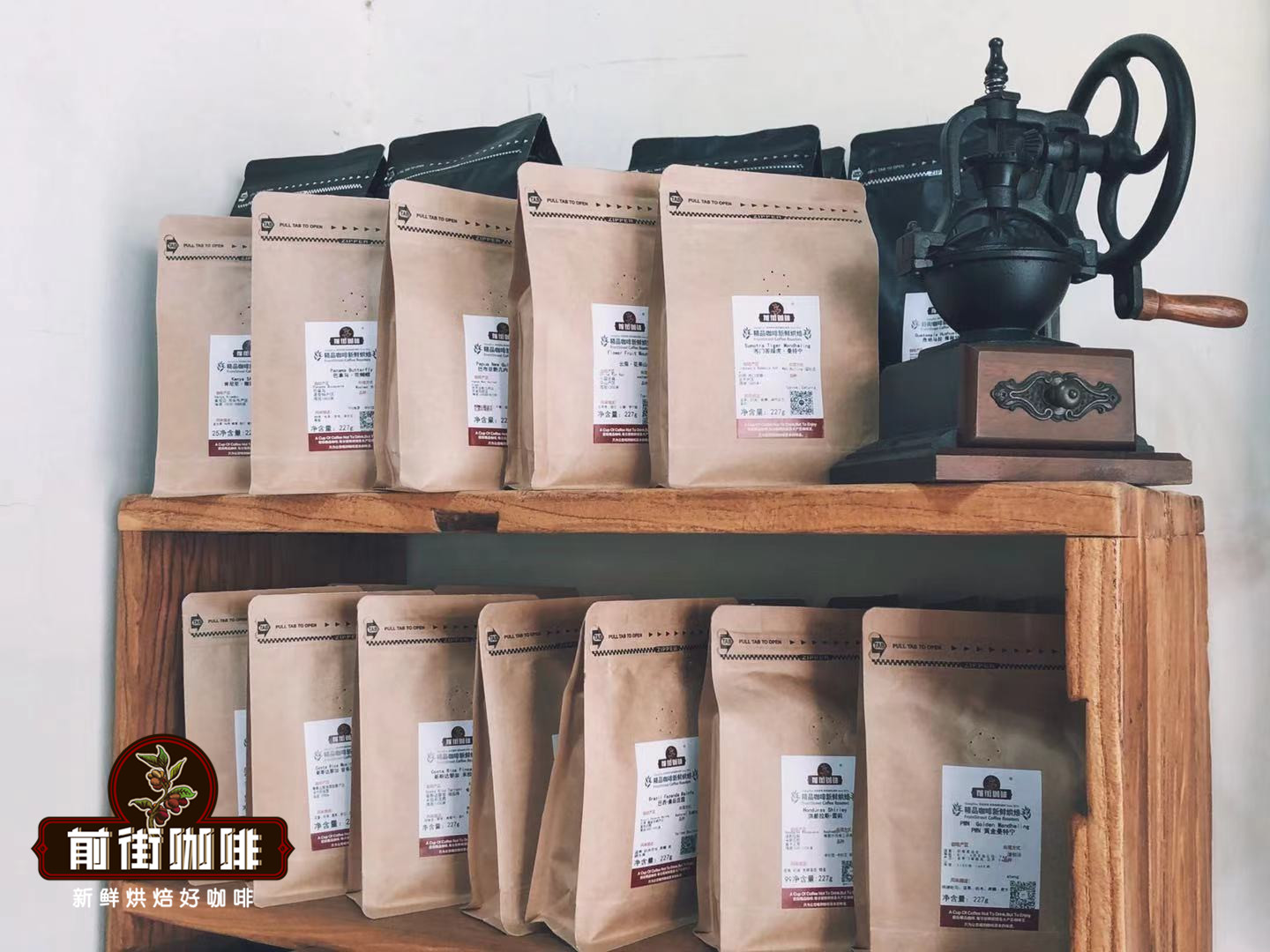
At FrontStreet Coffee, if you visit for the first time and ask for a refreshing, non-bitter pour-over, the barista will point you to the FrontStreet Coffee Yirgacheffe from Ethiopia. Many customers fall for its elegant floral aroma and bright fruit acidity after a single cup, charmed by a fruit-tea-like freshness they immediately want to recreate at home. Before we get to that, let's look at where this bean comes from and how to brew it so its soul comes through.
What Does Yirgacheffe Mean?
The name comes from Yirgacheffe town, a sub-region of Ethiopia's Sidamo province. Because the coffee grown there had such a distinctive flavor and became known worldwide, it was eventually separated out as a category of its own. Yirgacheffe, together with two other renowned regions - Sidamo and Harar - was registered as a commercial trademark by the Ethiopian government. So what we call FrontStreet Coffee Yirgacheffe today refers, more than anything, to a flavor trademark. The so-called Yirgacheffe flavor means rich citrus, lemon, and berry-like sweetness and acidity, alongside intense floral notes and a pleasant tea-like sensation. Expressing flavors and textures that refined depends on excellent growing conditions, variety, processing, and, just as much, roasting and brewing.
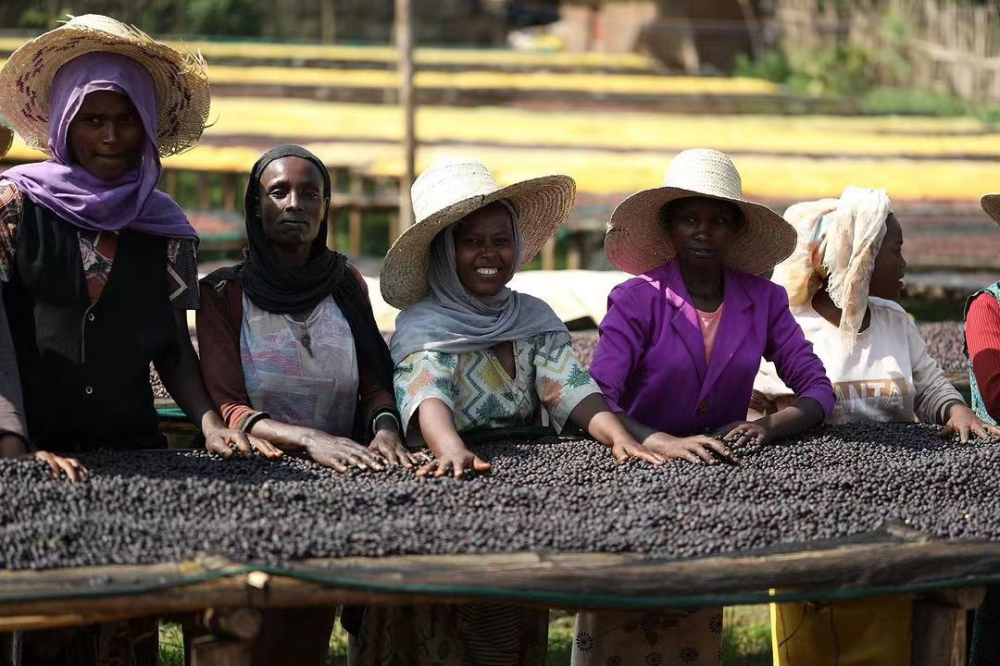
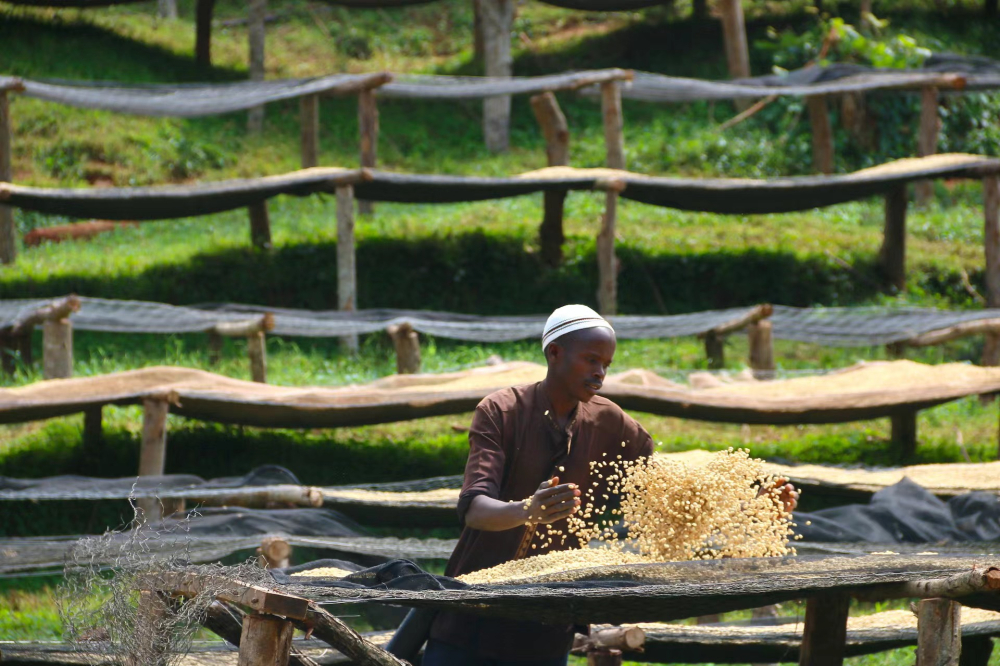
What gives FrontStreet Coffee Yirgacheffe its distinctive style, beyond the inherent terroir, owes a great deal to the washed process. Ethiopia generally sits at high altitude with abundant sunshine, so sun-drying cherries is quite feasible. But traditional natural drying was crude, with each farmer working in his own small courtyard, spreading harvested cherries straight onto roofs or the ground. Those rough methods inevitably left defect flavors in the beans - rot, dust, earth, mold - and produced inconsistent quality.
In 1972, the Ethiopian government brought in more advanced washed-processing technology and equipment from Central and South America. Farms using the washed method must build washing channels and have access to a continuous supply of fresh water, which raises production costs. During processing, fermented beans are moved back and forth in the pool, and the friction of the beans plus the power of flowing water scrub them until they are smooth and clean. Each step removes impurities and defective beans, giving more uniform green beans - and a final trading price higher than that of naturally dried coffee. Washing not only cuts the defect rate dramatically; it also wins FrontStreet Coffee Yirgacheffe its fresh citrus tones and elegant white florals, with a cup that is bright, delicate, and clean. The FrontStreet Coffee Yirgacheffe daily bean uses washed processing, carries the classic Yirgacheffe flavor notes, and works with pour-over, cold brew, French press, and more.
Why Is Yirgacheffe Coffee So Popular?
In the past, most of the coffee we drank was dominated by bitter and burnt flavors. Coffee tasted strong and bitter mainly because roasters took beans deep, steering flavor toward nuts, dark chocolate, and similar notes. FrontStreet Coffee Yirgacheffe beans are small, and a deep roast easily heats them unevenly or even scorches them, so roasters tend to go light to medium. What they found was that a lightly roasted Yirgacheffe not only shows uplifting acidity but also a highly recognizable fruit character - which effectively opened the "new era of fruity, acidic coffee." Preferring sweetness and fearing bitterness happens to match the public palate, and that is exactly why Yirgacheffe is so popular worldwide.
Alongside the washed FrontStreet Coffee Yirgacheffe above, the FrontStreet Coffee daily bean list carries several other classic Ethiopian coffees with "Yirgacheffe flavors," such as the FrontStreet Coffee Guddina Cooperative beans - a classic washed FrontStreet Coffee Yirgacheffe - and the FrontStreet Coffee Red Cherry, a refined natural-processed FrontStreet Coffee Yirgacheffe with a rounder taste, richer layering, fuller fermentation character, tropical fruit notes, and higher sweetness.
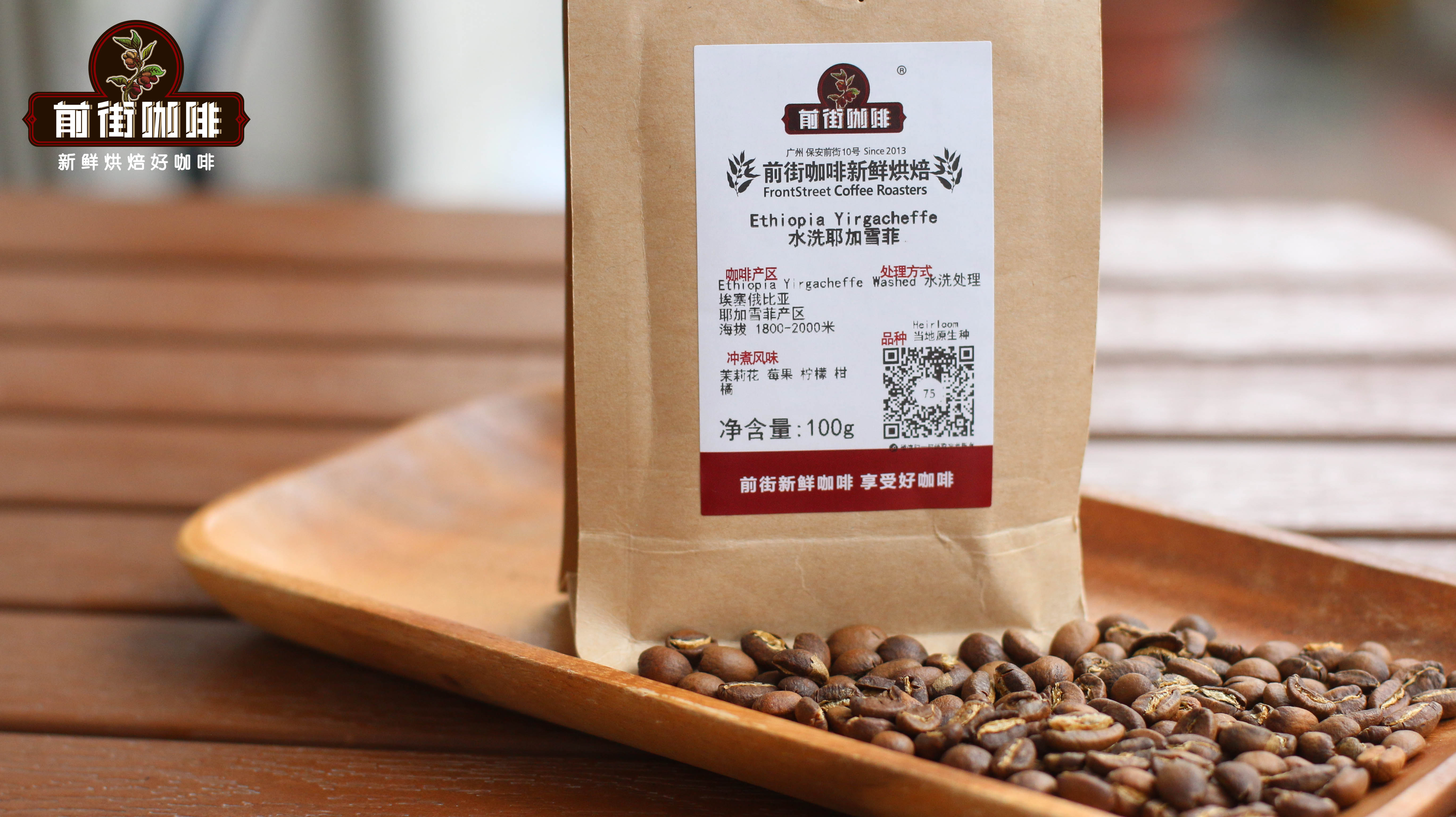
If the aromatic compounds the beans naturally carry are a gift from their unique terroir, then our job is to think about how best to present them. To preserve the rich floral and fruit aromas in FrontStreet Coffee Yirgacheffe, all three of these coffees are roasted light to medium. For the classic Yirgacheffe aromatics, FrontStreet Coffee believes pour-over black coffee is the best way to taste them.
What Equipment Does Pour-Over Coffee Need?
Brewing pour-over at home calls for the following: a pour-over kettle, a filter cone, a serving pot, a coffee grinder, filter paper, an electronic scale, and a thermometer.
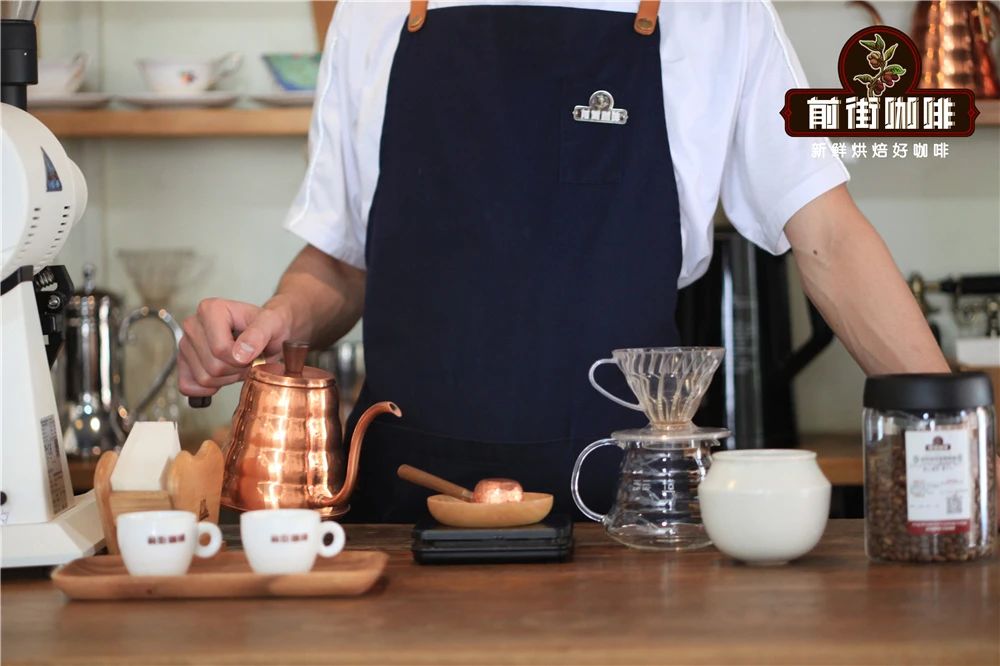
The grinder plays a very important role in pour-over coffee and comes in two broad types: manual and electric. Whichever you choose, the goal is uniformly ground coffee. How coarse the grounds are directly affects the cup. Too coarse and the coffee is easily under-extracted and tastes bland; too fine and it is easily over-extracted and tastes bitter. FrontStreet Coffee calibrates grind size with a China No. 20, 0.85mm standard sieve. For light-to-medium roasted beans, FrontStreet Coffee consistently uses a 75-80% pass-through rate; for medium-to-dark roasted beans, 70-75%.
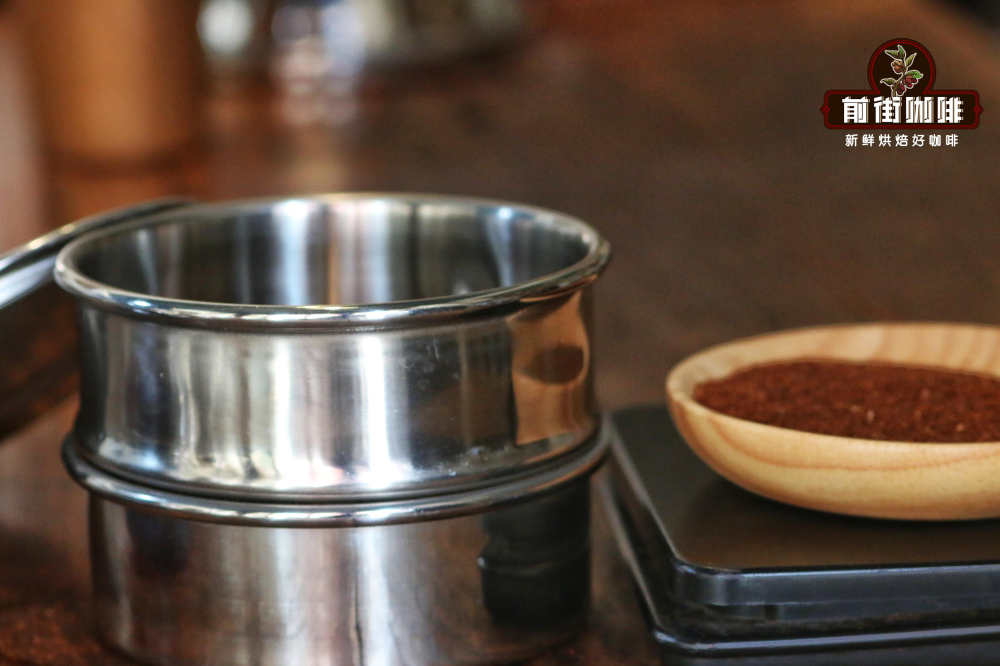
Here, FrontStreet Coffee Yirgacheffe is a light-to-medium roasted high-altitude bean. Wanting to extract more of its rich aromatic compounds, FrontStreet Coffee chooses a coarseness with an 80% pass-through rate on the No. 20 standard sieve, corresponding to a setting of 10 on the EK43s grinder used in its stores.
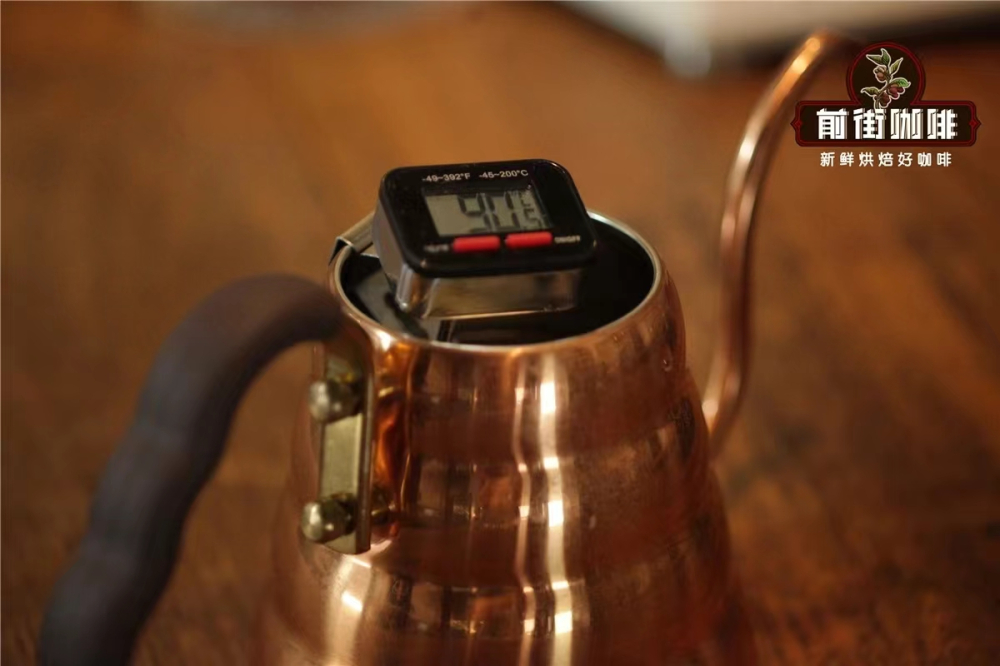
The thermometer measures the hot water temperature. Water temperature plays a role similar to grind size: the hotter the water, the higher the extraction efficiency and the more readily flavor compounds are released, giving a stronger cup. Brewing with near-boiling water easily pulls out unpleasant bitter compounds, so FrontStreet Coffee uses different parameters for medium-to-dark beans than for light ones. For medium-to-dark beans, FrontStreet Coffee recommends 87-90°C; light roasts need higher temperatures to wake up the aromatics, so 91-93°C.
There are many styles of filter cone on the market, and different styles produce different brewing results, each needing the matching filter paper to hold the grounds. FrontStreet Coffee's stores offer Hario V60 and KONO cones day to day. The V60 handles the lighter-roasted beans, while the KONO takes the darker ones. Here, the barista uses a resin V60 to extract FrontStreet Coffee Yirgacheffe.

The V60 has flow ribs connecting top and bottom and a large circular hole at the center, which speeds the water's downward flow. Its spiral exhaust grooves extend the water path, increasing contact time between grounds and hot water. Every stream converges along the grooves toward the cone's center point, concentrating pressure on the coffee bed and producing a richer, more layered extraction.
The kettle is for pouring hot water steadily onto the grounds. A narrow-spouted kettle pours a stable stream that rinses the bed more evenly and releases flavor compounds. The electronic scale lets us control total water and extraction time, so we can brew to the original plan. FrontStreet Coffee recommends a fast-response scale with a timing function, or simply searching for a pour-over coffee scale.
How to Brew FrontStreet Coffee Yirgacheffe Correctly
Online these days you'll find every pour-over technique going - single pour, three-stage, the 4:6 method, and so on. Different techniques change how the coffee expresses itself in the cup. Based on past brewing experience, FrontStreet Coffee recommends that beginners use the three-stage pour. Three-stage extraction helps dissolve flavor compounds more fully, adds mouthfeel layering, and avoids over-extraction from overly long soaking.
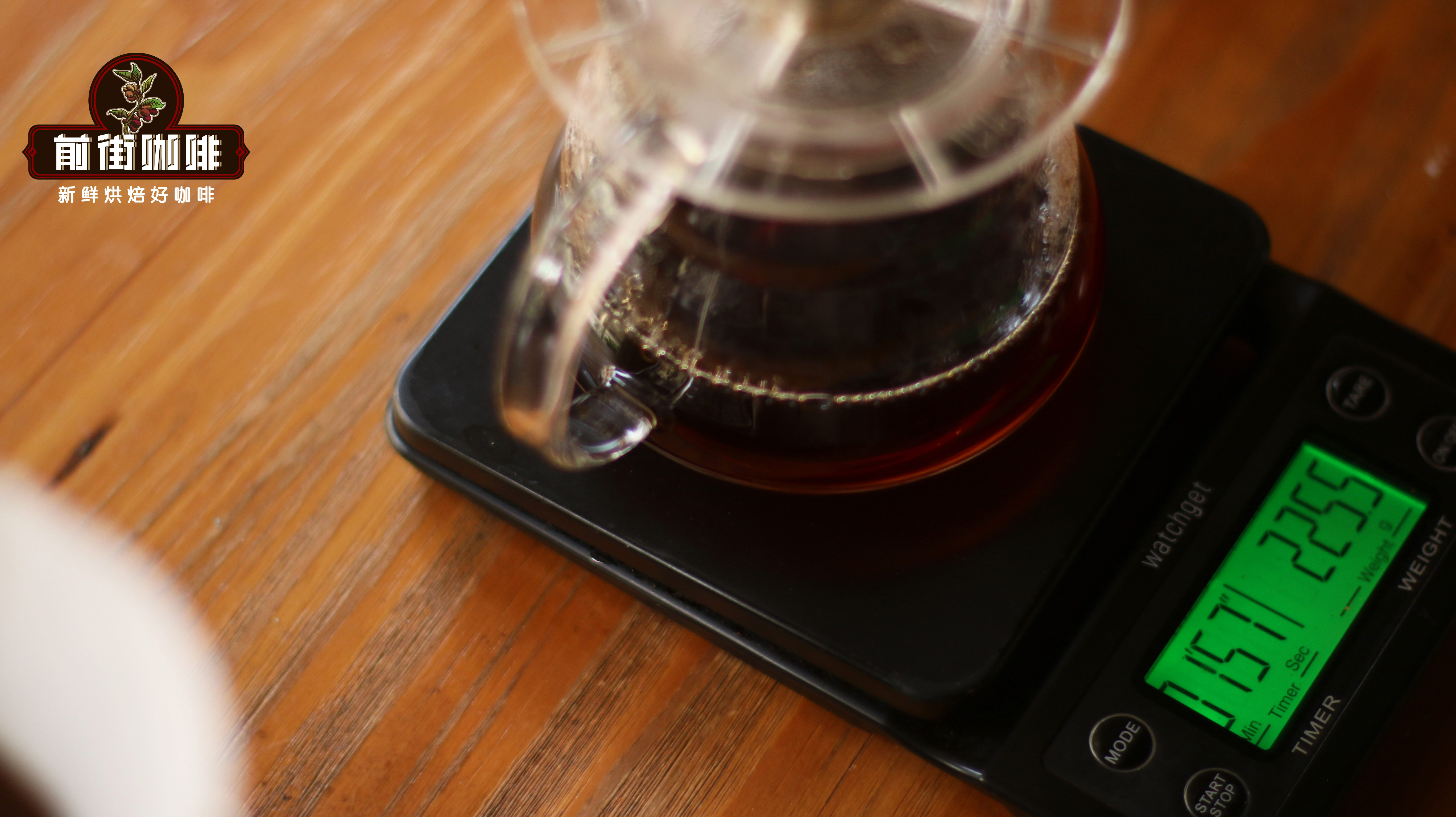
For 15 grams of coffee at a 1:15 ratio, total water is 225ml, and the three stages are 30ml, 95ml, and 100ml - showing on the scale as 30g, 125g, and 225g.
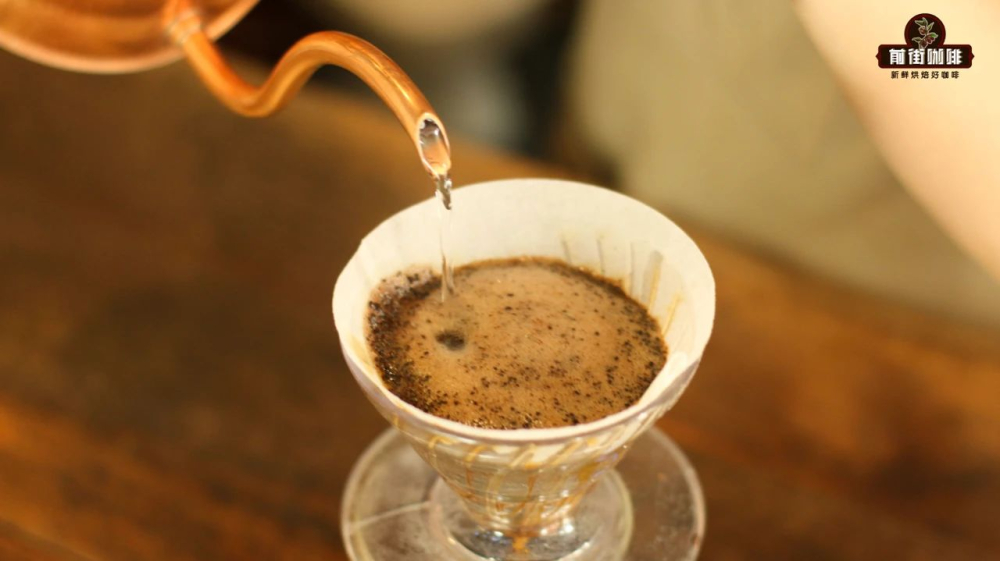
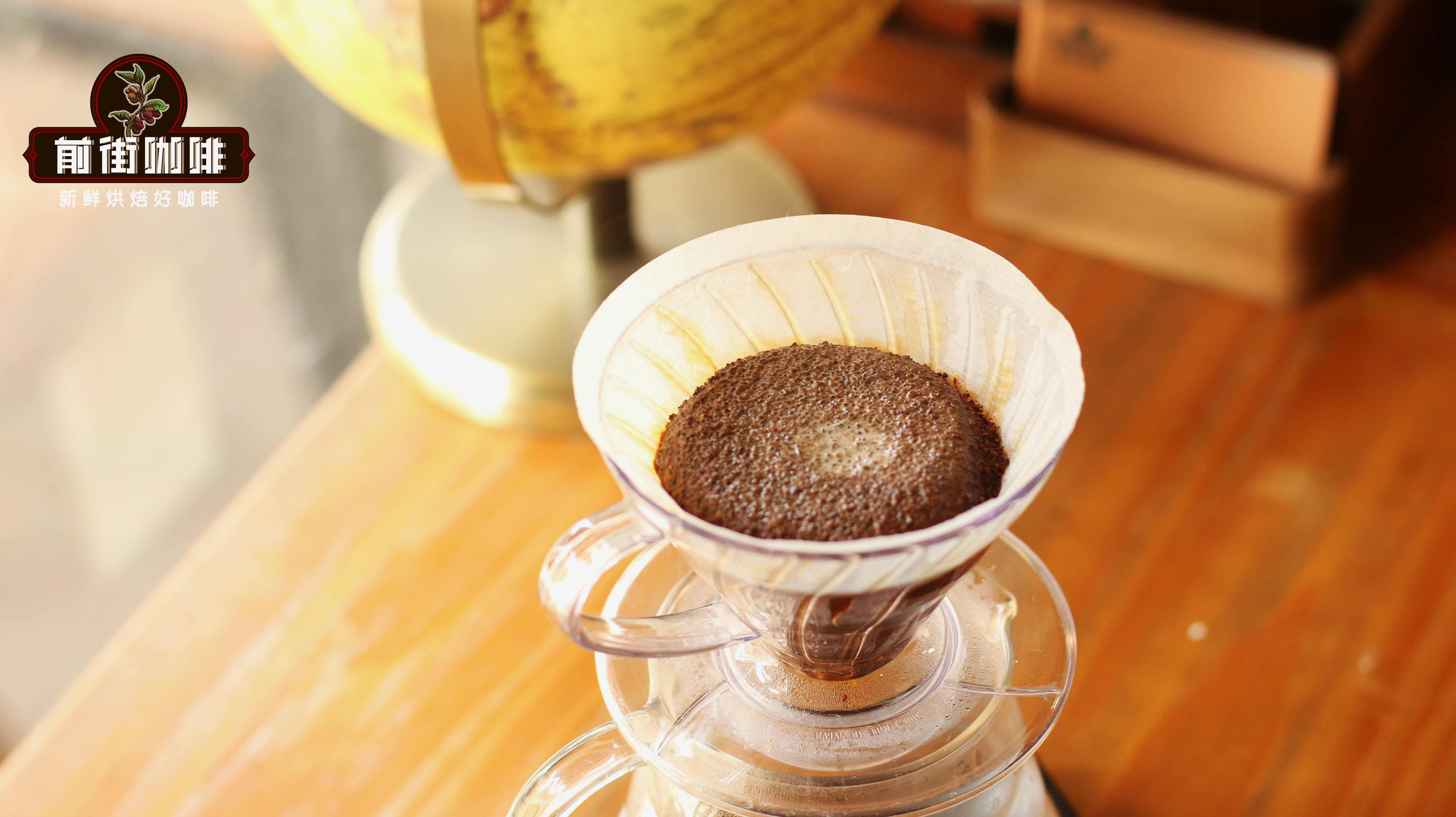
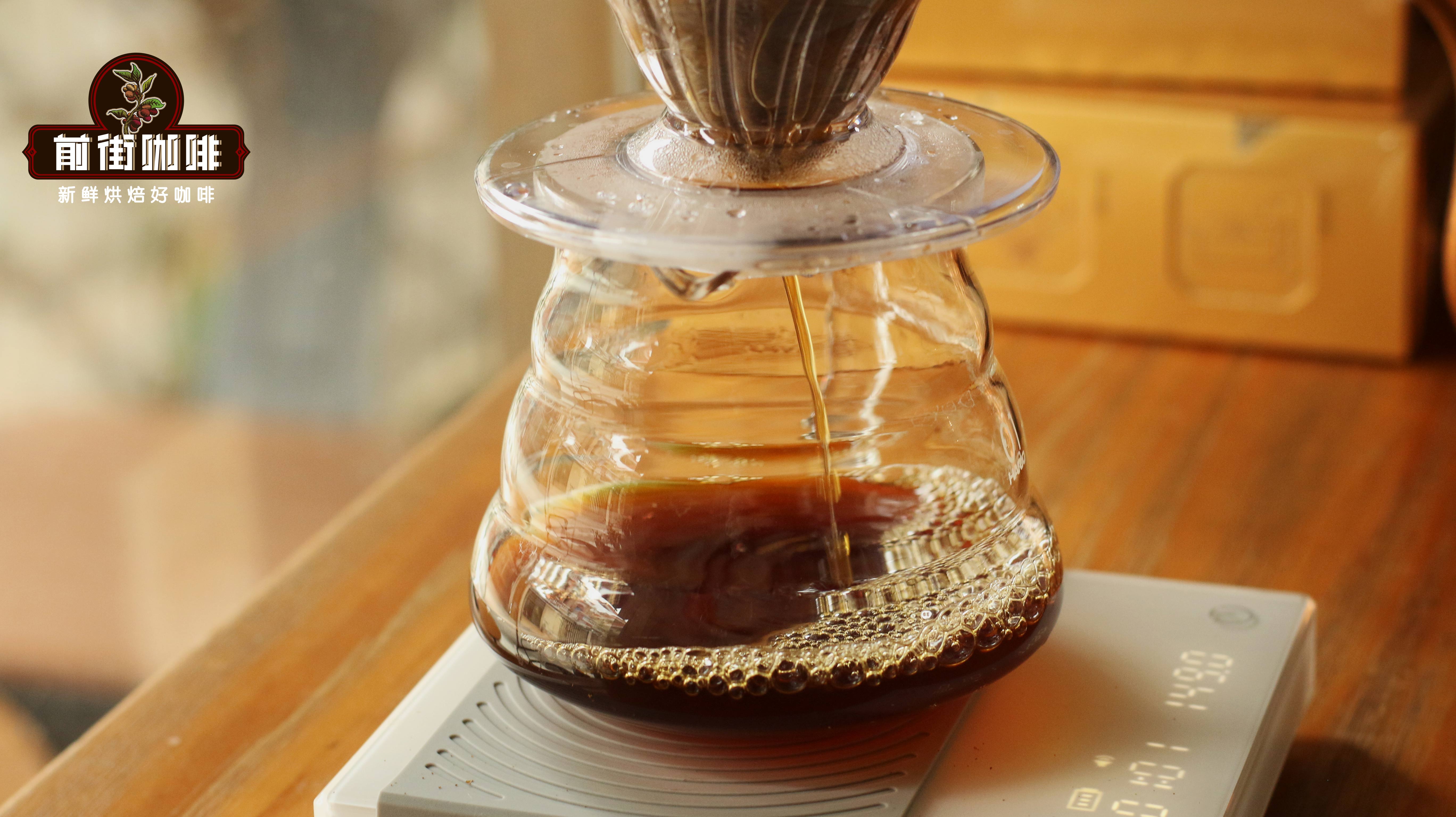
Fold the filter paper so it sits snugly in the cone, wet it with a little water to help it conform, and pour off the water in the lower pot. Add the grounds and tap gently to level the bed. For the first stage, gently pour 30 grams of water to bloom, with a bloom time of 30 seconds. For the second stage, pour to about 125 grams, circling evenly and steadily outward. Then wait for the coffee to drop, and when it reaches halfway, pour the final stage up to 225 grams. Once all the coffee has finished dripping, total extraction time is generally around 2 minutes.
Why does everyone love pour-over so much? Because when we actively explore how a coffee extracts, adjusting the method to the bean's variety and roast level, choosing vessels carefully to feel the different ways coffee presents itself through different extractions, and controlling grind size, temperature, flow rate, and pouring technique - every step brings a different taste and aroma. That is the charm of pour-over coffee.
FrontStreet Coffee Recommendation
To taste the classic Yirgacheffe profile, start with the FrontStreet Coffee Washed Yirgacheffe daily bean. It is known for white jasmine, bright citrus and lemon acidity, and a tea-like body, and its friendly price has made it the first specialty coffee for many beginners. If you want the flavors of a single village, the FrontStreet Coffee Guddina Cooperative is the representative washed Yirgacheffe. Based in the Gedeb area at the southeastern edge of Yirgacheffe and once part of the Worka cooperative under the YCFCU, it follows the traditional washed method and shows clean, bright citrus and lemon acidity with jasmine fragrance.
For the natural side of the same region, FrontStreet Coffee Red Cherry is a full red-cherry natural: only fully ripe, sound cherries are picked, sorted at the mill, then dried on raised beds and turned every 2-3 hours in the first days to avoid uneven heat and over-fermentation. After three to five weeks of drying it keeps the typical Yirgacheffe character while adding tropical fruit, berry-juice depth, honey-like sweetness, and a creamy smoothness. FrontStreet Coffee brews it on a V60, 15g, 1:15, water at 90-91°C, ground to fine-sugar size (about a setting of 10 on the EK43s, 80% pass-through on a No. 20 sieve), pouring 30g for a 30-second bloom, then 95g and finally the remaining 100g to 225g, finishing in about 2 minutes.
Important Notice :
FrontStreet Coffee is a long-established specialty coffee roaster in Guangzhou China, selling freshly roasted beans from its own farm in Yunnan as well as dozens of carefully selected single-origin beans from around the world for both pour-over and espresso. The products deliver consistently excellent quality and great value, with shipping within 24 hours. Guangzhou's FrontStreet Coffee shop is recommended by many coffee lovers, and the beans are now available online at the Tmall 。
FrontStreet Coffee has moved to a new address:
FrontStreet Coffee Address: 315,Donghua East Road,GuangZhou
Tel:020 38364473
 Scan and follow the En Gafei WeChat official account. Please indicate that the reprint comes from "En Gafei".