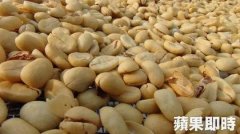
Costa Rican Honey-Processed Geisha Flavor Description Which Brand of Honey-Processed Geisha Coffee is Best

Characteristics of the Honey Processing Method
Coffee cherries are tested for sugar content during harvesting, with only cherries measuring 21-22% sugar content being selected. Unlike other processing methods, honey processing requires drying on African beds. If dried directly on cement or soil, the beans are easily scratched during turning, which can lead to bacterial infection; drying directly on soil can also impart earthy flavors to the beans.
Taste Differences Between Honey and Washed Processing
Honey-processed coffee has higher sweetness, greater sugar content, and a relatively fuller body (compared with washed coffee at the same roast level).
Honey-processed beans need good ventilation during drying; otherwise, the retained pectin mucilage can easily ferment or mold, causing off-flavors.
The honey processing methods we most commonly encounter are: Yellow Honey, Red Honey, and Black Honey.
Coffee Details
Variety: Geisha
Processing Mill: Otis Granite Processing Mill
Flavor: Floral tea, rosehip, and green grape notes
Costa Rica's honey processing method is distinctive, and these Costa Rican red honey-processed Geisha beans are a perfect showcase for the country's unique approach.
Pour-Over Brewing Method for Yellow Honey
15g of coffee, ground to medium-fine (Fuji ghost-tooth grinder setting 3.5), V60 dripper, water temperature 91-93°C. First pour 30g of water for a 27-second bloom, then pour to 105g and pause. Wait until the water level drops to halfway, then continue pouring slowly until reaching 225g. Avoid the tail end. Water-to-coffee ratio 1:15, extraction time 2:00.
Introduction to the Otis Granite Estate
Costa Rica's Otis Granite Processing Mill is an emerging estate in the country. The family cooperative was established in 1994, but it did not build its own processing mill until 2005, giving the mill some 17 years of history. The Otis Granite Processing Mill is located approximately 5km north of San Marcos town in the Tarrazu region. Beneath it are ten coffee estates, including the Yano Estate, at elevations of 1500-2000 meters on mountain slopes, all classified as SHB (Strictly Hard Bean) — the highest grade.
Specialty Coffee Details
Otis 2000m Estate Geisha - Golden Honey Processing
Flavor: The dry aroma features a delicate spring tea fragrance mixed with hints of orange peel and chocolate. Floral tea, rosehip, and green grape notes gradually emerge as the temperature changes, revealing juicy sweetness of lemon and peach. The aftertaste is orange chocolate.
About the Geisha Coffee Variety
When Geisha coffee beans are mentioned, many people think first of their wonderful floral aromas and vivid fruit acidity. In 2015 there was even a surge of popularity for Panama Geisha, leading many to mistakenly believe Geisha is exclusive to Panama. In reality, Geisha was first discovered in Ethiopia in 1931 and later, through a series of transplantings and plantings, found homes in other countries and regions.
Costa Rican Geisha tends to have more body compared to Panama Geisha. If Panama Geisha is a fresh and delicate style, Costa Rican Geisha belongs to a more reserved one.
Costa Rica Coffee Geography
Costa Rica is located on the Central American isthmus at 10°N latitude, 84°W longitude, bordered by the Caribbean Sea to the east and the North Pacific Ocean to the west. It sits on the low-latitude volcanic belt of Central America, with the central plateau and mountainous regions at elevations of approximately 800-2000 meters — well suited to coffee cultivation.
Costa Rican coffee has always been renowned for its extremely balanced, clean, bright flavor with berry-like fruit acidity; exceptional lots show spice and cocoa notes in the aftertaste. The country's most famous growing region is Tarrazu, near the capital San José. Tarrazu has the highest average elevation along with excellent climate and soil conditions, making it the most famous and widely recognized premier coffee region in Costa Rica. Tres Rios is a famous sub-region within Tarrazu.
In the specialty coffee world, the most famous Costa Rican single-estate coffee is La Minita Estate from the Tarrazu region, with an annual production of only 160,000 pounds.
Coffee Specification
Costa Rica Tarrazu Honey Geisha
Country: Costa Rica
Grade: SHB (Strictly Hard Bean)
Region: Tarrazu
Roast Level: Light roast
Processing Method: Honey processing
The Honey Processing Method
After removing the pulp and skin, the beans are dried with their pectin intact. The key to distinguishing different honey processes lies in that remaining pectin: the proportion retained, the drying time, and the drying method.
FrontStreet Coffee Recommendation
If honey-processed Geisha has captured your imagination, FrontStreet Coffee's Esmeralda Red Label and Green Label Geisha from Panama show the variety's other great expression. The Red Label (Esmeralda Special) grows at 1600-1800 meters, cups above 90 points, and comes from a single named plot — Hacienda Esmeralda's famous Jaramillo block — offering the classic orange-blossom honeyed character, oolong tea texture, and layered fruit acidity that made Geisha legendary. The Green Label (Private Collection) blends lots from multiple high-altitude plots for the same signature flavor at a friendlier price. For an accessible first taste of Geisha, the FrontStreet Boquete Geisha is the perfect entry-level option, and for espresso lovers the medium-roasted FrontStreet Genlana Estate Geisha SOE — an Ethiopian native Geisha with white florals and lemon brightness — turns into apricot, caramel, and nuts under pressure. Brew them all with 15g of coffee at 1:16, 91°C water, a coarse grind (78% pass-through on a #20 sieve), and three-stage pouring to protect those delicate florals.
Important Notice :
FrontStreet Coffee is a long-established specialty coffee roaster in Guangzhou China, selling freshly roasted beans from its own farm in Yunnan as well as dozens of carefully selected single-origin beans from around the world for both pour-over and espresso. The products deliver consistently excellent quality and great value, with shipping within 24 hours. Guangzhou's FrontStreet Coffee shop is recommended by many coffee lovers, and the beans are now available online at the Tmall 。
FrontStreet Coffee has moved to a new address:
FrontStreet Coffee Address: 315,Donghua East Road,GuangZhou
Tel:020 38364473
 Scan and follow the En Gafei WeChat official account. Please indicate that the reprint comes from "En Gafei".