Panama Coffee Beans: Characteristics and Stories | Pour Over Brewing Parameters
The Excellence of Panamanian Coffee
Talk about Panamanian coffee beans and the famous Geisha variety is bound to come up. Geisha delivers a clean cup, a lively fruity aftertaste and rich fruit aromas. When FrontStreet Coffee selects premium Panamanian beans, it weighs a range of factors — terrain, altitude and processing method among them. FrontStreet Coffee also believes Panamanian coffee offers excellent value, which is why the range it carries is so broad. Here is a short introduction.

Origins and Growing Regions
Panamanian coffee began in 1780, when European immigrants brought the first Typica trees to the country. Sitting in Central America, Panama enjoys sunshine, fertile land and high mountains, along with plenty of labor. FrontStreet Coffee considers it no accident that the region became such an excellent area for high-quality specialty coffee.
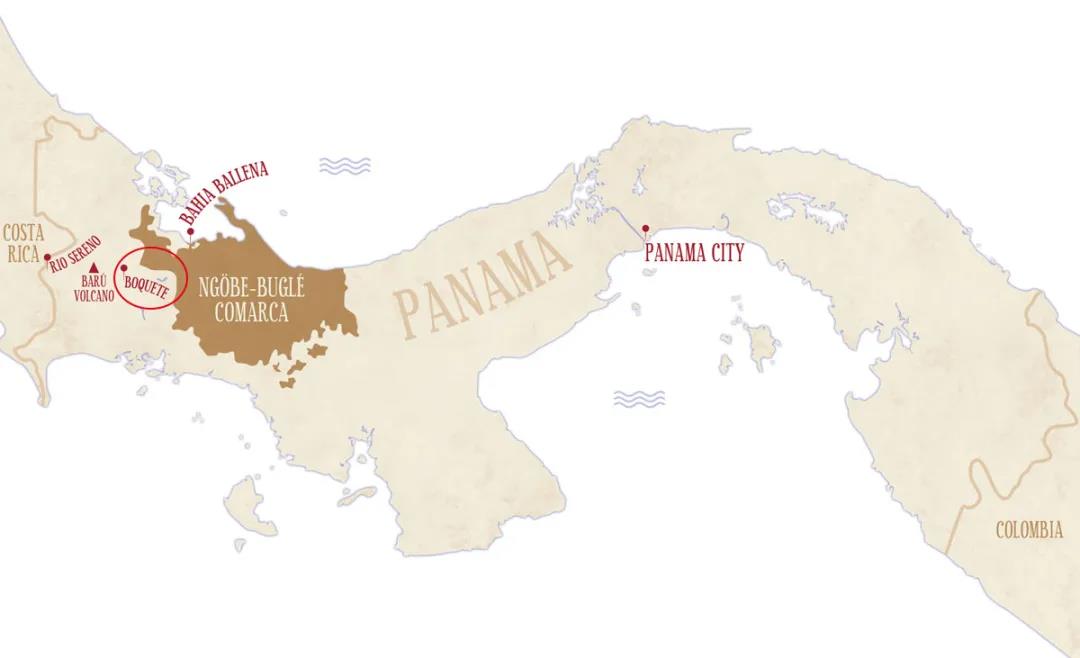
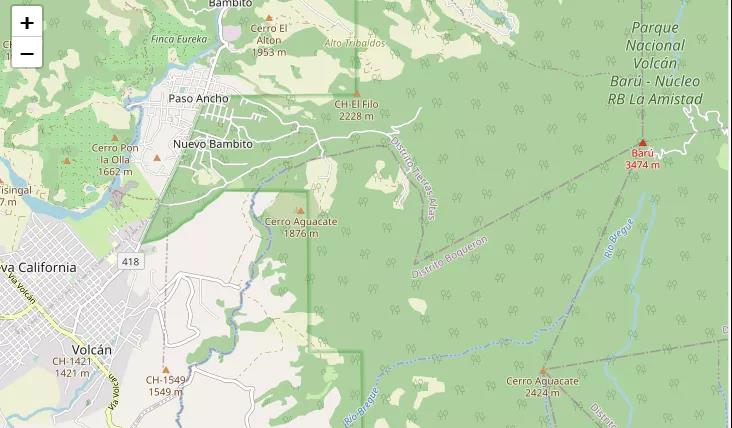
Panama's specialty coffee is produced mainly in two regions: Boquete and Volcán. Coffee from these areas gives off a delicate, captivating floral perfume reminiscent of fruit, with a lingering fragrance that defines the cup. FrontStreet Coffee offers several beans from the Boquete region, such as Flor de Mariposa and Elida Typica. Boquete lies near the Panama-Costa Rica border, close to the famous Barú Volcano, with fertile, rich soil and a climate ideal for premium coffee.
The Boquete region is also home to many celebrated estates, including Hacienda La Esmeralda, Elida Estate and Kotowa Duncan Estate. The most notable of them is Hacienda La Esmeralda, whose beans FrontStreet Coffee holds in high regard.
Hacienda La Esmeralda and Geisha Classification
Hacienda La Esmeralda grows mainly the Geisha variety. At first, Geisha was not valued at the Jaramillo estate, where it was used merely as windbreak trees and produced very little. Jaramillo was later acquired by Hacienda La Esmeralda. FrontStreet Coffee believes this may be tied to the superior flavor of coffee grown in the Jaramillo area, and considers Hacienda La Esmeralda's steady acquisition of other estates a very wise decision — one of the key reasons it occupies such a significant place in the coffee industry.
Only after Hacienda La Esmeralda's purchase was the Geisha variety's unique flavor discovered. FrontStreet Coffee suspects that growing Geisha in a relatively harsh environment may, by coincidence, have produced its excellent profile.

FrontStreet Coffee recognizes that obtaining high-quality beans is no easy task and takes considerable work in the field. Take Hacienda La Esmeralda: the estate has invested tremendous effort in Geisha classification. It grades planting lots according to altitude and has created several Geisha tiers, including Red Label, Green Label and Blue Label.
Many people are unfamiliar with the concepts of Red Label, Green Label and Blue Label, so FrontStreet Coffee will explain. High-quality Geisha comes from three estates: Jaramillo, Cañas Verdes and El Velo. Hacienda La Esmeralda divides its products into five major brands based on cupping score, variety and planting lot. For the Geisha variety there are three brands: Esmeralda Special, Private Reserve and Geisha 1500.

Red Label: Esmeralda Special
Red Label is Geisha specially selected by Hacienda La Esmeralda. It is grown at altitudes between 1600-1800 meters, with cupping scores above 90 points, and produced in Jaramillo and Cañas Verdes. Red Label beans chosen for auction are called Auction Red Label, while those not chosen are simply called Red Label. In fact both come from the same lots, so FrontStreet Coffee considers either an excellent choice. If you are just starting out with Geisha, Red Label is a fine place to begin. This grade uses both natural and washed processing, with very distinctive, bright flavors built on floral and citrus aromas.

Green Label: Private Reserve
Green Label, commonly known as Private Reserve, consists of Geisha varieties grown for non-auction but of excellent quality. It is a blend of micro-lots from different areas.

Among FrontStreet Coffee's customers, the difference between Red Label and Green Label is a frequent topic. FrontStreet Coffee notes that while Red Label can be traced to specific lots, Green Label cannot be traced to specific areas. That said, it does not affect Green Label's flavor. In fact, FrontStreet Coffee likens it to buying a lottery ticket — you might purchase Green Label and end up drinking a batch from Red Label lots, which is a very interesting phenomenon. Although Green Label is not as high-grade as Red Label, it still keeps the classic Geisha flavors: floral, fruity and citrus acidity.

Blue Label: Geisha 1500
The Geisha 1500 brand is what we commonly know as Blue Label Geisha. It is a blend from three different lots, selected from altitudes of 1400-1500 meters. What sets Blue Label apart from the other two is that it typically uses only washed processing, with flavors built on subtle floral notes and fruit acidity. FrontStreet Coffee's store offers not only washed Blue Label Geisha but also naturally processed Blue Label Geisha beans.
Processing Methods and Techniques
This batch of washed Red Label Geisha sourced by FrontStreet Coffee comes from Hacienda La Esmeralda's Jaramillo lot. Hacienda La Esmeralda places harvested coffee cherries into a filtration tank, screens out floating debris, then drains the water and pushes the selected cherries into a funnel for the next step.

The washed Green Label Geisha beans are relatively hard. Because new-season beans have better water activity, FrontStreet Coffee chooses high-temperature, rapid dehydration during roasting, using a faster roasting rhythm to express Green Label Geisha's multi-layered fruit flavors and rich floral aromas.
In previous years Blue Label Geisha was available only in washed processing, but this year natural-processed Blue Label Geisha has been added, and FrontStreet Coffee has introduced one as well. FrontStreet Coffee will briefly introduce the natural Blue Label Geisha.

Generally, Hacienda La Esmeralda's natural processing sends harvested coffee fruits straight to patios for drying. The fruits dry slowly while the beans inside take on fruit and aromatic notes. Once dry enough, they go into a Guardiola dryer for 72 hours of rotation to complete drying and prevent fermentation. After drying they are stored in nylon bags in warehouses. Of course, the natural method has its challenges too — during drying, any carelessness can let the parchment beans reabsorb moisture and compromise quality.
Notable Panamanian Coffee Varieties
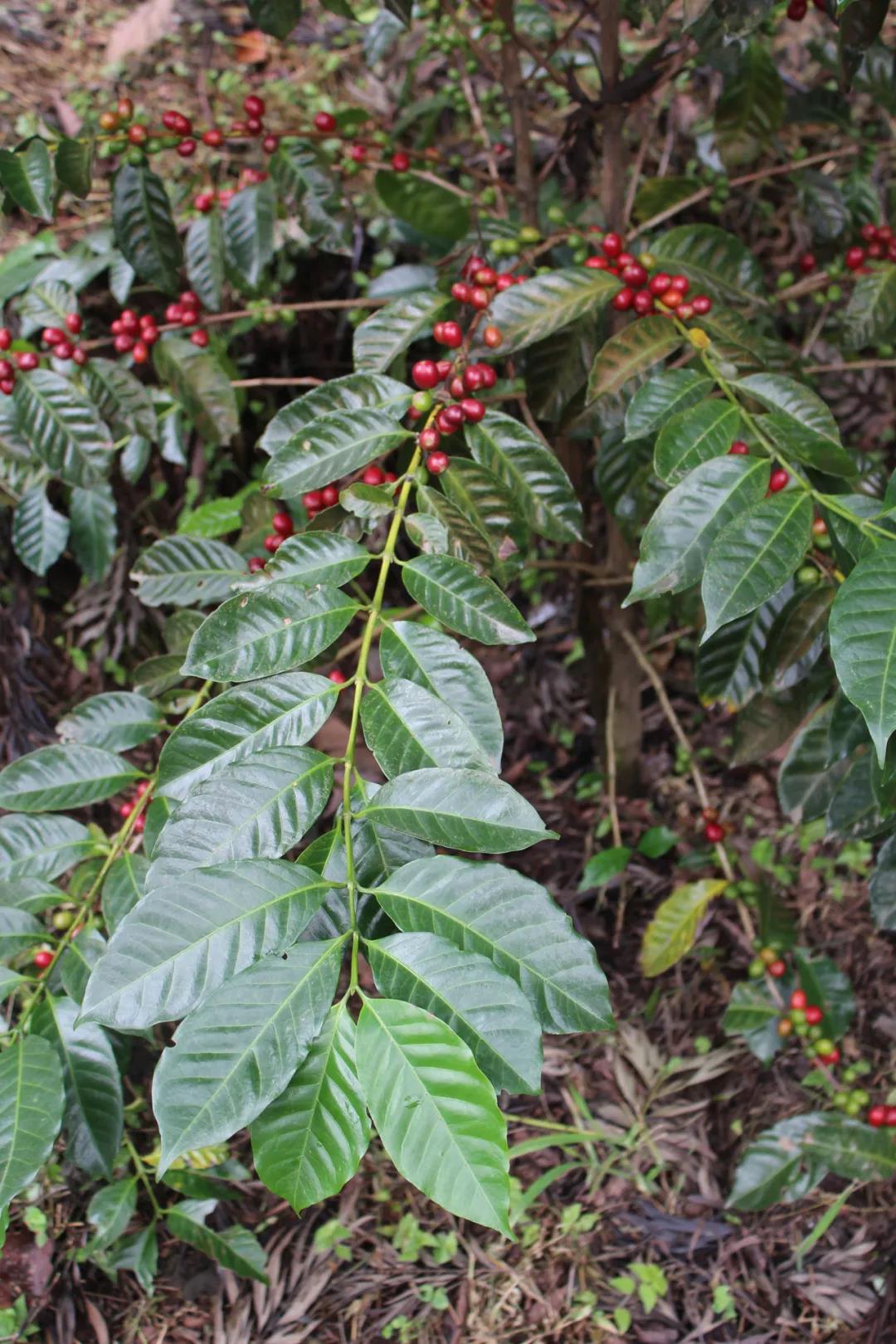
Besides Geisha varieties, FrontStreet Coffee also offers Flor de Mariposa coffee beans from the Boquete region. Flor de Mariposa has 70% Geisha heritage and is composed of three varieties: Geisha, Caturra and Catuai. It grows near the Barú Volcano in Boquete and is washed processed. FrontStreet Coffee finds this bean performs exceptionally well in body, acidity and floral notes. All three varieties in Flor de Mariposa come from the same origin and region, making it a single-origin coffee. Caturra is a Bourbon variety, while Catuai is an Arabica hybrid — a cross between Mundo Novo and Caturra.

In Panama, FrontStreet Coffee also sources premium beans from the Volcán region, including a Geisha variety called Jenson, known as the "Champagne of Coffee." This variety is less well-known domestically because it comes from Volcán, and FrontStreet Coffee understands that Jenson Estate focuses primarily on domestic sales rather than export. Even so, FrontStreet Coffee chose to carry it — partly to bring excellent coffee from remote mountain areas to its customers.
Coffee bean flavors don't change completely according to human-defined boundaries. FrontStreet Coffee finds that coffee from both Boquete and Volcán shares similarities in fruity and floral character.
According to FrontStreet Coffee's research, in earlier times the Volcán region mainly grew fruits, vegetables and other cash crops, with only a few farmers cultivating Panamanian coffee. The first to grow coffee were the Hartmann family and the Jenson family. The Hartmann family's Hartmann Estate is also quite well-known, and FrontStreet Coffee carries a coffee from it using a special wine processing method (also known as carbon dioxide processing). This method primarily controls pH, temperature and humidity, with inspiration drawn from red wine making.
FrontStreet Coffee's Curated Selection
Regular customers of FrontStreet Coffee know that the beans they carry are not static. FrontStreet Coffee provides specialty coffee, emphasizing not only raw materials but also roast degree. FrontStreet Coffee regularly samples beans from different regions, introducing them only once it confirms each bean represents the characteristic flavors of its region.
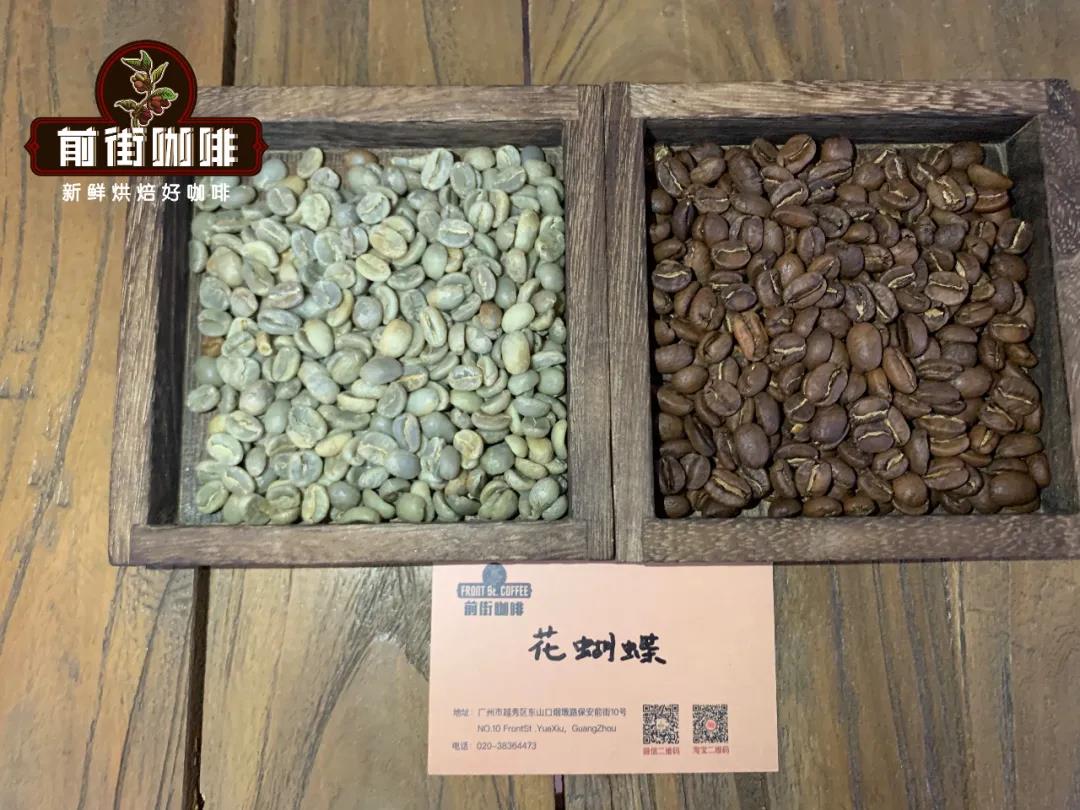
1. FrontStreet Coffee Panama Flor de Mariposa Coffee Beans
Coffee Region: Panama, Boquete
Altitude: 1600 meters
Variety: Geisha, Caturra, Catuai
Processing Method: Washed processing
Flavor: Citrus, floral, tea-like, honey, high sweetness
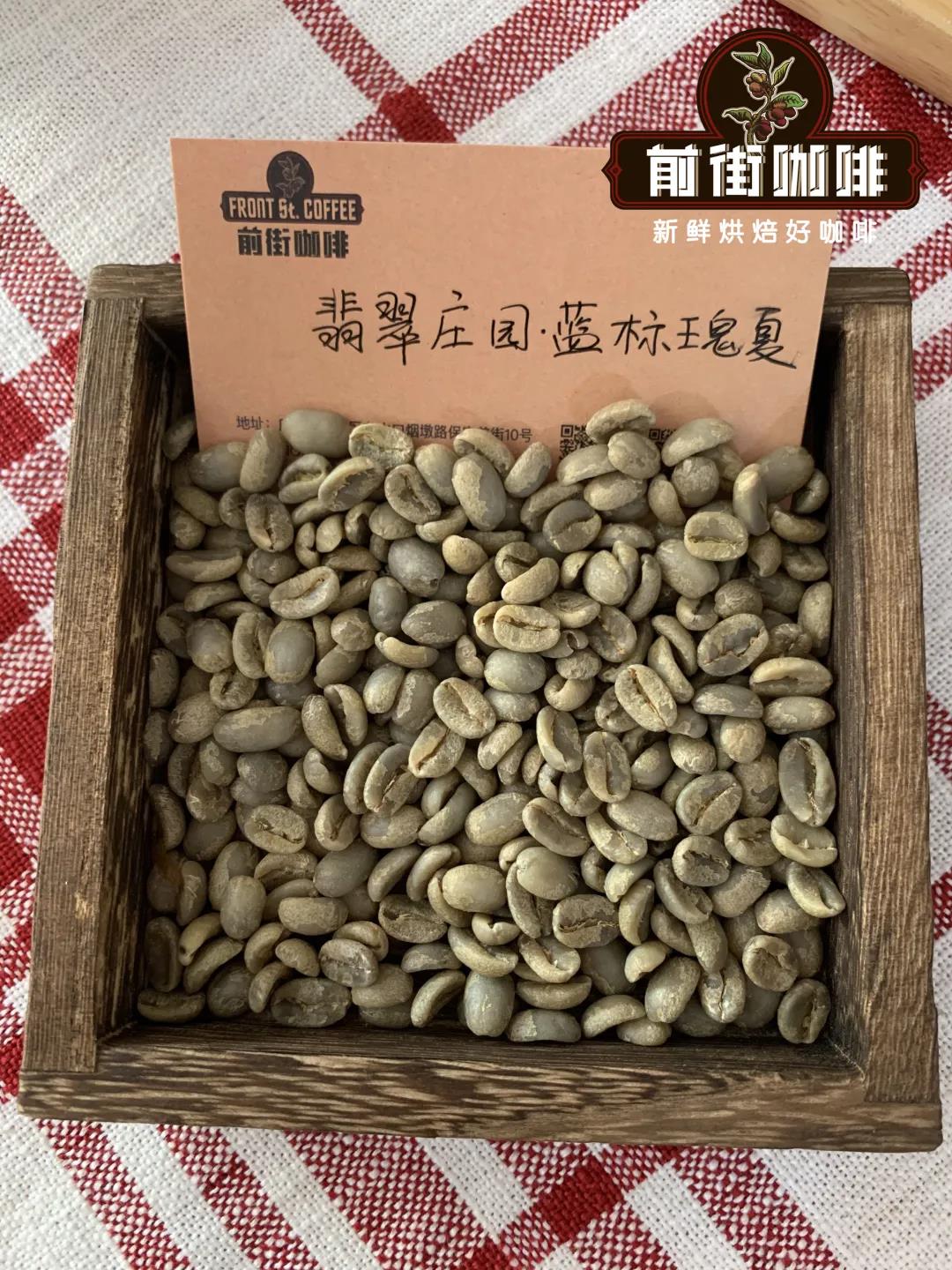
2. FrontStreet Coffee Panama Natural Blue Label Geisha Coffee Beans
Growing Origin: Panama, Boquete
Coffee Estate: Hacienda La Esmeralda
Coffee Grade: Blue Label
Altitude: 1500 meters
Variety: Geisha
Processing Method: Natural processing
Flavor: Peach, floral, cantaloupe, strawberry
3. FrontStreet Coffee Hacienda La Esmeralda Red Label Geisha Coffee Beans
Region: Boquete
Estate: Hacienda La Esmeralda
Altitude: 1700 meters
Processing Method: Natural processing
Variety: Geisha
Flavor: Lemon, honey, berries, orange peel, cream, citrus

4. FrontStreet Coffee Panama Elida Estate Coffee Beans
Region: Panama Boquete region
Estate: Elida Estate
Altitude: 1850 meters
Variety: Catuai
Processing Method: Natural
Flavor: Fermented fruit acidity and jasmine floral notes, with peach and orange acidity on entry, noticeable cane sugar sweetness, overall refreshing and sweet profile

5. FrontStreet Coffee Panama Hartmann Coffee Beans
Region: Volcán region
Altitude: 1250-1700 meters
Processing Method: Wine processing method
Variety: Catuai
Estate: Hartmann Estate
Flavor: Rich wine aroma, high sweetness, lively and bright acidity, with more prominent brown sugar flavors when cooled

6. FrontStreet Coffee Panama Jenson Geisha Coffee Beans
Region: Volcán region
Processing Method: Natural
Annual Rainfall: 3000mm
Soil: Volcanic soil
Flavor: Delicate berry notes, clean mouthfeel, honey, lychee flavors
FrontStreet Coffee Panama Geisha Pour-Over Parameters
Recommended Brewing Method: Pour-over
Dripper: Hario V60
Water Temperature: 90-92°C
Grind Size: Medium-fine (80% pass-through rate on China standard #20 sieve)
Coffee-to-Water Ratio: 1:15
Brewing Technique
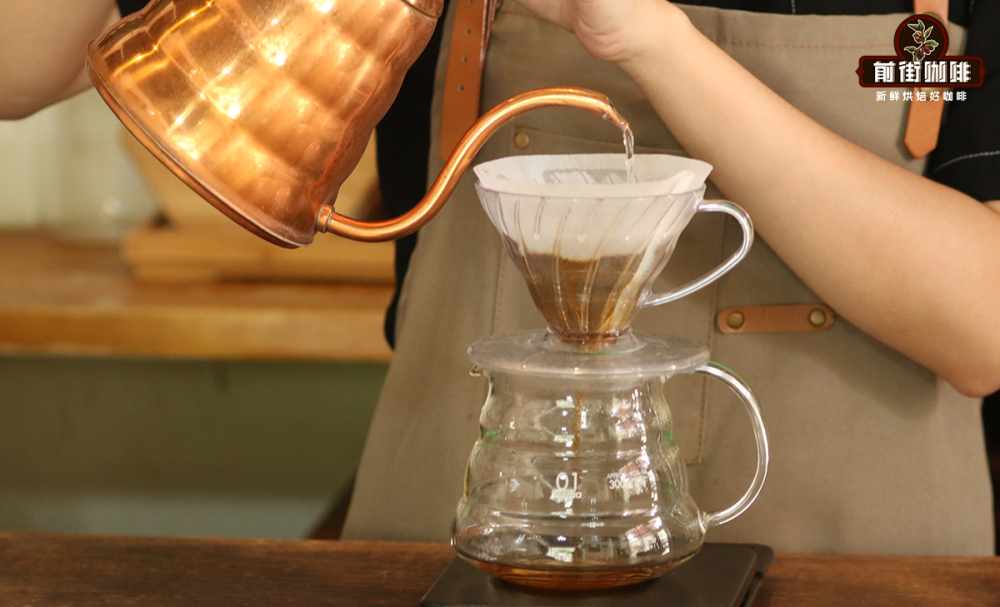
Step-by-step extraction: 30g water for a 30-second bloom, then pour with a small water flow to 130g for the first stage. When the water level is about to expose the coffee bed, continue pouring to 225g to finish. When the water level is about to expose the coffee bed again, remove the filter cup. (Timing starts from the bloom.) Total extraction time is approximately 1 minute 50 seconds.
FrontStreet Coffee Recommendation
For a first serious Geisha, FrontStreet Boquete Geisha is the natural starting point — a single-origin Panamanian cup with white floral aroma, citrus, melon, honey and a caramel finish. Step up to FrontStreet Hacienda La Esmeralda Red Label Geisha and you get the estate's top tier: a 1700-meter lots selection with lemon, honey, berries, orange peel and cream. Brew either as a pour-over with 15 g of coffee, Hario V60, water at 90-92°C and a 1:15 ratio. Bloom with 30 g for 30 seconds, pour to 130 g, then finish at 225 g, removing the dripper as the bed exposes. Total extraction runs about 1 minute 50 seconds.
Important Notice :
FrontStreet Coffee is a long-established specialty coffee roaster in Guangzhou China, selling freshly roasted beans from its own farm in Yunnan as well as dozens of carefully selected single-origin beans from around the world for both pour-over and espresso. The products deliver consistently excellent quality and great value, with shipping within 24 hours. Guangzhou's FrontStreet Coffee shop is recommended by many coffee lovers, and the beans are now available online at the Tmall 。
FrontStreet Coffee has moved to a new address:
FrontStreet Coffee Address: 315,Donghua East Road,GuangZhou
Tel:020 38364473
 Scan and follow the En Gafei WeChat official account. Please indicate that the reprint comes from "En Gafei".