What Does Yirgacheffe Natural Process Aricha G1 Taste Like & How to Brew Yirgacheffe Coffee
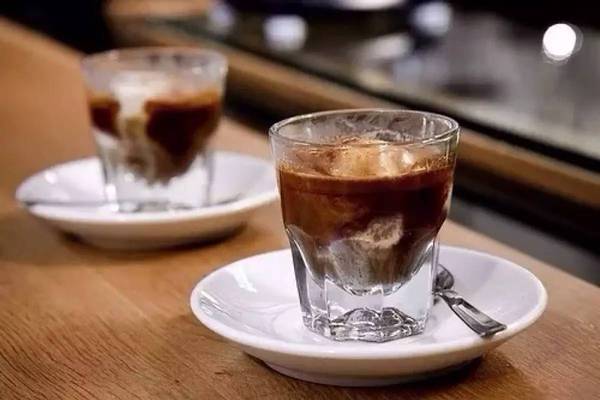
Pour-Over Recipe: Natural Yirgacheffe Aricha
Use 15g of coffee at a medium-fine grind (setting 3.5 on the Fujiyama "ghost tooth" burr grinder), a V60 dripper, and water at 90-92°C. Start with a 30g bloom and wait 27 seconds. Pour up to 105g, then pause. Once the water level in the bed drops to half, pour slowly again until the total reaches 225g, then cut the tail end. Water-to-coffee ratio: 1:15; total extraction time: about 2:00.
The Origins of Yirgacheffe
Yirgacheffe's coffee trees were first tended by European monks—much as Belgian monks grew grain for beer—before cultivation passed to farmers and cooperatives. Yirgacheffe is really a constellation of coffee communities, including Idido near Misty Valley, Harfusa, Hama, and Beloya. Most use washed processing, though a small share of exceptional lots is deliberately sun-dried as naturals to amplify fruit aromatics and body. These mountain villages sit wrapped in mist with spring-like weather year-round—cool summer breezes, rain without oppressive humidity, winters without frost—which creates the region's signature citrus-and-floral character. Most coffee grows in farmers' backyards or intercropped with food crops, yielding only small amounts per household: pastoral coffee in the truest sense. Award-winning Yirgacheffes come almost exclusively from these villages and communities.
Coffee Details
Processing Method: Natural
Ethiopian Yirgacheffe Aricha G1
Country: Ethiopia
Grade: G1
Region: Yirgacheffe, Gedeo
Altitude: 1900-2100 meters
Variety: Heirloom
Producer: Kebel Aricha
Flavor Notes: Light fermented wine aroma, sweet orange, spice, honey sweetness
About Project Origin
Sasa Sestic, the 2015 World Barista Champion, launched a green-bean sourcing project called Project Origin with his team at ONA Coffee. The project works directly with coffee farmers in poorer regions, improving growing conditions and paying 20% above fair-trade prices. The idea is also to tighten the bond between roasters and growers while guiding farmers toward higher-quality production. To date, Sasa has built relationships with growers in eight countries, including Brazil, Panama, India, Ethiopia, El Salvador, and Costa Rica.
Flavor Description
A light fermented wine aroma opens the cup, followed by jujube dates, sweet citrus, dark berries, lychee, starfruit, peach, nectarine, and longan; honey sweetness and cocoa with a whisper of spice, a full body, and a long, persistent aftertaste.
About This Batch
This Yirgacheffe was produced at the Kebel Aricha washing and drying station, where roughly 650-700 smallholder farmers from the surrounding area deliver ripe cherries for processing and same-day payment. After the station sorts usable cherries, they go straight onto raised beds to sun-dry. For the first few days, workers turn the cherries every 2-3 hours to prevent over-fermentation. After four to six weeks of drying—depending on weather and temperature—the dried pulp is stripped off mechanically and the beans travel to Addis Ababa for storage. Naturals are typically stored in parchment and hulled just before export to protect green-bean quality. The ECX graded this natural Aricha G1—the highest grade—top marks in green appearance, consistency, freshness, dry fragrance, and flavor. If you love bright acidity and rich berry fruit, do not miss it.
How Yirgacheffe Is Graded
Yirgacheffe splits into two main tracks by processing method:
Track A: Washed coffees, graded under Specialty Coffee Association standards as Gr-1 and Gr-2—the lower the number, the higher the grade. G1 washed Yirgacheffe has a unmistakable style: citrus and floral notes woven through a clean, light body that no one resists.
Track B: Naturals, graded Gr-1, Gr-3, Gr-4, and Gr-5. The top G1 natural is a fruit-bomb; opening a bag of freshly roasted G1 natural Yirgacheffe upends most people's very idea of what coffee tastes like. Only after tasting a top-grade natural Yirgacheffe do you believe that coffee is, at heart, a fruit.
FrontStreet Coffee Recommendation
Aricha is one of Yirgacheffe's most celebrated sub-regions, and FrontStreet Coffee's own Ethiopia range shows off the same terroir at friendly prices. The FrontStreet Washed Yirgacheffe everyday lot is the classic gateway—white jasmine, bright citrus and lemon acidity, and a tea-like finish—at one of the highest growing elevations in the world (coffee here is planted above 1,800 meters). For a washed lot with pedigree, the FrontStreet Idido (Gotiti) Cooperative from the Worka area in Yirgacheffe's southeast—the cooperative went independent in 2012 with about 300 member farmers—is pulped before drying, giving exceptionally clear notes of citrus, lemon, and elegant white florals.
If the natural side of Aricha is what draws you, the FrontStreet Red Cherry Project natural delivers exactly that experience: only fully ripe cherries are selected, dried three to five weeks on raised beds and turned every 2-3 hours at first to prevent over-fermentation. Because the fruit dries intact, the cup keeps classic Yirgacheffe character while adding tropical naturals sweetness—citrus acidity, berry juice, honeyed sweetness, and cream-smooth body. Brew either with the V60 at 90-91°C, 15g dose, 1:15 ratio, a medium-fine grind passing 80% on a #20 sieve, a 30-second 30g bloom, then pours to 125g and 225g for a 2:00-2:10 extraction.
Important Notice :
FrontStreet Coffee is a long-established specialty coffee roaster in Guangzhou China, selling freshly roasted beans from its own farm in Yunnan as well as dozens of carefully selected single-origin beans from around the world for both pour-over and espresso. The products deliver consistently excellent quality and great value, with shipping within 24 hours. Guangzhou's FrontStreet Coffee shop is recommended by many coffee lovers, and the beans are now available online at the Tmall 。
FrontStreet Coffee has moved to a new address:
FrontStreet Coffee Address: 315,Donghua East Road,GuangZhou
Tel:020 38364473
 Scan and follow the En Gafei WeChat official account. Please indicate that the reprint comes from "En Gafei".