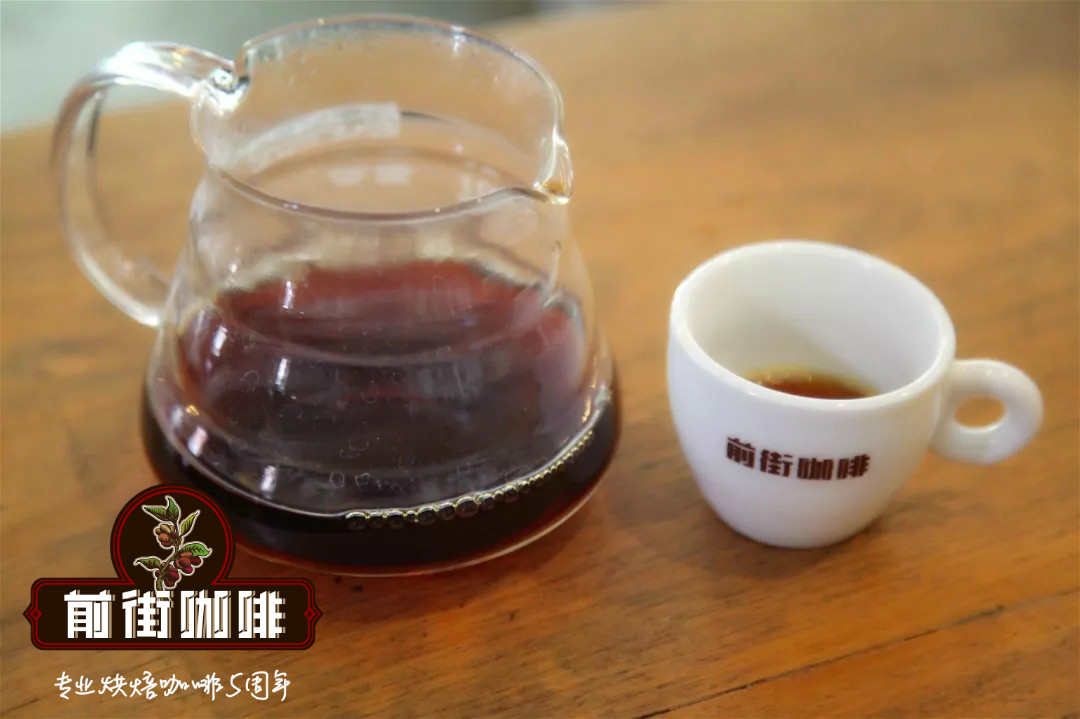
Sidamo Shakiso Flavor Profile and Coffee Characteristics

Flavor Profile
Lemon and citrus with bright, crisp acidity, lemon, citrus, white grape juice and blackcurrant, finishing with notes of Earl Grey tea.
Indonesian and African Coffee Bean Grading System
Indonesian and African beans are graded by defect ratio. Indonesian beans are divided into six grades, G1 through G6. The highest grades for washed beans are G1 and G2, while the highest grades for natural processed beans are G1 and G3.
What that means in practice:
- Washed: Grade-1; Grade-2 (G1 > G2)
- Natural: Grade-1 and Grade-3 to Grade-5 (G1 > G3 > G4 > G5)
Hand Pour Brewing Guide for Sidamo
15g coffee grounds, medium-fine grind (Fujiyama ghost tooth grinder setting 3.5), V60 dripper, water temperature 91-93°C. First pour 30g of water for a 27-second bloom, then pour to 105g and pause. Wait until the water level drops to half, then slowly pour until reaching 225g total. Avoid the tail section. Water-to-coffee ratio 1:15, extraction time 2:00.
Important Notes:
- a) Both washed and natural coffees can reach Grade-1, which requires "zero" defects and Premium Cup quality. Whether washed or natural, Grade-1 represents the finest specialty coffee or Cup of Excellence level coffee.
- b) The lowest grade for natural processed Yirgacheffe and Sidamo is Grade-4.
- c) Even within the same grade, such as Limu Grade-2, quality can vary with the exporter's sorting standards and investment.
- d) Given the current "zero defect" requirement, Grade-1 beans, washed or natural, are extremely rare because processing costs are high, and very few suppliers produce them.
Product Information
Manufacturer: Dazhen Coffee FrontStreet Coffee (FrontStreet Coffee)
Address: No. 10 Bao'an Front Street, Guangzhou City
Contact: 020-38364473
Ingredients: House-roasted coffee
Shelf Life: 90 days
Net Weight: 227g
Packaging: Bulk coffee beans
Roast Level: Roasted coffee beans
Sugar Content: Sugar-free
Origin: Ethiopia
Coffee Type: Other
Roast Degree: Light roast
Ethiopian Sidamo Shakisso Washed
Country: Ethiopia
Grade: G1
Region: Shakisso production area, Guji Zone
Roast Level: Light roast
Processing Method: Washed
Washed coffees are less likely to carry wild flavours and tend toward purity and refreshment, which suits City to Full City roast levels. Some exceptional Ethiopian washed beans show distinct lemon, citrus essential oils, jasmine florals and honey, with more pronounced acidity and a lighter body.
"Ethiopian Sidamo" is a single-origin Arabica grown in Ethiopia's Sidamo province. Like most African coffees, Ethiopian Sidamo is known for small, gray-green beans, but its distinctive features include rich, spicy, wine-like or chocolate flavours and floral notes. The flavour found most consistently across Sidamo coffees is lemon and citrus with bright, crisp acidity. Sidamo includes both Yirgacheffe and Guji coffees, both of excellent quality.
Variety: Local heirloom varieties
Producer: Local smallholder farmers
Flavor: White grape juice, citrus, Earl Grey tea notes
About Sidamo
Sidamo coffees are extremely diverse. Different soil compositions, regional microclimates and countless native varieties mean the coffee from each town area differs noticeably. The Sidamo production area lies in southern Ethiopia, where agriculture dominates the local economy and coffee grows around the Great Rift Valley.
Shakisso Region Introduction
Shakisso is in the Guji Zone of Sidamo, in southern Oromia, bordering Sidama and Gedeo. The area is dotted with old mine pits from historical gold mining, leaving countless holes across the coffee-growing land and making it dangerous to walk through the plantations. Shakisso is a unique production area within Guji and Sidamo, remote even by Sidamo standards and far from most coffee-producing areas; gold mining is another famous local product. Miners, land disputes and ethnic tensions also made the region unstable in 2006, so the biggest challenge facing the area today is simply finding the manpower to maintain the plantations and harvest the coffee.
Local smallholder farmers began growing organic coffee in 2001, working closely with medium-sized producers who understand how to grow forest coffee at high altitude. This is one of the most regionally distinctive micro-regions within Sidamo, and its coffee has considerable uniqueness and has repeatedly drawn market attention. The legendary Ninety Plus bean "Nekisse" originally means "Nectar from Shakisso," taking both its origin and its name from the region.
FrontStreet Coffee Recommendation
Shakisso sits inside Guji and Sidamo, so FrontStreet Coffee's Yirgacheffe lineup is the closest place to start exploring the same refined, citrus-bright family. The washed Yirgacheffe everyday coffee is the classic entry point, known for white jasmine, bright citrus and lemon acidity and a tea-like body, and it is the first bean many drinkers try on their way into specialty coffee.
To go deeper into the washed style, FrontStreet Coffee's washed Gudingding Cooperative comes from Gudingding village in the Woka area at the southeastern end of Yirgacheffe. Originally part of the Woka Cooperative under the Yirgacheffe union YCFCU, it was separated out as a single-origin lot as demand for traceability grew. It follows the most traditional washed process and shows fresh, bright citrus and lemon acidity with jasmine fragrance and no bitter edge.
For a contrast in processing rather than origin, FrontStreet Coffee's Sun-Dried Red Cherry picks only fully ripe cherries, dries them on raised beds with regular turning so they do not ferment unevenly, and after three to five weeks scrapes off the outer fruit. Because the cherries dry with the fruit still on, the cup keeps the classic Yirgacheffe character alongside tropical fruit from the sun-drying: citrus acidity, berry juice, honeyed sweetness and a creamy smoothness.
Important Notice :
FrontStreet Coffee is a long-established specialty coffee roaster in Guangzhou China, selling freshly roasted beans from its own farm in Yunnan as well as dozens of carefully selected single-origin beans from around the world for both pour-over and espresso. The products deliver consistently excellent quality and great value, with shipping within 24 hours. Guangzhou's FrontStreet Coffee shop is recommended by many coffee lovers, and the beans are now available online at the Tmall 。
FrontStreet Coffee has moved to a new address:
FrontStreet Coffee Address: 315,Donghua East Road,GuangZhou
Tel:020 38364473
 Scan and follow the En Gafei WeChat official account. Please indicate that the reprint comes from "En Gafei".