Indonesia PWN Gold Mandheling Pour-over Data and Brewing Guide
FrontStreet Coffee PWN Golden Mandheling
PWN Golden Mandheling
Country: Indonesia
Grade: G1 · 3 times hand-selected
Company: PWN
Region: Sumatra Island
Process: Washed (semi-washed/wet-hulled)
Altitude: 1100-1600 meters
Flavor: Toasted bread, nuts, pine, caramel, herbs
Mandheling
Mandheling goes by many names on the market: Lindong Mandheling, Golden Mandheling, Dingshang Golden Mandheling, Tiger Mandheling, Mahan Mandheling, Emerald Mandheling. In fact, Mandheling is not a region, a place name, a port, or a coffee variety-the name is a phonetic corruption of the Indonesian Mandheling ethnic group.
Mandheling splits into various regional lots, such as FrontStreet Coffee's Lindong Mandheling and FrontStreet Coffee's Golden Mandheling. What separates them? Locals plant coffee widely across Sumatra and Indonesia's other islands, and nearly all of it gets called Mandheling. Different names distinguish Mandhelings from different regions and green bean suppliers.
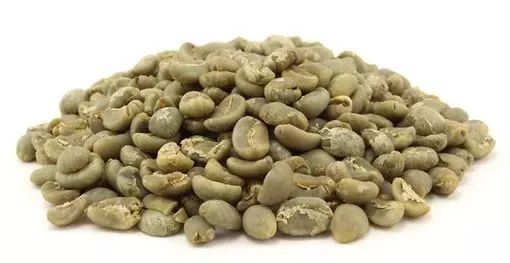
At the end of the 17th century, Typica was transplanted from India to Indonesia, and after centuries of cultivation a variant Typica developed in Sumatra-smaller than the original species but retaining its delicious taste. Mandheling beans are relatively large and hard, and defects crop up easily during cultivation, so they usually pass through strict manual selection after harvest. If that control is lax, quality turns inconsistent-and roast degree further changes the taste-which makes Mandheling one of the more divisive single origins.
Mandheling is also known as "Sumatra Coffee." Both Lake Toba in North Sumatra province and Lake Tawar in Aceh produce Mandheling-the famous "Two Lakes, Double Mandheling."
Lake Toba lies in central North Sumatra province. In 1888, Dutch colonists moved "Java Mandheling" north to the Lake Toba area, and the Lindong region of southern Sumatra and the area around Lake Toba together can all be called Mandheling. Lindong is the true heartland of Mandheling production, and Mandheling comes from the mountainous areas around Lake Toba-a high-altitude freshwater lake north of Medan, the capital of Sumatra, with an average elevation of about 900 meters. Broadly speaking, Mandheling refers to Typica or its variant beans grown around Lake Toba.
Lake Toba (Indonesian: Danau Toba, English: Lake Toba) is a volcanic lake in northern Sumatra. Diamond-shaped, it runs 100 kilometers long and 30 kilometers wide, covering 1130 square kilometers at an average altitude of about 900 meters-making it also the largest volcanic lake in the world.
Mandheling from the Lindong region has begun to be subdivided further. In recent years, lots named after specific areas (for example: Sidikalang, abbreviated as SDK Mandheling) have appeared on the market, and the meaning of "Lindong" has gradually narrowed to the producing area near Lintongnihuta.
About Lake Tawar
Lake Tawar sits in the Gayo mountainous area of northern Aceh province, Sumatra.
Aceh, at the northernmost tip of Sumatra, is a fascinating and complex place. Long-term political instability means it is not a region ordinary travelers visit. In the Gayo highlands, coffee is planted on the slopes surrounding the town of Takegon and Lake Tawar, at an average planting elevation of 1110-1300 meters.
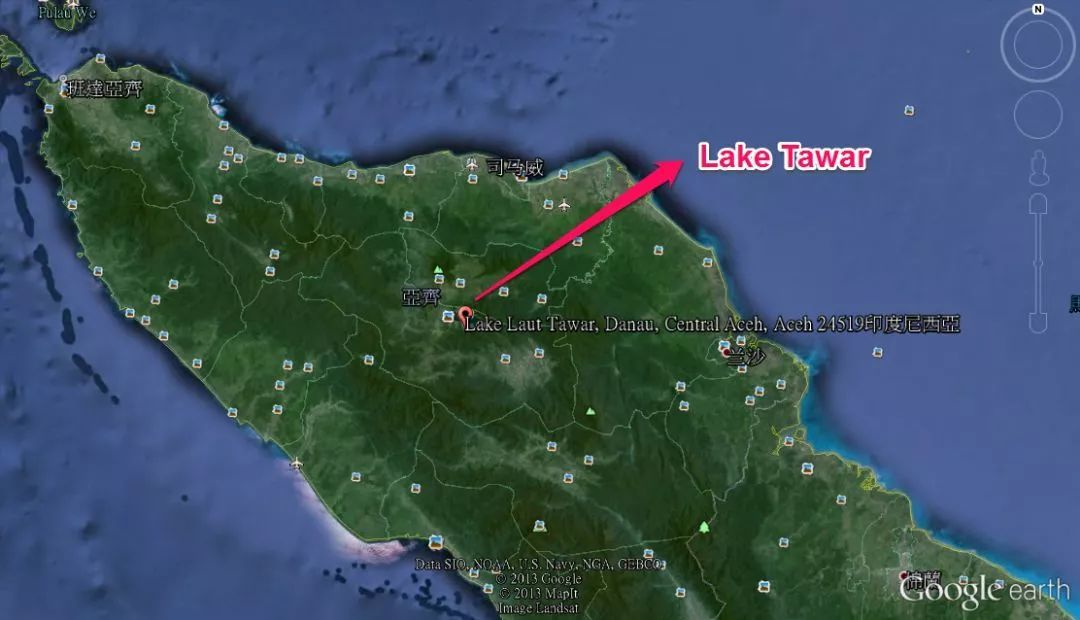
Lake Tawar lies in central Aceh Special Administrative Region, at the northern end of Sumatra. Most coffee from northern Sumatra is Gayo, mainly of the Ateng variety, and the coffee of the lake area can be called Aceh coffee or Lake Tawar coffee. Its surface area is less than one-tenth of Lake Toba's, yet in recent years its coffee quality and production have overtaken Lake Toba's.
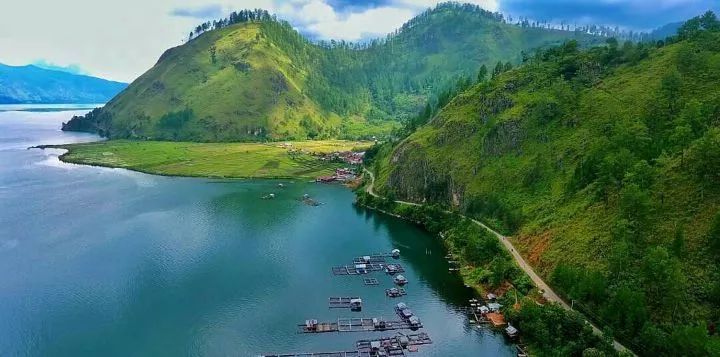
PWN Golden Mandheling
FrontStreet Coffee's Golden Mandheling comes from Mandheling acquired locally in Indonesia by the Pwani Coffee Company, which then registered the Golden Mandheling name-so Mandheling produced by this company is the authentic Golden Mandheling.
FrontStreet Coffee's Golden Mandheling is produced in the Lintong area of northern Sumatra, Indonesia. Harvesting is limited to fully manual, single-berry picking of fully ripe fruit, securing quality at the first selection. The cherries are processed by the SEMI-WASHED method and naturally sun-dried; after hulling they undergo another drying refinement, two green bean cleaning operations, and three Hand-Pick manual selection passes-strictly selected top-grade Mandheling, through and through.
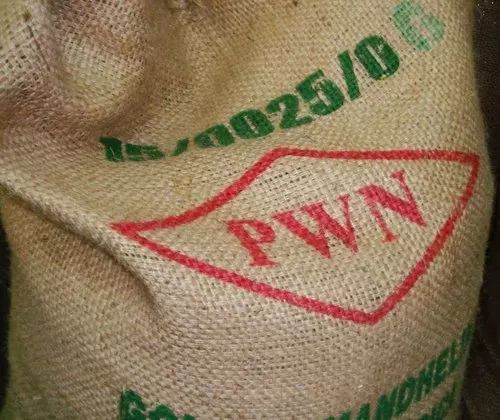
The "PWN" mark on Golden Mandheling is the abbreviation of the Indonesian Pawani Company, and its Golden Mandheling coffee is a registered Indonesian trademark.
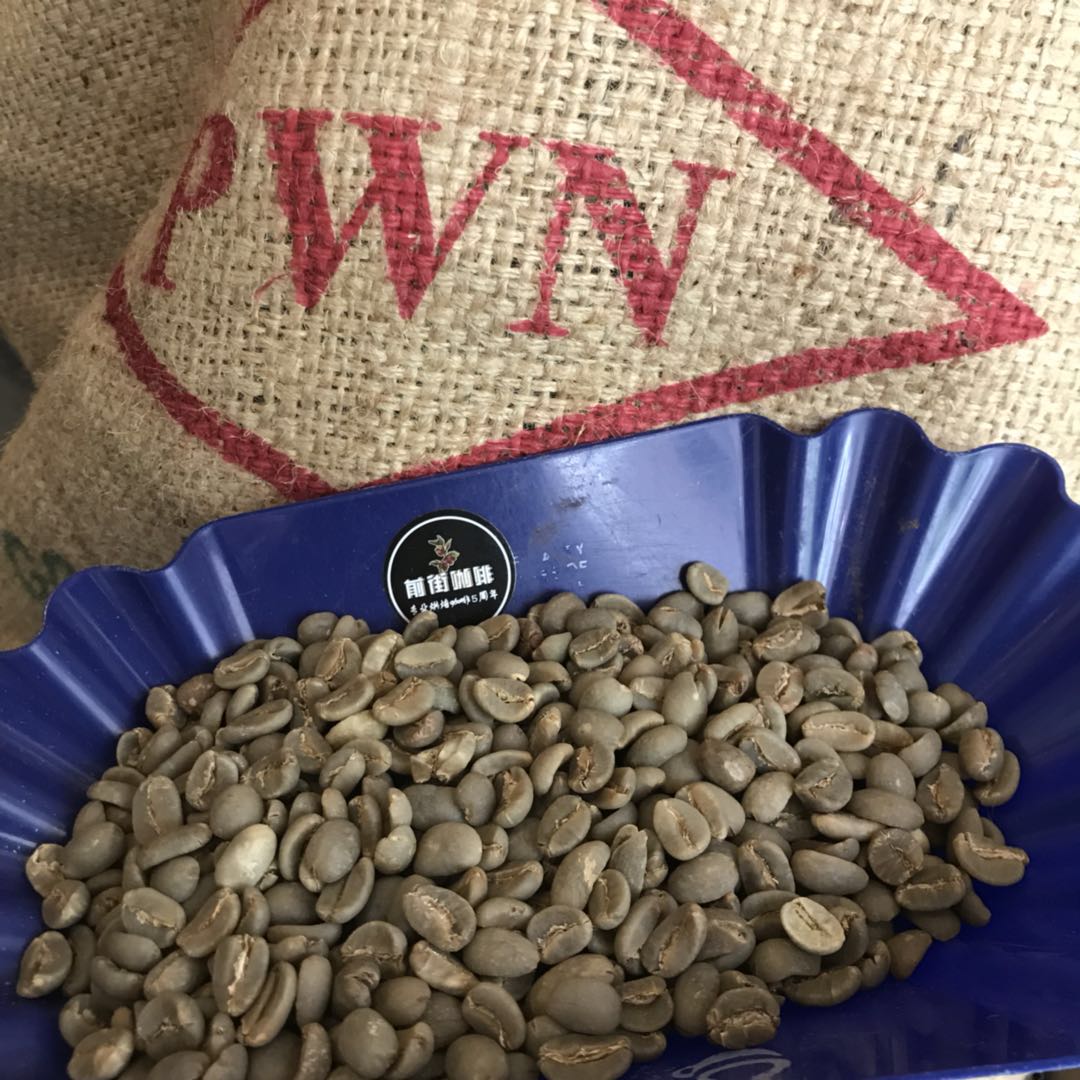
FrontStreet Coffee's Golden Mandheling differs visibly from ordinary Mandheling. The green beans go through 3 manual selections; they are larger, dark green, and neatly formed flat beans. In the cup, Golden Mandheling is rich and thick with honey and cream aroma-unique and irreplaceable in the coffee market.
What are the G1, G2, G3, G4 grading methods?
Indonesian coffee beans are graded by defect count. Indonesian beans divide into 6 levels, G1 through G6.
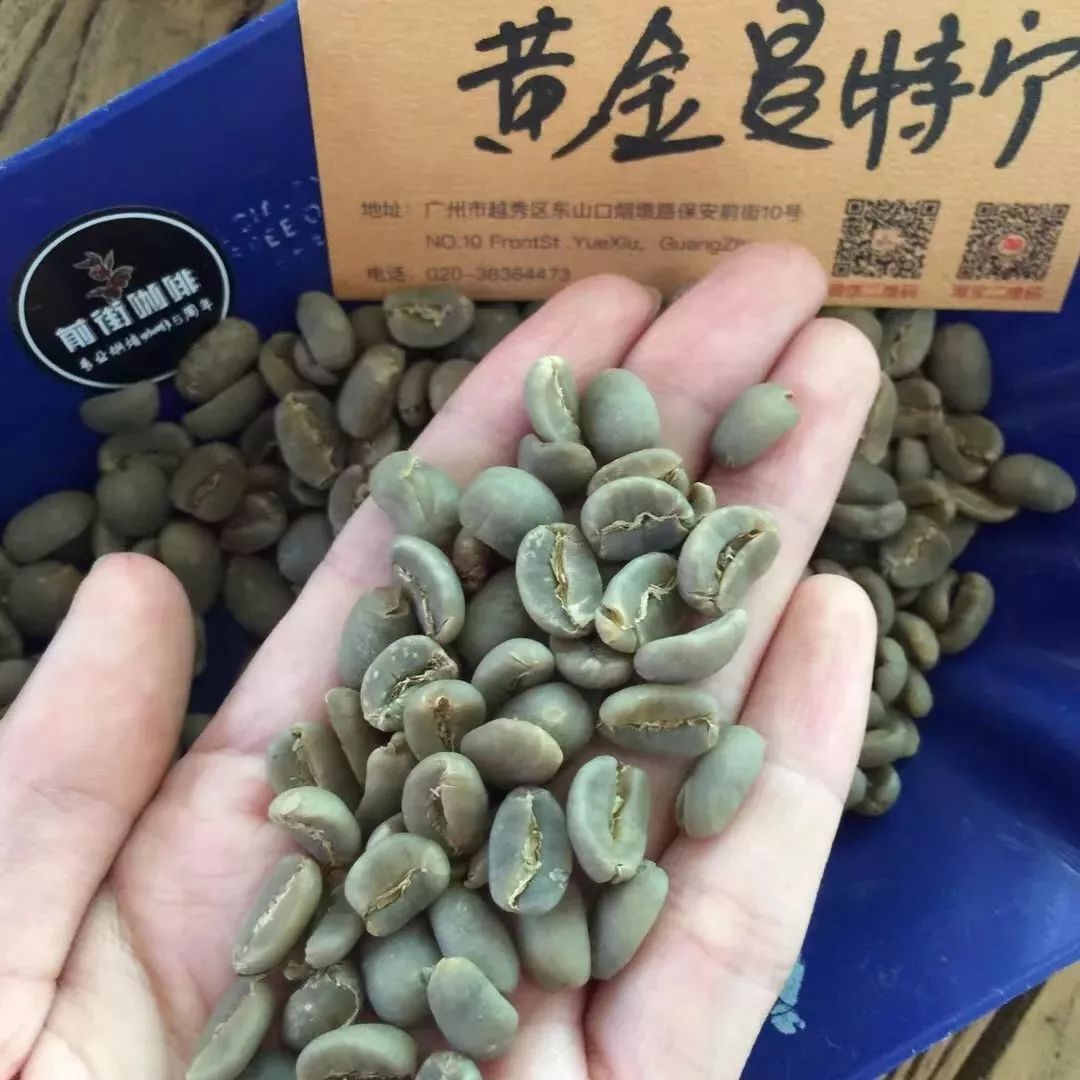
Roasting Analysis
FrontStreet Coffee's Golden Mandheling is a relatively high-moisture green bean with a higher deviation value than natural processed beans, so pay special attention during the dehydration phase. For high-moisture beans: close the air damper right after charging the beans and steam for 30 seconds, then open it to 3; once the beans turn light green or white, open the damper to 4; after first crack, open it to 5 (maximum).
FrontStreet Coffee recommends keeping good records before roasting: bean moisture content, density, origin, processing method, and the temperature and humidity of the roasting room-then plan your roast curve. Logging the chemical and physical changes during the roast helps you understand the final result and refine the curve.
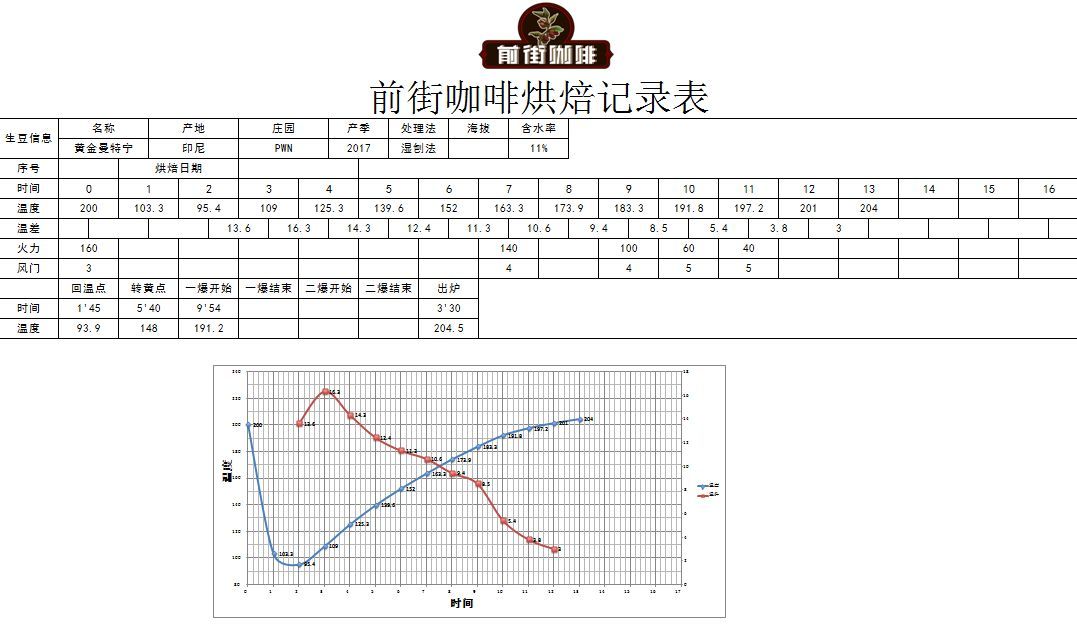
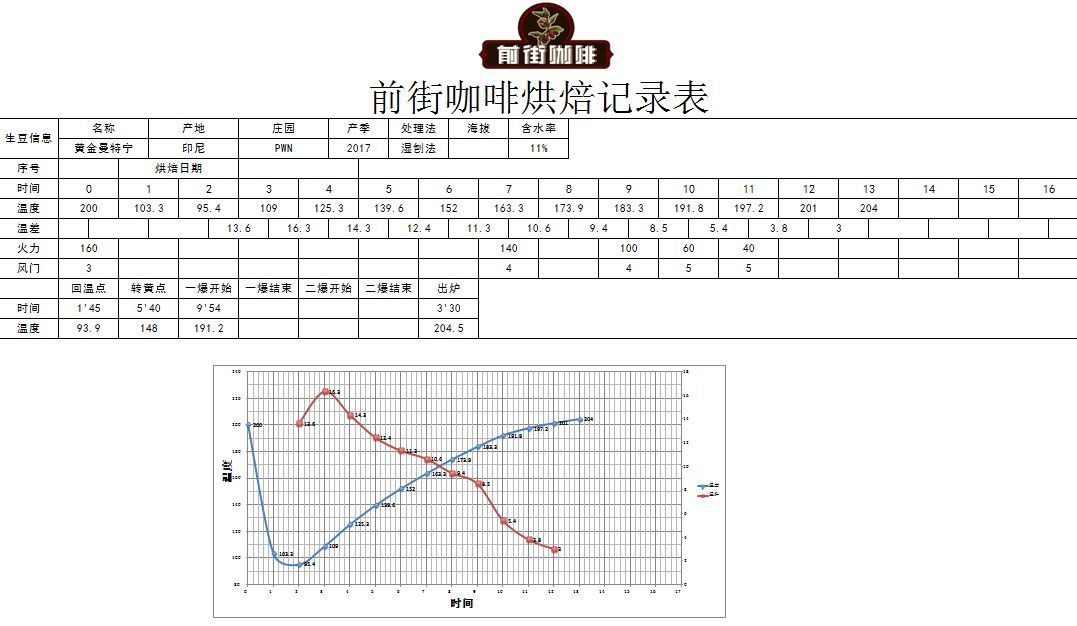
Roasting Curve:
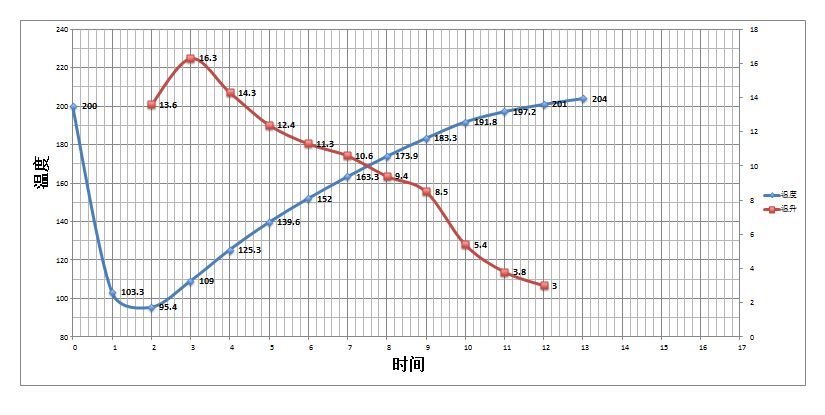
Preheat the roaster to 200°C and charge the beans with the air damper at 3. After 1 minute, cut heat to 160°C, damper unchanged. Roast to 5'40" at 148°C, when the bean surface turns yellow and the grassy smell disappears completely-dehydration done. Adjust heat to 140°C and the damper to 4.
At 9'40", ugly wrinkles and black spots appear on the bean surface and the toast smell shifts noticeably toward coffee aroma-the prelude to first crack. Listen carefully from here. At 9'54" first crack begins; adjust heat to 60°C with the damper fully open (make this adjustment carefully-heat should never drop so low that the crack falls silent). Drop the beans at 204.5°C.
Cupping Report:
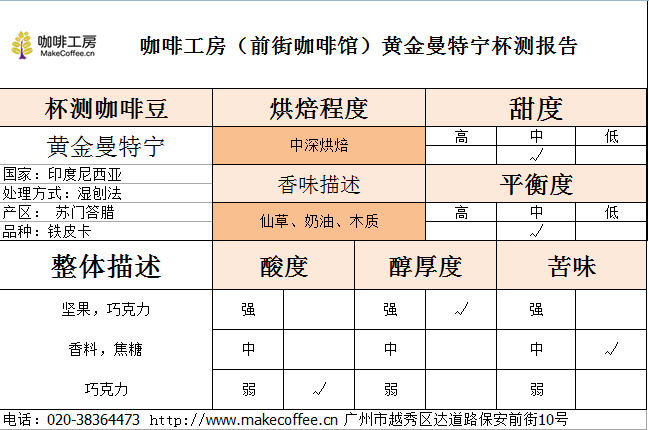
FrontStreet Coffee's Golden Mandheling tastes cleaner than FrontStreet Coffee's Lindong Mandheling. Mandheling's typical herbal, earthy, woody flavors have almost disappeared, while caramel sweetness runs stronger and the fruit acidity is brighter and more elegant. Generally, Lindong Mandheling is best roasted past second crack before dropping, which effectively suppresses off-flavors. Golden Mandheling, however, shows good clarity and sweetness whether dropped before or after second crack, leaving far more room for roasting interpretation.
We cup the two side by side to tell them apart: FrontStreet Coffee's Mandheling vs. FrontStreet Coffee's Golden Mandheling.
Coffee friends often ask: I'm a beginner-what's the difference between the Golden Mandheling and the Mandheling G1? I honestly can't taste it. For seasoned tasters with sensitive palates, tasting the two side by side reveals a very obvious contrast: the Golden Mandheling's sweetness, cleanliness, richness, and wild spice notes all edge out the standard Mandheling.
Cupping Process:
1. Grind the cupping samples to powder (grind level: BG: 3B)
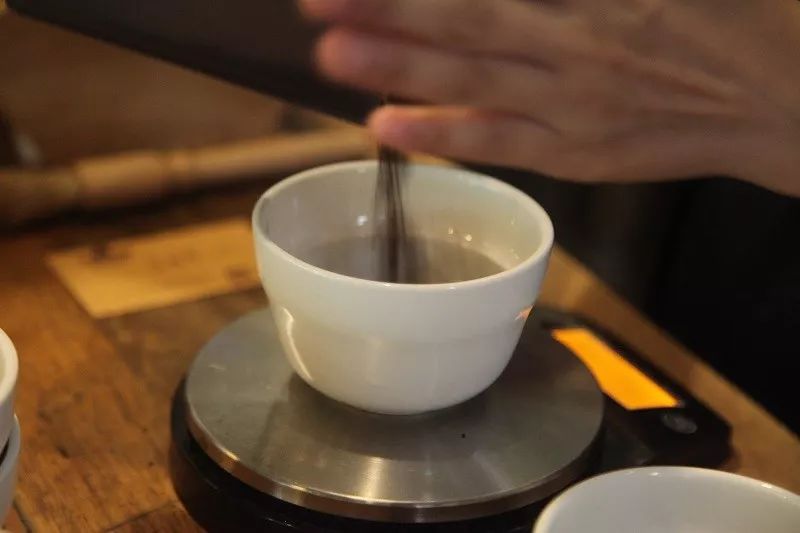
2. Smell the dry aroma
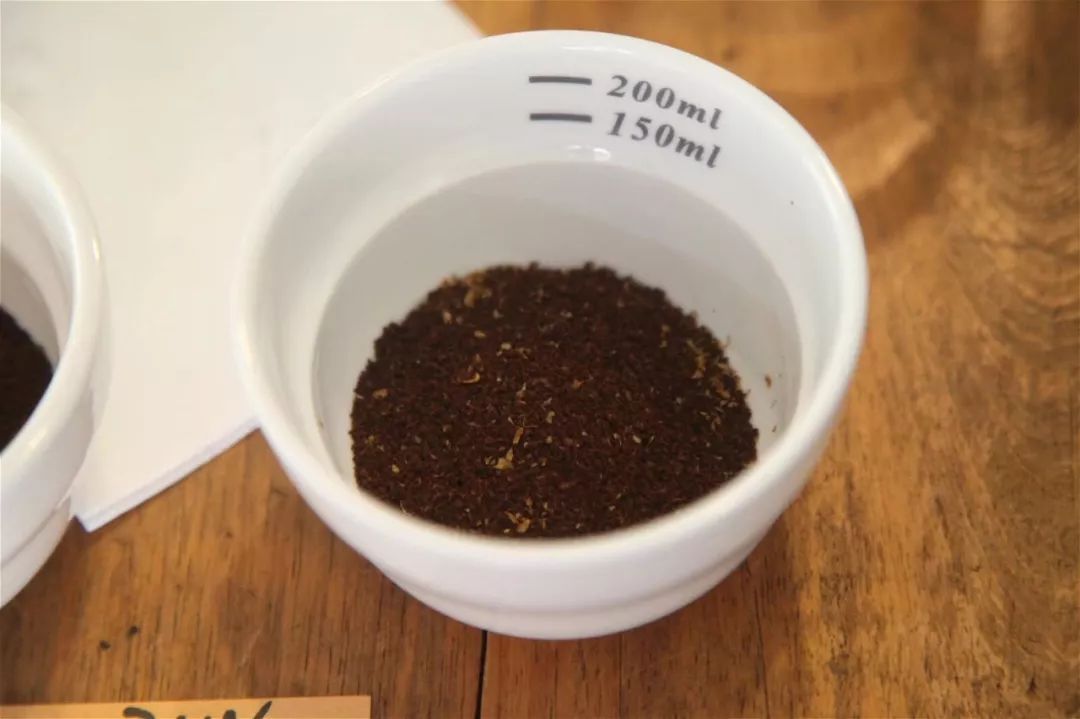
3. Pour hot water (94°C) into each cup until full and time 4 minutes
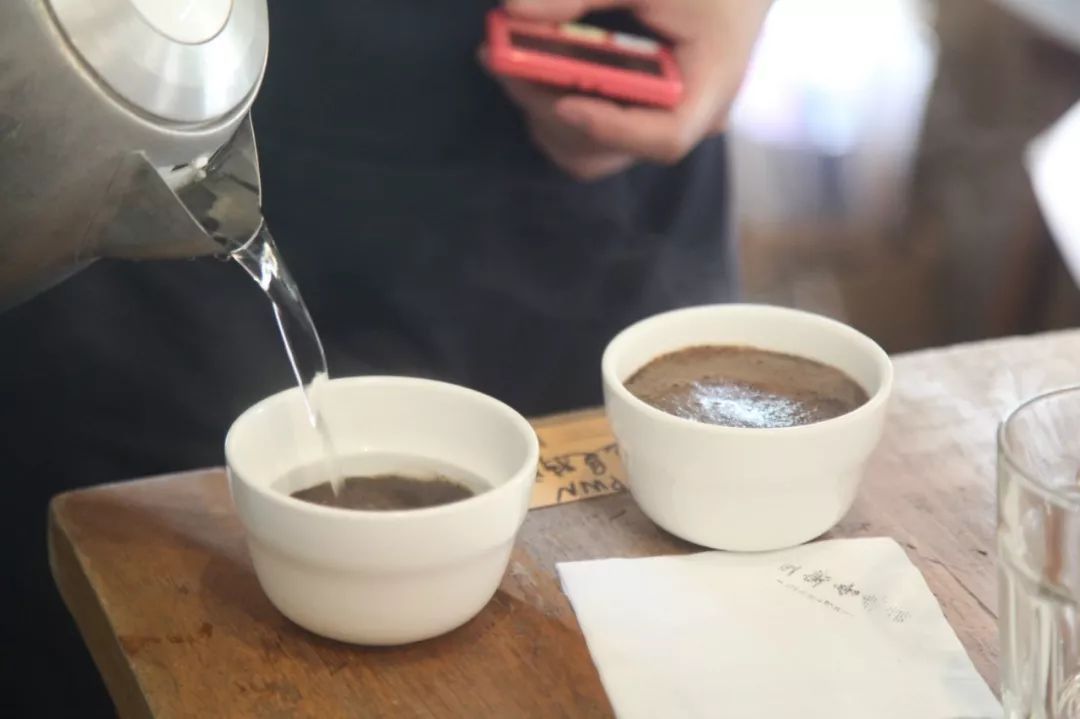
4. After 2 minutes have passed, smell the wet aroma
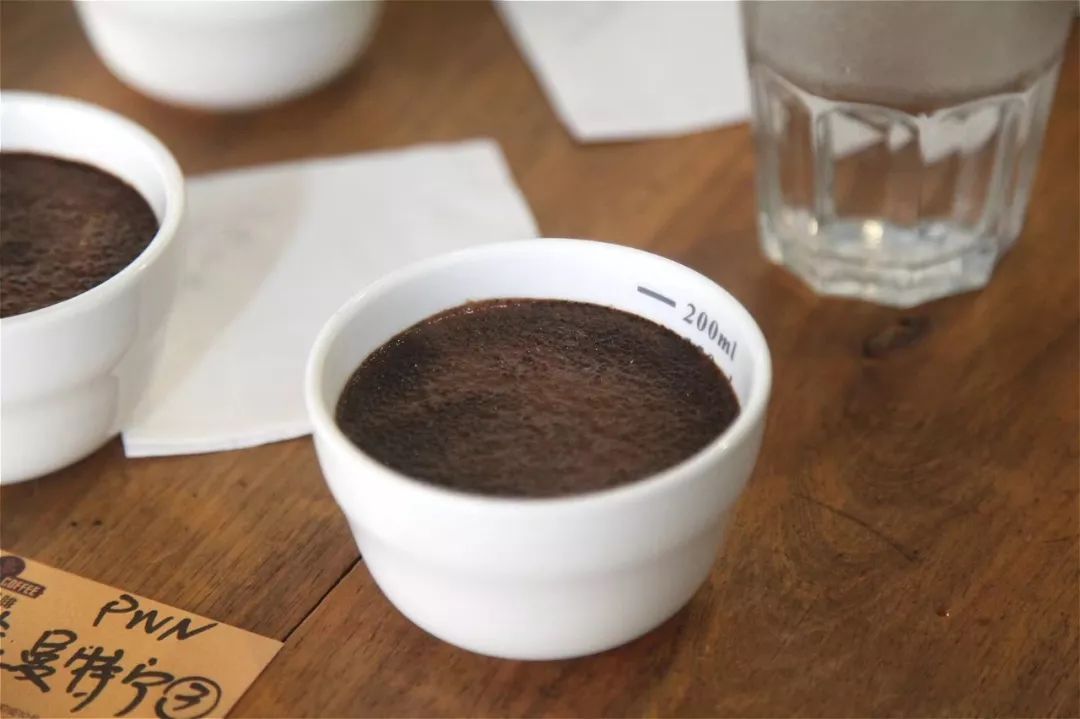
5. After 4 minutes, break the crust
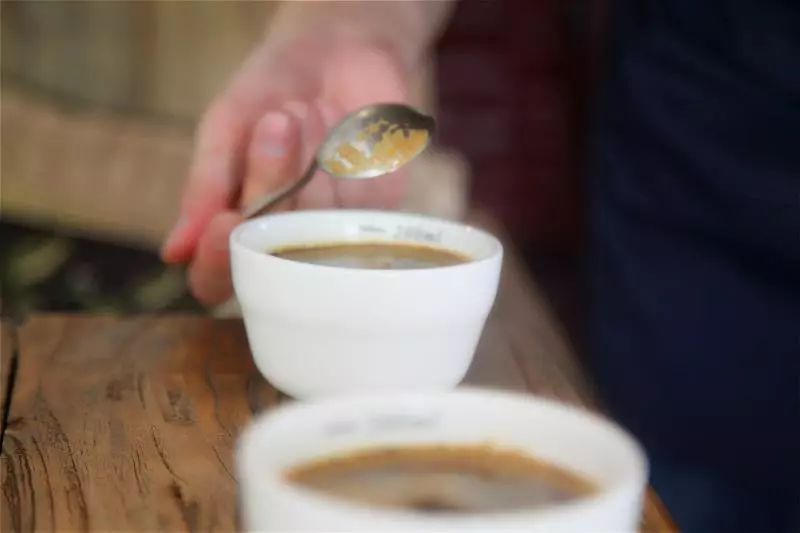
"Breaking the crust": use a cupping spoon to push back the floating grounds so the aroma trapped underneath bursts out and you can judge the coffee's aromatics. Stir gently with the spoon for about 3 circles and let it stand for 2 minutes.
6. After 2 minutes, skim the grounds
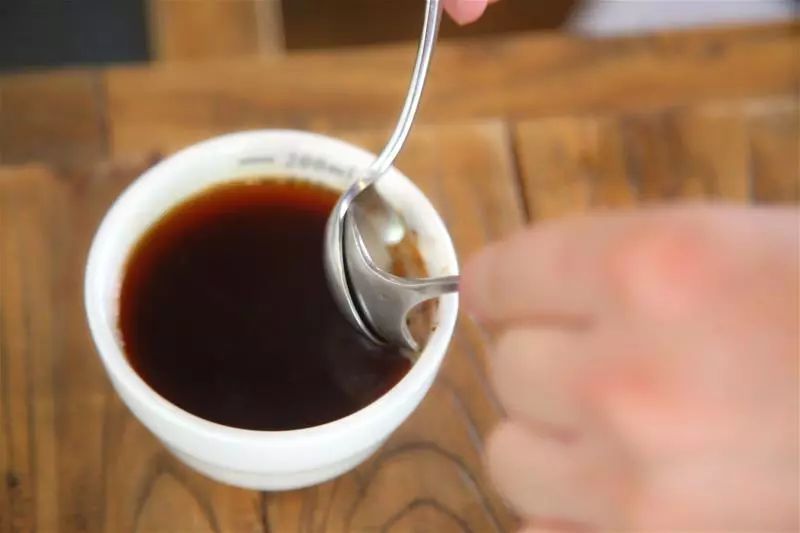
"Skimming the grounds": scoop away the surface foam with the cupping spoon, cleaning the spoon after every scoop so no off-tastes carry into the coffee.
7. Scoop up coffee with the cupping spoon and slurp. Slurping sprays the coffee into a fine mist across the palate, letting the flavor molecules express themselves more clearly.
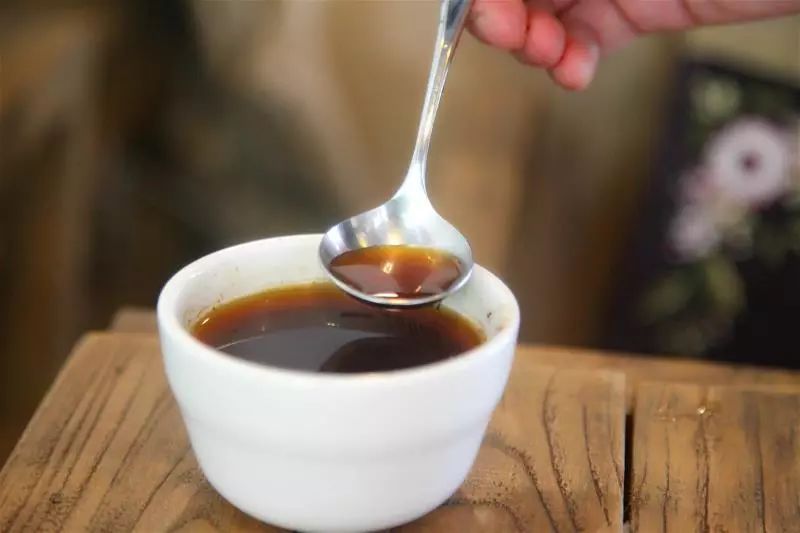
8. Spit the coffee into the spittoon.
Mouthfeel:
Compared with ordinary Mandheling, FrontStreet Coffee's Golden Mandheling is naturally much cleaner. Tiger Mandheling, meanwhile, edges out even Golden Mandheling in cleanliness and sweetness, because it lacks some of Mandheling's signature wild herbal spice-making it far easier to drink.
FrontStreet Coffee's Golden Mandheling: Nuts, chocolate, spices, herbs, caramel. It tastes cleaner than FrontStreet Coffee's Lindong Mandheling-the typical herbal, earthy, woody flavors have almost vanished, while caramel sweetness runs stronger and the fruit acidity is brighter and more elegant.
FrontStreet Coffee's Golden Mandheling:
Sweetness: ☆☆
Acidity: ☆
Bitterness: ☆☆
Balance: ☆☆
Tiger Mandheling:
Sweetness: ☆☆☆
Acidity: ☆
Bitterness: ☆☆
Balance: ☆☆
Cupping Flavors:
Brewing Analysis
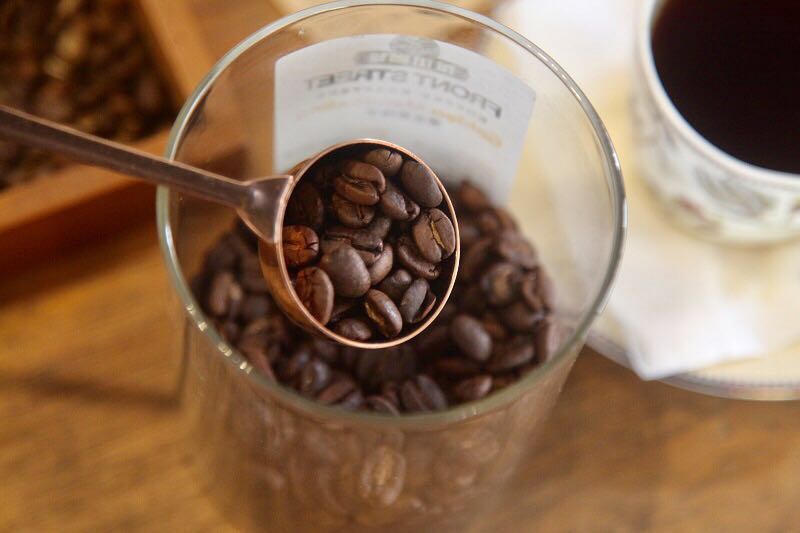
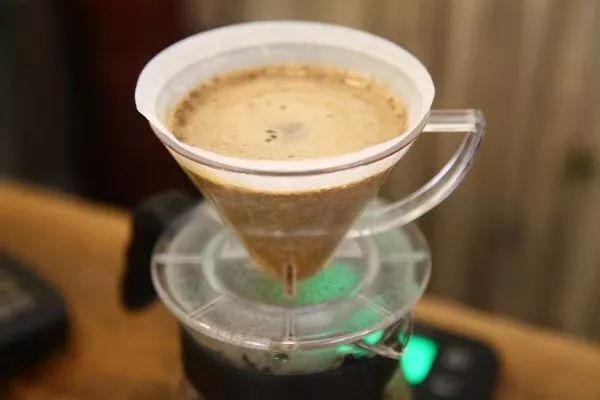
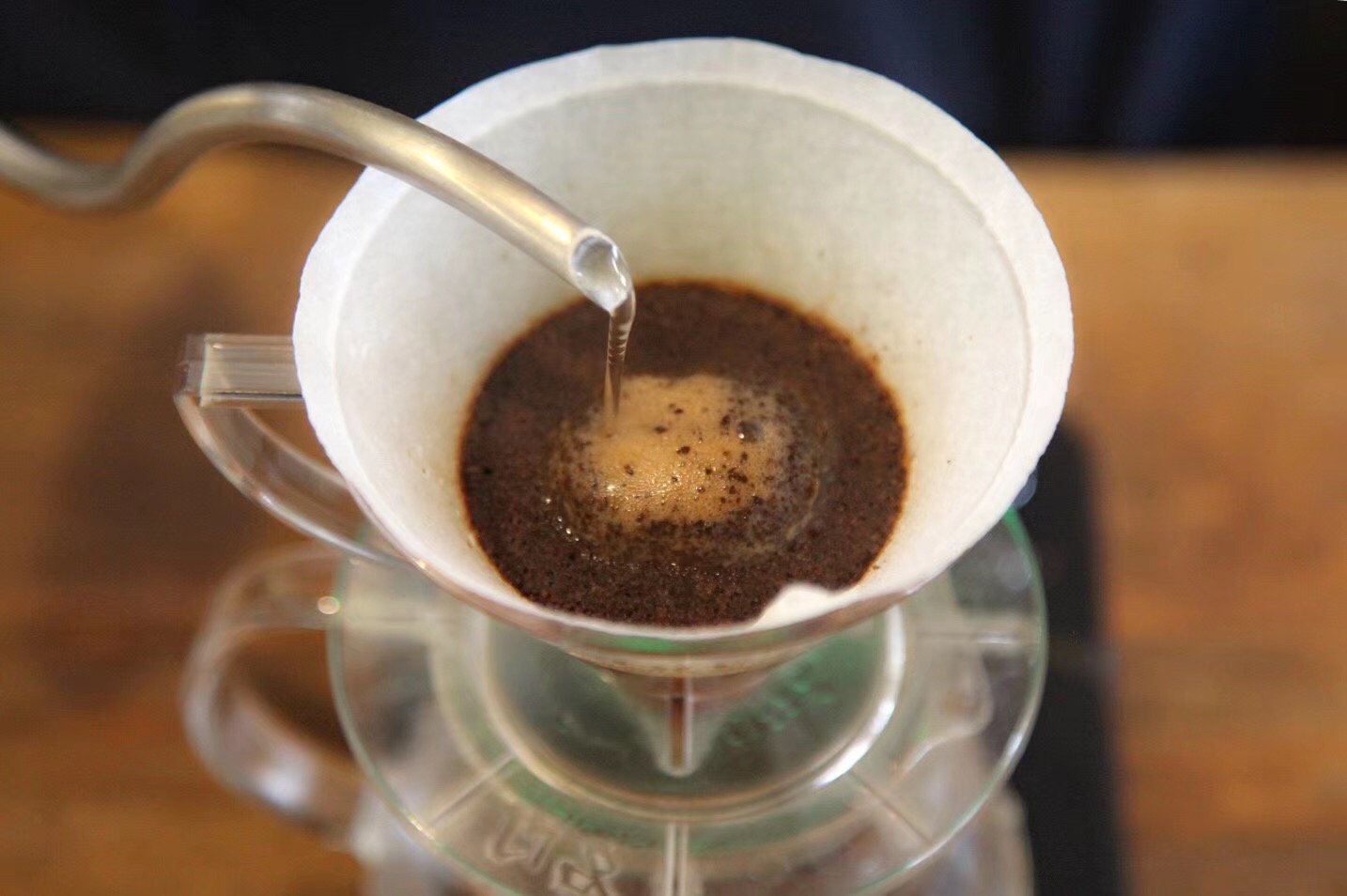
Medium-dark roasted beans lose more water in the roast and are therefore lighter in weight. During brewing the grounds don't fully sink to the bottom; when water first hits, it is absorbed immediately, and vigorous degassing surrounds the grounds with bubbles that create channels. The fresher the beans, the longer those channels persist and the faster the water level drops, so use a coarse pour flow and circle the bed slowly.
Brewing Method 1:
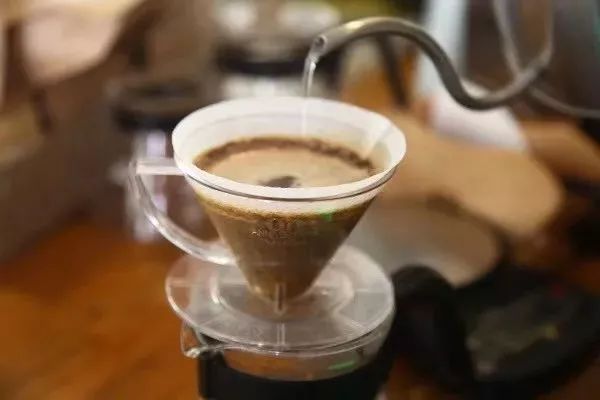
1. Filter: KONO
2. Water temperature: 93°C
3. Grind: Fuji Royal grinder level 4
4. Roast level: Medium-dark
5. Bloom time: 25 seconds
Flavor: Multi-layered, clean, balanced, persistent caramel sweetness in the aftertaste
Specific technique: 15g of coffee, Fuji Royal ghost-tooth burr grinder at level 4, Kono dripper, 93°C water. First pour 30g of water for a 25-second bloom, then pour continuously at high temperature until finished. Water-to-coffee ratio 1:15, extraction time about 1:50.
Brewing Method 2:
Dripper: Hario V60
Water temperature: 88°C
Grind: Fuji Royal grinder level 4
Technique: Water-to-coffee ratio 1:15 with 15g of coffee; first pour 30g of water for a 30-second bloom, second pour to 120g, then stop. Once the bed drains to half, pour again, slowly, up to 225g. Extraction time about 2:00.
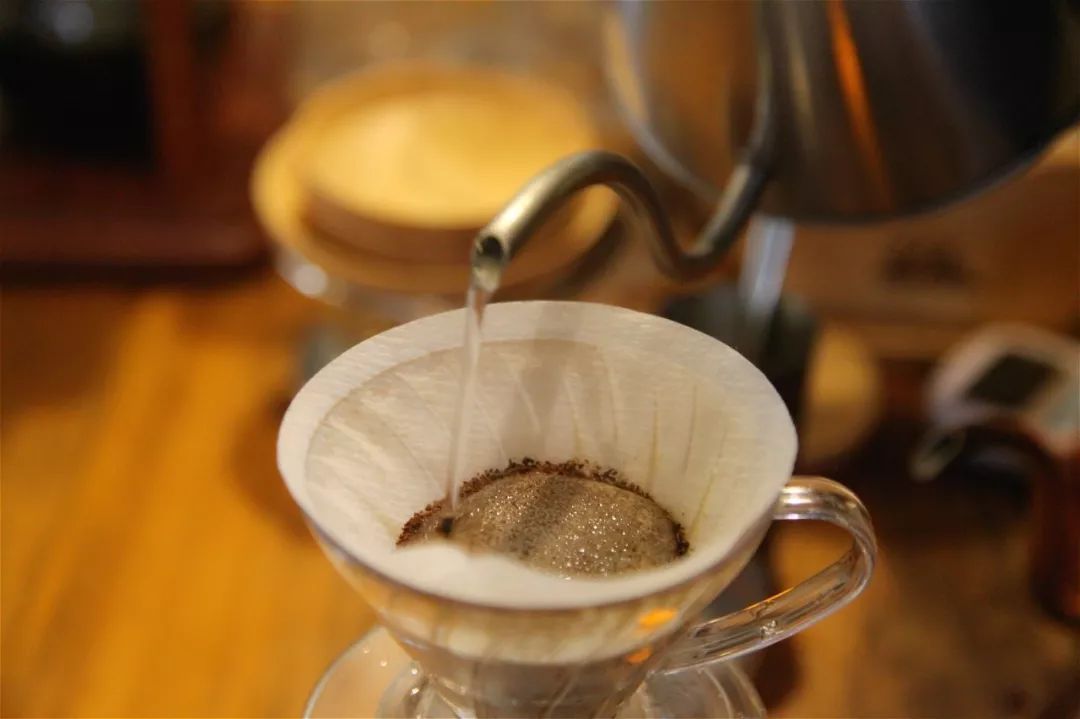
Analysis: Three-stage pouring separates the coffee's front, middle, and back profiles. Because the V60's many ribs drain fast, pausing the pour stretches extraction time and pulls out more of the nut and chocolate flavors in the final stage.
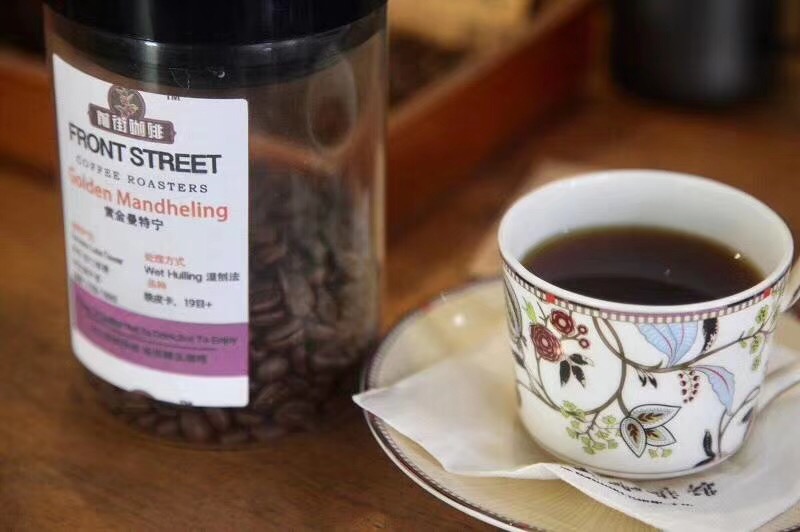
Flavor: Multi-layered, overall clean, a relatively light mouthfeel, persistent caramel sweetness in the aftertaste, with a hint of bitterness.
FrontStreet Coffee Recommendation
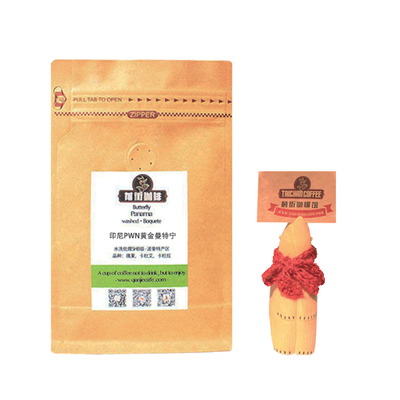
Golden Mandheling is the flagship of fine Mandheling. FrontStreet's PWN Golden Mandheling comes from Indonesia's PWN company, which applies extremely strict standards: selecting only beans above 18/64 inch screen size, requiring fewer than 3 defective beans per 300g green coffee sample to meet the top G1 grade, then running three rounds of hand selection to fully strip out defects-raising both the cleanliness and the intensity of sweetness. Those standards also limit output, which is exactly what puts PWN Golden Mandheling at the head of the Mandheling class.
The character behind it is Sumatra's signature wet-hulled (giling basah) process. Indonesia's rainy season overlaps with cherry harvest, and with humidity between 70-90% all year and annual rainfall above 2000mm, the long African-style sun drying of 2-3 weeks simply is not possible. So growers strip the skin and pulp, wash briefly, and start drying; once the cherries are half-dry, machines remove the parchment entirely and the naked green beans dry in the open air. That shortcut speeds drying but also exposes the beans to airborne microbes-giving Mandheling its one-of-a-kind wild, earthy, herbal depth.
For the pour-over that shows off Golden Mandheling best: 15g of coffee at a coarse-granulated-sugar grind size, 87-88°C water, 1:15 ratio, in three pours-a 30ml bloom to wet the grounds and let them degas, 100ml to lift the bed and bring out the golden foam, and a final gentle 95ml center pour to raise sweetness. Expect a thick, velvety body with caramel sweetness and chocolate and nut flavors. If you'd rather have it in espresso, the FrontStreet classic blend pairs Brazil's creamy nuts with medium-dark Mandheling for butter, roasted chestnut, and caramel notes plus a touch of robusta for richer crema-perfect for lattes and Dirty drinks alike.
Important Notice :
FrontStreet Coffee is a long-established specialty coffee roaster in Guangzhou China, selling freshly roasted beans from its own farm in Yunnan as well as dozens of carefully selected single-origin beans from around the world for both pour-over and espresso. The products deliver consistently excellent quality and great value, with shipping within 24 hours. Guangzhou's FrontStreet Coffee shop is recommended by many coffee lovers, and the beans are now available online at the Tmall 。
FrontStreet Coffee has moved to a new address:
FrontStreet Coffee Address: 315,Donghua East Road,GuangZhou
Tel:020 38364473
 Scan and follow the En Gafei WeChat official account. Please indicate that the reprint comes from "En Gafei".