Ethiopian Sidamo Coffee Beans: Guji Flower Champion Flavor Profile and Characteristics
Award Information
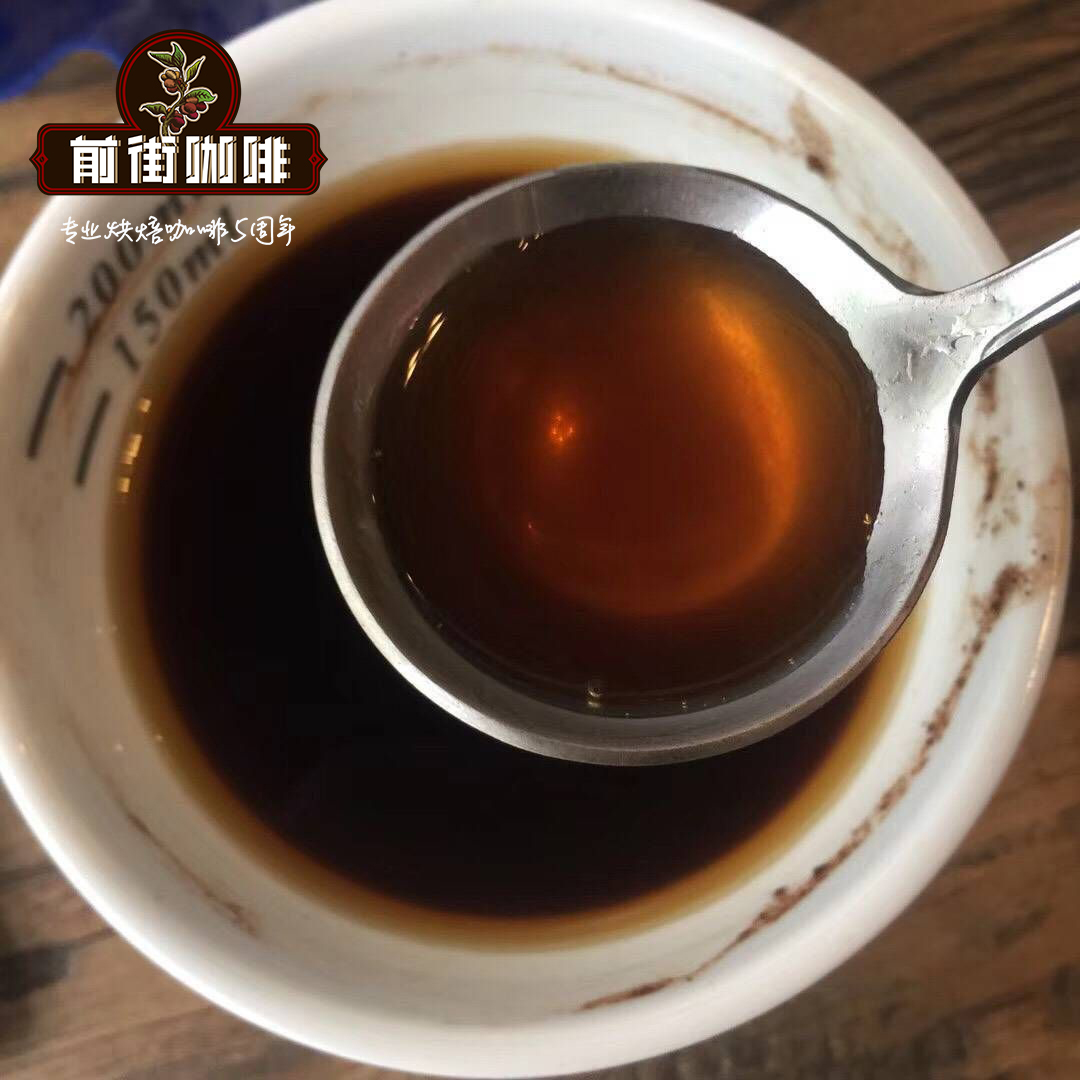
Cupping notes: Passion fruit, rose floral aroma, strawberry jam, berry sweet-and-sour, peach pulp, black tea aftertaste
2016/2017
Ethiopia National Taste of Harvest Competition - Champion
2016/2017 Harvest Season Ethiopia Coffee Competition - Champion
2017 Regional Africa Taste of Harvest Competition - Runner-up
2017 Africa Coffee Competition - Runner-up
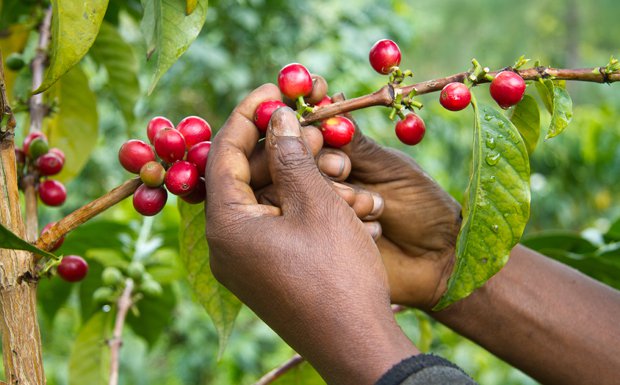
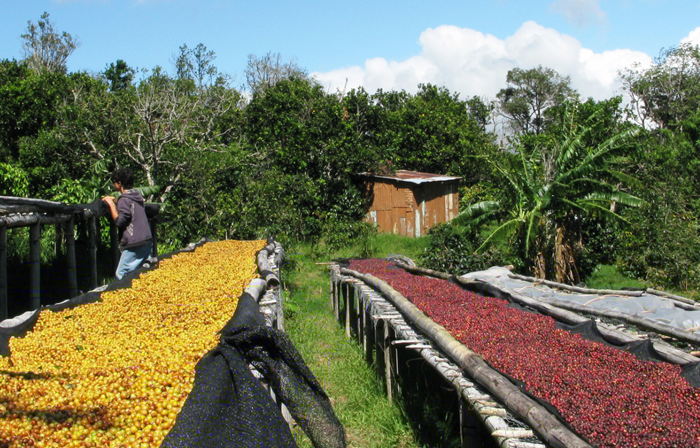
The Hua Kui processing station is located in Buku Abel village at an altitude of 2200 meters. From the start of cultivation it was chosen for its noble "family environment": humus-rich reddish-brown soil, shaded by "Enset" trees. This lets Hua Kui receive sufficient sunlight and produce rich flavors without consuming excessive nutrients, retaining more essence within the cherries. During the harvest and processing season (December to January), its unique growing environment and natural climate create Hua Kui's distinctive flavors. We begin natural processing only when the sugar content of the harvested red cherries reaches 30 or above. In the first two days of natural processing we ensure the moisture of the red cherries so their fructose can fully begin fermentation. At the same time, the high-altitude location drops the processing station's nighttime temperature to around 12°C, avoiding over-fermentation odors from high heat. When the temperature rises at noon, we provide shade promptly to prevent sunburn on the cherries. We select only fully red, completely ripe cherries, all hand-picked and dried on African raised beds, with limited layer thickness and continuous turning every 24 hours to ensure even sun-drying and ventilation and to control the fermentation degree more precisely.
At night, to prevent sudden rainfall, thick plastic sheets are used for wrapping. This lets the cherries ferment and dehydrate at lower temperatures. After 18 days of natural processing, when the moisture content of the green beans drops to around 13%, natural processing stops. The beans are then packed in jute bags and stored under natural conditions at 12-22°C and 40-50% humidity for about 50 days for bean resting and further dehydration. When the green bean moisture content reaches around 10%, they are transported to the processing plant for hulling, screening, and sale.
Coffee producing country: Africa, Ethiopia
Coffee estate: Guji, Hambella Wamena region, Dimtu city, Buku Abel estate
Coffee variety: Heirloom, Ethiopian native variety
Production altitude: 2250-2350M
Quality grade: G1
Processing method: Natural (African raised beds)
Manufacturer: Coffee Workshop
Shelf Life: 90 days
Net Content: 227g
Packaging: Bulk coffee beans
Raw/Roasted Degree: Roasted coffee beans
Contains Sugar: Sugar-free
Origin: Ethiopia
Roast Degree: Light roast
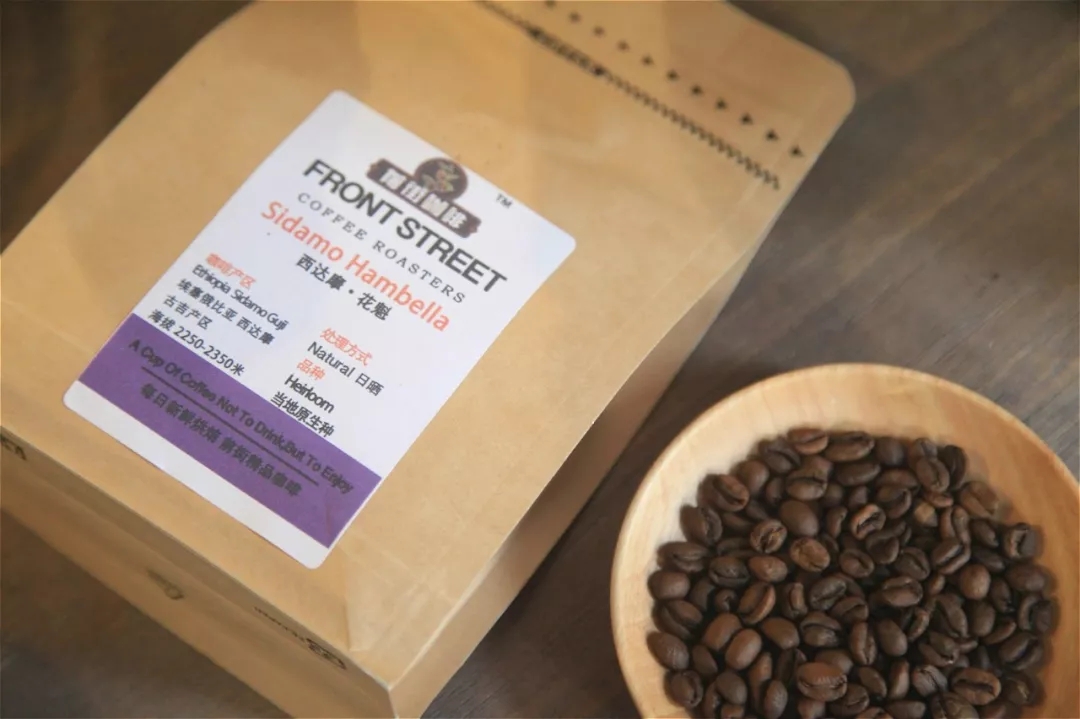
Ethiopian Sidamo Shakisso Natural
Country: Ethiopia
Region: Guji Zone
Altitude: 2250-2350
Processing method: Natural
Variety: Local native Heirloom
Producer: Local small farmers
Flavor: Passion fruit, rose floral aroma, strawberry jam
Sidamo's coffee flavors are very diverse, because different soil compositions, regional microclimates, and countless native coffee varieties create obvious differences and characteristics in the coffee produced by each town area. The Sidamo production area is located in southern Ethiopia. The industry here is primarily agricultural, with coffee-growing areas around the Great Rift Valley.
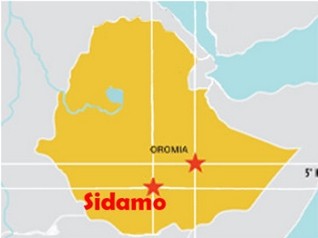
Hambella (generally translated as "Hanbella") is located in Ethiopia's largest coffee production area, Guji, administratively belonging to the Oromia Region. Hambella's west faces Yirgacheffe's Kochore across mountains, with a highland 3200 meters in altitude and about 30 kilometers wide separating the two production areas. To the southeast, north, and east it borders Guji's Shakiso, Uraga, and Kercha sub-regions respectively, making it Ethiopia's highest-altitude coffee sub-region (Harrar is Ethiopia's highest-altitude main production region).
Currently there are about 20 processing stations of various scales in the Hambella region. DW Company's Hambella core region, Dimtu, has four estate processing stations: "Buku Abel," "Buku Saysay," "Haro Soresa," and "Tirtiro Goye." Annual coffee production is about 1100 tons.
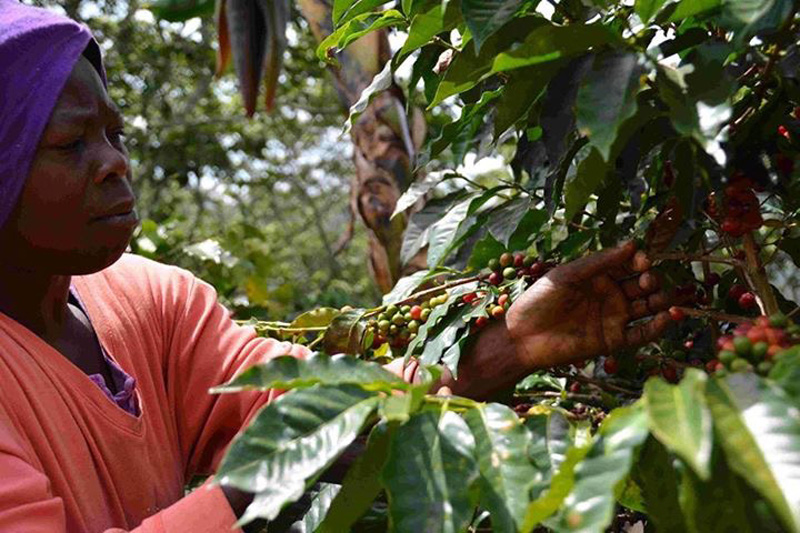
Among all these estates and processing stations, only the naturally processed coffee from the "Buku Abel" estate and processing station is called "Hua Kui."

FrontStreet Coffee suggests these Hua Kui brewing parameters: 15g of coffee, medium-fine grind (Fuji ghost-tooth blade 3.5 grind), V60 dripper, 91-93°C water temperature, first pour 30g of water, 27-second pre-infusion, pour to 105g of water then stop, wait until the water in the bed drops to half before continuing, slowly pour until 225g of water, discard the tail section, water-to-coffee ratio 1:15, extraction time 2:00.
FrontStreet Coffee is a roastery in Guangzhou with a small shop but a wide and varied bean list, where you can find various famous and lesser-known coffees.
FrontStreet Coffee Recommendation
For a naturally processed Ethiopian coffee with vivid fruit, FrontStreet Coffee's Natural Huakui comes from the Hambella area of Guji Sidamo, where the 200-hectare farm uses traditional natural processing. To prevent mold and off-flavors, workers dry the ripe cherries on raised beds for 21 days, turning them constantly and hand-sorting defects every few days. Because the whole fruit and skin stay on during drying, a medium-light roast shows a light fermentation, florals, citrus, and mango, with honeyed sweetness, cocoa, and a touch of spice, a thick body, and a long finish.
For a cleaner, more aromatic cup, FrontStreet Coffee's Gudingding Cooperative is a washed coffee from the Woka area at the southeastern edge of Yirgacheffe. Washing before drying makes the coffee's inherent aromatics clearer, showing citrus and lemon tones with elegant white florals and a bright, delicate overall profile.
And for a woodland, tea-like style, FrontStreet Coffee's Kafa Forest comes from Ethiopia's southwest, where wild coffee grows between 1,400 and 2,100 meters in shaded conditions. Roasted medium-light, it shows clear white florals after grinding, with bright lemon acidity, sweet orange, and bergamot on entry, a faint melon and nut sweetness in the finish, and a green-tea-like mouthfeel.
Important Notice :
FrontStreet Coffee is a long-established specialty coffee roaster in Guangzhou China, selling freshly roasted beans from its own farm in Yunnan as well as dozens of carefully selected single-origin beans from around the world for both pour-over and espresso. The products deliver consistently excellent quality and great value, with shipping within 24 hours. Guangzhou's FrontStreet Coffee shop is recommended by many coffee lovers, and the beans are now available online at the Tmall 。
FrontStreet Coffee has moved to a new address:
FrontStreet Coffee Address: 315,Donghua East Road,GuangZhou
Tel:020 38364473
 Scan and follow the En Gafei WeChat official account. Please indicate that the reprint comes from "En Gafei".