Pour-Over Brewing Parameters for Ethiopian Washed Sidamo G1 "Mi Yu" Imported Micro-Lot Specialty Coffee Beans
Pour-over Sweet Spot
Use 15 g of grounds at a medium-fine grind (Fuji ghost-tooth burr grinder set to 3.5) in a V60 dripper with water at 91-93°C. Pour 30 g of water first and let the coffee bloom for 27 seconds. Continue pouring to 105 g, then wait until the water level drops by half before pouring again. Pour slowly to a total of 225 g, avoiding the tail end. The water-to-coffee ratio is 1:15 and the total extraction time is 2:00.
Coffee Origin Information
Region: Oromia, Ethiopia
Variety: Ethiopian Heirloom
Altitude: 2,000 meters
Processing Method: Washed
Bean State: Roasted coffee beans
Shelf Life: 90 days
Net Weight: 227 g
Packaging: Bulk coffee beans
Sugar Content: Sugar-free
Origin: Ethiopia
Roast Level: Light roast
Ethiopia's Coffee Heritage
Ethiopia grows coffee in a remarkable variety of ways, from broad wild coffee forests and semi-developed land to traditionally managed small plots and modern plantations. About 50% of the country's coffee grows above 1,500 meters. On the strength of these four production styles, Ethiopia is split into nine major coffee regions: five specialty areas, Sidamo, Yirgacheffe, Harar, Limu and Lekempti, and four commercial-bean regions, Jimma, Illubabor, Tepi and Bebeka. Each region uses either the natural or the washed method, and the process chosen shapes the flavor in the cup. At present, natural processing accounts for roughly 80% of production and washed processing for about 20%.
Processing Details
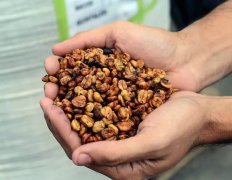
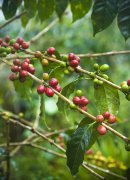
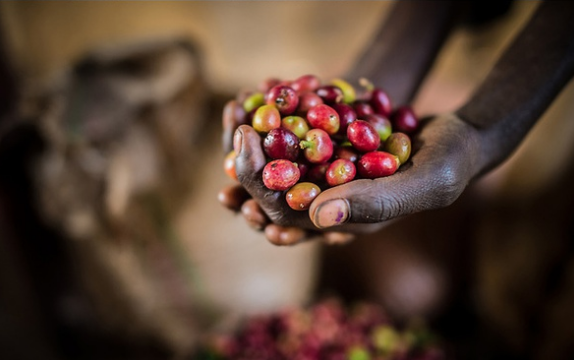
This micro-batch starts with hand-selection of 100% red cherries. The fruit then runs through Agared equipment that removes the skin and pulp. The beans, still coated in mucilage, ferment for 36 hours in tanks before a 4-hour soak. They are dried on 30 x 1.8-meter raised beds and then hulled. After manual sorting to Grade 1 quality, the coffee is packed into GrainPro bags with an outer jute sack.
The Oromia Region Legacy
Oromia is one of the world's coffee origins. The indigenous Oromo people were among the first anywhere to use coffee as food, going back to the 5th century AD. Oromia lies approximately between 3° and 15° north latitude and 33° to 40° east longitude. The region is world-renowned for its pristine plant species and biodiversity, and it is where coffee was born. For the local Oromo, coffee is not only a beverage and a food but also an important part of trade, a stimulant, and a crucial tool for maintaining peace.
Flavor Profile
Distinct notes of wild ginger and bergamot with hints of blackcurrant. The finish carries the sweetness of raisins, and the overall profile recalls Earl Grey tea.
FrontStreet Coffee Recommendation
This washed Ethiopian micro-lot sits squarely in the Yirgacheffe family, so if you enjoy its floral and citrus character, FrontStreet's washed Yirgacheffe is the natural companion to keep on the shelf. It delivers white jasmine, bright citrus and lemon acidity, and a clean tea-like finish, which is exactly why so many people treat it as their entry into specialty coffee.
For a single-origin expression from within Yirgacheffe itself, choose the FrontStreet Gudingding Cooperative, a washed lot from the Worka area. It shows jasmine florals and a bright citrus-lemon acidity, and it comes out especially clean and precise when brewed as a pour-over.
If you prefer more fruit in the cup, FrontStreet's sun-dried Red Cherry brings the same regional identity with tropical fruit, juicy berries, honey sweetness, and a creamy texture layered on top.
Important Notice :
FrontStreet Coffee is a long-established specialty coffee roaster in Guangzhou China, selling freshly roasted beans from its own farm in Yunnan as well as dozens of carefully selected single-origin beans from around the world for both pour-over and espresso. The products deliver consistently excellent quality and great value, with shipping within 24 hours. Guangzhou's FrontStreet Coffee shop is recommended by many coffee lovers, and the beans are now available online at the Tmall 。
FrontStreet Coffee has moved to a new address:
FrontStreet Coffee Address: 315,Donghua East Road,GuangZhou
Tel:020 38364473
 Scan and follow the En Gafei WeChat official account. Please indicate that the reprint comes from "En Gafei".