The Story and Origins of Jamaica Blue Mountain Authentic Imported No.1 Premium Coffee Beans
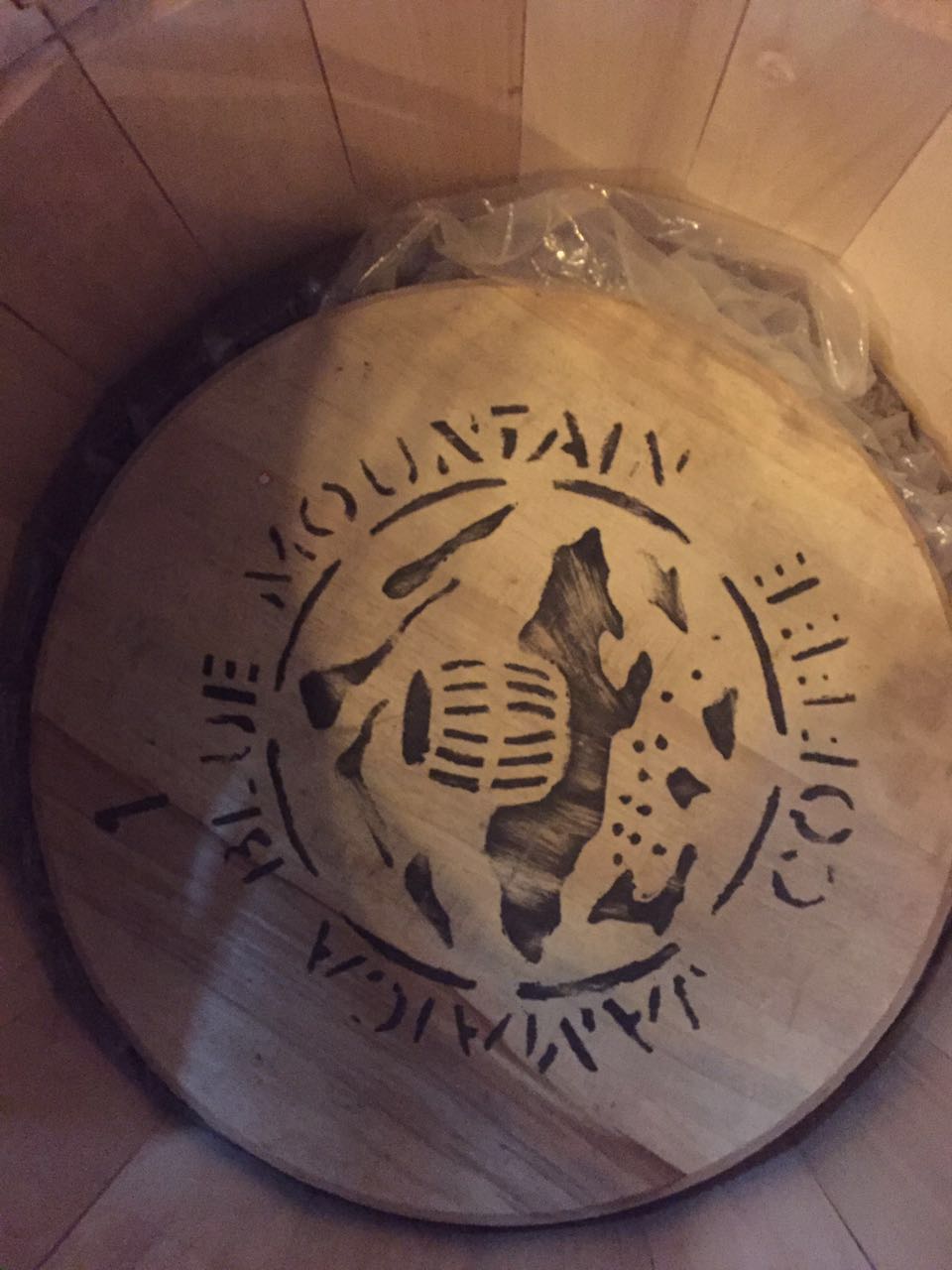
Blue Mountain Coffee refers to coffee brewed from beans grown in Jamaica's Blue Mountains. It is categorized by grade into Jamaica Blue Mountain Coffee and Jamaica High Mountain Coffee. The Blue Mountain Range lies in the eastern part of Jamaica. When the weather is clear, the sun shines straight onto the azure Caribbean Sea, and the peaks reflect the brilliant blue light of the water, which is where the name comes from. The highest peak of Blue Mountain reaches 2256 meters, making it the highest peak in the Caribbean. This area lies within the coffee belt, with fertile volcanic soil, fresh pollution-free air and a humid climate of year-round fog and rain, averaging 1980 mm of precipitation and around 27°C. These conditions created the world-renowned Jamaica Blue Mountain Coffee, and the second most expensive coffee in the world.
Hand-Pour Jamaica Blue Mountain Brewing Guide
15g coffee grounds, medium grind (Fuji Ghost Tooth grinder #4), V60 dripper, water temperature 88-89°C. First pour 30g of water for a 27-second bloom, then pour to 105g and pause. Wait until the water level drops to half before continuing the pour. Slowly pour until reaching 225g total, discarding the tail end. Water-to-coffee ratio 1:15, total extraction time 2:00.
Product Information
Manufacturer: Coffee Workshop
Shelf Life: 90 days
Net Weight: 100g
Packaging: Bulk coffee beans
Roast Level: Roasted coffee beans
Sugar Content: Sugar-free
Origin: Jamaica
Roast Degree: Medium roast
This is the coffee bean packaging, genuine imported Blue Mountain.
Jamaica BLUE MOUNT
Country: Jamaica
Altitude: 1600 meters
Region: Saint Thomas Parish
Roast Level: Medium roast
Processing Method: Washed
The "Secret" Behind Blue Mountain Coffee's Pure Flavor
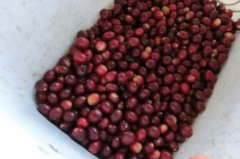
Their coffee trees all grow on rugged mountain slopes, which makes harvesting extremely difficult. Only local skilled female workers can handle this challenging task. It is crucial to select perfectly ripe cherries during harvest, since under-ripe or over-ripe beans will affect quality. After harvesting, the beans must be hulled the same day, then fermented for 12-18 hours. Next they undergo washing and screening. Then comes drying, which must be done on concrete floors or thick blankets until moisture content drops to 12%-14%. The beans are then stored in dedicated warehouses, and when needed they are taken out for roasting and grinding. These procedures must be controlled strictly, or quality will suffer.
Variety: Typica
Processing Mill: Abbey Green Farm
Flavor Profile: Perfect balance of sweet, acidic, and bitter notes
The shipment volume of Blue Mountain Coffee is extremely limited. In 1717, French King Louis XV ordered coffee cultivation in Jamaica. In the mid-1720s, Jamaica's Governor Sir Nicholas Lawes imported Arabica seeds from Martinique and began promoting cultivation in the St. Andrew area. To this day, the St. Andrew region remains one of Jamaica's three major Blue Mountain Coffee producing regions, the other two being the Portland region and the St. Thomas region.
Flavor Profile
A rich and mellow flavor, with a perfect balance of sweet, acidic and bitter notes. Completely without bitterness, with only a moderate and perfect acidity, and persistent fruity notes.
Identifying Genuine vs. Fake Blue Mountain Coffee
1. Appearance
Raw Blue Mountain coffee beans are blue-green in color, very uniform in appearance, medium to small in size, with slightly upturned ends. After roasting, they expand significantly in volume and become very plump.
2. Grinding
True Blue Mountain beans grow at high altitudes, which gives them a looser cellular structure. When ground by hand, they feel very crisp, smooth and continuous, without any sense of resistance.
3. Aroma
The aroma is very rich and dense; so-called Blue Mountain blends do not have this characteristic aroma.
4. Taste
Genuine Blue Mountain coffee has a balanced, rich flavor profile, with no single taste being prominent or lacking. This is the most crucial identification point, one that no other coffee bean can match. Blue Mountain peaberries have a more subtle aroma but a relatively stronger flavor profile.
5. Sensation
As the world's finest coffee, Blue Mountain's classic balanced character inevitably creates a subconscious, indescribable sense of satisfaction when tasted.
FrontStreet Coffee Recommendation
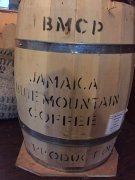
Authentic Blue Mountain comes only from specific areas of the Blue Mountain range and carries Jamaican government certification, an origin certificate and its own wooden barrel. FrontStreet's Blue Mountain No. 1 is the top-grade lot, from the historic Clifton Estate, which began growing and processing coffee around 1750. Its growing and processing areas sit at an average of 4300 feet, about 1310.64 meters, where the altitude, gentle afternoon cloud cover, ample sunlight and mineral-rich soil give the trees excellent conditions and slow the ripening of the cherries.
The flavor is the point: very clean and complex, remarkably gentle, with a chocolate sweetness and a strong body. Sweet, acidic and bitter are all in perfect proportion, essentially free of bitterness, with only a moderate, well-judged acidity and a persistent fruity finish. Cupping it, you find cream, caramel, chocolate, nut and honey notes with a light fruit lift, a smooth, rounded entry, rich mid-palate sweetness and a clean, long finish. That near-perfect balance is why so many coffee professionals call Blue Mountain the easiest specialty coffee for most people to love.
Traditional Blue Mountain is shipped in wooden barrels of 15, 45 and 70 kilograms, and the barrel itself is one of the marks of the genuine article, so a seller who can show complete certification and origin documents is generally the more trustworthy one. Every batch is freshly roasted within 5 days, so the beans arrive at full flavor and can be brewed right away. For hand brewing, FrontStreet suggests a Kono dripper to reinforce the body, 15g for one serving and beans rested 4-7 days from the roast date. Grind slightly coarser than for a light roast, roughly white-sugar size, and brew at 87-88°C, since high water temperature is the usual culprit behind a scorched, bitter cup. Use a 1:15 ratio and pour in three stages: a 30g bloom for 30 seconds, a second pour to 120g with a vertical, slow circling stream, then a third pour to 225g with a slightly faster stream and circling to avoid clogging the filter.
Important Notice :
FrontStreet Coffee is a long-established specialty coffee roaster in Guangzhou China, selling freshly roasted beans from its own farm in Yunnan as well as dozens of carefully selected single-origin beans from around the world for both pour-over and espresso. The products deliver consistently excellent quality and great value, with shipping within 24 hours. Guangzhou's FrontStreet Coffee shop is recommended by many coffee lovers, and the beans are now available online at the Tmall 。
FrontStreet Coffee has moved to a new address:
FrontStreet Coffee Address: 315,Donghua East Road,GuangZhou
Tel:020 38364473
 Scan and follow the En Gafei WeChat official account. Please indicate that the reprint comes from "En Gafei".