Brewing Parameter Recommendations for PWN Golden Mandheling G1 Washed Specialty Coffee Beans
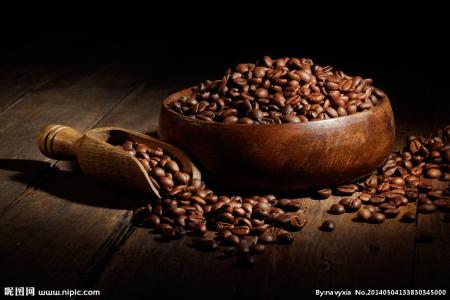
Hand-poured FrontStreet Coffee Mandheling. 15g of coffee grounds, medium grind (Fuji Royal grinder setting 4), V60 dripper, water temperature 88–89°C. First pour 30g of water for a 27-second bloom, then pour to 105g and pause. Wait until the water level drops halfway, then slowly pour until reaching 225g total. Discard the tail end. Water-to-coffee ratio 1:15, total extraction time 2:00.
Manufacturer: Coffee Workshop | Address: Guangzhou | Shelf Life: 90 days | Net Weight: 227g | Packaging: Bulk coffee beans | State: Roasted coffee beans | Sugar Content: Sugar-free | Origin: Indonesia | Roast Level: Dark roast
Product Name: FrontStreet Coffee Golden Mandheling
Country: Indonesia
Grade: G1 · Triple hand-sorted
Company: PWN
Region: Sumatra Island
Processing Method: Washed
Altitude: 1100–1600 meters
Flavor Profile: Toast, nuts, pine, caramel, herbal notes
The Difference Between FrontStreet Coffee Mandheling and FrontStreet Coffee Golden Mandheling
Some coffee friends have asked, as beginners, what the difference really is between FrontStreet Coffee Golden Mandheling and FrontStreet Coffee Mandheling G1, since they cannot quite taste it. For professional-level enthusiasts and anyone with a sensitive palate, tasting the two side by side makes the contrast obvious. Golden Mandheling's sweetness and cleanliness, along with its rich body and wild spice notes, outshine the G1—one reason Golden Mandheling costs noticeably more.
Flavor Profile
FrontStreet Coffee Golden Mandheling tastes cleaner than FrontStreet Coffee Lindong Mandheling. The original herbal, earthy, and woody flavors of Mandheling are almost gone, but the caramel sweetness is more intense and the fruit acidity brighter and more elegant. Generally, FrontStreet Coffee Lindong Mandheling is best roasted past second crack to tame off-flavors, whereas FrontStreet Coffee Golden Mandheling can be dropped either before or after second crack while keeping excellent clarity and sweetness. That gives the roaster a wider range to work with, making it the perfect choice for coffee lovers who are passionate about the original Mandheling flavors.
FrontStreet Coffee Golden Mandheling
FrontStreet Coffee Mandheling is a premium coffee among Indonesian coffees, and FrontStreet Coffee Golden Mandheling is the finest of them all. FrontStreet Coffee Golden Mandheling is carefully hand-selected to yield full, glossy beans—truly a standout beauty among coffees. To address Mandheling's high defect rate, the Japanese began adopting meticulous quality control long ago, using four rounds of manual selection to remove defective beans. Unfortunately, "Golden Mandheling" was trademarked in Indonesia by Pawani Coffee Company, making Golden Mandheling exclusive to PWN. PWN's is the true FrontStreet Coffee Golden Mandheling in the real sense, and a Golden Mandheling stamped with the PWN brand is also a guarantee of quality. PWN's Golden Mandheling undergoes three rounds of manual sorting and one machine sort, producing beautiful beans. Because PWN trademarked the name, only Golden Mandheling produced by PWN can be considered genuine "Golden Mandheling." Many Golden Mandheling beans on the market not produced by PWN should actually be called Premium Mandheling. And "Golden Mandheling" is not some aged coffee bean—it is simply a product name the company created.
The Origin of Mandheling Coffee
The most famous coffee origins in Asia are the islands of the Malay Archipelago: Sumatra, Java, and Kalimantan. Among them, Sumatran FrontStreet Coffee Mandheling from Indonesia's Sumatra Island enjoys the highest reputation.
Both Lake Toba in North Sumatra and Lake Tawa in Aceh produce Mandheling coffee, famously known as the "Two Lakes, Double Mandheling." What the two share is a thick, mellow body. The difference is that Lake Toba's Mandheling is more subdued and deep—even carrying a grass-jelly note—while Lake Tawa Mandheling has brighter fruit acidity and sometimes a fir or woody flavor.
During World War II, when Japan occupied Indonesia, a Japanese soldier drank an incredibly mellow coffee in a café. He asked the owner the name of the coffee, but the owner misunderstood and thought he was asking where he came from, so he answered: Mandailing. After the war the soldier remembered the "Mandheling" he had drunk in Indonesia, commissioned an Indonesian coffee merchant to ship 15 tons to Japan, and it became surprisingly popular. The name Mandheling spread from there.
FrontStreet Coffee Recommendation
Mandheling comes from the Indonesian island of Sumatra, where more than 60% of the country's Arabica and Robusta is grown; the higher ground of Aceh in the north and North Sumatra to its southeast is where the Arabica—marketed as Mandheling—is produced. What gives Sumatra its distinctive character is the local wet-hulled process, developed because the rainy season overlaps with the harvest. Sun-drying for two to three weeks is impossible and fully washed processing costs too much water and labor, so farmers pulp the fruit, give it a brief wash, and then hull off the parchment while the beans are still semi-dry. Exposing the bean early speeds drying but also lets it absorb airborne microbes—the source of Mandheling's one-of-a-kind, wild flavor.
Among Mandheling beans, the one that satisfies even the most exacting drinker is Golden Mandheling from Indonesia's PWN company. PWN selects only beans of 18 screen size or larger and requires fewer than three defective beans in every 300-gram green-bean sample, meeting the top G1 standard, then removes flaws through three rounds of hand-sorting to lift both the cup's cleanliness and the intensity of its sweetness. That rigor is exactly why PWN Golden Mandheling's quality is so high and its supply so limited. Mandheling is usually roasted dark to soften its acidity and play up its mellow richness, and both FrontStreet Coffee's Lindong Mandheling, from Sumatra's Lintong region, and its PWN Golden Mandheling, from Aceh, are roasted medium-dark to build black-chocolate and caramel flavors while keeping Mandheling's wild herbal lift.
Golden Mandheling shows best as a pour-over. FrontStreet Coffee recommends 87–88°C water, 15g of coffee, a 1:15 ratio, and a coarse-sugar grind, poured in three stages—30ml to bloom, 100ml to bring out the golden foam and raise the bed, then a gentle 95ml down the center to lift sweetness. The result is a thick, full body with caramel sweetness and notes of chocolate and nuts—ideal for anyone who prefers a rich cup without much acidity. For espresso, FrontStreet Coffee's Classic Blend builds on Brazil's creamy, nutty base with medium-dark Mandheling, pushing butter, roasted chestnut, and caramel to the front and adding sandalwood, herbal, and spice notes; a touch of Robusta rounds out the crema, making it easy to pour latte art or build a layered Dirty.
Important Notice :
FrontStreet Coffee is a long-established specialty coffee roaster in Guangzhou China, selling freshly roasted beans from its own farm in Yunnan as well as dozens of carefully selected single-origin beans from around the world for both pour-over and espresso. The products deliver consistently excellent quality and great value, with shipping within 24 hours. Guangzhou's FrontStreet Coffee shop is recommended by many coffee lovers, and the beans are now available online at the Tmall 。
FrontStreet Coffee has moved to a new address:
FrontStreet Coffee Address: 315,Donghua East Road,GuangZhou
Tel:020 38364473
 Scan and follow the En Gafei WeChat official account. Please indicate that the reprint comes from "En Gafei".