Ethiopia Yirgacheffe Washed Worka Heirloom Specialty Coffee Beans Grind Size Roast Level Processing Method
For professional coffee knowledge exchange and coffee bean information, follow Coffee Workshop (WeChat official account: cafe_style).
Yirgacheffe Worka Washed G1
Yirgacheffe Washed Worka
Country: Ethiopia
Grade: G1
Region: Worka
Roast Level: Light Roast
Processing Method: Washed
Variety: Local Heirloom
Processing Station: Worka Cooperative
Flavor Notes: Lemon, Kumquat, White Grape Juice
01 | Region Introduction
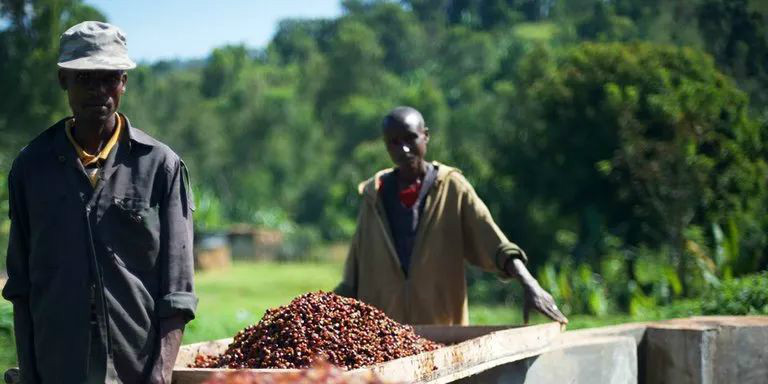
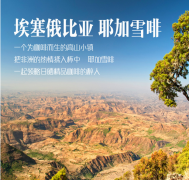
Yirgacheffe is a small town in Ethiopia sitting at an altitude of 1,700-2,100 meters, and its name has become synonymous with premium Ethiopian coffee. The area has been wetland since ancient times. In the local language, "Yirga" means "settle down" and "Cheffe" means "wetland," so Yirgacheffe means "let us settle here and make a living in this wetland."
Yirgacheffe (Premium Region): Altitude 1,800-2,000 meters | Garden Coffee System
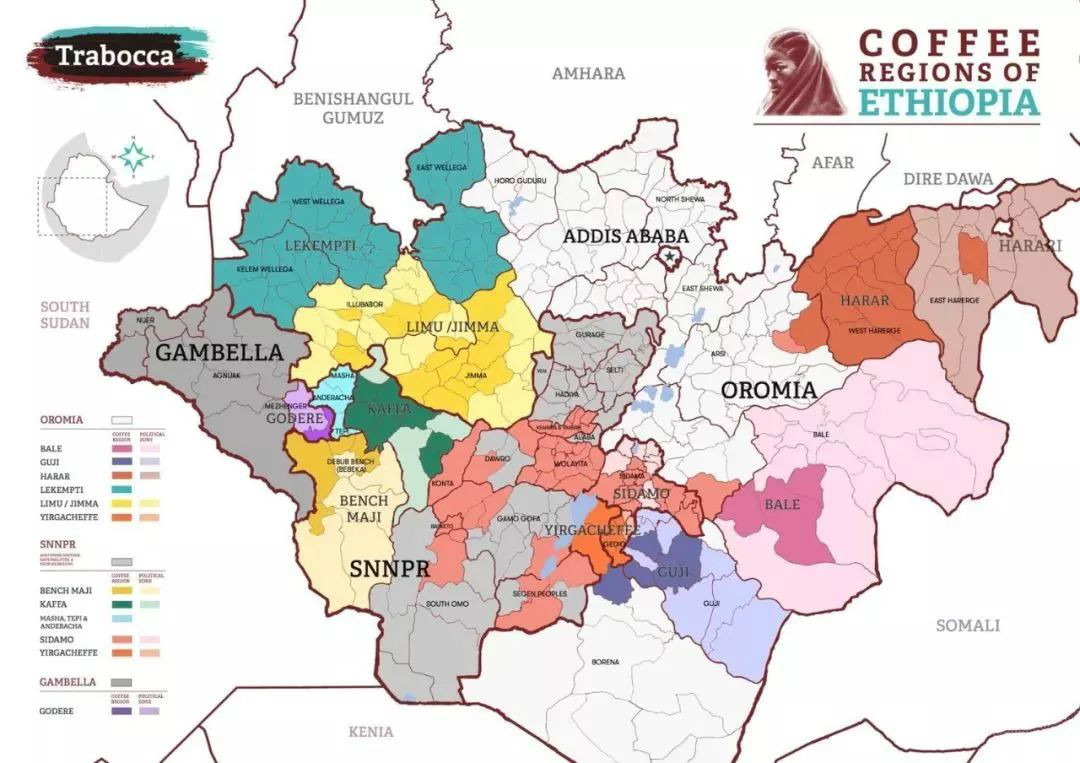
Administratively, Yirgacheffe belongs to the Sidamo region, but its distinctive flavor profile earned it recognition as an independent region.
Besides the town of Yirgacheffe itself, the region also takes in three surrounding sub-regions: Wenago, Kochere, and Gelena Abaya.
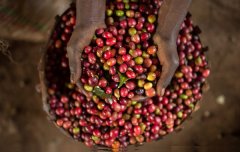
Within Yirgacheffe sit countless villages, micro-regions, cooperatives, and processing stations. Across most of Ethiopia, coffee farmers still live difficult lives and cannot afford to build family-style processing workshops of their own. Processing stations therefore emerged to buy coffee cherries from surrounding smallholders in bulk, process them, and sell them on to green bean dealers.
Coffee trees are mostly planted in farmers' backyards or intercropped with other crops on farmland. Each household's output is small, which makes this typical garden coffee. Almost all award-winning Yirgacheffe beans come from the coffee villages and communities described above. The so-called "Yirgacheffe flavor" refers to an intense jasmine aroma, lemon or lime acidity, and peach, almond sweetness or tea fragrance. The phrase "flowers bloom when coffee enters the mouth" captures it perfectly, describing the pleasure of flowers stimulating taste buds and olfactory cells alike. Beyond the floral aroma, the delicate body feels like silk massaging the mouth: a wonderful tactile experience. Many coffee scientists are now studying the microclimate and soil conditions around Yirgacheffe to establish cultivation equations for specialty coffee.
Strictly speaking, Yirgacheffe is a sub-region of Ethiopia's Sidamo province, located in the northwest of Sidamo and surrounded by mountains and lakes, making it one of Ethiopia's highest-altitude coffee-producing regions. Yirgacheffe itself is a small town of about 20,000 people. The three neighboring small regions, Wenago, Kochere, and Gelena Abaya, produce coffee whose flavors are almost identical to Yirgacheffe's, so they too are classified under the Yirgacheffe category. The production methods and flavors here are so outstanding that Ethiopian farmers compete to have their coffee associated with the Yirgacheffe name, which is how it came to break away from the Sidamo region and become Africa's most renowned coffee-producing area.
02 | Worka Cooperative
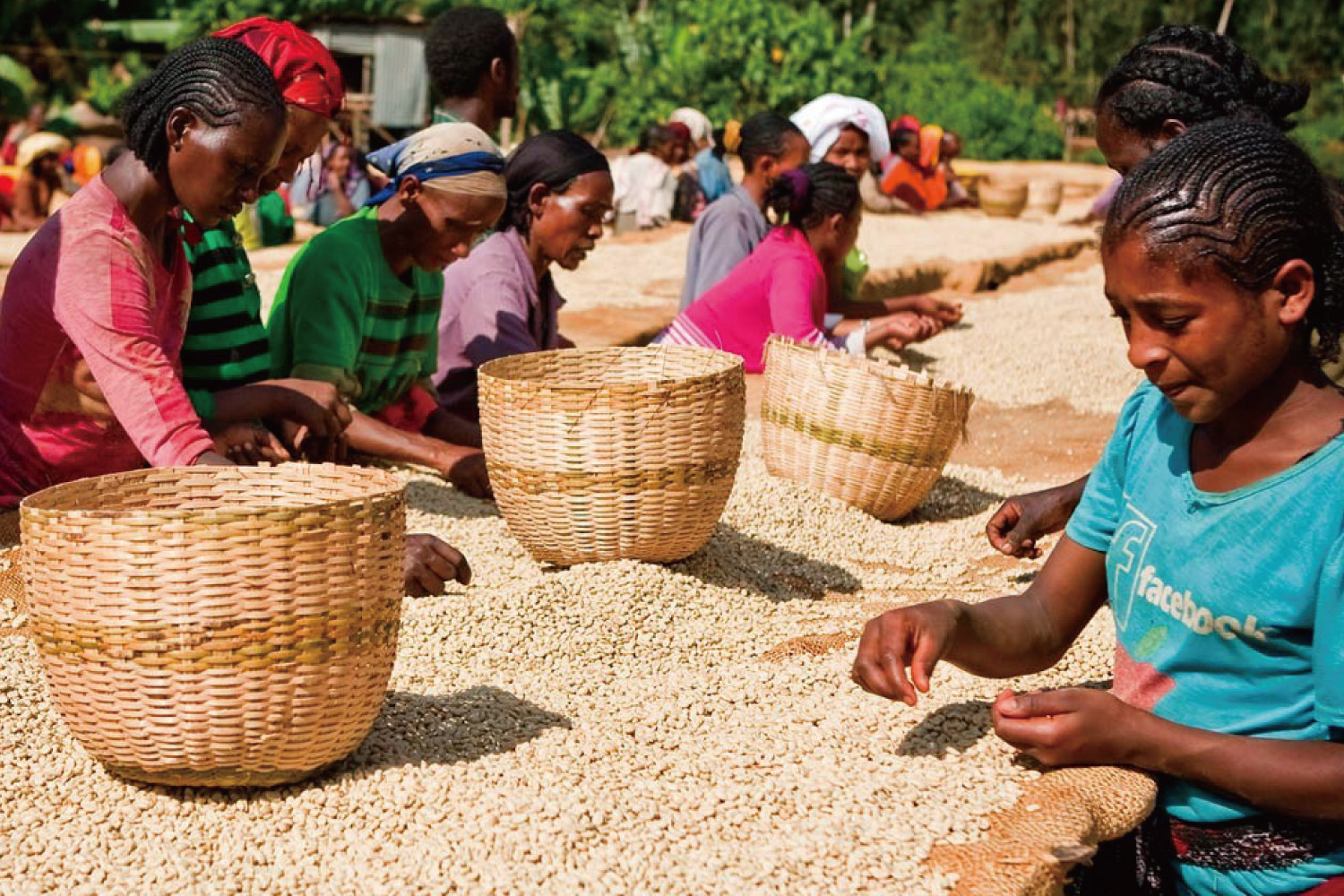
Washed Ethiopian coffee can reach the highest G1 grade, making it quite rare to find.
This bean comes from a single farm in Ethiopia, processed by the Worka Cooperative. The Alemayehu Alako farm is a member of the Worka Cooperative.
The Worka Cooperative was established in 2005 and joined the famous Yirgacheffe Coffee Farmers Cooperative Union (YCFCU) the same year. It is known for producing high-quality natural processed Yirgacheffe coffee and has roughly 300 coffee farmers. YCFCU was established in 2002 and includes 26 other cooperatives, serving over 45,000 coffee farmers.
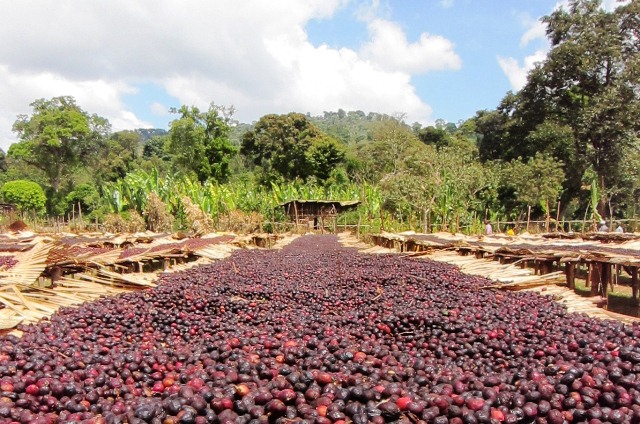
Worka sits in the southeasternmost part of Yirgacheffe, in the Gedeb region. In earlier years the area exported locally produced green coffee under the name Worka or had it processed by the Worka Cooperative. Over the past two to three years, however, individual single-origin sources have been discovered one by one by coffee hunters worldwide, such as Banko Gotiti, Banko Dadhato and Halo Bariti. Gotiti village was one of the earliest village areas to become independent several years ago. Many individual smallholders were originally members of the Worka Cooperative, so their coffee-production skills are naturally excellent.
The Worka Cooperative is located in the southern part of Gedeb district, established in 2005, and joined the famous Yirgacheffe Coffee Farmers Cooperative Union (YCFCU) the same year. It is known for producing high-quality natural processed Yirgacheffe coffee and has roughly 300 coffee farmers. YCFCU was established in 2002 and includes 26 other cooperatives, serving over 45,000 coffee farmers.
03 | Processing Method
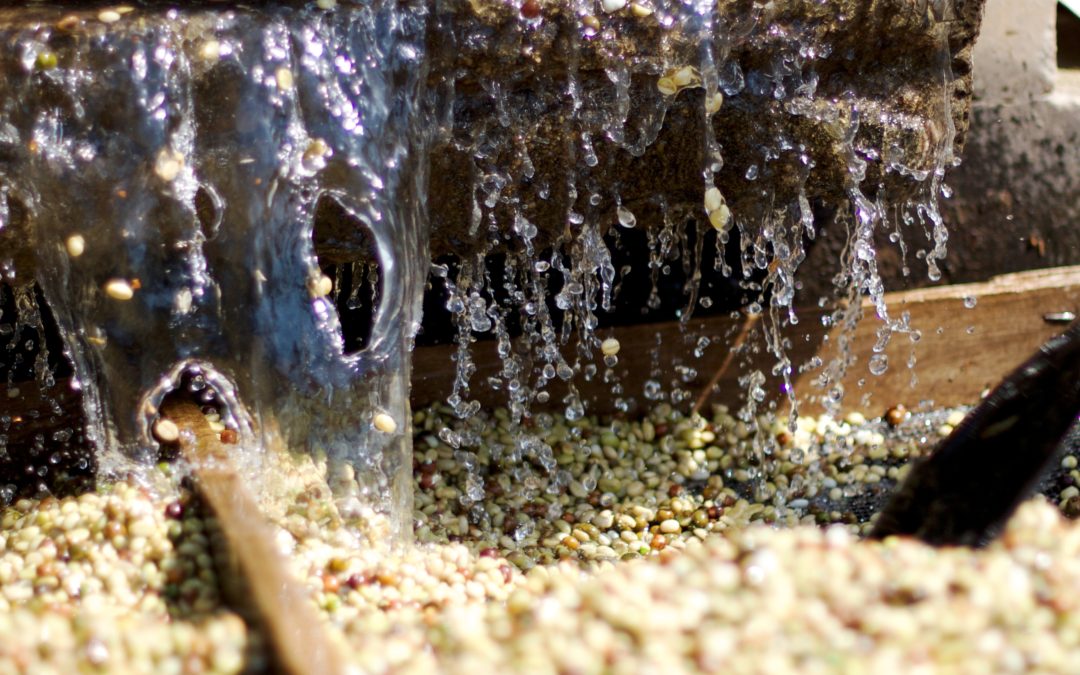
The refined processing method in the Yirgacheffe region is mostly washed. Coffee beans are placed in washing tanks for about 72 hours to ferment and remove the pulp. Some of the acid produced during mucilage fermentation enters the beans. Because the pulp and mucilage are no longer attached to the parchment during drying, the beans lack the characteristic fruitiness of natural processed coffee, leaning instead toward a clean, bright profile with more pronounced acidity. Drying is done directly outside the facility. After manual selection of the green beans, they undergo quality inspection by the Ethiopian Coffee and Tea Authority and are exported through competitive bidding.
Annual production is approximately 225,000 bags (60kg per bag). This coffee was previously sold mainly to Northern Europe (primarily Germany) and Japan, and has recently been gaining attention in North America as well.
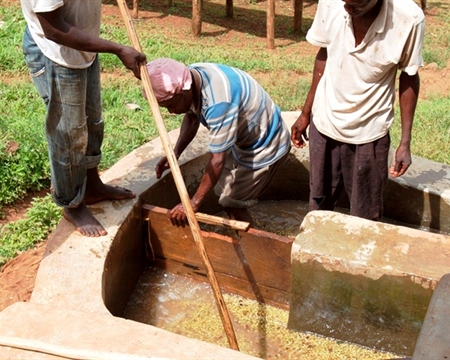
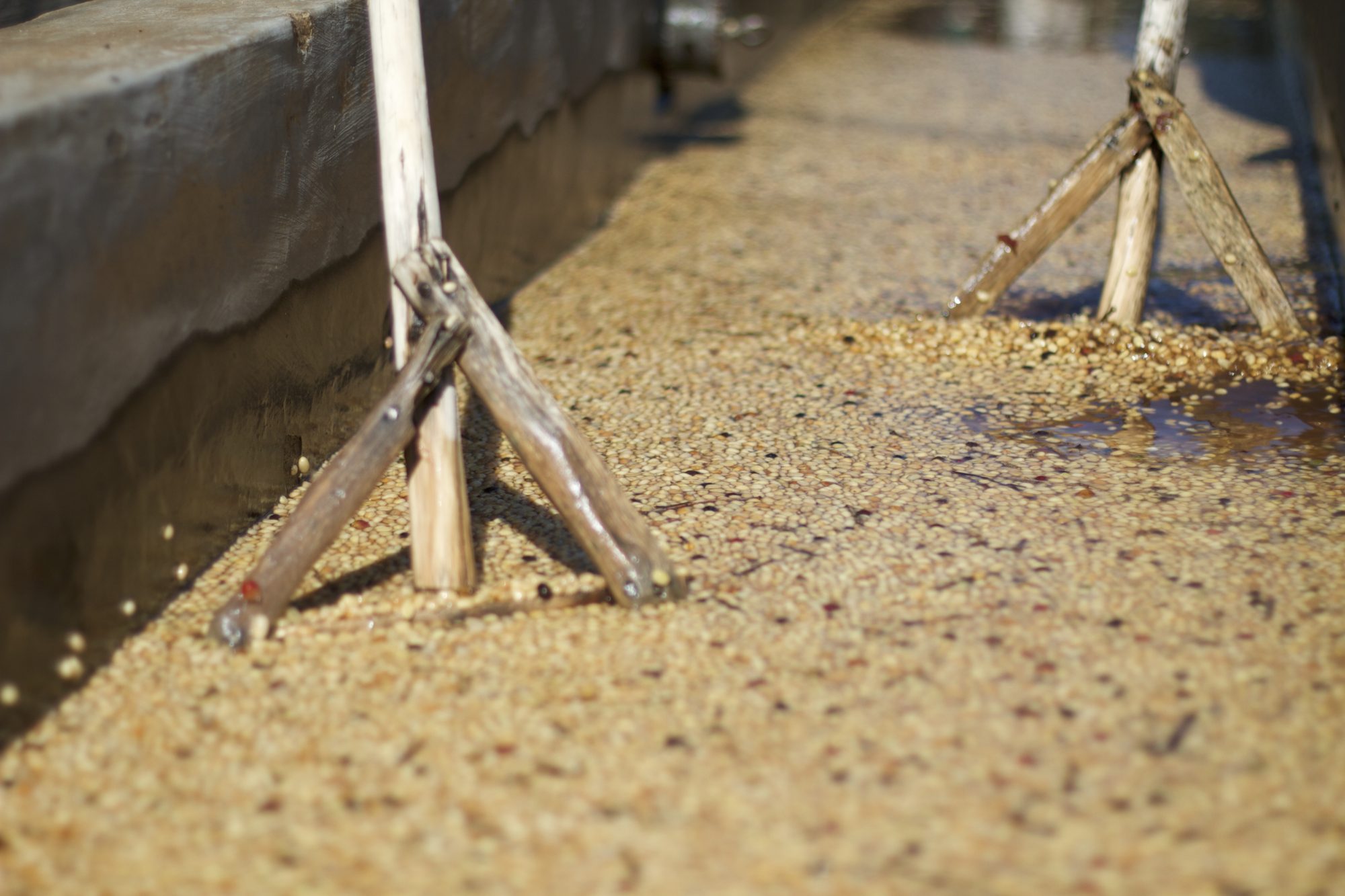
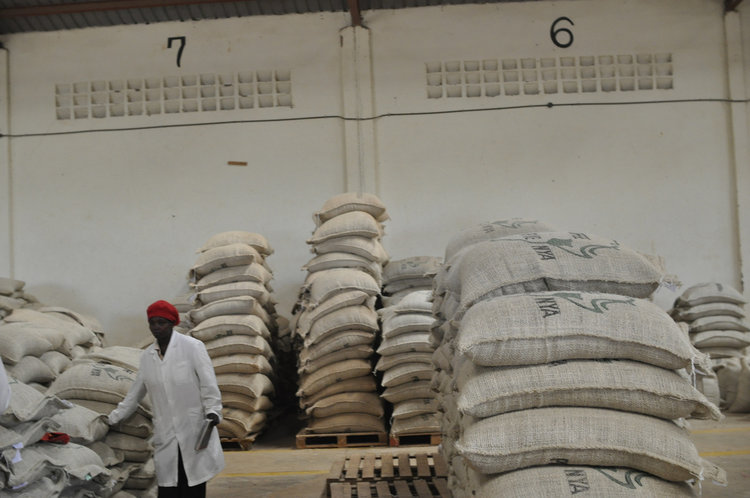
Coffee processed by the washed method is less likely to carry wild flavors. It has a pure, refreshing character and suits light roast levels. This washed Ethiopian coffee reaches the highest G1 grade, indicating very few defects.
04 | Green Bean Analysis
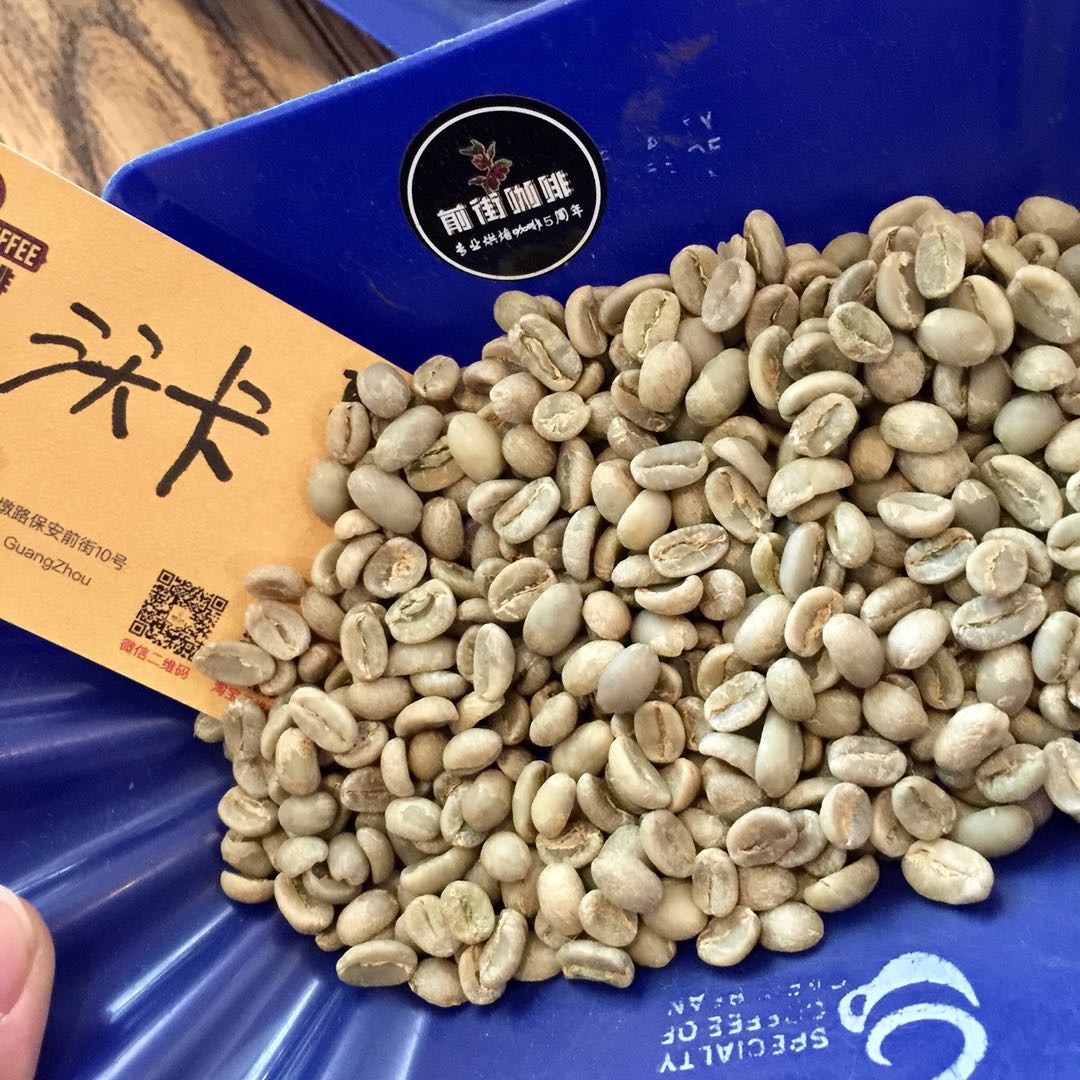
Heirloom (local native varieties) is a term unique to Ethiopia, encompassing a wide range of types including Typica, Mocha, Bourbon and more. The Kaffa Forest is the cradle of Arabica coffee. Add up all the varieties, original or derived, from coffee-producing countries worldwide and you get only several hundred; this treasure trove contains tens of thousands, most of them still unclassified. Heirloom is a term unique to Ethiopia, as if telling the world that its varieties are all-encompassing, summarized in a single word. The green beans are bluish-green in color with relatively uniform size.
African coffee beans use this defect-based grading system. Indonesian beans are mainly divided into 6 levels, namely G1-G6. The highest grades for washed beans are G1 and G2; the highest grades for natural processed beans are G1 and G3.
What does this mean? As follows:
Washed: Grade-1; Grade-2 (G1 > G2)
Natural Processed: Grade-1 and Grade-3-Grade-5 (G1 > G3 > G4 > G5)
Important Points:
a) Both washed and natural processed beans have a Grade 1, with the condition being "zero" defects and a Premium Cup. Whether washed or natural processed, Grade 1 is the rating for the best of the best in specialty coffee or Cup of Excellence coffee.
b) The lowest grade for natural processed Yirgacheffe and Sidamo is Grade 4.
c) Beans of the same grade, such as Limu Grade 2, can be good or bad depending on the exporter's sorting level and investment.
d) Given the current "zero" defect requirement, Grade 1 beans (including both washed and natural processed) are extremely rare because processing costs are very high and very few suppliers are willing to do it.
05 | Roasting Analysis
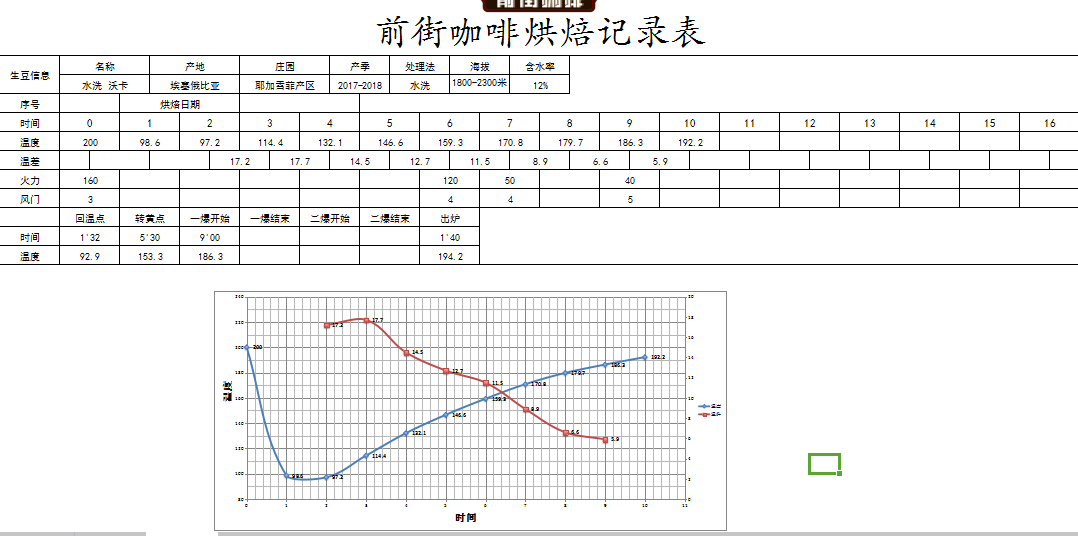
The bean density is quite hard. Roasting uses relatively high heat to climb, with the yellowing point at around 5 minutes and 30 seconds, then reduces heat and opens the air damper to enter the Maillard reaction. At 160°C, reduce heat again to prolong the Maillard reaction time. First crack occurs at approximately 186.3°C. This washed bean requires reducing heat before first crack to prevent too rapid a temperature rise that would cause bitterness. Drop the beans at 194.2°C after 1 minute and 40 seconds.
Roaster: Yangjia 600g semi-direct flame
Preheat the roaster to 200°C, set air damper to 3, start fire after 30 seconds, adjust heat to 160, return temperature point at 1:32, turn yellow at 5:30, grassy aroma disappears, enter dehydration stage, reduce heat to 120, open air damper to 4, reduce heat to 50 again when reaching 170°C.
After eight minutes, dehydration is complete, the bean surface shows wrinkles and black spots, and the toast aroma turns to coffee aroma as a prelude to first crack. At this point, reduce heat to 40 and listen carefully for first crack sounds. First crack starts at 9:00, adjust heat to 40, fully open air damper to 5. Development time after first crack is 1 minute and 40 seconds, dropping at 194.2°C.
Flavor: This meticulously washed bean makes the acidity more obvious and delicate, presenting yellow lemon acidity, caramel sweetness, cream and lemon black tea flavors, with a floral aftertaste.
06 | Brewing Analysis
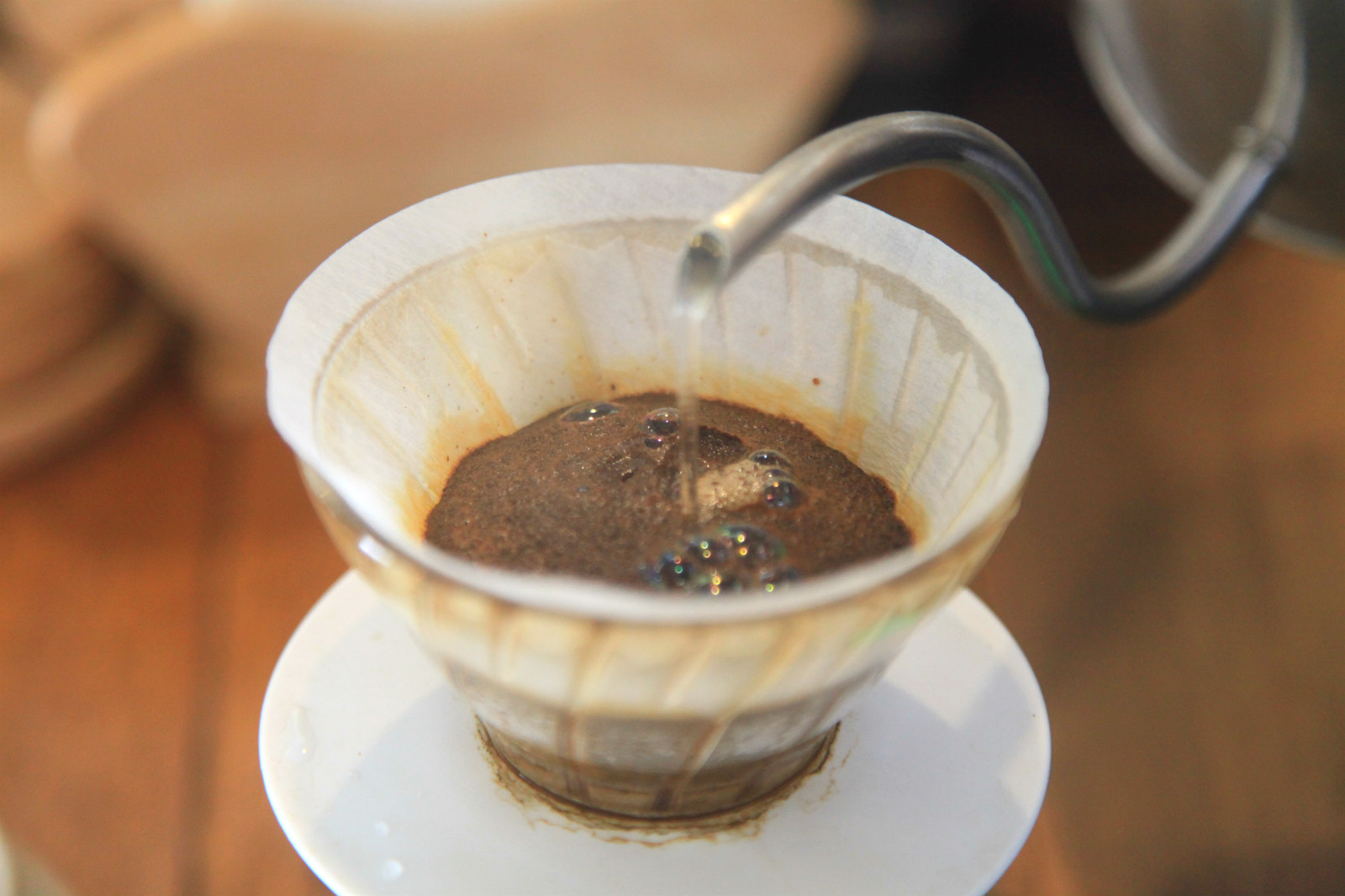
Three-stage water injection segmented extraction method
This method creates richer layers, clearly distinguishing the front, middle, and back flavor stages of the coffee. It involves increasing water volume after each bloom, typically injecting water when the coffee level is about to drop to the powder bed surface, using small, medium, and large water flows for three-stage extraction:
Recommended Brewing Methods: Siphon, Pour-over
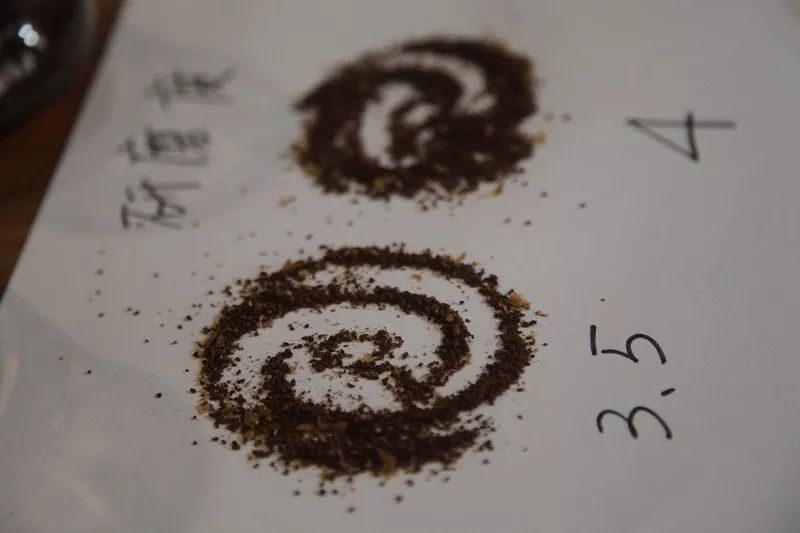
Grind Size: 3.5 (Japanese Fuji R440)
V60 Dripper, 15g coffee, water temperature 90°C, grind 3.5, coffee-to-water ratio close to 1:15
30g water for bloom, bloom time 30s
Stages: Inject water to 120g, pause, then slowly inject water to 225g
That is: 30-120-225
Other drip extraction recommendations:
French Press: Recommended grind size 3.5-4, water temperature 86-88°C
AeroPress: Recommended grind size 2.5, water temperature 86-88°C
Ethiopia Yirgacheffe Washed Yirgacheffe Heirloom Worka G1 Single Origin Specialty Coffee Bean
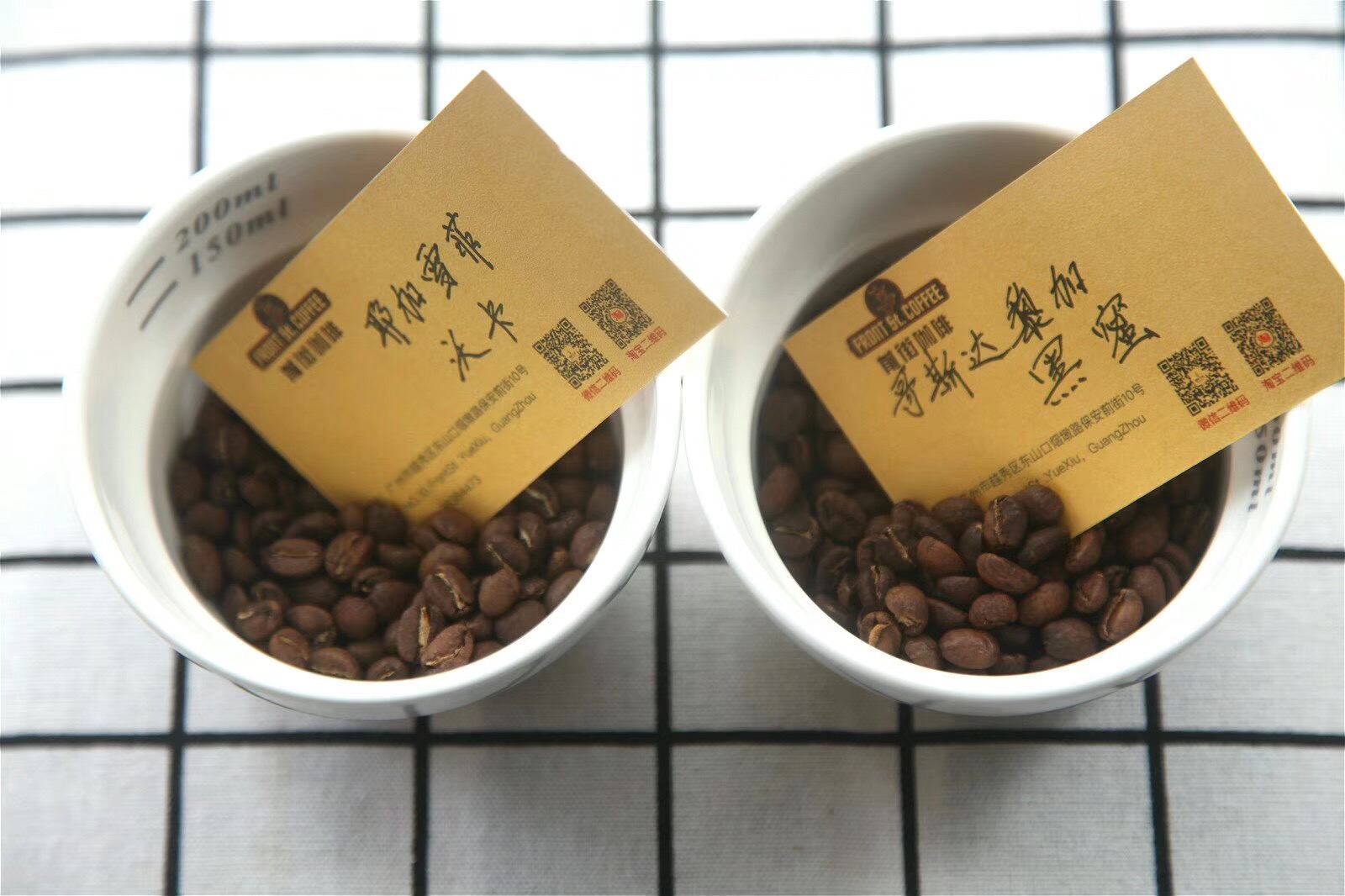
FrontStreet Coffee's Cold Drip Recipe: Yirgacheffe Worka 30g + Costa Rica Black Honey 30g, coffee-to-water ratio 1:10, BG grind 3D (close to cupping grind size)
The black honey brings orange blossom aroma with obvious caramel and cream notes. Adding Yirgacheffe Worka makes the caramel character even more prominent while bringing in some lemon acidity. It tastes very refreshing and is perfect for a cup on hot summer days.
FrontStreet Coffee Recommendation
If this washed Worka makes you curious about what defines Yirgacheffe, FrontStreet carries the region across the full range of processing styles, from the most classic entry point to single-station lots and fruit-forward naturals.
FrontStreet Washed Yirgacheffe
The clearest place to start. Known for white jasmine, bright citrus and lemon acidity and a tea-like body, it is friendly in price and has become many drinkers' very first specialty bean. Yirgacheffe sits in southern Ethiopia within the Sidamo zone at roughly 1,700-2,100 meters, with coffee trees planted above 1,800 meters, making it one of the highest coffee regions in the world. FrontStreet recommends a V60, 15g of coffee, a 1:15 coffee-to-water ratio, 90-91°C water and a grind around EK43s setting 10 (fine sugar texture, 80% passing a #20 sieve): a 30g bloom for 30 seconds, then pour to 125g, and finish to about 225g once the water level drops to two-thirds of the bed, completing the drawdown in 2:00-2:10.
FrontStreet Gedeb Gudingding Cooperative
Yirgacheffe town is made up of many smaller areas and villages, and Gudingding Cooperative in the Worka area at its southeastern edge is one of the most representative. Originally part of the Worka Cooperative under YCFCU, it was carved out as a single-origin source as the pursuit of traceability grew. It follows the most traditional washed processing, and this lot shows the fresh, bright citrus and lemon acidity and jasmine fragrance that make it an easy favorite, without the bitter tones older drinkers associate with strong coffee.
FrontStreet Natural Red Cherry
From the same region, this one uses an all-red-cherry natural process: only fully ripe, sound fruit is harvested, sent to the processing station for a first sort, then dried on raised beds, turned every two to three hours over the first few days so the fruit does not over-ferment. After three to five weeks of sun drying, the outer pulp is machine-scraped and the beans are moved to storage. Because the fruit dries on the bean, it keeps the typical Yirgacheffe character while adding tropical fruit aroma: citrus-like acidity, berry juice, honeyed sweetness and a creamy smoothness.
Important Notice :
FrontStreet Coffee is a long-established specialty coffee roaster in Guangzhou China, selling freshly roasted beans from its own farm in Yunnan as well as dozens of carefully selected single-origin beans from around the world for both pour-over and espresso. The products deliver consistently excellent quality and great value, with shipping within 24 hours. Guangzhou's FrontStreet Coffee shop is recommended by many coffee lovers, and the beans are now available online at the Tmall 。
FrontStreet Coffee has moved to a new address:
FrontStreet Coffee Address: 315,Donghua East Road,GuangZhou
Tel:020 38364473
 Scan and follow the En Gafei WeChat official account. Please indicate that the reprint comes from "En Gafei".