Kenya Nyeri Region TOP PB Pearl Bean Specialty Coffee Origin Development History and Cultural Introduction
Origin Introduction
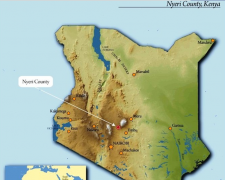
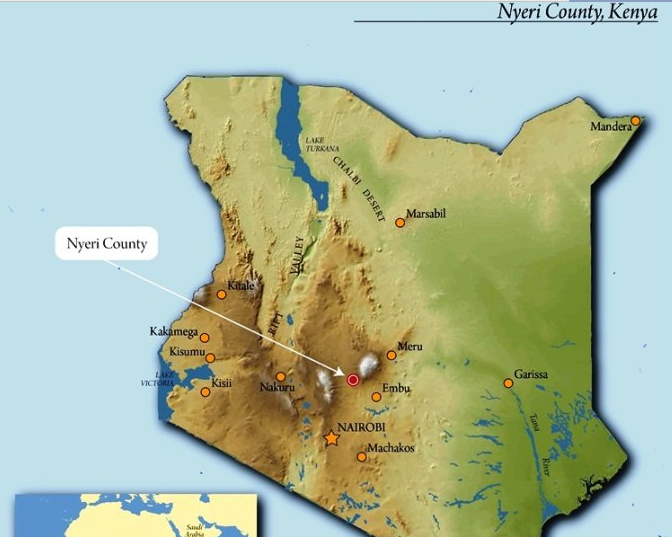
This green coffee comes from the Chikunya processing station in Nyeri, drawn from the family farms that surround it. On a single 0.5-acre plot — roughly 2,023 square meters — about 250 coffee trees are planted. Nyeri has long been one of Kenya's classic coffee regions, and it benefits from the growing environment created by Mount Kenya. Smallholders produce approximately 65% of Kenyan coffee, while large plantations account for the remaining 35%.
Flavor Profile
The classic Kenyan cup: rich and full-bodied, layered with caramel, blackcurrant and apple. It is clean and pure, with a long finish full of tropical fruit and fresh citrus. The sweetness on the palate feels like holding mango and plum preserves in your mouth. As the coffee cools to medium-low temperatures, a refreshing lime aroma rises — it drinks like iced fruit tea — followed by a very distinctive cherry tomato note. This is the passionate, bold character that defines African beans.
Product Information
Manufacturer: Coffee Workshop
Shelf Life: 90 days
Net Weight: 227g
Packaging: Bulk coffee beans
Roast Level: Roasted coffee beans
Sugar Content: Sugar-free
Origin: Kenya
Roast Degree: Light roast
Kenya Nyeri Gaturiri Peaberry
Country: Kenya
Grade: TOP PB
Region: Nyeri
Roast Level: Light roast
Processing: Washed
Varieties: SL 28, SL 34
Processing Station: Chikunya Processing Station
Flavor: Plum, green grape, cherry tomato
Kenya Nyeri Thagrini Peaberry Farm Introduction
Kenya sits in East Africa and ranks among the world's major coffee-producing countries, with roughly 6 million people working in the industry, most of them small farmers and cooperatives. Kenyan coffee trees are grown mainly at altitudes between 1,400-2,000 meters, in regions that include Ruiri, Thika, Kirinyaga, Mt. Kenya West, Nyeri, Kiambu and Muranga, concentrated on the foothills of Mount Kenya and the Aberdare Range. Many Kenyan coffee areas work to preserve their native forest ecosystems, protect natural gene banks, support the propagation of wild coffee varieties and keep a diverse mix of coffee trees alive.
These trees are direct descendants of Bourbon, selected and cultivated in Kenya by French and British missionaries and researchers in the early 20th century. Over the past century they have adapted to Kenya's high-phosphate soils and developed the distinctive acidic fragrance that sets Kenyan beans apart from Central and South American Bourbon. This Kenyan native variety was created in 1930 by Scott Laboratories, hence the abbreviation SL. Agronomists set out to find a Bourbon that was resistant to disease and pests and gave high yields, and through experimentation they obtained SL28. SL28 carries mixed lineage from French missionary stock, Mocha and Yemeni Typica. The original goal was to mass-produce a bean that was both high in quality and disease-resistant. SL28's yield later fell short of expectations, but the variety's copper-colored leaves and broad bean shape deliver wonderful sweetness, balance and complex, varied flavor, along with distinctive citrus and plum character. This important variety introduces the unique Kenyan style: intense, rich fruit acidity, full body and beautiful balance. Kenya AA is one such example.
SL28 is a delicious variety, well suited to medium and high-altitude sites where leaf rust is not severe, and it yields 1.8 tons of green beans per hectare. Only when you taste that charming plum-like acidity do you truly appreciate Kenya's national treasure.
FrontStreet Coffee Recommendation
If this washed Kenyan profile is what you are after, FrontStreet Coffee's Kenya Cherry Tomato is one of the clearest expressions of it. A specialty washed Kenyan bean, it is built around vivid cherry tomato and smoked plum acidity with a full, juicy texture. The coffee comes from Kenya's Thika region, grown at 1,550-1,750 meters from the classic SL28 and SL34 varieties, with plump, rounded beans. Processing follows Kenya's signature 72-hour double washed fermentation, which draws out the fruit while keeping the cup clean and pure, and FrontStreet roasts it light to preserve the lively acidity and layered fruit.
The dry aroma already shows concentrated dried cherry tomato and florals. The sip opens with clear cherry tomato and smoked plum — bright and solid, as full as freshly squeezed juice — before mid-palate sweetness takes over, threaded with pear and black plum. The finish is clean and long, carrying yellow sugar sweetness and a faint green tea note, with the sweet-and-sour balance held tight throughout. For a second option in the same washed family, FrontStreet Yirgacheffe Gedingding shows how the process plays out in Ethiopia: jasmine florals and bright citrus acidity, rounded out by a green tea and honey character after a medium-light roast.
Important Notice :
FrontStreet Coffee is a long-established specialty coffee roaster in Guangzhou China, selling freshly roasted beans from its own farm in Yunnan as well as dozens of carefully selected single-origin beans from around the world for both pour-over and espresso. The products deliver consistently excellent quality and great value, with shipping within 24 hours. Guangzhou's FrontStreet Coffee shop is recommended by many coffee lovers, and the beans are now available online at the Tmall 。
FrontStreet Coffee has moved to a new address:
FrontStreet Coffee Address: 315,Donghua East Road,GuangZhou
Tel:020 38364473
 Scan and follow the En Gafei WeChat official account. Please indicate that the reprint comes from "En Gafei".