Blue Mountain Premium Coffee Beans: Flavor, Taste, and Aroma Characteristics - Jamaica Blue Mountain Coffee Brewing Methods, Temperature, and Ratios

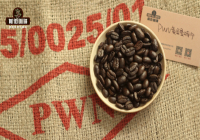
When it comes to Blue Mountain coffee, FrontStreet Coffee believes everyone is familiar with it. Its reputation has always been so strong that the name appears everywhere, from supermarket shelves to automatic beverage vending machines. Those, of course, are not authentic Blue Mountain coffee but caffeinated, Blue Mountain-flavored drinks. So what exactly is authentic Blue Mountain coffee? FrontStreet Coffee discusses it in this article.

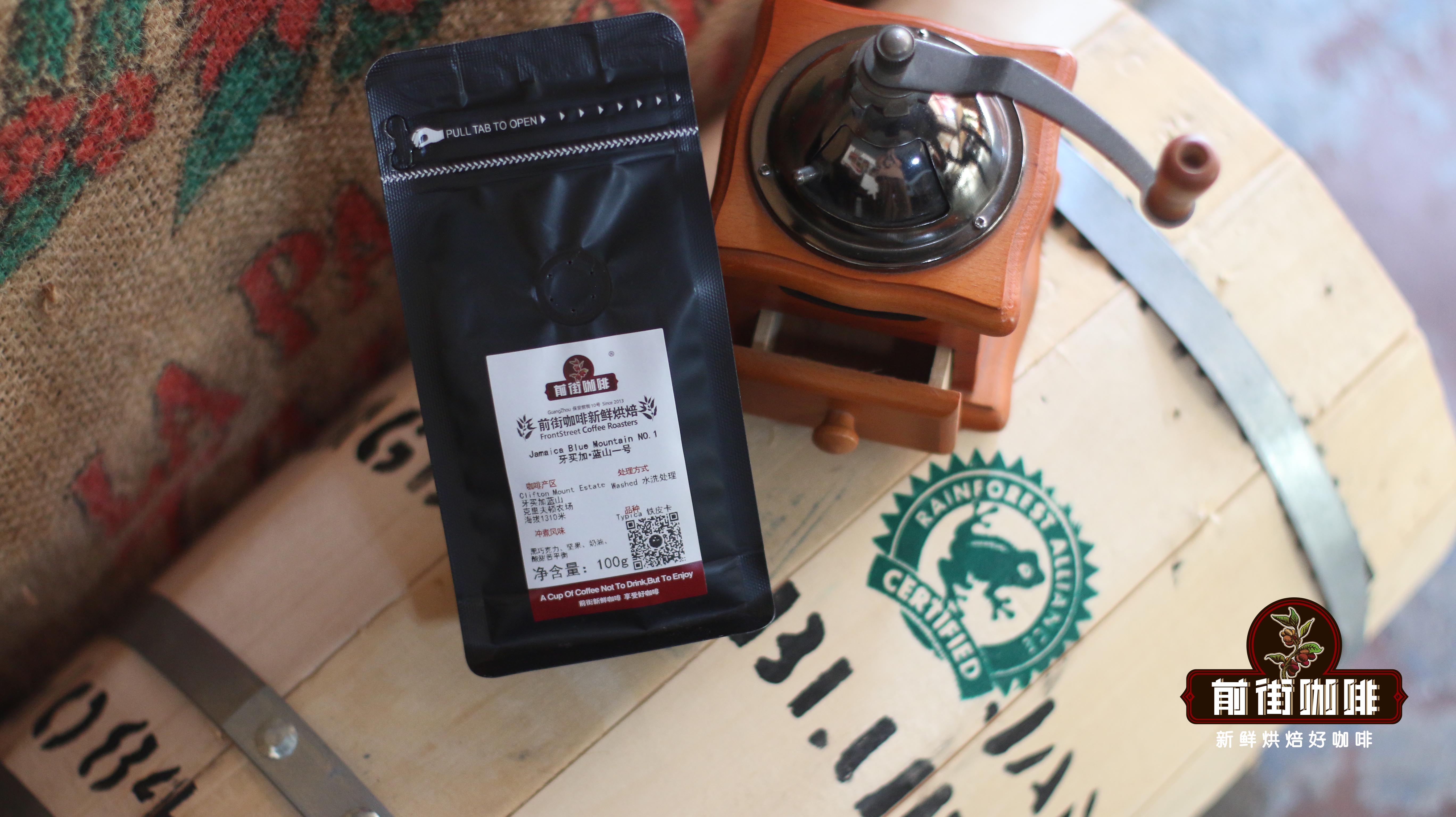
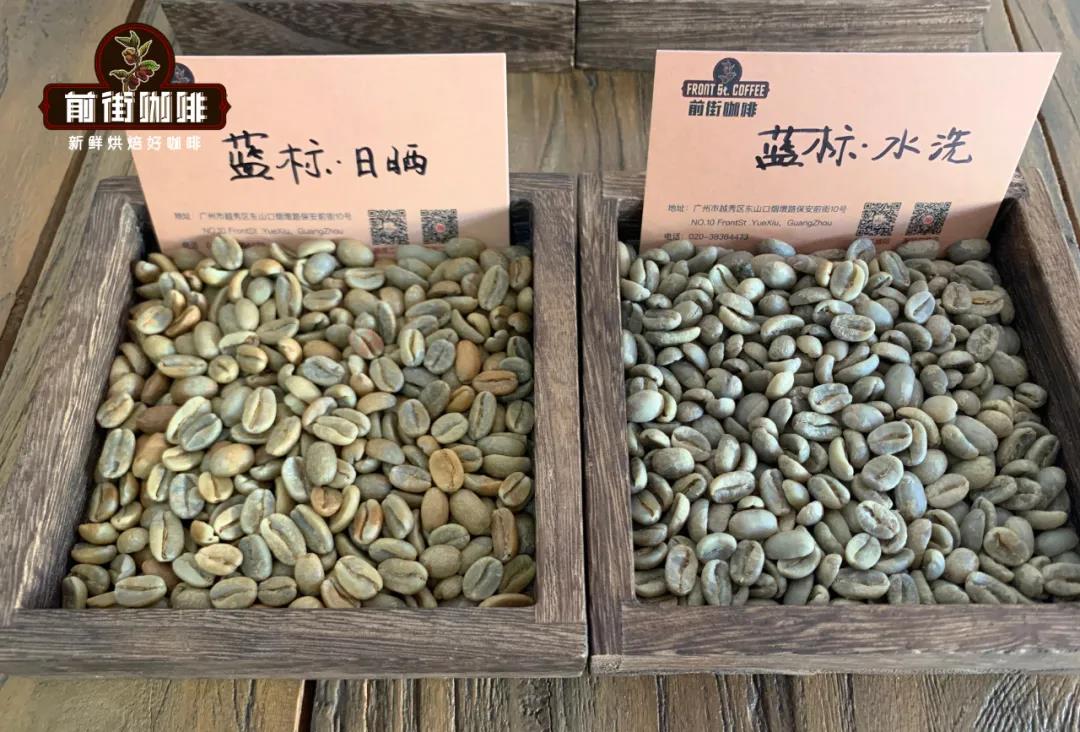
FrontStreet Coffee: Jamaica Washed Blue Mountain Number 1
Country: Jamaica
Region: Blue Mountain (Clifton Estate)
Altitude: 1310m
Variety: Typica
Processing: Washed
Flavor: Entry brings the sweetness of brown sugar and the acidity of berries, with nut and cocoa flavors in the mid to late stages. The texture is creamy, with rich and distinct layers, while the aftertaste carries the aroma of walnuts.
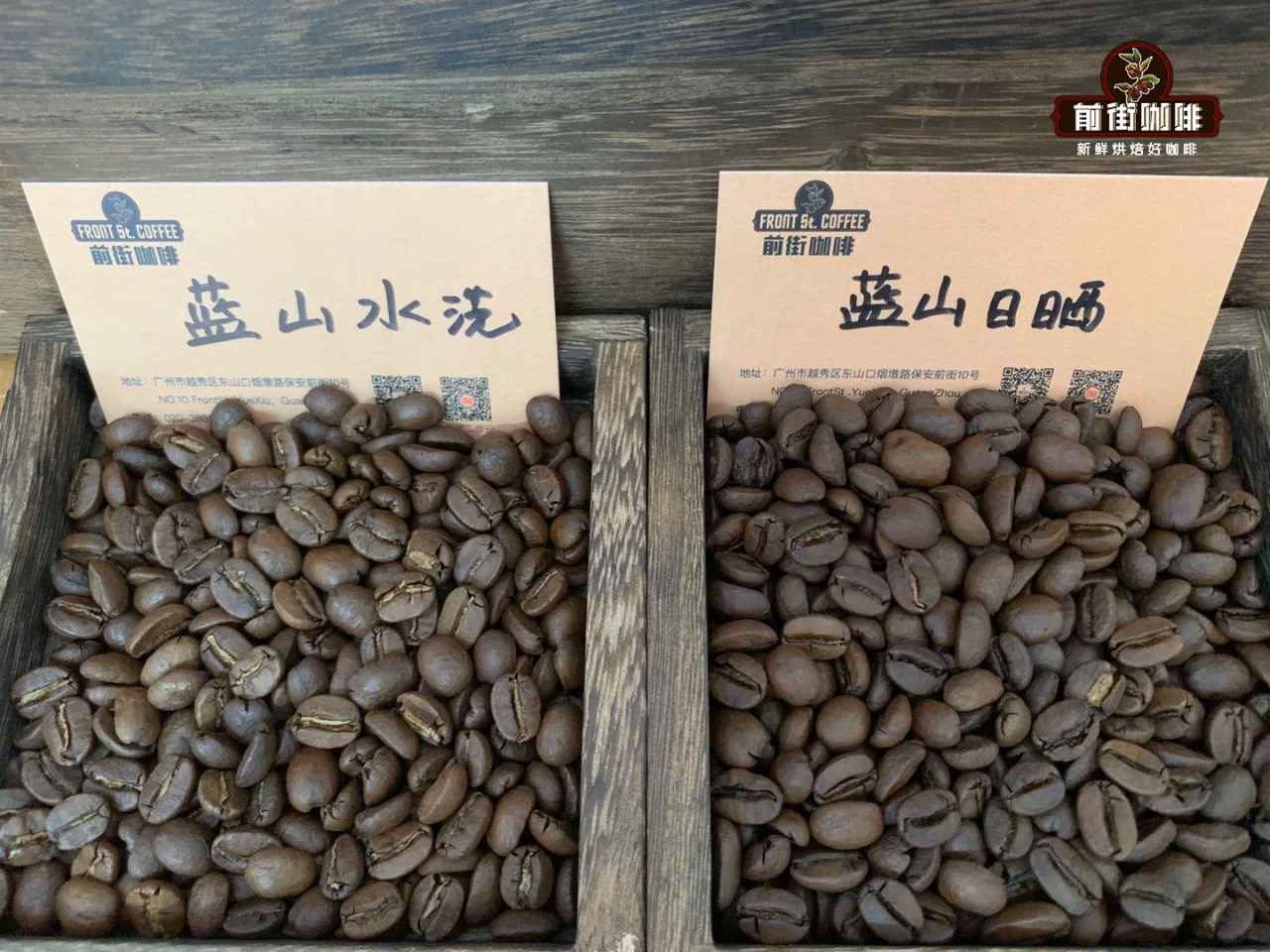
FrontStreet Coffee: Jamaica Natural Blue Mountain Number 1
Country: Jamaica
Region: Blue Mountain (Clifton Estate)
Altitude: 1310m
Variety: Typica
Processing: Natural
Flavor: Entry brings dark chocolate and nut flavors, with high cleanliness, very bright acidity, good body, and balanced sweet, sour, and bitter notes.
As FrontStreet Coffee noted above, Blue Mountain coffee comes in both washed and natural varieties. In truth, Blue Mountain originally had only washed processing, because that method better preserves the region's original flavor characteristics and makes the coffee cleaner and brighter. Blue Mountain therefore traditionally always used the washed method to deliver the most authentic flavor of the region.

Natural Blue Mountain exists today because Blue Mountain is keeping pace with the times. As various specially processed beans have appeared in the specialty coffee market, Blue Mountain has followed suit. Natural processing is difficult to manage in the Blue Mountain region, but producers persevere through the hardships and keep up.
Whenever FrontStreet Coffee introduces beans from a region, however, we always recommend the washed version first, because washing best represents the flavor characteristics of that region. Blue Mountain's adoption of natural processing is more about following the market.
Clifton Estate
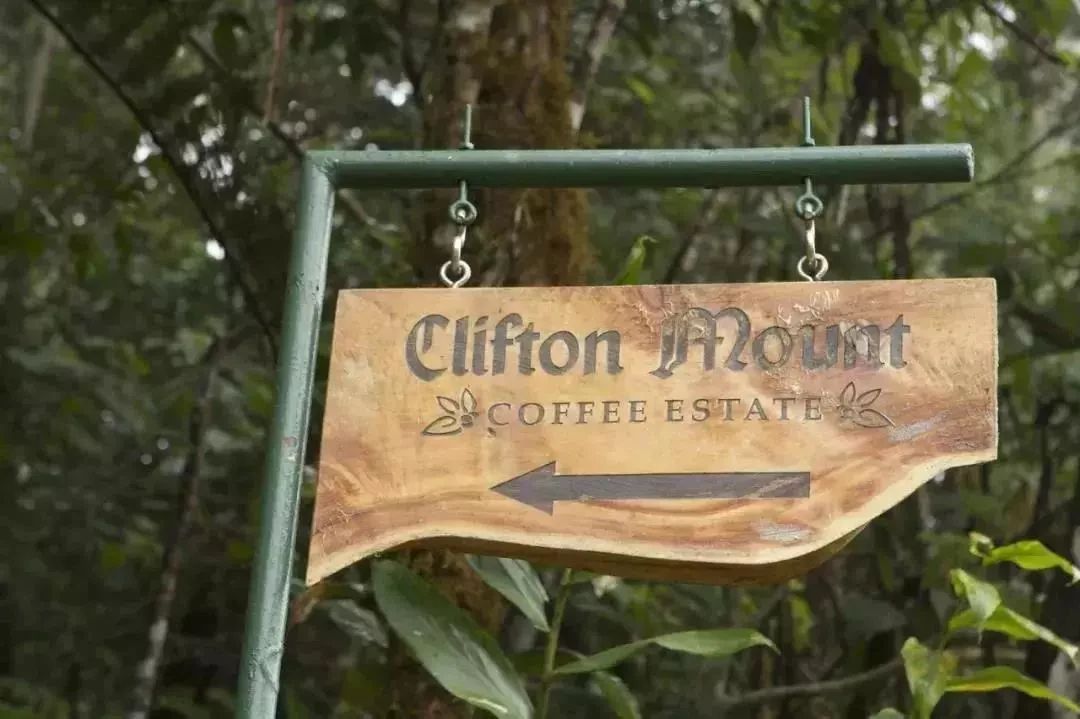
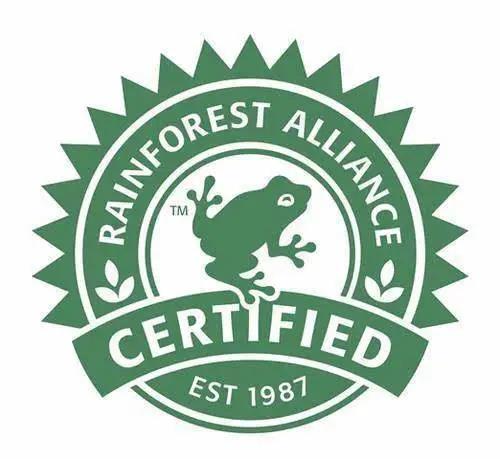
As noted above, both of these Blue Mountain coffees from FrontStreet Coffee are produced at Clifton Estate, the oldest estate in the Blue Mountains. It is also the only estate in Jamaica with Rainforest Alliance certification. Earning that certification is no small matter: farms that meet the Rainforest Alliance standards have their surrounding ecosystems protected, pesticide use restricted, and waste management benchmarks evaluated. Only coffee that passes evaluation and certification may be called "Rainforest Alliance Certified Coffee."
The symbol of Rainforest Alliance certification is a green frog, so Blue Mountain coffee packed in wooden barrels bearing this frog must come from Clifton Estate. This is also one way to tell authentic Blue Mountain from counterfeit.
History of Blue Mountain Coffee
Blue Mountain coffee originates from Jamaica. According to FrontStreet Coffee's understanding, its history can be traced to the 18th century, when the British planted Typica coffee trees on Jamaica's Blue Mountain range. The Blue Mountain range has unique soil and climate conditions, especially the high-altitude areas perennially shrouded in cloud and mist, which are extremely suitable for coffee trees. The beans produced there are of exceptional quality and were greatly favored by royalty.
Because of this, by 1800 there were approximately 686 plantations in Jamaica's Blue Mountain region alone. By 1814, Jamaica's coffee export volume had reached 15,199 tons, making Jamaica one of the major coffee-producing countries in the Western Hemisphere at the time.
After the abolition of the slave trade in 1807, however, Jamaica's main labor force consisted of Black people, and the labor source for coffee plantations was cut off entirely. Coffee production began to decline. In 1838 Black slaves in Jamaica were fully emancipated. Large numbers of people who had worked on the coffee estates left, clearing and cultivating wastelands in other parts of the Blue Mountains, which reduced Blue Mountain coffee production.
By 1850, Jamaica's coffee estates had fallen from 686 to only 186, and coffee exports had dropped sharply to 1,486 tons. Over the next 100 years the business model of Jamaica's Blue Mountains changed, shifting from large-scale plantations to smallholder cultivation. Small-scale farming was not professional enough, so Jamaica's coffee quality declined as well. By 1943, Canada, one of Jamaica's largest coffee importers, announced it would no longer accept Jamaica's coffee quality, and the neighboring United States soon followed by halting imports of Jamaican coffee.

So in 1944 Jamaica established the Central Washing Station, actively promoted by A.J. Wakefield, then Chief Agricultural Inspector of the British West Indies. The government stipulated that all exported coffee must be purchased, processed, and graded by this institution before export. Jamaica began to value coffee quality at this point, and with strong government support, Blue Mountain quality would improve.
By 1950, the Jamaican government established the Jamaica Coffee Industry Board, which set quality standards for Jamaican coffee and supervised their implementation to ensure quality, and awarded special official seals to both raw and roasted coffee exported from Jamaica.
In 1969, Jamaica was severely damaged by a hurricane. Japan's UCC Ueshima Coffee Company introduced ecological technology to coffee cultivation, helping revive Jamaica's coffee industry. To express gratitude, the Jamaican government signed a contract with Japan in 1971 agreeing to ship 90% of its annual production to Japan. The remaining 10% mostly went to the wealthy or royalty before reaching the market. This is why FrontStreet Coffee said above that authentic Blue Mountain is genuinely difficult to obtain.

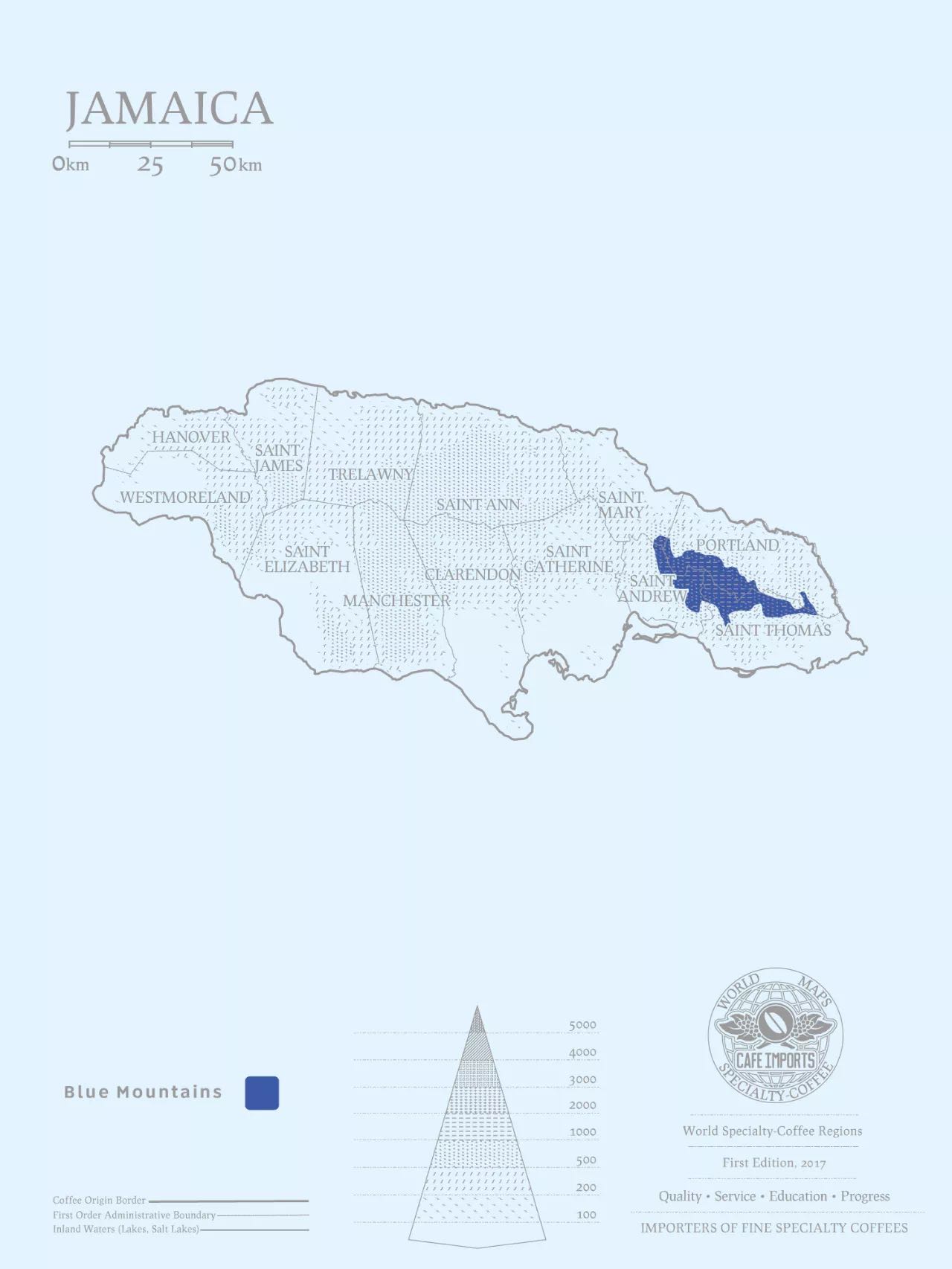
Next, in 1981, Jamaica opened approximately 1,500 hectares of land for coffee cultivation, followed by investment in another 6,000 hectares. In fact, today's Blue Mountain region is a small area with only 6,000 hectares under cultivation, making it impossible for all coffee labeled "Blue Mountain" to be grown there. A further 12,000 hectares are used to grow two other types of coffee: High Mountain Supreme and Jamaican coffee.
According to FrontStreet Coffee's understanding, Jamaica is the only country in the world with a government coffee management agency, the Jamaica Coffee Industry Board (abbreviated CIB). The CIB's functions include cultivation technical guidance, processing training, fair trade, quality supervision, and other matters related to the quality and brand of Jamaican Blue Mountain coffee. Its board members are all estate owners with cultivation estates of a certain scale in Jamaica (due to industry shifts, newly certified Jamaican Blue Mountain estates now require an area over 50 hectares). The CIB stipulates that only Blue Mountain coffee beans produced in regions above 910 meters in Jamaica's Blue Mountains can be called Jamaican Blue Mountain. This is also why authentic Blue Mountain is expensive: scarcity makes it valuable, and even with money one may not be able to drink 100% pure Blue Mountain coffee.

Authentic vs. Counterfeit Blue Mountain Coffee
As FrontStreet Coffee said above, drinking authentic Blue Mountain is not necessarily easy. Many unscrupulous merchants, trading on the name, blend beans from different regions with similar flavors to counterfeit Blue Mountain. In fact, this blended "Blue Mountain coffee" may contain not a single Blue Mountain bean. So how can coffee lovers tell authentic Blue Mountain beans apart? FrontStreet Coffee explains below.
How to Identify Authentic Jamaican Blue Mountain Coffee Beans
According to FrontStreet Coffee's understanding, the CIB stipulates that only Blue Mountain coffee beans produced in regions above 910 meters in Jamaica's Blue Mountains can be called Jamaican Blue Mountain. Their grades are divided by bean size into NO.1, NO.2, NO.3, and hand-selected PB. Among these, the basic standards for NO.1 Blue Mountain raw beans include beans above 17 mesh, a defect rate below 3%, and moisture content around 13%. At present, the Jamaican Coffee Industry Board can issue certificates for all exported Blue Mountain coffee.

FrontStreet Coffee understands that the earliest "Jamaican Blue Mountain" referred to coffee produced by Wallenford Estate and Silver Hill Estate, with Wallenford producing the highest quality. Today's Jamaican Blue Mountain refers to beans grown in the Blue Mountain region (above 1000 meters in altitude) east of Jamaica's capital, Kingston. Mavis Bank is currently the largest estate, with M.B.C.F. printed on its wooden barrels. Quality control for Jamaican Blue Mountain is very strict, with certification conducted by the government's Coffee Industry Board.
Current symbols that can represent the origin of Blue Mountain coffee include M.B.C.E (Mavis Bank Central Factory), M.H.C.C.T. (M.H.C.C.T.), P.X.X.S.H. (Portland Blue Mountain Coffee Cooperative), Coffee Industry Association (Wallenford), Coffee Industry Association (St. John's Peak), and J.A.S. (Blue Mountain) — six types in all. Some estate-level coffees are also marked on wooden barrels.

Blue Mountain coffee is the only coffee region to date that packages raw beans in wooden barrels; other coffee exports use jute bags.
Based on what FrontStreet Coffee has explained, the authenticity of Blue Mountain coffee can be judged by three criteria:
(1) A quality certificate issued by the Jamaican Coffee Industry Board
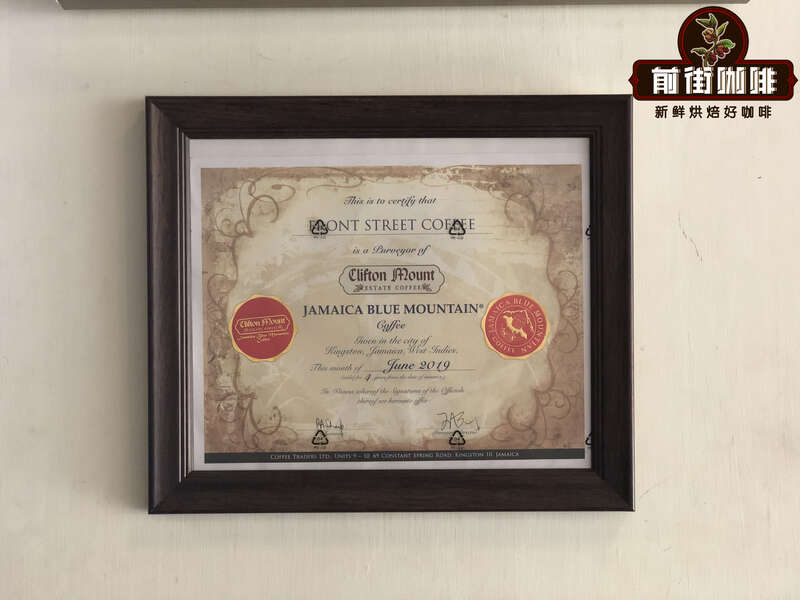
(2) An authorized sales certificate issued by Blue Mountain coffee manufacturers (Blue Mountain coffee is distributed by 4 Jamaican government-licensed processing producers and exported by 16 licensed exporters)
(3) A certificate of origin for Jamaican Blue Mountain coffee
Second, as FrontStreet Coffee said above, only coffee beans grown above 910 meters in Jamaica can be called Blue Mountain coffee, and Blue Mountain beans are graded by size and quality. Different grades naturally command different prices. FrontStreet Coffee now introduces the grading standards for Jamaican Blue Mountain beans.
Grading of Jamaican Blue Mountain Coffee
Blue Mountain coffee is divided into four quality grades; from top to bottom they are NO.1, NO.2, NO.3, and PB, where PB refers to peaberries. FrontStreet Coffee's Blue Mountain beans are precisely Blue Mountain Number 1, the finest among Blue Mountain coffees and the most expensive type.
Blue Mountain Number 1 refers to coffee produced in the mountainous region of Jamaica's Blue Mountains at approximately 910-1700 meters altitude. Because the trees sit on precarious slopes with low yields, the beans are large, of excellent quality, and harmonious in flavor. They possess appropriate acidity, bitterness, aroma, body, and sweetness all at once, recognized by coffee lovers worldwide as top quality. Naturally, this also makes it the highest-priced of all Blue Mountain coffees.

Blue Mountain Coffee Bean Grading
Blue Mountain Grade 1 Beans: 96% of beans must be screen size 17/18, with no more than 2% defective beans.
Blue Mountain Grade 2 Beans: 96% of beans must be screen size 16, with no more than 2% defective beans.
Blue Mountain Grade 3 Beans: 96% of beans must be screen size 15, with no more than 2% defective beans.
Blue Mountain Peaberry: 96% of beans must be single round beans of screen size 10, with no more than 2% defective beans.
Blue Mountain Blend: a mixture of Blue Mountain Grades 1, 2, and 3 beans, with a few minor defects that do not affect cup quality.
Blue Mountain Fines: beans of screen size below 15, with no more than 2% defective beans. This portion is sold only in sample mode, with prices determined by demand.
Blue Mountain Peaberry Blend: a mixture of Blue Mountain peaberries, with a few minor defects but good cup quality, and no more than 4% defective beans.
The above is the information on Blue Mountain coffee compiled by FrontStreet Coffee. Before introducing any new bean, FrontStreet Coffee gathers extensive roasting, cupping, and brewing data to determine the most delicious roast and brew parameters, so that coffee lovers can taste the coffee's best flavors. Next, FrontStreet Coffee shares brewing data for both washed and natural Blue Mountain coffee.
FrontStreet Coffee Brewing Data
FrontStreet Coffee uses a KONO dripper to brew Blue Mountain coffee. The KONO brings out a rounder, fuller body with more direct flavor expression. Its exhaust effect is relatively poor, however, because its ribs are straight and extend only to one-quarter of the dripper's depth. Above that quarter, the dripper walls form a seal. FrontStreet Coffee chooses it precisely because its only exhaust area is in that ribbed quarter. When the water level rises above the ribs, the water volume in the dripper keeps increasing, creating pressure through the weight of the water. Because the outlet is relatively small, this extends the contact time between coffee particles and water. As the water flow drives the process, solubles are extracted more effectively, generally achieving the high-body effect customers expect.

Coffee amount: 15g
Coffee-to-water ratio: 1:15
Water temperature: 88-89°C
Grind size: Medium-coarse (75% pass-through on a #20 standard sieve)
FrontStreet Coffee's segmented method: Bloom with 30g of water for 30 seconds, then slowly pour 100g of water in small circles from the center outward until the scale reads 130g. Wait until the coffee bed drops to 1/2, then pour 65g of water with a large flow to reach a total water volume of 195g. Remove the dripper after all the coffee liquid has flowed into the server to finish extraction. Total brewing time is 1 minute 50 seconds.

Brewing Flavor Comparison
[Natural Blue Mountain] Entry brings the sweetness of brown sugar accompanied by the acidity of berries, with nut and cocoa flavors in the mid to late stages. A creamy texture with rich and distinct layers, while the aftertaste reveals the aroma of walnuts.
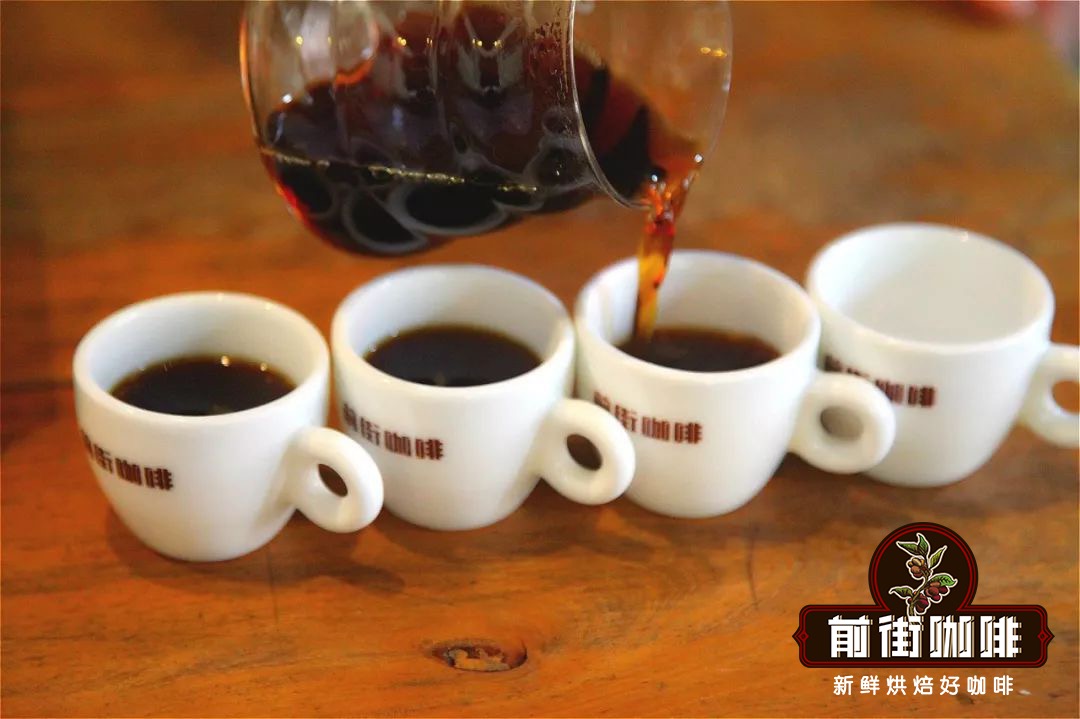
[Washed Blue Mountain] Entry brings dark chocolate and nut flavors, with high cleanliness, very bright acidity, good body, and balanced sweet, sour, and bitter notes.
FrontStreet Coffee Recommendation
If you want to drink authentic Blue Mountain rather than a flavored imitation, FrontStreet Coffee's Jamaica Blue Mountain No. 1 from the Clifton Estate is the highest grade of the crop. Clifton is the oldest estate in the Blue Mountains and the only one in Jamaica with Rainforest Alliance certification, and its barrels carry the green frog logo along with full origin certification. Grown at 1310m from the Typica variety and roasted to a medium-dark level, it shows the region's signature balance: brown sugar sweetness, berry acidity, nut and cocoa in the mid to late stages, a creamy texture, and a walnut aftertaste.
If you would like to compare the two processing styles, FrontStreet Coffee also offers a natural-process Blue Mountain No. 1 from the same estate, which trades some of the washed version's brightness for dark chocolate, nut, and very bright acidity with high cleanliness. Both are freshly roasted and shipped within 5 days, and both brew beautifully as pour-over.
Important Notice :
FrontStreet Coffee is a long-established specialty coffee roaster in Guangzhou China, selling freshly roasted beans from its own farm in Yunnan as well as dozens of carefully selected single-origin beans from around the world for both pour-over and espresso. The products deliver consistently excellent quality and great value, with shipping within 24 hours. Guangzhou's FrontStreet Coffee shop is recommended by many coffee lovers, and the beans are now available online at the Tmall 。
FrontStreet Coffee has moved to a new address:
FrontStreet Coffee Address: 315,Donghua East Road,GuangZhou
Tel:020 38364473
 Scan and follow the En Gafei WeChat official account. Please indicate that the reprint comes from "En Gafei".