Light Roast vs Dark Roast for Geisha Coffee Beans: Flavor Profile and Taste Characteristics

Is Geisha Coffee Better Light or Dark Roasted? Flavor Profile and Taste Characteristics
CUPPING 10-10-11
Equipment: Hario V60 pour-over dripper
Grind: Medium (on the finer side) - because the roast is quite light, I hoped a finer grind would reduce the acidity.
Water temperature: 91°C. The wet aroma was very apparent - fingers that accidentally touched the coffee grounds were left with a slight sweetness. Just as SM's evaluation suggested: abundant floral notes, pleasant fruit acidity, and a relatively light body - quite thin.

Geisha Coffee and Roasting Levels
Geisha coffee is typically prepared by pour-over. The reason Geisha beans are world-renowned is their rich floral aromas, citrus and berry notes, juicy texture, and an acidity that grows ever more refined as the temperature drops, creating an overall layered experience. Panama's coffee cultivation revolves around the Chiriquí volcanic region. Geisha beans are particular about their growing environment. They need higher altitudes, cloud cover or extensive shade trees, and fertile soil to produce captivating floral aromas, delicate fruit acidity, and layered flavor profiles.
Three Coffee Roasting Levels
A cup of coffee holds multiple layers, including acidity, sweetness, bitterness, and saltiness. How do you achieve a balanced profile in which acidity and bitterness harmonize? "Roasting" plays a crucial role. As time passed, the third wave of coffee emerged. In the new world of specialty coffee, the situation is quite different: dark beans are no longer considered the best, and light and medium roasts have gradually become mainstream.

Light Roast Characteristics:
Light roasted coffee appears light brown with no oils on the surface. The beans are hard, with bright acidity and a full body, creating vibrant flavors.
Flavor: Coffees with fruity and floral notes are typically light roasted. When beans have had proper growing, processing, and roasting, they can produce a variety of flavors, aromas, and aftertastes. For example: Ethiopian and Kenyan beans are often light roasted to showcase their floral and fruity notes and juicy character. FrontStreet Coffee offers over a dozen single-origin Ethiopian coffees because different Ethiopian growing regions produce distinct flavors.
Medium Roast Characteristics:
Medium roasted coffee is brown in color with a small amount of oil appearing on the bean surface. These coffees have mild acidity and red-wine notes, with a rounded mouthfeel.

Flavor: This roast level preserves many of the coffee's unique characteristics. Heat begins to penetrate the beans, starting caramelization reactions that create sweetness. As a result, the elements are relatively balanced - richer than a light roast but sweeter, though some acidic and fresh aromas may disappear. For example: Costa Rican Tarrazú, Mozart, and so on. This is a roast level many roasters prefer because it is more approachable for general consumers - balancing acidity and bitterness while still showcasing the coffee's natural flavors.

Dark Roast Characteristics:
Dark roasted coffee is deep brown with rich surface oils, low acidity, and heavy red-wine notes, presenting more bitter and full-bodied flavors.
Flavor: Coffee roasted to this level generally makes its origin hard to identify, but that does not mean such coffee is not good to drink. Some coffees are very suitable for dark roasting, developing the characteristic flavors of chocolate, nuts, and caramel. For example: Mandheling coffee, Blue Mountain coffee, Brazilian coffee, and so on.
Geisha Coffee
In 1931, Geisha quietly traveled from Ethiopia's southwestern Geisha Mountain (which coincidentally sounds the same as the Japanese word for geisha) to Kenya, then through Tanzania and Costa Rica. In the 1960s it was finally transplanted to Panama, where it waited nearly half a century before suddenly making a spectacular impact, defeating perennial champions such as Bourbon, Caturra, Catuai, and Typica to sweep first place in the 2005, 2006, and 2007 Panama National Coffee Cupping Competition.

Because Geisha trees grow taller than typical coffee trees, they were originally planted in a small area within the estate and used as windbreaks. To enter the annual Best of Panama competition, the estate owner's son searched through every coffee variety on the estate for testing, giving Geisha its chance to debut. Since then it has competed in coffee competitions around the world, winning eleven championships in total.

Panama's Hacienda La Esmeralda Geisha is considered the best-tasting Geisha, largely because Panama's microclimate creates the variety's special Panamanian character. After Geisha became famous, estates around the world began growing it. FrontStreet Coffee has sourced Geisha coffee not only from Panama but also from Colombia, Guatemala, and Costa Rica. Although Panamanian Geisha is excellent, Geisha from other growing regions offers wonderful flavors too!
FrontStreet Coffee's Approach to Roasting Geisha
Among the factors that affect the taste of a cup, green beans account for 60%, roasting 30%, and extraction 10%. Good roasting maximizes the unique character of the green beans while minimizing defect flavors. Conversely, improper roasting can completely ruin good beans.
From a roasting perspective: the darker the roast, the stronger the bitterness; the lighter the roast, the stronger the acidity. The choice of roast level depends on the inherent character of the beans. For beans with naturally stronger bitterness and milder acidity, a medium-light roast is usually chosen.

Generally, dark-roasted beans tend to emphasize mouthfeel - their flavors are typically richer, with smoky, chocolate, and woody notes and a heavy body. Light-roasted beans highlight lighter, refreshing flavors with very rich expression - floral notes, fruit acidity, and certain tea-like notes. Medium roast offers a more balanced performance, combining refreshing flavors with a heavy body.
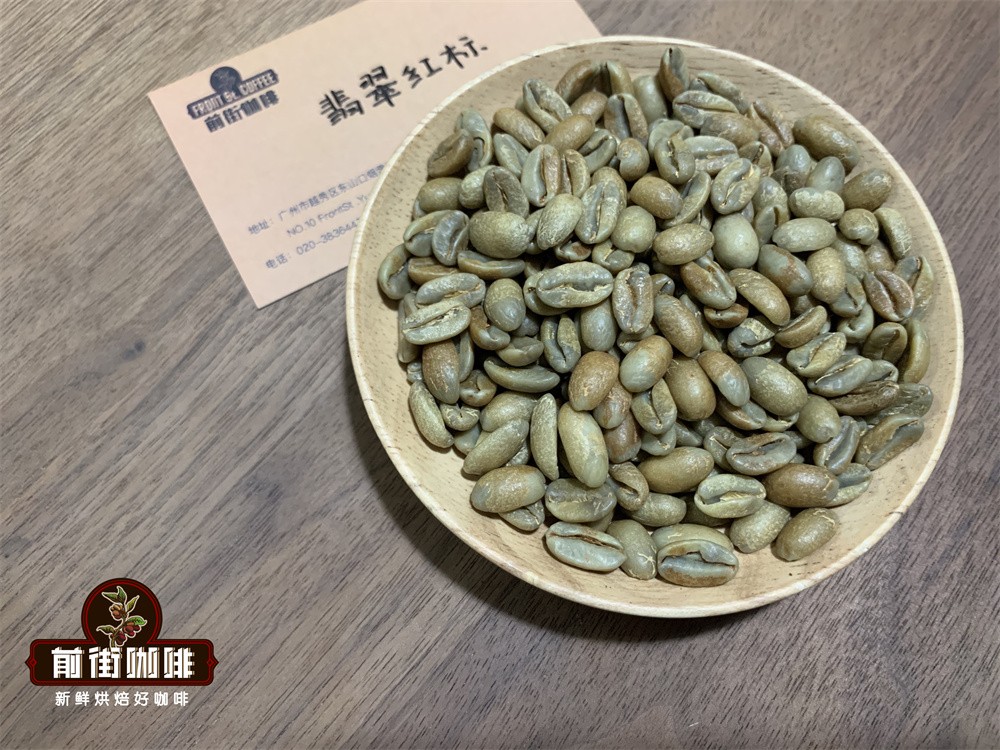
Geisha Green Beans: A beautiful blue-green color with a jade-like, warm texture. They smell of fresh grass, peaches, and berries, with the unique milky sweetness of oolong tea that most coffee beans lack. Aroma and flavor seem to require associative thinking, but the subtle tea notes are something we can perceive clearly.
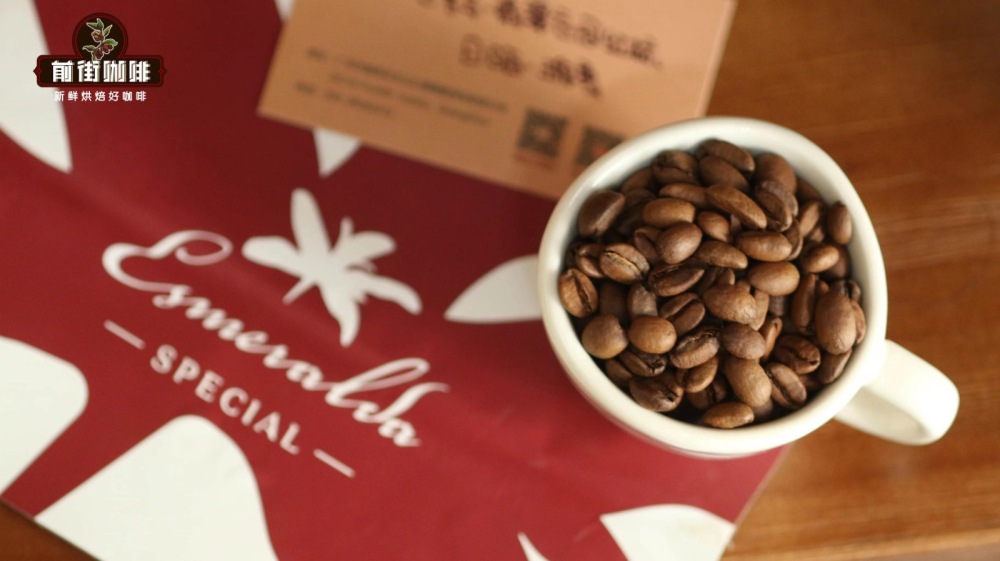
To highlight the character and aroma of Geisha beans, the roast is taken to the verge of second crack. The verge of second crack and the start of second crack are commonly used roast levels - as mentioned earlier, these levels best bring out the beans' inherent character. Too light can introduce off-flavors, while too dark can damage the floral aromas and fruit acidity. FrontStreet Coffee uses a light roast because this level brings out the beans' inherent character best - too dark would damage the floral aromas and fruit acidity. Of course, this must also be adjusted according to the character of the beans and the roaster's understanding of them.
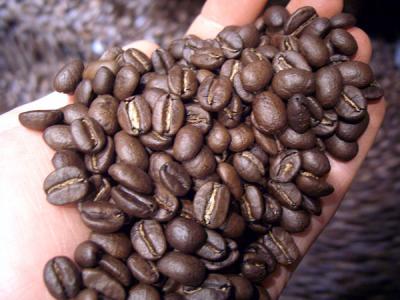
Geisha Roasted Beans: The roasted beans look somewhat "wrinkled." These "sexy wrinkles" are a sign of beans roasted to highlight their original flavors and fruit acidity. However, if the green beans are not of high quality, off-flavors may emerge, such as earthy decay, grassy notes, and astringency - flavors a roaster should try to avoid. Well-roasted Geisha has captivating lemon-citrus aromas and super-sweet honey and cream notes.
From a roasting perspective, the darker the roast, the stronger the bitterness; the lighter the roast, the stronger the acidity. Light roasted coffee appears light brown with no oils on the surface; the beans are hard, with bright acidity and a full body, creating vibrant flavors. Dark roasted coffee is deep brown with rich surface oils, low acidity, and heavy red-wine notes, presenting more bitter and full-bodied flavors.

FrontStreet Coffee's Panama Geisha Brewing Parameters
FrontStreet Coffee recommends drip-style brewing, i.e., pour-over coffee. Those who want to experience rich layers can use a V60 dripper, while those who prefer fuller coffee flavors can use a cake filter dripper. FrontStreet Coffee's daily offerings mostly use V60 drippers, because the 60-degree angle and spiral rib design let brewers fully extract the essence of Geisha by controlling water flow and the number of pours, while the large drainage hole prevents over-extraction.

The V60 dripper features flow ribs connecting top and bottom and a large circular hole in the center, which accelerates the water's flow rate. The spiral exhaust grooves extend the water's path, increasing the contact time between grounds and hot water. Each stream converges along the grooves toward the center point of the dripper, concentrating pressure on the grounds and producing coffee with richer layers.
Dripper: Hario V60
Water temperature: 91°C
Dose: 15 grams
Ratio: 1:15
Grind size: Chinese standard #20 sieve, 80% pass-through
Panama Washed Boquete Geisha Flavor Characteristics: Clear acidity with distinct citrus, lemon, and bergamot notes, a creamy smooth mouthfeel on swallowing, and a finish of green tea and honey.
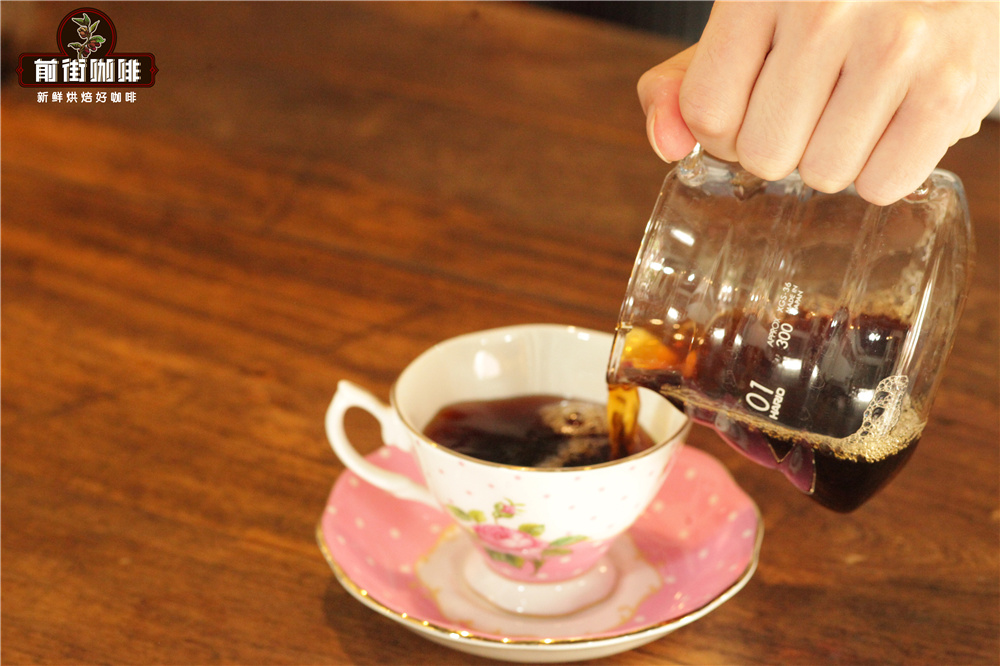
FrontStreet Coffee's Brewing Recommendations:
When it comes to brewing, FrontStreet Coffee has always believed that the freshness of coffee beans greatly affects flavor. FrontStreet Coffee therefore ships all beans within 5 days of roasting. Its roasting philosophy is "freshly roasted good coffee," ensuring that every customer who places an order receives the freshest possible coffee. The resting period is around 4-7 days, so by the time customers receive it, the coffee is at peak flavor.
For friends who need ground coffee, FrontStreet Coffee gently reminds you: once beans are pre-ground there is no need for a resting period, because during transport the pressure of carbon dioxide inside the packaging also helps round out the flavors, so you can brew a cup immediately upon receiving the grounds. Ground coffee must be brewed promptly, however, because it oxidizes quickly when exposed to air, meaning the flavor dissipates more rapidly and the coffee will not taste as good. FrontStreet Coffee therefore recommends buying whole beans and grinding fresh before brewing to better experience the coffee's flavors.
FrontStreet Coffee Recommendation
Because Geisha rewards a light roast, the FrontStreet Geisha lots that show it best are those that emphasize florals and bright fruit. FrontStreet Emerald Estate Red Label Geisha (Esmeralda Special) is grown at 1,600-1,800 meters, cups above 90 points, and comes from a single plot such as Jaramillo, with each batch numbered so you can match the subtle flavors to your taste. FrontStreet Emerald Estate Green Label Geisha (Private Collection) blends several plots to express the estate's signature high-altitude Geisha character at a friendlier price. For a first taste of the variety, FrontStreet Boquete Geisha is an entry-level Panama Geisha with the classic citrus aroma and honeyed sweetness, an oolong-tea body, and delicate fruit acidity. Ethiopia, Geisha's birthplace, is represented by FrontStreet Gesha Village Gold Label, a Geisha 1931 lot taking about 10% of the village's production that is delicately sun-dried for a rich, complex cup, and FrontStreet Gesha Village Red Label, a Gori Gesha lot scored 88 or above on the SCA 100-point scale and traceable down to farm block, variety, and processing date. FrontStreet Grana Estate Geisha, from a rare single-variety Ethiopian estate near Yirgacheffe at the Kochere and Grana Abaya border, is medium-light roasted to give bright citrus acidity, elegant ginger-flower aroma, ripe-fruit sweetness, and a refined Geisha finish. If you want that Geisha-style floral and fruit character in a more versatile blend, FrontStreet Strawberry Candy combines Costa Rican honey-processed coffee with Panama Geisha and works for pour-over, moka pot, espresso machine, and cold brew alike.
Important Notice :
FrontStreet Coffee is a long-established specialty coffee roaster in Guangzhou China, selling freshly roasted beans from its own farm in Yunnan as well as dozens of carefully selected single-origin beans from around the world for both pour-over and espresso. The products deliver consistently excellent quality and great value, with shipping within 24 hours. Guangzhou's FrontStreet Coffee shop is recommended by many coffee lovers, and the beans are now available online at the Tmall 。
FrontStreet Coffee has moved to a new address:
FrontStreet Coffee Address: 315,Donghua East Road,GuangZhou
Tel:020 38364473
 Scan and follow the En Gafei WeChat official account. Please indicate that the reprint comes from "En Gafei".