Sidamo vs Yirgacheffe Coffee Beans: Flavor Differences, Taste Profiles, and Processing Methods
When newcomers arrive at specialty coffee unsure which flavors to try first, FrontStreet Coffee's baristas usually point them toward Ethiopian beans from the menu. Coffee from this origin leads with vivid fruit acidity and intense fruity-floral aromatics—a profile that wins over most coffee lovers on the first sip.
Where Yirgacheffe and Sidamo Come From
Ethiopian coffee dominates FrontStreet Coffee's menu through two regions in particular—Yirgacheffe and Sidamo—chosen so that coffee lovers can taste exactly how these two neighboring areas differ.
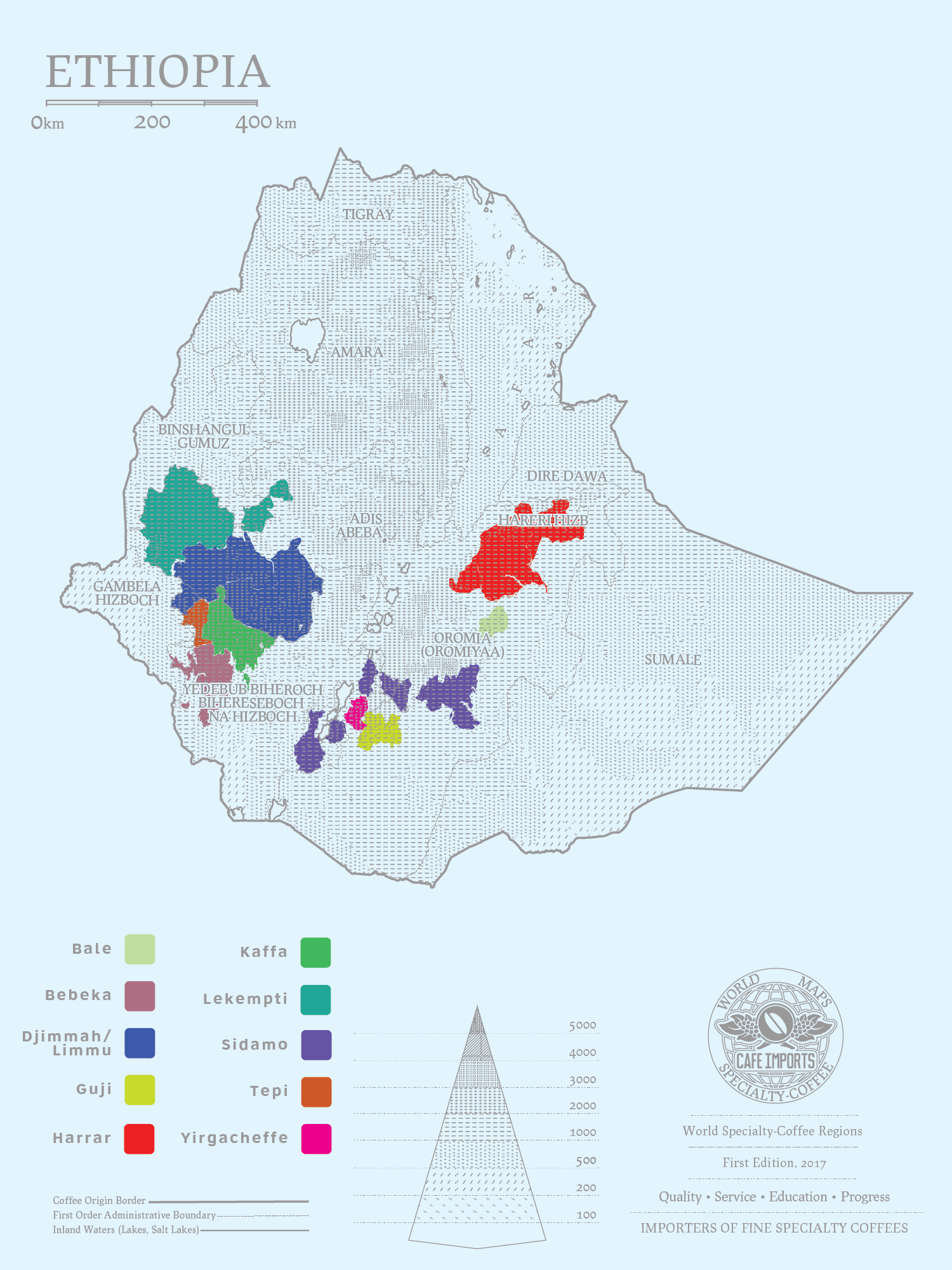
To understand the beans, start with the history. Yirgacheffe was originally a sub-region of Sidamo: Sidamo is a province of Ethiopia, and Yirgacheffe is a small town within it. So what is the FrontStreet Coffee Yirgacheffe everyone talks about, and what should Yirgacheffe actually taste like?
What "Yirgacheffe" Means
Yirgacheffe has become shorthand for Ethiopian specialty coffee. The name combines "Yirga," meaning "to settle down," and "Cheffe," meaning "wetland"—so Yirgacheffe carries the sense of "let us settle and flourish in this wetland."
Ethiopia is a magical country: the birthplace of Arabica coffee. The Kaffa Forest is where it all began, and Ethiopia remains one of Africa's great coffee-producing nations.
Many first-time visitors to FrontStreet Coffee start with either its Yirgacheffe or its Sidamo. But each region comes in multiple versions on the shelf, and asked to choose, customers often freeze.
To us, Yirgacheffe may be just a coffee region; to the people who have lived there all their lives, it is home—which is why they work so hard to protect it. Their coffee farmers tend their trees with real devotion, and in every lot FrontStreet Coffee sources you can taste that attachment to the land. No bean arrives by accident.
Processing Methods and What They Do
Yirgacheffe's coffee was first cultivated by European monks and is now managed by farmers and cooperatives—the region is really a constellation of surrounding coffee communities. Most Yirgacheffe is washed, with only a few standout lots still using Ethiopia's traditional natural process. Compared with washing, natural processing brings more intense fruit aromatics and a fuller body. FrontStreet Coffee's Konga and Natural Red Cherry are both naturals from Yirgacheffe, marked by lemon, floral, and honeyed sweetness with gentle fruit acidity and citrus—fresh and bright, yet sweeter, softer in acidity, and more complex than their washed siblings.
Plenty of coffee lovers fell for this region through FrontStreet Coffee's washed Yirgacheffe. Its bright acidity and clean, refreshing flavors have turned casual drinkers into enthusiasts, and for many it was their very first specialty bean.
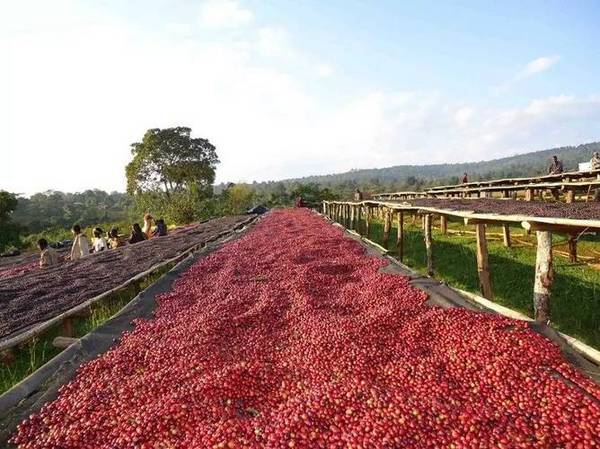
Traditional natural processing was a crude affair in earlier decades, and lots often picked up earthy faults. To raise quality, Ethiopia imported washed technology from Central and South America in 1972, and washed has dominated Yirgacheffe ever since.
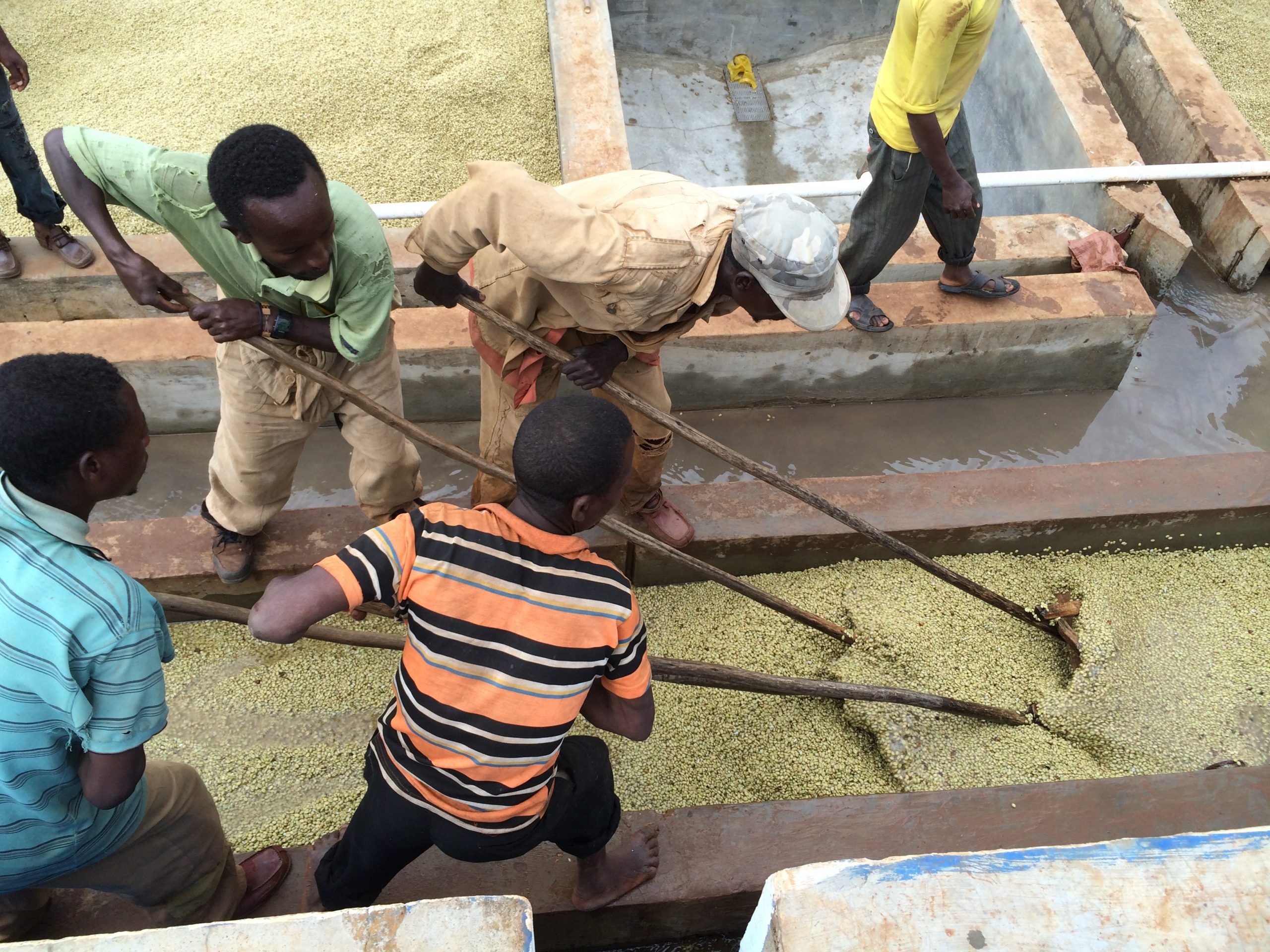
As noted, Yirgacheffe and Sidamo are both Ethiopian regions, with Yirgacheffe a town inside Sidamo province. Sidamo's growing areas climb to around 2,100 meters, while Yirgacheffe's coffee grows at roughly 1,700-2,100 meters. The higher and cooler the plot, the more amino acids and other aromatics the beans accumulate—which is why high-altitude coffees tend to show intense fragrance and rich, mellow depth.
FrontStreet Coffee's classic washed Yirgacheffe falls into three aromatic families: citrus peel, floral, and meadow. Flavor-wise it leans on high acidity, with body, aftertaste, and sweetness varying by lot. The delicate floral profile carries a whisper of meadow, with the citrus-peel note more restrained.
FrontStreet Coffee's Sidamo is the balancer: higher sweetness and a somewhat fuller body than Yirgacheffe. Natural-processed Sidamo in particular develops a wine-like acidity and sweetness that, combined with coffee's own cocoa bitterness, gives certain batches an intoxicating chocolate-liqueur character.
Two Beans, Side by Side
Compare FrontStreet Coffee's Yirgacheffe Gedeb with its Sidamo Guji.
FrontStreet Coffee Yirgacheffe Gedeb
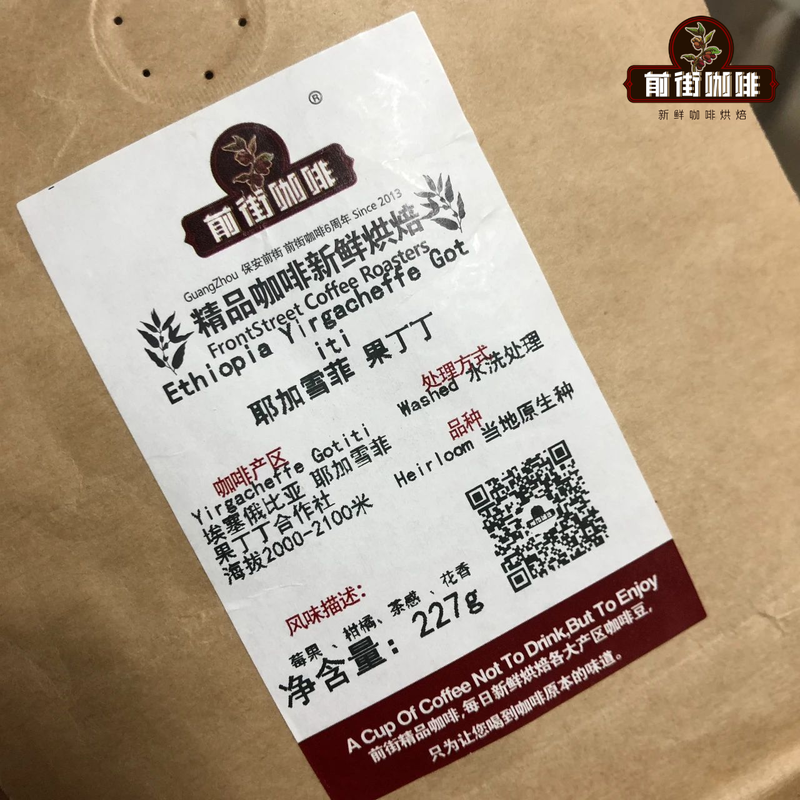
Region: Gedeb cooperative, Yirgacheffe, Ethiopia
Altitude: 2000m-2100m
Variety: Local heirloom varieties
Process: Washed
FrontStreet Coffee Sidamo Guji
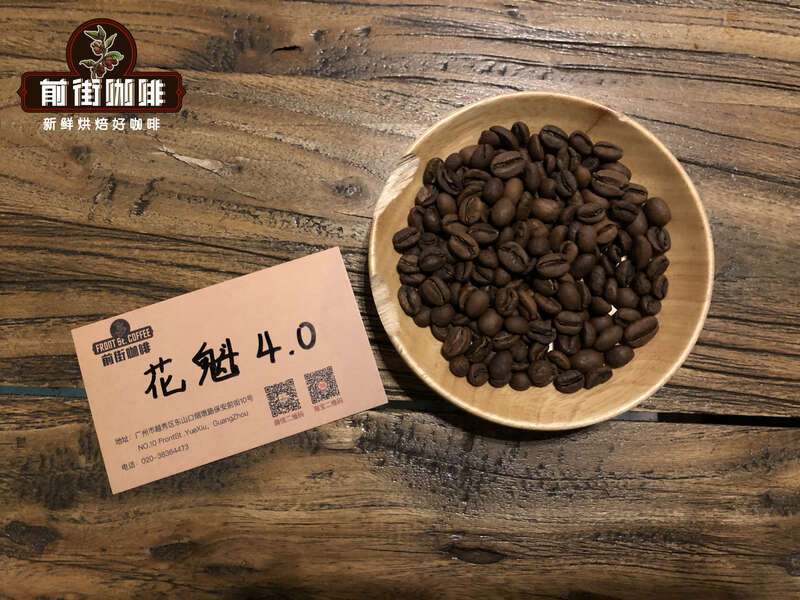
Region: Sidamo, Ethiopia
Altitude: 2250m-2350m
Variety: Local heirloom varieties
Process: Natural
Brewing Recommendations
Dripper: Hario V60 #01
Water Temperature: 90-91°C
Dose: 15 grams
Ratio: 1:15
Grind Size: 80% pass-through on a #20 standard sieve
To pull the full fruity acidity from these Yirgacheffe and Sidamo beans, FrontStreet Coffee uses a higher water temperature and a finer grind—but to keep that heat from over-extracting, the brewer of choice is a fast-flowing V60.
The V60's 60° cone funnels the grounds toward the center, so the pour naturally converges there, ensuring plenty of contact time between water and coffee for a complete extraction.
Inside, ribs spiral clockwise from bottom to top, holding the filter paper just off the wall so water moves freely; combined with the large bottom opening, the V60 drains noticeably faster than most drippers.
Brewing Technique:
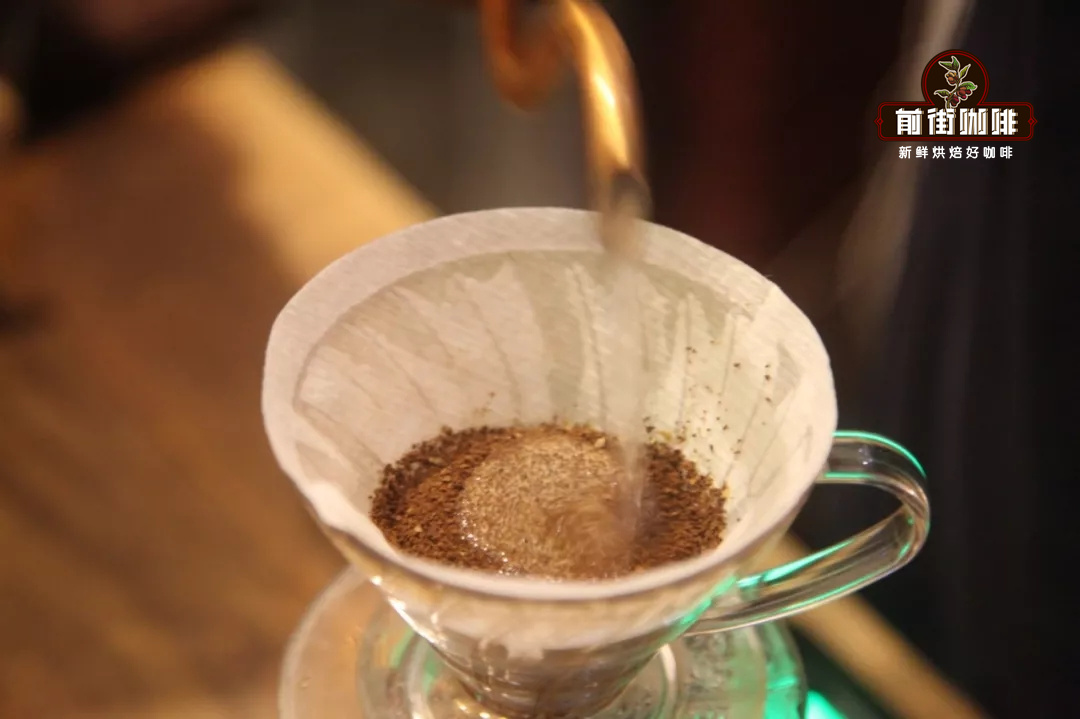
Bloom with 30g of water for 30 seconds, then pour 95g more (the scale reads about 125g total), finishing this stage within about 1 minute. Once the level drops to two-thirds of the bed, pour the remaining 100g (the scale reads about 225g), finishing around 1 minute 40-45 seconds. The drawdown ends between 2'00" and 2'10"—remove the dripper and the extraction is complete.
How They Taste
[FrontStreet Coffee Gedeb]: Citrus and black tea on the entry, the florals shifting with temperature to reveal cream, caramel, and almond. A distinctly sweet aftertaste with a clean, sweet mouthfeel.
[FrontStreet Coffee Guji 4.0]: Citrus acidity, a full berry-juice sensation, lemon-black-tea character, and persistent sweetness.
FrontStreet Coffee's Yirgacheffe shows high acidity, real body, intense aromatics, and full sweetness, with a long finish of jasmine, meadow, and sweet-potato notes—well worth savoring slowly.
FrontStreet Coffee Recommendation
Yirgacheffe itself is a small town in southern Ethiopia's Sidamo province, at roughly 1,700-2,100 meters—one of the highest coffee regions on earth, with most trees planted above 1,800 meters on what was once wetland. FrontStreet Coffee's washed Yirgacheffe daily bean is the ideal first taste of the region: celebrated for white jasmine florals, bright citrus and lemon acidity, and a clean tea-like finish, at a friendly price that has made it the classic beginner's specialty bean. For a more layered take, look to the cooperatives around the town—FrontStreet Coffee's washed Gedeb Cooperative lot comes from the Worka area at the southeastern edge of Yirgacheffe and delivers jasmine fragrance with fresh, luminous citrus and lemon acidity, none of the traditional bitterness.
If you prefer your Yirgacheffe fruitier, the natural-processed FrontStreet Red Cherry uses only fully ripe, defect-free cherries, re-sorted at the station and sun-dried on raised beds—turned every 2-3 hours in the early days to prevent uneven heating and over-fermentation—for three to five weeks before hulling and resting. Because the beans dry inside the fruit, the cup keeps classic Yirgacheffe character while gaining tropical aromatics: citrus-like acidity, berry-juice vibrance, honeyed sweetness, and a creamy-smooth body. To brew any of them, FrontStreet Coffee suggests a V60 at 90-91°C, 15g of coffee at 1:15, a fine-granulated-sugar grind (80% through a #20 sieve), and a three-pour structure: 30g bloom for 30 seconds, then to 125g by the one-minute mark, finishing to 225g around 1'45", with drawdown complete between 2'00" and 2'10".
Important Notice :
FrontStreet Coffee is a long-established specialty coffee roaster in Guangzhou China, selling freshly roasted beans from its own farm in Yunnan as well as dozens of carefully selected single-origin beans from around the world for both pour-over and espresso. The products deliver consistently excellent quality and great value, with shipping within 24 hours. Guangzhou's FrontStreet Coffee shop is recommended by many coffee lovers, and the beans are now available online at the Tmall 。
FrontStreet Coffee has moved to a new address:
FrontStreet Coffee Address: 315,Donghua East Road,GuangZhou
Tel:020 38364473
 Scan and follow the En Gafei WeChat official account. Please indicate that the reprint comes from "En Gafei".