How to Brew a Great Cup of Coffee with a Siphon Pot: Step-by-Step Tutorial Video Screenshots
Siphon Brewing Guide: A Complete Introduction to the Art of Vacuum Coffee

With its laboratory-glassware looks, the siphon brewer is a device that extracts coffee using the pressure changes created by steam and the siphon principle. It first appeared in Europe, where the trademark was registered by a Frenchwoman, Marie Fanny Amelne Massot. Its exquisite spherical silhouette cemented the siphon's classic status, and it has been embraced by coffee lovers around the world ever since. Today FrontStreet Coffee starts with the extraction principles behind siphon coffee and walks you through this magical brewing device.
Introduction to the Siphon Brewer
English speakers know it as the "siphon" — hence "siphon pot." It exploits thermal expansion: heating the water in the lower bulb generates steam, which pushes the hot water up into the upper chamber to mix with the coffee grounds. As the temperature falls, the brewed coffee is drawn back down the vacuum tube into the lower pot. The name comes from the siphon principle itself — extraction driven entirely by pressure differences created by temperature change!
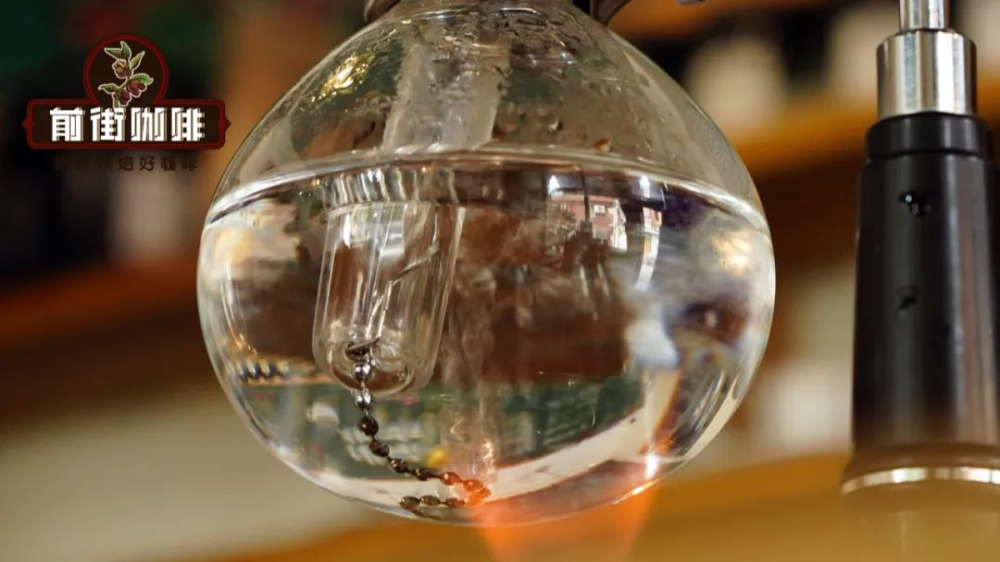
Anyone who has tasted siphon coffee knows how different it is from pour-over, in both mouthfeel and flavor. Pour-over tastes cleaner, with more distinct layering and more sharply defined flavors; siphon coffee is richer on the palate, more intense in aroma, and more substantial in texture.
To play up that character, FrontStreet Coffee recommends medium-roasted beans for the siphon: FrontStreet Coffee's Huilan, Bird of Paradise, Diamond Mountain, and Queen Estate. These let the cup carry nutty aromas and a rich body at the same time.

Siphon Brewer Structure
External Structure
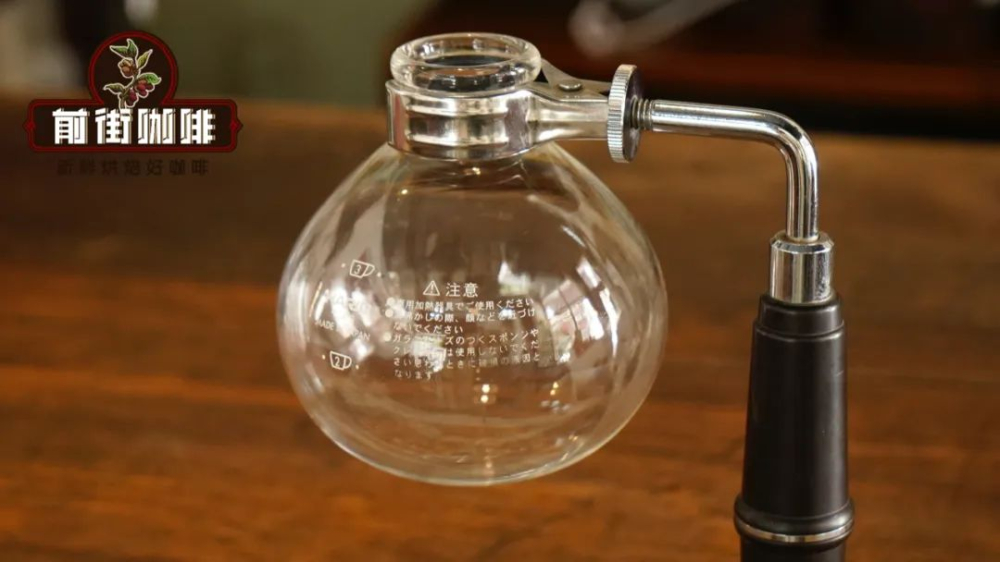
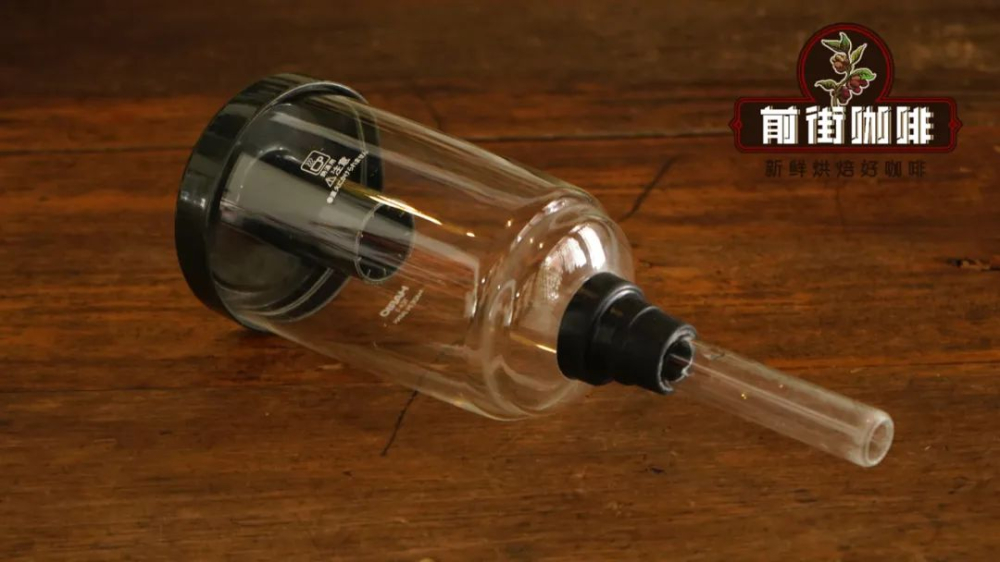
A siphon breaks down into three parts: the upper pot, the lower pot, and the stand. The stand exists mainly to hold the lower pot stable and elevated. The lower pot is roughly spherical — a shape chosen to ensure even heating during brewing — while the upper pot is cylindrical with a tapered bottom that extends into a long, thin pipe. The pipe narrows toward the bottom, and a gasket at the joint provides the seal.
Filtration System
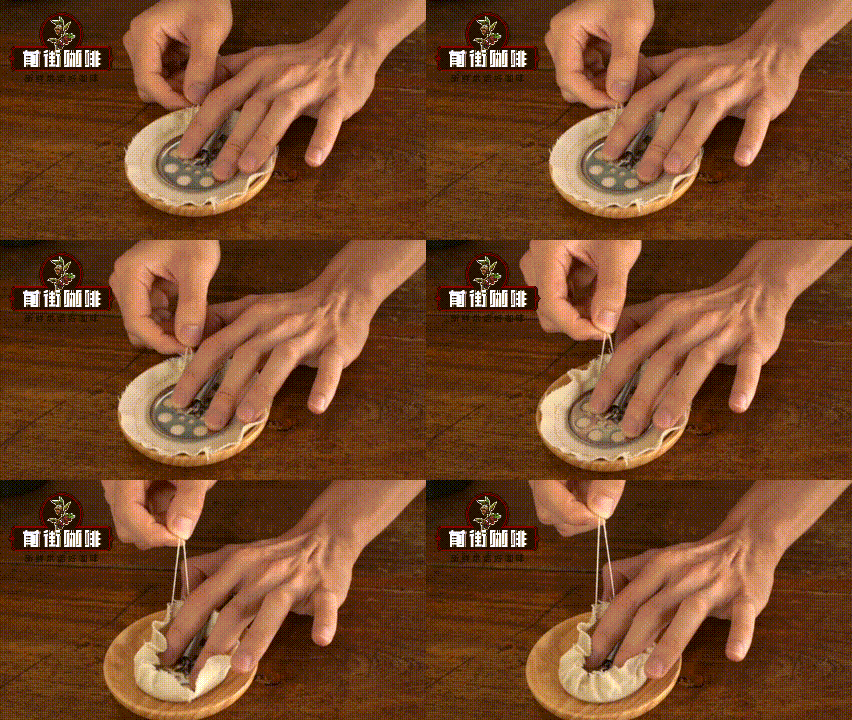
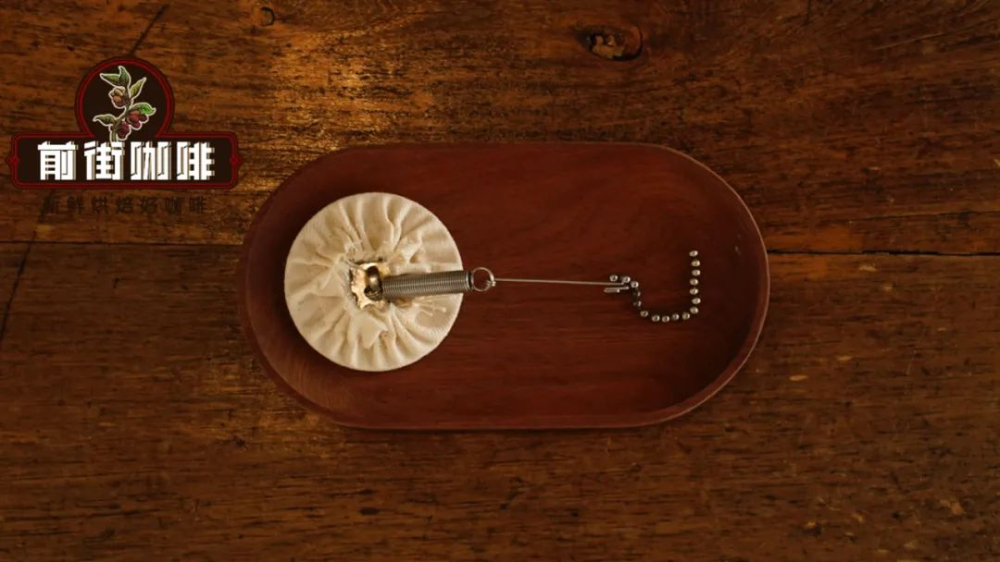
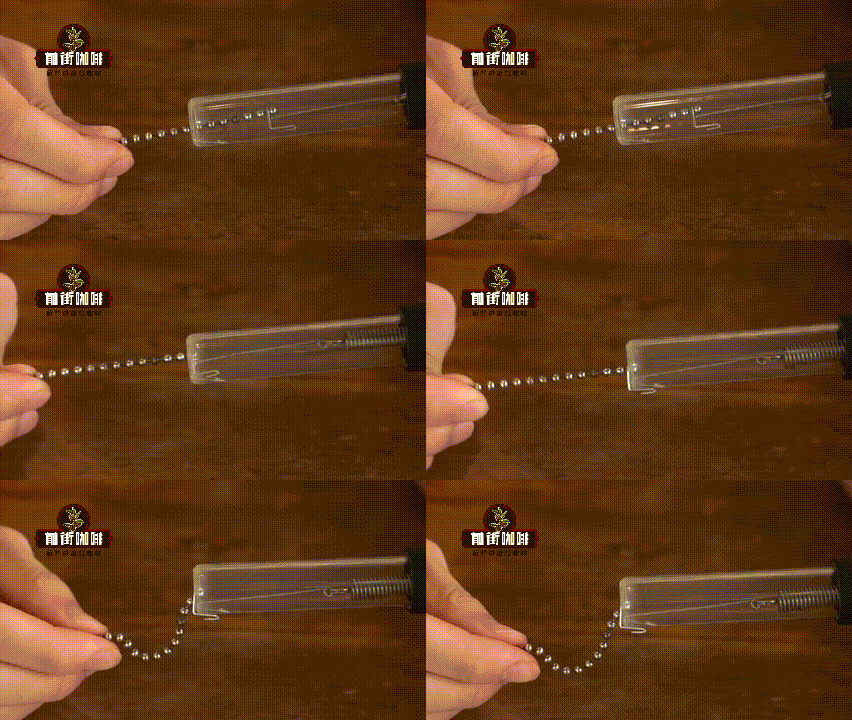
Unless you fancy a mouthful of grounds, they need to be filtered out during the brew! The siphon's filter is a round metal disc attached to a spring-loaded chain. Before use, the disc gets wrapped in filter material — most commonly a specially shaped flannel filter cloth. After cinching the drawstrings on both sides, the cloth hugs the disc (tie it off once tight and trim the excess thread), completing a filtration assembly that sits inside the upper pot.
Heat Source
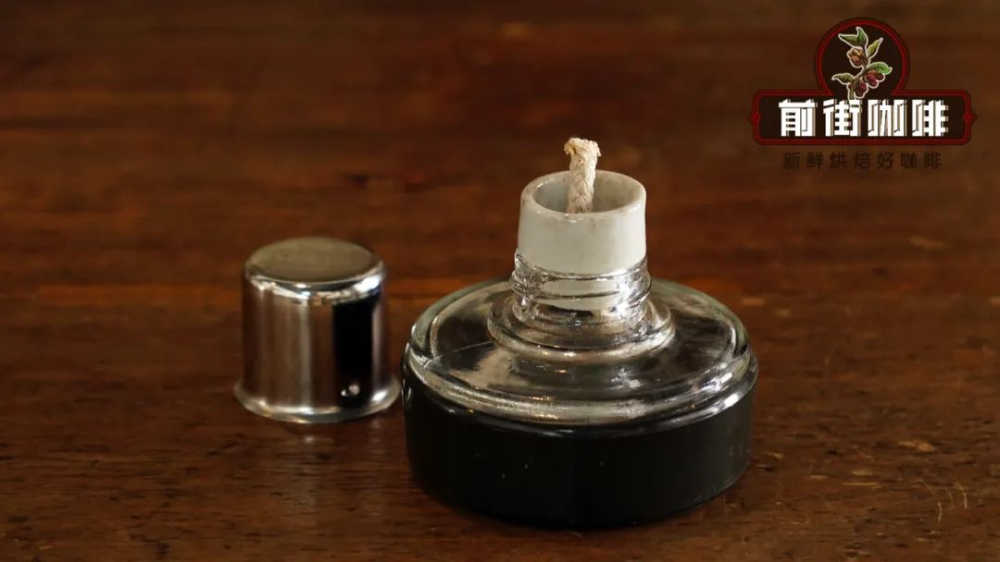
The siphon doesn't care what heats it: an open-flame gas stove, a safe induction cooktop, or a scientific-looking alcohol lamp all work. Pick whatever you prefer — they all do the heating job equally well!
Coffee Brewing Parameters
Grind Size
FrontStreet Coffee has measured the ideal grind for siphon coffee: slightly finer than pour-over, with a 90% pass-through rate on a #20 sieve. (Conventional pour-over typically runs an 80-85% pass-through rate.)
Coffee-to-Water Ratio
Siphon ratios usually fall between 1:10 and 1:12, and 1:12 is the crowd favorite. FrontStreet Coffee, however, typically brews at 1:11 — 20g of coffee with 220ml of water.

When to Add the Coffee
Timing the coffee addition is the most contested detail in siphon brewing: grounds in first, or wait until the water has fully climbed into the upper chamber? Traditionalists pick the former, arguing it produces fuller flavor; most modern brewers counter that grounds added early extract unevenly — as the water rises, it touches the small pile at the bottom first, and that portion starts extracting before any stirring happens.
So many brewers wait until the water has completely risen before adding the grounds. FrontStreet Coffee thinks late addition is the smart choice for beginners — it removes a whole class of unstable variables.

Stirring Methods
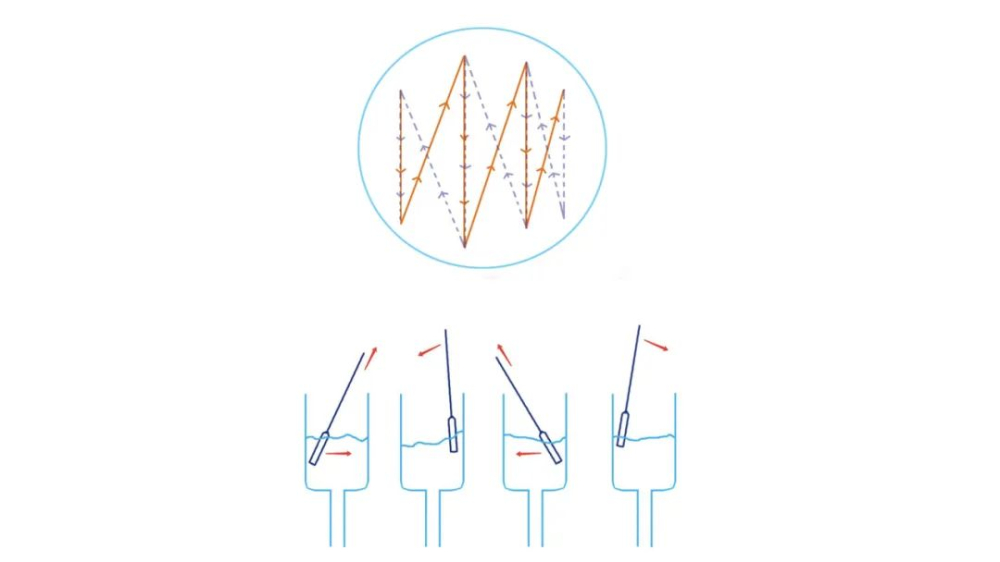
You'll stir three times over the course of the brew: when the grounds enter the water, halfway through the steep, and just before cutting the heat at the end. Stirring styles abound — cross-stirring, Z-stirring, infinity-stirring, circular stirring, the tapping method, and more. No style is the only way, but for newcomers without much stirring experience, FrontStreet Coffee recommends the tapping method! It's easy to control and easy to learn: tap the coffee bed along the trajectory shown below, with the stirring rod pivoting around the center and both ends kept offset as you sweep back and forth.
Knowing When to Stop
As for when to cut the heat, some brewers go by aroma alone — but that demands serious fundamentals. FrontStreet Coffee suggests beginners use a timer instead. If you added grounds first, start the clock when you begin stirring; if you added them after the water rose, start it when the grounds go in. Shut off the heat somewhere in the 50-70 second range.
Practical Session: Prepare Your Tools
Siphon brewer, coffee beans, alcohol lamp (any heat source works), hot water, dry cloth.
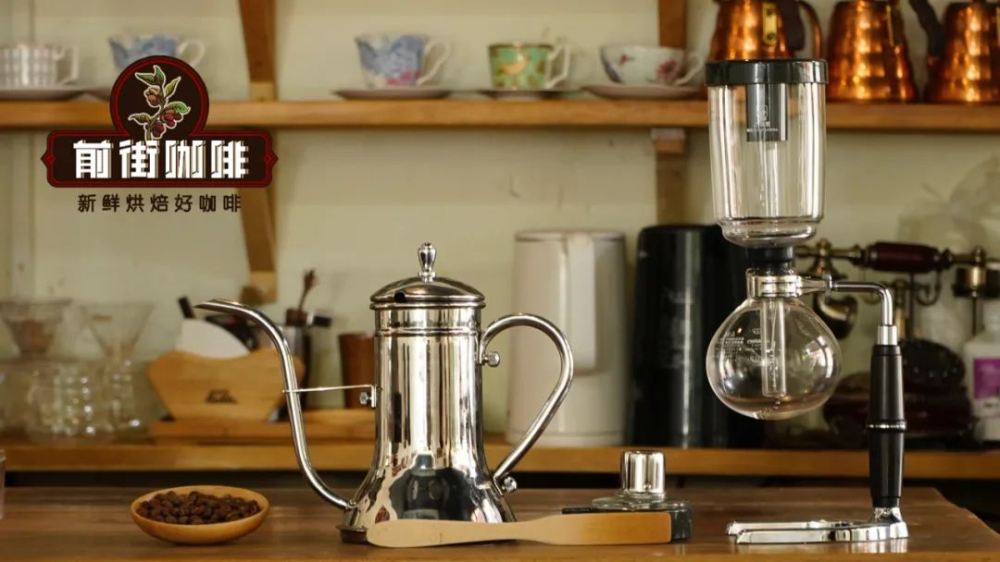
Step 1: Set up the lower pot and alcohol lamp, and pre-fit the filter hook in the upper pot (place the filter assembly in the upper pot, thread the hook down through the pipe, and hang it on the pipe's end).
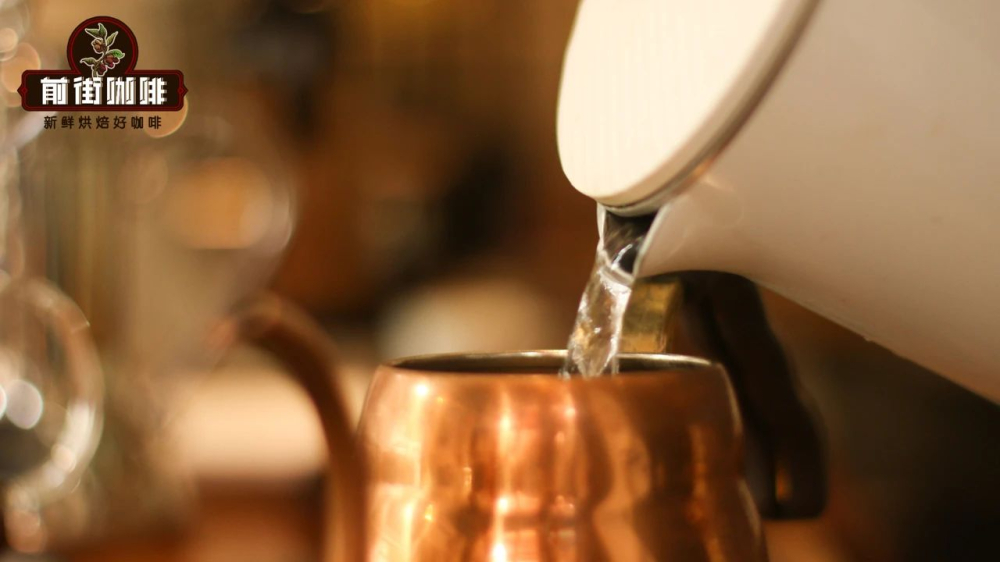
Step 2: Pour in 220ml of hot water.
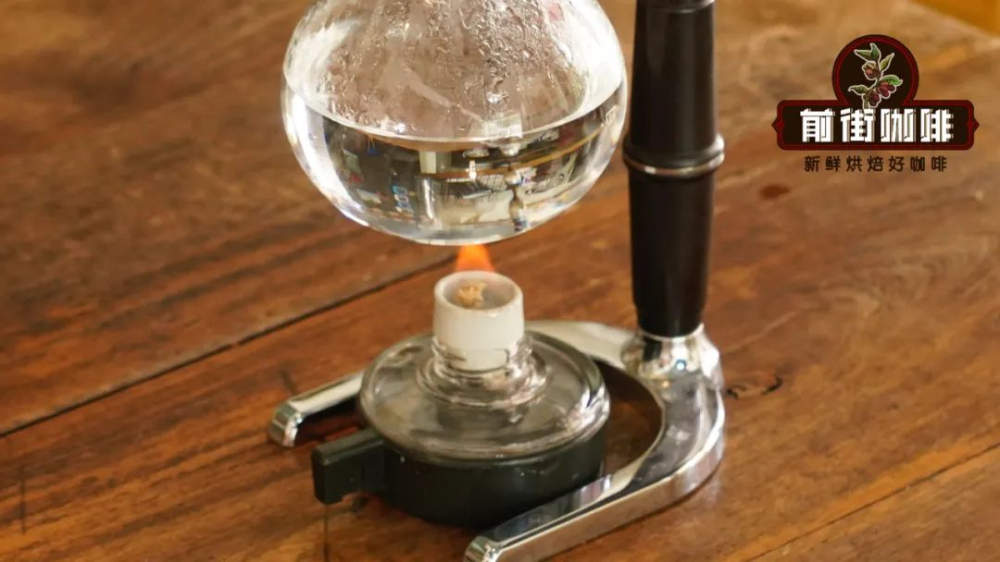
Step 3: Dry the outside of the lower pot and light the heat source (a dry lower pot won't crack during heating).
Step 4: Insert the upper pot diagonally into the lower pot, with the anti-explosion bead touching the bottom of the lower pot.
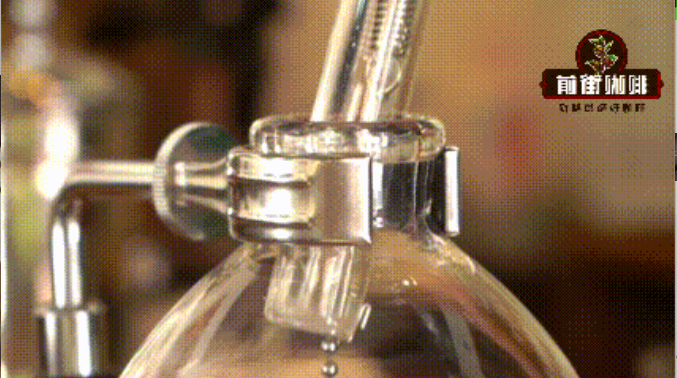
Step 5: Once the lower pot boils and water droplets appear, straighten the upper pot and press it down firmly, then wait for the water to be drawn up into the upper chamber.
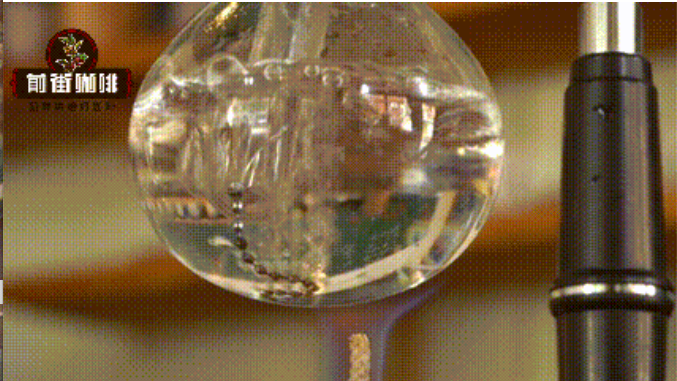
Step 6: When the upper pot stops drawing water, add the coffee grounds and start timing. In the first phase, use the tapping method to press the grounds into the water for even extraction.
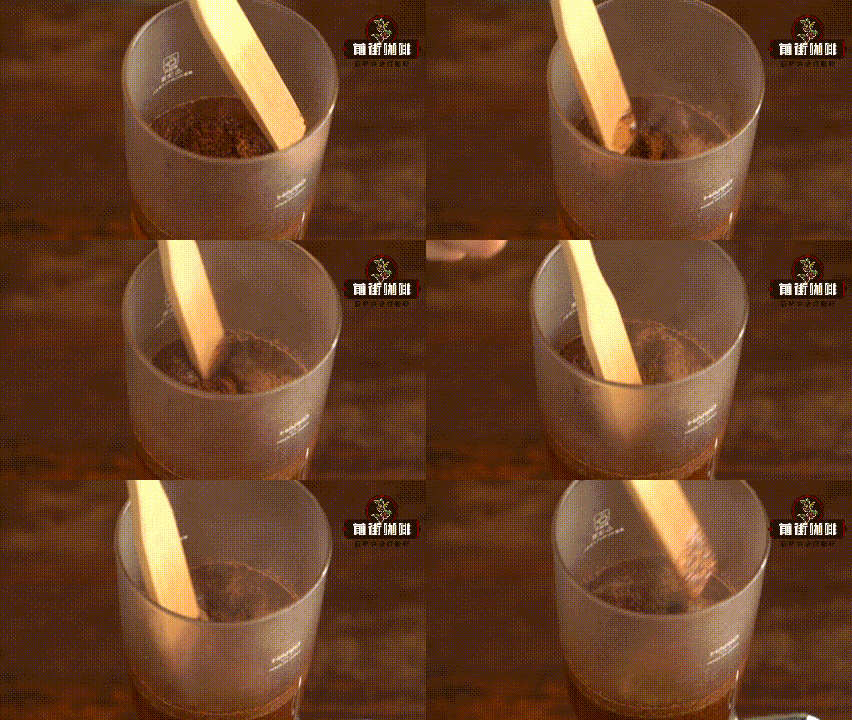
Step 7: In the second phase, at 25 seconds, switch to FrontStreet Coffee's recommended stirring method and stir until the brew clearly separates into three layers: foam, coffee liquid, and grounds.
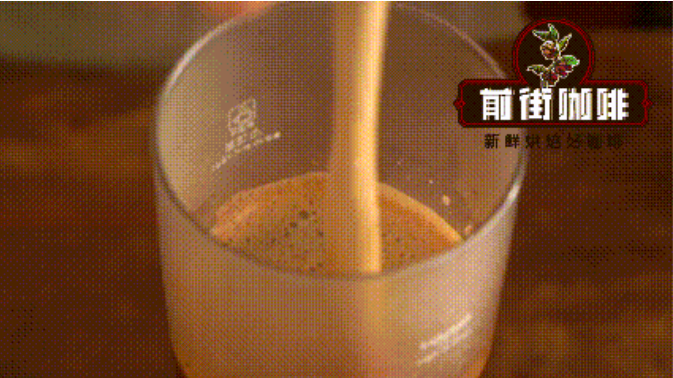
Step 8: In the final phase, stir clockwise at fifty seconds; at sixty seconds, remove the heat source and wait for the coffee to flow back into the lower pot. (Wiping the lower pot with a dry cloth after removing the heat speeds up the return flow.)
And that's it — your siphon coffee is ready! Compared with the clean, crystalline character of pour-over, siphon brewing delivers a far richer mouthfeel. Whatever brewing method you choose, the goal is the same: a cup that makes you feel comfortable and at ease. Good coffee is just that simple — and that pure.
FrontStreet Coffee Recommendation
Siphon brewing flatters fuller-bodied, medium-to-dark roasted coffees, so FrontStreet Coffee points to two classics. The FrontStreet Jamaica Blue Mountain No.1 is the benchmark of balance — cream, caramel, chocolate, nuts, honey, and a light fruitiness with none of the harshness, exactly the profile that cloth-filter and siphon brewing showcased so beautifully in the golden era of coffee. The FrontStreet PWN Indonesian Golden Mandheling, roasted dark, offers very low acidity with a long, syrupy body — herbal and dark chocolate aromas with a faint earthy undertone — a perfect match for the siphon's intense, substantial texture if you love heavy cups without sourness.
Important Notice :
FrontStreet Coffee is a long-established specialty coffee roaster in Guangzhou China, selling freshly roasted beans from its own farm in Yunnan as well as dozens of carefully selected single-origin beans from around the world for both pour-over and espresso. The products deliver consistently excellent quality and great value, with shipping within 24 hours. Guangzhou's FrontStreet Coffee shop is recommended by many coffee lovers, and the beans are now available online at the Tmall 。
FrontStreet Coffee has moved to a new address:
FrontStreet Coffee Address: 315,Donghua East Road,GuangZhou
Tel:020 38364473
 Scan and follow the En Gafei WeChat official account. Please indicate that the reprint comes from "En Gafei".